Tag: Berlin

  • Brandenburg Gate History: The Icon That Survived Empires and Walls
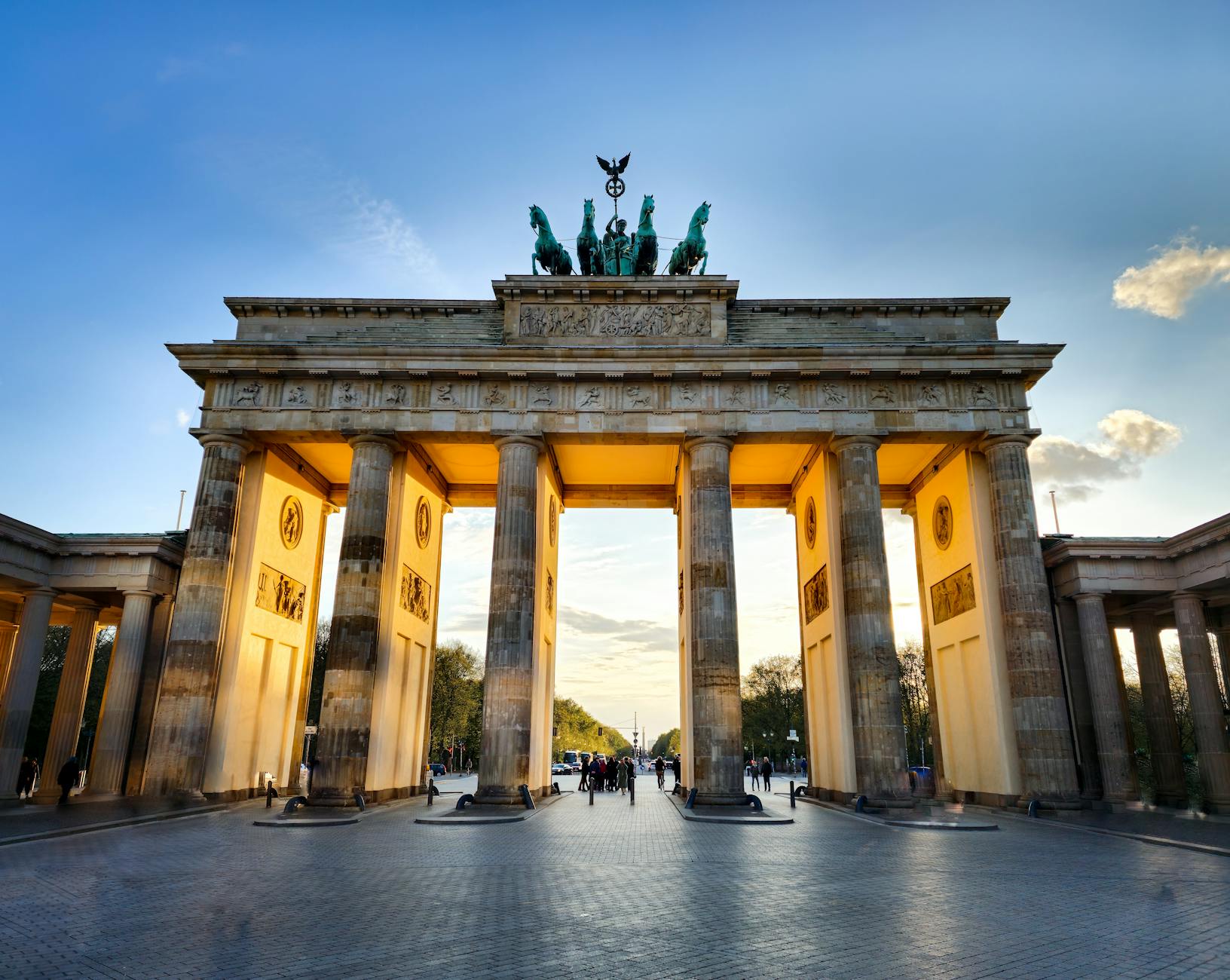
    Brandenburg Gate History: The Icon That Survived Empires and Walls

    Introduction

    The Brandenburg Gate, an iconic symbol of Berlin, boasts a rich and multifaceted history that reflects the city’s tumultuous past and its aspirations for unity and peace. Constructed between 1788 and 1791, the gate was designed by architect Karl Friedrich Schinkel as a neoclassical monument, embodying the values of enlightenment and progress. Originally commissioned by Frederick William II of Prussia, the Gate was envisioned as a grand entrance to the city, epitomizing the strength and resilience of Berlin.

    As the gate stood witness to the rise and fall of empires, it transitioned from a symbol of division during the Cold War to a beacon of hope and reconciliation after the Berlin Wall’s fall in 1989. Today, it remains a vibrant landmark that attracts millions of visitors, serving as a reminder of the past while promoting a message of peace and unity for the future. This article delves into the key historical milestones of the Brandenburg Gate, tracing its journey through time and exploring its lasting significance in contemporary society.

    Origins of the Brandenburg Gate: Architectural and Historical Context

    The Brandenburg Gate’s history began in the late 18th century, a period characterized by great change and cultural flourishing in Europe, known as the Age of Enlightenment. It was commissioned by King Frederick William II of Prussia as a symbol of peace following the end of the Seven Years’ War. The choice to construct a monumental gate was influenced not only by the architectural trends of the period but also by the political and social climate of the time.

    Designed by Johann Gottfried Schadow, the Gate was inspired by the Propylaea, the gateway to the Acropolis in Athens, which signified a bridge between the classical ideals of democracy and the burgeoning values of enlightenment thought. The neoclassical design was significant; it emphasized rationalism, symmetry, and grandiosity, reflecting the aspirations of Prussia during this era. The gate stood not just as a physical structure but as a testament to the state’s power and its enlightened ideals.

    Once completed, the Brandenburg Gate quickly established itself as a prominent landmark within Berlin, symbolizing the city’s status as a center of culture and politics. Its construction utilized sandstone from local quarries, giving the structure a warmth and durability that has allowed it to endure the test of time. Adorned with the Quadriga, a chariot drawn by four horses driven by the goddess of victory, the Gate became a celebrated icon of Berlin and a focal point for various national celebrations and events.

    As a young city, Berlin’s development was deeply intertwined with the gate’s presence. It became a key ceremonial space where citizens gathered to witness important events, including military parades and royal processions. It represented not only the entrance to the city but a journey into the heart of German identity and culture.

    sculpture on brandenburg gate in black and white
    The Brandenburg Gate

    The Brandenburg Gate also played a role during the Napoleonic wars, where it morphed into a symbol of Prussian strength after the defeat of Napoleon in 1806. The Gate was transformed, with the Quadriga repurposed as a representation of victory over tyranny. This transition marked the beginning of the Gate’s evolution from an architectural structure to an emblem of national pride.

    However, as Germany moved into the 19th and early 20th centuries, the political landscape began to shift dramatically. The unification of Germany in 1871 brought further significance to the Brandenburg Gate, as it was used to celebrate Germany’s newfound unity under the Prussian king, Wilhelm I. The Gate was thus entrenched in historical narrative, illustrating the Power of the Prussian state and its ambitions for leadership in Europe.

    With each passing decade, the Gate not only reflected the prevailing architectural styles of the time but also adapted to the ever-changing sociopolitical environment. The growing population of Berlin and its emergence as a leading European metropolis turned the Brandenburg Gate into a space of vibrant public life. It captured the essence of Berlin’s identity, a melding of tradition and modernity.

    Moreover, the intricate decorations and historical inscriptions present on the Gate further contribute to its cultural significance. Each symbol and relief tells a story, encapsulating significant moments in German history and reflecting the values that have shaped the nation.

    The origins of the Brandenburg Gate reveal that it is much more than an architectural feat; it is a living chronicle of history that encapsulates the evolution of Berlin itself. As we advance through the unfolding layers of its story, we see how the gate endured trials and tribulations that would come to redefine both the city and the nation. The next section will explore how this structure evolved into a symbol of peace and unity through the ages.

    Symbol of Peace and Unity: The Gate through the Ages

    The Brandenburg Gate transcended its original purpose as a mere entrance to the city and evolved into a multifaceted symbol of peace, unity, and resilience. As various historical events unfolded over the decades, the significance of the Gate transformed, reflecting the hopes and struggles of the people.

    In the 19th century, as Berlin became the capital of the newly unified German Empire, the Brandenburg Gate stood prominently as an emblem of national pride. It served as a backdrop for significant events, including royal ceremonies and military parades. Each celebration at the Gate was not just a display of power but also a celebration of the unity and strength that the unification of Germany represented. It became a gathering point where citizens could collectively express their patriotism and national identity.

    However, the Gate would soon face its greatest challenges. The tumultuous socio-political changes during the early 20th century brought significant upheavals. Following World War I and the establishment of the Weimar Republic, the landscapes of Europe shifted dramatically, and the ideals that the Brandenburg Gate had once stood for began to fracture. This period saw the rise of extreme nationalism and a retrenchment of old ideals.

    The rise of the Nazi regime in the 1930s further complicated the Gate’s legacy, as it became a stage for propagandistic ceremonies and events that distorted the ideals of peace and unity. The Quadriga was reinterpreted as a symbol of Nazi power; however, the very fabric of society was still deeply woven with the hopes for a united Europe and reconciliation.

    reflection of brandenburg gate in puddle
    The Brandenburg Gate

    World War II left Berlin in ruins, and the resonance of the Brandenburg Gate as a symbol of hope was challenged. After the war, under the division of East and West Berlin, the Gate found itself in an isolated position, straddling the border between two worlds. Amidst the backdrop of the Cold War, the Gate became an emblem of division rather than unity, representing the ideological and physical split within Germany.

    Yet, even through this period, the symbolism of the Gate as a peace monument lingered in the hearts of many Berliners. The citizens on both sides of the wall would often gather to peer at the symbol of their divided city, yearning for a day when they could once again come together. The Gate became a poignant reminder of the aspirations that still connected people beyond the barriers erected by political ideology.

    The fall of the Berlin Wall on November 9, 1989, marked a watershed moment for the Brandenburg Gate, as it was thrust back into the spotlight. Thousands of people rushed to the Gate, celebrating its reopening and the promise of reunification. It symbolized not only the end of division but a renewed hope for peace and unity across Germany and, indeed, all of Europe. The images of jubilant crowds celebrating at the Brandenburg Gate were broadcast worldwide, signifying a collective yearning for freedom and reconciliation.

    In the aftermath of reunification, the Brandenburg Gate assumed its place once more as a celebrated symbol of unity. It was renovated, and on its 200th anniversary in 1991, it hosted a series of celebrations marking the enduring spirit of resilience and hope. The Gate became a focal point for numerous cultural events, festivals, and peace demonstrations, reinforcing its identity as an emblem of overcoming adversity.

    As time progressed, the significance of the Brandenburg Gate further solidified in the 21st century, as it became a canvas for various artistic and cultural expressions advocating for global peace. Its open arches invite people from all walks of life to come together, creating an environment where shared experiences and collective memories thrive.

    In contemporary society, the Brandenburg Gate represents a reminder of the collective history of struggle and hope, encouraging ongoing dialogues about peace and cooperation. It has emerged as a global symbol of reconciliation, echoing the essential values of togetherness, compassion, and understanding among diverse nations.

    The evolution of the Brandenburg Gate from a representation of royal grandeur to an iconic symbol of peace and unity illustrates the resilience of Berliners and their ability to overcome the adversities of their storied history. As we delve deeper into the Gate’s journey through the Cold War, we can witness how it served as a powerful metaphor for dividedness yet ultimately communicated the shared yearning for unity.

    The Role of the Brandenburg Gate During the Cold War

    The Cold War cast a long shadow over Europe, particularly Berlin, which became the focal point of ideological conflict between the Eastern Bloc and Western democracies. The Brandenburg Gate, located just a stone’s throw from the Berlin Wall, became an emblem of that division, unable to fulfill its role as a unifying symbol during this turbulent period. Instead, it found itself at the epicenter of ideological confrontation, representing not only physical divide but also emotional and cultural dislocation.

    Following World War II, Berlin was divided into East and West, with the Brandenburg Gate standing on the borderline between the two. For residents of East Berlin, the Gate was a stark reminder of a world that was restricted and controlled. Meanwhile, for West Berliners, it became a poignant symbol of the freedoms they enjoyed and the oppressive regime that confined their fellow citizens. Each side of the Gate presented a drastically different experience of everyday life, and it came to symbolize the contrasting realities of East and West.

    The Berlin Wall, erected in 1961, encircled West Berlin, effectively isolating its inhabitants from their eastern counterparts. The Brandenburg Gate stood silent as this wall rose, encasing it and making it a spectator to the horrors of division. In stark contrast to its original purpose as a gateway and symbol of peace, the Gate became an icon of separation and ideological conflict. It was a mere spectator to its surroundings, reduced to an observer of the fear and uncertainty that permeated the air.

    During this time, the history of the Brandenburg Gate transcended physical structure; it resonated emotionally through the hearts of Berliners. Many East Germans would gaze longingly at the Gate, which stood just across the wall, while the citizens of West Berlin would often congregate at the Gate to express their unity in the face of separation. The Gate became a point of connection, embodying both longing and hope, as individuals dreamt of reunification with their family members trapped on the other side.

    The Cold War tensions escalated throughout the decades, resulting in numerous demonstrations and protests on both sides of the wall. The Brandenburg Gate, despite being located in a highly militarized area, found itself as the backdrop for rallies advocating freedom and human rights. Activists traditionally met at the Gate, turning it into a symbol not only of division but also of a relentless and collective yearning for peace. Those protesting in the East often pointed to the Gate as a target for their frustrations, while those in the West used it to galvanize solidarity against oppression.

    white concrete building during nighttime
    The Brandenburg Gate

    As the 1980s unfolded, the symbolism of the Brandenburg Gate evolved yet again. With the rise of reform movements in Eastern Europe and the increasing dissatisfaction among East Germans regarding their living conditions, the Gate became a symbol of their suppressed aspirations for freedom. Activists used the Gate to call for change, leveraging its historical significance to rally support for their cause. The presence of the Gate in the political landscape transcended mere architecture, evolving into a backdrop that stood witness to the winds of change sweeping through the region.

    The culmination of these movements came to a head in 1989, when mounting pressure from activists and reformers led to a series of protests that eventually resulted in the fall of the Berlin Wall. On that fateful day of November 9, the Brandenburg Gate became a focal point of celebration, signifying the end of a long period of division.

    As the wall came down, the Gate became a powerful symbol of hope, freedom, and unity. Visibly unencumbered for the first time in decades, it was embraced by the ecstatic crowds that flooded its surroundings. Citizens from both East and West gathered to celebrate the restoration of their connection, embracing the opportunity to reunite as Germans.

    The fall of the Berlin Wall not only marked a significant moment in history but also reinstated the Brandenburg Gate as a symbol of peace and unity. It transformed from an emblem of division to one that heralded a new era of reconciliation between East and West. The Gate symbolizes the triumph of human spirit over oppression, echoing the collective desire for unity amid the backdrop of geopolitical conflict.

    Throughout the Cold War, the Brandenburg Gate’s story was intricately linked to the shared human experience of longing for freedom and connection. It served not only as a physical marker but also as an emotional compass, guiding a generation’s dreams for unity and peace. The events that transpired here shaped not just the cities of Berlin but also the broader landscape of European history, emphasizing the importance of resilience in the face of adversity.

    As we continue exploring the cultural impact and significance of the Brandenburg Gate today, we recognize how it stands as a testament to the capacity of individuals and communities to fight for their ideals in the pursuit of hope, reconciliation, and ultimately, lasting peace.

    Modern Significance and Cultural Impact

    Today, the Brandenburg Gate has firmly established itself as a global icon, serving as a bridge between Berlin’s complex past and its vibrant present. The Gate is not just a monument of architectural grandeur; it embodies a depth of cultural significance that resonates with people from all walks of life. In a world striving for connection and understanding, the Brandenburg Gate stands as a testament to the power of reconciliation and collective memory.

    As Berlin evolved in the 21st century into a cultural capital, the Brandenburg Gate served as a foundational element that attracts millions of tourists each year. Renowned for its scenic beauty and historical importance, it has become a must-see destination for anyone visiting the city. The Gate is often at the center of cultural celebrations, festivals, and events, emphasizing its role as a unifying symbol within a global context.

    The annual New Year’s Eve celebrations at the Brandenburg Gate witness one of the largest gatherings in Europe, drawing people from around the world. The atmosphere is charged with excitement, hope, and dreams for the year to come, showcasing the Gate’s ability to bring people together in a spirit of community and celebration. These events highlight how the Gate has transcended its original purpose, evolving into a central point for shared experiences, creating lasting memories for those who gather there.

    Moreover, the Brandenburg Gate has become an essential site for discussions surrounding social justice, peace, and human rights. Many movements have used the Gate as a backdrop for rallies that resonate with messages advocating equality, justice, and unity across the globe. The Gate transforms into a platform for advocacy, enabling voices to be heard, while promoting values that align with the principles of compassion and understanding.

    Additionally, the symbolism of the Brandenburg Gate as a beacon of hope resonates deeply in educational contexts. Schools and universities integrate the narrative of the Gate into history and civic education, teaching students about the importance of freedom, democracy, and the consequences of division. The Gate serves as an educational tool, sparking conversations about the lessons learned from Germany’s past and how they apply to contemporary issues.

    Art and culture have found a distinguished home within the vicinity of the Brandenburg Gate. Artists continuously draw inspiration from its monumental presence, using various mediums to tell stories that reflect the depth of human experiences surrounding peace and reconciliation. These creative expressions often find their way into exhibitions, performances, and installations that further enhance the cultural significance of the Gate, allowing visitors to engage with its significance in a multifaceted manner.

    The Gate has also attained a prominent position within modern popular culture. It has been featured in countless films, documentaries, and literature, further solidifying its status as a cultural landmark. These portrayals help convey the narratives of history and the resilience of citizens who fought for their freedom and unity, reaching audiences that transcend borders.

    In addition to its historical and cultural significance, the Brandenburg Gate now plays a vital role in contemporary diplomatic relations. Following the reunification of Germany, the Gate has often served as a site for diplomatic events and state visits, symbolizing a commitment to peace and collaboration among nations. Dignitaries and leaders from different nations gather at the Gate, using it as a backdrop to convey messages of friendship and unity.

    The use of the Brandenburg Gate as a symbol in international contexts amplifies its resonance on a global scale, reminding us how deeply interconnected our fates are as citizens of the world. It promotes international dialogue and understanding, particularly as people from diverse backgrounds come together under its arches.

    Furthermore, the conservation efforts surrounding the Brandenburg Gate also reflect the importance of preserving historical landmarks as a means of honoring the past. Investments in restoration and maintenance ensure that future generations can continue to engage with its narrative, allowing the stories woven into its structure to endure.

    In summary, the contemporary significance of the Brandenburg Gate stretches beyond its physical form. It serves as a living reminder of the power of unity, cultural exchange, and shared hopes. Its storyline continues to evolve, capturing the essence of human connections that transcend divisions, demonstrating the potential for reconciliation in an ever-changing world. The next segment will investigate the future of the Brandenburg Gate, focusing on the ongoing efforts to preserve its legacy for generations to come.

    The Future of the Brandenburg Gate: Preservation and Continuity

    As we look to the future of the Brandenburg Gate, it becomes evident that preserving its historical and cultural significance will be paramount for the generations to come. The Gate continues to evoke a sense of identity and continuity, embodying the essence of a unified Berlin while serving as a reminder of both the struggles and triumphs of its past. In a rapidly changing world, the ongoing preservation efforts, in tandem with innovative approaches to engage with the public, will play a critical role in ensuring the Gate remains a relevant symbol of peace and unity.

    One of the key aspects of future preservation involves maintaining the structural integrity of the Brandenburg Gate itself. With time, environmental factors, urban development, and the sheer volume of visitors can take a toll on the materials of this iconic monument. Experts in heritage conservation are continuously working on measures to assess and address any damage while utilizing advanced technology to monitor the Gate’s condition. This proactive approach ensures that the architectural beauty of the structure does not diminish and can be appreciated for years to come.

    Additionally, the stories intertwined with the Gate’s history must be preserved through various educational initiatives and programs. Collaborating with local schools and educational institutions can enhance awareness about the significance of the Brandenburg Gate, fostering a sense of pride and ownership among younger generations. Programs that combine historical learning with creative expression—such as arts, music, and storytelling—serve as effective vehicles for transmitting the valuable lessons embedded in the Gate’s history. This outreach not only helps in recognizing the importance of the Gate but also instills critical thinking about the relevance of its values in contemporary society.

    Conclusion

    The Brandenburg Gate stands today not only as a magnificent architectural landmark but as a profound symbol of Germany’s turbulent and transformative history. From its construction in the late 18th century as a symbol of peace to its appropriation by regimes and its presence at the frontlines of ideological division during the Cold War, the gate has witnessed the rise and fall of empires, revolutions, and reunifications. Once overshadowed by the Berlin Wall, it has since become a powerful emblem of unity, freedom, and resilience. Tourists and locals alike gather beneath its neoclassical columns to reflect on the past and embrace the future. The Gate’s survival through wars, political upheaval, and social transformation makes it more than a historical monument—it is a living testimony to the endurance of the human spirit. As Germany continues to evolve, the Brandenburg Gate remains a timeless reminder that even in the darkest of times, hope and unity can prevail.

    The Brandenburg Gate – Two Hundred Years of German History Video

    Brandenburg Gate – Two Hundred Years of German History (Documentary, 2004)
  • Explore Innovative Berlin: Top 5 Reasons to Visit Today
    Explore Innovative Berlin: Top 5 Reasons to Visit Today

    Introduction

    Berlin, the capital of Germany, is a city that perfectly encapsulates a blend of rich history, vibrant culture, and modern life. Known for its artistic spirit and diverse population, Berlin attracts millions of tourists each year. From the iconic Brandenburg Gate to the remnants of the Berlin Wall, the city serves as a living testament to both its past and present. Despite its historical significance, Berlin has a reputation for being a relatively affordable destination compared to other European capitals, making it an ideal location for travelers seeking both excitement and value. In this article, we will explore five compelling reasons why Berlin should be at the top of your travel bucket list, delving into its rich history, flourishing arts and culinary scenes, and beautiful green spaces.

    Rich History and Cultural Heritage

    Berlin’s history is a tapestry woven with stories of triumph, defeat, struggle, and resilience. Once divided by the infamous Berlin Wall, the city has transformed into a symbol of unity and freedom. Visitors can explore numerous historical sites that provide insights into the complex past of Berlin. Notably, the Brandenburg Gate stands as a monumental marvel, representing the reunification of East and West Berlin. Built in the 18th century, it has witnessed countless historical events, making it a must-visit for anyone traveling through the city.

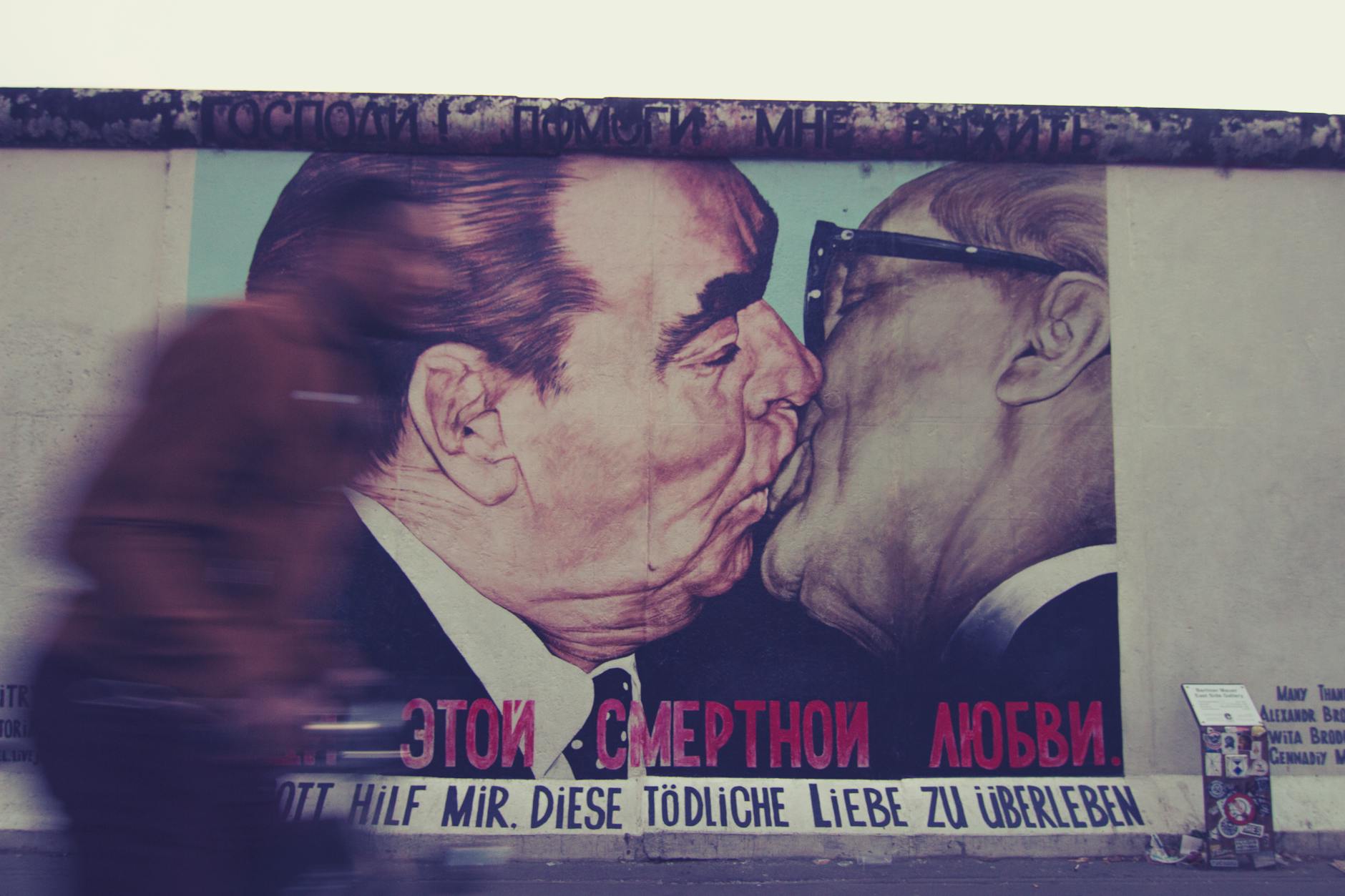
    Another profound site is the East Side Gallery, a remaining stretch of the Berlin Wall that has been transformed into an open-air gallery. Here, over 100 artists from around the world have painted murals that echo themes of peace, freedom, and hope. The gallery serves not only as an artistic haven but also as a powerful reminder of the city’s divided past.

    Berlin is also home to the Holocaust Memorial, formally known as the Memorial to the Murdered Jews of Europe. This poignant site features 2,711 concrete slabs arranged in a grid pattern, creating an unsettling yet contemplative atmosphere. Visitors often recount feelings of isolation as they navigate the uneven pathways, prompting reflections on the atrocities of the Holocaust and its lasting impact on society.

    The Museum Island, a UNESCO World Heritage Site, presents a stunning collection of museums that showcase art and artifacts from various eras and cultures. These institutions include the Pergamon Museum, known for its stunning architectural reconstructions, and the Neues Museum, which houses an impressive collection of Egyptian artifacts, including the famous Bust of Nefertiti. The island’s central location along the Spree River makes it a picturesque spot for both learning and leisure.

    In addition to these historical landmarks, Berlin boasts a rich tapestry of cultural influences that have shaped its identity. The city’s diverse population has contributed to a multicultural atmosphere, where different languages, traditions, and festivals coexist. Events such as the Berlinale Film Festival, one of the most prestigious film festivals globally, draw filmmakers and fans from around the world, further enriching the cultural fabric of the city.

    Berlin’s historical significance is often best perceived through its vibrant street life. The city is dotted with remnants of its past, from Soviet-era architecture in former East Berlin to the neoclassical structures crafted during the Prussian Empire. Moving through neighborhoods like Mitte and Kreuzberg, visitors can observe statues, plaques, and modern artwork that coexist with age-old buildings, narrating the story of a city in constant evolution.

    In summary, Berlin’s rich history and cultural heritage are woven into the very fabric of the city. Every corner and every street speaks to the spirit of resilience and reinvention. As you walk through its streets, you can feel the profound historical narratives that have shaped not just Berlin, but the world at large. A visit to this remarkable city is an invitation to explore the depths of human experience, celebrate diversity, and appreciate the progress that continues to unfold in this thriving metropolis.

    Vibrant Arts Scene

    Berlin has established itself as a global center for the arts, attracting creative minds from all corners of the world. This vibrant arts scene pulsates through the city, manifesting itself in galleries, theaters, music venues, and street art. The eclectic nature of Berlin’s artistic expression lends an atmosphere of innovation and experimentation that is hard to find elsewhere.

    One of the defining features of Berlin’s arts scene is its plethora of contemporary art galleries. Areas such as Mitte and Kreuzberg are filled with spaces that showcase both established and emerging artists. Galleries like the Hamburger Bahnhof, a former railway station turned museum, house impressive collections of modern and contemporary art. Exhibitions rotate frequently, providing visitors with fresh perspectives and innovative works that challenge conventional boundaries. The city’s commitment to the arts is evident, as many galleries offer free admission or sliding scale pricing, making art accessible to everyone.

    Street art plays a significant role in Berlin’s artistic identity. The city’s walls are adorned with colorful murals, thought-provoking graffiti, and inspiring installations. Artists like Banksy and local talents have left their marks, transforming public spaces into open-air galleries that invite dialogue and reflection. The famous Kreuzberg district is particularly renowned for its street art, where guided tours and self-exploration reveal hidden gems that might otherwise go unnoticed. These vibrant displays often address social and political issues, acting as a visual commentary on the city’s history and current events.

    Berlin is also a hub for performance art and theater, with numerous venues showcasing a wide range of productions. The Berliner Ensemble, founded by the legendary playwright Bertolt Brecht, continues to present thought-provoking plays that resonate with contemporary audiences. The city’s commitment to progressive and experimental theater is evident in smaller venues and alternative performance spaces, where boundary-pushing artists explore new forms of expression. Whether it’s a classic play, contemporary dance, or immersive theater, there’s always something exciting happening in Berlin’s theaters.

    Music is an integral part of Berlin’s cultural landscape as well. The city has earned a reputation as one of the world’s electronic music capitals, with legendary clubs such as Berghain and Sisyphos attracting visitors from around the globe. The pulsating rhythms of techno and house music resonate through the streets, creating an exhilarating atmosphere that draws music lovers to experience the nightlife. However, Berlin’s music scene is not limited to electronic genres; it also embraces classical music, rock, jazz, and indie. Events like the Fête de la Musique celebrate music in all its forms, fostering a spirit of community and creativity.

    Berlin hosts various art festivals and events throughout the year, further enriching its arts scene. The Berlin Art Week, for example, unites galleries, artists, and collectors, transforming the city into a vibrant hub of creativity. This event showcases various disciplines, from visual art to performance, inviting participation and engagement from the public. These festivals create a sense of excitement and anticipation, encouraging both locals and tourists to immerse themselves in the artistic pulse of the city.

    In conclusion, Berlin’s vibrant arts scene is a testament to the city’s ability to embrace creativity in all its forms. From contemporary art galleries and street murals to cutting-edge theater and eclectic music venues, Berlin offers a diverse tapestry of artistic expression that resonates with both residents and visitors. This dynamic environment fosters innovation, encourages dialogue, and showcases the passions of countless artists drawn to the city’s unique energy. Whether you are an art enthusiast or a casual observer, Berlin’s creative spirit is sure to leave an indelible mark on your heart.

    Diverse Culinary Experience

    Berlin’s culinary scene is a microcosm of its rich cultural diversity, offering a gastronomic adventure that reflects the city’s mix of traditions and influences. You’ll find everything from traditional German dishes to international cuisines, making each meal an opportunity to explore the world on your plate. The city’s food landscape is as varied as its residents, and this diversity is one of the main reasons why Berlin should be on your travel itinerary.

    One iconic dish that represents Berlin’s culinary heritage is the currywurst. This German fast food staple consists of a grilled sausage sliced and served with a spicy tomato-based sauce and curry powder. Often paired with fries, it has become a beloved street food, with numerous vendors and eateries specializing in their own versions. The popularity of currywurst has led to the establishment of currywurst museums and even festivals, showcasing its significance in Berlin’s food culture.

    For a deeper taste of history, visitors can enjoy traditional German fare in one of Berlin’s countless restaurants and beer gardens. Dishes such as schnitzel, sauerbraten, and spätzle are often prepared with a modern twist, offering a nod to the past while embracing contemporary culinary trends. Pairing these hearty meals with local beers further enhances the experience, as Berlin is home to numerous breweries producing a variety of craft beers. Enjoying a meal in a traditional beer garden surrounded by the sights and sounds of the city provides an authentic German experience.

    Beyond traditional German cuisine, Berlin offers a vibrant array of international food options. The city’s multicultural makeup has led to an explosion of flavors from around the globe. For instance, the Turkish community has established some of the best döner kebab stalls, where succulent meat is served in a flatbread with fresh vegetables and tangy sauces. The popularity of döner has made it a staple of Berlin’s fast-food scene.

    In addition to Turkish cuisine, Berlin boasts a thriving Asian food scene. From sushi bars to Vietnamese pho shops, you can find a wealth of Asian culinary delights throughout the city. The traditional street food market offers an excellent way to sample various dishes, with vendors representing different cultures and cooking styles. The Markthalle Neun in Kreuzberg is a perfect example of this diversity, where you can enjoy everything from artisanal cheeses to handmade pasta and exotic spices.

    Vegetarians and vegans will find a welcoming haven in Berlin’s culinary landscape, as the city is renowned for its plant-based options. Many restaurants embrace sustainability, sourcing local and organic ingredients to create inventive dishes that cater to diverse dietary preferences. Vegan cafes and eateries are increasingly popular, showcasing flavorsome alternatives that challenge the notion of what plant-based food can be. Dishes like vegan currywurst or plant-based burgers demonstrate that you can indulge without compromising taste.

    Berlin’s thriving café culture adds yet another layer to its culinary experience. The city is filled with cozy coffee shops that serve expertly brewed coffee, making it a perfect spot to relax and unwind. Many of these cafes offer a menu of delicious pastries and brunch options, ranging from traditional German treats to trendy avocado toast. Exploring the café scene is an enjoyable way to experience the local lifestyle while tasting delightful options that cater to various palates.

    Food markets and festivals also play a significant role in showcasing Berlin’s culinary diversity. The Street Food Thursday event at Markthalle Neun, for example, brings together local chefs and food purveyors, allowing visitors to sample exciting street food from around the world. These events create a sense of community, celebrating the vibrant culinary talents that make Berlin a melting pot of flavors.

    In conclusion, Berlin’s diverse culinary experience is one of the key attractions of the city, offering something for everyone. From traditional German dishes to international cuisines, every meal tells a story about the city’s cultural melting pot. With its vibrant street food scene, numerous food markets, and welcoming cafes, Berlin invites travelers to embark on an unforgettable gastronomic journey. For food lovers, exploring the culinary landscape of this dynamic city is not just a necessity; it’s an adventure of discovery that will stay with you long after your visit.

    Beautiful Parks and Green Spaces

    One of the most remarkable aspects of Berlin is its abundance of parks and green spaces, providing a refreshing contrast to the city’s bustling urban environment. These parks offer not only picturesque landscapes but also a plethora of outdoor activities, making them ideal spots for relaxation, recreation, and social interaction. With over 2,500 parks and gardens, Berlin is often considered one of the greenest cities in Europe, allowing visitors to experience nature without leaving the city’s heart.

    One of the most famous parks in Berlin is Tiergarten, a sprawling urban oasis situated in the city center. Covering 520 acres, it’s the perfect place for a leisurely stroll or a vigorous run. Visitors can discover charming pathways lined with mature trees, tranquil lakes, and grassy meadows where locals often gather to picnic or socialize. The park is also home to significant monuments, such as the iconic Victory Column, which provides panoramic views of the city for those willing to climb its many steps. With its peaceful ambiance and abundance of natural beauty, Tiergarten beckons both residents and travelers alike to enjoy some respite amid the hustle and bustle of city life.

    For those seeking a more recreational atmosphere, Tempelhofer Feld offers a unique experience. This former airport has been transformed into a massive public park where visitors can engage in various outdoor activities such as cycling, skating, kite flying, and picnicking. The vast open spaces make it a popular destination for families and friends looking to spend time outdoors. Tempelhofer Feld serves not only as a park but also as a symbol of Berlin’s creative spirit, with art installations and community events finding their home in this vast green expanse. The combination of history and leisure makes it a must-visit for anyone wanting to embrace the city’s outdoor lifestyle.

    Another noteworthy park is Volkspark Friedrichshain, the oldest park in Berlin, where visitors can find beautiful gardens, scenic walking paths, and even a charming fairy tale fountain. The park offers a fantastic place for outdoor sports, featuring basketball courts, football fields, and play areas for children. In the summer months, the park hosts open-air movies and various events, making it a lively gathering spot for the community. Its blend of leisure and cultural experiences showcases the city’s commitment to promoting a balanced lifestyle for its residents.

    Berlin’s Botanical Garden is another gem worth discovering. Spread across 43 hectares, this expansive garden houses an impressive collection of over 20,000 plant species from around the globe. With beautifully manicured flowerbeds and themed gardens, it’s an excellent place for plant lovers and nature enthusiasts to immerse themselves in the tranquil beauty of flora. The garden’s greenhouses, which replicate different climate zones, are also fascinating to explore, featuring exotic plants and flowers. The serenity of the Botanical Garden provides an ideal backdrop for contemplation and relaxation, allowing visitors to escape the city’s rush.

    One cannot talk about Berlin’s green spaces without mentioning Park am Gleisdreieck, an innovative park that showcases the city’s creative approach to urban planning. This former industrial area has been transformed into a vibrant green space featuring playgrounds, sports facilities, and spaces for socializing. It serves as a model for the integration of nature within urban environments, inviting people to connect with both nature and each other. The park also incorporates sustainable practices, promoting biodiversity and ecological awareness among visitors.

    In conclusion, Berlin’s beautiful parks and green spaces are a vital part of the city’s identity, enriching the lives of its residents and visitors. These urban oases offer a range of recreational opportunities while providing tranquil settings to escape the hustle and bustle of city life. From the historical charm of Tiergarten to the innovative landscapes of Park am Gleisdreieck, Berlin’s parks invite you to relax, explore, and experience the immense beauty of nature within an urban environment. Embracing the city’s green spaces is one of the best ways to truly appreciate the multifaceted character of Berlin.

    Affordability for Travelers

    Travel costs can often deter potential tourists from visiting major cities, but Berlin stands out as a remarkably affordable destination. Unlike many other European capitals, Berlin offers an impressive range of budget-friendly options that allow travelers to enjoy everything the city has to offer without breaking the bank. This affordability sets Berlin apart, making it an attractive choice for young backpackers, families, and those looking for an enriching experience at an economical price point.

    One of the key aspects contributing to Berlin’s affordability is its diverse accommodation options. Travelers can find budget hostels, charming guesthouses, and even affordable hotels that cater to various preferences. Hostels in Berlin often feature communal kitchens, making it easy for guests to prepare their meals and save on dining expenses. With convenient public transportation, navigating the city from more affordable neighborhoods is also straightforward, further enhancing the cost-effectiveness of a trip to Berlin.

    Dining out in Berlin can be inexpensive if you know where to look. While there are high-end restaurants that cater to fine dining experiences, the city is brimming with street food stalls, casual eateries, and food markets that offer delicious meals at pocket-friendly prices. The renowned currywurst stalls and Turkish döner kebab shops serve savory meals at a fraction of the cost of a sit-down restaurant. Additionally, many local cafes and bistros offer daily lunch specials, providing hungry diners with hearty meals for a reasonable price. Exploring the diverse food scene in Berlin does not have to strain your budget, allowing you to sample a wide range of dishes without overspending.

    Transportation in Berlin is another area where affordability shines. The city’s extensive and reliable public transportation network, which includes buses, trams, and the U-Bahn, makes it easy to traverse the city without the need for a car. A single ticket to travel across the public transport system is reasonably priced, and multi-day passes offer further savings for those planning to explore extensively. This efficient transit system enables travelers to reach various attractions, neighborhoods, and experiences seamlessly, making it an indispensable part of a budget-friendly trip.

    Berlin is also home to countless free or low-cost attractions, making the city a treasure trove for travelers on a budget. Many historical sites, parks, and museums carry little to no admission fees. For instance, exploring the Berlin Wall’s remnants, visiting the Holocaust Memorial, or wandering through the vibrant neighborhoods of Kreuzberg and Friedrichshain can all be done at no cost. Several museums participate in ‘Museum Sundays,’ where visitors can enter for free on the first Sunday of each month, providing a fantastic opportunity to immerse oneself in Berlin’s artistic and historical offerings.

    Furthermore, the city encourages a thriving culture of events and festivals throughout the year—many of which are free to attend. Local markets such as the Turkish Market at Maybachufer and the flea markets offer not just a chance to shop for unique crafts and vintage finds but also live music, entertainment, and an authentic taste of local life. Events like the Carnival of Cultures or the Festival of Lights are celebrated on the streets at no cost, showcasing the diversity and creativity of the city.

    In conclusion, Berlin’s affordability makes it a highly appealing travel destination for a wide range of visitors. From diverse accommodation options and budget-friendly dining to accessible public transportation and numerous free attractions, Berlin offers an enriching experience without the financial strain associated with many other European capitals. Visitors can immerse themselves in the city’s vibrant culture, history, and culinary delights while still being mindful of their budgets. Berlin proves that an incredible travel experience doesn’t have to come with a hefty price tag, making it a perfect destination for conscious travelers seeking adventure and discovery.

    Conclusion

    Berlin stands out as a captivating travel destination that seamlessly blends its rich history, vibrant culture, diverse culinary scene, beautiful parks, and affordability in an inviting manner. Each facet of the city tells a unique story, inviting travelers to engage with its past and present while experiencing a variety of artistic expressions. The historic sites, from the Brandenburg Gate to the remnants of the Berlin Wall, serve as poignant reminders of the city’s transformative journey, encouraging reflection on themes of resilience and unity.

    Additionally, Berlin’s flourishing arts scene provides an exciting backdrop for exploration, showcasing creativity through galleries, performance art, and street art that challenges conventional boundaries. The culinary landscape, infused with both traditional German fare and international influences, ensures that every meal is an opportunity for discovery and delight. As visitors explore the city’s many parks and green spaces, they will find a refreshing escape from urban life and an invitation to connect with nature and the local community.

  • The history of Berlin: A great journey of transformation
    The history of Berlin: A great journey of transformation

    Introduction

    Berlin, the capital of Germany, has long been a symbol of resilience, cultural dynamism, and historical change. The history of Berlin started in the 13th century, and it evolved from a small trading post into one of Europe’s most vibrant and influential cities. As the capital of Prussia and later Germany, Berlin witnessed periods of remarkable growth and intense conflict, from the rise of the Nazi regime to the devastation of World War II and the ensuing Cold War. This article explores Berlin’s journey through these defining moments, shedding light on the events and transformations that have shaped the city’s unique identity and enduring spirit.

    Founding and Early Development

    Berlin’s origins date back to the 13th century, when two small settlements, Berlin and Cölln, were established along the River Spree. Located at the crossing of two major trade routes, the area quickly developed as a center for commerce and culture, attracting merchants, artisans, and traders from surrounding regions. By 1307, the two towns formed a union, marking the first step toward Berlin’s growth as a significant urban center.

    Throughout the medieval period, Berlin grew in both size and prominence, benefiting from its favorable location for trade. In 1415, the region came under the control of Frederick I, who established the Margraviate of Brandenburg. This event marked the beginning of Berlin’s association with the Hohenzollern dynasty, which would later shape its political and cultural landscape. Under Hohenzollern rule, Berlin saw the construction of significant landmarks, including the Marienkirche and the Stadtschloss, or City Palace, which became symbols of the city’s growing stature.

    The Protestant Reformation in the 16th century had a profound impact on Berlin, aligning it with the religious and political shifts that swept through Europe. The adoption of Protestantism under Elector Joachim II brought religious reform and increased autonomy from the Catholic Church, fostering a sense of independence that became a defining characteristic of the city. As Berlin continued to expand, it developed a unique identity as a place of innovation, trade, and governance.

    By the 17th century, Berlin had solidified its role as the center of the Brandenburg-Prussian state, positioning itself for further growth in the coming eras. The city’s development was marked by cultural and economic prosperity, which laid the foundation for its transformation into a major European capital in the centuries that followed.

    Berlin in the Prussian and Imperial German Eras

    The 18th and 19th centuries marked a period of profound change for Berlin as it became the capital of the Kingdom of Prussia. Under the rule of Frederick the Great in the mid-18th century, Berlin flourished as a center of arts, education, and military power. Frederick’s vision transformed the city with architectural masterpieces, including the Berlin State Opera and the Brandenburg Gate, which remains an iconic symbol of the city today.

    As Prussia expanded its influence in Europe, Berlin’s population and importance grew. The Industrial Revolution brought rapid urbanization, transforming Berlin into an economic powerhouse. Factories, railways, and modern infrastructure turned the city into one of Europe’s leading industrial centers, attracting workers from across Germany and beyond. This period of growth continued into the formation of the German Empire in 1871, when Berlin was declared the imperial capital of a newly unified Germany.

    With its new status, Berlin underwent massive development, becoming a hub for politics, science, and the arts. The city’s universities, theaters, and scientific institutions attracted scholars and artists, establishing Berlin as a beacon of intellectual and cultural achievement. However, this era was also marked by social and political tensions, as industrialization brought about economic disparities and demands for political reform. Despite these challenges, Berlin’s status as the heart of the German Empire solidified its role as a major European capital.

    By the early 20th century, Berlin was at the height of its power, a symbol of Germany’s unity and ambition. However, the political upheaval and eventual outbreak of World War I would soon bring about drastic changes, setting the stage for a turbulent new chapter in the city’s history.

    Weimar Republic and the Rise of Nazi Berlin

    After Germany’s defeat in World War I, Berlin became the capital of the Weimar Republic, a period marked by both cultural blossoming and political turmoil. The city emerged as a global hub for art, theater, and intellectual thought, symbolizing the avant-garde spirit of the 1920s. Known for its vibrant nightlife, Berlin attracted artists, writers, and performers who pushed the boundaries of creativity and self-expression, making it one of the most progressive cities in Europe.

    However, the economic instability and political divisions that plagued the Weimar Republic also affected Berlin. Hyperinflation, unemployment, and street violence became common, as various political factions, including communists and right-wing extremists, vied for power. Amid this unrest, Adolf Hitler’s Nazi Party gained support by exploiting the city’s discontent, and in 1933, Hitler was appointed Chancellor of Germany, marking the end of the Weimar era.

    Berlin, the capital of Germany
    Berlin, the capital of Germany, has long been a symbol of resilience, cultural dynamism, and historical change. Founded in the 13th century, it evolved from a small trading post into one of Europe’s most vibrant and influential cities.

    Under Nazi rule, Berlin transformed into the nerve center of the Third Reich. The city’s architectural landscape was reshaped to reflect Nazi ideology, with grandiose plans by architect Albert Speer to make Berlin the capital of a new world empire, Germania. During this period, Berlin also became a site of oppression, with systematic persecution of Jews, political dissidents, and other groups. The city’s Jewish population, once a vibrant part of its cultural fabric, faced brutal repression, leading to the tragic events of the Holocaust.

    World War II brought devastating consequences for Berlin, as Allied bombings destroyed much of the city’s infrastructure. By 1945, Berlin was a city in ruins, marking the end of the Nazi regime and the beginning of a new, divided chapter in its history. The fall of Berlin in 1945 was symbolic of the larger collapse of Nazi Germany, leaving the city scarred but poised for reconstruction and change.

    Division, the Berlin Wall, and the Cold War

    After World War II, Berlin became the focal point of Cold War tensions between the Soviet Union and the Western Allies. Divided into four occupation zones controlled by the United States, the United Kingdom, France, and the Soviet Union, Berlin quickly became a microcosm of the ideological divide between East and West. In 1949, the establishment of the German Democratic Republic (East Germany) and the Federal Republic of Germany (West Germany) formalized this division, with East Berlin as the capital of East Germany and West Berlin remaining a democratic enclave within the communist state.

    In 1961, the construction of the Berlin Wall physically divided the city, separating families, friends, and communities. The Wall became a powerful symbol of the Cold War, representing the stark division between communist and capitalist ideologies. For nearly three decades, the Berlin Wall dominated the city’s landscape, with escape attempts from East Berlin often ending in tragedy.

    Life in Berlin was dramatically different on each side of the Wall. West Berlin thrived as a center of culture, innovation, and freedom, while East Berlin, under the control of the socialist government, struggled with economic hardships and restrictions on personal freedoms. The Berlin Wall became a focal point of international attention, with political leaders like U.S. President John F. Kennedy famously declaring “Ich bin ein Berliner” as a statement of solidarity with the people of Berlin.

    The Cold War tensions began to thaw in the late 1980s, and on November 9, 1989, the Berlin Wall fell, marking a turning point in history. The reunification of Berlin and Germany soon followed, symbolizing the end of the Cold War and the beginning of a new era for the city.

    Reunification and Modern Berlin

    The fall of the Berlin Wall was a pivotal moment in Berlin’s history, leading to the reunification of Germany in 1990. Berlin was once again named the capital of Germany, and a massive reconstruction effort began to unify the city’s infrastructure, economy, and society. This period of transformation saw Berlin emerge as a vibrant, cosmopolitan metropolis, attracting people from all over the world.

    In the years following reunification, Berlin embraced its multicultural identity, becoming a hub for art, music, and technology. Iconic landmarks like the Brandenburg Gate, once located in the shadow of the Wall, were restored as symbols of unity and freedom. The city also undertook significant economic development, with modern skyscrapers and business districts rising alongside historic buildings, creating a unique blend of old and new.

    Berlin’s cultural scene flourished, with events like the Berlinale film festival, the Berlin Philharmonic, and its numerous museums and galleries attracting millions of visitors each year. The city also became a center for political and social movements, reflecting its role as a place of progressive thought and activism.

    Today, Berlin stands as a testament to resilience and reinvention. It is a city that has confronted and overcome immense challenges, from war and division to economic hardship. The story of Berlin is one of transformation and hope, embodying the enduring spirit of a city that has always managed to rebuild, renew, and redefine itself.

    Conclusion

    Berlin’s history is a tapestry of triumphs, tragedies, and transformations. From its medieval roots to its role as the capital of a unified Germany, Berlin has been shaped by the forces of politics, war, culture, and resilience. Each era in the city’s history has left an indelible mark, creating a metropolis that reflects both the hardships and hopes of its people. Today, Berlin stands as a symbol of unity and progress, a city that embraces its past while looking toward the future. Its journey serves as a reminder of the resilience of human spirit and the power of a city to continuously reinvent itself.