Aston Martin, a name synonymous with luxury and high-performance automobiles, has a storied history that intertwines craftsmanship with innovation. Founded in 1913, the brand has not only become a symbol of elegance but has also made significant strides in automotive engineering. With its sleek design and powerful performance, Aston Martin has captured the hearts of car enthusiasts and celebrities alike, becoming a staple in popular culture, notably through its association with the James Bond franchise. This article delves into the rich history of Aston Martin, exploring its evolution, challenges, and what the future holds for this iconic brand.
The Founding of Aston Martin: An Overview
Aston Martin was born out of a vision shared by Lionel Martin and Robert Bamford in the early 20th century. The company’s origin can be traced back to 1913 when the duo began building cars under the name “Bamford & Martin.” Their first vehicle, the Aston Martin ‘Coal Scuttle,’ was a lightweight racing car that showcased the duo’s passion for speed and performance. The name “Aston Martin” was adopted shortly after when Lionel Martin raced one of his creations at the Aston Hill Climb near Aston Clinton in 1914.
The early years were characterized by financial struggles and ownership changes, yet Aston Martin’s commitment to craft and racing prowess remained intact. With the onset of World War I, production halted, but the brand rebounded in the 1920s, focusing on sports cars that would define its legacy. During this period, the company participated in several endurance races, staking its claim in the automotive world and gaining recognition for its engineering excellence.
By the 1930s, Aston Martin’s reputation as a luxury brand was solidified, attracting affluent clients, including royalty and celebrities. The introduction of the iconic Aston Martin 2 Litre Sports in 1921 marked a significant milestone, blending performance with luxury. The challenges of the Great Depression tested the company’s resilience, but it managed to survive, setting the stage for further innovation in the years that followed.
In essence, the founding period of Aston Martin laid the groundwork for what would become a remarkable journey through the automotive industry. The initial dream of two men fueled the fire of an enduring legacy, characterized by innovation, style, and an unyielding commitment to quality.
The Evolution of Aston Martin Models
Aston Martin has produced an array of models that reflect the brand’s commitment to performance, luxury, and design excellence. From its early racing cars to the modern supercars, the evolution of Aston Martin models is a testament to the brand’s adaptability and innovation.
The post-World War II era marked a significant turning point for Aston Martin. The introduction of the DB series, initiated with the DB2 in 1949, revolutionized the company’s offerings. The DB2’s innovative design and powerful engine capabilities helped establish Aston Martin as a key player in the luxury sports car market.
As the years progressed, the DB series continued to evolve, leading to the iconic DB5 in the early 1960s. This model gained worldwide fame after being featured in the James Bond film “Goldfinger,” cementing Aston Martin’s status as a symbol of sophistication and elegance. The DB5 was notable for its powerful 4.0-liter inline-six engine and luxurious interior, setting new standards for performance and style.
Following the success of the DB5, Aston Martin introduced various models that catered to different market segments. The V8 Vantage, launched in the 1970s, became renowned for its muscular stance and exhilarating performance. This model further diversified the brand’s offerings, showcasing Aston Martin’s ability to blend classic design with cutting-edge technology.
The 1990s saw the launch of the DB7, which reinvigorated the brand after a challenging financial period. This model was pivotal in expanding Aston Martin’s customer base and enhancing its global presence. The DB7 combined luxury with accessibility, appealing to a broader audience while maintaining the high standards associated with the brand.
In recent years, Aston Martin has continued to innovate, with models such as the Vantage and the DB11 pushing the boundaries of design and technology. The brand’s commitment to blending traditional craftsmanship with modern advancements emphasizes its dedication to excellence in automotive engineering.
The evolution of Aston Martin models showcases not only the brand’s rich heritage but also its forward-thinking approach. Every model tells a story, reflecting the changing times and the enduring appeal of luxury sports vehicles.
Aston Martin and Motorsport: A Legacy of Racing
Aston Martin’s involvement in motorsport has been a defining aspect of its history, demonstrating the brand’s commitment to performance and engineering excellence. From its inception, racing played a crucial role in establishing Aston Martin’s reputation as a maker of high-performance vehicles.
In the early days, Aston Martin cars were designed with racing in mind. The company participated in various competitive events, such as the 24 Hours of Le Mans, where it first showcased its prowess in endurance racing. The 1920s and 1930s saw Aston Martin achieve significant successes, with several podium finishes that contributed to its growing legacy in motorsport.
The post-war years witnessed a resurgence of Aston Martin in competitive racing. The introduction of the iconic DBR1 in the 1950s marked a pivotal moment for the brand, as it became a dominant force in sports car racing. With renowned drivers like Carroll Shelby and Sir Stirling Moss behind the wheel, the DBR1 achieved victory at Le Mans in 1959, solidifying Aston Martin’s status in the racing world. This triumph showcased the brand’s engineering capabilities and commitment to achieving peak performance, further enhancing its reputation.
During this period, Aston Martin also developed a strong relationship with various racing organizations, participating in events around the globe. The brand’s focus on performance and innovation allowed it to compete with other prestigious manufacturers, and its racing success translated into credibility for its road-going models. Each victory on the track reinforced the idea that Aston Martin vehicles were not only luxurious but also built for speed and agility.
As the automotive landscape evolved, so did Aston Martin’s approach to motorsport. The brand continued to embrace innovation, utilizing advanced technologies to improve performance in competition. In recent years, Aston Martin has engaged in partnerships with teams in various racing series, including GT racing and Formula E, showcasing its commitment to sustainability and modern engineering.
Aston Martin’s legacy in motorsport remains a significant aspect of its identity. Racing has allowed the brand to push the boundaries of automotive engineering while maintaining its commitment to high performance and luxury. The lessons learned on the racetrack often translate to enhancements in their consumer vehicles, ensuring that the spirit of competition remains at the core of Aston Martin’s ethos.
Aston Martin, a name synonymous with luxury and high-performance automobiles, has a storied history that intertwines craftsmanship with innovation. Founded in 1913, the brand has not only become a symbol of elegance but has also made significant strides in automotive engineering. Photo by Tyler Clemmensen on Pexels.com
Challenges and Triumphs: Aston Martin in the Modern Era
Aston Martin has faced numerous challenges in the modern era that have tested its resilience and adaptability. The brand’s journey through financial difficulties, management changes, and market shifts has shaped its present and future trajectory.
In the late 1990s and early 2000s, Aston Martin experienced financial struggles, leading to changes in ownership and management. The introduction of the DB7 proved to be a significant turning point, as it revitalized the brand and attracted a new generation of customers. However, maintaining production levels and ensuring profitability remained a challenge.
The global financial crisis of 2008 significantly impacted luxury automotive brands, including Aston Martin. With declining sales and a shrinking market for high-end vehicles, the company had to adapt to survive. During this turbulent time, Aston Martin focused on streamlining operations and innovating its product lineup. The launch of models like the V8 Vantage and the DBS helped the brand regain traction, appealing to buyers looking for luxury sports cars.
Despite these challenges, Aston Martin managed to re-establish its position in the luxury market. The appointment of new leadership brought fresh ideas, focusing on expanding the brand’s global presence and diversifying its product range. Partnerships with key manufacturers and suppliers allowed Aston Martin to access cutting-edge technologies, enhancing its models for greater performance and sustainability.
The brand’s dedication to innovation became evident with the introduction of hybrid and electric models as part of its future vision. The announcement of the Aston Martin Valhalla and other upcoming models represents a commitment to sustainability while retaining the brand’s core values of performance and luxury. This forward-thinking approach positions Aston Martin as a relevant player in an evolving automotive landscape.
Today, Aston Martin continues to navigate the complexities of a changing industry. The blend of heritage and modernity in its designs showcases its ability to honor its legacy while embracing the future. The challenges faced in recent decades have strengthened Aston Martin, allowing it to emerge as a brand resilient in the face of adversity.
The Future of Aston Martin: Innovations and New Directions
As Aston Martin looks to the future, the brand is set on a path of innovation and sustainability, ensuring it remains relevant in an ever-evolving automotive industry. The future vision involves embracing advanced technologies, developing electrified models, and continuing to enhance its luxury offerings.
Aston Martin is undertaking significant steps toward electrification, with plans to unveil hybrid and fully electric models. The introduction of the Aston Martin Valhalla, a hybrid supercar, signifies the brand’s commitment to combining performance with environmental responsibility. This model represents a shift in engineering philosophy, aiming to push the boundaries of performance while adhering to sustainability goals.
Moreover, Aston Martin is leveraging modern technology, including advancements in connectivity and automation, to enhance the driving experience. Integration of smart technologies into its vehicles aligns with consumer demands for connected cars, improving safety and user interaction. Features such as advanced driver assistance systems and infotainment platforms are increasingly becoming focal points in the development of new models.
The collaboration with other industry leaders, including partnerships for shared technology development, is a crucial aspect of Aston Martin’s future strategy. These alliances not only foster innovation but also allow the brand to remain competitive in a landscape dominated by rapid technological advancements.
In addition to vehicle innovation, Aston Martin is focusing on expanding its footprint in emerging markets. The brand’s strategy includes reaching younger consumers by showcasing lifestyle and aspirational elements that resonate with a broader audience. With increased emphasis on brand experience, Aston Martin aims to enhance consumer engagement through exclusive events and partnerships that highlight the uniqueness of its heritage.
Moreover, the brand’s commitment to craftsmanship and quality remains uncompromised. The fusion of artisanal skills with cutting-edge technology ensures that Aston Martin’s vehicles continue to embody luxury and performance while appealing to contemporary tastes.
As Aston Martin embraces the future, its endeavors reflect a commitment to evolution and sustainability. The brand’s legacy is grounded in performance and craftsmanship, but its vision for tomorrow includes innovation, connectivity, and an unwavering dedication to delivering exceptional driving experiences.
Conclusion
The history of Aston Martin is a compelling narrative of ambition, innovation, and resilience. From its humble beginnings in 1913 to becoming a global icon of luxury and performance, Aston Martin has carved a path defined by excellence in automotive engineering.
Each chapter of its story reveals the brand’s ability to adapt and thrive in changing environments, from financial hardships to the challenges of modern technology and sustainability. Aston Martin’s commitment to combining traditional craftsmanship with contemporary innovation ensures that it remains a beloved marque among enthusiasts and collectors worldwide.
As the brand continues to evolve, embracing electrification and advanced engineering, it honors its rich heritage while boldly stepping into a future filled with possibility. The spirit of Aston Martin—luxury, performance, and passion—will undoubtedly endure, captivating car enthusiasts for generations to come.
Bayerische Motoren Werke AG, universally known as BMW, stands as a hallmark of luxury, performance, and engineering precision in the automotive world. Founded in 1916 as a manufacturer of aircraft engines, BMW history from aviation to automobiles is a testament to resilience and innovation. Renowned for its iconic vehicles, such as the 3 Series, the M3, and the i8, BMW consistently pushes the boundaries of what cars can achieve, both on the road and the racetrack.
BMW’s commitment to technological advancement has fostered its reputation as the “Ultimate Driving Machine,” combining engineering excellence with elegant design. With a strong heritage in motorsport and a visionary approach toward sustainability, BMW has not only revolutionized the automotive industry but also cemented its influence on global culture. This article delves into BMW’s history, its engineering achievements, iconic models, and its roadmap toward shaping the future of mobility.
Founding and Early History of BMW: The Roots as an Aviation Engine Manufacturer
Bayerische Motoren Werke (BMW) originated from a convergence of German engineering ingenuity and industrial necessity during the early 20th century. Officially established in 1916, BMW’s initial focus was on manufacturing aircraft engines—a pursuit tied to the technological demands of World War I. The company was born out of the merger of two companies: Rapp Motorenwerke, founded by Karl Rapp, and Gustav Otto’s Flugmaschinenfabrik. This fusion marked the start of BMW’s legacy in precision engineering and innovation.
The iconic blue and white BMW logo, designed in 1917, symbolized its aviation heritage. Often interpreted as a spinning aircraft propeller against a blue sky, the emblem traces its inspiration to the Bavarian state flag. The brand quickly gained recognition for creating high-performance engines, such as the BMW IIIa, a six-cylinder aircraft engine known for its efficiency and reliability.
However, BMW’s focus on aviation engines faced significant challenges after the Treaty of Versailles in 1919, which prohibited Germany from producing aircraft. This forced the company to diversify its product offerings. BMW began manufacturing industrial engines, agricultural equipment, and, eventually, motorcycles. In 1923, the company launched the R32 motorcycle, which featured a flat-twin boxer engine and shaft drive—technological hallmarks that would define BMW’s engineering ethos for decades.
This adaptive spirit set the stage for BMW’s entry into automotive manufacturing. By the late 1920s, the acquisition of Fahrzeugfabrik Eisenach enabled BMW to build its first car, the BMW 3/15. These formative years underscored BMW’s resilience, paving the way for its emergence as a leader in the automotive industry.
Transition to Automotive Excellence: BMW’s Entry into Car Manufacturing and Early Successes
The transition from motorcycles to automobiles marked a pivotal chapter in BMW’s history. In 1928, the company acquired Fahrzeugfabrik Eisenach, a German automaker known for producing small cars under the Dixi brand. This acquisition provided BMW with the technical expertise and facilities needed to embark on car production. The first car to bear the BMW badge, the BMW 3/15, was essentially a licensed version of the British Austin 7.
Despite being a modest vehicle, the 3/15 was a commercial success, showcasing BMW’s ability to adapt and compete in the evolving automotive landscape. This early foray into car manufacturing positioned BMW to experiment with design and performance innovations. In the 1930s, BMW expanded its lineup, introducing models like the BMW 303, which featured the brand’s first inline-six engine and the iconic kidney-shaped grille that remains a signature design element to this day.
The BMW 328, introduced in 1936, solidified the company’s reputation as a builder of performance-oriented cars. Its lightweight construction, advanced aerodynamics, and powerful engine made it a dominant force in motorsport, earning accolades such as victory at the 1938 Mille Miglia. The 328 not only laid the foundation for BMW’s future sports cars but also demonstrated the company’s engineering capabilities on a global stage.
By the onset of World War II, BMW had firmly established itself as a producer of high-quality vehicles, though its focus temporarily shifted back to aviation engines and military equipment. Post-war reconstruction would bring challenges and opportunities that would redefine BMW’s automotive journey.
Engineering Innovations: BMW’s Reputation for Technical Mastery and Automotive Breakthroughs
At the heart of BMW’s success lies its relentless pursuit of engineering excellence. From its earliest days, the company prioritized innovation, developing technologies that have often redefined industry standards. One of BMW’s most significant engineering contributions is its inline-six engine, renowned for its smooth performance and reliability. Introduced in the 1930s and continually refined over decades, this engine became a cornerstone of the brand’s identity.
During the 1960s, BMW launched the Neue Klasse (New Class) series, a collection of compact sedans and coupes that revolutionized the company’s fortunes. Models like the BMW 1500 and 2002 introduced advanced suspension systems, responsive steering, and efficient engines, setting benchmarks for driving dynamics. The 2002, in particular, became an icon, blending practicality with performance and paving the way for the modern sports sedan.
BMW also pioneered turbocharging in the 1970s with the BMW 2002 Turbo, Europe’s first mass-produced turbocharged car. This technological leap underscored the company’s commitment to pushing the boundaries of automotive performance. In the 1980s, BMW continued to innovate with the introduction of advanced electronic systems, such as anti-lock braking systems (ABS) and digital engine management, enhancing both safety and efficiency.
More recently, BMW’s innovations in electrification and connectivity have positioned the brand at the forefront of modern automotive technology. The launch of the BMW i sub-brand in 2013 marked a new era, with the BMW i3 and i8 demonstrating the company’s expertise in sustainable mobility and cutting-edge design. These achievements highlight BMW’s ability to integrate tradition with modernity, ensuring its continued relevance in a rapidly evolving industry.
The Iconic Models: A Closer Look at the Most Celebrated Cars in BMW’s History
BMW’s legacy is intricately tied to its portfolio of iconic models, each embodying the brand’s commitment to performance, luxury, and innovation. Among these, the BMW 3 Series stands as a beacon of success. Introduced in 1975, the 3 Series revolutionized the sports sedan market, blending engaging driving dynamics with everyday practicality. Over its generations, this model has consistently set benchmarks, cementing BMW’s reputation as the “Ultimate Driving Machine.”
Another standout is the BMW M3, which debuted in 1986. As a high-performance version of the 3 Series, the M3 quickly became a motorsport legend, winning numerous championships and setting the standard for performance sedans. The E30 M3, in particular, remains an icon among car enthusiasts for its balanced handling and race-bred engineering.
In the realm of luxury, the BMW 7 Series represents the pinnacle of the brand’s technological prowess. Launched in 1977, the flagship sedan has consistently introduced groundbreaking features, including advanced driver-assistance systems, innovative suspension technologies, and industry-firsts like gesture control. The 7 Series combines opulence with cutting-edge innovation, making it a symbol of modern luxury.
BMW started in 1916 as an aircraft engine manufacturer and evolved into a symbol of luxury automotive performance. Photo by Danila Perevoshchikov on Pexels.com
BMW’s venture into sports cars also deserves recognition. The BMW Z8, unveiled in 1999, is a prime example of the brand’s ability to merge retro-inspired design with modern engineering. Inspired by the legendary BMW 507 of the 1950s, the Z8 featured a powerful V8 engine and remains a collector’s favorite.
The brand’s foray into electrification brought the BMW i8 to the forefront. As a plug-in hybrid sports car, the i8 exemplifies BMW’s vision for sustainable performance. With its futuristic design, lightweight carbon-fiber construction, and eco-friendly credentials, the i8 stands as a testament to BMW’s innovative spirit.
These models, among others, showcase BMW’s versatility and enduring appeal, reflecting the company’s ability to cater to diverse markets while maintaining its core values of performance and luxury.
BMW’s Motorsport Heritage: The Brand’s Influence in Racing and Performance Vehicles
BMW’s motorsport heritage is a cornerstone of its identity, showcasing the brand’s engineering prowess and competitive spirit. The journey began in the 1930s with the BMW 328, a lightweight sports car that dominated racing events, including the prestigious Mille Miglia. This early success set the stage for decades of motorsport innovation.
The creation of BMW’s M division in 1972 marked a significant milestone. Tasked with developing high-performance vehicles, BMW Motorsport GmbH transformed the brand’s racing aspirations into reality. The first product of this division, the BMW 3.0 CSL, affectionately nicknamed the “Batmobile,” became a legend on the track and the street. Winning multiple European Touring Car Championships, the 3.0 CSL cemented BMW’s status as a motorsport powerhouse.
The M division continued to innovate, giving birth to the M1 in 1978. As BMW’s first mid-engine sports car, the M1 was designed for Group 4 racing but also became a limited-production road car. Its striking design by Giorgetto Giugiaro and powerful inline-six engine made it an icon of the era.
BMW’s commitment to motorsport extended beyond cars. The brand achieved significant success in motorcycle racing and even Formula 1. In the 1980s, BMW-powered cars competed in F1, with the Brabham-BMW team winning the 1983 World Championship. This era highlighted BMW’s engineering versatility and competitiveness at the highest level.
Today, BMW continues to excel in motorsport, participating in DTM, endurance racing, and electric racing series like Formula E. This enduring legacy underscores the company’s philosophy: that racing is not only a proving ground for innovation but also a way to connect with enthusiasts worldwide.
Sustainability and Future Visions: BMW’s Commitment to Eco-Friendly Technologies and Innovation
BMW’s dedication to sustainability represents a significant evolution in its approach to automotive engineering and design. As the global automotive industry pivots toward a greener future, BMW has emerged as a leader, demonstrating how luxury and performance can coexist with environmental responsibility.
This journey began in earnest with the launch of BMW’s “EfficientDynamics†program in 2007. The initiative aimed to reduce fuel consumption and emissions across the company’s lineup without compromising performance. Technologies such as regenerative braking, lightweight materials, and turbocharged engines became integral to BMW’s vehicles, setting a new standard for eco-friendly innovation.
In 2013, BMW took a bold step by introducing its dedicated electric vehicle sub-brand, BMW i. The BMW i3, an all-electric city car, was a milestone in sustainable design. Its lightweight carbon-fiber-reinforced plastic (CFRP) construction, combined with a zero-emissions drivetrain, exemplified the brand’s ability to merge sustainability with cutting-edge technology. Similarly, the BMW i8 redefined the hybrid sports car segment with its futuristic aesthetics and performance credentials.
BMW’s commitment to sustainability extends beyond its vehicles. The company has invested heavily in green manufacturing practices, such as utilizing renewable energy at its production facilities and adopting circular economy principles to minimize waste. By 2030, BMW aims to reduce COâ‚‚ emissions per vehicle by 40% compared to 2019 levels, a testament to its long-term vision for climate neutrality.
The development of the Neue Klasse platform, set to debut in the mid-2020s, highlights BMW’s focus on the future. Designed exclusively for electric vehicles, the platform will feature advanced battery technologies, increased range, and seamless digital integration. These innovations underscore BMW’s determination to remain at the forefront of sustainable mobility, ensuring its relevance in an increasingly eco-conscious world.
Global Influence and Cultural Impact: How BMW Has Shaped Automotive Trends and Culture
BMW’s influence extends far beyond its engineering achievements and sales figures. The brand has become a cultural symbol, representing sophistication, performance, and innovation. Its global reach and aspirational image have made it a cornerstone of automotive culture and a trendsetter in the industry.
The company’s “Ultimate Driving Machine†slogan, introduced in 1974, encapsulates its philosophy of delivering unparalleled driving pleasure. This ethos has resonated with enthusiasts worldwide, fostering a loyal community of BMW owners and fans. BMW Car Clubs, present in nearly every country, celebrate this shared passion, organizing events, rallies, and exhibitions that underscore the brand’s cultural significance.
BMW’s presence in popular media has further cemented its cultural impact. Iconic models like the BMW Z3 and Z8 gained widespread recognition after being featured in James Bond films, enhancing the brand’s association with luxury and adventure. The company’s innovative designs and cutting-edge technologies have also made it a favorite in video games, television, and advertising.
Beyond its consumer appeal, BMW has influenced broader automotive trends. The success of the BMW 3 Series, for instance, redefined the sports sedan segment, inspiring competitors to emulate its balance of performance and practicality. Similarly, BMW’s advancements in connectivity and infotainment systems have set benchmarks for the industry, shaping expectations for modern vehicles.
BMW’s cultural impact also reflects its commitment to societal progress. The brand actively supports art, music, and design through initiatives like the BMW Art Car Project, which has collaborated with renowned artists including Andy Warhol and Jeff Koons. These endeavors showcase BMW’s dedication to creativity and its role as a cultural pioneer.
As a global ambassador for German engineering and innovation, BMW continues to influence automotive culture and inspire future generations.
Conclusion
BMW’s legacy as a leader in the automotive industry is a testament to its relentless pursuit of innovation, performance, and sustainability. From its origins as an aircraft engine manufacturer to its evolution into a global automotive powerhouse, BMW has consistently redefined what it means to create the “Ultimate Driving Machine.” Its engineering excellence, exemplified by iconic models like the 3 Series, M3, and i8, has set benchmarks for performance and luxury.
Beyond vehicles, BMW’s commitment to sustainability and green innovation positions it as a pioneer in shaping the future of mobility. Its influence in motorsport, coupled with its cultural resonance through media and art, underscores its enduring global impact.
As BMW continues to embrace new challenges and opportunities, it remains a symbol of progress and ambition, inspiring car enthusiasts and setting the standard for the automotive world in the 21st century and beyond.
The Ford Motor Company stands as one of the most iconic names in the global automotive industry. Founded by Henry Ford in 1903, the company revolutionized personal transportation with the introduction of the Model T and redefined manufacturing through the assembly line. The history of Ford spans more than a century, marked by groundbreaking innovations in engineering, design, and production.
From creating the first affordable automobile to crafting timeless models like the Mustang, Ford has continually shaped the automotive landscape. The company’s commitment to safety, environmental sustainability, and cutting-edge technology demonstrates its ability to adapt to evolving market demands and societal expectations.
As the world shifts towards electric vehicles and autonomous driving, Ford continues to lead by investing in clean energy solutions and intelligent mobility systems. This article explores Ford’s storied history and its transformative contributions to the automotive world, celebrating its enduring impact on society and industry innovation.
The Foundation of Ford: From Henry Ford to the Model T
The story of the Ford Motor Company begins with the vision of Henry Ford, an American industrialist who sought to revolutionize transportation by making automobiles accessible to the average person. Born in 1863 on a farm in Michigan, Henry Ford’s early fascination with machinery and engineering laid the groundwork for his future success. By the turn of the 20th century, Ford had already built his first vehicle, the Quadricycle, in 1896, which marked the beginning of his journey into the automotive industry.
In 1903, Henry Ford and a group of investors founded the Ford Motor Company in Detroit, Michigan. The company began with a modest capital investment of $28,000 and an ambitious goal: to produce reliable, affordable automobiles for everyday use. Ford’s first major success came in 1908 with the launch of the Model T, a revolutionary vehicle that transformed the way people thought about transportation. Unlike earlier automobiles, which were seen as luxury items for the wealthy, the Model T was designed to be practical, durable, and affordable, costing only $850 at launch.
The Model T was more than just a car; it was a symbol of modern mobility. With its robust design and ease of operation, it quickly became a favorite among middle-class Americans. By 1913, Ford had sold over 200,000 units, making the Model T one of the best-selling cars of its time. Its affordability and reliability played a significant role in democratizing transportation, allowing people from all walks of life to travel farther and faster than ever before.
Henry Ford‘s philosophy of making cars “for the great multitude†drove the company’s early success. His insistence on efficiency and standardization became central to Ford’s operations. The Model T itself reflected this ethos; it was produced with standardized parts and a simple design that made manufacturing more efficient and maintenance easier for consumers.
The Model T also had a profound impact on society and infrastructure. As more Americans purchased cars, the demand for paved roads, gas stations, and service facilities surged, creating a ripple effect on the nation’s economy and urban planning. The automobile became an integral part of American culture, symbolizing freedom and progress.
Despite initial resistance from competitors who doubted the viability of such an affordable vehicle, Ford’s gamble paid off, and the Model T solidified the company’s reputation as a pioneer in the automotive industry. By the time production ended in 1927, more than 15 million Model Ts had been sold, a record that remained unchallenged for decades.
Henry Ford’s vision and the success of the Model T laid the foundation for the company’s future innovations. It not only established Ford as a dominant player in the automotive industry but also cemented its legacy as a company dedicated to transforming lives through affordable, reliable transportation.
Mass Production and the Assembly Line Revolution
Ford’s greatest contribution to the industrial world was its groundbreaking adoption of mass production techniques, particularly the moving assembly line. While Henry Ford did not invent the concept of the assembly line, he perfected it and applied it to automobile manufacturing on an unprecedented scale, forever changing the way goods were produced.
The idea of the moving assembly line was inspired by processes used in other industries, such as meatpacking and watchmaking, where workers performed repetitive tasks on a single product. Ford saw the potential to adapt this concept for automotive production to drastically reduce costs and increase efficiency. In 1913, Ford introduced the first moving assembly line at the Highland Park plant in Michigan, specifically for the production of the Model T.
The moving assembly line revolutionized manufacturing. Instead of having workers move around to assemble a car, the car moved along a conveyor belt to different stations where workers performed specific tasks. This innovation allowed Ford to cut production time for a single Model T from 12 hours to just 90 minutes. As a result, the company was able to produce more cars at a lower cost, reducing the price of the Model T to an astonishing $260 by the mid-1920s.
The assembly line not only increased production efficiency but also improved the standardization of parts and vehicles. This standardization meant that every Model T was identical, simplifying repairs and maintenance for consumers. It also enabled Ford to scale production to meet the growing demand for automobiles, solidifying its dominance in the market.
Ford’s innovations in mass production extended beyond the assembly line itself. The company introduced other efficiency measures, such as vertical integration, where Ford controlled every aspect of the supply chain, from raw materials to finished products. Ford established its own steel mills, rubber plantations, and glass factories to ensure a steady supply of materials for production.
The assembly line also had profound social implications. To attract and retain skilled labor for this new system, Ford introduced the $5 workday in 1914, doubling the average wage of factory workers at the time. This not only reduced employee turnover but also allowed many workers to afford the very cars they were producing, further boosting demand for Ford vehicles.
However, the assembly line was not without its challenges. The repetitive nature of the work led to complaints of monotony and fatigue among workers. To address these concerns, Ford implemented strategies to improve workplace conditions and reduce labor unrest, setting new standards for industrial relations.
The success of Ford’s assembly line inspired other industries to adopt similar mass production techniques, ushering in the era of modern manufacturing. Today, the assembly line remains a cornerstone of industrial production, and its origins can be traced back to Henry Ford’s visionary application of this transformative innovation.
Ford’s Contributions to Automotive Design and Safety
Ford’s influence on automotive design and safety has been instrumental in shaping the modern car industry. From the early days of the Model T to the sleek designs and cutting-edge safety features of today, Ford has consistently pushed the boundaries of innovation in both aesthetics and practicality.
Early Innovations in Design
When the Model T was introduced in 1908, its design was utilitarian yet revolutionary. Henry Ford emphasized simplicity and durability, ensuring that the car could navigate the rough, unpaved roads of early 20th-century America. Its lightweight frame, high ground clearance, and sturdy materials made it a practical choice for consumers, particularly in rural areas. However, as car ownership became more widespread, consumer demands shifted, prompting Ford to explore more sophisticated designs.
In the 1930s, Ford launched the Model 40, also known as the Ford V8. This model was celebrated not only for its powerful engine but also for its streamlined design, which marked a shift toward more stylish and aerodynamic vehicles. The introduction of the V8 engine—a technological marvel for its time—underscored Ford’s commitment to engineering excellence while meeting consumer expectations for performance and design.
Pioneering Safety Features
Ford has also played a pioneering role in enhancing vehicle safety. In the mid-20th century, safety became a major focus for automakers as cars became faster and traffic more congested. In 1956, Ford introduced its innovative “Lifeguard” safety package, a groundbreaking suite of features that included a padded dashboard, recessed steering wheel, and safety door locks. The Lifeguard package also promoted the use of seat belts, a relatively new concept at the time, demonstrating Ford’s forward-thinking approach to protecting passengers.
As safety standards evolved, Ford continued to lead the way. The company was among the first to adopt crumple zones in its vehicles, designed to absorb impact energy during collisions. Additionally, Ford invested heavily in crash testing and safety research, establishing dedicated facilities to ensure its vehicles met and exceeded regulatory requirements.
Iconic Designs of the 20th Century
Ford’s emphasis on design reached new heights with the introduction of the Mustang in 1964. This iconic car became synonymous with the American dream, blending sleek aesthetics with affordability and performance. The Mustang’s long hood, short rear deck, and customizable options revolutionized automotive design, creating a new segment known as the “pony car.” Its timeless appeal has made it a cultural icon, with millions of units sold over several generations.
In the 1990s, Ford introduced the Ford Explorer, one of the first SUVs designed for family use. The Explorer’s rugged design, spacious interior, and advanced safety features appealed to a growing market segment, cementing Ford’s position as a leader in automotive innovation.
Modern Advancements in Design and Safety
Today, Ford continues to innovate in design and safety through its cutting-edge models. Vehicles like the Ford F-150, the best-selling truck in the United States for decades, combine rugged aesthetics with advanced safety features, including adaptive cruise control, lane-keeping assistance, and collision-avoidance technology.
Moreover, Ford has embraced sustainability in design, using lightweight materials such as aluminum and incorporating hybrid and electric powertrains. Safety features have also reached new heights with technologies like blind-spot monitoring, automatic emergency braking, and Ford Co-Pilot360â„¢, a suite of driver-assist systems designed to prevent accidents and enhance driver confidence.
By consistently prioritizing both form and function, Ford has solidified its reputation as a pioneer in automotive design and safety, shaping the industry’s evolution and meeting the changing needs of consumers worldwide.
The Mustang Phenomenon: An Icon of American Muscle
When the Ford Mustang debuted in 1964 at the New York World’s Fair, it instantly captured the imagination of the public and became a defining symbol of American automotive culture. Positioned as an affordable, sporty car for the masses, the Mustang revolutionized the industry and created a new market segment—the pony car.
The Birth of the Mustang
The Mustang was the brainchild of Lee Iacocca, then Vice President of Ford, who envisioned a car that would appeal to a younger, more adventurous audience. It was designed to be stylish, customizable, and affordable, with a base price of just $2,368. The car’s design—characterized by its long hood, short rear deck, and aggressive stance—was both practical and visually striking, embodying a sense of freedom and individuality.
Upon its release, the Mustang was an instant success. Ford sold over 22,000 units on its first day and more than one million within two years. The car’s appeal extended beyond the United States, becoming a global sensation and a cultural icon. Its versatility allowed buyers to choose from a range of options, including different engines, transmissions, and interior features, making it a car that could be tailored to individual preferences.
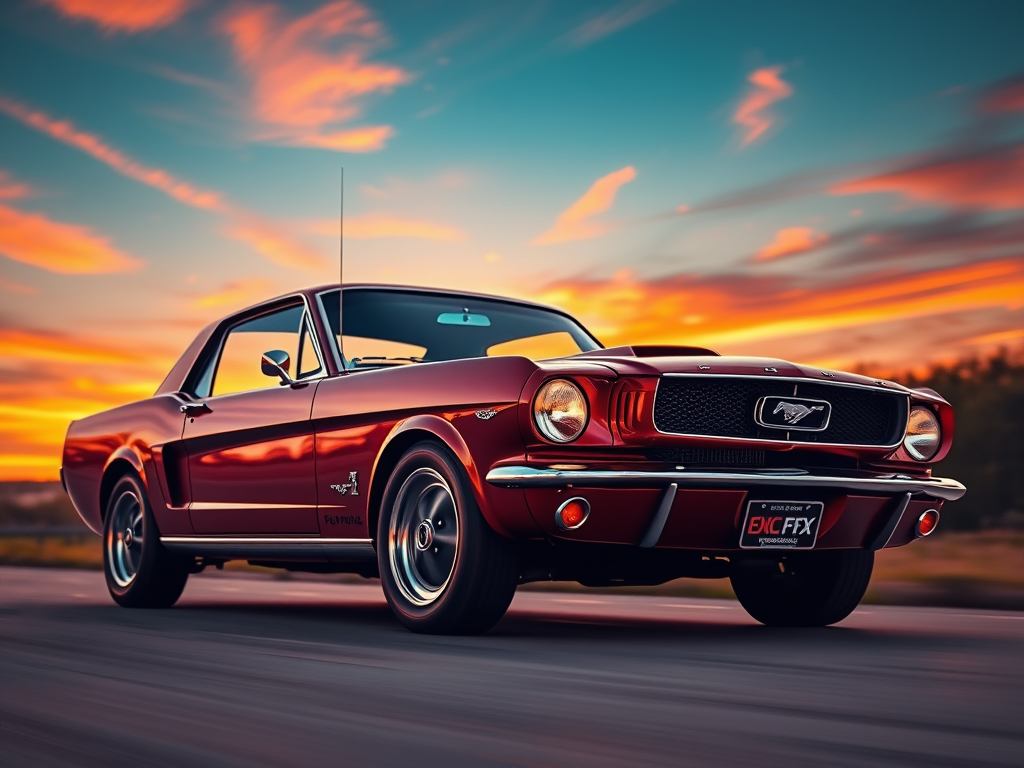
The Ford Motor Company stands as one of the most iconic names in the global automotive industry. Founded by Henry Ford in 1903, the company revolutionized personal transportation with the introduction of the Model T and redefined manufacturing through the assembly line. Photo by Victor Miyata on Pexels.com
Cultural Impact and Media Presence
The Mustang quickly became a staple in popular culture. Its appearances in films such as Bullitt (1968) and Gone in 60 Seconds (2000) cemented its status as a symbol of speed, style, and rebellion. The car also found a place in music and advertising, further embedding it in the cultural consciousness.
Ford capitalized on the Mustang’s popularity by constantly evolving the model to stay relevant. Over the decades, the Mustang underwent several redesigns, each maintaining the car’s iconic look while incorporating modern features. From the high-performance Shelby GT500 to the eco-friendly Mustang Mach-E, the car has adapted to changing consumer demands while preserving its legacy.
Engineering and Performance
The Mustang’s engineering has always been at the forefront of its appeal. Early models featured powerful V6 and V8 engines, offering impressive performance at an accessible price point. Over the years, Ford has introduced advanced technologies to enhance the Mustang’s handling, speed, and efficiency. Modern Mustangs boast features like independent rear suspension, turbocharged EcoBoost engines, and advanced driver-assist systems.
The Mustang’s Legacy
The Mustang remains one of Ford’s most enduring successes. As of today, it holds the title of the world’s best-selling sports car, a testament to its universal appeal. Its transformation into an electric vehicle with the introduction of the Mustang Mach-E in 2020 demonstrates Ford’s commitment to innovation while honoring its heritage.
The Mustang‘s enduring popularity is a testament to Ford’s ability to balance tradition with modernity. It is more than just a car; it is a cultural icon that continues to inspire generations of drivers worldwide.
Ford’s Role in Environmental and Technological Innovation
Ford’s commitment to environmental and technological innovation has been a defining aspect of its evolution in the 21st century. As global concerns about climate change and resource sustainability intensified, Ford responded with groundbreaking advancements in clean energy solutions, fuel efficiency, and vehicle electrification. By investing heavily in research and development, the company has redefined itself as a leader in sustainable automotive practices.
Early Efforts in Fuel Efficiency
Ford’s journey toward environmental consciousness began with the introduction of fuel-efficient engines in the late 20th century. In the 1980s, Ford pioneered its first line of smaller, more economical vehicles, such as the Ford Fiesta and Escort, to cater to growing consumer demand for cars with better mileage. The company also developed advanced internal combustion engines that offered improved efficiency without compromising performance.
The development of Ford’s EcoBoost engine technology in 2009 marked a major leap forward. By utilizing turbocharging and direct fuel injection, EcoBoost engines delivered significant improvements in fuel economy and emissions while maintaining the power and responsiveness that drivers expect. These engines became a staple across Ford’s vehicle lineup, demonstrating the company’s ability to balance environmental considerations with consumer satisfaction.
Hybrid and Electric Vehicle Initiatives
In response to the growing demand for alternative fuel vehicles, Ford introduced its first hybrid model, the Ford Escape Hybrid, in 2004. As one of the earliest hybrid SUVs on the market, the Escape Hybrid offered a glimpse into the company’s future commitment to sustainable transportation. The success of the Escape Hybrid encouraged Ford to expand its hybrid offerings, including hybrid versions of the Fusion and C-MAX.
Ford’s electrification efforts gained momentum with the unveiling of the Ford Focus Electric in 2011, the company’s first fully electric vehicle (EV). The Focus Electric was designed to compete in the emerging EV market and showcased Ford’s ability to adapt its engineering capabilities to new energy paradigms.
In 2020, Ford took a significant step forward with the launch of the Mustang Mach-E, an all-electric crossover that combined the performance heritage of the Mustang with cutting-edge EV technology. The Mach-E earned widespread acclaim for its range, design, and innovative features, positioning Ford as a serious contender in the electric vehicle market.
Commitment to Carbon Neutrality
Ford’s dedication to environmental responsibility extends beyond its vehicles to its manufacturing processes and corporate practices. In 2021, the company announced its goal to achieve carbon neutrality globally by 2050, a bold commitment that includes reducing greenhouse gas emissions across its entire supply chain. To achieve this, Ford has invested billions in renewable energy sources, energy-efficient factories, and sustainable materials.
One of the most notable examples of Ford’s environmental leadership is the Rouge Complex in Dearborn, Michigan. Once an industrial powerhouse of the 20th century, the Rouge Complex has been transformed into a model of sustainable manufacturing. The facility now features green roofs, solar panels, and advanced water management systems, showcasing Ford’s ability to integrate sustainability into large-scale production.
Advancements in Technology
Ford’s environmental innovations are complemented by its advancements in automotive technology. The company has embraced connectivity and automation, integrating systems such as SYNC, a voice-activated infotainment platform, and FordPass, a mobility app that enhances the driving experience. These technologies not only improve convenience but also optimize vehicle performance, contributing to overall efficiency.
Ford is also at the forefront of autonomous vehicle development. Through its subsidiary, Ford Autonomous Vehicles LLC, the company has invested heavily in self-driving technology, aiming to create a future of safer, more efficient mobility.
The Road Ahead
Ford’s efforts in environmental and technological innovation highlight its commitment to shaping the future of transportation. With plans to introduce 40 electrified models by 2025, including 16 fully electric vehicles, the company continues to lead the charge toward a greener, smarter automotive industry. By blending its engineering expertise with a vision for sustainability, Ford is ensuring its legacy remains relevant in a rapidly changing world.
Ford Trucks: A Legacy of Durability and Innovation
Ford’s trucks have been a cornerstone of the company’s success, embodying a legacy of durability, innovation, and reliability. From the earliest models to the modern F-Series, Ford has continuously set benchmarks in the truck market, catering to a diverse audience ranging from individual consumers to commercial and industrial users.
Early Development of Ford Trucks
Ford entered the truck market in 1917 with the Model TT, a variation of the Model T designed specifically for hauling heavy loads. The Model TT featured a reinforced frame and the ability to accommodate various body configurations, making it versatile for farmers, tradespeople, and businesses. Its affordability and adaptability quickly made it a popular choice, solidifying Ford’s presence in the burgeoning truck industry.
Building on the success of the Model TT, Ford introduced the Model AA in 1928 and the Model BB in 1933. These trucks featured improved payload capacities, stronger frames, and more powerful engines. By the mid-20th century, Ford had established itself as a leader in the light-duty truck segment, setting the stage for the launch of the iconic F-Series.
The Birth of the F-Series
In 1948, Ford revolutionized the truck market with the introduction of the F-Series, a line of pickup trucks designed to meet the evolving needs of consumers. The F-Series, starting with the F-1, offered improved comfort, safety, and utility, making it an instant hit. Its combination of practicality and style appealed to a broad audience, from farmers and construction workers to suburban families.
The F-Series quickly became a symbol of American ingenuity, with each generation incorporating advancements in design, technology, and performance. By the 1970s, the F-150, introduced as part of the sixth generation, became the flagship model of the F-Series. Its blend of rugged capability and everyday usability cemented its status as one of the most beloved vehicles in American history.
Technological Advancements in Ford Trucks
Ford’s commitment to innovation has been a driving force behind the success of its trucks. Over the decades, the F-Series has introduced groundbreaking technologies that have set new standards in the industry. In the 1990s, Ford incorporated advanced safety features such as airbags and anti-lock braking systems into its trucks, enhancing driver and passenger safety.
The introduction of the EcoBoost engine in the F-Series in 2011 marked a significant milestone. This turbocharged, fuel-efficient engine delivered V8-like power with the efficiency of a V6, appealing to a growing market of environmentally conscious consumers. In addition, Ford’s use of lightweight aluminum alloy in the construction of the F-150, starting with the 2015 model, reduced the truck’s weight by up to 700 pounds, improving fuel efficiency without sacrificing durability.
Ford Trucks in the 21st Century
Today, the F-Series remains the best-selling vehicle in the United States, a title it has held for over four decades. The modern F-Series lineup, including models like the F-150 Lightning, demonstrates Ford’s commitment to innovation in the electric vehicle market. The F-150 Lightning, Ford’s first all-electric truck, offers impressive performance, a long-range battery, and advanced features such as onboard power generation, making it a versatile tool for work and recreation.
Ford has also expanded its truck portfolio to include heavy-duty models like the Super Duty series, designed for commercial and industrial use. These trucks are equipped with powerful engines, advanced towing capabilities, and cutting-edge technologies such as Pro Trailer Backup Assist and adaptive cruise control.
The Legacy of Ford Trucks
Ford’s trucks have become synonymous with reliability, strength, and innovation. They are not only tools for work but also symbols of resilience and adaptability. From the agricultural fields of the early 20th century to the highways of the modern era, Ford trucks have played a pivotal role in shaping industries and communities, embodying the company’s enduring commitment to excellence.
Ford’s Global Impact and Cultural Legacy
Ford’s influence extends far beyond the automotive industry, touching economies, societies, and cultures worldwide. As a global enterprise, the company has played a critical role in industrialization, job creation, and technological advancement, while its vehicles have become enduring symbols of freedom, adventure, and innovation.
Global Expansion of Ford
From its early days, Ford recognized the potential of international markets. In 1911, the company established its first overseas production facility in Manchester, England, to meet the growing demand for automobiles in Europe. Over the following decades, Ford expanded its presence to other regions, including South America, Asia, and Africa. By the mid-20th century, the company had become a truly global brand, with manufacturing facilities, assembly plants, and sales operations in dozens of countries.
One of Ford’s most notable achievements in global expansion was its success in adapting its vehicles to meet the specific needs of different markets. For instance, the Ford Escort became a bestseller in Europe, while the Ford Falcon was a favorite in Australia. Ford’s ability to blend its engineering expertise with local market preferences has been a key factor in its international success.
Economic and Social Impact
Ford’s global operations have had a profound economic and social impact, particularly in the areas of employment and industrial development. The company has created millions of jobs worldwide, not only within its own facilities but also through its extensive supply chain. In many countries, Ford’s investments in manufacturing and infrastructure have served as catalysts for economic growth and industrialization.
Ford has also contributed to social mobility and accessibility. By producing affordable and reliable vehicles, the company has enabled people from diverse backgrounds to access personal transportation, transforming lives and communities. The Model T, for example, democratized car ownership in the United States, while the compact and efficient Ford Fiesta became a popular choice for first-time car buyers in Europe.
Cultural Influence
Ford’s vehicles have left an indelible mark on popular culture, particularly in the United States. The Mustang, often referred to as “America’s sports car,†is celebrated in films, music, and literature as a symbol of freedom and individuality. Ford trucks, meanwhile, have come to represent resilience and hard work, embodying the values of rural and working-class America.
Beyond its vehicles, Ford’s legacy includes its contributions to industrial innovation and philanthropy. The company’s founder, Henry Ford, was not only a pioneer in mass production but also a visionary in social responsibility. His introduction of the $5 workday in 1914 revolutionized labor practices and improved the quality of life for workers, setting a precedent for fair wages and better working conditions.
The Future of Ford’s Global Presence
As Ford continues to expand its global footprint, the company is focusing on sustainability, innovation, and community engagement. With initiatives such as carbon-neutral manufacturing facilities, partnerships with local governments, and investments in education and training programs, Ford is ensuring that its impact remains positive and far-reaching.
Through its vehicles, technologies, and values, Ford has become more than just an automaker—it is a global cultural and economic force. Its ability to adapt, innovate, and connect with people across the world underscores its enduring relevance and influence.
Conclusion
Ford’s remarkable journey from a small Detroit workshop to a global automotive leader is a testament to the company’s resilience, vision, and commitment to innovation. From the groundbreaking Model T to the cutting-edge Mustang Mach-E, Ford has continuously shaped the automotive industry while adapting to the evolving needs of consumers and societies.
The company’s contributions extend beyond cars, encompassing pioneering production techniques, environmental sustainability, and a cultural legacy that resonates across generations. Whether through the rugged dependability of its trucks, the thrilling performance of the Mustang, or its global impact on industrialization and job creation, Ford has left an indelible mark on the world.
As it embraces the challenges of the 21st century, including electrification, connectivity, and carbon neutrality, Ford’s dedication to progress remains unwavering. The company’s enduring legacy and forward-thinking approach ensure its continued relevance in an ever-changing world, making it a true icon of automotive excellence.
Tesla, Inc. has emerged as a transformative force in the automotive industry, driven by its mission to accelerate the world’s transition to sustainable energy. The history of Tesla started in 2003 by Martin Eberhard and Marc Tarpenning and later led by Elon Musk. Tesla pioneered the development of electric vehicles (EVs) with a focus on performance, innovation, and environmental responsibility. From its inception, the company has challenged traditional automakers by proving that EVs could offer cutting-edge technology and luxurious driving experiences.
Tesla’s groundbreaking innovations extend beyond electric vehicles, encompassing energy storage, renewable energy systems, and autonomous driving technologies. This article delves into Tesla’s history, exploring its evolution from a niche start-up to a global leader in clean energy. By examining its iconic vehicles, technological breakthroughs, and ambitious future projects, we uncover the story of how Tesla redefined the automotive industry and inspired a worldwide shift toward sustainability.
Founding Vision: The Origins of Tesla and Its Mission
Tesla, Inc. was born in Silicon Valley in 2003, founded by Martin Eberhard and Marc Tarpenning, who sought to address the world’s dependence on fossil fuels by creating an electric vehicle that could rival traditional cars. Unlike earlier EV efforts, which often focused on utility or low-cost solutions, Tesla’s vision centered on innovation, performance, and luxury—appealing to a broader audience and redefining perceptions of what an electric vehicle could achieve.
Elon Musk, who joined Tesla shortly after its founding, played a pivotal role in shaping the company’s trajectory. As an early investor, Musk infused $6.5 million into the fledgling enterprise and took on the role of chairman. Musk’s leadership and vision became synonymous with Tesla, steering the company toward ambitious goals and global recognition.
The name “Tesla” was inspired by Nikola Tesla, the visionary inventor known for his work on alternating current (AC) electricity. This choice symbolized the company’s dedication to revolutionary innovation in energy and technology. Tesla aimed to design vehicles that utilized lithium-ion batteries, a technology already proven in consumer electronics but never fully realized in automobiles.
Tesla’s mission, “to accelerate the world’s transition to sustainable energy,” has remained a guiding principle throughout its history. From the outset, the company faced skepticism and significant financial hurdles. Traditional automakers and industry analysts doubted the feasibility of high-performance electric vehicles and questioned whether Tesla could overcome the technical and economic challenges inherent in battery technology.
Despite these obstacles, Tesla’s founders and leadership were steadfast in their commitment. The company focused on building a premium electric sports car as its inaugural product, aiming to fund future developments and showcase the potential of EVs. This strategy, though risky, highlighted Tesla’s innovative approach to market entry—disrupting the industry from the top down rather than competing in the low-cost segment.
By positioning itself as a technology-driven company rather than a conventional car manufacturer, Tesla attracted both investors and talent from the tech sector. This unique blend of Silicon Valley ingenuity and automotive engineering expertise laid the groundwork for its remarkable journey.
Electric Vehicle Pioneers: Tesla Roadster and Early Breakthroughs
The Tesla Roadster, unveiled in 2008, marked Tesla’s first major milestone and established its credibility as a serious player in the automotive industry. Developed on the chassis of the Lotus Elise, the Roadster was the first production vehicle to utilize lithium-ion batteries and offered a range of over 200 miles per charge—unprecedented for electric vehicles at the time.
The Roadster’s development process was not without challenges. As a start-up, Tesla grappled with funding issues, manufacturing hurdles, and skepticism from investors and the public. Despite these setbacks, the Roadster’s launch was a game-changer. It shattered the perception of EVs as slow and impractical, demonstrating that they could be both high-performance and environmentally friendly.
Priced at $109,000, the Roadster targeted affluent, environmentally conscious consumers. While its production numbers were limited—just over 2,400 units—the Roadster achieved its primary goal of showcasing Tesla’s potential and funding future projects. The vehicle’s success also helped the company secure further investments and government support, including a $465 million loan from the U.S. Department of Energy.
The Roadster’s innovative battery technology and electric drivetrain became the foundation for Tesla’s subsequent models. It also introduced regenerative braking as a standard feature, setting a precedent for the industry. The Roadster’s impact extended beyond Tesla, inspiring a new wave of EV development among traditional automakers.
Through the Roadster, Tesla established itself as a trailblazer, proving that electric vehicles could challenge the dominance of internal combustion engines. This bold entry set the stage for Tesla’s evolution into a global leader in the automotive industry.
Model S and the Transformation of Luxury EVs
In 2012, Tesla unveiled the Model S, a sedan that redefined the electric vehicle market and marked a significant turning point for the company. Unlike the Roadster, which catered to niche sports car enthusiasts, the Model S aimed at a broader audience by combining luxury, performance, and groundbreaking technology in a sleek, all-electric package.
The Model S offered an unprecedented driving range of up to 265 miles on a single charge, thanks to Tesla’s advancements in battery technology. This range significantly outperformed competitors and addressed one of the major concerns of EV adoption: range anxiety. The vehicle also introduced over-the-air (OTA) software updates, a revolutionary feature that allowed Tesla to enhance vehicle functionality without requiring a service visit.
The car’s performance was equally impressive. With the introduction of the dual-motor all-wheel-drive version in 2014, the Model S could accelerate from 0 to 60 mph in under three seconds, a feat that rivaled the best gasoline-powered supercars. Tesla’s focus on combining speed with sustainability proved that EVs could compete with—and even surpass—traditional performance benchmarks.
Inside, the Model S boasted a minimalist yet futuristic interior, dominated by a 17-inch touchscreen that served as the hub for vehicle controls, navigation, and entertainment. The absence of a traditional engine allowed for increased cabin space and the addition of a front trunk, or “frunk,†offering superior storage compared to conventional sedans.
Safety was another area where the Model S excelled. It received a 5-star safety rating from the National Highway Traffic Safety Administration (NHTSA) in every category, further solidifying its position as a leader in the luxury EV market. Advanced safety features, including collision avoidance and emergency braking, were incorporated, underscoring Tesla’s commitment to innovation.
The success of the Model S had a profound impact on Tesla’s trajectory. It solidified the company’s reputation as a serious automaker and brought electric vehicles into the mainstream luxury market. Sales of the Model S fueled Tesla’s growth, enabling investments in infrastructure, such as the expansion of the Supercharger network, which made long-distance travel more feasible for EV owners.
By transforming the perception of electric vehicles from niche products to desirable, high-performance luxury cars, the Model S set the stage for Tesla’s future success. It not only established Tesla as a leader in the EV industry but also forced traditional automakers to accelerate their electric vehicle programs.
The Model 3 and Making EVs Accessible
The introduction of the Model 3 in 2017 marked a pivotal moment in Tesla’s history, as the company shifted its focus to making electric vehicles more accessible to the masses. With a starting price of $35,000, the Model 3 was designed to be a more affordable alternative to Tesla’s premium offerings while maintaining the company’s hallmark performance and technological innovation.
The Model 3 faced unprecedented demand from the outset. Tesla received over 325,000 reservations within a week of unveiling the car, highlighting the growing appetite for electric vehicles. This demand, however, presented significant production challenges. Dubbed “production hell†by Elon Musk, the ramp-up involved scaling Tesla’s manufacturing capabilities to meet orders while navigating supply chain bottlenecks and quality control issues.
Despite these challenges, the Model 3 proved to be a game-changer. It offered an impressive range of up to 358 miles per charge, depending on the configuration, and came equipped with Tesla’s cutting-edge Autopilot technology. The vehicle’s minimalist interior, featuring a central touchscreen for all controls, further distinguished it from competitors.
Tesla, Inc. has emerged as a transformative force in the automotive industry, driven by its mission to accelerate the world’s transition to sustainable energy. Founded in 2003 by Martin Eberhard and Marc Tarpenning and later led by Elon Musk, Tesla pioneered the development of electric vehicles (EVs) with a focus on performance, innovation, and environmental responsibility. Photo by Craig Adderley on Pexels.com
Tesla’s decision to prioritize vertical integration played a key role in the Model 3’s success. By producing key components such as batteries in-house at its Gigafactories, Tesla was able to reduce costs and maintain control over the supply chain. This approach allowed the company to offer a high-quality vehicle at a competitive price.
The Model 3 quickly became the best-selling electric vehicle globally, surpassing traditional internal combustion vehicles in key markets such as Europe and the United States. Its success also spurred a wave of investments in EV infrastructure, including the expansion of Tesla’s Supercharger network and the proliferation of third-party charging solutions.
The impact of the Model 3 extended beyond Tesla. It proved that electric vehicles could achieve mass-market appeal without compromising on performance or innovation. This success pressured legacy automakers to accelerate their own EV programs, fundamentally altering the landscape of the automotive industry.
Innovation in Technology: Autopilot and Energy Solutions
Tesla’s innovative streak has reshaped the automotive and energy industries, with two standout contributions being its Autopilot system and renewable energy solutions. The company’s vision extends beyond producing electric vehicles; it encompasses a broader commitment to creating a sustainable energy ecosystem.
Autopilot: Redefining Autonomous Driving
Tesla’s Autopilot system, introduced in 2014, represents a significant step toward autonomous driving. The feature leverages a combination of cameras, radar, ultrasonic sensors, and powerful onboard computers to enable advanced driver-assistance capabilities. Autopilot allows vehicles to maintain speed, navigate highways, change lanes, and even park autonomously under driver supervision.
In 2016, Tesla introduced its Full Self-Driving (FSD) capability, a more advanced version of Autopilot. While still in development and requiring regulatory approval, FSD aims to deliver true autonomous driving, including navigation on city streets, traffic light recognition, and complex maneuvers. Tesla’s over-the-air (OTA) updates have been instrumental in improving these systems, allowing vehicles to become smarter and safer over time.
Despite its groundbreaking potential, Tesla’s Autopilot has faced scrutiny and controversy. Critics argue that the system’s name can mislead drivers into overestimating its capabilities, while regulators have raised concerns about safety. Tesla has consistently emphasized that drivers must remain attentive and ready to take control at all times.
Renewable Energy Solutions
Beyond vehicles, Tesla has made significant strides in energy generation and storage. The launch of the Powerwall in 2015 marked Tesla’s entry into residential energy solutions, enabling homeowners to store energy generated from solar panels and use it during peak hours or outages. Tesla also introduced larger-scale products, such as the Powerpack and Megapack, for industrial and utility-scale applications.
Tesla’s acquisition of SolarCity in 2016 was a bold move to integrate solar energy into its ecosystem. The Solar Roof, a product combining solar energy generation with aesthetically pleasing roof tiles, exemplifies Tesla’s vision of blending functionality and design. While adoption has been slower than anticipated, these innovations underline Tesla’s commitment to renewable energy.
Tesla’s Supercharger network also plays a critical role in advancing EV adoption. By creating a fast-charging infrastructure worldwide, Tesla has alleviated range anxiety and encouraged long-distance EV travel. The introduction of V3 Superchargers, capable of delivering up to 250 kW of power, has further enhanced charging efficiency.
Together, Tesla’s advancements in autonomous driving and energy solutions position the company as a technology leader. By integrating EVs, renewable energy, and energy storage into a cohesive ecosystem, Tesla has not only disrupted traditional industries but also inspired a global shift toward sustainability.
Global Expansion and Gigafactories
Tesla’s global expansion strategy and investment in Gigafactories have been central to its transformation into a dominant force in the automotive and energy sectors. The company’s ambitious growth plan revolves around scaling production, reducing costs, and localizing manufacturing to serve key markets.
The Gigafactory Vision
The concept of the Gigafactory emerged as a solution to one of Tesla’s biggest challenges: producing enough batteries to meet the growing demand for its vehicles. The first Gigafactory, located in Sparks, Nevada, began production in 2016 and remains a cornerstone of Tesla’s operations. It produces battery cells, packs, and drive units at an unprecedented scale, lowering costs through vertical integration and economies of scale.
Tesla’s subsequent Gigafactories, including facilities in Buffalo (New York), Shanghai (China), Berlin (Germany), and Austin (Texas), demonstrate its global ambitions. Each factory is strategically located to tap into regional markets and supply chains, ensuring efficient production and distribution. For instance, Gigafactory Shanghai was pivotal in penetrating the Chinese market, the world’s largest EV market.
Expanding Markets
Tesla’s expansion into international markets has significantly boosted its sales and brand recognition. The company has gained traction in Europe and Asia, regions with strong government incentives for EV adoption and growing consumer interest in sustainable transportation. Gigafactory Berlin, which began operations in 2022, underscores Tesla’s commitment to serving the European market with localized production.
Challenges and Achievements
Tesla’s global expansion has not been without challenges. The company has faced regulatory hurdles, cultural differences, and logistical complexities. For example, constructing Gigafactory Berlin involved navigating European environmental laws, while expanding in China required adapting to local regulations and partnerships.
Despite these challenges, Tesla’s Gigafactories have been instrumental in scaling production and reducing costs. The company’s ability to produce batteries and vehicles locally has also mitigated the impact of global supply chain disruptions, a significant advantage in recent years.
Tesla’s Gigafactory strategy exemplifies its innovative approach to manufacturing and market expansion. By prioritizing efficiency, sustainability, and local engagement, Tesla continues to solidify its position as a global leader in the EV and energy industries.
The Future of Tesla: New Horizons in EV and Beyond
Tesla’s trajectory suggests an exciting future, as the company explores new technologies and markets while staying true to its mission of accelerating the transition to sustainable energy.
Next-Generation Vehicles
Tesla’s upcoming products include the highly anticipated Cybertruck, a futuristic electric pickup, and the Tesla Semi, designed to revolutionize the freight industry. Both vehicles promise advanced features, high performance, and competitive pricing, targeting markets that traditional automakers have largely dominated.
The Roadster 2.0, expected to be the fastest Tesla yet, aims to push the boundaries of EV performance. Additionally, Tesla’s rumored development of a more affordable EV, priced around $25,000, could further democratize electric mobility.
Innovations Beyond Vehicles
Tesla is venturing into new realms, including robotics and artificial intelligence. The Tesla Bot, a humanoid robot unveiled in 2021, showcases the company’s ambitions to leverage its AI expertise beyond vehicles. While still in its infancy, this project underscores Tesla’s willingness to explore uncharted territory.
The company is also investing in energy-related projects, such as virtual power plants, which connect Powerwall-equipped homes to create decentralized energy grids. These initiatives highlight Tesla’s vision of a sustainable energy ecosystem.
Sustainability and Challenges
As Tesla grows, it faces increasing scrutiny regarding its environmental and social impact. Critics have pointed to the environmental cost of lithium mining, labor practices in its supply chain, and Musk’s polarizing leadership style. Addressing these concerns will be vital for Tesla’s long-term success and reputation.
Inspiring a Global Shift
Tesla’s influence extends beyond its products. By demonstrating the viability of sustainable technology, the company has inspired competitors and governments worldwide to prioritize clean energy and transportation. Tesla’s future lies not only in maintaining its market dominance but also in driving systemic change toward sustainability.
Conclusion
Tesla’s journey from a niche start-up to a global leader in electric vehicles and renewable energy exemplifies the power of innovation and ambition. Through groundbreaking products like the Model S and Model 3, transformative technologies like Autopilot, and its strategic Gigafactory expansions, Tesla has redefined the automotive industry and set new standards for sustainability.
The company’s challenges, including production hurdles and market competition, have been met with resilience and ingenuity, solidifying its position as a pioneer. Looking ahead, Tesla’s focus on new technologies, such as autonomous driving, robotics, and energy solutions, promises to shape the future of transportation and energy.
Tesla’s story is not just about electric vehicles; it is a narrative of challenging norms, inspiring change, and envisioning a sustainable future. As Tesla continues to innovate and expand, its impact on the automotive and energy industries—and the world—will undoubtedly endure.
The Ford Mustang GT is more than just a car; it is an enduring symbol of American ingenuity, power, and style. Launched in 1964, the Mustang carved out a new niche in the automotive industry, giving birth to the “pony car†segment and setting the stage for decades of innovation. Renowned for its striking design, thrilling performance, and accessibility, the Mustang GT has evolved with the times while staying true to its roots. Its presence in films, music, and motorsport has solidified its status as a cultural icon, synonymous with freedom and individuality.
Throughout its history, the Mustang GT has faced challenges, from economic downturns to shifting environmental expectations, yet it has consistently adapted without losing its core identity. This article explores the story behind the Mustang GT, its design and engineering triumphs, and why it continues to captivate enthusiasts and casual drivers alike across generations.
The Birth of the Ford Mustang: A Revolution in the 1960s Automotive Market
The Ford Mustang was born out of a vision to create an affordable yet stylish and powerful car that appealed to the burgeoning youth market of the 1960s. Ford’s leadership recognized a gap in the market: young drivers and baby boomers entering the workforce were seeking cars that reflected their aspirations for independence and individuality. The Mustang, introduced on April 17, 1964, at the New York World’s Fair, fulfilled this demand and ignited a new automotive segment known as the pony car.
Under the leadership of Lee Iacocca, then Vice President of Ford, the Mustang was designed to be versatile and customizable, offering a range of engines, transmissions, and interior features. The base price of $2,368 made it accessible, while its stylish design, inspired by European sports cars, set it apart from competitors. Its long hood, short rear deck, and aggressive stance became defining features. Ford initially projected modest sales figures but was overwhelmed by demand; over 22,000 Mustangs were sold on the first day, and over 400,000 were sold in the first year.
The timing of the Mustang’s release was pivotal. The 1960s were an era of cultural transformation in America, with younger generations embracing boldness and self-expression. The Mustang’s arrival coincided with the rise of a car culture that valued performance and individuality, perfectly aligning with the aspirations of its target audience. Its appearance in media further boosted its popularity; the Mustang famously appeared in the James Bond film Goldfinger (1964), cementing its image as a car for the daring and adventurous.
The Mustang also capitalized on the growing popularity of motorsports. Ford’s involvement in racing, including its high-profile rivalry with Ferrari at Le Mans, added a performance-oriented allure to the brand. Though the original Mustang was more focused on style and affordability than raw speed, it laid the groundwork for future high-performance variants like the Mustang GT, which debuted in 1965. Equipped with a V8 engine, the GT offered enhanced power and handling, appealing to drivers who demanded more than just good looks.
The Mustang’s early success was not just a triumph for Ford but a seismic shift for the entire automotive industry. It inspired competitors such as the Chevrolet Camaro, Pontiac Firebird, and Dodge Challenger, creating a fierce competition within the pony car segment. Yet, the Mustang maintained its edge by continuously innovating while staying true to its core identity.
By the end of the 1960s, the Mustang had achieved iconic status. Its success was rooted in its ability to tap into the aspirations of a generation, offering a unique blend of affordability, style, and performance. The birth of the Ford Mustang was more than a commercial success; it was a cultural milestone that defined an era and set the stage for its enduring legacy.
The Ford Mustang’s design has always been central to its identity, blending performance with an unmistakable aesthetic that continues to evolve while staying true to its origins. Over the decades, the Mustang has undergone numerous design changes, reflecting the shifting tastes of consumers and the automotive trends of the times. However, one thing that has remained constant is the Mustang’s distinct styling, which blends muscle car aggression with sports car elegance, earning it a reputation as one of the most recognizable vehicles on the road.
The original 1964 Mustang featured a long, sculpted hood, a short rear deck, and a distinctive front grille, all of which set it apart from other cars of the era. These elements contributed to the “pony car” design language, characterized by a compact body and an athletic stance that conveyed speed and power. The car’s low-slung silhouette was both sporty and sleek, with a fastback design that became synonymous with American muscle cars. This early design, especially the aggressive yet approachable front end with its horse emblem, symbolized a sense of youthful rebellion and freedom.
As the Mustang gained popularity, Ford began experimenting with variations in design. By 1967, the Mustang was redesigned to accommodate a more powerful V8 engine and to appeal to a wider demographic, including those seeking more luxury features. The body became slightly larger and more refined, with more angular lines and a broader grille, signaling a move toward a more mature and muscular appearance. The introduction of the “fastback” design in this era further reinforced the Mustang’s association with performance. The inclusion of a larger, more powerful engine, along with the new sleek and aerodynamic body, catered to drivers looking for a car that combined both performance and presence.
The 1970s saw the Mustang’s design shift again, reflecting the societal changes of the time, including the oil crisis and environmental concerns. The car grew heavier and more conservative in design as fuel efficiency became a key selling point. The once bold and aggressive styling began to soften, with rounded edges and a more subdued overall aesthetic. During this period, the Mustang began to lose some of its initial appeal as a performance car, becoming more of a luxury sports coupe, a shift that somewhat diluted its “muscle car†image.
In the 1980s and 1990s, Ford sought to reinvigorate the Mustang’s design. The fourth-generation Mustang, introduced in 1994, was a bold step back toward the car’s original roots. The new design embraced a more angular, aggressive look while drawing inspiration from the classic 1960s Mustang. The body was lower, the grille wider, and the car sported larger headlights that gave it a more modern yet nostalgic appearance. The performance options available with the GT models once again aligned with the car’s muscle car heritage, and this revival marked a successful rebranding of the Mustang as a high-performance vehicle that still honored its legacy.
The modern-day Mustang, particularly the Mustang GT, features a design that blends traditional elements with cutting-edge technology. The latest versions maintain the aggressive front grille, long hood, and muscular stance but incorporate more contemporary features such as aerodynamic body lines and LED lighting. The introduction of advanced materials like aluminum and high-strength steel in recent models has not only enhanced the car’s structural integrity but also improved fuel efficiency without compromising the signature Mustang look. The design of the Mustang GT has also embraced global influences, ensuring that it appeals to both American and international markets.
Today, the Mustang GT retains the timeless appeal that made the original model so iconic while adapting to modern performance standards, fuel efficiency requirements, and design trends. It is a perfect example of how a car can evolve over time while still preserving its core identity. The Mustang’s design has always been integral to its status as an icon, and each new generation reaffirms its legacy as a symbol of automotive excellence and cultural significance.
Performance Innovation: Power, Speed, and the Muscle Car Legacy
From its inception, the Ford Mustang has been synonymous with performance. The Mustang GT, in particular, has played a crucial role in establishing and preserving the muscle car legacy, consistently offering a powerful driving experience that has captivated enthusiasts for generations. The GT model, with its focus on speed, power, and handling, has not only represented Ford’s engineering capabilities but has also defined the very essence of the American muscle car.
When the Mustang was first introduced in 1964, its performance options were revolutionary for a car of its price range. Ford made a bold decision to offer a variety of engine choices, allowing customers to personalize their Mustang based on their desired level of power. The base engine was a 170-cubic-inch six-cylinder, but it was the introduction of the 260-cubic-inch V8 that truly set the Mustang apart. This engine, capable of producing 164 horsepower, was a game-changer, giving the Mustang enough performance to compete with more expensive sports cars while still maintaining an accessible price point.
However, it was in 1965 that the Mustang GT truly began to shine. Ford introduced a performance-oriented version of the Mustang, equipped with a more powerful 271-horsepower 289-cubic-inch V8 engine. The Mustang GT was an instant hit with muscle car enthusiasts, offering thrilling acceleration, a distinctive engine roar, and an exhilarating driving experience. This performance package included upgrades like a special handling suspension, front disc brakes, and dual exhausts, all of which contributed to a driving experience that was both powerful and refined. The Mustang GT quickly became a symbol of American performance, outpacing many of its competitors in both straight-line speed and overall driving enjoyment.
Throughout the years, the Mustang GT continued to innovate in terms of power and performance. In the 1970s, despite the oil crisis and shifting consumer demands, Ford adapted the Mustang to meet new regulatory standards while maintaining its muscle car reputation. Engine options became more varied, and the GT models continued to feature larger, more powerful V8 engines. The introduction of the 351-cubic-inch Cleveland V8 in 1970, which produced up to 300 horsepower, further solidified the Mustang GT’s place in the muscle car pantheon.
The 1980s and 1990s saw the Mustang evolve again, this time incorporating fuel-injection technology and advanced computer-controlled engine management systems to improve both performance and fuel efficiency. The 5.0-liter V8 engine, which debuted in the 1980s, became one of the most iconic powertrains in Mustang history. It offered an optimal blend of power, efficiency, and reliability, and it was particularly popular with enthusiasts who appreciated its balance between muscle car ferocity and daily drivability. With this iteration, Ford introduced more performance-oriented models like the Mustang GT and SVT Cobra, which featured upgraded suspensions, better handling, and improved aerodynamics.
In the 21st century, Ford embraced modern performance technologies, incorporating advancements in engine design, aerodynamics, and materials to enhance the Mustang GT’s power and handling. The introduction of the 5.0-liter Coyote V8 engine in 2011 was a major milestone for the Mustang GT. The Coyote engine, delivering upwards of 420 horsepower, brought the Mustang’s performance to new heights, making it competitive with some of the world’s most respected sports cars. Along with modern features like independent rear suspension (introduced in 2015), improved braking systems, and lighter materials, the Mustang GT became a more agile and responsive vehicle, capable of delivering high-performance thrills on both the road and the track.
Furthermore, the performance of the Mustang GT is not limited to raw horsepower. Ford’s commitment to enhancing the driving experience has resulted in a well-rounded performance package that includes exceptional handling, precise steering, and an intuitive driving feel. The Mustang GT is not just about straight-line speed; it’s about delivering a dynamic and exhilarating driving experience that engages the driver at every turn.
As technology has evolved, the Mustang GT has embraced the integration of modern technologies like turbocharging, hybridization, and electric performance. With the upcoming electric Mustang Mach-E and the growing push towards sustainability, Ford is ensuring that the Mustang legacy will continue to thrive in a rapidly changing automotive landscape. Yet, no matter how the technology evolves, the Mustang GT’s core essence—uncompromising power and thrilling performance—remains its defining trait.
The Mustang GT’s performance innovations over the decades have not only made it a symbol of power but have also helped shape the muscle car genre, influencing countless other vehicles and establishing it as a performance icon.
Cultural Impact: The Mustang as an Icon of American Culture
The Ford Mustang GT is more than just a car; it has become a cultural icon that has transcended the automotive world to influence music, film, fashion, and social movements. Since its introduction in 1964, the Mustang has come to symbolize American freedom, individuality, and the open road, and it has been embraced by a wide range of communities and subcultures. Its lasting impact on American culture and global automotive history is unmatched, and its role as a cultural touchstone continues to this day.
From the very beginning, the Mustang was designed to appeal to a youthful demographic that was seeking independence and self-expression. The 1960s were a time of great social change in America, with the youth counterculture challenging traditional norms and pushing the boundaries of personal freedom. The Mustang’s introduction coincided with the rise of rock ‘n’ roll, a music genre that also embraced rebellion and nonconformity. As such, the Mustang quickly became associated with the free-spirited, adventurous ethos of the time, making it an ideal car for young people eager to define themselves outside the constraints of previous generations.
The Mustang’s cultural significance was cemented through its appearances in popular media. One of the most notable early associations was with the film Bullitt (1968), in which Steve McQueen drove a 1968 Mustang GT Fastback in one of the most iconic car chases in film history. The film’s raw, gritty portrayal of McQueen’s character as a cool, rebellious hero elevated the Mustang to a new level of cultural status. The chase sequence, in particular, showcased the Mustang’s power and agility, forever linking the car to images of action, adventure, and American masculinity. This was only the beginning of the Mustang’s media presence, as it would go on to appear in countless films, television shows, and music videos, further cementing its iconic status.
In addition to its portrayal in films and television, the Mustang also became a symbol in the world of music. The 1960s and 1970s were marked by a growing relationship between cars and the American rock music scene. The Mustang, in particular, was embraced by musicians as a symbol of youthful energy and rebellion. Songs like “Mustang Sally” by Wilson Pickett (1966) captured the spirit of the Mustang and its association with freedom and the open road. The Mustang’s presence in the soundtrack of American life made it a central figure in the soundtrack of American youth, further deepening its connection to the cultural zeitgeist of the 1960s and 1970s.
As the Mustang became increasingly synonymous with American car culture, it also developed a connection to the American ideal of the “muscle car.” The Mustang GT, in particular, represented the embodiment of speed, power, and rugged individualism. Throughout the decades, the Mustang GT has continued to represent American automotive craftsmanship and performance. It has been celebrated in car clubs, motorsports, and the performance-car community as a symbol of the American spirit of innovation and determination.
The Mustang also holds a significant place in the global market, becoming a symbol of American culture and engineering prowess worldwide. Its enduring popularity in countries like the United Kingdom, Australia, and the Middle East is a testament to its universal appeal. In many ways, the Mustang has come to represent not just American automotive history but American culture itself—its blend of power, freedom, and individuality resonating with people around the world who yearn for the same ideals.
The Ford Mustang GT’s cultural impact extends beyond its association with freedom and rebellion. The car also embodies the aspiration of achieving success and the rewards that come with hard work. Its image as a vehicle for the everyman, as well as the aspirational figure who dreams of a better life, has made it a beloved car in popular culture. For many, the Mustang represents not just the pursuit of speed, but the pursuit of dreams.
As we move into the 21st century, the Mustang continues to resonate with a new generation of drivers. The car’s deep roots in American culture and its enduring legacy make it much more than a mode of transportation; it is an emblem of the American Dream, a cultural artifact that has stood the test of time and will continue to inspire future generations.
Design Evolution: From Classic to Contemporary
The Ford Mustang GT’s design has evolved significantly over the decades, yet it has always stayed true to its roots, maintaining the distinct muscular stance and aggressive styling that first made it an icon in the 1960s. The balance between retaining the Mustang’s classic aesthetic while adapting to modern tastes and technologies has been a key factor in its enduring popularity. The design evolution of the Mustang GT reflects not only changes in automotive trends but also shifts in cultural and societal preferences, making the Mustang GT a car that bridges the gap between nostalgia and the future.
The original 1964 Ford Mustang was designed to be a compact, affordable, and stylish car that could appeal to a wide audience, from young buyers to more mature customers looking for performance. Its long hood and short rear deck were immediately recognizable, contributing to its “fastback†appearance. The aggressive front grille, circular headlights, and signature galloping horse emblem all combined to create a sporty yet approachable design. This first-generation Mustang set the standard for what a muscle car should look like—low, wide, and aggressive.
In 1965, the Mustang GT was introduced with performance enhancements, and its design reflected these upgrades. The GT featured dual exhausts, fog lamps, and a more refined interior with special trim. This new GT variant was distinguishable by its muscle-car stance, with a bold, powerful front end and slightly flared fenders to give it a more aggressive look. However, despite these updates, the core design elements of the 1964 Mustang were retained, ensuring that the car still appealed to the growing market of young buyers who saw it as a symbol of freedom and individuality.
The second generation of the Mustang, introduced in 1974, marked a significant departure from the first model’s compact design. Due to the oil crisis, consumers’ priorities shifted toward more fuel-efficient cars, and the Mustang grew in size, becoming more of a pony car rather than a true muscle car. The Mustang II, as it was called, featured a more streamlined body, a smaller V6 engine, and a more fuel-conscious approach to performance. While the Mustang II did not carry the same raw power of its predecessors, its design was still heavily influenced by the original Mustang’s principles of style and youthful exuberance.
The Ford Mustang GT is more than just a car; it is an enduring symbol of American ingenuity, power, and style. Launched in 1964, the Mustang carved out a new niche in the automotive industry, giving birth to the “pony car†segment and setting the stage for decades of innovation. | Photo by Pixabay on Pexels.com
The 1980s and 1990s saw the Mustang GT return to its roots in terms of power, but its design remained heavily influenced by the demands of a new market. The Fox-body Mustang, introduced in 1979 and lasting until 1993, brought back the performance and handling that made the original Mustang so beloved, while also adapting to modern safety and technology regulations. This generation’s design was boxier and more angular compared to earlier models, but it still maintained the long-hood, short-deck silhouette that became synonymous with the Mustang name. In the 1990s, Ford reintroduced the GT model with the classic 5.0-liter V8 engine, which gave the Mustang GT a significant performance boost while retaining the Mustang’s aggressive stance and design characteristics.
A pivotal moment in the Mustang’s design evolution came in 2005, when Ford unveiled the fifth-generation Mustang, which was a complete redesign that drew inspiration from the classic 1960s Mustang. This retro-styled Mustang was introduced at a time when nostalgia for past eras was beginning to dominate consumer culture, and it perfectly captured the essence of the original Mustang while incorporating modern features. The exterior featured a return to the classic fastback roofline, the signature trapezoidal grille, and the iconic round headlights. However, the car was also built with updated technology, offering a sleeker, more aerodynamic profile while preserving the core visual elements that made the Mustang so recognizable.
The sixth-generation Mustang, introduced in 2015, took things even further with an updated, more contemporary look. The design featured a lower, more aggressive stance, with a streamlined front end that included a larger grille and sharper, more angular headlights. The body was more sculpted and refined, showcasing Ford’s commitment to modern aerodynamics and efficient design. One of the most notable updates was the introduction of independent rear suspension (IRS), which improved handling and ride quality, making the Mustang GT more capable than ever before on both the track and the street. The fastback roofline remained, but with a more pronounced curve that added to the car’s sleek and muscular appearance. The rear end of the car was also revamped, featuring angular tail lights that gave the Mustang a more modern, dynamic look.
In 2021, the Mustang GT was further refined, with Ford introducing a wider range of customization options, including new trim levels, color choices, and upgraded technology features. The design maintained the aggressive, muscular stance but incorporated new features such as updated front and rear fascias, a more sculpted hood, and an enhanced interior. Ford also embraced more environmentally conscious design elements, such as the use of lightweight materials and improvements in fuel efficiency, while still retaining the power and performance that defines the Mustang GT.
Through each generation, the Mustang GT has remained a symbol of American automotive design. Its ability to blend classic design elements with modern innovations has allowed it to evolve while maintaining the core values that have made it an icon. Today, the Mustang GT’s design stands as a testament to Ford’s ability to stay relevant while honoring the rich history and legacy of one of the most iconic cars ever made.
Performance Legacy: Power, Speed, and Handling Through the Decades
The Ford Mustang GT’s performance has been a defining feature since its inception in 1964, cementing its place in the pantheon of iconic American muscle cars. From its early days as a relatively affordable and accessible performance vehicle to its current status as a high-performance powerhouse, the Mustang GT has always been synonymous with speed, power, and driving excitement. The car’s performance legacy is a testament to Ford’s commitment to continually push the boundaries of what a muscle car can achieve, with each generation introducing new innovations in engine technology, handling, and overall driving dynamics.
The Early Years: 1960s and 1970s
When the Mustang was first introduced, it was designed to be an affordable, yet stylish, car for the mass market. However, with the introduction of the Mustang GT in 1965, it quickly established itself as a performance vehicle capable of delivering thrilling driving experiences. The original GT featured a 271-horsepower 289-cubic-inch V8 engine, which was a substantial power increase compared to the base engine options. This made the Mustang GT a formidable competitor in the growing American muscle car market.
The 1960s and 1970s saw the Mustang evolve into a more performance-oriented vehicle. The second-generation Mustang, which was introduced in 1974, was influenced by the oil crisis and a shift in consumer preferences toward more fuel-efficient vehicles. As a result, the Mustang GT of the 1970s featured smaller, less powerful engines, with the 302 V8 becoming the standard engine option. While these engines still delivered respectable performance, the muscle car era was starting to slow down, with performance taking a backseat to fuel economy. Despite these changes, the Mustang GT’s legacy as a performance car remained intact, and it still managed to capture the hearts of driving enthusiasts.
Revival of Power: The 1980s and 1990s
The 1980s and 1990s saw a resurgence in Mustang performance, with the introduction of the Fox-body Mustang in 1979, which remained in production through 1993. During this period, the Mustang GT regained much of its former power, with the 5.0-liter V8 engine returning in the mid-1980s. The 5.0 V8 became the hallmark of the Mustang GT during this era, producing up to 225 horsepower in its most powerful configuration. This was a significant improvement over the Mustang II’s lackluster performance, and it solidified the Mustang’s place as a bona fide muscle car once again.
In the early 1990s, the Mustang GT became even more refined, with improvements in suspension and handling. The introduction of electronic fuel injection, more advanced ignition systems, and better aerodynamics allowed the Mustang to deliver smoother acceleration and better overall performance. This era also marked the beginning of the Mustang’s return to its classic muscle car roots, with Ford once again emphasizing power, speed, and handling in its design and engineering.
Modern Era: 2000s to Present
The 2000s saw the Mustang GT enter a new phase of performance excellence with the introduction of the fifth-generation Mustang in 2005. Ford brought back the retro styling of the 1960s, but with modern performance enhancements that gave the car a much more refined driving experience. The 4.6-liter V8 engine was introduced, producing 300 horsepower and offering impressive torque and acceleration. In addition, improvements to the suspension and chassis allowed the Mustang to deliver a more balanced and responsive driving experience, with better handling and braking performance than its predecessors.
The sixth-generation Mustang, introduced in 2015, represented a significant leap forward in terms of performance. The introduction of an independent rear suspension (IRS) system greatly improved handling, providing better ride quality and traction during high-speed cornering. The Mustang GT’s 5.0-liter V8 engine was upgraded to produce 435 horsepower, giving the car even more power and acceleration. With a sleek new design and modern technology, including advanced driver assistance systems and performance-enhancing features such as selectable driving modes, the Mustang GT became a true contender in the global sports car market.
In recent years, Ford has continued to refine the Mustang GT’s performance, introducing options like the high-performance Mustang Shelby GT350 and GT500 models, which feature even more potent engines and track-ready handling capabilities. The GT350, for example, boasts a naturally aspirated 5.2-liter V8 engine that produces 526 horsepower, while the GT500 takes it a step further with a supercharged 5.2-liter V8 that delivers a jaw-dropping 760 horsepower. These variants have proven the Mustang GT’s versatility, as it is now capable of both street-level thrills and track dominance, cementing its reputation as one of the most capable muscle cars on the road.
The introduction of the Mustang Mach-E, an all-electric version of the Mustang, marks a new chapter in the car’s performance legacy. While the Mach-E is a departure from the traditional gas-powered GT, it still carries the Mustang name and delivers exhilarating performance, with certain variants offering over 400 horsepower and quick acceleration times. This move into electric performance signals that the Mustang GT’s legacy will continue to evolve, pushing the boundaries of speed and power in new directions.
Conclusion: Performance at Its Core
The Ford Mustang GT’s performance legacy is deeply intertwined with its identity as an American icon. From its early days as a high-performance pony car to its current iteration as a powerhouse sports car, the Mustang GT has continuously evolved to meet the demands of enthusiasts while maintaining the raw power and exhilarating speed that made it famous. Whether it’s the roaring V8 engines of the past or the future-focused electric variants, the Mustang GT’s commitment to delivering performance remains unwavering. As a result, it has secured its place as one of the most iconic and beloved performance cars in automotive history.
Cultural Impact and Symbolism: The Ford Mustang GT as an Icon of Freedom and American Spirit
The Ford Mustang GT is not just a car; it is a symbol, a representation of freedom, power, and the American spirit. Since its debut in 1964, the Mustang has resonated with countless individuals around the world, becoming a cultural icon that transcends the automotive world. Its appeal is as much about what the Mustang represents as it is about its performance and design. Over the years, the Mustang GT has come to symbolize youthful rebellion, the pursuit of personal freedom, and a bold sense of individuality.
The Mustang and the American Dream
From its very inception, the Ford Mustang GT was marketed as a car that could embody the American Dream. In the post-war era, when America was experiencing unprecedented prosperity, the Mustang emerged as a symbol of youthful optimism and ambition. Its affordability, stylish design, and performance made it a car that anyone could aspire to own. The Mustang GT, particularly, appealed to those seeking power and freedom on the open road. It was more than just a vehicle; it was a statement of independence, an expression of a generation’s desire to break free from convention.
In many ways, the Mustang GT was the epitome of the American muscle car, embodying the boldness and drive that defined mid-20th century America. The car’s aggressive, yet accessible, performance reflected the country’s cultural values of individualism, self-reliance, and the pursuit of personal success. For the baby boomer generation, the Mustang was a tangible manifestation of these ideals, offering a sense of freedom on the road that was in stark contrast to the conformity of the era.
The Mustang and Pop Culture
The Mustang GT’s role as a cultural symbol was solidified by its presence in American pop culture, particularly in movies, music, and television. One of the most iconic moments in Mustang history came in 1968, when Steve McQueen famously drove a 1968 Mustang GT 390 Fastback in the film Bullitt. The high-speed chase scene through the streets of San Francisco became one of the most iconic in cinematic history, showcasing the Mustang’s raw power and performance. The image of McQueen behind the wheel, expertly maneuvering the Mustang through tight corners, became forever linked with the car’s image as a symbol of toughness and daring. The Bullitt Mustang became a cultural touchstone, with its status only elevated in subsequent years through restorations and re-releases by Ford.
The Mustang GT’s influence also permeated the music world. In the 1960s and 1970s, the Mustang was frequently mentioned in songs that celebrated the freedom of the open road. For example, the famous song “Mustang Sally†by Wilson Pickett became an anthem for those who dreamed of cruising in a Mustang, further cementing the car’s association with freedom and adventure. The Mustang’s appeal in music and films transcended generations, ensuring its place in the collective cultural consciousness.
The Mustang as a Symbol of Rebellion and Youth
The Mustang GT’s design, performance, and branding have always resonated with a rebellious spirit, making it especially attractive to younger generations. In the 1960s, the Mustang was marketed as a car for the youth of America, a group eager to break away from the constraints of older generations. The car’s bold, aggressive styling and powerful engine gave it an aura of defiance that appealed to young people seeking a means of self-expression. This sense of rebellion was amplified by the Mustang’s association with the counterculture movement of the time, with the car symbolizing an escape from the establishment and the pursuit of personal freedom.
As the decades passed, the Mustang GT’s reputation as a car for rebels and free spirits endured. Whether it was the 1980s Mustang GT that embraced a more angular, edgy design or the sleek and powerful 2000s model, the Mustang remained a car that appealed to individuals who wanted to stand out and embrace their unique identity. The Mustang has never been about conformity; it has always been about making a bold statement, about carving out one’s own path in life.
Global Appeal and Legacy
The cultural impact of the Mustang GT extends beyond the United States. Though it was originally designed as an American car for American consumers, the Mustang’s appeal has become truly global. Over the years, the car has found a loyal following in countries around the world, with international buyers drawn to its design, performance, and symbolism. In fact, the Mustang has been sold in over 100 countries, and it has become a symbol of American culture and ideals across the globe.
In the 21st century, Ford has continued to cultivate the Mustang’s cultural legacy, ensuring that it remains relevant in a rapidly changing world. The introduction of the all-electric Mustang Mach-E has broadened the Mustang’s appeal to a new generation of consumers who may not have considered a traditional gas-powered muscle car. Despite these changes, the Mustang’s status as a symbol of freedom, performance, and individuality remains unchanged.
The Mustang GT Today
Today, the Ford Mustang GT remains a beloved icon of American culture, its legacy preserved through its distinctive design, impressive performance, and continued presence in popular culture. It has evolved over the years, adapting to changing tastes and technologies, but its essence has remained the same. The Mustang GT still embodies the spirit of freedom, power, and self-expression, offering a thrilling driving experience to those who seek it. As a cultural icon, it continues to inspire and capture the imagination of people around the world, proving that some things truly never go out of style.
Conclusion
The Ford Mustang GT has endured as an iconic symbol of American culture, its legacy built on a foundation of performance, design, and the embodiment of freedom. From its debut in 1964 to its modern-day iterations, the Mustang GT has captured the hearts of car enthusiasts and casual drivers alike. Its combination of power, speed, and style made it the quintessential muscle car, while its cultural significance has elevated it beyond just a vehicle to a representation of personal expression and rebellion. Through its appearances in films, music, and pop culture, the Mustang GT became more than just an object of desire—it became a part of the American fabric. Today, the Mustang GT continues to evolve, embracing new technologies like electric power while staying true to its roots. With its thrilling performance and symbolic meaning, the Mustang GT remains one of the most recognizable and enduring icons in automotive history.