For history fans
-
The History of the Wall Street Journal: since 1889 impacting society

The Wall Street Journal (WSJ), established in 1889, has become a cornerstone of American journalism, recognised for its rigorous reporting on financial news. Initially aimed at business professionals, it evolved through numerous economic crises, including the Great Depression and the 2008 financial meltdown, each time adapting its approach to journalism while upholding integrity and analytical depth. With the shift to digital in the late 1990s, the WSJ expanded its reach, embracing innovative technologies and diversifying content. Today, it remains influential in journalism, navigating challenges in a competitive media landscape, focusing on quality and engagement to secure its future as a…
-
The Historical Relationship Between the USA and European Union

The USA and EU relationship is a cornerstone of modern geopolitics, evolving from post-World War II cooperation to a complex partnership influenced by historical events such as the Cold War. Key developments include initiatives like the Marshall Plan, the establishment of NATO, and the rise of European integration, shaping mutual interests in defence and economic recovery. The post-Cold War era saw EU expansion and economic collaboration, while modern challenges focus on trade disputes, technology regulation, and climate change. Looking ahead, both parties must strengthen their partnership through shared values, addressing global challenges collaboratively to maintain a robust alliance in an…
-
The History of the Relationship Between the USA and NATO

Since its establishment in 1949, NATO has significantly influenced global geopolitics, initially formed as a collective defence mechanism amid Cold War tensions. The alliance aimed to provide stability against Soviet expansion, with the USA playing a crucial leadership role. Over the decades, NATO’s strategies evolved from a focus on military deterrence to addressing diverse modern challenges, including terrorism post-9/11, which showcased NATO’s adaptability. In the post-Cold War era, NATO expanded to include former Warsaw Pact nations and tackled new threats like cyber warfare. The USA’s ongoing commitment remains vital to ensure NATO’s relevance in addressing contemporary security dilemmas and fostering…
-
The History of Marvell Technology Inc: A Journey Through Innovation

Marvell Technology Inc., established in the late 1990s, has emerged as a significant player in the semiconductor industry through innovation and strategic acquisitions. Originally focused on data storage solutions, Marvell expanded its portfolio to include technologies for networking, storage, and security, driven by a commitment to quality and adaptability. Key milestones include the launch of its first Ethernet controller in 1998 and notable acquisitions like Cavium Networks. Facing challenges such as rapid technological change and competition, Marvell prioritises research and development. Looking forward, it aims to leverage trends in 5G, AI, and sustainability, ensuring its continued leadership in the tech…
-
The Evolution of Micron Technology: A Comprehensive Overview

Micron Technology, Inc., founded in 1978 in Boise, Idaho, is a significant player in the semiconductor industry, specialising in dynamic random-access memory (DRAM) and NAND flash memory. The company’s commitment to innovation has led to numerous milestones, including the introduction of DDR memory and advancements in manufacturing processes. Despite facing challenges such as market volatility and intense competition from rivals like Samsung, Micron has adapted through strategic investments and a focus on sustainability. Looking ahead, Micron aims to capitalise on the surging demand for memory solutions driven by AI, IoT, and cloud technologies, positioning itself for continued growth and influence…
-
Understanding the Electoral College: A Historical Perspective
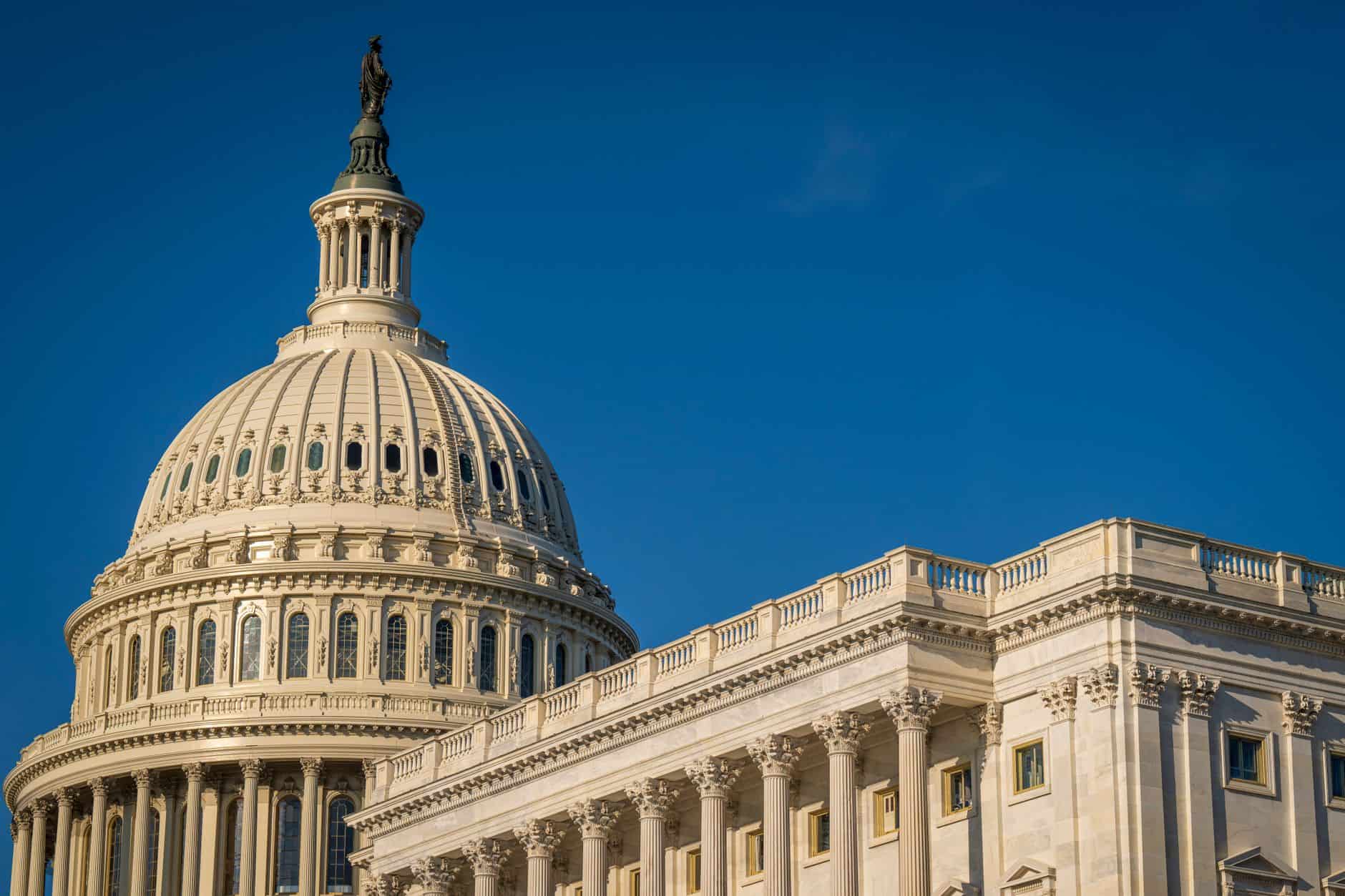
The Electoral College, established by the U.S. Constitution, functions as a unique system for selecting the president, balancing state and federal interests. Designed to represent both populous and less populous states, it reflects historical concerns regarding democracy and informed voting. Its operations have raised significant questions about voter equality, especially when candidates win the presidency without securing a majority of the popular vote. Contemporary critiques focus on its potential to marginalise voter influence in non-battleground states, while advocates argue it preserves the federal system. As the U.S. evolves politically and demographically, discussions about reforming or retaining the Electoral College intensify,…
-
The Legacy of Leadership: A Look at the Most Influential Presidents of the United States

The article explores the significant impact of five U.S. presidents—George Washington, Abraham Lincoln, Theodore Roosevelt, Franklin D. Roosevelt, and John F. Kennedy—on the nation’s development. Each leader faced unique challenges and made pivotal contributions: Washington established governmental precedents; Lincoln preserved the Union and advanced emancipation; Theodore Roosevelt promoted progressive reforms and government activism; FDR guided America through the Great Depression and World War II with transformative policies; and Kennedy inspired civic engagement during turbulent times. Collectively, their legacies highlight the importance of leadership in shaping democracy, equality, and public service, urging current generations to uphold these principles for a better…
-
The History of the Democratic Party in the USA

The Democratic Party has been integral to the United States’ political evolution since its founding in the early 19th century. It originated from factions post-American Revolution, officially forming in the 1820s under figures like Thomas Jefferson and Andrew Jackson. Historically representing agrarian interests, it faced ideological rifts over issues like slavery, particularly during the Civil War and Reconstruction. The party transitioned during the Great Depression under Franklin D. Roosevelt, embracing progressive policies. Key events, including the Civil Rights Movement, reshaped its identity towards social justice. In the 21st century, it confronts new challenges while striving to reconcile its legacy with…
-
The History of the Republican Party in the USA

The Republican Party, founded in the 1850s in response to slavery tensions, has a rich history shaping American politics. It grew rapidly, opposing slavery after the Kansas-Nebraska Act and was solidified by Abraham Lincoln’s presidency during the Civil War. Post-war, the party took charge during Reconstruction, advocating for civil rights through significant amendments but faced challenges from Southern resistance. In the late 20th century, under Reagan, it pivoted to conservative ideologies. The election of Donald Trump marked another shift, emphasising populism. The party now confronts ideological divides, demographic changes, and voter expectations that will shape its future and relevance.
-
Houston History: a full guide

Houston, Texas, founded in 1836 by Augustus and John Kirby Allen, evolved from a trading post to the fourth-largest city in the US, greatly influenced by its role in the Texas Revolution. Initially serving as a temporary capital for the Republic of Texas, Houston grew into a vital commercial hub, shaped by a diverse population and a blend of cultures. The discovery of oil in the early 20th century propelled its economic expansion, establishing Houston as a centre for the energy industry. Today, it retains its significance through contributions to space exploration, education, and technological innovation, reflecting a dynamic and…
-
The Rich Tapestry of Texas History

The history of Texas is a rich tapestry of diverse cultures and significant events that have shaped its identity. From ancient indigenous tribes like the Caddo, Comanche, and Apache, who thrived before European contact, to European colonisation led by Spanish explorers, Texas has experienced profound transformation. The Texas Revolution (1835-1836) marked a struggle for independence from Mexico, leading to the establishment of the Republic of Texas. Following its annexation into the United States in 1845, Texas faced both challenges and opportunities, eventually evolving into a major economic player through industrialisation and the oil boom. Understanding Texas’ history reveals a story…
-
The Rich History of California

California’s history is a rich tapestry reflecting its diverse cultural, social, and economic evolution over centuries. Beginning with its indigenous peoples, the state’s narrative encompasses the significant impacts of Spanish colonisation, the Gold Rush, and advancements in the 20th century. Indigenous tribes thrived until colonisation brought disease and disruption. The Gold Rush in 1848 catalysed mass migration, transforming California into a melting pot and establishing it as a crucial economic territory. The 20th century saw California emerge as a hub of innovation and culture, despite facing challenges such as the Great Depression and social movements advocating for equality. This complex…
-
The history of the U.S. Department of Defense

The U.S. Department of Defense (DoD) plays a crucial role in American military operations and national security, evolving significantly since its creation post-World War II. Established to unify military branches, the DoD has navigated numerous conflicts, including the Korean War, Vietnam War, and Gulf War, shaping its strategies and operational frameworks. The Cold War era introduced the concept of deterrence and a focus on intelligence, while contemporary threats, such as cyber warfare and terrorism, demand ongoing adaptation. As the DoD faces future challenges, including great power competition and budget constraints, its ability to innovate and foster alliances will be vital…
-
The History of the US Pentagon

The Pentagon, located in Arlington, Virginia, is a symbol of American military power and has been crucial to the nation’s defence since its construction during World War II. Designed by George Bergstrom, its unique five-sided structure was completed in early 1943 to centralise military operations. As the hub for military planning, it facilitated collaboration among branches of the armed forces, playing a key role in major operations like D-Day. The building’s function and architecture have evolved through various conflicts, especially during the Cold War and post-9/11, adapting to modern threats while maintaining its significance in U.S. defence strategy.
-
The History of the United States Supreme Court
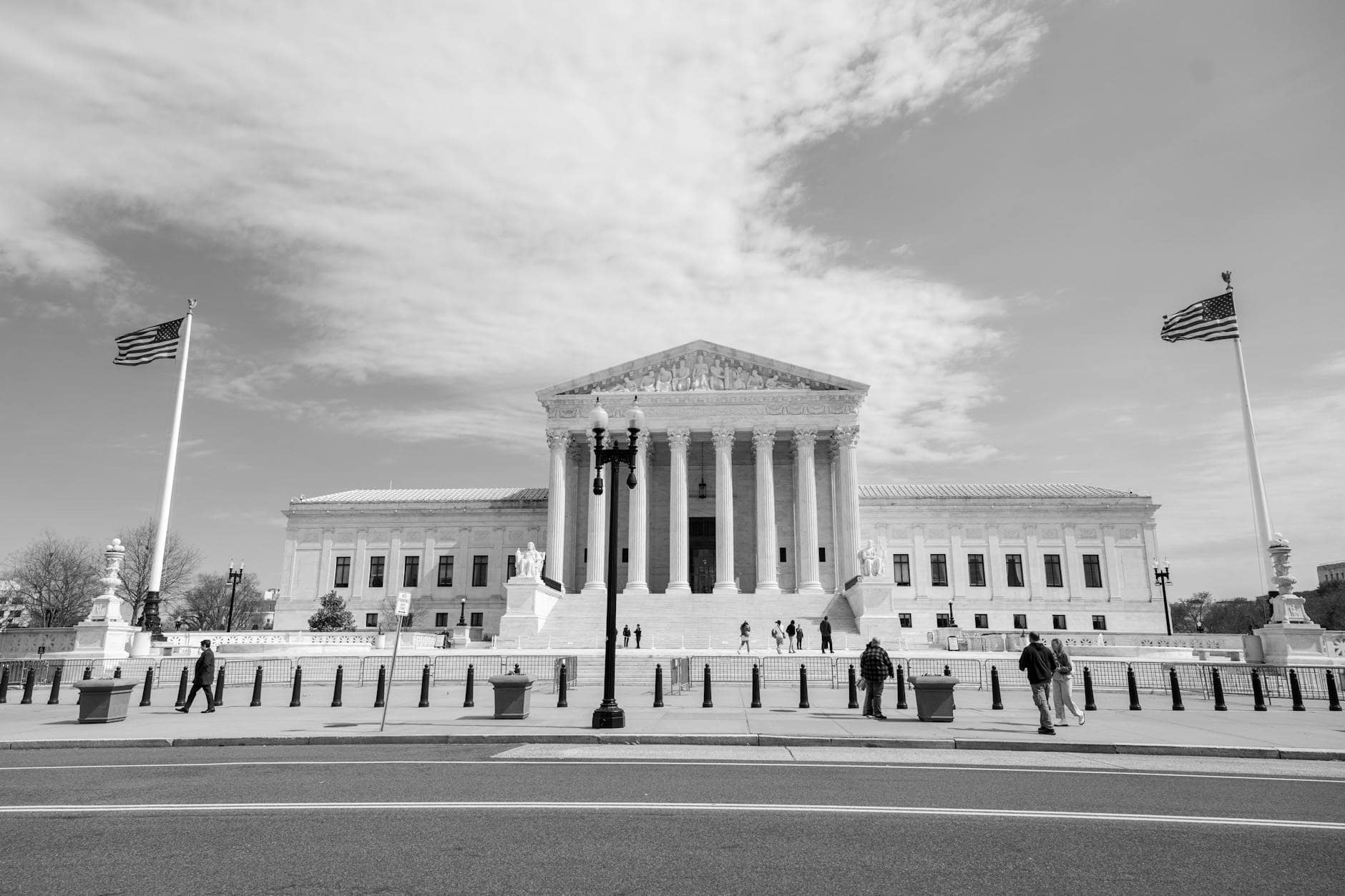
The United States Supreme Court, established in 1789, serves as the highest judicial authority, responsible for interpreting the Constitution and shaping American law. This article traces its evolution from early challenges and foundational cases, such as Marbury v. Madison, to its pivotal role in civil rights, exemplified by Brown v. Board of Education. Throughout history, landmark cases have redefined social norms and legal precedents, illustrating the court’s influence on individual rights. The contemporary court faces significant ideological divisions and contentious cases, reflecting societal changes. As it navigates complex contemporary issues, the Supreme Court remains essential to American democracy and justice.
-
The History of the United States Senate

The United States Senate, established in 1789, is a key part of the American legislative system, comprising 100 senators with two representatives from each state. This article outlines the Senate’s historical evolution, pivotal legislative functions, and the influential figures who shaped its landscape. It highlights challenges such as partisanship and representation issues, urges reforms to restore bipartisanship, and addresses its role in foreign policy and executive oversight. The Senate’s transformation from indirect elections to modern challenges underscores its significance in American democracy. Ultimately, it must adapt to maintain relevance and ensure all citizens are effectively represented.
-
The Complex History of Taiwan: a full guide

Taiwan’s history is a complex narrative shaped by indigenous cultures, colonial influences, and geopolitical dynamics. Indigenous groups have inhabited the island for millennia, developing unique traditions and societies. European colonialism in the 17th century initiated significant changes, followed by Japanese rule, which transformed Taiwan’s socio-political landscape. After World War II, Taiwan was governed by the Republic of China, leading to political tensions and eventual democratic reforms by the late 20th century. Today, Taiwan plays a crucial role in global geopolitics, balancing relations with China and seeking international support amid ongoing sovereignty challenges.
-
The History of the China-Taiwan Conflict
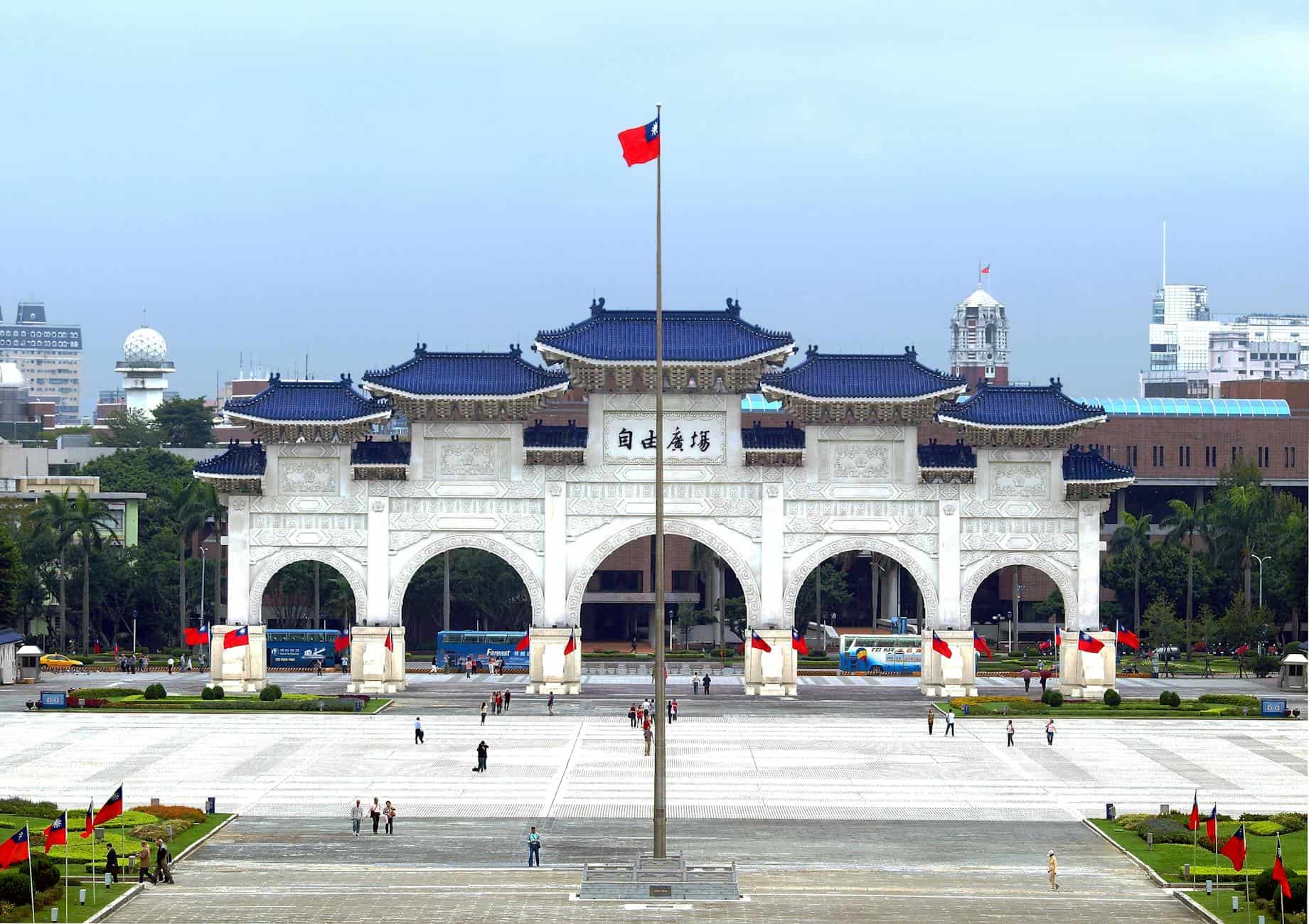
The China-Taiwan conflict, rooted in historical events over a century, has evolved through shifting ideologies and identities. After the Chinese Civil War in 1949, the Kuomintang retreated to Taiwan, establishing an authoritarian regime while asserting claims over the mainland. As Taiwan transitioned towards democracy in the late 20th century, a distinct Taiwanese identity emerged, often opposing unification with China. Internationally, the situation became complex, especially after the 1971 UN recognition of the People’s Republic of China, isolating Taiwan diplomatically. Tensions have escalated under Xi Jinping’s leadership, with Taiwan strengthening ties with the US, while its future remains uncertain amid rising…
-
The Complex Dynamics of USA-China Relations Over Taiwan

The relationship between the USA and China regarding Taiwan is complex, evolving through historical, political, economic, and military dimensions. The USA has supported Taiwan, especially post-1949, while China considers it a breakaway province. Recent political developments, particularly under President Tsai Ing-wen, have strengthened Taiwan’s identity, prompting increased military tension. Taiwan’s strategic role in global semiconductor manufacturing adds further economic implications to the relationship. Future prospects are fraught with uncertainty, balancing military dynamics, diplomatic ties, and economic interdependence. Ultimately, maintaining peace requires ongoing dialogue and respect for Taiwan’s sovereignty amidst rising tensions between the superpowers.
-
The History of the Cuban Revolution: a full guide

The Cuban Revolution, which unfolded between 1953 and 1959, marked a significant turning point in the history of Cuba and had far-reaching implications for global politics.