Category: Political & Economic History
-
The 1970s Stagflation Crisis: Causes, History, and Economic Impact

The 1970s stagflation crisis marked a pivotal moment in economic history, characterized by slow growth, high unemployment, and rising inflation. This unprecedented scenario defied classical economic theories, particularly the Phillips Curve, which suggested a trade-off between inflation and unemployment. Factors such as oil crises and structural economic shifts contributed to a complex policy environment where traditional Keynesian responses fell short. The government’s strategies, including monetary tightening and wage controls, often exacerbated the situation. The crisis reshaped public sentiment, fostered political movements, and underscored the importance of adaptable economic policies, influencing future U.S. economic strategies and discussions on equity.
-
The History of the World Bank: Origins, Evolution, and Global Impact

The World Bank, established in 1944 after World War II, has evolved from a financial institution focused on European reconstruction to a global leader in sustainable development. Its history features pivotal shifts in strategies, notably embracing multi-faceted approaches to tackle poverty through education, health, and environmental sustainability. Challenges faced during the 1980s and 1990s prompted significant reforms, emphasizing transparency, governance, and stakeholder engagement. In the 21st century, the World Bank addresses global issues such as inequality and climate change, adapting its mission to align with the Sustainable Development Goals. Its ongoing commitment ensures it remains integral to fostering inclusive growth…
-
The History and Legacy of the Bretton Woods Conference in 1944: How It Shaped the Global Financial System

The Bretton Woods Conference in July 1944 was a crucial event aimed at establishing a stable global economic framework after World War II. Delegates from 44 countries discussed measures such as fixed exchange rates, which pegged currencies to the US dollar, and created the International Monetary Fund (IMF) and World Bank for financial stability and development. The conference sought to replace isolationist policies with international cooperation to foster economic recovery and growth. While the fixed exchange rate system ultimately collapsed in 1971, the IMF and World Bank remain vital in addressing global economic challenges, reflecting the conference’s enduring legacy of…
-
How Banks Fueled the Industrial Revolution: Financing Factories, Railways & Global Trade

The Industrial Revolution, spanning the late 18th to early 19th centuries, transformed banking practices significantly. Banks evolved from catering to the wealthy elite to becoming pivotal financing institutions for industrial growth, providing loans and facilitating credit through joint-stock banks and central banks. This evolution supported trade and commerce, aided infrastructure development, and created modern payment systems. However, financial instability and disparities arose, prompting regulatory measures to enhance accountability and public confidence. While banks fueled wealth creation and social mobility for some, they also contributed to social tensions and inequalities, shaping the socio-economic landscape of the period.
-
British Empire’s Economic Dominance: From Mercantilism to Global Trade Supremacy

The British Empire, once the world’s leading global power, significantly influenced modern political, cultural, and economic landscapes. Its expansion, driven by economic interests and competition, began in the late 16th century, marked by the establishment of the East India Company and new colonies in America. The Industrial Revolution propelled economic growth through technological advancements and transportation improvements, solidifying Britain’s reliance on colonial resources. Military strength enabled the empire to enforce economic control and exploit local economies. The decline of the empire in the mid-20th century was fueled by economic pressures and rising nationalism, leaving a complex legacy that still impacts…
-
The amazing history of the Economic Development of China

The economic development of China has evolved over millennia, transitioning from ancient agriculture to a global powerhouse. Early advancements in agriculture during dynasties set a foundation for trade and governance. Colonialism disrupted these systems but also spurred modernization efforts. Under Mao Zedong, initiatives like the Great Leap Forward aimed for rapid industrialization but resulted in catastrophic failures. Reform under Deng Xiaoping in the late 1970s embraced market-oriented policies, leading to significant growth and urbanization. Today, China faces challenges such as transitioning to domestic consumption, environmental issues, and international trade tensions, while pursuing innovation and global collaborations for sustainable development.
-
The History of New Deal of Franklin D. Roosevelt’s
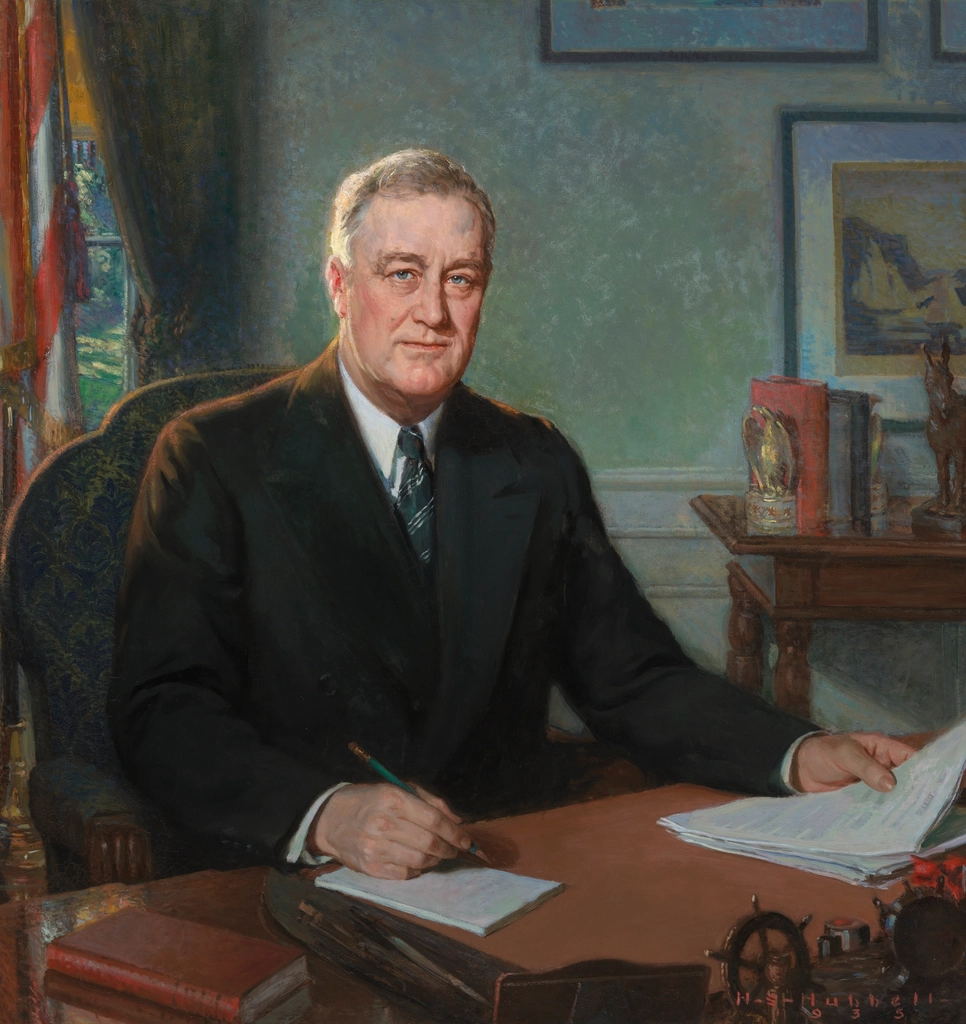
The New Deal, introduced by President Franklin D. Roosevelt during the Great Depression, fundamentally transformed the federal government’s role in American life. With unprecedented unemployment and poverty, Roosevelt aimed to restore confidence and economic recovery through various programs like the Civilian Conservation Corps and the Social Security Act. These initiatives provided immediate relief and redefined government responsibility towards citizens’ welfare. While the New Deal faced political opposition and criticisms for its limitations, its legacy reshaped social welfare policies, strengthened labor rights, and altered political coalitions, ultimately highlighting the significance of government intervention in times of national crisis.
-
The History of the World Trade Organization (WTO) and Its Impact on the Global Economy
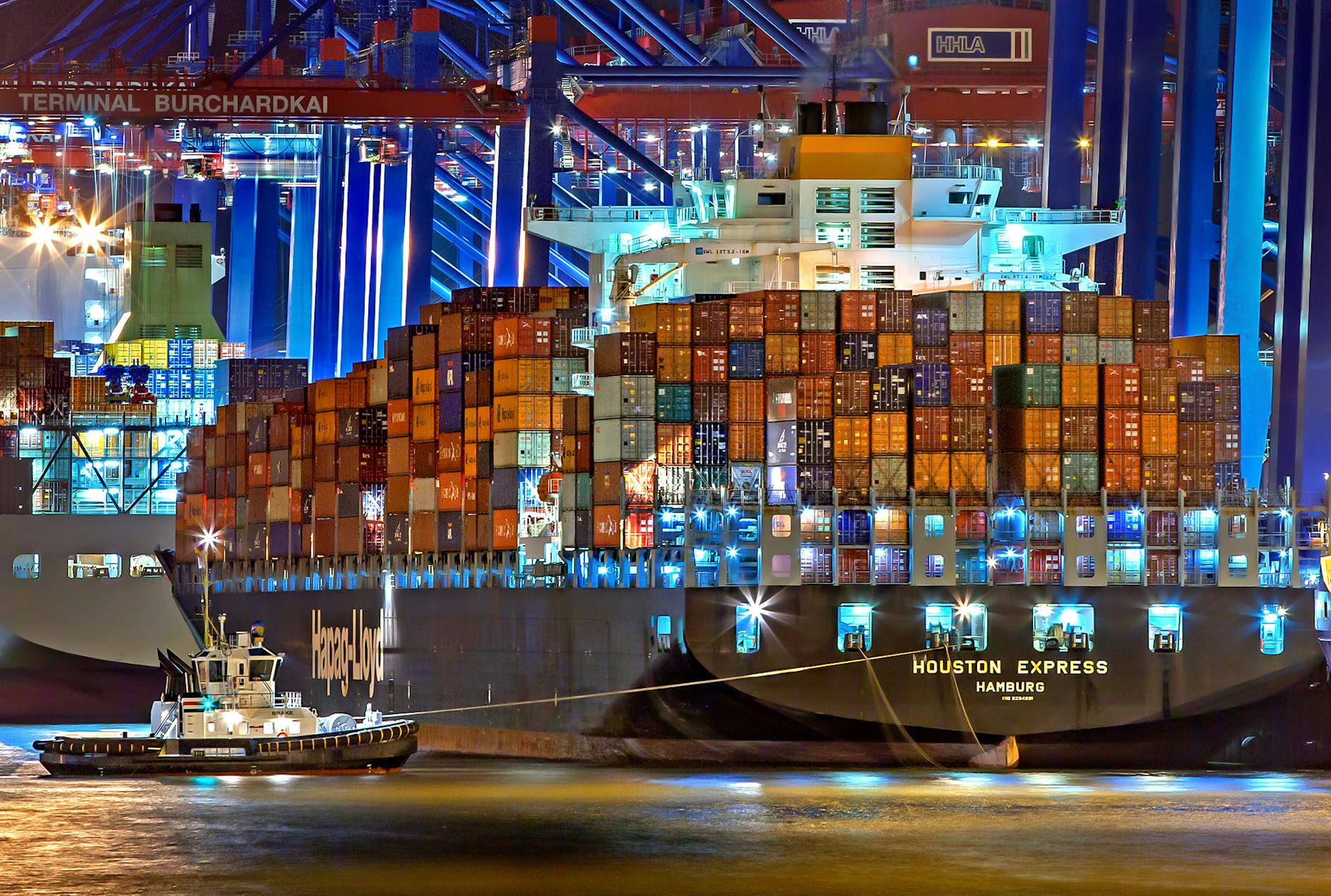
The World Trade Organization (WTO), established in 1995, is crucial in governing international trade among member nations, having evolved from the General Agreement on Tariffs and Trade (GATT). Its main mission is to promote free trade by reducing tariffs and trade barriers, fostering economic growth. However, it faces criticism for favoring developed nations, with challenges in representation for developing countries and addressing social and environmental issues. The WTO must adapt to the changing global landscape, including digital trade and sustainability, while reforming its processes to ensure inclusivity. Its ability to evolve will determine its relevance in future global trade dynamics.
-
The Rise of Vatican Power

This article examines the rise of Vatican Power, highlighting its historical foundations, political alliances, religious governance, economic strategies, and modern influence. Originating from early Christianity and Saint Peter’s martyrdom, the Vatican evolved into a sovereign entity with significant authority in political matters, particularly during the Middle Ages and Renaissance. Key alliances with monarchies fortified its power, while the Vatican’s economic strategies included land ownership and modern financial management, establishing a diverse revenue base. Today, the Vatican continues to exert global influence through diplomacy, media, and humanitarian efforts, addressing pressing issues and maintaining its role as a moral leader in contemporary…
-
The History of the Vatican Wealth

The article examines the evolution of Vatican wealth, tracing its origins from early Christianity through historical events, cultural contributions, and contemporary financial practices. Initial wealth stemmed from land ownership and tithing, with significant advancements during the Renaissance as popes became art patrons. Donations and influential patronage solidified the Vatican’s financial power. The institution houses priceless art and artifacts, which generate tourism revenue. Modern financial management strategies include the Vatican Bank and diversified investments. Political and global economics impact its wealth, necessitating adaptation. The Vatican aims to uphold spiritual values while navigating financial complexities, ensuring its resources benefit the Church and…
-
The Role of Banks in Europe’s Post-War Reconstruction: How Finance Rebuilt a Continent

The aftermath of World War II left Europe in devastation, prompting urgent reconstruction efforts. Banks played a crucial role in Europe reconstruction, mobilizing resources and providing financial support, leading to the establishment of key institutions like the European Investment Bank (EIB). These banks adapted their strategies to focus on infrastructure, industrial recovery, and entrepreneurship, facilitating loans and investments essential for revitalization. Collaboration among banks, governments, and international organizations, exemplified by the Marshall Plan, fostered economic unity and paved the way for deeper integration, culminating in developments like the Eurozone. The banking sector significantly shaped Europe’s economic landscape, emphasizing cooperation and…
-
The Marshall Plan: History, Global Impact and Lasting Legacy

The Marshall Plan, initiated by the United States in 1948, aimed to revitalize war-torn European economies after World War II through substantial financial aid exceeding $12 billion. This initiative sought to strengthen political stability and curb communism’s spread, successfully benefitting 16 nations, notably West Germany, France, and Italy. The plan emphasized collaboration, requiring countries to present recovery proposals, which fostered accountability. Politically, it cemented U.S.-European alliances and contributed to the containment of communism, leading to the formation of NATO. The Marshall Plan’s legacy endures in modern foreign aid practices and exemplifies the transformative power of international cooperation in addressing significant…
-
The Economic Development of Japan Post-World War II

The economic development of Japan post-World War II showcases its resilience and innovation. From 1945 to 1955, U.S. aid and reforms under occupation spurred recovery. The 1955-1973 era saw rapid industrial growth, and the “Economic Miracle” emerged through government-business collaboration and technological advancement. However, challenges like the 1973 oil crisis and competitive pressures urged diversification and innovation. The late 1980s experienced a bubble economy that burst, leading to economic stagnation in the 1990s. Entering the 21st century, Japan focused on modernization, adapting to demographic shifts and global dynamics, while addressing past lessons for sustainable growth and innovation.
-
The Wealth of the Spanish Empire: Gold, Silver, and Global Influence in the Colonial Era
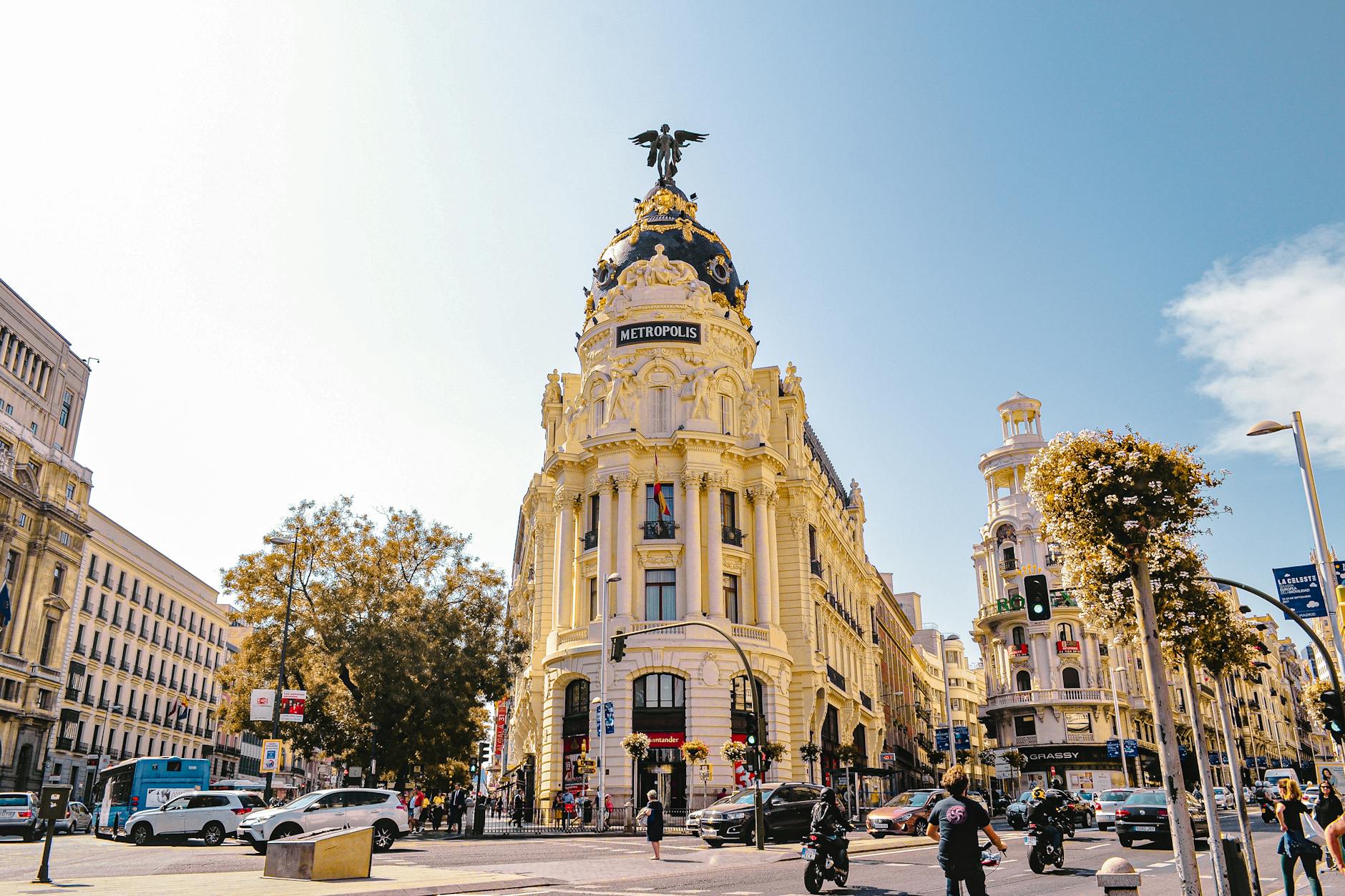
The article explores the rise and decline of the Spanish Empire, emphasizing the wealth generated through exploration, exploitation, agriculture, and trade from the late 15th century to the 19th century. The empire flourished due to precious metal extraction from the Americas, particularly from the Inca and Aztec territories, and effective agricultural practices. However, dependence on these resources created economic imbalances, corruption, and social strife. External military confrontations and internal unrest further eroded stability, leading to financial mismanagement and a decline marked by lost colonies. Ultimately, the legacy of the Spanish Empire serves as a reflection on the complexities of power…
-
The Wealth of the French Empire: Colonial Profits, Trade, and Global Power

This article explores the origins, strategies, trade networks, and lasting effects of the wealth generated by the French Empire. Beginning in the late medieval era, France’s financial power grew through feudalism, agriculture, and trade. Colonial ambitions established during the 16th century led to the formation of trade posts in North America, the Caribbean, and Asia, significantly enriching France via mercantilism and exploitation of enslaved labor, particularly in sugar plantations. However, military conflicts like the Seven Years’ War strained economic stability, contributing to public unrest and revolution. The empire’s legacy continues to provoke discussions on colonialism and economic inequality today, highlighting…
-
The Rise of the Medici family: A Journey through Wealth and Power

The Medici family’s journey from modest beginnings to a powerful dynasty in Renaissance Italy is characterized by strategic banking, political maneuvering, and cultural patronage. Giovanni di Bicci de’ Medici established the influential Medici Bank, which grew under his son Cosimo’s leadership, enabling the family to gain significant political and social power in Florence. They formed strategic alliances through marriage and financial support to secure their status. The Medici also championed the arts, fostering creativity and cultural innovation. However, their inability to adapt to shifting political dynamics and internal dissent ultimately led to their decline, culminating in the loss of their…
-
The amazing history of the Rothschild Family

The Rothschild family, a prominent banking dynasty since the late 1700s, began with Mayer Amschel Rothschild in Frankfurt, Germany. Their early financial endeavors led to significant influence across Europe, particularly during the Napoleonic Wars, where they financed both sides and capitalized on opportunities. As they expanded their wealth through investments in railroads and mining, they also engaged in philanthropy, supporting education, healthcare, and the arts. Despite facing antisemitism and conspiracy theories, the family’s legacy reflects a commitment to societal progress. In the modern era, they navigate a complex public perception while maintaining influence through financial initiatives and ethical investments.
-
The Wealthiest Individuals in History: A Deep Dive into the 5 Greatest Fortunes

The article examines the histories and significance of five of the greatest fortunes in human history: the Rothschild family, John D. Rockefeller, Andrew Carnegie, and Henry Ford. It discusses how their wealth shaped societies and economies, emphasizing the intertwining of wealth with political and cultural power. The Rothschilds pioneered banking, Rockefeller revolutionized the oil industry, Carnegie transformed steel production, and Ford changed manufacturing through the assembly line. Each figure is noted for their philanthropic efforts, reflecting a complex narrative of ambition, innovation, and social responsibility. Ultimately, their legacies continue to influence modern economic and ethical discussions surrounding wealth.
-
The Ottoman Empire Economy: a deep dive into the amazing empire’s economic model
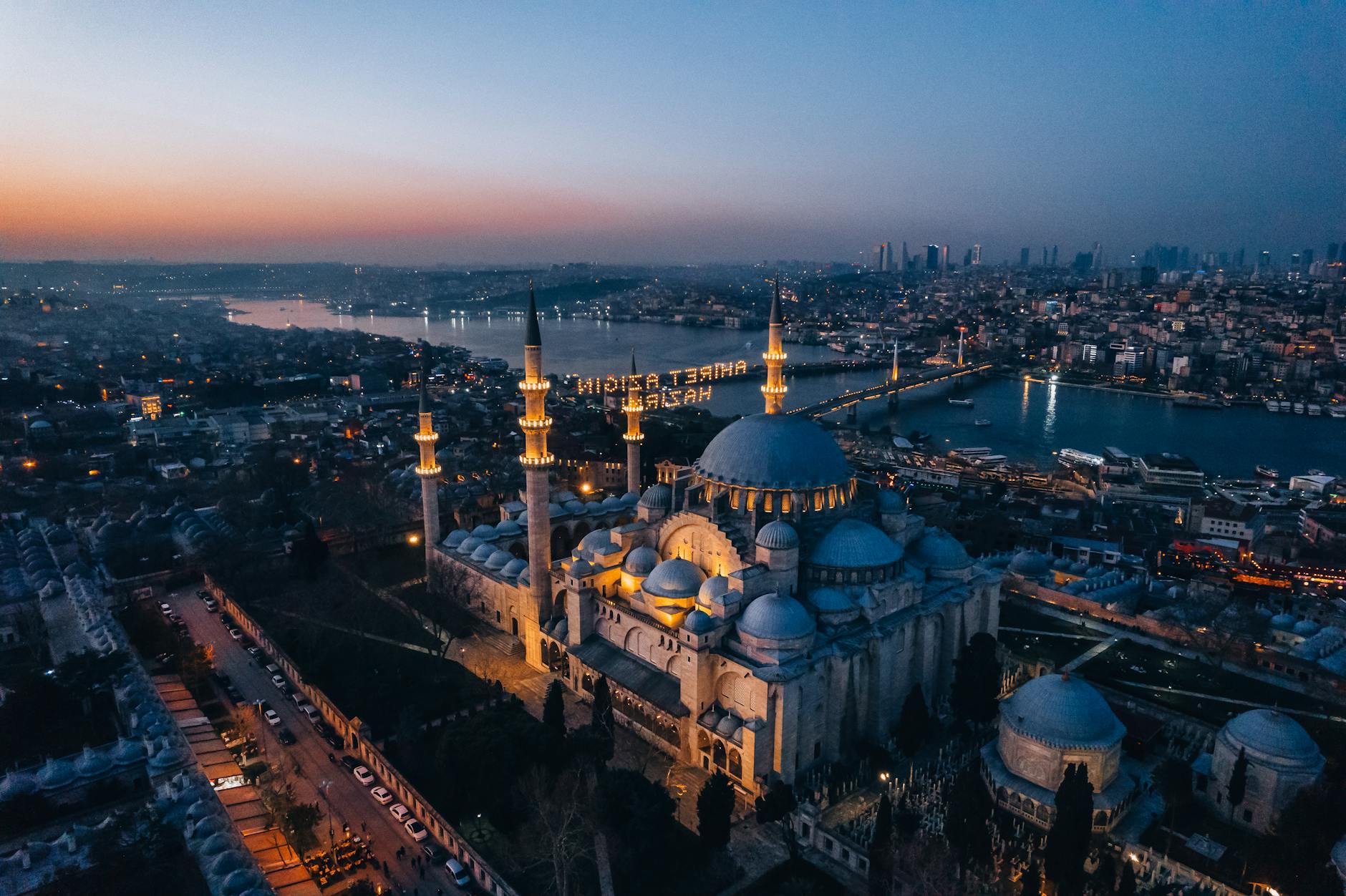
The Ottoman Empire, a dominant power from the late 13th to early 20th century, had a complex economy rooted in agriculture, trade, craftsmanship, and taxation. The agricultural sector in the Ottoman Empire Economy supported the population, while trade routes across Europe and Asia enhanced economic activity. The millet system allowed diverse communities to maintain economic autonomy, contributing to the empire’s wealth. Craft production thrived, particularly in textiles and metalwork, although traditional methods faced challenges from industrialization and competition. The taxation system, essential for administration and military funding, experienced inefficiencies and corruption. Overall, the Ottoman economy reflected adaptability and integration, enabling…
-
The Roman fiscal system: An amazing Historical Overview

The Roman fiscal system evolved significantly from a rudimentary tribute-based model in the early Republic to a complex tax network essential for funding imperial projects. Initially reliant on voluntary contributions, Rome formalized taxation with the introduction of the “tributum,” primarily targeting landowners. This system adapted to the empire’s diverse cultures and economic conditions, employing a mix of direct and indirect taxes. While fiscal policies financed public services and military needs, they also intensified social stratification, often burdening lower classes. Administrative structures, including census and taxing officials, facilitated revenue collection but also led to corruption. Ultimately, mismanaged fiscal policies contributed to…