Category: History
Delve into the past with captivating articles on historical events, figures, and movements that shaped the world. Our in-depth content brings history to life, offering fresh perspectives and insights into key moments in time. Explore the stories that define our present and future, and gain a deeper understanding of our shared heritage.
-
The Collapse of the Soviet Union: history, facts and key events
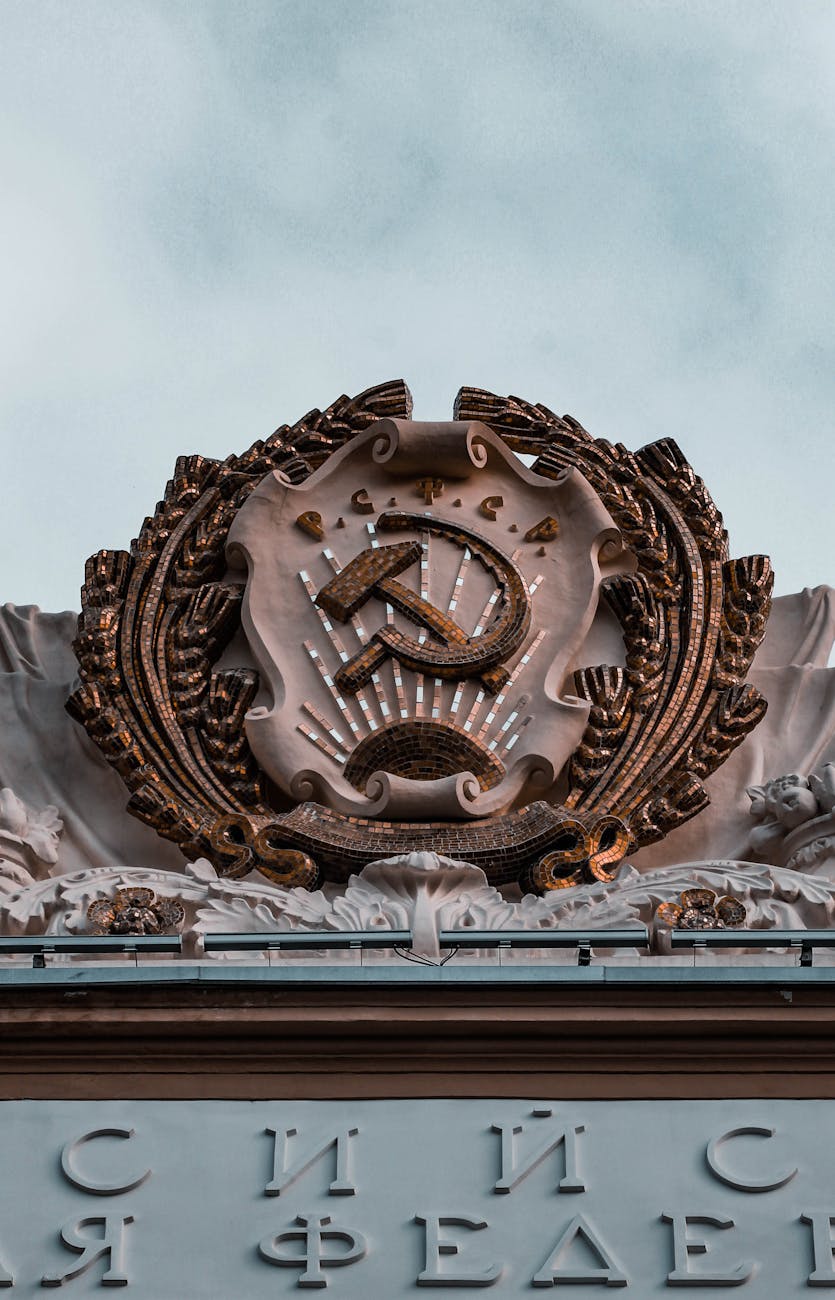
The collapse of the Soviet Union in 1991 was a pivotal historical moment shaped by a combination of political, economic, and nationalist factors. Internal political strife and economic decline severely weakened central authority, particularly under Mikhail Gorbachev’s reform policies of Perestroika and Glasnost. The introduction of these policies encouraged public dissent and nationalist movements within republics like the Baltics and Ukraine, which sought independence. The inability of the Communist Party to adapt to these emerging demands, coupled with rising frustrations from economic hardships, culminated in a series of declarations of independence. The failed coup in August 1991 further accelerated the…
-
The Soviet Union Economic History
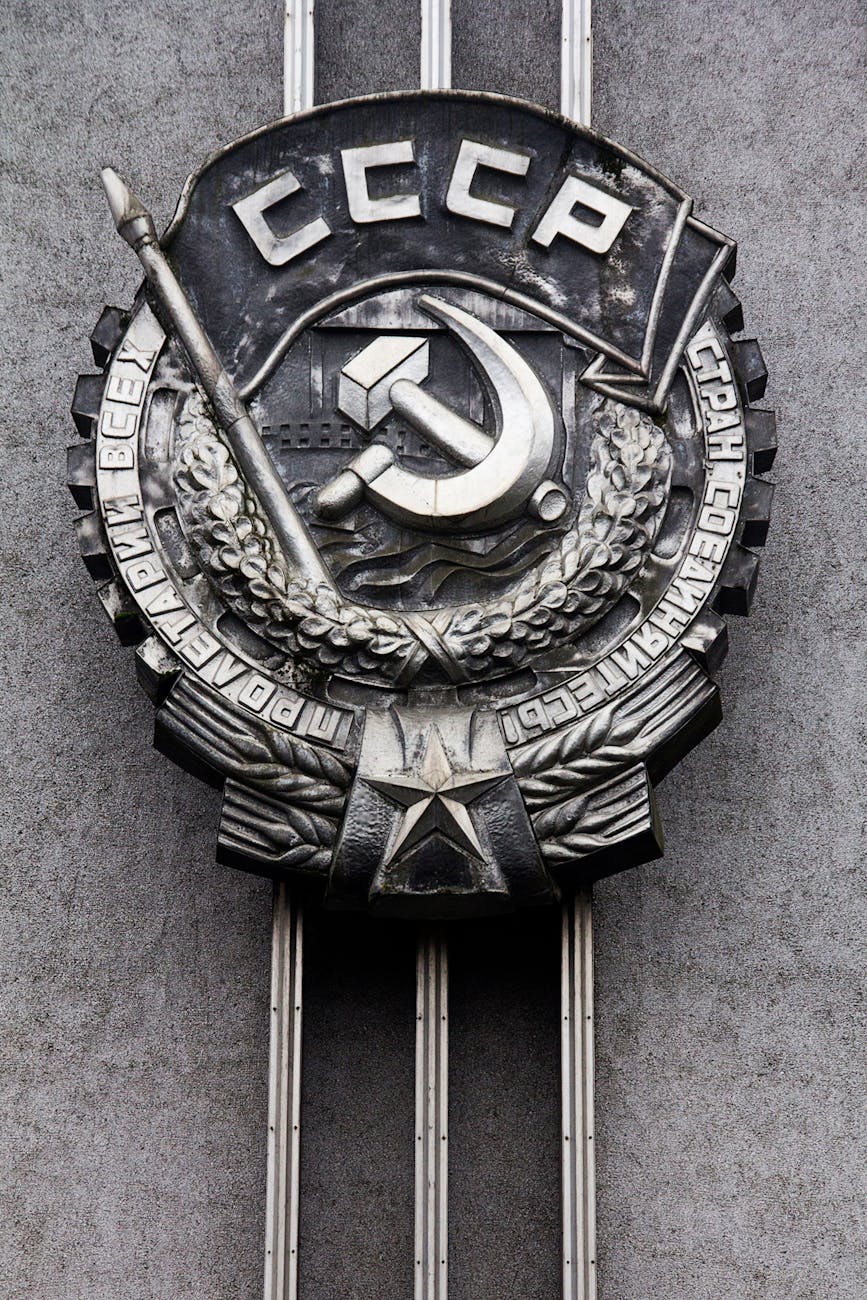
The Soviet Union economic history reflects a dramatic transformation from agrarian roots to a state-controlled socialist system. The Bolshevik Revolution initiated centralized planning, but policies like War Communism and collectivization led to social strife, famine, and industrial growth under Stalin’s Five-Year Plans. The Cold War era intensified military spending and economic challenges. Mikhail Gorbachev’s Perestroika aimed to decentralize the economy, leading to inflation, corruption, and rising nationalist sentiments, ultimately culminating in the USSR’s dissolution in 1991. Post-Soviet transitions were marked by privatization, economic inequality, and varied success across former republics, underscoring the complexities of moving to a market-oriented economy.
-
The History of the United Nations: A Comprehensive Overview

The United Nations (UN) was founded in 1945 to promote global cooperation and maintain peace following World War II. Established after the League of Nations’ failure, the UN aims to prevent conflicts, champion human rights, and tackle global issues like poverty and climate change. It has evolved significantly, implementing peacekeeping missions, especially during the Cold War and beyond, adapting to modern challenges like terrorism and humanitarian crises. Noteworthy achievements include the Universal Declaration of Human Rights and developing legal frameworks for human rights protection. However, the UN faces ongoing challenges, including geopolitical tensions, climate change, and misinformation, necessitating continuous reform…
-
The Economic History of Iran: From Ancient Times to Modern Challenges
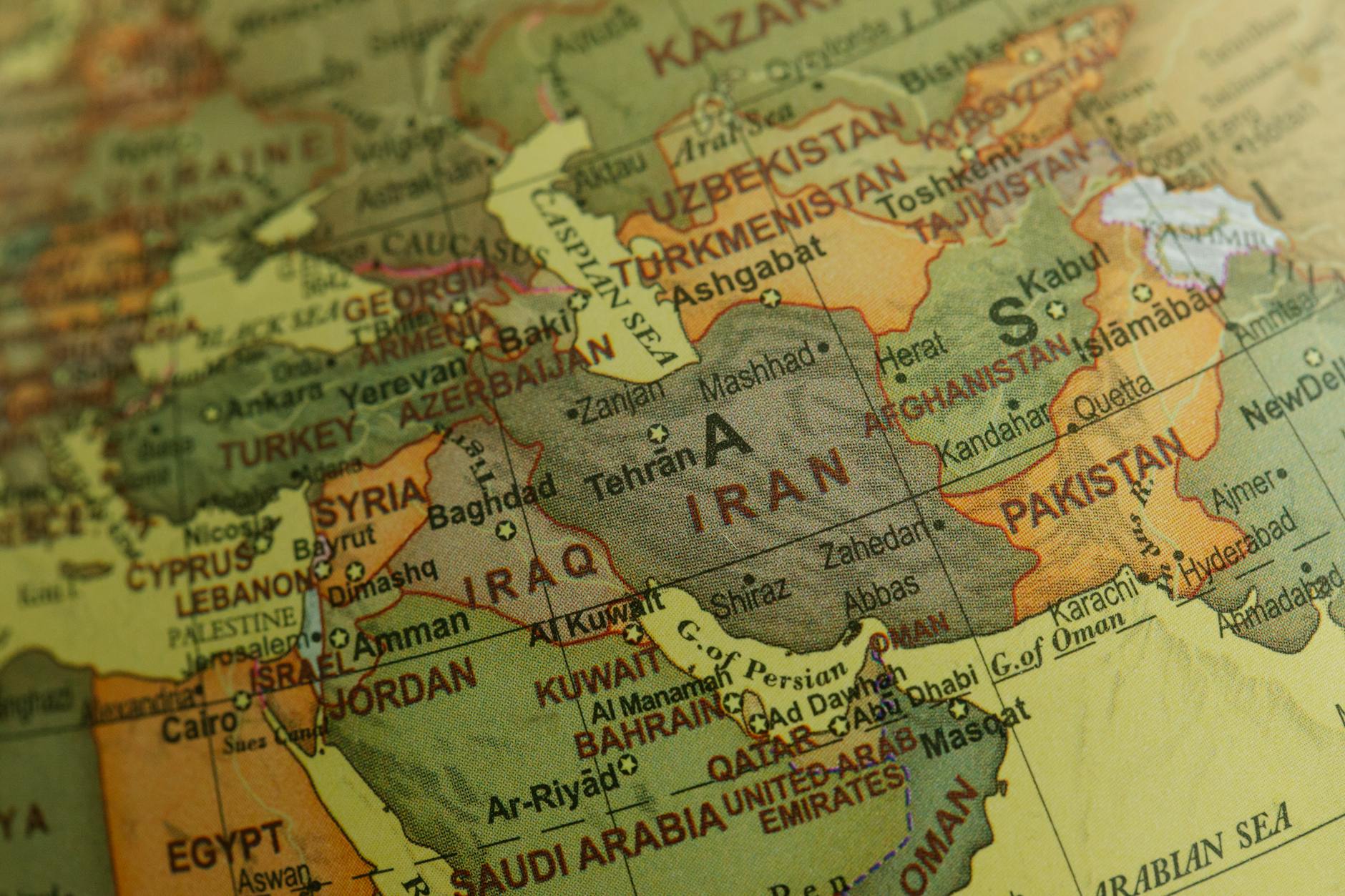
The economic history of Iran reflects a series of profound transformations from ancient times through modernity, shaped by pivotal historical events. The Achaemenid Empire laid essential economic foundations, with advancements in agriculture and trade along the Silk Road. The Islamic conquest revitalized the economy by promoting trade and introducing innovative banking practices, leading to prosperous urban centers. The Safavid Empire furthered trade with global recognition of Persian goods, while the Pahlavi dynasty’s modernization efforts expanded the oil sector, though it also heightened social disparities. Post-1979, Iran has faced sanctions that challenge its economic stability, yet the digital revolution offers new…
-
The Economic History of Israel: Key Events and Milestones

The economic history of Israel showcases its transformation from a resource-limited state in 1948 to a high-tech driven economy. Key phases included agricultural foundations established by early immigrants, industrial growth in the 1960s post-Six-Day War, significant reforms in the 1980s, and global integration in the 1990s. Modern Israel is characterized by strengths in software, cybersecurity, and agricultural technology, fostering innovation through government support and venture capital. Despite challenges such as socio-economic disparities and geopolitical issues, Israel’s economy continues to adapt, focusing on sustainability and technological advancements, positioning it as a significant player in the global market.
-
The 1970s Stagflation Crisis: Causes, History, and Economic Impact

The 1970s stagflation crisis marked a pivotal moment in economic history, characterized by slow growth, high unemployment, and rising inflation. This unprecedented scenario defied classical economic theories, particularly the Phillips Curve, which suggested a trade-off between inflation and unemployment. Factors such as oil crises and structural economic shifts contributed to a complex policy environment where traditional Keynesian responses fell short. The government’s strategies, including monetary tightening and wage controls, often exacerbated the situation. The crisis reshaped public sentiment, fostered political movements, and underscored the importance of adaptable economic policies, influencing future U.S. economic strategies and discussions on equity.
-
The History of the World Bank: Origins, Evolution, and Global Impact

The World Bank, established in 1944 after World War II, has evolved from a financial institution focused on European reconstruction to a global leader in sustainable development. Its history features pivotal shifts in strategies, notably embracing multi-faceted approaches to tackle poverty through education, health, and environmental sustainability. Challenges faced during the 1980s and 1990s prompted significant reforms, emphasizing transparency, governance, and stakeholder engagement. In the 21st century, the World Bank addresses global issues such as inequality and climate change, adapting its mission to align with the Sustainable Development Goals. Its ongoing commitment ensures it remains integral to fostering inclusive growth…
-
The History and Legacy of the Bretton Woods Conference in 1944: How It Shaped the Global Financial System

The Bretton Woods Conference in July 1944 was a crucial event aimed at establishing a stable global economic framework after World War II. Delegates from 44 countries discussed measures such as fixed exchange rates, which pegged currencies to the US dollar, and created the International Monetary Fund (IMF) and World Bank for financial stability and development. The conference sought to replace isolationist policies with international cooperation to foster economic recovery and growth. While the fixed exchange rate system ultimately collapsed in 1971, the IMF and World Bank remain vital in addressing global economic challenges, reflecting the conference’s enduring legacy of…
-
How Amancio Ortega Revolutionized Fast Fashion with Zara

Amancio Ortega, born in 1936 in Spain, founded Zara and created Inditex, revolutionizing global fashion retail. From modest beginnings, his early exposure to the fashion industry led to the innovative fast fashion model that ensures rapid production and distribution of trendy, affordable clothing. The first Zara store opened in 1975, marked by a unique strategy of vertical integration and responsiveness to consumer demand. Under Inditex, Ortega expanded to multiple brands and embraced global markets, leading Inditex to dominate the fashion industry. Ortega’s philanthropic efforts in education and healthcare further enrich his legacy, inspiring entrepreneurs worldwide.
-
The History of Donald Trump: From Real Estate to the White House

Donald Trump’s life and career illustrate a complex journey marked by significant influence in business, media, and politics. Starting as a real estate mogul, he transformed into a national figure with ventures like Trump Tower and reality TV. His populist ascent culminated in a controversial presidency (2017-2021), characterized by bold policies, significant achievements, and multiple controversies, including two impeachments. After losing the 2020 election, he maintained a stronghold on the Republican Party, continuing to impact American political discourse. Trump’s legacy remains divisive, recognized by supporters as a champion of nationalism but criticized by detractors for undermining democratic standards.
-
How Banks Fueled the Industrial Revolution: Financing Factories, Railways & Global Trade

The Industrial Revolution, spanning the late 18th to early 19th centuries, transformed banking practices significantly. Banks evolved from catering to the wealthy elite to becoming pivotal financing institutions for industrial growth, providing loans and facilitating credit through joint-stock banks and central banks. This evolution supported trade and commerce, aided infrastructure development, and created modern payment systems. However, financial instability and disparities arose, prompting regulatory measures to enhance accountability and public confidence. While banks fueled wealth creation and social mobility for some, they also contributed to social tensions and inequalities, shaping the socio-economic landscape of the period.
-
British Empire’s Economic Dominance: From Mercantilism to Global Trade Supremacy

The British Empire, once the world’s leading global power, significantly influenced modern political, cultural, and economic landscapes. Its expansion, driven by economic interests and competition, began in the late 16th century, marked by the establishment of the East India Company and new colonies in America. The Industrial Revolution propelled economic growth through technological advancements and transportation improvements, solidifying Britain’s reliance on colonial resources. Military strength enabled the empire to enforce economic control and exploit local economies. The decline of the empire in the mid-20th century was fueled by economic pressures and rising nationalism, leaving a complex legacy that still impacts…
-
The Story of Jeff Bezos: From a Startup to Amazon Empire – History, Biography, Facts and Events

The story of Jeff Bezos started in 1964 in New Mexico. He is the visionary founder of Amazon, which transformed retail. His journey from a tech-savvy child to a Princeton graduate set the stage for his entrepreneurial venture. After observing the internet’s potential, he launched Amazon in 1994 as an online bookstore, emphasizing customer satisfaction. Bezos’s innovations, like “1-Click” purchasing and Amazon Prime, revolutionized e-commerce. Despite facing challenges, such as the dot-com bubble and labor controversies, he adapted and grew Amazon. Beyond business, Bezos has focused on philanthropy with initiatives addressing homelessness and climate change, while also pursuing space exploration…
-
The Mind Behind Microsoft: The Life and Legacy of Bill Gates

Bill Gates, co-founder of Microsoft, has profoundly shaped the technology landscape and global society. Born on October 28, 1955, he dropped out of Harvard to establish Microsoft in 1975, driven by a vision to democratize technology. Gates’ leadership fostered innovation, leading to the widespread adoption of personal computing and software through products like Windows. After stepping back from Microsoft in 2006, Gates focused on philanthropy via the Bill & Melinda Gates Foundation, directing efforts towards global health and education. His emphasis on adaptability, collaboration, and social responsibility continues to inspire future leaders and drive positive societal change.
-
The Most Influential Popes in the History of the Catholic Church
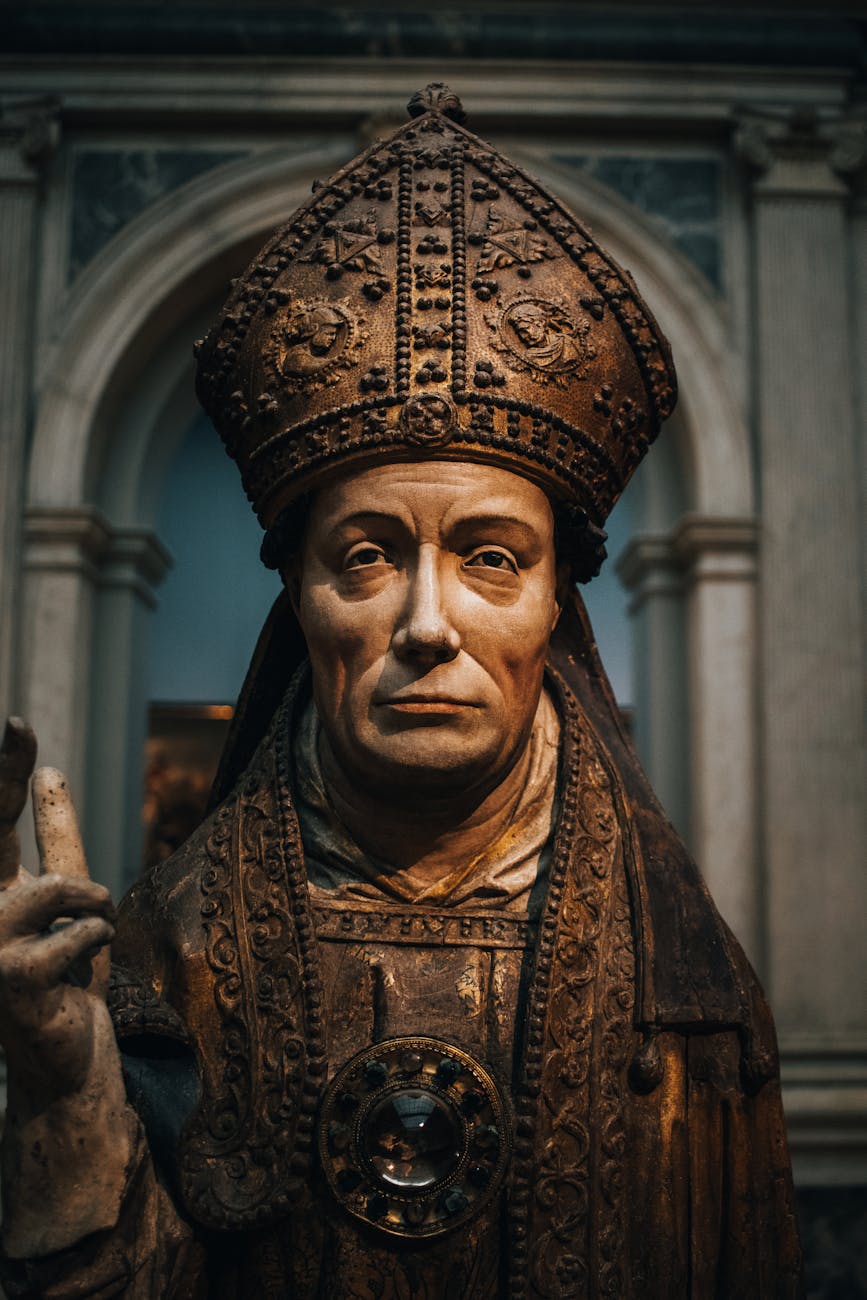
Discover the most influential Popes in our new article. The papacy’s history is deeply intertwined with the evolution of Christianity and the Catholic Church, influencing spiritual, political, and cultural landscapes over centuries. Starting with St. Peter, early popes established the Church’s authority amidst persecution, later solidified by doctrines such as Petrine supremacy. The Middle Ages saw popes like Gregory VII and Innocent III assert immense power, guiding both faith and worldly matters. The Protestant Reformation challenged this authority, prompting internal reforms and the emergence of the Counter-Reformation. Modern popes, including John XXIII and Francis, engage with social, environmental, and humanitarian…
-
The Economic Power of the Catholic Church: A Historical Perspective on Popes and Influence
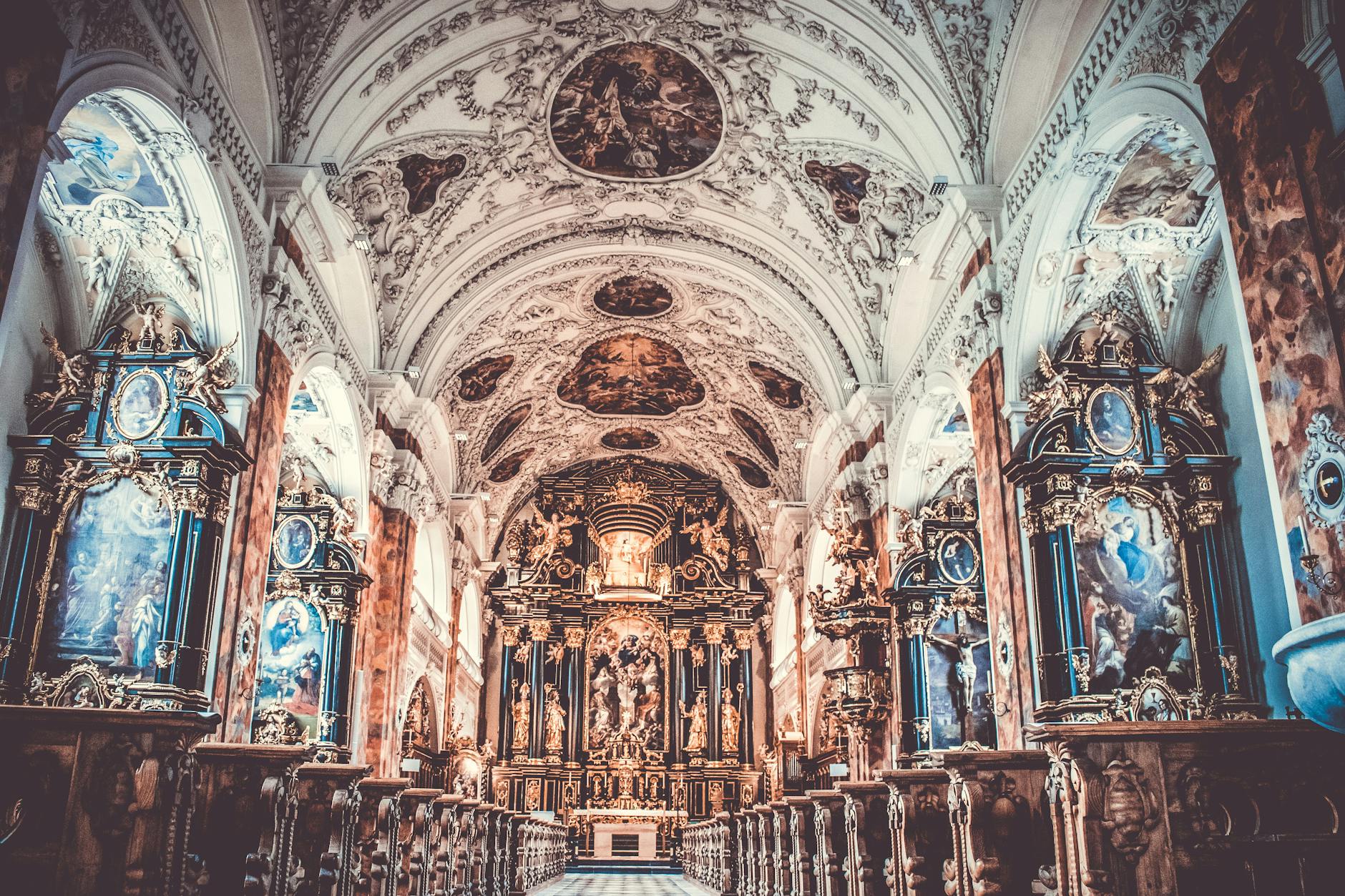
The Catholic Church, established in the 1st century AD, has profoundly influenced both spirituality and the economy throughout its history. From its origins through the establishment of a hierarchical structure, the Church emerged as a major political power in Europe, especially during the Middle Ages. The papacy played a crucial role in shaping economic policies, notably through controversial practices like the sale of indulgences. Wealth was accumulated via land ownership, donations, and patronage of arts and education, enhancing its societal stature. Today, the Church engages in global debates on poverty and economic equity, showcasing its continued relevance as both a…
-
The amazing history of the Economic Development of China

The economic development of China has evolved over millennia, transitioning from ancient agriculture to a global powerhouse. Early advancements in agriculture during dynasties set a foundation for trade and governance. Colonialism disrupted these systems but also spurred modernization efforts. Under Mao Zedong, initiatives like the Great Leap Forward aimed for rapid industrialization but resulted in catastrophic failures. Reform under Deng Xiaoping in the late 1970s embraced market-oriented policies, leading to significant growth and urbanization. Today, China faces challenges such as transitioning to domestic consumption, environmental issues, and international trade tensions, while pursuing innovation and global collaborations for sustainable development.
-
The History of the Longest Papal Conclaves
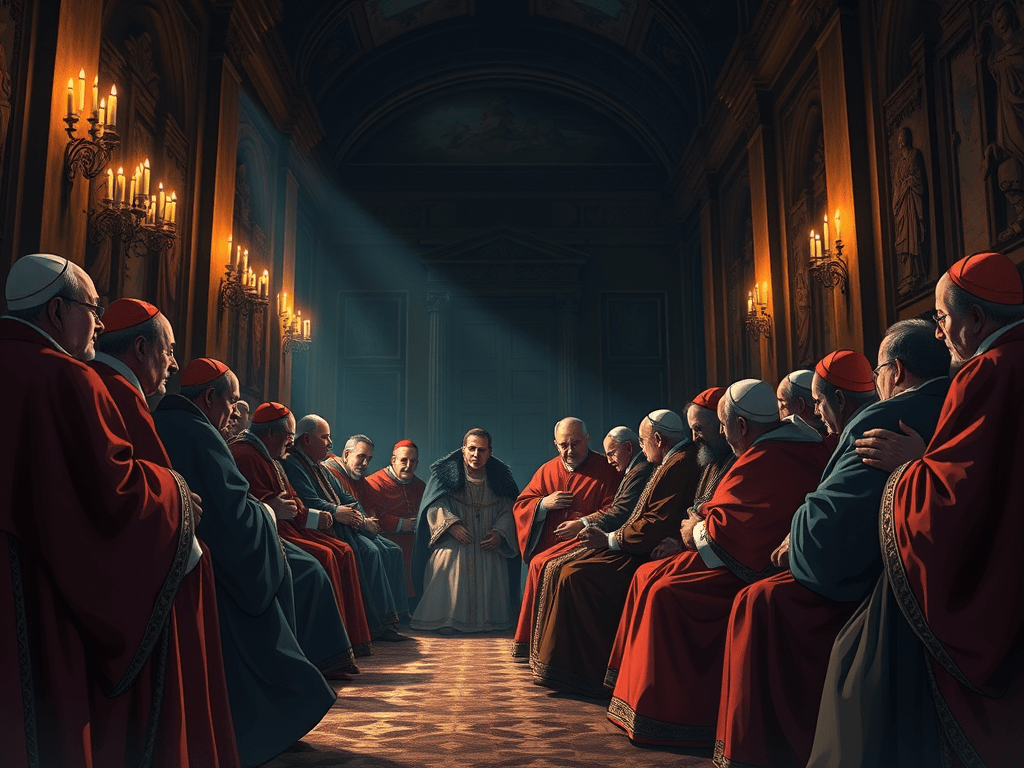
The process of selecting a new pope through papal conclaves is historically significant and often marked by prolonged durations that reflect internal divisions and external pressures faced by the Church. This summary explores notable lengthy conclaves, particularly the one from 1268 to 1271, which stands as the longest in history, highlighting political intrigues and the eventual compromise that led to the election of Pope Boniface VIII. Other notable conclaves include those of 1542-1543 and the dual conclaves in 1978, which underscored the complexities of Church politics. Understanding these lengthy deliberations is vital for appreciating the papacy’s influence and governance.
-
The History of New Deal of Franklin D. Roosevelt’s
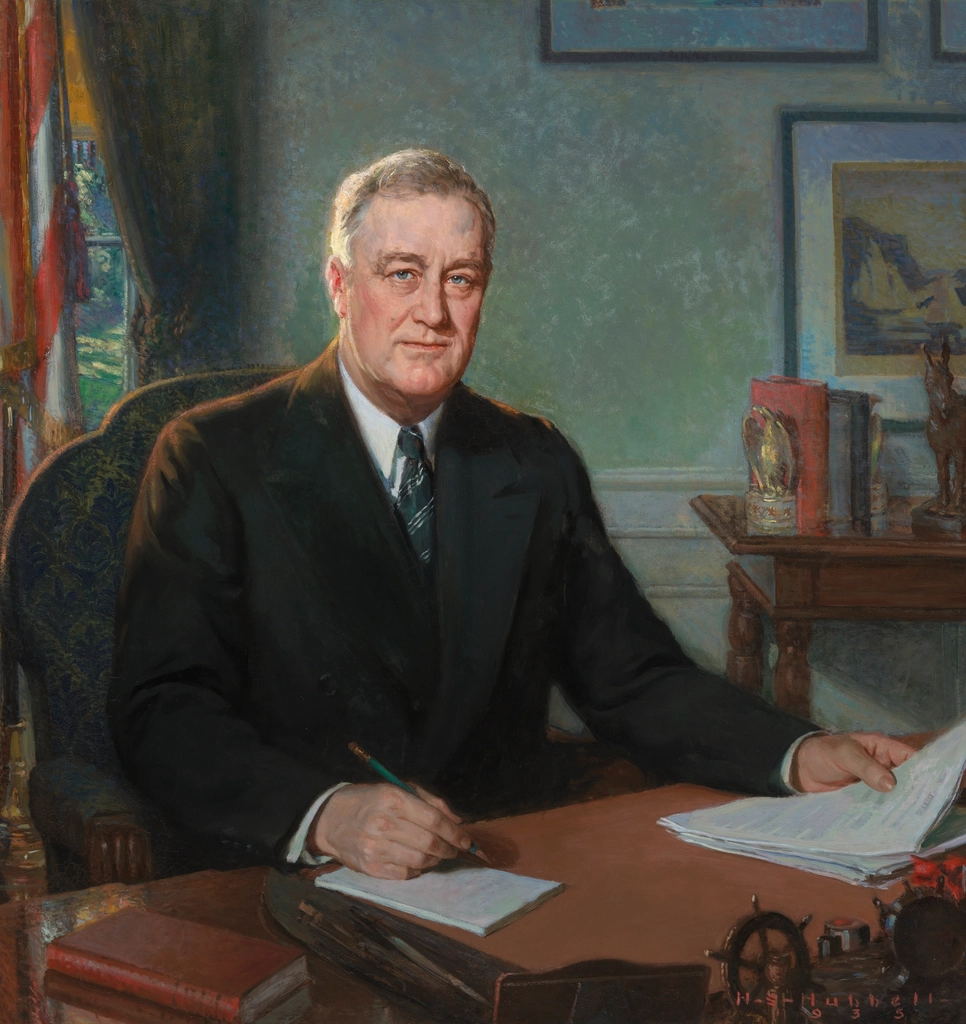
The New Deal, introduced by President Franklin D. Roosevelt during the Great Depression, fundamentally transformed the federal government’s role in American life. With unprecedented unemployment and poverty, Roosevelt aimed to restore confidence and economic recovery through various programs like the Civilian Conservation Corps and the Social Security Act. These initiatives provided immediate relief and redefined government responsibility towards citizens’ welfare. While the New Deal faced political opposition and criticisms for its limitations, its legacy reshaped social welfare policies, strengthened labor rights, and altered political coalitions, ultimately highlighting the significance of government intervention in times of national crisis.
-
The History of the World Trade Organization (WTO) and Its Impact on the Global Economy
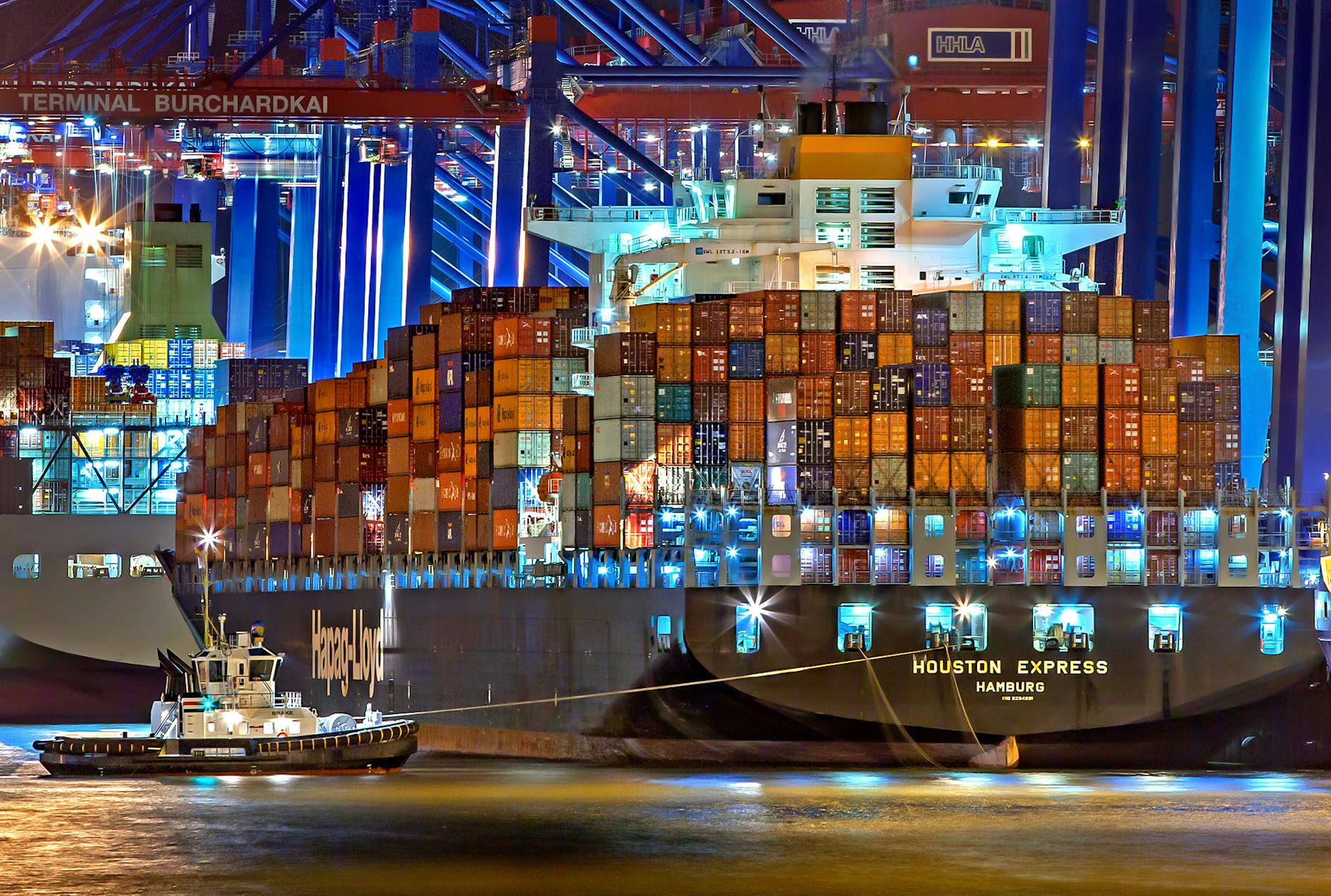
The World Trade Organization (WTO), established in 1995, is crucial in governing international trade among member nations, having evolved from the General Agreement on Tariffs and Trade (GATT). Its main mission is to promote free trade by reducing tariffs and trade barriers, fostering economic growth. However, it faces criticism for favoring developed nations, with challenges in representation for developing countries and addressing social and environmental issues. The WTO must adapt to the changing global landscape, including digital trade and sustainability, while reforming its processes to ensure inclusivity. Its ability to evolve will determine its relevance in future global trade dynamics.