Category: History
Delve into the past with captivating articles on historical events, figures, and movements that shaped the world. Our in-depth content brings history to life, offering fresh perspectives and insights into key moments in time. Explore the stories that define our present and future, and gain a deeper understanding of our shared heritage.
-
The History of the Joe Biden Presidency

Joe Biden’s presidency, inaugurated on January 20, 2021, aims to unify a divided America after Donald Trump’s term. Highlighting key issues like the COVID-19 pandemic, economic recovery, and social justice, Biden’s administration has focused on ambitious reforms. The 2020 election saw unprecedented challenges, leading to Biden’s historic victory with over 81 million votes. His administration prioritized a science-led pandemic response, exemplified by the American Rescue Plan, to stimulate the economy and address inequalities. Foreign policies emphasized multilateralism, as seen in rejoining the Paris Agreement, while societal initiatives tackled systemic racism. The Biden administration confronts numerous challenges in pursuit of equity…
-
The History of the US Declaration of Independence

The Declaration of Independence, adopted on July 4, 1776, embodies the essence of American liberty and self-governance, articulating the colonies’ grievances against British rule and their quest for independence. Influenced by Enlightenment ideals, especially those of John Locke and Rousseau, it emphasizes natural rights and government by consent. Drafted by a committee led by Thomas Jefferson, the Declaration became a rallying point for uniting the colonies and inspiring future democratic movements worldwide. Its revolutionary principles have influenced constitutions and rights declarations globally, affirming the pursuit of individual freedoms and shaping ongoing discussions of democracy and governance in contemporary society.
-
The Founding Fathers: Architects of America’s Future
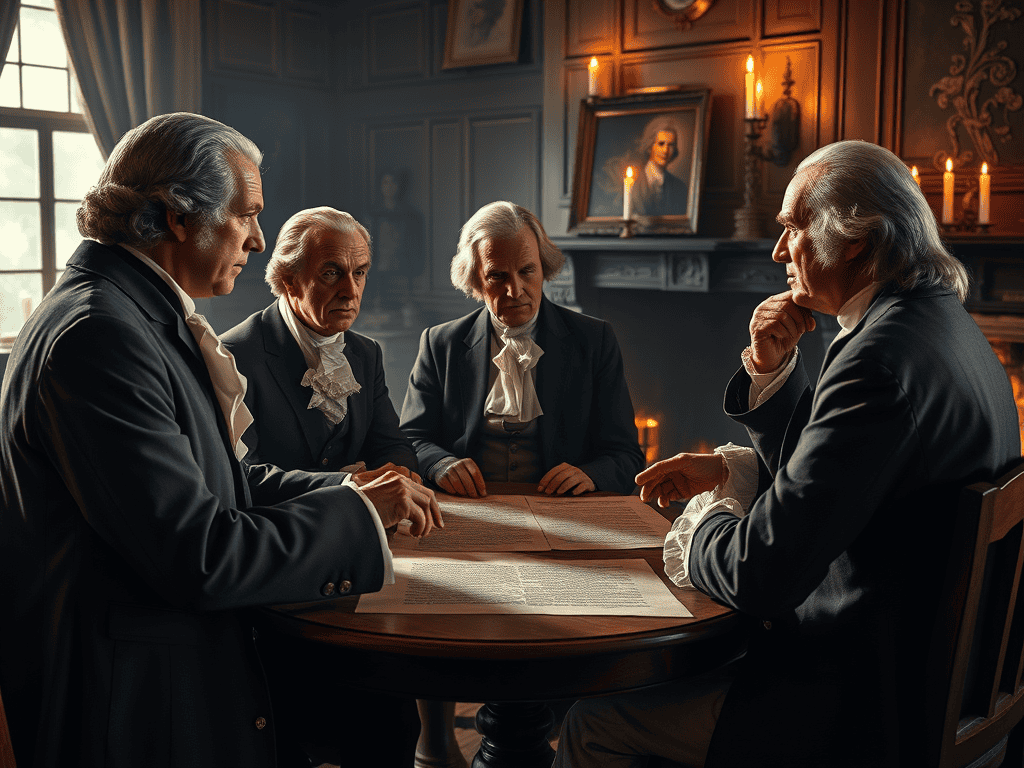
The Founding Fathers of the United States played a crucial role in the nation’s formation, marked by their diverse backgrounds and influential ideas. Key figures like George Washington, Thomas Jefferson, Benjamin Franklin, John Adams, and James Madison shaped democratic principles through foundational documents like the Declaration of Independence and the Constitution. Their work was significantly influenced by Enlightenment thinkers such as John Locke and Montesquieu, promoting ideas of individual rights and governance based on the consent of the governed. Their legacies are embedded in American political structures, emphasizing democracy, civil liberties, and ongoing discussions about equality and justice in contemporary…
-
The Legacy of Steve Jobs: Innovator and Visionary

Steve Jobs, born in 1955, co-founded Apple Inc. in 1976, which revolutionized personal computing and technology design. His journey from a rebellious youth in Silicon Valley to a leading innovator led to iconic products like the iPhone and iPad. Jobs’s early experiences influenced his design ethos, notably valuing user experience and aesthetics. After departing Apple in 1985 due to internal conflicts, he founded NeXT, producing advanced computing systems, which later aided his return to Apple in 1997. Jobs revitalized the company with products like the iPod, transforming digital media consumption and highlighting his enduring impact on technology and business.
-
The Historic Journey of the Apollo Program: A Leap into Space

The Apollo Program, initiated during the Cold War, exemplified human ambition and technological innovation, aiming to land astronauts on the Moon. It emerged from the U.S.-Soviet space race after the Sputnik launch, gaining momentum from President Kennedy’s 1961 commitment to lunar exploration. Notable missions included Apollo 11, when humans first walked on the Moon, and subsequent missions that expanded scientific knowledge. The program spurred technological advancements, transforming engineering and computer science, and fostered international collaboration in space exploration. Its legacy continues to inspire STEM fields and future missions, highlighting humanity’s aspiration to explore beyond Earth.
-
The History of the American Constitution

The American Constitution, established in 1787, is fundamental to the U.S. government and legal framework, emerging as a response to the failures of the Articles of Confederation. The Constitutional Convention aimed to create a stronger federal system amidst various socio-political challenges. Key debates included representation, state sovereignty, and the necessity of a Bill of Rights to protect individual liberties. Ratification involved intense debate between Federalists and Anti-Federalists, ultimately leading to the Constitution’s adoption and the subsequent addition of the Bill of Rights in 1791. Today, the Constitution remains vital, continuously influencing political discourse and judicial interpretation in evolving societal contexts.
-
The History of NASA: Pioneering Space Exploration

NASA, established in 1958, has led space exploration and scientific achievements. Sparked by the Cold War, its formation aimed to address U.S. concerns after the Soviet Union launched Sputnik. Key milestones include the Apollo program, which achieved the first Moon landing in 1969, and the Space Shuttle era, providing reusable spacecraft for diverse missions. Collaborating internationally, NASA developed the ISS to advance science and diplomacy. Looking ahead, its Artemis program focuses on returning humans to the Moon and preparing for human Mars missions. Overall, NASA embodies the spirit of exploration, technology, and global cooperation as it pushes the frontiers of…
-
The History of the American Independence War

The American Independence War (1775-1783) was a crucial conflict marking the colonies’ fight against British rule, inspired by desires for autonomy and Enlightenment ideals. Key grievances included “taxation without representation” and increased British control. Notable battles like Lexington, Trenton, and Saratoga showcased American resilience, with crucial foreign alliances, particularly with France, securing military support. Influential figures such as George Washington, Thomas Jefferson, and Benjamin Franklin played vital roles in the war and the subsequent formation of a national identity. The war’s aftermath led to the Treaty of Paris, the U.S. Constitution, and inspired global movements for liberty and self-governance.
-
The History of the Emancipation Proclamation: A Turning Point in American Civil Rights
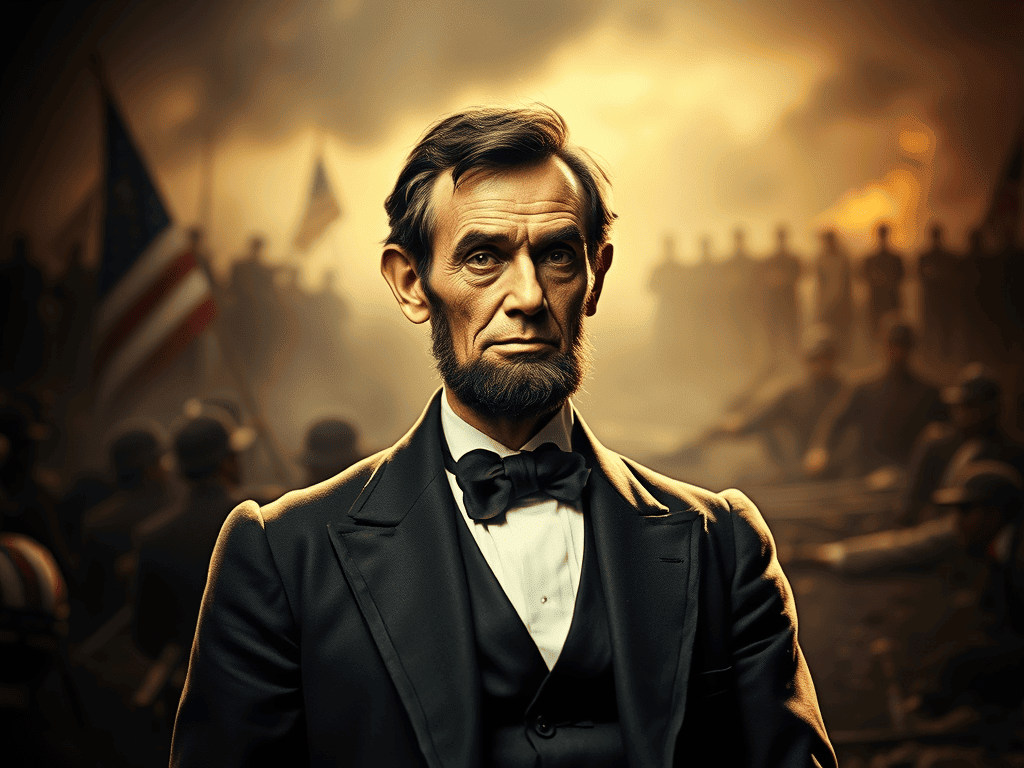
The Emancipation Proclamation, issued by President Abraham Lincoln on January 1, 1863, marked a significant turning point in American history, declaring freedom for slaves in Confederate-held territories during the Civil War. Although it did not immediately free enslaved individuals, it reframed the war’s purpose, shifting from mere union preservation to a moral fight against slavery. Influenced by abolitionists and military realities, Lincoln’s decision was pivotal in recruiting Black soldiers for the Union Army. The Proclamation laid the groundwork for the Thirteenth Amendment and the ongoing civil rights movement, shaping societal attitudes and highlighting the need for equality and justice in…
-
The Revolutionary Legacy of Vladimir Lenin

Vladimir Lenin, born in 1870, emerged as a transformative leader during the 20th century, particularly known for his role in the Russian Revolution of 1917. His early education in a politically charged environment fostered his revolutionary ideals, leading to his involvement with the Bolshevik faction of the Russian Social Democratic Labour Party. Upon his return from exile, Lenin galvanized support for political reform, advocating for a socialist state. His leadership during the revolution established the Soviet government, navigating civil war challenges and economic crisis through policies like the New Economic Policy. Lenin’s complex legacy as a revolutionary leader continues to…
-
The Legacy of Benjamin Franklin: A Historical Perspective
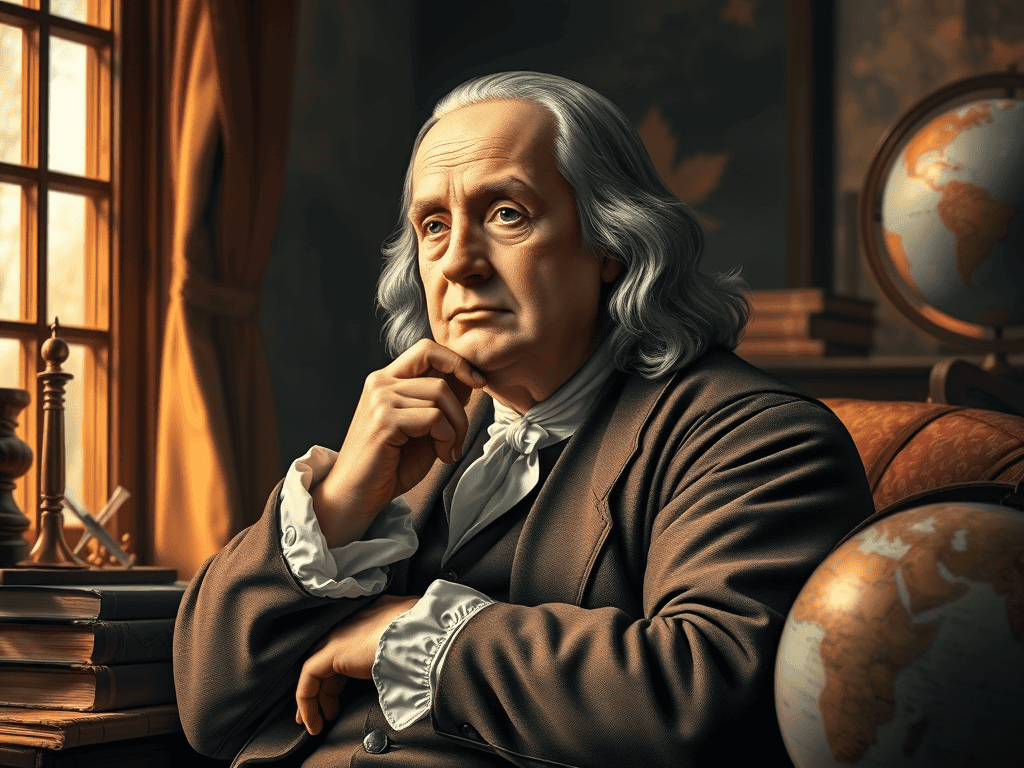
Benjamin Franklin was a pivotal figure in American history, known for his contributions to science, politics, and literature. Born in 1706 in Boston, Franklin’s early life fostered a deep commitment to self-education, leading him to become a groundbreaking scientist and influential diplomat during the American Revolution. He conducted famous experiments on electricity and invented practical items like the lightning rod and bifocal glasses. Franklin’s political acumen helped secure French support for the revolution, while his philosophies on civic duty and education shaped modern American values. His legacy endures through democratic principles, educational foundations, and the promotion of innovation and community…
-
Understanding the American Civil War: A Historical Overview
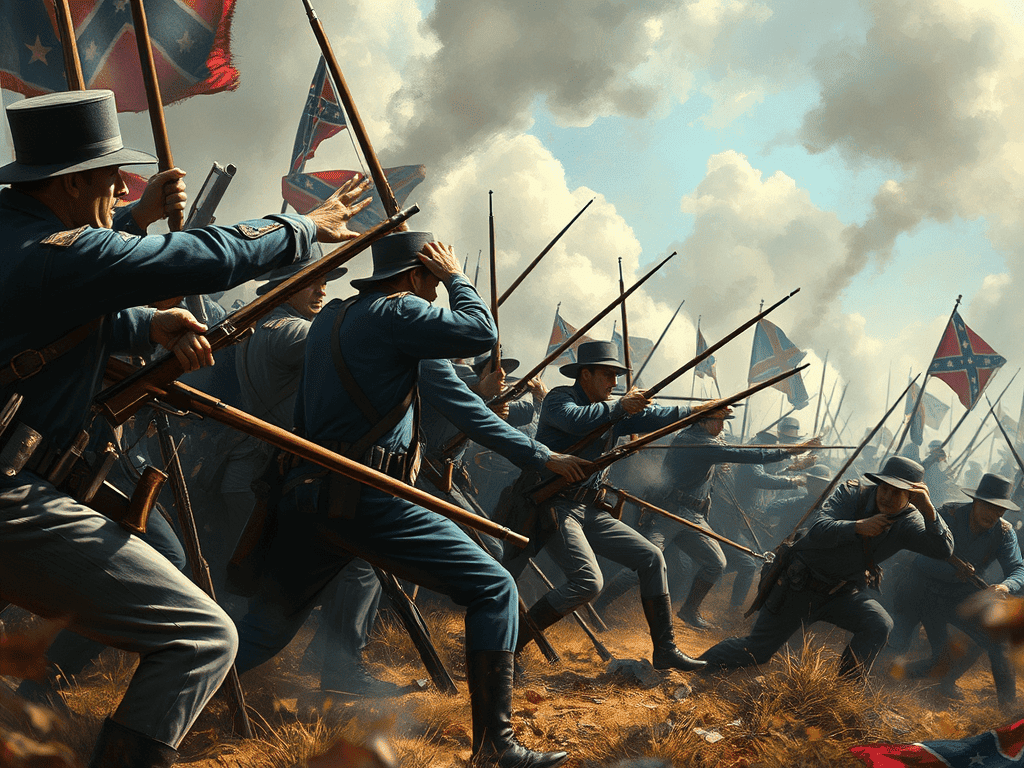
The American Civil War (1861-1865) fundamentally transformed the United States, resulting from deep-rooted tensions over slavery, economic differences, and political ideologies between the North and South. Key battles, such as Gettysburg and Antietam, highlighted the conflict’s human cost and the evolving military strategies from both sides. The war led to significant societal changes, including the abolition of slavery and shifts in gender roles as women assumed new responsibilities. The Reconstruction era aimed to integrate freed slaves and rebuild the South, but it faced significant resistance and ultimately failed to achieve lasting equality, illustrating the ongoing struggle for civil rights in…
-
The Legacy of Abraham Lincoln: A Deep Dive into His Life and Presidency

Abraham Lincoln, the 16th President of the United States, is celebrated for his leadership during the Civil War and his role in abolishing slavery. Born in 1809 in Kentucky, Lincoln faced adversity but showed a strong commitment to education and public service. His early political career began in the Illinois State Legislature, evolving through significant national issues like the Whig Party and the Republican Party’s emergence. His presidency, marked by the Civil War, demonstrated resilience and moral determination, culminating in the Emancipation Proclamation. Lincoln’s assassination in 1865 ended a remarkable legacy that continues to inspire dialogues on freedom, equality, and…
-
The Great Moon Race: A Journey to the Stars

The Moon race, driven by Cold War tensions, was a significant historical event showcasing the rivalry between the United States and the Soviet Union. Initiated by the launch of Sputnik in 1957, the race led to advancements in technology and space exploration, culminating in the U.S. Apollo 11 mission achieving the first lunar landing in 1969. This era not only inspired massive investments in STEM education but also fostered international cooperation in later space initiatives. The legacy of the Moon race continues to influence contemporary exploration efforts, reminding humanity of its ambitious spirit and the importance of pushing the boundaries…
-
The Life and Contributions of Alfred Nobel
Alfred Nobel, born in 1833 in Sweden, was an influential inventor and philanthropist, best known for inventing dynamite. His innovations revolutionized the construction and mining sectors but also sparked ethical debates due to their use in warfare. Disturbed by the destructive potential of his work, Nobel established the Nobel Prizes in his will, awarded first in 1901 to honor contributions to science, literature, and peace. Nobel’s life reflects a commitment to balancing innovation with moral responsibility. His legacy continues to inspire by promoting excellence and humanitarian ideals, urging future generations to prioritize knowledge, creativity, and societal betterment.
-
The History of World War I: Economic Impacts and Consequences
World War I, from 1914 to 1918, was a pivotal global conflict that reshaped nations politically, socially, and economically. Driven by nationalism, militarism, and alliances, it transformed economies as countries mobilized resources for war. Industrial advancements occurred, with women entering the workforce in unprecedented numbers, challenging gender norms. Post-war, harsh reparations devastated economies, particularly in Germany, leading to hyperinflation and contributing to the Great Depression. Shifts in global trade emerged, with the U.S. gaining economic power as European nations weakened. The war\’s lessons on economic stability and international cooperation continue to influence modern economic policies and relations.
-
The Life and Legacy of Thomas Edison
Thomas Edison, renowned as the \”Wizard of Menlo Park,\” was a pivotal inventor and entrepreneur born in 1847. His early education was disrupted, leading to self-teaching that inspired his innovative spirit. Edison\’s notable inventions include the phonograph, which revolutionized sound recording, and the electric light bulb, which transformed both industry and daily life. He also created the Kinetoscope, paving the way for the motion picture industry. A talented businessman, Edison navigated challenges with competitors and controversies, leaving an indelible impact on technology and culture. His legacy continues to inspire future generations in their pursuit of innovation.
-
The Cold War and Its Economic Consequences
The Cold War, lasting from the end of World War II to the early 1990s, involved geopolitical tension between the Soviet Union and the United States, marked by ideological battles and proxy wars instead of direct conflict. Roots of this era stemmed from differing political ideologies following WWII, as both superpowers sought influence in war-torn regions. Key events like the Korean War and the Cuban Missile Crisis exemplified escalating crises. Economically, military spending reshaped both nations, with the U.S. benefiting from innovation, while the Soviet Union faced chronic shortages. The Cold War\’s conclusion led to significant geopolitical shifts, influencing contemporary…
-
The Legacy of Teddy Roosevelt: A Historical Analysis
The presidency of Theodore Roosevelt (1901-1909) is marked by progressive reforms and a commitment to conservation, shaping modern American governance. Roosevelt\’s early life instilled resilience, leading him to a prominent political career. He effectively implemented trust-busting measures to combat corporate monopolies while promoting environmental conservation through national parks and forest management. His assertive foreign policy, exemplified by the Roosevelt Corollary and successful negotiations, elevated America\’s global standing. Despite criticisms regarding racial inequality, Roosevelt\’s administration laid the groundwork for significant social justice reforms, establishing a legacy that influences subsequent presidents and exemplifies proactive government involvement in societal issues.
-
The Presidency of John F. Kennedy: A Legacy of Leadership
John F. Kennedy, the 35th president of the United States, was a pivotal figure in American history, elected at the age of 43. His presidency was marked by significant domestic policies, especially in civil rights, where he faced pressure to act decisively. Internationally, he navigated the Cold War\’s complexities, notably during the Cuban Missile Crisis. Kennedy inspired a technological push in the Space Race, culminating in a successful Moon landing goal. His assassination in 1963 shocked the nation, cutting short his ambitious agenda. Despite this, Kennedy\’s legacy in civil rights, international diplomacy, and technological advancement continues to resonate in American…