Category: Economic Trends & Global Markets
-
The Most Valuable Coins in History: Rarest Mints and Their Incredible Worth

This article investigates the five most valuable coins historically, highlighting their unique stories, cultural significance, and lasting impact. It begins with the ancient Gold Dinar, which facilitated trade in the Islamic world, followed by the controversial 1933 Double Eagle, nearly destroyed after the adoption of the gold standard. The narrative continues with the Maria Teresa Thaler, an influential trade currency, illustrating its global reach. Lastly, Bitcoin is explored as a revolutionary digital currency challenging traditional economic systems. Overall, the piece emphasizes the complex interplay of currency, culture, and history, showcasing each coin as a reflection of its time.
-
The End of the Gold Standard: Why the World Embraced Fiat Currency

The gold standard, linking currency directly to gold, significantly influenced global finance until its abandonment during times of economic upheaval. Initially adopted in the 19th century to stabilize trade, the system faced challenges during World War I and the Great Depression, leading to deflationary pressures and limited economic responsiveness. The crisis pushed nations to abandon the rigid structure, prompting a transition to fiat currencies, which allow greater flexibility in monetary policy. This shift enabled governments to adjust money supply dynamically, fostering economic growth and influencing modern financial systems. Understanding this historical context aids in navigating contemporary economic challenges.
-
The History of Bitcoin Bubbles: A complete guide Since 2008
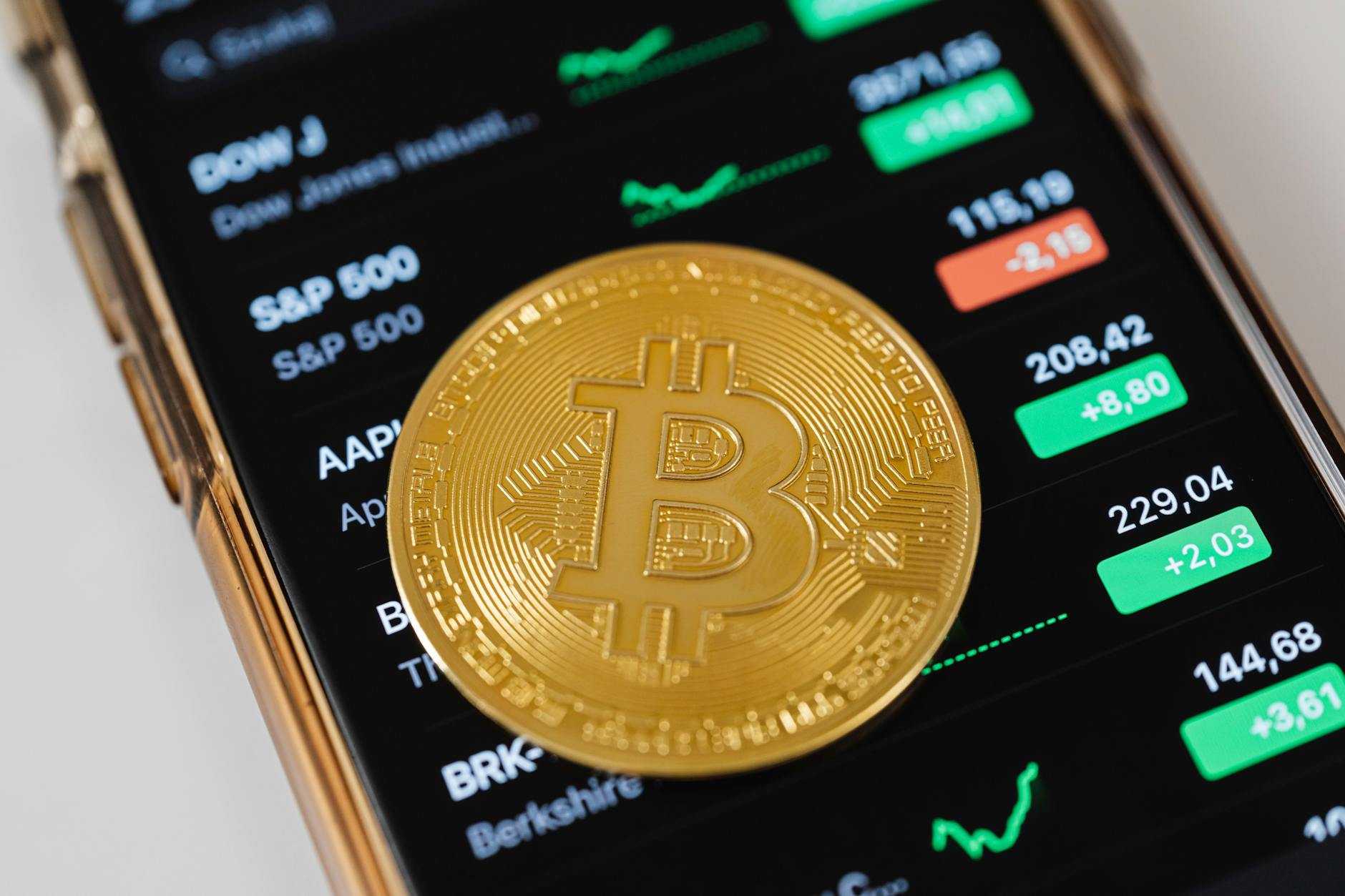
Since its launch in 2008 by Satoshi Nakamoto, Bitcoin has undergone significant price bubbles driven by speculation, market psychology, and socio-economic factors. The initial surge from negligible values to $31 in 2011 exemplifies its volatility, leading to a crash by year-end. The Mt. Gox era (2013-2014) saw rapid growth followed by a major exchange collapse, triggering further scrutiny. The 2017 hype propelled Bitcoin to nearly $20,000, marking its mainstream acceptance but ending in a sharp correction. Despite challenges and a bear market from 2018-2020, Bitcoin’s resilience paved the way for institutional interest and innovations like DeFi, shaping its uncertain yet…
-
The Sovereign Debt Crisis in the European Union: complete guide 2011-2015

The sovereign debt crisis in the EU, starting in 2011, arose from excessive debt from the 2008 financial crisis, affecting countries like Greece, Portugal, and Ireland. Greece’s inability to meet its obligations led to a €110 billion bailout, sparking public protests against austerity measures. Subsequent bailouts for Portugal and Ireland included similar austerity conditions. The crisis prompted significant EU interventions, including the establishment of the European Stability Mechanism and the ECB’s Outright Monetary Transactions program. Lessons learned emphasize the need for solidarity among member states, comprehensive recovery strategies prioritizing social welfare, and enhanced economic governance to prevent future crises.
-
Central Banks History: a complete guide to understand the Evolution, Role and Economic Impact

Central banks history have evolved from their origins in the 17th century, primarily providing fiscal support to governments, to becoming pivotal institutions managing monetary policy and ensuring financial stability. They influence economies through tools such as interest rates and capital regulation. As globalization and technology reshape financial landscapes, central banks face challenges like managing exchange rates and regulating decentralized cryptocurrencies. The introduction of central bank digital currencies (CBDCs) aims to maintain monetary control while enhancing payment efficiency. Balancing innovation with stability is crucial for central banks, which remain integral to fostering economic resilience in a rapidly changing world.
-
The History and Evolution of Digital Payments: Their Impact on Banking and the Economy

Introduction The landscape of payments has undergone a monumental transformation over the past few decades. Once dominated by physical currency and traditional banking methods, the rise of digital payments has revolutionized how consumers and businesses conduct transactions. In an increasingly connected world, the flexibility, speed, and convenience of digital payment systems are reshaping not only banking practices but also the global economy. This article delves into the rich history of payment systems, examining their evolution and the various forms they have taken—from credit cards to mobile wallets, cryptocurrencies, and e-commerce solutions. As we explore these facets, we will highlight both…
-
The 1997 Asian Financial Crisis: Causes, Impacts and Lessons Learned

The Asian Financial Crisis of 1997 significantly impacted Southeast Asia, originating in Thailand with the baht’s devaluation. This crisis stemmed from excessive borrowing, speculative investments, currency pegging, and weak financial regulations. The initial devaluation led to investor panic and capital flight across the region, culminating in widespread economic turmoil in countries like Indonesia and South Korea. The International Monetary Fund responded with bailout packages but imposed austerity measures that exacerbated social unrest. The crisis resulted in increased poverty, unemployment, and political upheaval, prompting crucial lessons about fiscal policy, regulatory oversight, and the need for international cooperation to prevent future financial…
-
The 1970s Oil Crisis: causes and consequences of the oil shocks

The oil crisis of the 1970s was a pivotal moment that transformed global energy policies due to geopolitical tensions, particularly in the Middle East, and the rise of OPEC. Triggered by the 1973 oil embargo, it led to skyrocketing oil prices, economic recession, and heightened inflation, significantly impacting oil-dependent nations like the U.S. This crisis prompted governments to diversify energy sources and invest in alternative energies, enhancing fuel efficiency and technological innovation. It underscored the importance of energy independence and cooperation among nations. The lessons learned continue to shape current energy policies and discussions around sustainability and resilience in energy…
-
Top Economic Crises of the Last Century: Key Lessons Learned

The article reviews significant economic crises over the past century, highlighting their causes, consequences, and impacts on global economies. Starting with the Great Depression, triggered by the 1929 stock market crash, it details how economic failures and government interventions altered financial regulations. The subsequent Oil Crisis in the 1970s and the Financial Crisis of 2007-2008 demonstrated vulnerabilities in economic systems, prompting calls for better regulatory oversight. The Eurozone Debt Crisis illustrated challenges in fiscal unity among EU member states. Finally, the COVID-19 pandemic reshaped economies and emphasized the need for resilience and sustainable practices in recovery efforts, showcasing lessons learned…
-
History of the Stock Market: key facts explained

The stock market has a complex history that reflects economic, political, and technological changes over time. Originating in the 17th century, with the Amsterdam Stock Exchange as a key milestone, it allowed companies to raise capital through public share sales. The 1929 Wall Street Crash marked a critical turning point, leading to significant regulatory reforms aimed at stabilizing the market. Post-World War II growth, accompanied by globalization and the rise of institutional investors, transformed stock trading dynamics. The digital revolution, highlighted by electronic trading and algorithmic strategies, reshaped market operations, enhancing accessibility and efficiency while presenting new challenges.
-
The History of Money and Its Impact on Society

The history of money has significantly shaped human societies, transitioning from barter systems to modern digital currencies. Initially, trade relied on direct exchanges, which presented limitations. The introduction of coinage around 600 BCE marked a pivotal advancement, enhancing trade and integrating diverse cultures. As societies progressed, paper money and banking systems emerged, broadening economic possibilities. In recent decades, digital technologies and cryptocurrencies have transformed monetary interactions, offering both opportunities and challenges. This dynamic relationship between money, economic systems, and individual perceptions continues to evolve, underscoring the need to understand the cultural and psychological implications of financial practices in contemporary society.
-
The History of Money

Get in touch with the history of money. Money is a crucial element of human society, essential for driving economies, facilitating trade, and shaping civilizations over millennia. It serves multiple functions, such as a medium of exchange, a store of value, a unit of account, and a standard for deferred payments. The concept of money has evolved from barter systems to commodity money, then to coins and paper money, culminating in fiat currencies and digital assets like cryptocurrencies. Money influences economic growth, social mobility, and globalization while technological advancements continue to reshape its role. Ultimately, money remains a vital institution…