Category: Business
Stay informed with the latest trends, insights, and strategies in finance, economy, and business. Our expert articles cover everything from investment tips and market analysis to economic forecasts and business growth strategies. Get valuable information to make smarter financial decisions and stay ahead in the competitive world of business.
-
PayPal History and Stock Performance: From 1998 Startup to 2025 Market Trends
PayPal history started in December 1998, evolved from a digital wallet provider to a leading global payment solutions company. Key milestones include its merger with X.com in 2000, rebranding in 2001, and a successful IPO in 2002. Growth accelerated through strategic partnerships, particularly with eBay, and innovative services like Venmo and Braintree. Despite facing challenges like security breaches and increased competition, PayPal’s adaptable business model incorporates transaction fees and value-added services, supporting its market presence. Since 2002, PayPal’s stock has shown resilience, especially during the pandemic, reflecting their commitment to innovation and user experience as they navigate the competitive landscape.
-
Bank of America Stock History: From 1904 Origins to Modern Market Trends

Bank of America, established in 1904 as the Bank of Italy in San Francisco, initially focused on serving immigrants. Under Amadeo Giannini’s leadership, it thrived through innovative practices and expanded during World War I. By 1930, it rebranded as Bank of America to reflect its broader goals. The bank faced economic crises with resilience, notably during the Great Depression and the 2008 financial crisis, recovering through strategic acquisitions and customer service improvements. Today, it emphasizes technology and sustainability, positioning itself for future growth in a dynamic financial landscape and demonstrating adaptability to ongoing market changes.
-
SpaceX History: From 2002 Startup to Mars Ambitions and Reusable Rockets

SpaceX, founded by Elon Musk in 2002, aims to lower space transportation costs and enable Mars colonization. The company pioneered advancements like the Falcon 1 and Falcon 9 rockets, proving private entities can achieve significant space milestones. SpaceX’s Crew Dragon spacecraft marked a breakthrough in human spaceflight, successfully transporting astronauts to the ISS. Innovations such as reusable rocket technology have drastically cut launch costs, allowing for a more accessible future in space exploration. With ambitions extending to Mars and beyond, SpaceX envisions establishing a self-sustaining city on Mars while contributing to interplanetary missions, inspiring global interest in space travel.
-
Formula 1 History: From 1950 Silverstone Debut to Global Motorsport Phenomenon

Formula 1, since its inception in 1950, has evolved into a pinnacle of motorsport characterized by speed, technological advancements, and passionate rivalries. The sport transitioned through significant eras, from its formative years with legendary drivers like Juan Manuel Fangio to the “Golden Era” featuring icons like Jim Clark and Niki Lauda. As safety became paramount, especially after tragedies in the 1980s, regulations transformed car designs and track safety measures. The 2000s saw commercial growth and global expansion, with digital platforms enhancing fan engagement. Looking ahead, Formula 1 faces challenges such as sustainability, technological advancements, inclusivity, and adaptability in a rapidly…
-
American Express History: From 1850 Express Service to Global Financial Leader

American Express, founded in 1850, began as an express mail service before evolving into a leader in financial services, particularly known for its traveler’s checks and charge cards. By the early 20th century, the company positioned itself as a household name by introducing innovative financial products and expanding its global presence. American Express focused on luxury branding and customer service, appealing to affluent consumers. Its corporate responsibility initiatives and support for small businesses have significantly impacted local economies. Today, as it faces digital transformation and competition from fintech, American Express continues to adapt, emphasizing technology and sustainability while maintaining its…
-
GEICO History: From 1936 Startup to Berkshire Hathaway’s Insurance Powerhouse

The Government Employees Insurance Company (GEICO) was founded in 1936 to provide auto insurance primarily for federal employees, revolutionizing the industry with a direct-to-consumer sales model. This approach allowed GEICO to offer lower prices by eliminating agents, fostering relationships through targeted marketing. Over the decades, it adapted to market changes, expanding into diverse insurance products and utilizing innovative marketing strategies, including memorable advertising campaigns. Strategic acquisitions and entering new markets contributed to its growth. Today, GEICO stands as one of the largest auto insurers in the U.S., recognized for its commitment to customer satisfaction and affordability. Read the full article…
-
Berkshire Hathaway History: From 1839 Textile Roots to Warren Buffett’s Investment Empire

Berkshire Hathaway, initially a textile manufacturing company founded in 1839, transformed into a leading global conglomerate under Warren Buffett’s leadership. After Buffett acquired the company in the 1960s, he shifted its focus from textiles to investments, emphasizing strategic diversification across various sectors such as insurance, utilities, and consumer goods. Key acquisitions, including GEICO and BNSF Railway, expanded its portfolio and financial stability. As of 2023, Berkshire consists of over 60 subsidiaries and significant stakes in major companies like Apple. Its commitment to ethical practices and quality management has solidified its reputation as a resilient and innovative investment entity within modern…
-
The History of Lockheed Martin: A full guide

Lockheed Martin, a major player in the aerospace and defense industry, was formed from the merger of Lockheed Aircraft Corporation and Martin Marietta. Tracing its origins to 1912, the company has pioneered numerous innovations, notably the F-22 Raptor and F-35 Lightning II, and contributed significantly to military and space exploration technologies, including the Hubble Space Telescope. Despite its success, Lockheed Martin faces challenges such as evolving geopolitical climates, cybersecurity threats, and the need for sustainable practices. Its commitment to innovation and adaptability positions it well for future opportunities in both defense and commercial aerospace, ensuring its relevance in an ever-changing…
-
The History of the Vatican Bank: from business model to scandals

The Vatican Bank, or Institute for the Works of Religion (IOR), was established in 1942 to manage the financial assets of the Catholic Church and support its charitable initiatives. Its inception arose from the Church’s need for secure financial management following significant political changes in Italy. Despite its mission of ethical banking, the IOR has faced numerous scandals, including involvement in the Banco Ambrosiano collapse and allegations of money laundering. Recent reforms initiated under Pope Francis focus on enhancing transparency, compliance with international banking standards, and ethical investment practices. The Vatican Bank continues to evolve, striving for legitimacy in a…
-
How Binance changed the Cryptocurrency Industry: history and impact

Binance, founded by Changpeng Zhao in 2017, has rapidly changed the cryptocurrency trading landscape, introduced innovative features like advanced trading options, and created a user-centric ecosystem. Its rise was fueled by a significant ICO, ensuring liquidity and attracting a vast user base. As it grew, Binance tackled regulatory challenges by enhancing compliance measures and fostering relationships with regulators. Looking ahead, it aims to expand its blockchain ecosystem, including DeFi and NFTs, while promoting global outreach and education to boost crypto adoption. By doing so, Binance continues to establish its influence on the evolving cryptocurrency markets.
-
Swiss Re History: Pioneering Reinsurance Since 1863

Swiss Re history started in 1863 in Zurich and since than the company has significantly influenced the reinsurance industry through innovation and resilience. Initially focused on fire insurance, it expanded internationally, establishing a strong presence in Europe and the U.S. Swiss Re has pioneered modern reinsurance practices, contributing structured agreements, parametric insurance, and advanced risk assessment tools like CatNet®. It plays a crucial role in crisis management, supporting recovery from disasters while addressing emerging risks and sustainability. With challenges like climate change and cybersecurity ahead, Swiss Re aims to leverage technology and uphold its commitment to responsible finance, positioning itself…
-
BMW History: Discovering Origins, Growth and Innovation

BMW history started in 1916. BMW transitioned from an aviation engine manufacturer to a luxury automobile leader known for performance and engineering excellence. Iconic models like the 3 Series and M3 symbolize this legacy, emphasizing the brand’s innovative spirit. BMW’s relentless pursuit of technological advancements, including electric vehicles and sustainable practices, illustrates its commitment to eco-friendly mobility. The company’s motorsport heritage enhances its reputation, while cultural influences from media and community initiatives reinforce its global presence. BMW embodies the ethos of the “Ultimate Driving Machine,” continuously shaping automotive trends and inspiring future generations while prioritizing sustainability and innovation.
-
The Rise of Real Madrid: A Century of Football Excellence

Real Madrid, one of the world’s most celebrated football clubs, has a legacy spanning more than a century. Since its establishment in 1902, the club has been renowned for its dedication to excellence, innovation in football, and countless trophies. Real Madrid’s history is marked by legendary players, including Di Stéfano, Zidane, Ronaldo, and more recently, Cristiano Ronaldo. This journey takes us through the club’s formative years, its rise to global prominence, and the way it has consistently set standards in world football. Real Madrid is not just a club; it’s a symbol of sportsmanship, ambition, and tradition.
-
The History of Banking
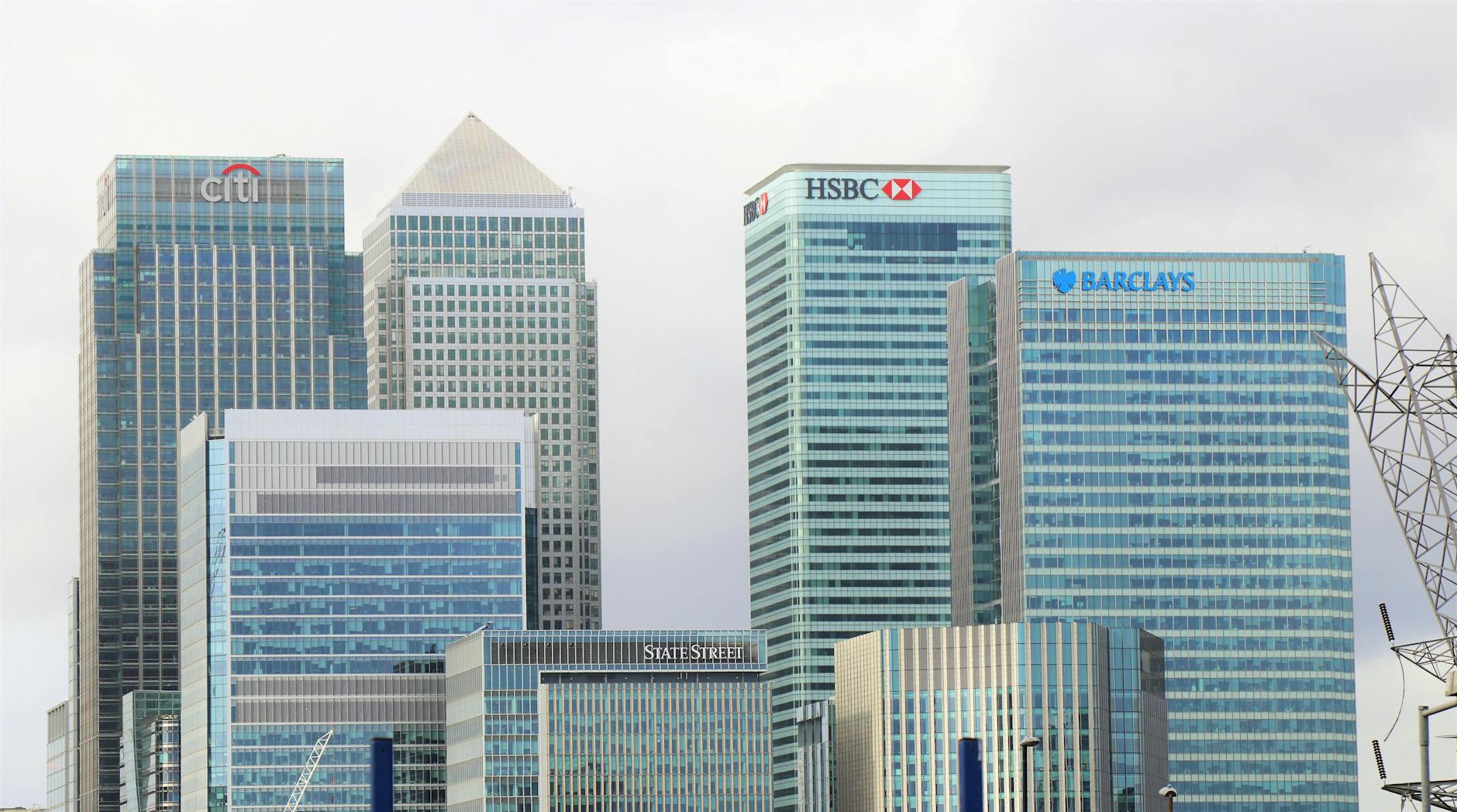
The evolution of banking is a captivating narrative encompassing various phases from ancient civilizations to the 21st century’s digital advancements. Originating in Mesopotamia with initial deposit and loan systems, banking evolved through ancient Greece and Rome, becoming critical for trade and economic stability. The Renaissance saw structured banking emerge, spurred by increased credit demands. The Industrial Revolution transformed banking with the introduction of joint-stock banks and investment services. Regulatory changes post-1900, like the establishment of the Federal Reserve and FDIC, aimed at stability amid crises. Today, digital transformations are reshaping banking through technology, enhancing customer accessibility while posing new challenges.
-
The History of Star Wars and George Lucas’s Vision

The Star Wars saga stands as a cultural phenomenon that has transcended generations, capturing the imaginations of audiences worldwide since its debut in 1977. What began as a space opera conceived by filmmaker George Lucas evolved into one of the most successful and influential franchises in cinematic history. From its groundbreaking visual effects and unforgettable characters to its expansive universe and devoted fanbase, Star Wars has become much more than just a series of films; it is a global legacy that has redefined pop culture.
-
The History of FC Barcelona: From Foundation to Major Milestones

FC Barcelona, one of the most iconic football clubs in the world, is more than just a sports team. With its motto, “Més que un club†(More than a club), Barcelona represents a rich history of culture, identity, and sporting excellence. The club’s journey, from its humble beginnings in the late 19th century to becoming a global powerhouse in modern football, is filled with triumphs, challenges, and moments that have shaped the identity of both the club and the city it calls home.
-
The History of Insurance Industry: a complete guide

The insurance industry has evolved significantly from its primitive beginnings in ancient civilizations to a structured global enterprise. Early risk management practices, evident in Babylon and Greece, laid the groundwork for formal insurance contracts. The 14th century marked the formalization of marine insurance, facilitating maritime trade. The rise of life insurance in the 17th century reflected societal needs for financial stability amid industrialization. Regulation emerged in the mid-19th century, ensuring industry integrity. Today, technology and innovation drive the industry forward, presenting both opportunities and challenges, particularly in data privacy and workforce adaptation, while emphasizing the importance of sustainability in future…
-
The History of Microsoft: Key Milestones and Innovations

Microsoft, founded in 1975 by Bill Gates and Paul Allen, transformed from a small software company into a technological powerhouse, largely through its revolutionary products like Windows and Microsoft Office. After initial success with MS-DOS, Windows became the dominant operating system by the early 1990s. Facing fierce competition, the company diversified into gaming with Xbox, cloud computing through Microsoft Azure, and strategic acquisitions like LinkedIn. Under CEO Satya Nadella, Microsoft embraced innovations in AI and sustainability, adapting to modern challenges while maintaining its industry leadership. The company’s enduring commitment to excellence positions it for a promising future in the tech…
-
How Amazon Became a Global Leader in Technology

Amazon began as an online bookstore in 1994, founded by Jeff Bezos, and swiftly transformed into a dominant global tech giant. Its success stemmed from focusing on customer experience and innovation, leading to the launch of Amazon Web Services (AWS) in 2006, which revolutionized cloud computing. Expanding beyond books, Amazon introduced various product categories and acquired companies like Whole Foods and Zappos. With the rise of Amazon Prime and logistics innovations, it solidified its e-commerce leadership. However, challenges such as labor criticisms and regulatory scrutiny persist. Amazon’s ongoing investments in AI, sustainability, and new markets will shape its future trajectory.
-
The history of Facebook: From Startup to Tech Giant – facts and key events

Facebook, now Meta, originated in 2004 at Harvard, intended for university students, but rapidly expanded, revolutionizing online communication. Its growth was supported by strategic investments, user-friendly features, and a successful monetization model through targeted ads, significantly boosting revenue. Acquisitions like Instagram and WhatsApp diversified its offerings, while a focus on virtual reality and augmented reality signaled a shift toward future technologies. However, challenges like privacy concerns, competition from other platforms, and misinformation persist. As Meta navigates these issues and pivots to the metaverse, its legacy as a tech innovator underscores its influential role in shaping digital interaction.