Introduction
The Kennedy Space Center, situated on Merritt Island in Florida, stands as a testament to human ingenuity and aspiration. Established in the early 1960s, it served as the launch site for the United States’ most ambitious space missions. The center was pivotal in changing the trajectory of space exploration, culminating in remarkable milestones, including the unprecedented Apollo moon landings and the development of the Space Shuttle program. Over the decades, it has evolved into a hub for international collaborations, paving the way for future missions beyond Earth’s orbit. As we delve into its history, we uncover a tale of perseverance, innovation, and global unity that has not only expanded our understanding of the cosmos but also united humanity in the quest for knowledge and discovery. Join us as we explore five key eras that shaped the Kennedy Space Center and propelled humanity’s ambitions beyond the stars.
The Origins of the Kennedy Space Center
The roots of Kennedy Space Center (KSC) trace back to the intense geopolitical climate of the 1950s, during the height of the Cold War. In response to the Soviet Union’s successful launch of Sputnik in 1957, the United States recognized the urgent need to advance its own space program. Consequently, President Dwight D. Eisenhower established the National Aeronautics and Space Administration (NASA) in 1958, setting the stage for a new era of exploration.
Initially, the Cape Canaveral Air Force Station served as the primary launch site for American space missions. Amidst growing ambitions, NASA shifted its focus, and in 1961, President John F. Kennedy outlined his vision for space exploration. In a speech to Congress, he famously asserted, “I believe that this nation should commit itself to achieving the goal, before this decade is out, of landing a man on the Moon and returning him safely to the Earth.” This ambitious goal necessitated the establishment of a dedicated launch facility.
In 1962, NASA selected Merritt Island as the site for the new launch complex, citing its strategic location near the equator, which offers additional thrust for spacecraft launching into orbit. Consequently, construction of the Kennedy Space Center began, and the facility was officially inaugurated on July 1, 1962. The center was named after President Kennedy in a tribute to his vision and support for the space program.
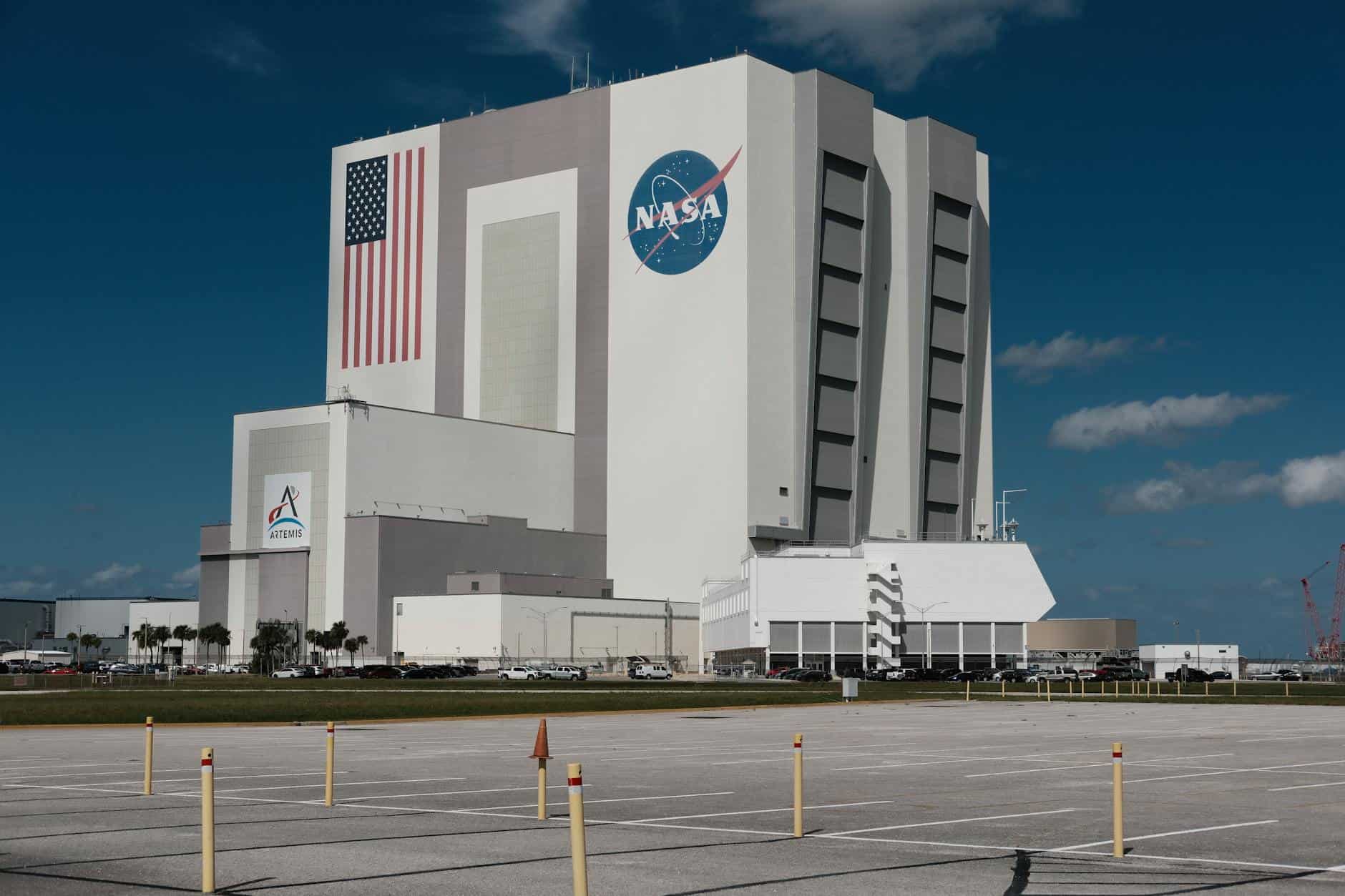
The architecture and design of KSC reflected the technological innovation of the era. Notably, the famous Vehicle Assembly Building (VAB) was completed in 1966. At the time, it was the largest single-story building in the world, designed to house the Saturn V rockets for the Apollo missions. The facility showcased the mighty ambitions of NASA and the United States, fostering a sense of pride among engineers, scientists, and the public alike.
KSC’s launch pads, most notably Launch Complex 39A and 39B, would become the primary launch sites for the Apollo and Space Shuttle programs. Over the years, KSC expanded its facilities, adding visitor centers, training rooms for astronauts, and environments for rocket assembly, fostering a comprehensive space exploration ecosystem.
In summary, the origins of the Kennedy Space Center can be traced to the Cold War, sparked by the race for space technology and exploration. Its establishment marked a transformative moment in American history, culminating in countless achievements, and it became a cornerstone of NASA’s ambitions. As we proceed towards examining the subsequent phases in KSC’s illustrious history, we see how it became a launchpad not just for rockets but for dreams that continue to inspire generations.
The Apollo Program and the Moon Landing
The Apollo program remains one of the most significant achievements in the history of space exploration, predominantly facilitated by the facilities and engineering marvels at Kennedy Space Center. Launched amid the fervor of the Cold War, the program aimed to fulfill President John F. Kennedy’s 1961 pledge to land a human on the Moon by the end of the decade. This ambitious endeavor marked a critical turning point in human history, transforming our understanding of space and igniting global interest in space exploration.
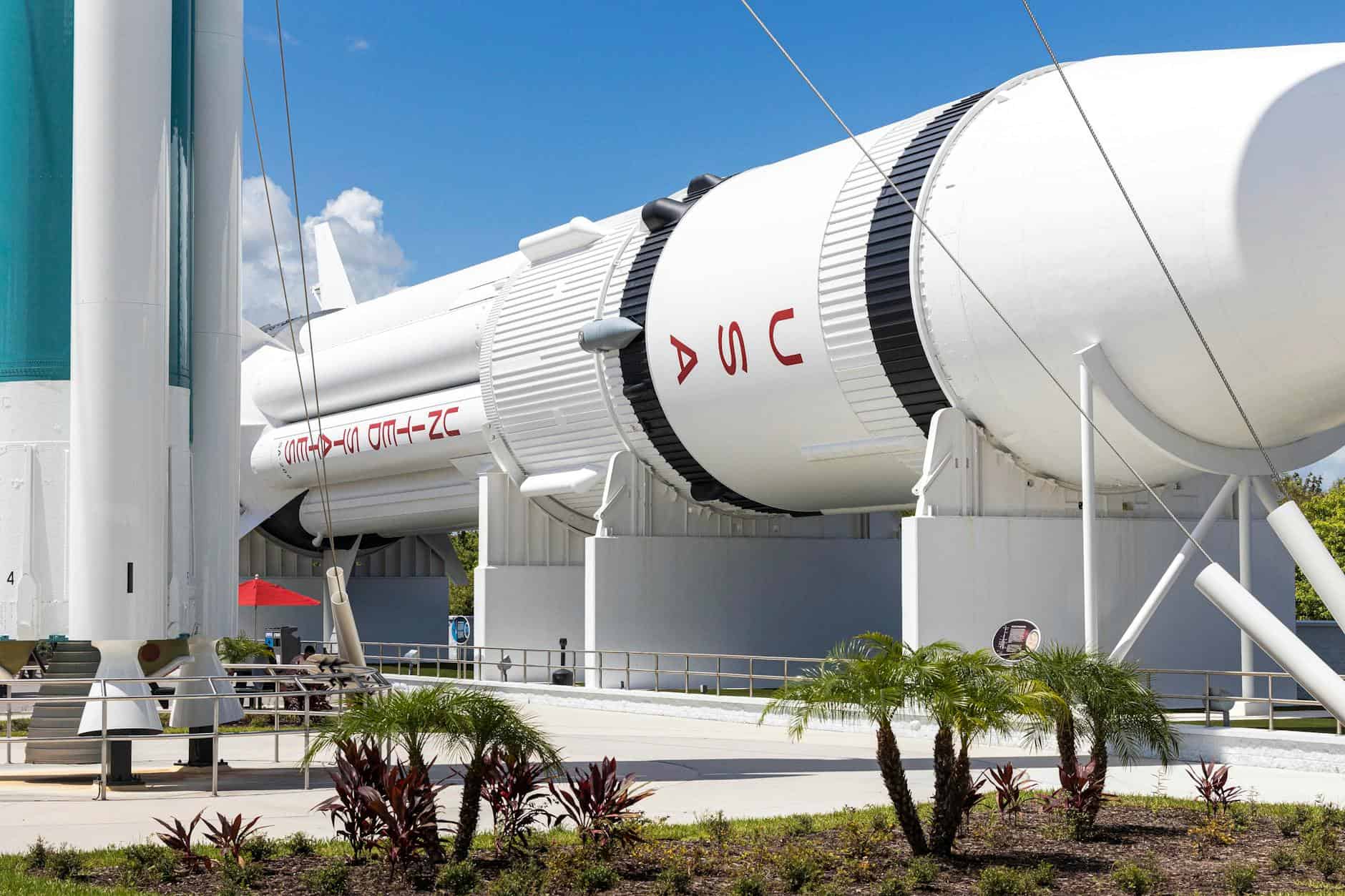
The Apollo program was not merely a quest for lunar exploration; it was a demonstration of technological capability, scientific ingenuity, and national pride. NASA undertook significant preparatory work, including the development of the Saturn V rocket, which would become the world’s most powerful launcher. Constructed at the Kennedy Space Center, the Saturn V underwent extensive testing and assembly in the facility’s Vehicle Assembly Building (VAB), a colossal structure that showcased the scale of the mission.
On July 16, 1969, Apollo 11 launched from Kennedy Space Center, carrying astronauts Neil Armstrong, Buzz Aldrin, and Michael Collins on a journey that would culminate in a series of historic events. Several days later, the Lunar Module, piloted by Armstrong and Aldrin, separated from the Command Module and descended toward the Moon’s surface. On July 20, 1969, humanity made history when Armstrong became the first person to set foot on the lunar landscape, famously declaring, “That’s one small step for [a] man, one giant leap for mankind.” This moment symbolized not only national achievement but also a defining moment for all of humanity.
Apollo 11’s successful landing and subsequent return served as a catalyst for global collaboration and scientific advancement. The mission yielded valuable data about the Moon’s composition, processes, and history. Notably, the lunar samples brought back to Earth provided insights into not only the Moon’s geological history but also the broader evolutionary narrative of the solar system. These scientific discoveries inspired future missions and fostered greater interest in planetary science and astronomy.
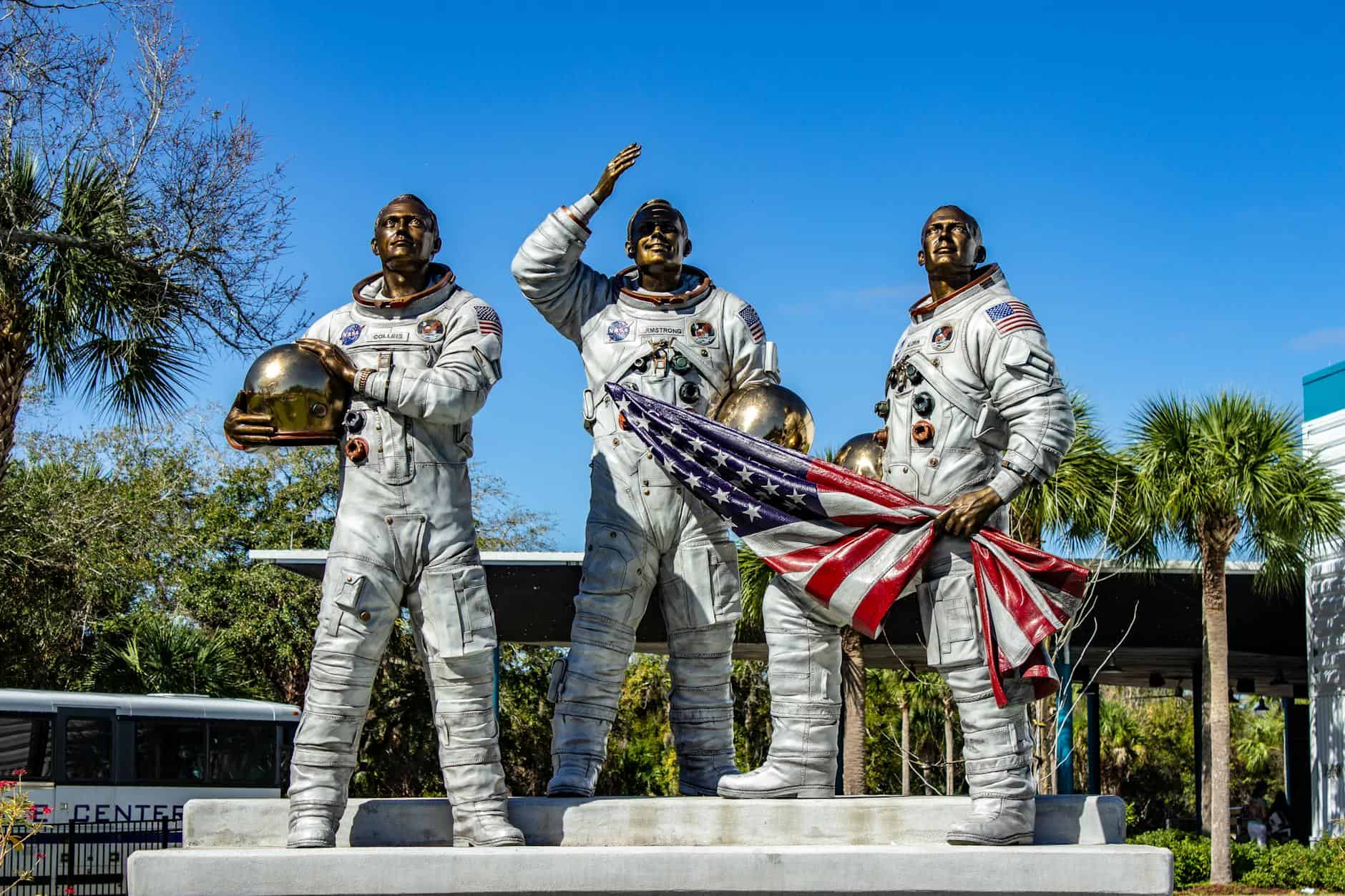
Following Apollo 11, six more missions successfully landed astronauts on the Moon, culminating in Apollo 17 in December 1972. Each mission contributed significantly to NASA’s knowledge of lunar geology, environment, and potential for future exploration. The missions engaged the global community, demonstrating the power of collaboration in the face of complex challenges.
The impact of the Apollo program extended beyond immediate scientific achievements; it transformed cultural perceptions of space and inspired a generation of scientists, engineers, and dreamers. The advancements made during this period led to developments in technology, engineering, and materials science that transcended the realm of space exploration and influenced various industries, including telecommunications, medicine, and computing.
As the Apollo program drew to a close, it left behind a legacy that would continue to inspire future generations. The achievements at the Kennedy Space Center during this monumental era served as more than just a testament to technological prowess; they symbolized humanity’s collective aspiration to explore the unknown and to reach beyond the confines of Earth. As we move on to the next section, we will examine the evolution of space exploration with the introduction of the Space Shuttle program, which continued the pioneering spirit initiated by Apollo.
The Space Shuttle Era
Following the monumental success of the Apollo program, NASA transitioned into a new era of space exploration with the development of the Space Shuttle program. This initiative represented a bridge between the moon landings and the new opportunities in low Earth orbit (LEO). Initiated in the early 1970s, the Space Shuttle was designed as a reusable spacecraft that could carry astronauts and cargo to space, enabling a wide range of missions that extended beyond exploration to include scientific research, satellite deployment, and ultimately, the construction of the International Space Station (ISS).
The first shuttle, Columbia, launched on April 12, 1981, with STS-1, marking a significant technological leap forward. The shuttle program’s reusable design reduced costs and turned space transportation into a more routine operation. Each shuttle flight was a carefully choreographed endeavor, involving a comprehensive team at the Kennedy Space Center. The facilities at KSC were specifically designed to accommodate the shuttle program’s extensive needs, including major modifications to launch pads, assembly buildings, and the addition of the Orbiter Processing Facility (OPF).
The flexibility and versatility of the Space Shuttle enabled a wide array of missions. Over the course of its 30-year operational history, the shuttle fleet completed 135 missions, connecting diverse objectives ranging from deploying satellites to servicing the Hubble Space Telescope. The shuttle program facilitated groundbreaking scientific research in microgravity, leading to discoveries in fields like biology, physics, and materials science. Each mission contributed to an ever-expanding understanding of the universe and showcased the capabilities of human ingenuity.
One of the program’s most ambitious objectives was the construction of the International Space Station (ISS). Initiated in the late 1990s, the ISS represented a partnership among multiple nations, illustrating the growth of international collaboration in space. The space shuttle played a crucial role in the assembly of the ISS, delivering modules and astronauts to the station and providing a platform for continuous human presence in space.
The shuttle program faced its share of challenges, including the tragic losses of Challenger in 1986 and Columbia in 2003. These devastating incidents prompted comprehensive reviews and reforms within NASA, emphasizing the importance of safety and risk management in space exploration. Despite these setbacks, the resilience and dedication of the teams at KSC and across NASA ensured that the program continued to achieve remarkable feats, including record-setting missions and critical research and technology advancements.
The legacy of the Space Shuttle era is profound. It not only expanded human presence in space but also solidified the United States’ leadership in global space exploration. The program left behind a wealth of knowledge and technological advancements that continue to influence current and future missions. As we explore the next phase of the Kennedy Space Center’s history, we will delve into the increasing importance of international collaboration in space exploration, particularly as efforts turned towards the development of the International Space Station.
International Collaboration and the International Space Station
The inception of the International Space Station (ISS) marked a defining moment in the history of human space exploration, epitomizing international collaboration and scientific advancement. Initiated in the late 1980s and becoming operational in 2000, the ISS represented a unified effort among various countries to foster peaceful cooperation in space. The Kennedy Space Center played a pivotal role in this global project, serving as the launch site for numerous missions that contributed to the construction and operation of the ISS.
The collaborative nature of the ISS involved fifteen nations, including the United States, Russia, Japan, Canada, and members of the European Space Agency. This unprecedented partnership demonstrated a collective commitment to exploring outer space, fostering scientific research, and enhancing technology. NASA’s expertise in developing launch capabilities and conducting human missions laid the foundation for the ISS’s realization, making the Kennedy Space Center integral to its success.
One significant aspect of the ISS is its status as an orbiting laboratory, enabling groundbreaking scientific research across several disciplines. The microgravity environment aboard the ISS has facilitated studies in medicine, physics, and materials science. For example, researchers have investigated the effects of microgravity on muscle atrophy and bone density, leading to valuable insights applicable to human health on Earth. Moreover, the ISS provides an unparalleled platform for testing technologies that will be essential for future deep space missions, particularly for Mars exploration.
The construction of the ISS was a meticulous endeavor, requiring multiple shuttle missions to deliver components to space. Each assembly mission was a carefully coordinated effort, showcasing the complexities of construction and maintenance in a microgravity environment. Key contributions from Kennedy Space Center included the launch of major modules, such as the Zarya and Unity modules, along with numerous replenishment missions that supplied essential supplies and science experiments.
Beyond its scientific and engineering accomplishments, the ISS has also become a symbol of global unity. Astronauts from various countries work side by side, fostering collaborative relationships and showcasing the shared goal of exploring the cosmos. This unprecedented cooperation in the realm of space exploration highlights how humanity can unite to overcome challenges that transcend individual nations and cultures.
As the ISS continues to operate, its impact on space exploration remains profound. It has served as a catalyst for future missions, laying the groundwork for aspirations to send humans to Mars and beyond. The experiences gained on the ISS, combined with international collaboration, strengthen our understanding of long-duration spaceflight and prepare us for the challenges associated with deep space exploration.
In summary, the Kennedy Space Center’s role in the development and operation of the International Space Station exemplifies the significance of international collaboration in space. The ISS has transformed the landscape of human exploration, allowing for scientific discoveries that enhance our understanding of life beyond Earth while inspiring future generations to pursue careers in science and technology. As we turn our focus to the future of space exploration, we will discuss the next steps in humanity’s journey into the unknown.
The Future of Space Exploration
As we look towards the horizon of space exploration, the Kennedy Space Center remains at the forefront of innovation and ambition. With the successes of the Apollo program, the Space Shuttle era, and the International Space Station now part of its illustrious history, KSC is poised for a new chapter that promises to take humanity back to the Moon and onward to Mars.
NASA’s Artemis program, with its ambitious goals to land “the first woman and the next man” on the Moon by the mid-2020s, represents a renewed commitment to lunar exploration. The Artemis missions aim to establish a sustainable presence on the Moon, paving the way for future human exploration of Mars and beyond. The Kennedy Space Center plays a crucial role in this initiative, with its facilities being key to assembling the powerful Space Launch System (SLS) rocket and the Orion spacecraft, which will be used for these deep space missions.
The Artemis program not only aims to return humans to the lunar surface but also seeks to foster international partnerships, much like those established during the Apollo and ISS missions. Collaboration with international space agencies, companies, and organizations will be essential to enhance knowledge, share resources, and develop innovative technologies. The lunar Gateway, a planned space station orbiting the Moon, will serve as a platform for these collaborative efforts, enabling crew exchanges and research from various nations.
Moreover, Kennedy Space Center has become a launch site for commercial spaceflight endeavors. The rise of private space companies, such as SpaceX and Blue Origin, has revolutionized the landscape of space exploration and satellite deployment. KSC has embraced this shift, partnering with commercial entities to strengthen the U.S. position in the global space economy. The upcoming missions involving the SpaceX Starship and NASA’s Artemis program will showcase the collaborative potential between government and private sectors in achieving ambitious goals.

In addition, ongoing advancements in technology, such as reusable rockets and in-space resource utilization, could redefine how we conduct future missions. Utilizing lunar resources, such as water ice, has the potential to support life support systems and fuel production for longer journeys, significantly decreasing reliance on Earth-based supplies. These innovations will enhance sustainability and adaptability for missions to Mars and further into the solar system.
Looking towards Mars, the Kennedy Space Center’s legacy of exploration and innovation continues to inspire the next generation of scientists and explorers. The lessons learned from the ISS, as well as Artemis missions, will inform strategies to ensure human health and performance during long-duration space missions. Engaging the public and fostering interest in space exploration will be crucial in garnering support for future endeavors, as each mission carries the potential to unite humanity in pursuit of knowledge and advancement.
As we step into this new era, the lessons learned from the history of Kennedy Space Center, combined with continued innovation and collaboration, will pave the way for a profound understanding of our universe. With ambitious goals ahead, humanity remains on the brink of extraordinary discoveries that could alter perceptions of life beyond Earth and our place within the cosmos.
Conclusion
The history of the Kennedy Space Center is a testament to human ambition, ingenuity, and the enduring spirit of exploration. From its inception during the Cold War to achieving monumental milestones in the Apollo program, advancing through the Space Shuttle era, and now focusing on international collaboration through the International Space Station and future ambitions such as the Artemis program, KSC has truly become a symbol of progress.
Each of the significant phases in KSC’s journey reflects not only technological advancements but also the collective aspirations of humanity to explore the unknown. The legacy of the Apollo program, with its remarkable lunar landings, inspired a generation and continues to motivate future explorations. The Space Shuttle program demonstrated the capacity for routine access to space, laying the groundwork for extensive scientific discoveries that expanded our understanding of the universe.
The establishment of the ISS symbolizes the hope and possibility of international cooperation in space, encouraging countries to work together for the greater good. As we embark on the next chapter of exploration, the foundational lessons of collaboration, resilience, and innovation will guide us. The Kennedy Space Center remains a beacon of aspiration as we reach for new frontiers, fueling dreams of a sustainable presence on the Moon, human missions to Mars, and beyond.
In the end, the pursuit of knowledge and the quest for discovery are integral to the human experience. As the Kennedy Space Center continues to evolve with the tide of technological advancements, it stands ready to inspire future generations who will look upward at the stars and dream of possibilities yet unimagined. Through perseverance and unity, humanity will forge its path into the cosmos, forever reaching for the stars.