Tag: Florida

  • Kennedy Space Center History: Where Humanity Reached for the Stars
    Kennedy Space Center History: Where Humanity Reached for the Stars

    Introduction

    The Kennedy Space Center, situated on Merritt Island in Florida, stands as a testament to human ingenuity and aspiration. Established in the early 1960s, it served as the launch site for the United States’ most ambitious space missions. The center was pivotal in changing the trajectory of space exploration, culminating in remarkable milestones, including the unprecedented Apollo moon landings and the development of the Space Shuttle program. Over the decades, it has evolved into a hub for international collaborations, paving the way for future missions beyond Earth’s orbit. As we delve into its history, we uncover a tale of perseverance, innovation, and global unity that has not only expanded our understanding of the cosmos but also united humanity in the quest for knowledge and discovery. Join us as we explore five key eras that shaped the Kennedy Space Center and propelled humanity’s ambitions beyond the stars.

    The Origins of the Kennedy Space Center

    The roots of Kennedy Space Center (KSC) trace back to the intense geopolitical climate of the 1950s, during the height of the Cold War. In response to the Soviet Union’s successful launch of Sputnik in 1957, the United States recognized the urgent need to advance its own space program. Consequently, President Dwight D. Eisenhower established the National Aeronautics and Space Administration (NASA) in 1958, setting the stage for a new era of exploration.

    Initially, the Cape Canaveral Air Force Station served as the primary launch site for American space missions. Amidst growing ambitions, NASA shifted its focus, and in 1961, President John F. Kennedy outlined his vision for space exploration. In a speech to Congress, he famously asserted, “I believe that this nation should commit itself to achieving the goal, before this decade is out, of landing a man on the Moon and returning him safely to the Earth.” This ambitious goal necessitated the establishment of a dedicated launch facility.

    In 1962, NASA selected Merritt Island as the site for the new launch complex, citing its strategic location near the equator, which offers additional thrust for spacecraft launching into orbit. Consequently, construction of the Kennedy Space Center began, and the facility was officially inaugurated on July 1, 1962. The center was named after President Kennedy in a tribute to his vision and support for the space program.

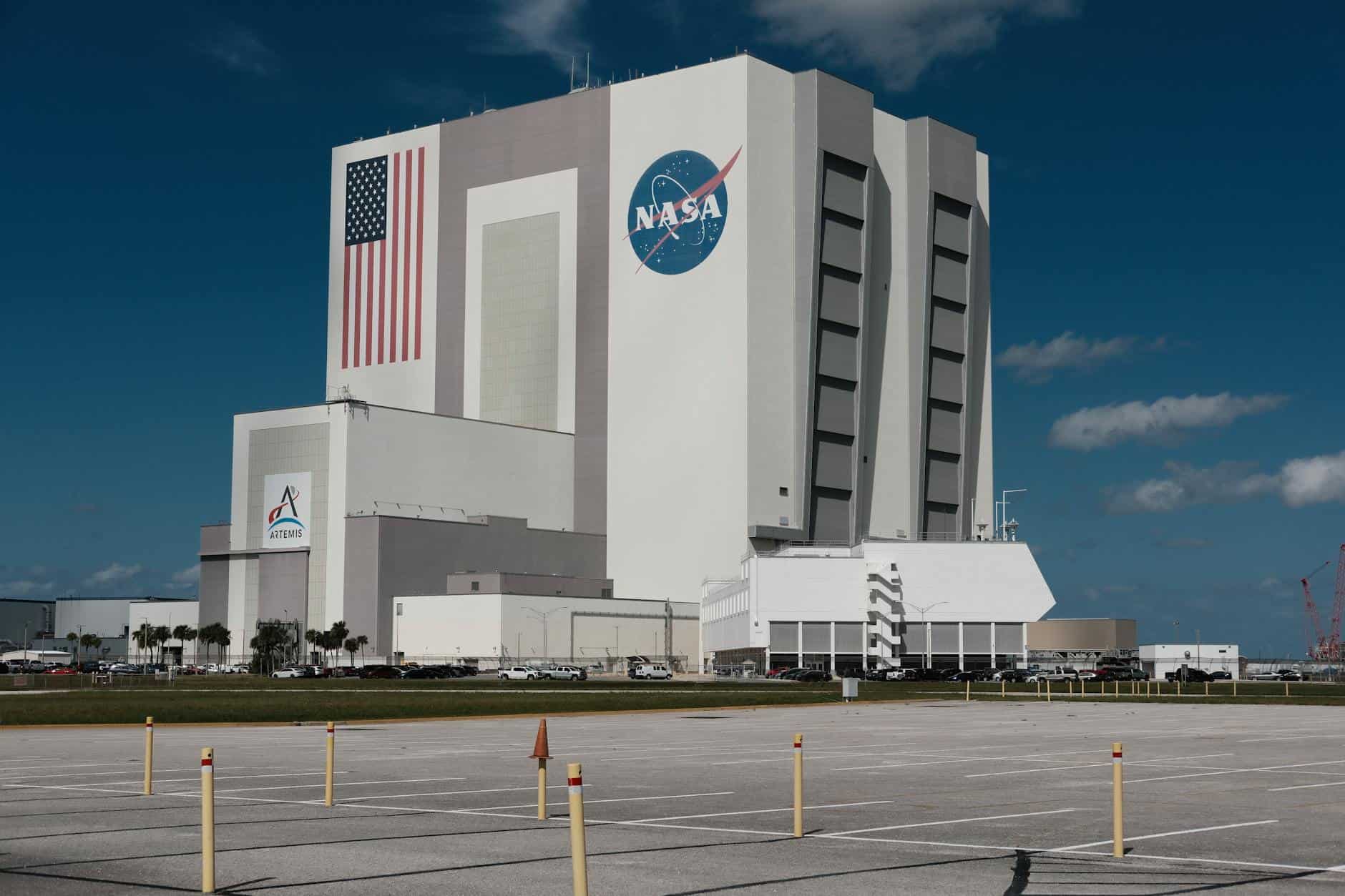
    The architecture and design of KSC reflected the technological innovation of the era. Notably, the famous Vehicle Assembly Building (VAB) was completed in 1966. At the time, it was the largest single-story building in the world, designed to house the Saturn V rockets for the Apollo missions. The facility showcased the mighty ambitions of NASA and the United States, fostering a sense of pride among engineers, scientists, and the public alike.

    KSC’s launch pads, most notably Launch Complex 39A and 39B, would become the primary launch sites for the Apollo and Space Shuttle programs. Over the years, KSC expanded its facilities, adding visitor centers, training rooms for astronauts, and environments for rocket assembly, fostering a comprehensive space exploration ecosystem.

    In summary, the origins of the Kennedy Space Center can be traced to the Cold War, sparked by the race for space technology and exploration. Its establishment marked a transformative moment in American history, culminating in countless achievements, and it became a cornerstone of NASA’s ambitions. As we proceed towards examining the subsequent phases in KSC’s illustrious history, we see how it became a launchpad not just for rockets but for dreams that continue to inspire generations.

    The Apollo Program and the Moon Landing

    The Apollo program remains one of the most significant achievements in the history of space exploration, predominantly facilitated by the facilities and engineering marvels at Kennedy Space Center. Launched amid the fervor of the Cold War, the program aimed to fulfill President John F. Kennedy’s 1961 pledge to land a human on the Moon by the end of the decade. This ambitious endeavor marked a critical turning point in human history, transforming our understanding of space and igniting global interest in space exploration.

    The Apollo program was not merely a quest for lunar exploration; it was a demonstration of technological capability, scientific ingenuity, and national pride. NASA undertook significant preparatory work, including the development of the Saturn V rocket, which would become the world’s most powerful launcher. Constructed at the Kennedy Space Center, the Saturn V underwent extensive testing and assembly in the facility’s Vehicle Assembly Building (VAB), a colossal structure that showcased the scale of the mission.

    On July 16, 1969, Apollo 11 launched from Kennedy Space Center, carrying astronauts Neil Armstrong, Buzz Aldrin, and Michael Collins on a journey that would culminate in a series of historic events. Several days later, the Lunar Module, piloted by Armstrong and Aldrin, separated from the Command Module and descended toward the Moon’s surface. On July 20, 1969, humanity made history when Armstrong became the first person to set foot on the lunar landscape, famously declaring, “That’s one small step for [a] man, one giant leap for mankind.” This moment symbolized not only national achievement but also a defining moment for all of humanity.

    Apollo 11’s successful landing and subsequent return served as a catalyst for global collaboration and scientific advancement. The mission yielded valuable data about the Moon’s composition, processes, and history. Notably, the lunar samples brought back to Earth provided insights into not only the Moon’s geological history but also the broader evolutionary narrative of the solar system. These scientific discoveries inspired future missions and fostered greater interest in planetary science and astronomy.

    statues of astronauts in kennedy space center in usa
    Kennedy Space Center

    Following Apollo 11, six more missions successfully landed astronauts on the Moon, culminating in Apollo 17 in December 1972. Each mission contributed significantly to NASA’s knowledge of lunar geology, environment, and potential for future exploration. The missions engaged the global community, demonstrating the power of collaboration in the face of complex challenges.

    The impact of the Apollo program extended beyond immediate scientific achievements; it transformed cultural perceptions of space and inspired a generation of scientists, engineers, and dreamers. The advancements made during this period led to developments in technology, engineering, and materials science that transcended the realm of space exploration and influenced various industries, including telecommunications, medicine, and computing.

    As the Apollo program drew to a close, it left behind a legacy that would continue to inspire future generations. The achievements at the Kennedy Space Center during this monumental era served as more than just a testament to technological prowess; they symbolized humanity’s collective aspiration to explore the unknown and to reach beyond the confines of Earth. As we move on to the next section, we will examine the evolution of space exploration with the introduction of the Space Shuttle program, which continued the pioneering spirit initiated by Apollo.

    The Space Shuttle Era

    Following the monumental success of the Apollo program, NASA transitioned into a new era of space exploration with the development of the Space Shuttle program. This initiative represented a bridge between the moon landings and the new opportunities in low Earth orbit (LEO). Initiated in the early 1970s, the Space Shuttle was designed as a reusable spacecraft that could carry astronauts and cargo to space, enabling a wide range of missions that extended beyond exploration to include scientific research, satellite deployment, and ultimately, the construction of the International Space Station (ISS).

    The first shuttle, Columbia, launched on April 12, 1981, with STS-1, marking a significant technological leap forward. The shuttle program’s reusable design reduced costs and turned space transportation into a more routine operation. Each shuttle flight was a carefully choreographed endeavor, involving a comprehensive team at the Kennedy Space Center. The facilities at KSC were specifically designed to accommodate the shuttle program’s extensive needs, including major modifications to launch pads, assembly buildings, and the addition of the Orbiter Processing Facility (OPF).

    The flexibility and versatility of the Space Shuttle enabled a wide array of missions. Over the course of its 30-year operational history, the shuttle fleet completed 135 missions, connecting diverse objectives ranging from deploying satellites to servicing the Hubble Space Telescope. The shuttle program facilitated groundbreaking scientific research in microgravity, leading to discoveries in fields like biology, physics, and materials science. Each mission contributed to an ever-expanding understanding of the universe and showcased the capabilities of human ingenuity.

    One of the program’s most ambitious objectives was the construction of the International Space Station (ISS). Initiated in the late 1990s, the ISS represented a partnership among multiple nations, illustrating the growth of international collaboration in space. The space shuttle played a crucial role in the assembly of the ISS, delivering modules and astronauts to the station and providing a platform for continuous human presence in space.

    The shuttle program faced its share of challenges, including the tragic losses of Challenger in 1986 and Columbia in 2003. These devastating incidents prompted comprehensive reviews and reforms within NASA, emphasizing the importance of safety and risk management in space exploration. Despite these setbacks, the resilience and dedication of the teams at KSC and across NASA ensured that the program continued to achieve remarkable feats, including record-setting missions and critical research and technology advancements.

    spaceship in space center in florida usa
    Kennedy Space Center

    The legacy of the Space Shuttle era is profound. It not only expanded human presence in space but also solidified the United States’ leadership in global space exploration. The program left behind a wealth of knowledge and technological advancements that continue to influence current and future missions. As we explore the next phase of the Kennedy Space Center’s history, we will delve into the increasing importance of international collaboration in space exploration, particularly as efforts turned towards the development of the International Space Station.

    International Collaboration and the International Space Station

    The inception of the International Space Station (ISS) marked a defining moment in the history of human space exploration, epitomizing international collaboration and scientific advancement. Initiated in the late 1980s and becoming operational in 2000, the ISS represented a unified effort among various countries to foster peaceful cooperation in space. The Kennedy Space Center played a pivotal role in this global project, serving as the launch site for numerous missions that contributed to the construction and operation of the ISS.

    The collaborative nature of the ISS involved fifteen nations, including the United States, Russia, Japan, Canada, and members of the European Space Agency. This unprecedented partnership demonstrated a collective commitment to exploring outer space, fostering scientific research, and enhancing technology. NASA’s expertise in developing launch capabilities and conducting human missions laid the foundation for the ISS’s realization, making the Kennedy Space Center integral to its success.

    One significant aspect of the ISS is its status as an orbiting laboratory, enabling groundbreaking scientific research across several disciplines. The microgravity environment aboard the ISS has facilitated studies in medicine, physics, and materials science. For example, researchers have investigated the effects of microgravity on muscle atrophy and bone density, leading to valuable insights applicable to human health on Earth. Moreover, the ISS provides an unparalleled platform for testing technologies that will be essential for future deep space missions, particularly for Mars exploration.

    The construction of the ISS was a meticulous endeavor, requiring multiple shuttle missions to deliver components to space. Each assembly mission was a carefully coordinated effort, showcasing the complexities of construction and maintenance in a microgravity environment. Key contributions from Kennedy Space Center included the launch of major modules, such as the Zarya and Unity modules, along with numerous replenishment missions that supplied essential supplies and science experiments.

    Beyond its scientific and engineering accomplishments, the ISS has also become a symbol of global unity. Astronauts from various countries work side by side, fostering collaborative relationships and showcasing the shared goal of exploring the cosmos. This unprecedented cooperation in the realm of space exploration highlights how humanity can unite to overcome challenges that transcend individual nations and cultures.

    As the ISS continues to operate, its impact on space exploration remains profound. It has served as a catalyst for future missions, laying the groundwork for aspirations to send humans to Mars and beyond. The experiences gained on the ISS, combined with international collaboration, strengthen our understanding of long-duration spaceflight and prepare us for the challenges associated with deep space exploration.

    In summary, the Kennedy Space Center’s role in the development and operation of the International Space Station exemplifies the significance of international collaboration in space. The ISS has transformed the landscape of human exploration, allowing for scientific discoveries that enhance our understanding of life beyond Earth while inspiring future generations to pursue careers in science and technology. As we turn our focus to the future of space exploration, we will discuss the next steps in humanity’s journey into the unknown.

    The Future of Space Exploration

    As we look towards the horizon of space exploration, the Kennedy Space Center remains at the forefront of innovation and ambition. With the successes of the Apollo program, the Space Shuttle era, and the International Space Station now part of its illustrious history, KSC is poised for a new chapter that promises to take humanity back to the Moon and onward to Mars.

    NASA’s Artemis program, with its ambitious goals to land “the first woman and the next man” on the Moon by the mid-2020s, represents a renewed commitment to lunar exploration. The Artemis missions aim to establish a sustainable presence on the Moon, paving the way for future human exploration of Mars and beyond. The Kennedy Space Center plays a crucial role in this initiative, with its facilities being key to assembling the powerful Space Launch System (SLS) rocket and the Orion spacecraft, which will be used for these deep space missions.

    The Artemis program not only aims to return humans to the lunar surface but also seeks to foster international partnerships, much like those established during the Apollo and ISS missions. Collaboration with international space agencies, companies, and organizations will be essential to enhance knowledge, share resources, and develop innovative technologies. The lunar Gateway, a planned space station orbiting the Moon, will serve as a platform for these collaborative efforts, enabling crew exchanges and research from various nations.

    Moreover, Kennedy Space Center has become a launch site for commercial spaceflight endeavors. The rise of private space companies, such as SpaceX and Blue Origin, has revolutionized the landscape of space exploration and satellite deployment. KSC has embraced this shift, partnering with commercial entities to strengthen the U.S. position in the global space economy. The upcoming missions involving the SpaceX Starship and NASA’s Artemis program will showcase the collaborative potential between government and private sectors in achieving ambitious goals.

    industrial stainless containers beside blue steel structure
    Photo by Alejandro Quintanar on Pexels.com

    In addition, ongoing advancements in technology, such as reusable rockets and in-space resource utilization, could redefine how we conduct future missions. Utilizing lunar resources, such as water ice, has the potential to support life support systems and fuel production for longer journeys, significantly decreasing reliance on Earth-based supplies. These innovations will enhance sustainability and adaptability for missions to Mars and further into the solar system.

    Looking towards Mars, the Kennedy Space Center’s legacy of exploration and innovation continues to inspire the next generation of scientists and explorers. The lessons learned from the ISS, as well as Artemis missions, will inform strategies to ensure human health and performance during long-duration space missions. Engaging the public and fostering interest in space exploration will be crucial in garnering support for future endeavors, as each mission carries the potential to unite humanity in pursuit of knowledge and advancement.

    As we step into this new era, the lessons learned from the history of Kennedy Space Center, combined with continued innovation and collaboration, will pave the way for a profound understanding of our universe. With ambitious goals ahead, humanity remains on the brink of extraordinary discoveries that could alter perceptions of life beyond Earth and our place within the cosmos.

    Conclusion

    The history of the Kennedy Space Center is a testament to human ambition, ingenuity, and the enduring spirit of exploration. From its inception during the Cold War to achieving monumental milestones in the Apollo program, advancing through the Space Shuttle era, and now focusing on international collaboration through the International Space Station and future ambitions such as the Artemis program, KSC has truly become a symbol of progress.

    Each of the significant phases in KSC’s journey reflects not only technological advancements but also the collective aspirations of humanity to explore the unknown. The legacy of the Apollo program, with its remarkable lunar landings, inspired a generation and continues to motivate future explorations. The Space Shuttle program demonstrated the capacity for routine access to space, laying the groundwork for extensive scientific discoveries that expanded our understanding of the universe.

    The establishment of the ISS symbolizes the hope and possibility of international cooperation in space, encouraging countries to work together for the greater good. As we embark on the next chapter of exploration, the foundational lessons of collaboration, resilience, and innovation will guide us. The Kennedy Space Center remains a beacon of aspiration as we reach for new frontiers, fueling dreams of a sustainable presence on the Moon, human missions to Mars, and beyond.

    In the end, the pursuit of knowledge and the quest for discovery are integral to the human experience. As the Kennedy Space Center continues to evolve with the tide of technological advancements, it stands ready to inspire future generations who will look upward at the stars and dream of possibilities yet unimagined. Through perseverance and unity, humanity will forge its path into the cosmos, forever reaching for the stars.

    Kennedy Space Center: 50 Years | Video

    Kennedy Space Center: 50 Years
  • Sunny Miami 2025: Dive into Beaches, Culture, and Endless Fun
    Sunny Miami 2025: Dive into Beaches, Culture, and Endless Fun

    Introduction

    Miami, a bustling metropolis in the heart of Florida, is a paradise for those seeking sun-soaked beaches, a rich cultural tapestry, and exhilarating activities. Known for its year-round warm climate and stunning coastlines, Sunny Miami attracts millions of visitors eager to explore its vibrant atmosphere. From the iconic Art Deco architecture of South Beach to the diverse neighborhoods that celebrate its multicultural heritage, Miami offers something for everyone. Whether you’re lounging on pristine shores, indulging in gourmet cuisine, or immersing yourself in local arts, this city promises an unforgettable experience. As you dive into the many attractions and activities that define Miami, get ready to uncover why it’s a prime destination for adventure-seekers and relaxation enthusiasts alike. Let’s explore the beaches, culture, and endless fun that Sunny Miami has in store!

    The Irresistible Beaches of Miami

    Miami is famed for its breathtaking beaches, each offering its own unique charm and atmosphere. With miles of pristine sands and crystal-clear waters, the coastal landscape of Sunny Miami is a true coastal paradise. The most famous, South Beach, is where the glitzy lifestyle meets the azure waves, attracting sunbathers, families, and party-goers alike. Its iconic pastel Art Deco buildings line the beachfront, providing a picturesque backdrop for day-long beach escapades.

    For a more laid-back experience, head to Key Biscayne. This quieter area boasts beautiful parks and tranquil beaches, perfect for picnics and leisurely strolls. With ample space, it’s a haven for those looking to escape the bustling crowds often found in the heart of Sunny Miami. The beach at Crandon Park is particularly family-friendly, offering calm waters and historical landmarks that add to its appeal.

    lifeguard building on seashore against sundown sky
    Photo by Arnie Watkins on Pexels.com

    Another hidden gem is Isles Beach, known for its stunning high-rise hotels and stunning beachfront. This area is perfect for water sports enthusiasts, offering activities like jet skiing, paddleboarding, and parasailing. It’s also home to the scenic Oleta River State Park, where visitors can enjoy cycling trails that lead to the lush nature of North Miami.

    The diverse ecosystems found along the shoreline, such as coral reefs and seagrass beds, also provide opportunities for snorkeling and diving. The underwater world surrounding Sunny Miami teems with marine life, from colorful fish to majestic sea turtles, enticing adventure seekers to explore the vibrant habitats beneath the waves.

    No trip to Sunny Miami would be complete without indulging in the local beach culture. Beachfront bars and restaurants serve up fresh seafood and refreshing cocktails, allowing visitors to soak up the sun while enjoying the local flavors. Sunsets in Sunny Miami are particularly magical, with the sky transforming into a canvas of warm hues as day turns to night. Many beaches host community events, such as movie nights or live music, offering a fantastic way to experience local culture fully.

    Accessibility is another perk of the beaches in Sunny Miami. With ample parking, rideshare services, and public transport options, getting to your favorite stretch of sand is hassle-free. The friendly and welcoming vibe of the locals enhances the experience, ensuring that every visitor leaves with unforgettable memories.

    The beaches of Sunny Miami are an alluring blend of breathtaking beauty, exciting activities, and a laid-back atmosphere. Whether you prefer lounging under the sun, engaging in thrilling water sports, or enjoying vibrant beachside nightlife, Sunny Miami’s beaches cater to every preference. Thus, they stand as a testament to why this city remains an iconic destination for travelers seeking sun and fun.

    The Vibrant Cultural Scene in Miami

    Miami is not just a haven for beach lovers; it is also a vibrant cultural hub that celebrates diversity and creativity. The city’s cultural scene is a rich tapestry woven from its Cuban heritage, Latin influences, and a dazzling array of artistic expressions that shape the local identity.

    One of the most iconic institutions that embody the artistic spirit of Sunny Miami is the Pérez Art Museum Miami (PAMM). This contemporary art museum offers a glimpse into modern artistic practices while integrating environmental sustainability and community engagement into its programming. The exhibitions showcase works from local and international artists, reflecting the dynamic cultural landscape of Sunny Miami. Visitors can take a stroll through the museum’s stunning waterfront park, enjoying the scenic views of Biscayne Bay.

    In addition to large institutions, the city is brimming with galleries and art neighborhoods. The Wynwood Arts District is a prime example, transforming from an industrial area into a vibrant canvas where street art thrives and creativity flourishes. The bold murals that adorn the walls tell stories of the city’s diverse communities, and art walks held regularly attract locals and tourists alike. It’s not uncommon to find artists working on-site, inviting visitors to engage with the creative process actively.

    Music and dance are integral components of the cultural scene in Sunny Miami. The city’s lively rhythm can be felt in events like the Calle Ocho Festival, a celebration of Hispanic cultures featuring music, food, and dance from various Latin American countries. From salsa to reggaeton, the sounds of Sunny Miami pulse through the air, offering everyone a chance to join in the festivities.

    The theater scene is equally dynamic, with venues like the Adrienne Arsht Center for the Performing Arts hosting a range of performances, from Broadway shows to local productions. The center embodies the artistic ambition of Sunny Miami, providing a space for cultural expression and community engagement.

    Culinary arts also play a significant role in the cultural landscape of Sunny Miami. The fusion of flavors and culinary traditions mirrors the city’s multicultural makeup. No visit would be complete without sampling classic Cuban dishes at a traditional restaurant or savoring the latest gastronomic trends at innovative eateries. The Miami Culinary Institute offers classes where visitors can learn about local ingredients and cooking techniques, further enriching their experience of the city’s dynamic food culture.

    Festivals throughout the year foster a sense of community and celebration among residents. Events such as Art Basel, Miami Beach Pride, and the South Beach Food and Wine Festival highlight the city’s creativity and inclusivity, showcasing the talents of artists, chefs, and performers.

    Sunny Miami’s commitment to cultural preservation is demonstrated through initiatives aimed at supporting local artists and musicians. Community centers and cultural organizations often offer classes, workshops, and exhibitions that promote artistic expression and cultural exchange, ensuring that the legacy of Sunny Miami’s rich heritage is passed down through generations.

    The cultural scene in Sunny Miami is a remarkably diverse and vibrant space where creativity knows no bounds. From contemporary art museums to lively music festivals and world-class dining experiences, the city’s cultural offerings are as dynamic as its population. Exploring this artistic richness not only enriches the visitor experience but also highlights the importance of community, inclusivity, and cultural identity within Sunny Miami.

    Culinary Delights in Miami

    Miami is a culinary paradise that reflects its multicultural heritage through a plethora of flavors and dishes. The city’s food scene combines traditional cooking methods with contemporary innovations, creating a unique gastronomic landscape that caters to every palate. From street food vendors to high-end dining establishments, the options are abundant, ensuring that culinary enthusiasts will find something to indulge their taste buds.

    One of the defining characteristics of Sunny Miami’s culinary culture is its deep-rooted ties to Latin American cuisine—particularly Cuban. Classic dishes like Ropa Vieja, a savory shredded beef stew, and lechón, succulent marinated pork, are staples in many local restaurants. The famous Cuban sandwich, featuring layers of ham, roasted pork, Swiss cheese, pickles, and mustard, is a must-try for any visitor. Many Cuban eateries, such as Versailles, generations-old establishments, serve these dishes with heart and authenticity, making it a favored spot for both locals and tourists.

    Moving beyond Latin influences, Sunny Miami’s culinary diversity encompasses a broad spectrum of flavors from around the world. The city’s evolving dining scene showcases international cuisines, reflecting the melting pot that it is. For those with a taste for fresh seafood, the bustling fish markets and waterfront restaurants offer delectable catches of the day, including stone crabs, conch, and local snapper, provided at some of the city’s most renowned seafood spots.

    As a center for culinary innovation, Sunny Miami has become home to a plethora of trendy, upscale dining establishments that feature award-winning chefs. Innovative eateries showcase everything from farm-to-table concepts to fusion cuisine that combines elements from different culinary traditions. The vibrant neighborhood of Brickell is a hotbed for fine dining and a hub for food lovers eager to experience the latest in gastronomic trends.

    No culinary exploration in Sunny Miami would be complete without savoring its street food, a reflection of the city’s casual dining scene. Food trucks and local vendors serve an array of snacks that capture the essence of Miami culture. Empanadas, arepas, and churros can be found at various locations, offering visitors a chance to sample authentic flavors on the go.

    Moreover, the coffee culture in Sunny Miami has proliferated, with local cafés serving up phenomenal brews, pastries, and desserts. Influences from Latin American coffee cultures can be found in the offerings at many establishments, making for a rich coffee experience that complements the culinary journey. The famous cortadito, a Cuban espresso drink, is a favorite among locals and visitors alike.

    Beyond traditional dining, Sunny Miami is also known for its vibrant brunch scene, offering a meal that blends breakfast and lunch at various stylish eateries. From innovative pancake stacks to lavish seafood towers, brunch places add an element of fun, creativity, and flavor, making it a social focal point for friends and family.

    Food festivals held throughout the year provide an opportunity for locals to showcase their culinary talents and popular dishes, fostering a sense of community empowerment and creativity. Events such as the South Beach Food and Wine Festival attract food lovers and industry professionals from around the globe, establishing Sunny Miami as a premier culinary destination.

    Finally, with an emphasis on nutrition and sustainability, an increasing number of restaurants are turning towards farm-fresh ingredients, organic produce, and sustainable seafood. The focus on health-conscious dining does not compromise flavor but instead elevates the overall experience.

    In essence, the culinary scene in Sunny Miami is a reflection of its culturally rich and diverse landscape. The blend of traditional dishes, innovative culinary practices, and a thriving street food culture creates an exciting tapestry of flavors that beckons all to indulge. With each bite, visitors are invited to embark on a journey through the vibrant palate of Sunny Miami, finding delight in both the familiar and the exotic.

    The Thrill of Outdoor Activities in Miami

    Miami is a playground for outdoor enthusiasts, with its ideal weather and stunning natural landscapes setting the stage for thrilling adventures. From adrenaline-pumping water sports to scenic parks and trails, the vibrant city offers a broad range of outdoor activities designed to cater to all interests and skill levels.

    For water aficionados, Sunny Miami’s coastal location presents endless opportunities for water sports. Kayaking and paddleboarding through the calm waters of Biscayne Bay allows for an intimate perspective of the stunning coastline and the lush ecosystems surrounding it. Many rental companies offer easy access to equipment, making it convenient for visitors to dive into the adventure. The adjacent Key Biscayne provides picturesque views and serene settings perfect for those who prefer a more tranquil outdoor experience.

    For thrill-seekers, jet skiing is an exhilarating way to explore the waters of Sunny Miami while getting a rush of adrenaline. Various options are available to rent jet skis, with guided tours offering expert insight into the local sights and marine life, including dolphins and manatees.

    Snorkeling and scuba diving are also exhilarating activities available in Sunny Miami. The vibrant coral reefs off the coast offer a mesmerizing underwater experience teeming with marine life. Dive shops and tour companies provide guided excursions for both beginners and experienced divers, ensuring an unforgettable adventure under the waves.

    human in black orange swimming suit in blue body of water
    Photo by Pixabay on Pexels.com

    Beyond the water, the sunny climate of the city provides the perfect backdrop for outdoor sports and activities on land. Cycling enthusiasts can explore scenic routes like the Miami Beach Boardwalk, allowing riders to soak in the beautiful ocean views while exercising. For those keen on a more rugged experience, the nearby Oleta River State Park features mountain biking trails amidst lush greenery, making it a favorite destination for biking lovers.

    Additionally, Miami boasts numerous parks and recreational areas designed for outdoor activities. The expansive Amelia Earhart Park provides ample space for trekking and picnicking while offering sports facilities like soccer fields, baseball diamonds, and even a petting zoo for families to enjoy.

    For adventure-seekers looking to elevate their experience, parasailing is a unique opportunity to gaze down upon the stunning vistas of Miami from above. Local companies facilitate this thrilling experience, sending adventurers soaring high into the sky while providing unparalleled views of the coastline.

    Fishing enthusiasts can also revel in the bountiful waters surrounding Sunny Miami. With numerous charter boats available, visitors can embark on deep-sea fishing excursions, targeting species like marlin, snapper, and grouper. Locals often gather at the piers, exchanging tips and stories about their latest catches.

    In addition to thrilling activities, Sunny Miami is home to various gardens and nature preserves, like the Fairchild Tropical Botanic Garden. Here, visitors can immerse themselves in the beauty of tropical flora and fauna, wandering through lush landscapes while learning about native plant species. The garden’s scenic pathways offer a serene escape from the bustling city, attracting nature lovers and photographers alike.

    No outdoor experience in Sunny Miami would be complete without closing the day with a beach bonfire or a sunset picnic. The idyllic beaches provide the perfect setting for unwinding after a day of adventures, as the warm evening air and vibrant sunset paint the sky with vivid colors.

    Miami is a haven for outdoor activities that cater to every taste and preference. With its warm climate, breathtaking natural landscapes, and diverse range of sports and activities, the city stands out as the ultimate destination for those seeking adventure and exploration. Whether you’re riding the waves, cycling along scenic routes, or delving into the wonders of nature, Sunny Miami promises endless thrills under the sun.

    Nightlife and Entertainment in Miami

    As the sun sets over Miami, the city transforms into a vibrant nightlife haven, welcoming revelers with open arms. The nightlife in Sunny Miami is as diverse as its population, offering an array of options that cater to everyone—from high-energy clubs to chic lounges and live entertainment venues.

    The world-renowned nightclub scene is a major draw for visitors seeking unforgettable nights out. Iconic venues such as LIV at the Fontainebleau and Story in South Beach consistently host top DJs and celebrity performances, ensuring that the party never stops. The pulsating beats, stunning light shows, and luxurious settings create an electrifying atmosphere, attracting party-goers from all corners of the globe.

    For those looking for alternative nightlife experiences, Miami is home to a vibrant live music scene. Numerous bars and intimate venues, such as Ball & Chain in Little Havana, feature local bands and artists performing everything from jazz to salsa. The cultural richness of the city comes alive through the melodies and rhythms, allowing visitors to experience the diverse musical influences that shape Sunny Miami.

    The art of cocktail-making is also celebrated in the city, with many bars and lounges offering innovative drink menus crafted by skilled mixologists. Rooftop bars like Sugar at EAST Miami provide stunning panoramic views of the city skyline, making them perfect spots to unwind with a crafted cocktail while soaking in the breathtaking surroundings.

    Sunny Miami also boasts a thriving comedy scene and live theater performances that showcase local talent and nationally recognized acts. The Adrienne Arsht Center for the Performing Arts attracts theater enthusiasts with its diverse programming, ranging from Broadway shows to ballet and concerts. Alternatively, comedy clubs such as the Miami Improv host stand-up shows that promise a night filled with laughter.

    For a more laid-back evening, visitors can explore the city’s signature beach bars, where the relaxed ambiance complements the coastal views. Bars like the Wreck Bar in Fort Lauderdale even feature live mermaid shows, offering a unique experience that combines entertainment with delicious cocktails.

    Furthermore, the food scene continues to thrive throughout the night, with many eateries remaining open late to satisfy those late-night cravings. Food trucks and street vendors often line the streets, offering delicious bites that ensure no one goes hungry while enjoying the nightlife.

    As part of the dynamic nightlife options, art and cultural events are commonly held, showcasing local talent in unique settings. Events such as Wynwood’s monthly art walks allow guests to explore the neighborhood’s galleries, enjoy live music, and indulge in food from local vendors while mingling with the creative community.

    Sunny Miami’s diversity is reflected in its nightlife options, with venues and events catering to every taste and style. From upscale dance clubs and high-energy live music to cozy bars and laid-back beach hangouts, there is something for everyone looking to enjoy an evening out in the city.

    As the night goes on, the energy of Miami pulsates through the streets, creating a magical ambiance that beckons visitors to keep exploring. Nightlife in Sunny Miami is more than just a scene; it offers opportunities to connect, celebrate, and create cherished memories that will last a lifetime.

    Conclusion

    Miami is a treasure trove of experiences waiting to be explored. From its breathtaking beaches and thrilling outdoor activities to its vibrant cultural scene and delectable culinary offerings, the city presents a unique blend that caters to all interests and preferences. As visitors dive into the endless fun that Miami has to offer, they are immersed in a world that celebrates diversity, creativity, and community. The combination of sun, sea, and exciting activities ensures that every moment spent in this dynamic city is nothing short of memorable. Whether you’re basking in the warmth of the sun on pristine shores, indulging in mouthwatering cuisine, or dancing the night away, Sunny Miami invites everyone to create unforgettable memories that last a lifetime. So, pack your bags and prepare to experience everything that Sunny Miami has in store for you—a perfect getaway that genuinely embodies the spirit of joy and adventure.