Introduction
Mtskheta, one of the oldest continuously inhabited cities in the world, is a treasure trove of history, culture, and spirituality. Located at the confluence of the Aragvi and Mtkvari rivers, this ancient capital of Georgia is steeped in tales that date back to the early days of human civilization. Mtskheta’s significance spans centuries, playing a crucial role in the religious and political landscape of Georgia. The city is perhaps most renowned for the magnificent Svetitskhoveli Cathedral, a UNESCO World Heritage site and a spiritual heart of the Georgian Orthodox Church. This article explores the rich tapestry of Mtskheta history, the architectural grandeur of Svetitskhoveli, the city’s cultural heritage, its religious importance, and how the modern Mtskheta reflects its storied past while adapting to present-day dynamics.
Historical Overview of Mtskheta
Mtskheta’s history is a chronicle of resilience, leadership, and cultural development. As the ancient capital of the Kingdom of Iberia (or Eastern Georgia), which existed from the 4th century BC to the 5th century AD, Mtskheta was a pivotal center of governance and trade. Its strategic position at the crossroads of important trade routes made it a melting pot of diverse cultures and influences. Historical accounts point to Mtskheta as one of the vital hubs where the East met the West, promoting the exchange of ideas, art, and commerce.
The city’s archaeological sites reveal layers of human habitation and civilization, with evidence of settlements dating back to the 3rd millennium BC. The rich findings include ancient burial mounds, pottery, and tools, highlighting the area’s long-standing significance as a site of human activity. The citadel of Mtskheta, built atop a nearby hill, served as a fortification, protecting the city from invasions while also symbolizing the power and authority of local rulers.
In the early centuries of the Common Era, Mtskheta became an essential center for Christianity. Traditionally, it is believed to be the place where Saint Nino preached and converted King Mirian III of Iberia to Christianity in the early 4th century, marking a pivotal moment in Georgian history. This conversion laid the groundwork for Georgia’s adoption of Christianity as the state religion in 337 AD, transforming the cultural and spiritual landscape of the region.
Beyond its religious transformation, Mtskheta served as a political hub during various dynasties, including the early medieval period when it was integral to the formation of the Georgian kingdom. The city’s prominence continued through the Middle Ages, with the construction of important architectural structures. Several ruling dynasties chose Mtskheta as their capital, reinforcing its status in the regional hierarchy.
As invasions occurred throughout the centuries, Mtskheta faced challenges. The Persian, Arab, and Mongol invasions impacted the city’s development, but it consistently emerged resilient. Architectural relics from these periods reflect cultural exchanges and influences from various conquerors and settlers. This historical ebb and flow of power and culture gives Mtskheta a complexity that makes it a vital part of Georgia’s national identity.

By the late 19th and early 20th centuries, Mtskheta began to attract attention from scholars, tourists, and pilgrims interested in its historical and religious significance. This renewed interest led to restoration efforts and investments in preserving its cultural heritage. Today, Mtskheta is a UNESCO World Heritage site, a testament to its historical importance and cultural richness.
The fascinating history of Mtskheta unfolds a narrative of a city that has been at the forefront of Georgia’s cultural, religious, and political evolution. Each stone, monument, and archaeological find tells a story of the past, offering insights into the lives and beliefs of those who walked its ancient streets. Through this exploration, Mtskheta continues to captivate visitors, scholars, and residents alike, bridging the past with the present.
The Significance of the Svetitskhoveli Cathedral
Svetitskhoveli Cathedral, known as the “Living Pillar,” is one of the most revered religious sites in Georgia and an architectural marvel of the medieval period. It stands as a symbol of faith and resilience, embodying the spirit of the Georgian people. The cathedral’s significance extends beyond its religious role; it is also an essential part of Georgian national identity and a showcase of the country’s rich history and artistic heritage.
The construction of Svetitskhoveli began in the early 11th century, replacing earlier churches that had occupied the same site. The current structure, built under the orders of King David IV, represents a stunning example of Georgian architecture and serves as a historic echo of earlier Christian traditions. The cathedral is designed in a cruciform layout with a high dome, featuring intricate frescoes, sculptures, and stone carvings that reflect the artistic prowess of the era. Its design incorporates elements of Byzantine architecture while showcasing unique Georgian techniques and styles.
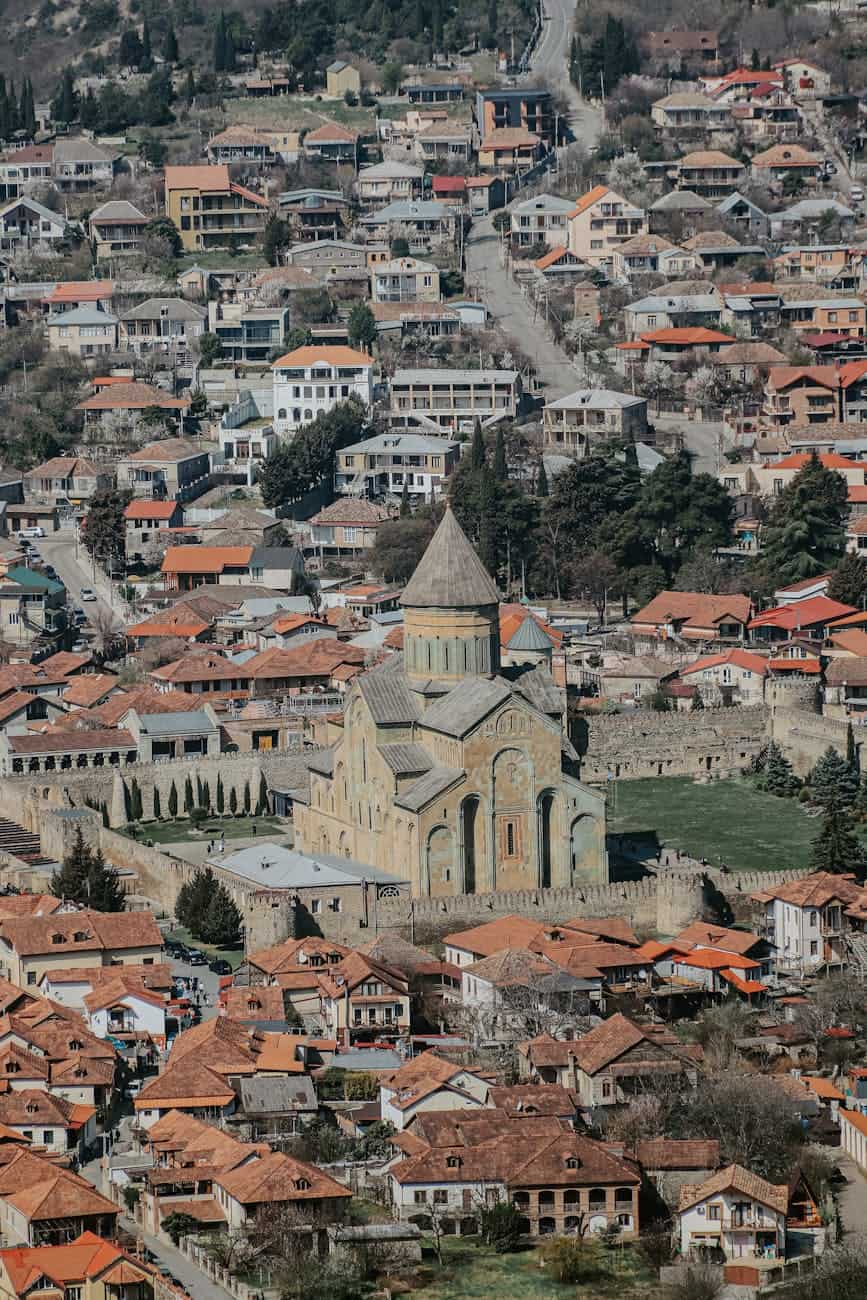
One of the primary reasons Svetitskhoveli holds such significance is its association with the legendary story of Christ’s robe. According to Georgian tradition, when Christ was crucified, His robe was brought to Mtskheta, where it was buried, turning the location into a sacred site. This tale has cemented the cathedral’s place in the hearts of Georgians, drawing pilgrims and visitors from around the world. The building’s name, “Svetitskhoveli,” translates to “the pillar that gives life,” emphasizing its role as a source of spiritual nourishment for believers.
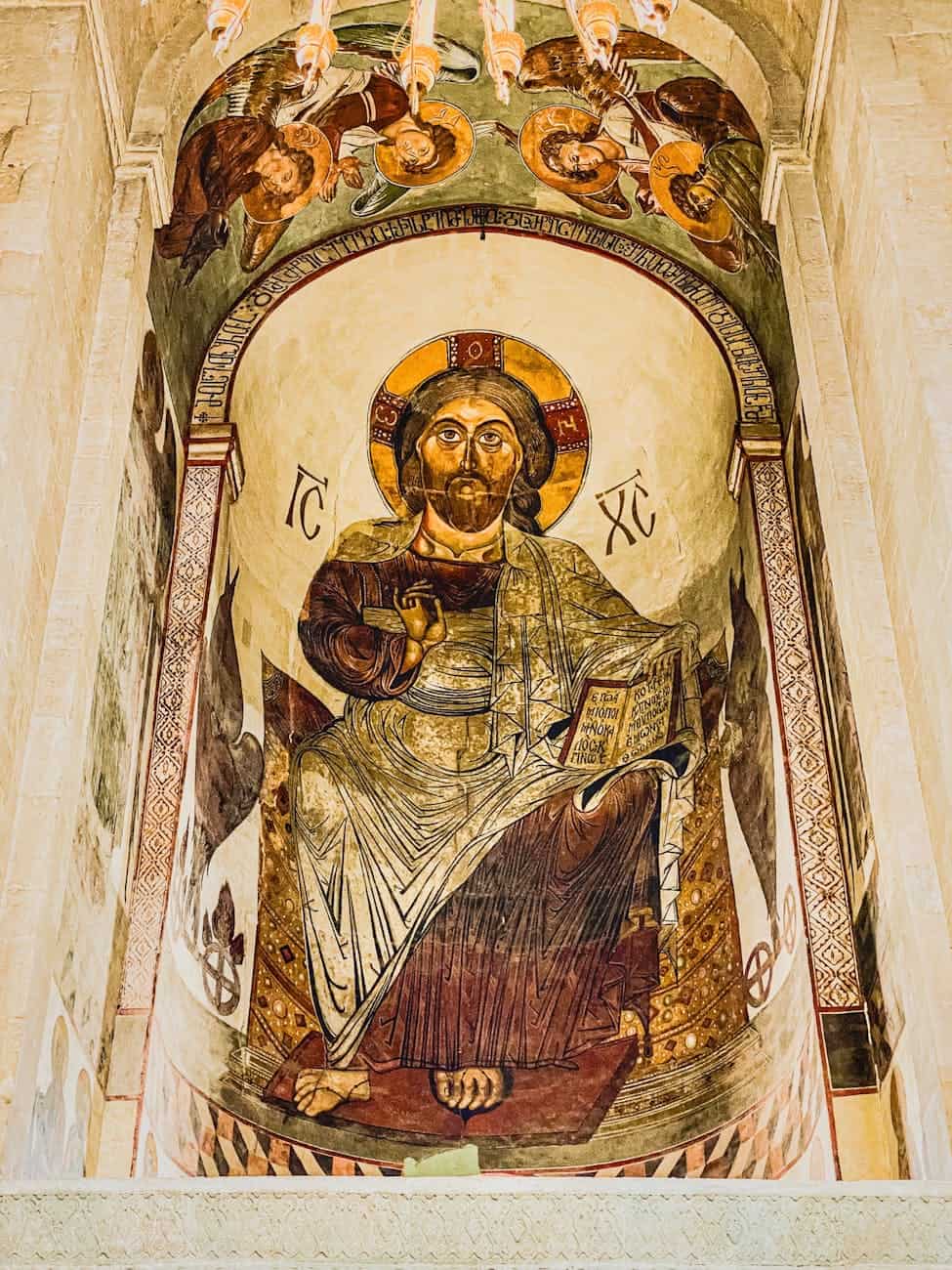
The interior of Svetitskhoveli is adorned with stunning mosaics depicting biblical scenes, saints, and important figures in Georgian history. The grandeur of the nave is flanked by extensive frescoes that date back centuries, depicting not only religious themes but also the daily lives of the Georgian people throughout history. These artistic elements provide insight into the cultural values, beliefs, and historical events that shaped Georgian society.
Centrally located in Mtskheta, Svetitskhoveli has been a place for significant national ceremonies, including coronations and other vital events that shaped the nation’s history. Its role as a spiritual center has made it a gathering place for the faithful, fostering community and dialogue among different generations of Georgians. The cathedral continues to function as an active house of worship, hosting religious services and ceremonies that connect the past to the present.
In 2010, Svetitskhoveli Cathedral was inscribed as a UNESCO World Heritage Site, recognizing its outstanding universal value as a monument of cultural heritage. This designation has increased awareness and appreciation for the cathedral’s artistic and architectural significance and has inspired preservation efforts to ensure that future generations can continue to experience its beauty and importance.
Through its architectural splendor and rich tradition, Svetitskhoveli Cathedral stands not only as a testament to the artistic achievements of the medieval period but also as a beacon of faith and cultural identity for the Georgian people. It embodies the spirit of Mtskheta, connecting the past with the present while continuing to inspire awe and reverence in those who visit.
Cultural Heritage and UNESCO Status
Mtskheta’s designation as a UNESCO World Heritage site highlights its invaluable cultural heritage and the need for its preservation for future generations. This recognition stems from Mtskheta’s unique historical narrative, showcasing the evolution of Georgian architecture, art, and spirituality. The city’s rich tapestry of cultural influences illustrates the convergence of various civilizations and religions over millennia, establishing Mtskheta as a significant cultural oasis in the region.
The significance of Mtskheta’s cultural heritage is not solely limited to its monuments but extends to the living traditions, crafts, and practices of its people. The city’s historical role as a center of trade facilitated the exchange of artistic techniques and cultural practices, showcasing the diversity of Georgia’s historical tapestry. Artisans in Mtskheta have preserved traditional crafts, such as weaving, pottery, and metalwork, contributing to the city’s vibrant cultural landscape.
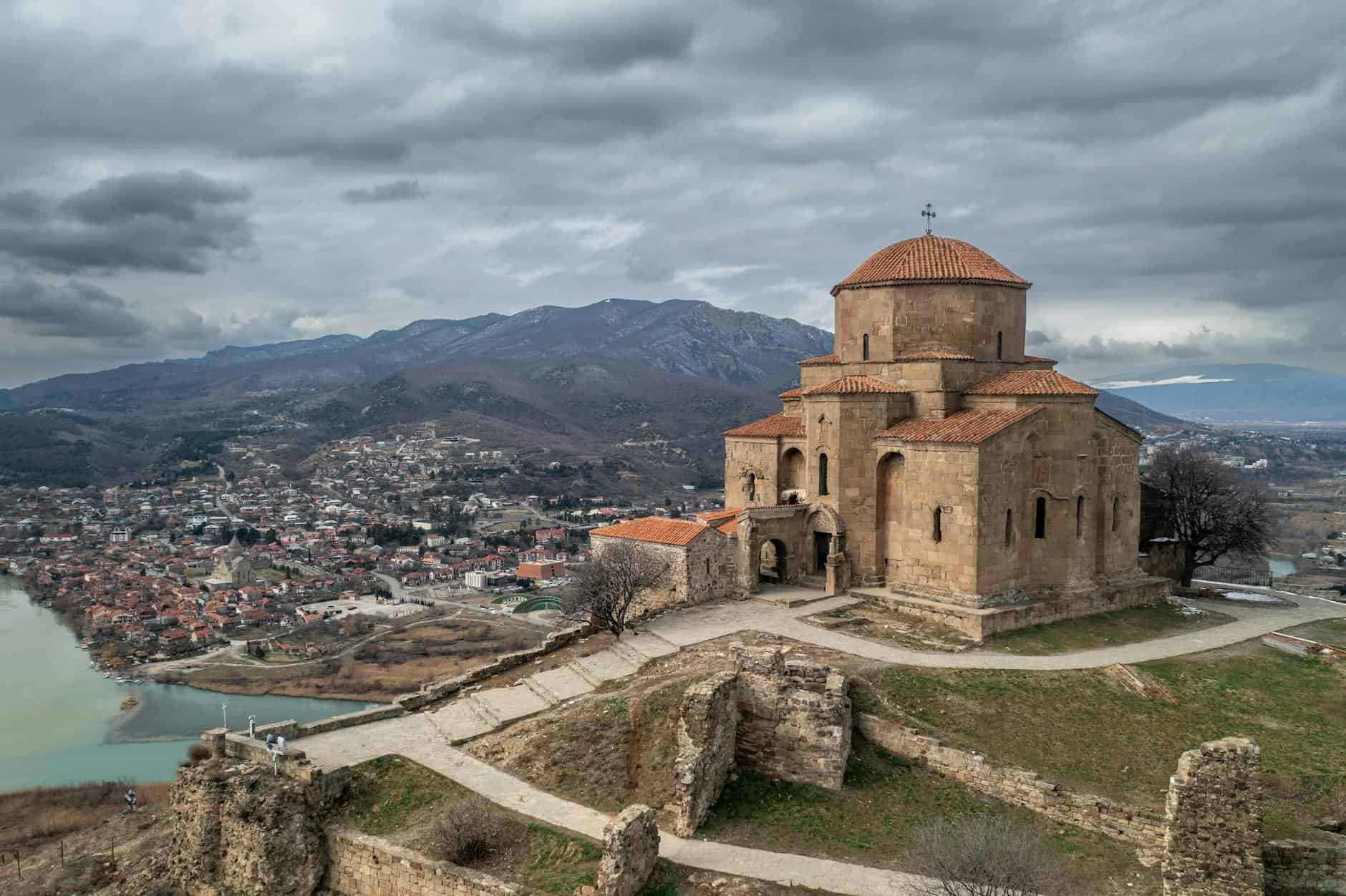
Much of Mtskheta’s architectural heritage is exemplified in its churches, monasteries, and other religious buildings that dot the landscape. In addition to Svetitskhoveli Cathedral, the Jvari Monastery, perched on a hill overlooking the city, stands as another testament to the height of Georgian ecclesiastical architecture. Built in the 6th century, Jvari is celebrated for its striking design and panoramic views, symbolizing the introduction of Christianity in the region and serves as an emblem of Georgian national identity.
UNESCO’s recognition of Mtskheta is vital for several reasons. It raises awareness about the importance of preserving the city’s unique cultural heritage and promotes sustainable tourism that respects and values local customs and traditions. Such attention leads to increased funding and support for restoration efforts, helping to safeguard both tangible and intangible cultural heritage from the threats of urbanization, neglect, or dilapidation.
Moreover, Mtskheta serves as a living museum, where cultural heritage is not merely confined to historical artifacts but is actively practiced and celebrated by local communities. Festivals, religious ceremonies, and traditional events draw upon Mtskheta’s historical and cultural resources, inviting residents and visitors alike to engage in the city’s vibrant legacy.
As part of UNESCO’s efforts, initiatives aimed at educating the local population about their heritage have been implemented, fostering a sense of pride and responsibility toward preserving the city’s cultural assets. This awareness promotes community involvement in conservation efforts, ensuring that the historical legacy of Mtskheta remains alive and relevant in a modern context.
Mtskheta’s cultural heritage provides essential insights into the broader narrative of Georgia’s history, identity, and spirituality. The blending of architectural styles, the preservation of traditional crafts, and the continuation of vibrant cultural practices signify the city’s ongoing significance and resilience. As Mtskheta moves forward into the future, this heritage will continue to resonate, inspiring both locals and visitors to cherish and protect its unique legacy.
The Role of Mtskheta in Georgian Orthodox Christianity
Mtskheta’s pivotal role in Georgian Orthodox Christianity establishes it as a cornerstone of spiritual life in Georgia. The city has long been recognized as the birthplace of Christianity in the region, stemming from the momentous conversion of King Mirian III and subsequently his subjects in the early 4th century. This transformation marked a watershed moment, making Mtskheta the primary center for ecclesiastical authority and establishing a strong foundation for the development of the Georgian Orthodox Church.
The city’s significance grew as it became the site of many crucial religious events and milestones. Svetitskhoveli Cathedral, as previously mentioned, was built to honor the arrival of Christianity in Iberia, and it houses numerous relics associated with the faith, making it a pilgrimage site for devout believers. The cathedral is home to the tomb of Saint Mchedlthe Orthodox patron saint of Georgia, further cementing its importance as a pilgrimage destination.
Mtskheta became a vibrant hub for religious education and training, where seminarians and clergy gathered to study and develop their theological understanding. This role fostered a strong scholarly tradition, contributing to the formulation of Georgian Orthodox doctrines and practices. The city’s monasteries, such as the ancient Shio-Mgvime Monastery and Samtavro Monastery, played an instrumental role in nurturing the next generation of clergy and preserving sacred texts, art, and liturgies.
The spiritual vitality of Mtskheta is also reflected in the numerous festivals celebrated throughout the year, marking significant milestones in the Christian calendar. These events draw thousands of pilgrims, who gather to participate in religious rituals, processions, and communal prayers, reinforcing the sense of community and shared faith within the Georgian Orthodox tradition. The city’s streets come alive with folk music, dance, and traditional cuisine during such festivals, blending spirituality with cultural expression.
In addition to its religious role, Mtskheta has been an essential player in fostering national unity and identity through faith. The Georgian Orthodox Church has consistently served as a unifying force amidst historical challenges, such as invasions and occupations. Mtskheta’s significance is further amplified by its connection to historical figures who shaped the Georgian church and state, including Saints Nino, Andrew, and others revered for their contributions to spreading Christianity and establishing ecclesiastical traditions in the region.
Mtskheta has also fostered ecumenical dialogue, promoting understanding and cooperation between different Christian denominations and fostering respect for diverse beliefs and practices. Its religious leaders have often played a mediating role in times of political or social tension, offering moral guidance and fostering reconciliation.
As modernity continues to shape the world, Mtskheta remains steadfast in its commitment to preserving its spiritual heritage, blending ancient traditions with contemporary practices. The city continues to welcome pilgrims and visitors, further solidifying its role as a beacon of faith and spirituality within the broader framework of Georgia’s national identity.
Modern-Day Mtskheta: A Fusion of History and Culture
Today, Mtskheta stands as a testament to the interplay between history and contemporary life. The city has embraced modernity while maintaining a deep respect for its rich heritage, creating an environment where the past coexists with the present. As a popular destination for tourists and pilgrims alike, Mtskheta showcases Georgia’s unique cultural fabric and offers opportunities for visitors to engage with its historical narrative.
The influx of tourists has highlighted Mtskheta’s importance as a cultural and economic hub, resulting in developments aimed at improving infrastructure and amenities. Local businesses, artisans, and craftsmen have flourished, providing visitors with traditional Georgian products, crafts, and culinary experiences that reflect the city’s history. This fusion allows locals to share their culture while fostering economic growth and sustainability.
Modern Mtskheta has also adopted inclusive approaches to cultural preservation, engaging in community initiatives that celebrate traditional customs and practices. Festivals and events organized by local authorities resonate with the city’s historical narrative, drawing townsfolk and visitors together. These gatherings strengthen communal ties and foster spirit while showcasing the vibrant cultural expressions that have emerged over centuries.
Furthermore, educational institutions and organizations have sprung up, aiming to promote awareness and appreciation of Mtskheta’s heritage among younger generations. Programs focused on historical studies, art, and ecology emphasize the significance of safeguarding the city’s cultural resources. Initiatives that encourage engagement with local history enhance the city’s capacity to cultivate future custodians of its heritage.
Preserving the aesthetics and historical integrity of the Mtskheta landscape is also essential in contemporary planning. Efforts have been made to ensure that new constructions harmonize with the existing architectural styles while providing modern conveniences. Strategic urban planning aims to merge modern functionality with historical preservation, ensuring that new developments do not detract from Mtskheta’s cultural essence.
As a UNESCO World Heritage site, Mtskheta has also entered the global stage, attracting increased international interest and investment in its cultural preservation. This recognition emphasizes the importance of preserving and promoting the city’s rich heritage as a valuable cultural resource that speaks to humanity’s shared history.
In summary, modern-day Mtskheta illustrates the enduring relationship between history and contemporary life. As the city navigates an ever-changing world, its commitment to preserving its cultural and spiritual heritage remains steadfast. Mtskheta continues to be a beacon of tradition, innovation, and resilience, fostering a deep appreciation for its historical narrative while forging connections with the future.
Conclusion
The rich history of Mtskheta and the grandeur of the Svetitskhoveli Cathedral encapsulate the essence of Georgia’s identity, reflecting its cultural heritage and spirituality. As one of the oldest continually inhabited cities in the world, Mtskheta serves not only as a historical landmark but also as a living testament to the resilience and vibrancy of Georgian culture. Through an exploration of its ancient past, religious significance, and active role in contemporary society, Mtskheta demonstrates the interconnectedness of history, faith, and the human experience.
The cultural treasures of Mtskheta provide insights into generations of artistic and architectural achievements, while its religious sites continue to inspire devotion and foster communal ties. The preservation efforts supported by UNESCO status ensure that Mtskheta’s legacy endures for future generations, inviting them to witness its unique narrative and appreciate the intersection of tradition and modernity.
As Mtskheta moves into an uncertain future, it stands as a model for other historical cities navigating the challenges of modernization while honoring their heritage. The city embraces its role as a historical and spiritual beacon, welcoming visitors from all corners of the globe to celebrate the shared legacy of human spirituality and creativity found within its ancient streets. Through continuous engagement and commitment to preserving its cultural identity, Mtskheta will undoubtedly remain a source of inspiration and reverence for generations to come.