
Introduction
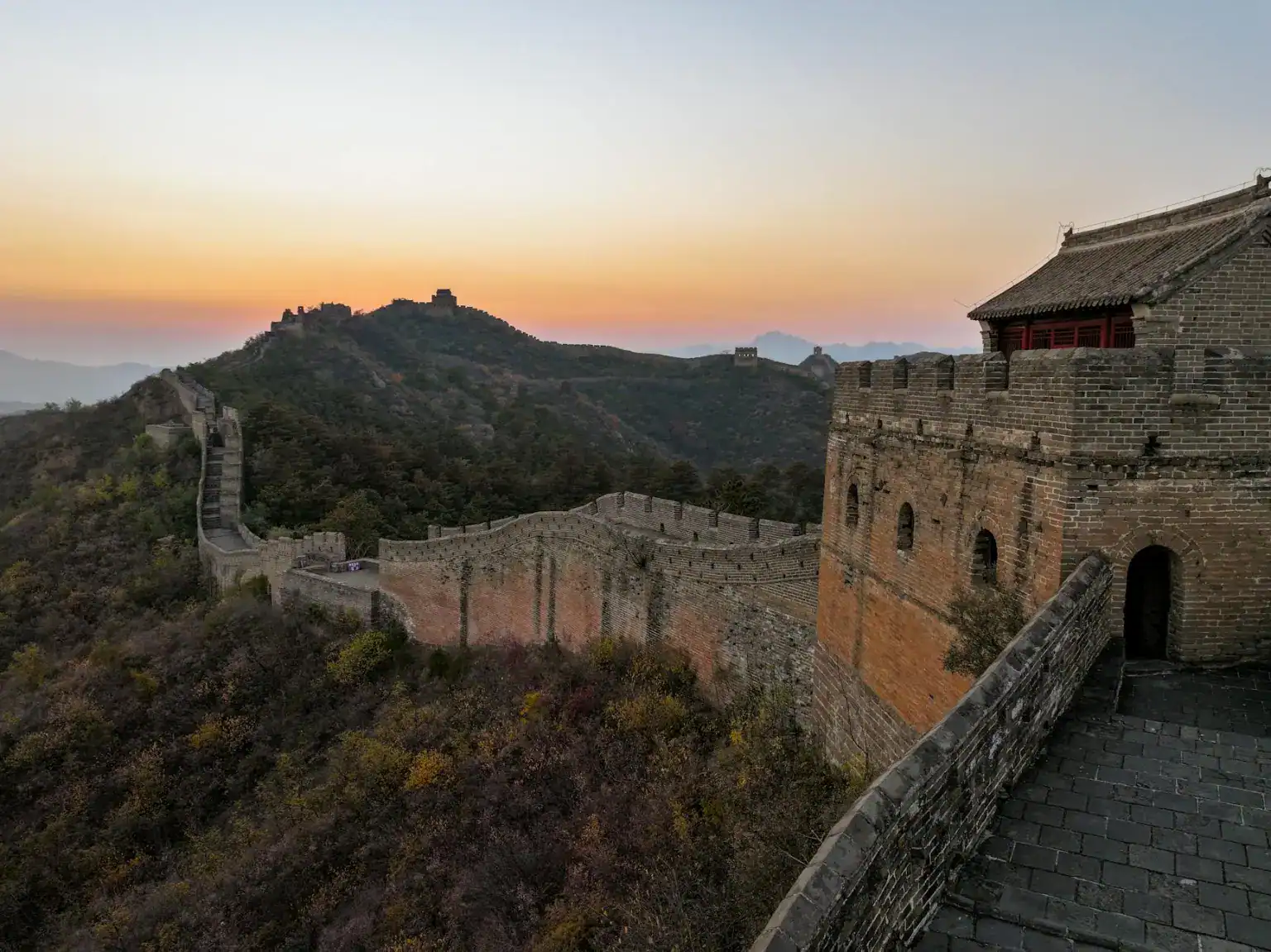
The Great Wall of China is one of the most iconic and enduring symbols of Chinese civilization. Stretching over 13,000 miles across the northern borders of China, this architectural marvel has a rich history that dates back more than 2,000 years. Originally constructed for defense against invasions, the wall has witnessed the rise and fall of dynasties, serving not only as a military fortification but also as a representation of the labor, ingenuity, and tenacity of the Chinese people. Over the centuries, the Great Wall has become a UNESCO World Heritage Site and a globally recognized symbol of strength and perseverance. Through the examining of its origins, historical significance, cultural impact, preservation efforts, and tourist appeal, we can gain a deeper understanding of the Great Wall’s profound legacy and its role in shaping not only China\’s past but also its present and future.
Origins and Construction of the Great Wall of China
The origins of the Great Wall of China can be traced back to the early 7th century BC, during the Warring States period when various feudal states sought to defend their territories. Individual states began constructing their own fortifications, which were often made from tamped earth and wood. The first segments of what would later become the Great Wall were built by these states as a defensive measure against nomadic tribes from the north, particularly the Xiongnu.
However, the most notable construction came during the Qin Dynasty (221-206 BC) under Emperor Qin Shi Huang, who sought to unify these disparate walls into a single defensive structure. This monumental endeavor involved the labor of hundreds of thousands of workers, including soldiers, peasants, and prisoners. The materials used varied based on the region: in the mountainous areas, stone and brick were common, while in the plains, earth and wood were often utilized. The building techniques evolved significantly over time; during the Han Dynasty (206 BC-220 AD), further expansion included the usage of rammed earth, which was an effective method for creating stable fortifications.
Throughout the generations, various dynasties continued to improve and extend the wall. The Sui (581-618 AD) and Tang (618-907 AD) Dynasties did not prioritize the wall as much as the subsequent Ming Dynasty (1368-1644 AD), which recognized the significance of a strong defensive perimeter due to increasing threats from the Mongols. The Ming emperors invested heavily in upgrading the wall, building the structure we recognize today. They employed bricks and stone, giving the wall greater durability and an imposing structure that would thwart potential invasions.
The Ming Great Wall was not a uniform entity; it comprised various designs that included watchtowers, troop barracks, and garrison stations. Towers were built at regular intervals to provide spaces for monitoring, signaling, and defense. These enhancements underscore the military strategy employed by the Ming Dynasty, which sought not just to deter invasions but also to control trade routes, particularly on the Silk Road.
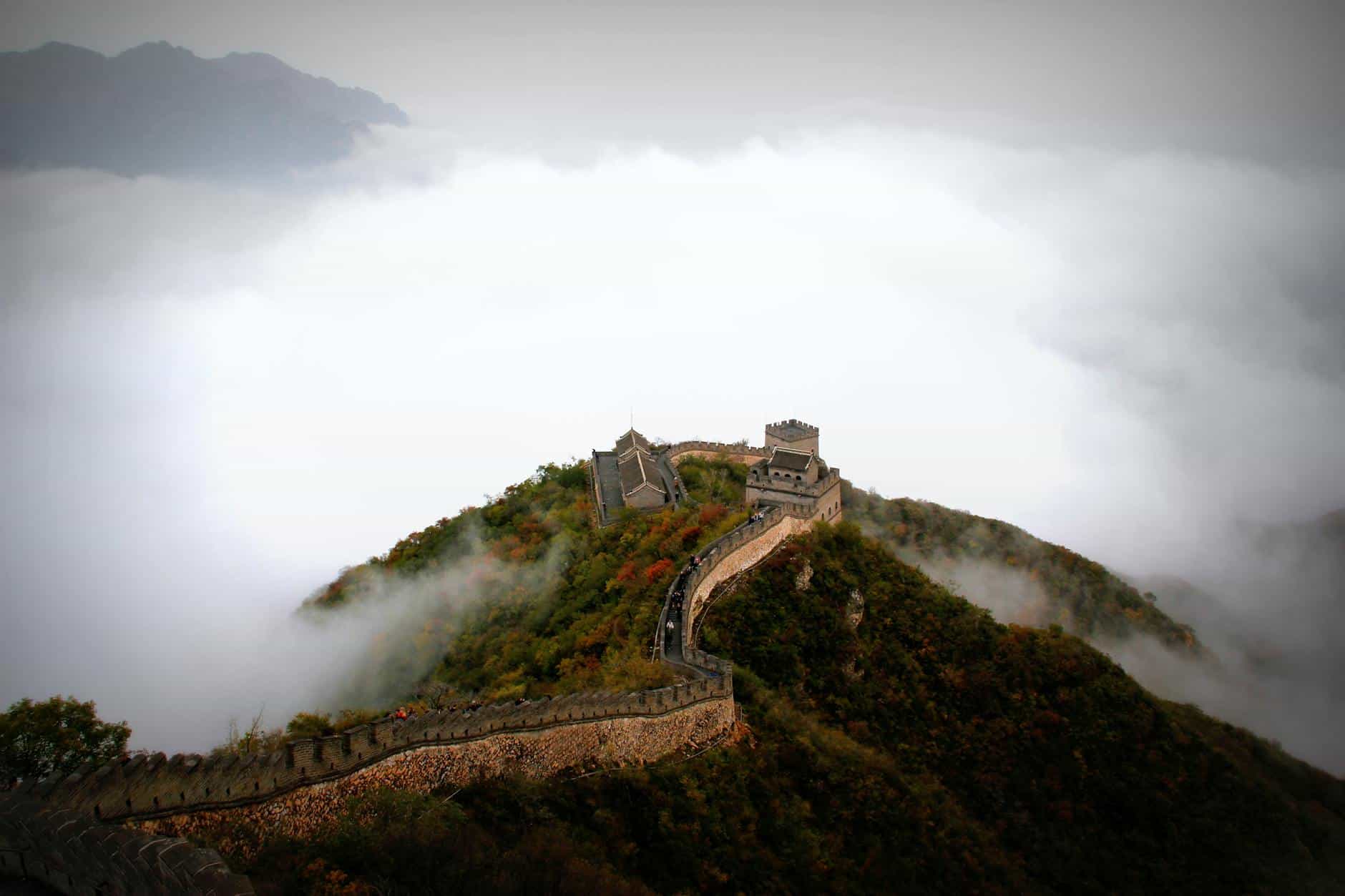
Photo by Manuel Joseph on Pexels.com
The Wall’s construction was an arduous labor that took decades and, in many instances, the lives of workers. It has been reported that many laborers met with tragic fates due to harsh conditions, the danger of working on steep mountain passes, and the sheer scale of the project that seemed insurmountable at times. However, the wall acted as a unifying force for China, embodying the collective effort of its people in achieving a common goal.
Today, little of the original wall remains intact, mainly due to the passage of time, erosion, and human activity. Nonetheless, what stands as a testament to ingenuity is its historical trajectory. The Great Wall of China continues to be a reflection of the ancient Chinese concept of unity and national identity, distinguishing itself as one of the most significant engineering feats in human history.
Historical Significance
The historical significance of the Great Wall of China is vast and multifaceted, embodying centuries of political strategy, cultural expression, and national identity. Originally conceived as a military defense system, its evolution through various dynastic rules shaped not only the course of Chinese history but also the interaction between China and its surrounding nations.
At its core, the wall represented a physical and symbolic barrier against invasions, especially from the nomadic tribes of the north. The Qin Dynasty initiated the unification of walls into what would later become the Great Wall, recognizing the need to protect the burgeoning empire from external threats. This military strategy emphasized the importance of territorial integrity and the safety of the Han people, leading to the establishment of a more centralized and stable governance model.
As dynasties rose and fell, the wall’s function adapted accordingly. During the Han Dynasty, the Great Wall facilitated trade along the Silk Road, which connected China to the West. This dual purpose of military defense and economic expansion showcased the wall\’s strategic value, promoting cultural exchanges that shaped Chinese society, art, and technology. The interaction with other cultures brought ideas, goods, and innovations that would enrich the fabric of Chinese life.
The Great Wall also played a significant role during the Ming Dynasty, a period characterized by restored centralized power and territorial expansion. The construction efforts during this era were a direct response to the threat of Mongol invasions, and the wall became a physical representation of the emperor\’s resolve to protect the empire. It was during this time that the wall reached its architectural zenith, with impressive watchtowers and fortifications that displayed the military might of China.
Moreover, the wall has been a focal point in periods of unity and fragmentation within China. During times of peace, it served as a symbol of national pride and strength, reinforcing the idea of a united Chinese state under one emperor. Conversely, during periods of disunity, such as the warlords’ conflict in the early 20th century, the wall became a melancholic reminder of the fragility of Chinese sovereignty.
The Great Wall’s significance extends beyond military and political realms, as it has become a prevailing symbol of Chinese identity. Throughout history, the wall has inspired poets, artists, and philosophers and has served as a backdrop for significant cultural narratives. The picturesque representation of the wall in literature and visual arts has imbued it with a spiritual dimension, often referred to as the “spirit of the Chinese people.”
In the 21st century, the Great Wall continues to play a significant role in fostering national pride, providing a communal identity that resonates with Chinese citizens. The wall is venerated not only as a historical artifact but also as a representation of resilience and endurance, emphasizing the idea that the collective strength of the Chinese people can endure the tests of time.
From military fortification to cultural landmark, the Great Wall of China signifies the evolution of societal norms and the deep-seated yearning for unity and protection. Its historical significance remains a tangible link to the past, serving as a reminder of the intricate nuances that shaped and molded Chinese civilization over millennia.
Cultural Impact
The cultural impact of the Great Wall of China stretches beyond its physical structure, weaving itself into the fabric of Chinese society and influencing the global perception of China as a civilization. It represents a profound intertwining of history and cultural identity that continues to resonate within contemporary Chinese life.
From a historical perspective, the Great Wall has inspired countless works of literature, art, and music, shaping a symbolic narrative that encapsulates themes of resilience, strength, and unity. Classical Chinese poetry often reflects upon the wall\’s grandeur and melancholic beauty, portraying it as a bridge between the past and the present. This literary portrayal fosters a sense of belonging and emotional connection among the Chinese people.
In traditional Chinese culture, the Great Wall embodies the concept of \”protection\” – not only from physical threats but also from spiritual and psychological challenges. It has become a metaphor for the protective nature of family and community, reinforcing the importance of solidarity and collective well-being. This symbolic significance extends to festivals and cultural practices, where the wall’s imagery can be seen during celebratory events that honor Chinese heritage and achievements.
Moreover, the Great Wall serves as an important site for cultural tourism, attracting millions of visitors annually. Tourists from around the globe come to experience the awe-inspiring structure and its history firsthand. Their presence fosters intercultural dialogues, as they engage with and learn about the myths, stories, and legends associated with the wall. This cultural exchange enriches both the local communities and the visitors, promoting a shared appreciation for historical narratives and human ingenuity.
In terms of popular culture, the Great Wall has also found its place in films, music, and contemporary media. It has been featured in numerous movies, documentaries, and television shows – serving as both a backdrop and a focal point for storytelling. This representation has the dual effect of promoting Chinese culture on an international scale while simultaneously encouraging local storytelling and film production that resonate with Chinese audiences.
The cultural impact of the Great Wall is not solely rooted in its historical significance but also in its ability to adapt and remain relevant in modern society. It serves as an enduring reminder of China’s collective identity while inspiring a sense of pride in its historical achievements. The wall’s preservation efforts have become an essential part of cultural discourse within China, recognizing the importance of safeguarding this monumental structure for future generations.
Urbanization and modernization present challenges to the wall, as rapid development encroaches on its vicinity. Nevertheless, initiatives advocating for conservation emphasize the importance of integrating modernity with cultural heritage, reminding society of its roots amidst changing landscapes. This balance reflects the modern Chinese ethos, reconciling traditional values with contemporary progress.
In sum, the Great Wall of China stands not only as a magnificent architectural feat but also as a profound cultural icon. It holds deep-rooted significance in uniting a broad spectrum of historical narratives, societal values, and cultural expressions, ultimately shaping the national identity of China in both historical and contemporary contexts.
Modern Preservation Efforts
In the contemporary era, the challenges of preserving the Great Wall of China have become increasingly pronounced due to environmental factors, urban encroachment, and tourism. The wall\’s massive scale, coupled with its historical and cultural significance, necessitates dedicated preservation efforts to ensure that future generations can appreciate and learn from this remarkable structure.
One of the foremost issues confronting the Great Wall is natural erosion. Weathering elements such as wind, rain, and temperature fluctuations have, over time, taken a toll on its structural integrity. Areas that were once fortified with solid materials have succumbed to deterioration. This has prompted local authorities and conservationists to prioritize extensive restoration projects aimed at stabilizing and repairing vulnerable sections of the wall.
In addition to environmental factors, human activity presents another significant challenge. Urban development in nearby regions can disrupt the delicate balance between the wall and its surrounding landscape. Construction projects too close to the wall can jeopardize its structural stability, leading to crumbling sections and loss of historical context. As communities expand, it becomes imperative to implement responsible urban planning policies that prioritize the preservation of historical sites.
Tourism, while economically beneficial, has also resulted in wear and tear on the wall. Millions of visitors flock to the structure each year, and while their interest emphasizes its cultural significance, it also raises concerns regarding the impact of foot traffic. Certain sections of the wall are particularly susceptible to damage from heavy tourist activity. Consequently, site managers are seeking creative solutions to balance tourist access with preservation efforts.
Efforts to raise awareness about the Great Wall’s significance have become an integral part of modern conservation strategies. Educational programs and outreach initiatives aimed at both local populations and tourists are essential for promoting a culture of respect towards historical sites. By emphasizing the importance of responsible tourism, these initiatives hope to cultivate a sense of stewardship within visitors, encouraging them to appreciate the wall\’s history and the need for its preservation.
International cooperation further enhances preservation efforts, as organizations such as UNESCO play a pivotal role in raising financial resources and expertise for conservation initiatives. Recognition of the Great Wall as a UNESCO World Heritage Site not only emphasizes its global importance but also opens avenues for international collaboration on preservation strategies. The participation of experts from various fields helps with integrating modern architectural techniques and traditional craftsmanship to ensure the wall\’s durability.
Technological advancements also support modern preservation efforts. Digital mapping and 3D modeling technologies help assess and visualize the wall\’s conditions, allowing conservationists to strategize more effectively for restoration. The utilization of these technologies marks a significant evolution in resource management, enabling data-driven decisions for targeted conservation work.
Methods employed for the restoration of the Great Wall adhere to principles that respect its historical authenticity. Restoration teams prioritize using traditional materials and techniques wherever possible to maintain the wall\’s original characteristics and craftsmanship. This approach preserves the historical integrity of the wall, ensuring that any restoration work honors its multifaceted legacy.
The ongoing preservation of the Great Wall of China speaks to the broader responsibility of societies to safeguard their historical and cultural heritage. As custodians of this monumental relic, contemporary China strives to navigate the complexities of modernization while adhering to the ideals of preserving its rich history. The Great Wall serves as both an enduring symbol of national pride and a living testament to the efforts of generations committed to preserving their heritage for the future.
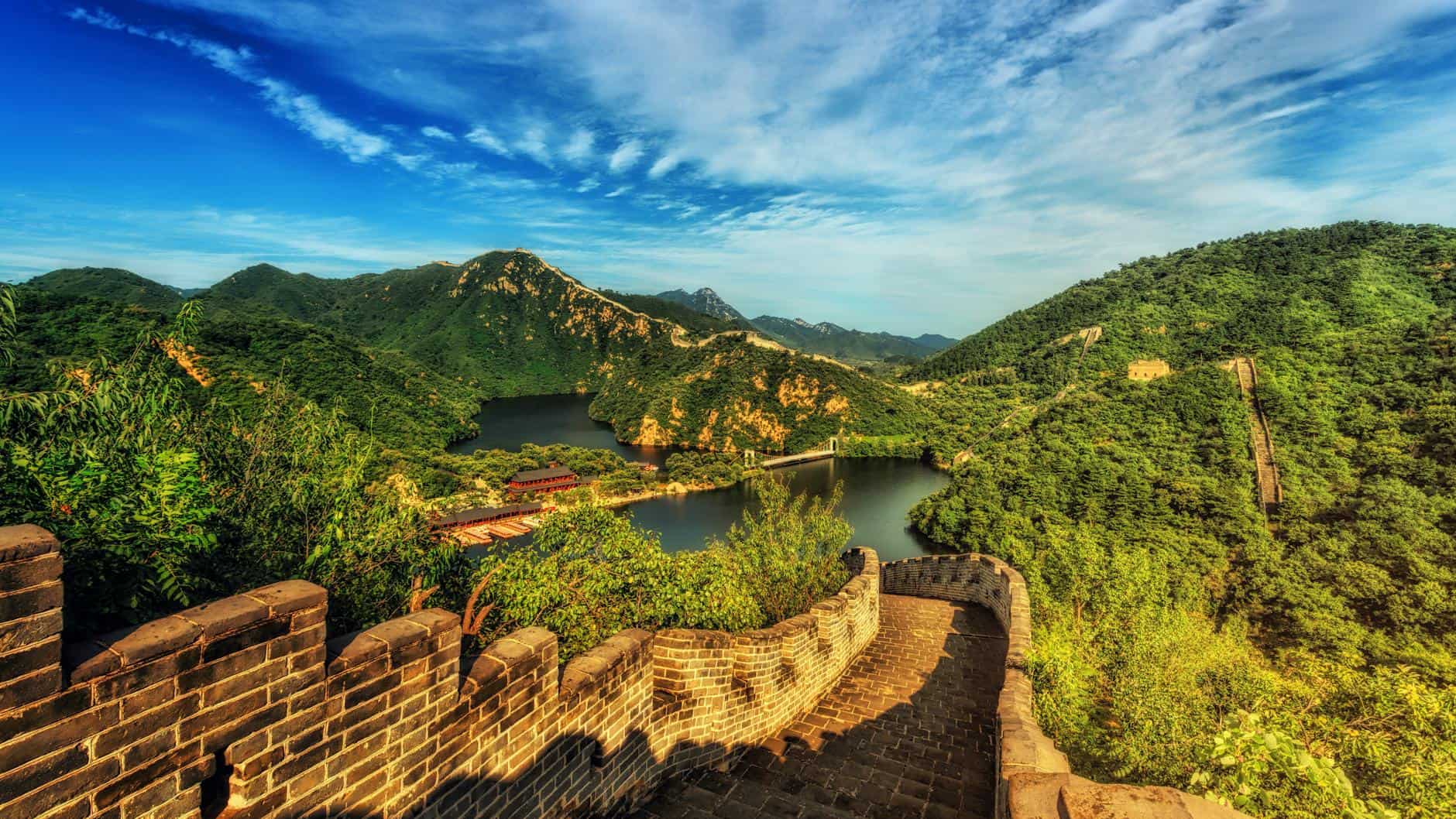
Photo by Johannes Plenio on Pexels.com
Tourism and Economic Influence
The Great Wall of China stands not merely as a relic of the past but as a vibrant center of tourism that significantly influences China\’s economy. This monumental structure draws millions of visitors each year, both domestic and international, facilitating economic activity and cultural exchange while showcasing the potential benefits of responsible tourism.
As one of the most recognizable landmarks in the world, the Great Wall serves as a magnet for tourists. Its vast expanse, stretching over multiple provinces, creates diverse experiences for visitors, allowing them to explore different sections that vary in architectural style, surroundings, and historical context. Popular access points such as Badaling and Mutianyu are well-developed, providing amenities that cater to tourists while preserving the wall’s integrity. The influx of visitors to these areas not only affords them the opportunity to marvel at the wall’s grandeur but also stimulates local economies through job creation and businesses catering to tourist needs.
From local artisans selling crafts to restaurants providing traditional cuisine, the economic impact of tourism extends beyond ticket sales. Local communities benefit from job creation, as tourism-related industries hire workers to support the flow of visitors. This economic diversification is particularly essential in rural areas, where agricultural opportunities may be limited. By capitalizing on the wall’s historical significance, communities can improve their quality of life while forging a stronger connection to their cultural identity.
Moreover, the Great Wall has become an essential element in marketing China as a tourist destination. Domestic tourism is promoted as a means to foster national pride and educate citizens about their historical heritage, while international tourism invites a broader audience to experience the rich tapestry of Chinese history. Cultural festivals and events centered around the wall enhance its appeal, encouraging visitors to engage with local customs and traditions, fostering intercultural appreciation.
However, responsible tourism is paramount to ensure that the cultural and historical integrity of the Great Wall remains intact. Overcrowding can result in wear and tear, diminishing the experience for future visitors. Therefore, authorities have begun to implement measures aimed at managing tourist flows. For example, visitor numbers may be limited during peak seasons, and educational programs are encouraged to promote a culture of respect and awareness among tourists concerning the historical significance of the wall.
Additionally, investments in infrastructure near the wall have created avenues for eco-friendly and sustainable tourism models. Ecotourism initiatives that integrate conservation efforts with visitor experiences promote environmental awareness and help preserve the surrounding landscape. Responsible tourism is encouraged, fostering mindful engagement with the wall and its history while minimizing environmental impact.
On a broader scale, the Great Wall\’s economic influence extends to its role in establishing global recognition for the cultural heritage of China. As one of the New Seven Wonders of the World, its inclusion in such lists emphasizes the importance of cultural landmarks in serving as ambassadors for their respective nations. This recognition not only encourages tourism but also entwines the wall with diplomatic initiatives, cultural exchanges, and international recognition for China\’s contributions to global heritage.
In conclusion, tourism, when managed responsibly, has the potential to create a symbiotic relationship between economic benefits and cultural preservation concerning the Great Wall of China. The wall stands as a beacon for both national pride and global interest, with its story continuing to captivate audiences worldwide.
Conclusion
The Great Wall of China is far more than a monumental structure; it is an enduring symbol of the resilience, creativity, and collective spirit of the Chinese people. With origins that trace back thousands of years, it has witnessed the ebb and flow of dynasties, serving purposes that range from military defense to cultural expression. Through its rich history, the Great Wall has played a crucial role in shaping Chinese civilization, influencing literature, art, and national identity.
Modern preservation efforts highlight the ongoing commitment to protect this ancient wonder, ensuring that it remains a site of learning and appreciation for future generations. Tourism around the wall contributes significantly to China’s economy, fostering cultural exchanges and enhancing community livelihoods. As visitors from around the globe experience this remarkable feat of engineering, they become part of a narrative that transcends time and geography.
As we reflect on the legacy of the Great Wall of China, it becomes clear that it represents not only an architectural triumph but also a testament to the tenacity of human spirit and the importance of preserving our cultural heritage. In navigating the challenges of the modern world, the wall stands as a reminder of humanity’s shared past, bridging gaps between history and the future.
Watch also








[…] rescue mission, spearheaded by UNESCO, began in earnest in 1960 when it became evident that the temples were in danger. The plan involved […]
[…] Monastery, a UNESCO World Heritage site, is one of the most important cultural and historical landmarks in Bulgaria, embodying centuries of […]
[…] the citadel showcases an extraordinary blend of Vietnamese traditions and Chinese influences. This UNESCO World Heritage site reflects the glory of Vietnam’s past while standing as a testament to the resilience of its […]
[…] warring states of ancient China into a unified empire. He proclaimed himself the First Emperor of China in 221 BCE, a title that reflected his extraordinary ambitions and vision for a singular national […]
[…] and rich cultural heritage, this city was once the capital of the Kingdom of Laos and is now a UNESCO World Heritage Site. The incredible blend of traditional Lao architecture and colonial-era buildings creates a unique […]
[…] of Georgia. The city is perhaps most renowned for the magnificent Svetitskhoveli Cathedral, a UNESCO World Heritage site and a spiritual heart of the Georgian Orthodox Church. This article explores the rich tapestry of […]