Introduction
Mesa Verde, located in the southwestern United States, is a UNESCO World Heritage Site that unveils the profound history of the Ancestral Puebloans. This captivating region, characterized by its breathtaking cliffs and impressive adobe structures, offers a glimpse into the lives of those who inhabited this land for over seven centuries. The term “Mesa Verde” translates to “green table” in Spanish, referring to the high plateau that is home to unique geological formations and archaeological treasures. The integration of nature and culture is a hallmark of this area, inviting visitors to explore not just the magnificent cliff dwellings, but also the rich narratives that accompany them. From their advanced agricultural practices to their intricate social structures, the story of the Ancestral Puebloans is one of resilience and ingenuity, echoing through the canyons of Mesa Verde.
The Origins of the Ancestral Puebloans
The Ancestral Puebloans, formerly known as the Anasazi, are a Native American culture that flourished in the Four Corners region of the United States, encompassing parts of present-day Colorado, Utah, Arizona, and New Mexico. Their origins can be traced back to around 500 AD, when small groups began to settle in the region, taking advantage of the area’s fertile lands and abundant resources. These early inhabitants were primarily semi-nomadic hunter-gatherers who relied on wild plants and animals for sustenance.
As time progressed, these communities transitioned to a more settled lifestyle, largely influenced by climate change and the introduction of agriculture. The domestication of crops such as corn, beans, and squash around 700 AD was a pivotal moment that allowed larger communities to establish themselves. This agricultural revolution led to a remarkable transformation in their social structures, culminating in the development of permanent dwellings and complex societies. The early Puebloans built pit houses, which were semi-subterranean structures that provided shelter from the harsh weather, marking the beginning of their architectural endeavors.
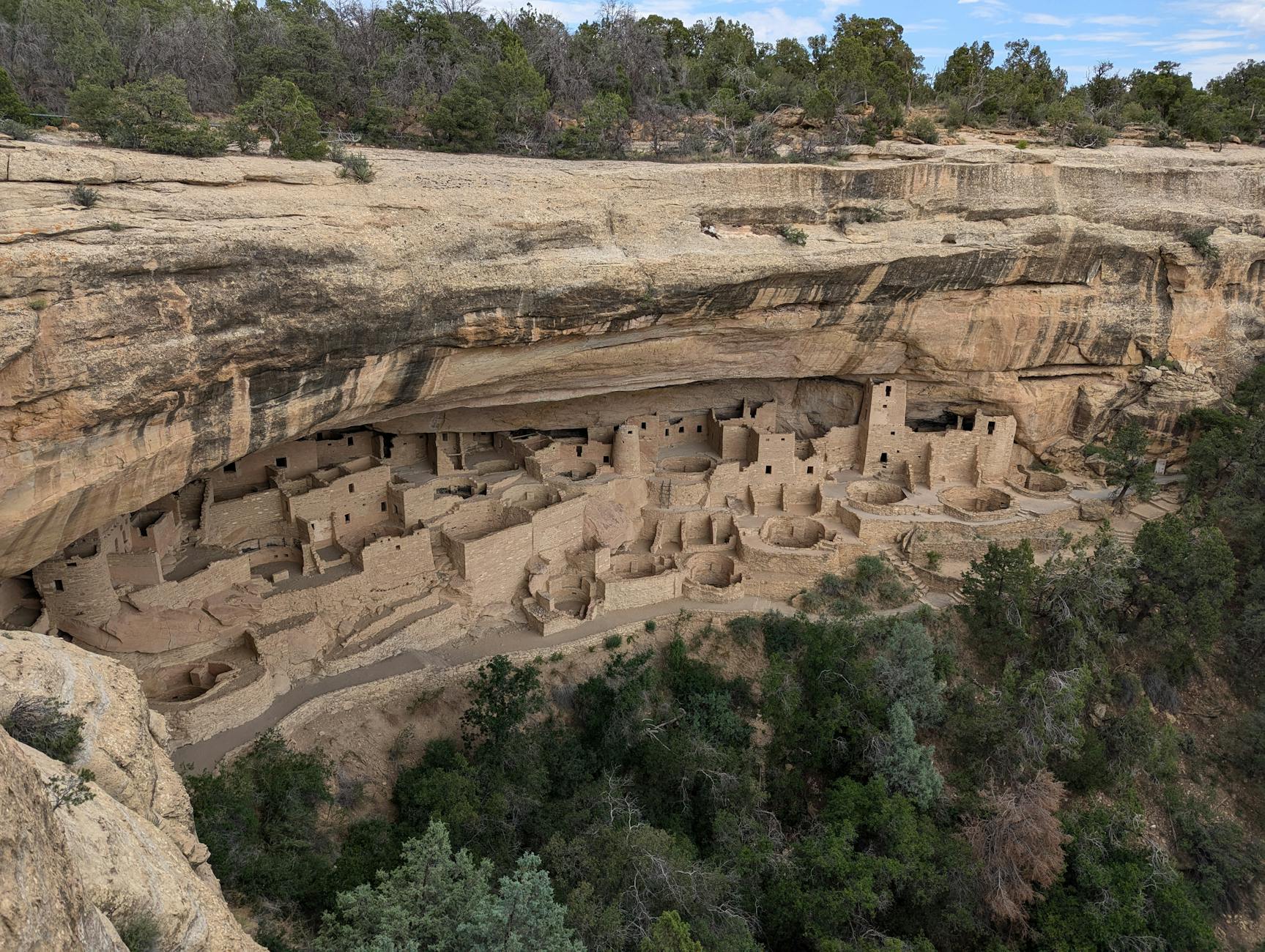
By the 12th century, the Ancestral Puebloans had begun to construct the iconic cliff dwellings that Mesa Verde is famous for today. Utilizing the natural cliffs for protection, they engineered multi-story buildings made of sandstone, adobe, and timber. This innovation allowed them to adapt to their environment and make efficient use of the available materials. The decision to build in the cliffs was likely motivated by both defensive strategies against potential enemies and the desire to conserve heat during harsh winters.
The rise of trade networks also signified a significant change in the socioeconomic dynamics of the Ancestral Puebloans. With increased agricultural output, they were able to engage with neighboring cultures, exchanging goods such as pottery, textiles, and jewelry. This interaction benefited not just their economy but also enriched their cultural practices. The iconography found in their pottery, rock art, and architecture reflects a complex belief system that intertwined spirituality and everyday life.
The Ancestral Puebloans are noted for their sophisticated societal organization. Social stratification began to emerge, leading to the establishment of leaders and social classes. This hierarchy was evident in the construction of larger, more elaborate dwellings that differentiated the elite from the common members of society. As these communities became more intricate, they developed spiritual ceremonies that played a significant role in their identity, often centered around natural elements, agricultural cycles, and ancestral reverence.
However, by the late 13th century, a series of droughts hit the region, contributing to environmental stress and resource depletion. This period of hardship forced many communities to abandon their cliff dwellings and migrate to more sustainable areas, ultimately leading to the decline of the Ancestral Puebloan civilization. The causes for their departure are still debated, but it is evident that the legacy of the Ancestral Puebloans endures in the rich cultural landscape of the American Southwest.
The Architectural Marvels of Mesa Verde
Mesa Verde is renowned for its stunning architectural achievements, standing as a testament to the ingenuity and adaptiveness of the Ancestral Puebloans. The cliff dwellings, constructed between 1150 and 1300 AD, are perhaps the most iconic representations of their architectural prowess. Built into the overhanging cliffs of the canyon walls, these structures were designed to protect inhabitants from harsh weather and potential adversaries. The most famous site, Cliff Palace, showcases an extensive multi-room complex with stone masonry and wooden beams, providing insight into the sophisticated building techniques of the time.
These dwellings were primarily constructed using local materials, such as sandstone, which was shaped and stacked without the use of mortar. This method allowed for flexibility and durability, as the structures adapted to the natural contours of the rock face. The careful alignment of these buildings with the sun and the seasons also highlights the Puebloans’ advanced understanding of their environment. Architectural features such as kivas, circular structures used for ceremonial purposes, illustrate the importance of spirituality in their daily lives.
Exploration of the architectural layout reveals the social organization of the Ancestral Puebloans. Larger complexes often indicate a higher status within the community, while smaller clusters suggest areas for communal living. The meticulous construction of their dwellings reflects a society that valued coexistence and collaboration, as rooms were often shared among extended families. The ingenious use of natural rock walls enabled the Puebloans to maximize their living space and create a sense of community within the steep canyons.
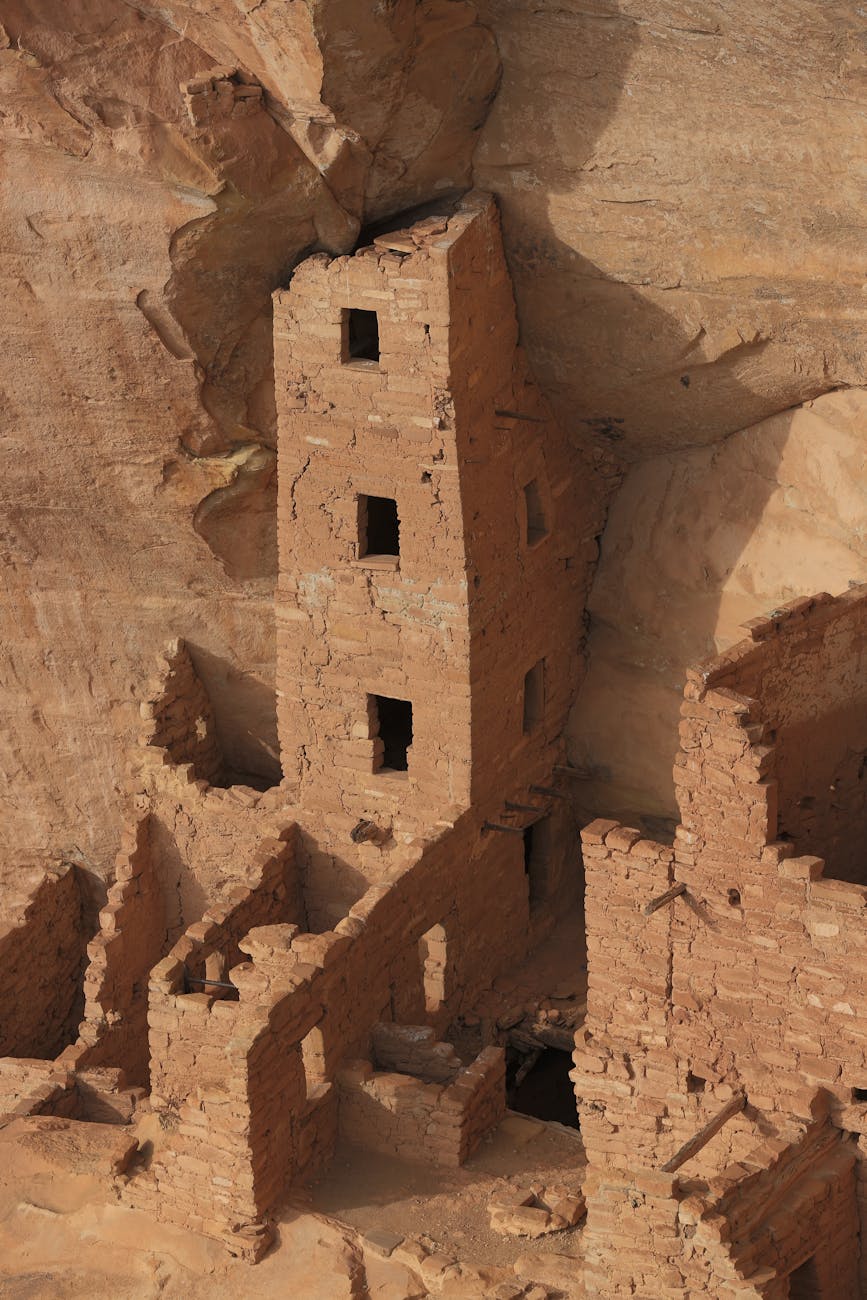
Moreover, the elaborate designs and artful engravings found in these structures are a window into the beliefs and practices of the Ancestral Puebloans. Frescoes and petroglyphs convey narratives of their spiritual beliefs and daily practices, often serving as vital points of connection to their ancestors and the cosmos. These artistic endeavors not only beautified their dwellings but also reinforced cultural identity and continuity.
Despite the abandonment of these remarkable cliff dwellings in the late 13th century, the legacy of the architectural innovations seen at Mesa Verde remains relevant today. The preservation efforts initiated in the early 20th century have allowed these historic sites to be safeguarded for future generations to explore and learn from. Continued research and archaeological studies contribute to a deeper understanding of the cultural significance of these architectural feats, ensuring that the story of the Ancestral Puebloans and their remarkable structures endures.
Cultural Significance and Daily Life
The daily life of the Ancestral Puebloans was intricately connected to their cultural practices, agricultural routines, and community relationships. Their survival in the arid landscapes of the Southwest was largely dependent on their ability to adapt to changing environmental conditions while fostering a rich cultural identity. Agriculture played a significant role in their lives, as farming communities cultivated staple crops such as corn, beans, and squash in well-planned terraced fields. This agricultural foundation facilitated population growth and the establishment of complex societies.
The integration of farming with hunting and gathering practices allowed for a diverse diet, essential for sustaining large communities. Seasonal rituals and ceremonies were interwoven into their agricultural practices, celebrating harvests and invoking blessings for rain, which underscored their deep spiritual connection to the land. These rituals, often performed in kivas, served to reinforce social cohesion and shared beliefs, illuminating a vibrant cultural landscape.
Craftsmanship became a vital expression of identity among the Ancestral Puebloans. Pottery, textiles, and jewelry were not only functional items; they served as artistic expressions of individuality and communal heritage. Pottery, in particular, showcased distinctive designs that reflected regional variations and allowed for the exchange of goods and ideas. The evolution of artistry indicates a thriving culture that valued both aesthetic beauty and sacred symbolism, enriching their daily lives and cultural narratives.
Moreover, the social structure of Ancestral Puebloan communities was highly organized. Kinship ties and communal living fostered close relationships among families, resulting in an intricate web of social connections. Gender roles were notably significant in this society; women often took charge of agricultural activities, while men typically engaged in hunting and long-distance trade. In addition, leadership roles that emerged within these communities contributed to a nuanced power dynamic that influenced decision-making and resource-sharing.
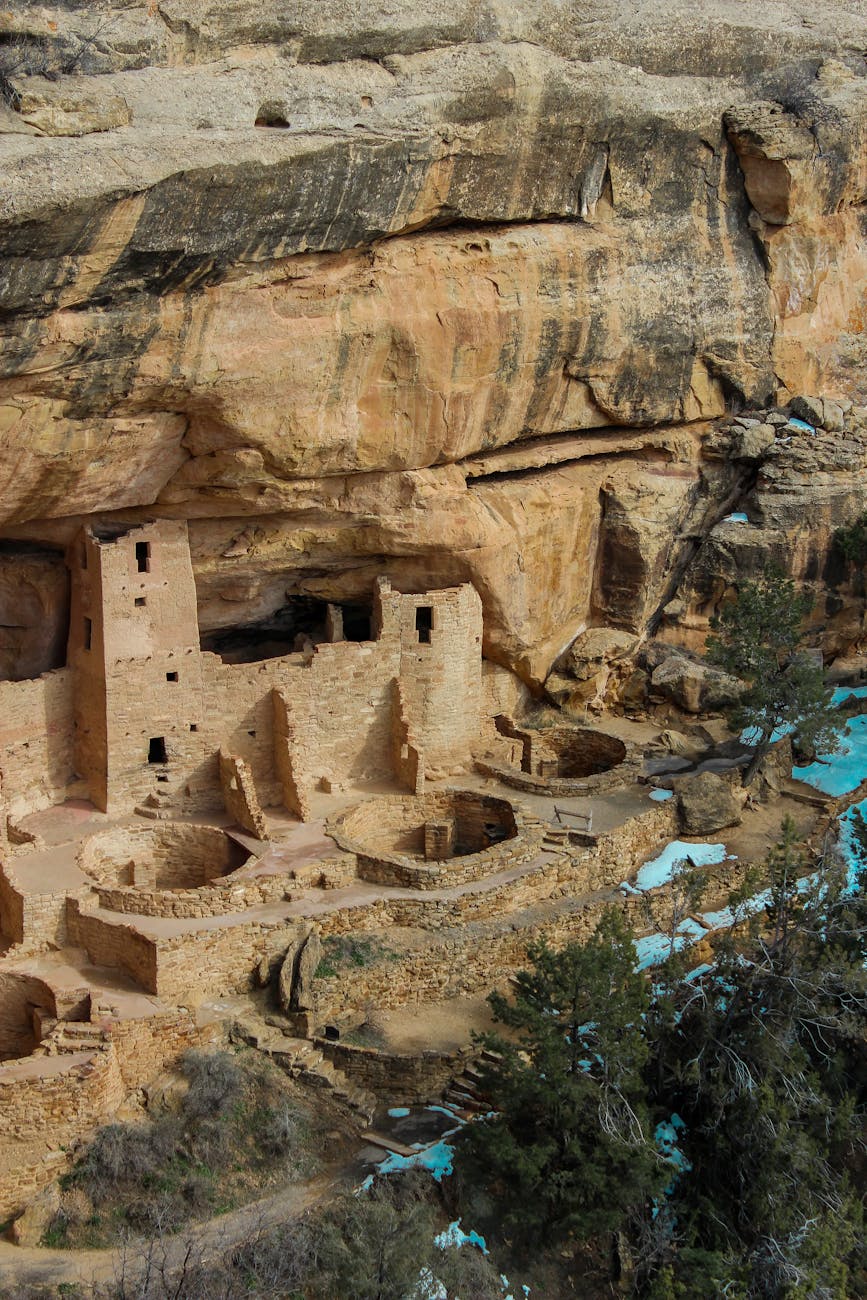
Despite periods of environmental stress and challenges, the resilience of the Ancestral Puebloans is reflected in their ability to adapt to change and maintain their cultural identity. The rich tapestry of their everyday lives, intertwined with spirituality, art, and community, tells a story of a civilization that thrived in harmony with its surroundings. Their cultural significance extends far beyond the physical remnants left in the cliffs; it resonates in the ongoing traditions of present-day Puebloan descendants who honor their heritage and keep their ancestral stories alive.
Preservation and Protection Efforts
Preserving the remarkable history and archaeology of Mesa Verde has been a priority since the area was designated a national park in 1906. As one of the first national parks to focus on preserving cultural resources, Mesa Verde has set the standard for archaeological preservation and education. The establishment of the park reflects a recognition of the significance of the Ancestral Puebloan heritage and the urgent need to protect these irreplaceable sites from erosion, environmental factors, and human impact.
One of the earliest efforts to protect the structures involved stabilizing the cliff dwellings to prevent further deterioration. Park rangers and archaeologists have employed innovative methods to monitor and maintain the integrity of the buildings, utilizing both traditional techniques and modern technology like 3D modeling. The delicate balance between preservation and allowing public access poses challenges, leading to carefully managed visitor programs that educate without compromising the structural integrity of the dwellings.
In addition to physical preservation, documenting the history and archaeological findings has been essential in promoting understanding. Research initiatives have expanded our knowledge of Ancestral Puebloan life through excavations, scientific analysis, and collaboration with Indigenous scholars. Educational programs offered at the park provide visitors with insights into the history, cultural significance, and ongoing relevance of the Mesa Verde sites, fostering a deeper appreciation for the ancestral connections to the present-day Pueblo communities.
Furthermore, the collaboration between the National Park Service and Native American tribes plays a crucial role in the preservation efforts. Engaging with Indigenous perspectives ensures that practices rooted in respect, mutual understanding, and cultural sensitivity guide the preservation work. These partnerships are vital for conveying the importance of the landscapes to the ancestral communities who continue to hold a spiritual connection to the land.

Moreover, challenges persist in the face of climate change, which poses threats to both the physical sites and the ecosystems surrounding them. Alterations in precipitation patterns and increased temperatures can lead to erosion, destabilizing the structures and affecting the water resources essential for maintaining delicate ecosystems. As a result, ongoing research aims to monitor environmental changes and develop adaptive strategies for preservation.
In conclusion, preservation efforts at Mesa Verde reflect a commitment to safeguarding history for future generations. The combination of scientific innovation, Indigenous collaboration, and educational outreach enhances appreciation for the Ancestral Puebloan heritage. By promoting understanding and stewardship of these sites, we can ensure their significance continues to inspire and educate countless visitors while honoring the enduring legacy of the Puebloan people.
Visitor Experience and Education
Visiting Mesa Verde National Park offers a unique opportunity to experience the rich history and culture of the Ancestral Puebloans firsthand. The park welcomes visitors to explore the spectacular cliff dwellings, engage in educational programs, and connect with the natural landscape that shaped the lives of those who once called this place home. A well-designed visitor experience creates lasting memories while deepening respect for the cultural treasures found within the park.
The highlight of any visit is undoubtedly the opportunity to tour some of the most significant cliff dwellings, such as Cliff Palace, Long House, and Balcony House. These tours, led by knowledgeable rangers, provide a comprehensive understanding of the architectural innovations, daily lives, and spiritual beliefs of the Ancestral Puebloans, enhancing visitors’ appreciation for their ingenuity amidst the rugged terrain. The intimate setting of the cliff dwellings offers an immersive experience, allowing guests to walk through history as they navigate the same pathways once taken by those ancient inhabitants.
In addition to guided tours, the park offers an array of educational programs and interpretive exhibitions. The Chapin Mesa Archeological Museum showcases artifacts, photographs, and displays that contextualize the Ancestral Puebloan culture, providing deeper insight into their social, agricultural, and spiritual practices. These resources allow visitors to learn not only about the structures themselves but also about the people who lived in them, fostering a connection between the past and present.
Moreover, the park encourages engagement with the surrounding environment through outdoor activities such as hiking and photography. Scenic trails lead to breathtaking vistas of the cliff dwellings and the natural beauty of the region, creating opportunities for introspection and appreciation of the landscape. Participating in ranger-led hikes or workshops allows visitors to immerse themselves in the ecological and cultural aspects of Mesa Verde, promoting a holistic understanding of the interconnections between land, culture, and community.
The daily encounters with the cultural significance of Mesa Verde encourage respectful stewardship. The park provides resources and guidelines for visitors to promote ethical behavior, ensuring the preservation of these historic sites for future generations. Through educational campaigns and interpretive signage, park officials emphasize the importance of leaving no trace and engaging with the environment responsibly.
In conclusion, Mesa Verde National Park serves as a bridge connecting visitors to the profound legacy of the Ancestral Puebloans. By providing opportunities for exploration, education, and engagement, the park fosters a deep appreciation for not only the remarkable cliff dwellings but also the cultural narratives that continue to resonate today. Enhanced by thoughtful preservation efforts, the visitor experience at Mesa Verde is designed to inspire a sense of connection and responsibility toward heritage and the natural world.
Conclusion
In summary, Mesa Verde National Park stands as a monument to the remarkable history of the Ancestral Puebloans, offering a rich tapestry of narratives woven through centuries of adaptation, resilience, and artistry. From their origins and agricultural innovations to the architectural marvels they crafted, the legacy of these ancient people is preserved in the cliff dwellings and cultural practices that continue to influence present-day communities.
The preservation efforts initiated over a century ago have laid the groundwork for ongoing education, research, and stewardship, ensuring that the stories of the Ancestral Puebloans continue to be shared and celebrated. Through the visitor experience, connections are forged between the past and present, promoting a profound understanding of the cultural significance of these sites.
As we explore the hidden cities nestled within the cliffs, it becomes essential to honor the spirit of the Ancestral Puebloans and recognize our collective responsibility for preserving their heritage. In doing so, we not only safeguard the physical manifestations of their history but also foster respect for the enduring cultural legacies that resonate across generations. Mesa Verde is more than a historical site; it is a living testament to the strength and ingenuity of a once-thriving civilization, inspiring all who venture into its majestic cliffs.