
Introduction
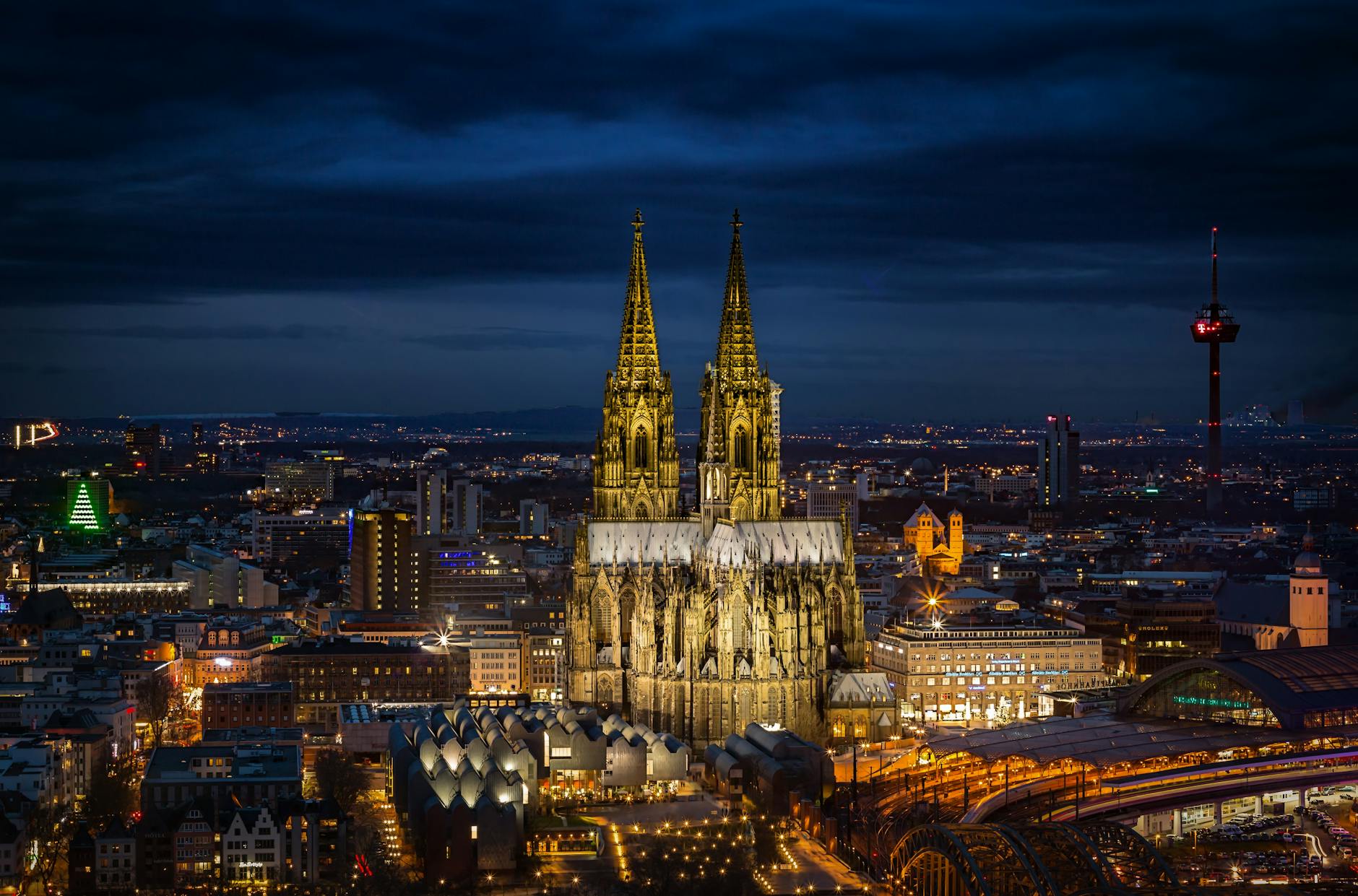
Cologne Cathedral, an iconic symbol of resilience and beauty, stands proudly as one of Germany’s most remarkable architectural feats. Designated a UNESCO World Heritage Site, its history dates back to the early 13th century when construction began in 1248. The cathedral is renowned not only for its breathtaking Gothic architecture but also for its enduring spirit, symbolized by its survival during the bombings of World War II. With this article, we delve into the rich history of Cologne Cathedral, exploring its architectural vision, the challenges it faced throughout the centuries, particularly during the turbulent times of the Blitz, and the measures taken for its restoration. Furthermore, we will reflect on its cultural significance in contemporary times, solidifying its status as a treasured landmark that continues to inspire millions globally.
The Beginnings of Cologne Cathedral: Architectural Vision and Design
The story of Cologne Cathedral begins in the early medieval period, a time when the Romanesque architectural style dominated Europe. However, as spiritual aspirations grew, a shift towards the Gothic style emerged, characterized by soaring structures, intricate details, and an emphasis on verticality. The vision for the cathedral was conceived in the mid-1200s, fueled by a desire to create a grand edifice that would house the relics of the Three Wise Men, believed to be located in the city since the 4th century.
In 1248, construction officially commenced under the guidance of the architect Gerhard von Reichersberg. The initial design was ambitious, aiming to surpass the grandeur of other cathedrals of the time, such as Notre-Dame in Paris. The layout followed the classic Latin cross pattern, with a long nave, transept, and high altar that would ultimately reach an impressive height of 157 meters once completed—making it one of the tallest cathedrals in the world.
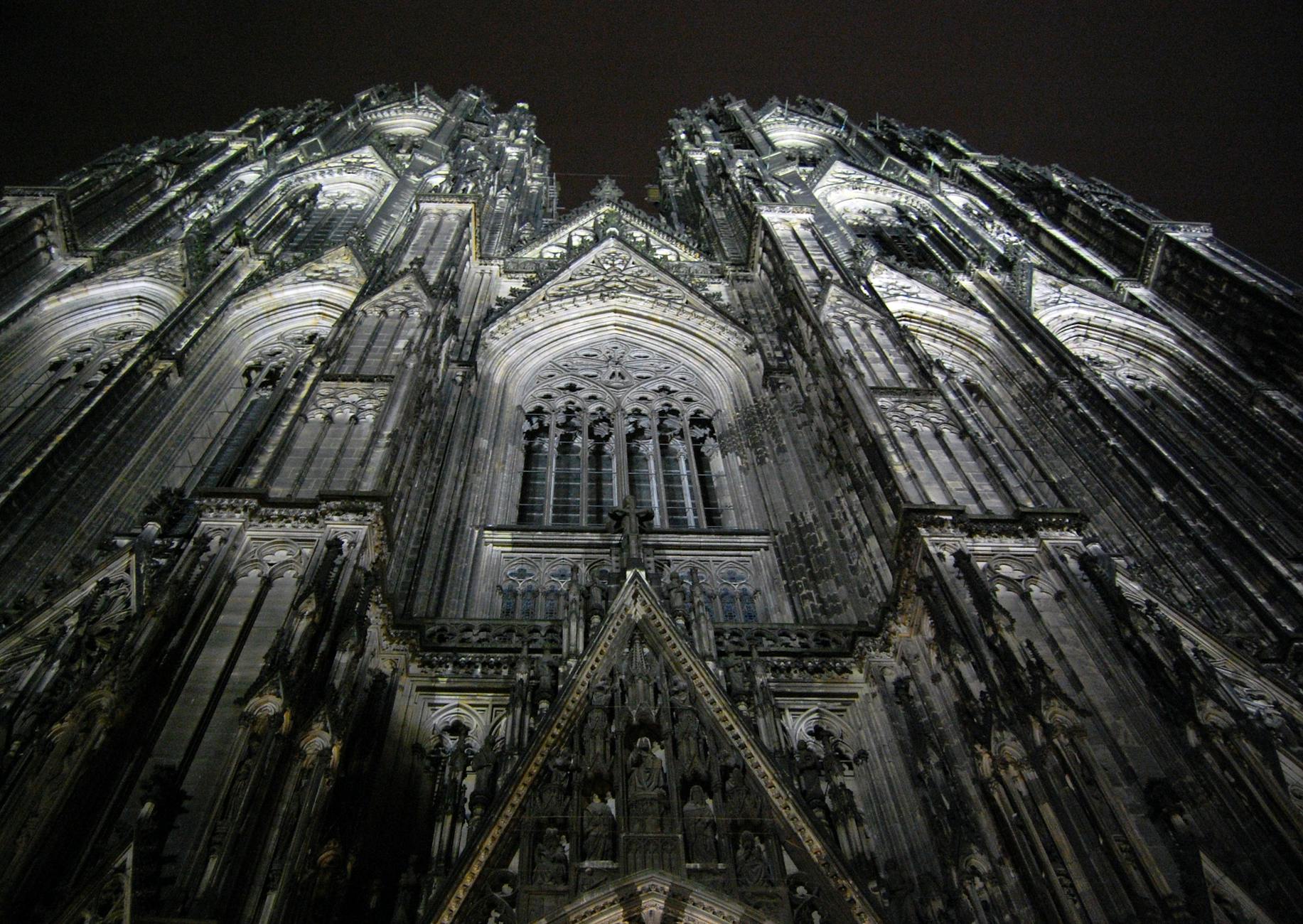
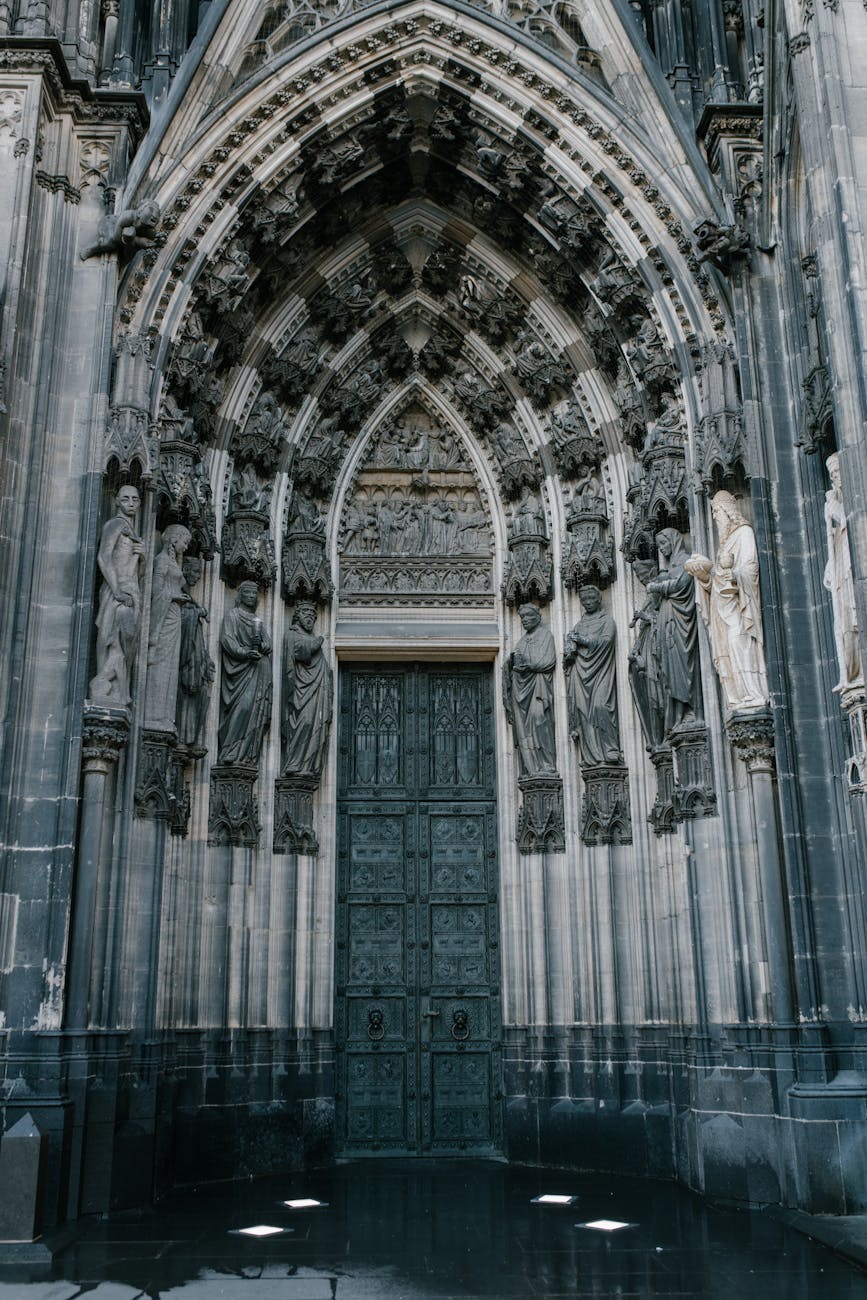
One significant feature of the Cologne Cathedral is its intricate façade adorned with thousands of sculptures depicting biblical figures, saints, and allegorical representations. This attention to detail not only reflects the artistry of the period but also serves as a storytelling medium, delivering religious narratives to the largely illiterate populace of the time.

The construction faced various hurdles, including funding issues, political instability, and changing architectural styles. Observing the aspirations of medieval society, the cathedral’s design evolved through the years as new trends emerged, complicating its construction timeline. By the late 15th century, the project had slowed significantly, and only parts of the cathedral had been finished. The original designers had envisioned a magnificent structure, but the financial and logistical challenges meant that it remained partly completed for centuries.
Despite its halted progress, Cologne Cathedral became a central aspect of city life. Pilgrimages to see the relics of the Three Wise Men drew visitors from afar, creating a sense of urgency to complete the structure. This influx of visitors showcased the cathedral’s potential economic benefits and fueled local support.
The 19th century brought renewed interest in the cathedral. The Romantic movement inspired a wave of restoration projects, which aimed to complete the cathedral according to the original plans. The completion of the western towers in 1880 signified a renaissance of Gothic architecture and cemented the cathedral’s status as a national symbol of Germany.
It was during this period that the cathedral’s significance extended beyond religion. It became a National Monument, representing German unity and cultural identity. As the world entered the 20th century, Cologne Cathedral stood as a testament to human perseverance and creativity.
The architectural vision of Cologne Cathedral, infused with spiritual significance and cultural ambition, continues to inspire awe in visitors today. As an important piece of historical and architectural heritage, it reminds us of the dedication and passion that shaped its existence—a true beacon of resilience that has survived both time and tumult.
The Construction Journey: Challenges and Milestones
The construction journey of Cologne Cathedral is a tale rich with challenges, resilience, and remarkable milestones. After its inception in 1248, the project faced an array of obstacles that would span several centuries, shaping both the structure and the city surrounding it.
The first monumental task was securing funding and labor. As the project began, Cologne was a prosperous city due to trade routes along the Rhine. However, financial strains periodically hindered construction efforts. The reliance on donations from local citizens, nobles, and the church became essential. As thrilling as the initial phases were, they quickly met the realities of finance, requiring creative approaches to resource gathering.
One of the early challenges was the innovative architectural design that aimed to create a structure that was not only religious but a visual marvel. The introduction of flying buttresses—an architectural feature that supports walls by distributing weight—was revolutionary. While the design drew both admiration and awe, it revealed the existing limitations of construction techniques during the 13th century. As a result, early structural failures occurred before the cathedral’s full height was achieved, forcing architects to rethink their approaches and adapt to the turbulent conditions.
Milestones were celebrated throughout the construction process. Each completed arch, column, and spire was a testament to the faith and diligence of both architects and laborers. The first major milestone came in 1322 when the Gothic choir was consecrated, allowing for worship conducted within its walls, highlighting the site’s spiritual importance even before its full completion.
As construction progressed into the late 14th century, political upheaval and economic challenges plagued the city of Cologne. The Black Death, wars, and changing religious influences all took a toll on the ambitions for the cathedral. By the early 16th century, work slowed dramatically as attention shifted to other pressing societal issues. The new Renaissance style began to emerge, leading to debates about the appropriateness of continuing the Gothic design. Detractors proposed a more modern architectural approach, but the original vision persevered through the dedicated efforts of those who believed in the cathedral’s purpose.
A significant advancement occurred in the 19th century, instigated by a national revival of interest in Gothic architecture. The cathedral’s completion became a patriotic project, and modern engineering techniques allowed the original designs to finally be realized. Amidst these developments, the original blueprints and the careful documentation by architects such as Ernst Friedrich Zwirner guided the project toward a triumphant completion in 1880 when the last of the spires arose.
This period saw not just a physical completion of the building, but also the culmination of historical significance. It stood as an emblem of unity for a freshly unified Germany, showcasing the nation’s dedication to cultural identity and heritage. Thousands gathered at the cathedral to celebrate its completion, highlighting its role as a vital center of religion and community life.
Despite the adversities faced, the construction journey of Cologne Cathedral exemplifies the human spirit’s indefatigable pursuit of beauty, spirituality, and identity. Each challenge overcame only added to its character, transforming it into an unmistakable symbol of faith and artistry. The cathedral’s story is, ultimately, a reflection of the city itself—a place where resilience and commitment to shared values endure through the ages.
The Role of Cologne Cathedral During World War II
The role of Cologne Cathedral during World War II is characterized by its remarkable resilience amidst widespread destruction. As one of the few monuments that stood the test of time in the face of adversity, the cathedral became both a symbol of hope for the local population and a strategic focal point during the war.
The onset of the war brought immediate changes to Cologne and its inhabitants. With its strategic location, Cologne was heavily bombed due to its role as a key industrial center and transportation hub for the Nazis. The Allied forces recognized that destroying this city would severely diminish Germany’s logistical capabilities. As a result, Cologne witnessed intense air raids, particularly during the infamous Operation Millennium in May 1942.
Despite the chaos around it, Cologne Cathedral withstood several bombings. The immense height and prominent position of the cathedral allowed it to be discerned from great distances, serving as a reference point for both pilots and residents amidst the turmoil of urban warfare. This aspect made it a rallying point for the city’s inhabitants, reinforcing their determination to maintain their cultural and spiritual heritage, even amid the horrors of war.
However, the cathedral was not entirely unscathed. The relentless bombings inflicted significant damage, shattering stained glass windows, damaging the façade, and weakening structural integrity in various sections. Although these impacts were alarming, the overall structure held firm, a testament to the architects’ vision and engineering prowess centuries earlier.
For the Allied forces, the cathedral became a symbol of national identity they aimed to restore following the war. The importance of preserving the cathedral was emphasized by the Allied command, who, in a rare decision, chose to avoid bombing it, hoping to spare it from more destruction. This decision reflected a recognition of its significance not only for Cologne but also for Germany’s cultural heritage overall. The cathedral became a poignant symbol that transcended the war’s narratives, representing the possibility of unity and healing.
As the war progressed, the cathedral played an active role as a sanctuary for those seeking refuge from the assaults. Its towering spires provided solace, where the community gathered to pray for peace and safety. The church’s resilience inspired the local population, giving them strength to endure through the devastation that engulfed the city. While the air raids raged on, the cathedral stood as a reminder of faith, continuity, and collective memory amid the chaos.
The war ended in 1945, leaving Cologne in ruins, although Cologne Cathedral remained a recognizable landmark. Following the war, extensive damage assessments commenced, and the need for restoration became urgent. The cathedral’s survival amid the bombing campaigns carried an emotional weight—reflecting the resilience of Cologne itself. Nevertheless, the struggles of the tumultuous years during the war illustrated not only the fragility of human endeavors but also the profound tenacity of cultural identity.
In the post-war reconstruction era, the significance of the cathedral’s survival arguably transformed. It became a metaphor for recovery and reconciliation, serving as a reminder that though war breeds destruction, what remains can emerge as a potent symbol of hope and regeneration. Today, visitors to Cologne Cathedral are often reminded of the sacrifice and resolve it represents, reinforcing its place not just in local history, but in the broader narrative of resilience against adversity.
The Restoration Efforts Post-War
The restoration efforts for Cologne Cathedral following World War II were monumental, reflecting both the architectural heritage of the site and the community’s determination to heal from the ravages of war. With extensive damage from bombings, the cathedral emerged from the war as a symbol of resilience, preservation, and cultural rebirth.
Immediately after the conflict ended in 1945, it was crucial to assess the extent of the damage inflicted on the cathedral. Many of its stunning stained glass windows had been shattered, and large sections of its decorative elements had suffered under bombardment. The iconic twin spires stood intact; however, the façade bore numerous scars. The damage was particularly heartbreaking given the cathedral’s historical significance and its role as a unifying symbol for Cologne.
The restoration efforts were initiated promptly with a collaborative approach involving architects, historians, artists, and the local community. The meticulous work required not only skillful artisans but also a comprehensive understanding of historical techniques used in original compositions. Various restoration practices were employed, including careful analysis of existing fragments, which served as guides to replicate the original designs where necessary.
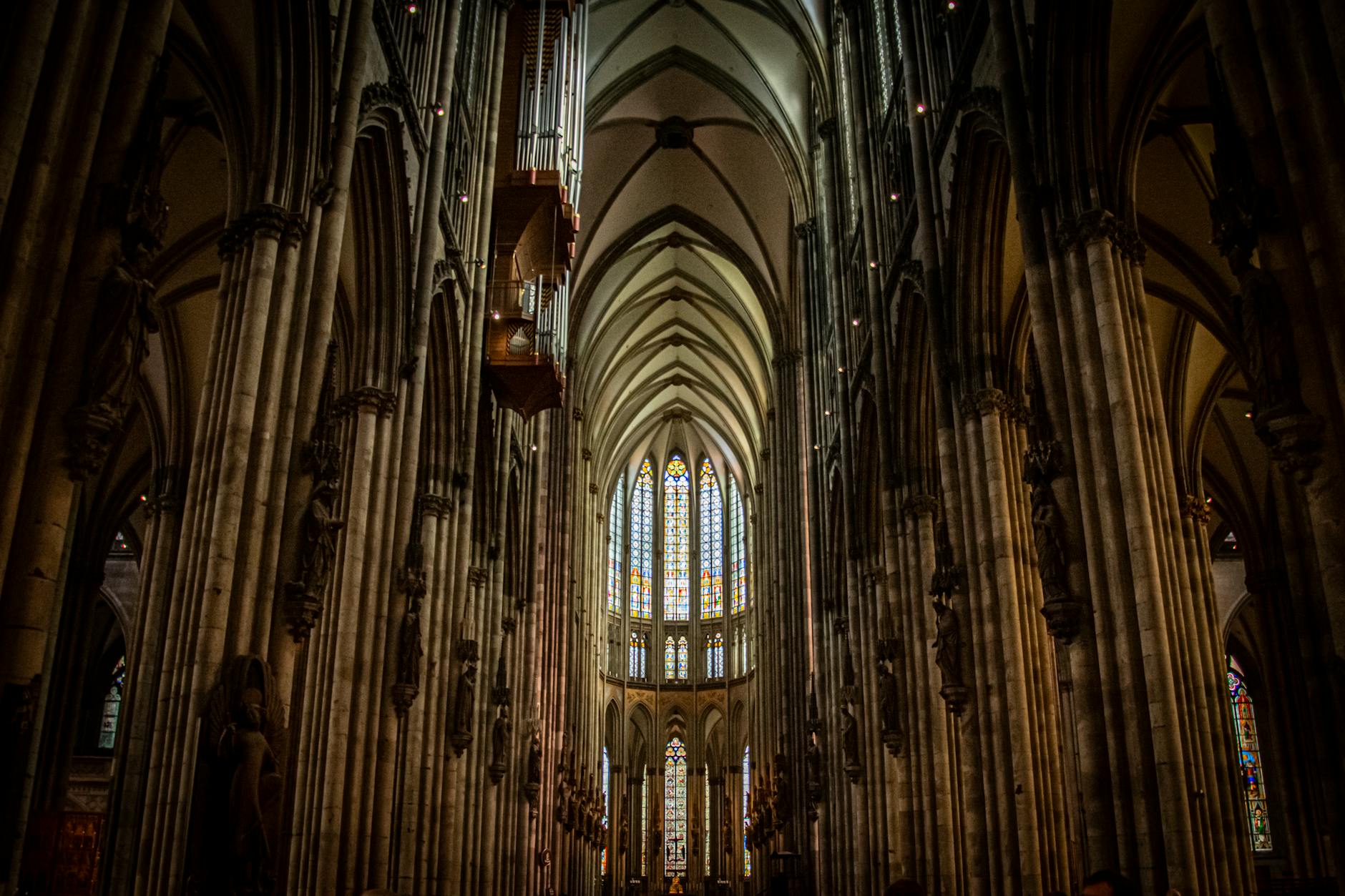
Among the priorities was the replacement of the stained glass windows. Many of the original glass artworks had been created by master artisans throughout the centuries, depicting biblical scenes and offering splendor to the interior ambiance. Although replicating such masterpieces was daunting, local artists and craftsmen dedicated themselves to reviving the lost beauty of the cathedral. They imbued new glass with techniques that would ensure authenticity and connection to the original works.
Incorporating modern techniques alongside traditional craftsmanship became necessary to ensure longevity and fidelity to historical aesthetics. The restoration projects adopted innovative solutions carefully integrated with original materials and styles, allowing the integrity of the cathedral to withstand not only current environmental challenges but future threats as well.
As the restoration progressed, public interest soared. The people of Cologne were invested in the revival of their historical center, volunteering their time and resources to assist in fundraising efforts. They hosted events and campaigns, emphasizing the importance of the cathedral not just as a religious site, but as a symbol of their identity and collective healing. As the community rallied around the restoration, the efforts transformed the project into a shared endeavor, deepening the bond between the cathedral and the citizenry.
The culmination of these extensive restoration efforts was realized when Cologne Cathedral was reopened to the public in 1956, more than a decade after the war had ended. The restored structure stood not only as a church but as a testament to the community’s resilience and a beacon of hope for future generations. It served to remind both locals and visitors alike that even from the depths of despair, beauty could emerge anew.
The successful restoration of Cologne Cathedral has inspired countless similar projects around the world, showcasing the importance of architectural heritage preservation. It illustrates how societies can learn from their histories while rekindling connections to their cultural identities amidst challenges. Walking through the cathedral today, visitors can appreciate the artistry as well as the dedication behind each intricate design and detail, symbolizing a narrative of recovery that resonates far beyond the immediate walls.
The story of Cologne Cathedral’s restoration is a powerful reminder of the human spirit’s capability to confront turmoil with grace, challenging the notion of inevitability in the face of destruction and proving that beauty can indeed rise from the ashes.
Cologne Cathedral Today: Significance and Cultural Impact
Cologne Cathedral today stands as a vibrant symbol of cultural significance, architectural magnificence, and spiritual devotion. As one of Germany’s most visited landmarks, it attracts millions of visitors each year, eager to experience its breathtaking beauty and learn about its rich history. Its status as a UNESCO World Heritage Site underscores its importance, not only as a monument but as a representation of human ambition and achievement.
The cathedral’s architectural marvel resonates through its grand Gothic design, featuring 56 large columns, intricate sculptural details, and soaring vaults that reach the heavens. The majestic twin spires, towering at over 157 meters, dominate the skyline of Cologne, drawing visitors from across the globe who come to gaze upon the intricate craftsmanship and artistry that has endured through centuries. The façade, adorned with countless statues and bas-reliefs, tells the stories and beliefs that have enveloped the structure since its early days, making it an open book of history for those who walk through its doors.
Beyond its architectural grandeur, Cologne Cathedral serves as an active place of worship today. The community gathers here for Mass and various religious ceremonies, ensuring that its spiritual significance continues to thrive. It is a center for not only Catholic faith but also ecumenical activities, reflecting the nature of modern religious communities that seek unity beyond denominational divides.
Culturally, the cathedral has become a symbol of identity for the people of Cologne. It features prominently in festivals, celebrations, and public events, embodying the spirit of the city. Whether during Christmas with its themed markets surrounding the cathedral or during the annual Cologne Carnival, the cathedral serves as a backdrop for community gathering and cultural expression. Its presence fosters a sense of belonging and pride, reinforcing its status as a cultural landmark that transcends its physical structure.
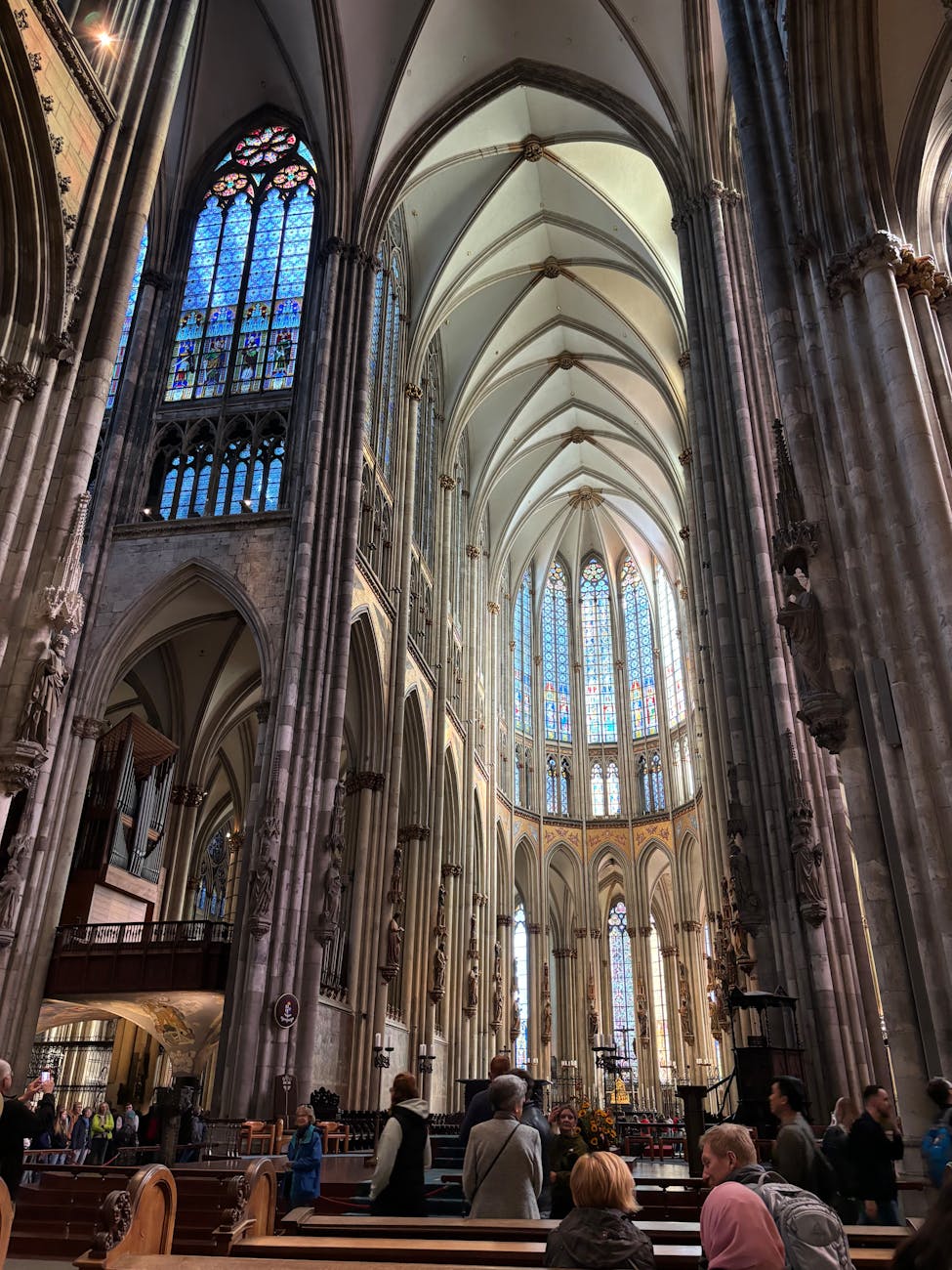
Educational endeavors also play a crucial role in the cathedral’s modern identity. Guided tours, workshops, and programs are regularly organized, welcoming thousands of school children and tourists for immersive experiences that delve into the history of the cathedral, the intricacies of its architecture, and its impact throughout German history. This educational approach ensures that the stories behind its walls are shared, allowing future generations to appreciate its significance and the lessons etched into stone.
Furthermore, the cathedral has embraced modernity through innovative initiatives that incorporate technology. Digital tools and virtual tours have expanded accessibility, allowing visitors unable to visit in person to experience its beauty from afar. This approach combines historical appreciation with modern technology, bridging the gap between the past and the future, and ensuring the cathedral remains relevant in an ever-evolving society.
Cologne Cathedral also plays a part in civil society discussions, symbolizing unity and tolerance in a world often fraught with division. Its resilience throughout history sends a profound message about the importance of perseverance, hope, and the enduring nature of cultural heritage. In a time when many fear losing their identity in a rapidly globalizing world, the cathedral stands as a reminder of the collective history that shapes our understanding of who we are.
In summary, Cologne Cathedral thrives today as more than just a monument; it is an embodiment of resilience, beauty, and community. Its continued relevance reflects the profound impact of architectural achievements on cultural identity, weaving together stories of faith, hope, and perseverance that resonate throughout the ages. As it welcomes new visitors with each passing day, it invites all to partake in the legacy of a remarkable site that has borne witness to history and continues to inspire all who cross its threshold.
Conclusion
Cologne Cathedral represents a fusion of architectural brilliance and a powerful narrative of resilience. Its history, from its ambitious beginnings to surviving the perils of war and the determination of restoration, reflects the tenacity of those who fought to preserve their cultural heritage. As a UNESCO World Heritage Site, it has transitioned from a mere religious structure to a symbol of unity and identity for Cologne and Germany as a whole. Today, it stands proudly as a testament to the power of community, the importance of historical preservation, and the ability to transcend adversity. Visitors not only see a magnificent structure but also feel the intricate tapestry of stories, love, faith, and hope woven through its stone walls. Cologne Cathedral is not just an architectural wonder; it is a living symbol of the enduring spirit of humanity, inviting all to reflect upon its splendor and the lessons it imparts for generations to come.







[…] architecture, and the vibrant culture that permeates daily life. From the captivating Stone Town, a UNESCO World Heritage site, to the idyllic beaches of Nungwi and Kendwa, there is something for everyone. This guide will […]
[…] Verde, located in the southwestern United States, is a UNESCO World Heritage Site that unveils the profound history of the Ancestral Puebloans. This captivating region, […]
[…] as a testament to medieval architecture and history, captivating the hearts of all who visit. This UNESCO World Heritage site, with its winding cobblestone streets and enchanting Renaissance buildings, transports […]
[…] Budapest, showcasing the city’s rich history and stunning architectural masterpieces. This UNESCO World Heritage site sits atop a hill, offering breathtaking views of the Danube River and the Pest side of the […]
[…] canals are not just a picturesque backdrop; they are the lifeblood of the city and a UNESCO World Heritage site. The waterways were constructed in the 17th century during the Dutch Golden Age and served as […]
[…] out for its rich Swahili culture, stunning beaches, and unique car-free lifestyle. Designated as a UNESCO World Heritage site in 2001, the island offers a glimpse into the past with its traditional architecture and […]
[…] and Red Square. The Kremlin, a formidable fortress that dates back to the 15th century, is a UNESCO World Heritage site that houses the President of Russia and various government offices. Its high red-brick walls […]
[…] sites is Prague Castle, which is not only the largest ancient castle in the world but also a UNESCO World Heritage site. This magnificent complex, sitting atop a hill overlooking the city, features a mix of […]
[…] in the political and cultural dynamics of the time. The area’s significance is evidenced by the UNESCO World Heritage designation of the Loire Valley, highlighting its unique blend of natural beauty and historical […]
[…] Cristóbal de La Laguna, a UNESCO World Heritage city, is one of the best places to experience Tenerife’s colonial past. Its well-preserved […]
[…] royal lineage and architectural evolution. From a fortress of antiquity to its current status as a UNESCO World Heritage Site, the castle invites exploration and admiration, chronicling the enduring spirit of the Scottish […]
[…] as a cultural icon that attracts millions of visitors from around the globe. Its inclusion as a UNESCO World Heritage Site underscores the castle’s historical, architectural, and cultural […]
[…] embodies the intricate tapestry of Tibet’s history, culture, and spirituality. Recognized as a UNESCO World Heritage site, this architectural marvel not only serves as a symbol of Tibetan Buddhism but also stands as a […]