Introduction
The Hermitage Museum, located in St. Petersburg, Russia, stands as a monumental testament to the rich tapestry of Russian culture and history. Founded in 1764 by Catherine the Great, the museum has evolved over centuries into one of the world’s largest and most prestigious art institutions. With its vast collection of over three million items, ranging from ancient artifacts to contemporary artworks, the Hermitage offers a unique glimpse into the artistic and cultural development of different eras and regions. Visitors are not merely spectators of art; they embark on a journey through history, experiencing the narratives and events that have shaped not only Russia but also the broader world. The museum is not just a sanctuary for art but a pivotal cultural hub that hosts exhibitions, educational programs, and community events, making the Hermitage an enduring symbol of heritage and creativity.
The Founding of the Hermitage Museum
The inception of the Hermitage Museum can be traced back to the ambitions of Empress Catherine the Great, who was determined to cultivate a vibrant cultural and artistic landscape in Russia. In 1764, she acquired a remarkable collection of 225 paintings from a Berlin merchant, which marked the humble beginnings of what would soon transform into a grand museum. The choice to house these artworks in a former Winter Palace reflected Catherine’s vision of making art accessible to the public and fostering an appreciation for cultural heritage.
Catherine’s commitment to the arts extended beyond mere acquisition; she actively collected pieces that aligned with her aesthetic preferences and philosophical ideals. This commitment laid the groundwork for a remarkable collection that encompassed European masterpieces alongside Russian art forms. The museum’s name, “Hermitage,” derives from the French word “ermitage,” which means “a place of solitude,†aptly describing the serene environment that Catherine envisioned for her artistic sanctuary.
Throughout the late 18th and 19th centuries, the Hermitage continued to grow, bolstered by the contributions of subsequent rulers who expanded the collection with notable pieces from across Europe. Tsar Alexander I and Tsar Nicholas I further enhanced its holdings by acquiring art from the Napoleonic Wars and commissioning works from talented Russian and European artists. The museum evolved to reflect a cultural dialogue between Eastern and Western art, highlighting an integration of styles and techniques that enriched the Russian artistic landscape.
As the Hermitage expanded, so did its architectural footprint. The museum’s complex consists of several buildings, each showcasing different architectural styles that narrate the evolution of Russian design. The highlight is the main building, the Winter Palace, an opulent structure that showcases Baroque and Neoclassical design elements. The palace’s grandeur provides a fitting backdrop for the rich artistic treasures housed within.
The establishment of the Hermitage represented more than a personal collection; it was a reflection of Catherine’s ambitions for Russia’s cultural prominence on the global stage. Through her vision, the museum became a crucial player in the international art scene, illustrating how art can transcend borders and foster mutual understanding among diverse cultures.
Today, the Hermitage continues to build upon its legacy, hosting a wealth of exhibitions featuring artists from around the world, thereby remaining a vibrant and relevant institution. Its founding story serves as a reminder of the transformative power of art and the importance of cultural institutions in preserving and promoting heritage for future generations.
Architectural Marvels of the Hermitage
The architectural splendor of the Hermitage Museum is as compelling as the art it houses. The complex encompasses several buildings, primarily the Winter Palace, which served as the residence for Russian emperors and is an embodiment of imperial power and elegance. Constructed between 1754 and 1762 under the direction of Bartolomeo Rastrelli, the Winter Palace is a striking example of Rococo architecture, characterized by ornate detailing, gold leaf accents, and a vibrant color palette that commands attention.
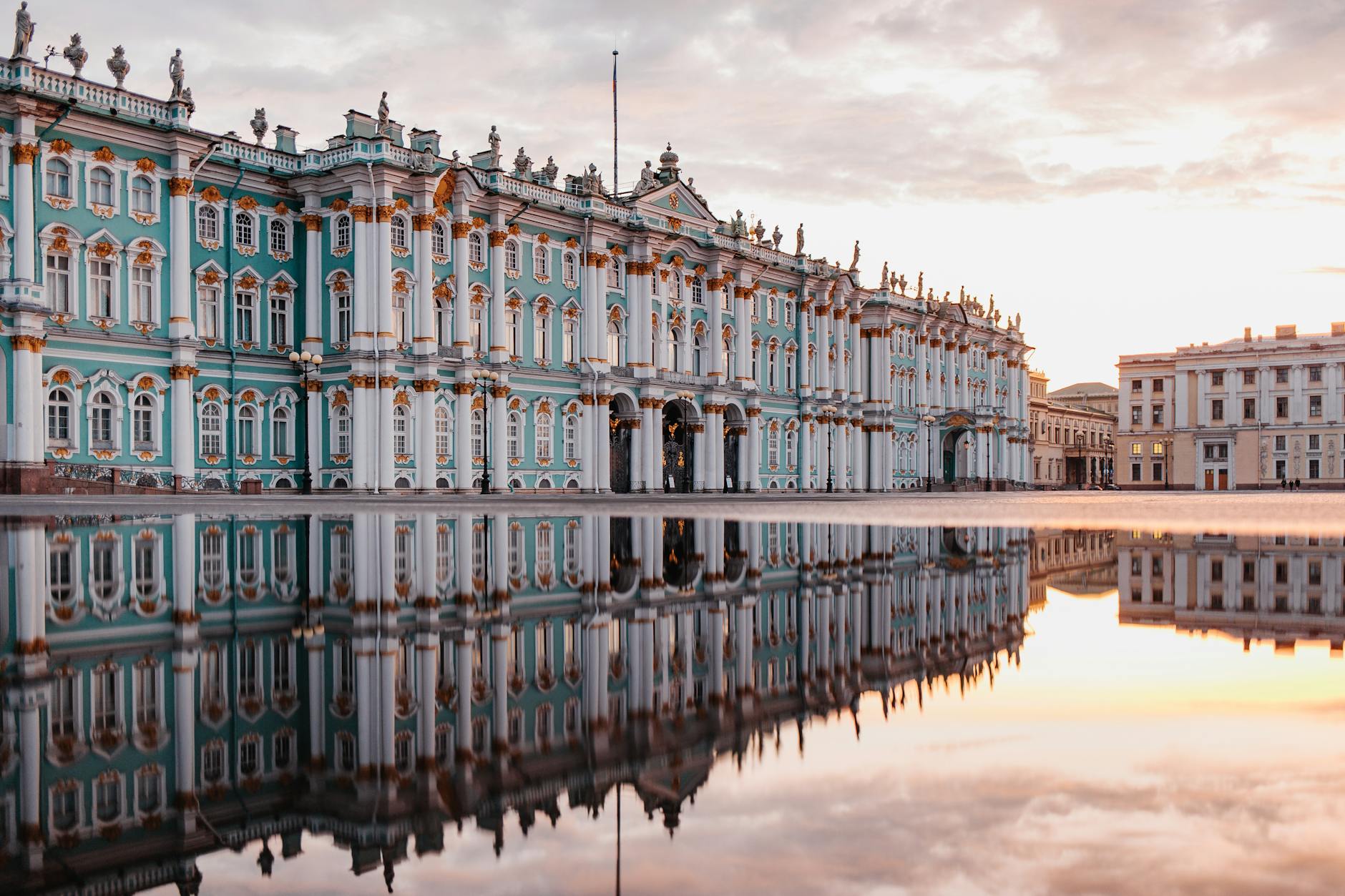
The façade of the Winter Palace is adorned with intricate stucco work and sculptures, creating a visual narrative that captures the opulence of the Russian imperial court. The palace’s design features a harmonious blend of spaces, including grand staircases, expansive halls, and intimate galleries. The lavish interiors are as impressive as the exterior, with opulent furnishings and decorative arts reflecting the period’s artistry.
Complementing the Winter Palace are several other buildings within the Hermitage complex, including the Old Hermitage, the New Hermitage, and the Hermitage Theatre. Each structure contributes to the museum’s architectural narrative, showcasing various styles that chronicle Russia’s historical and cultural evolution. The Old Hermitage, built in the early 19th century, serves as a gallery space, housing important collections of Western European art.
The New Hermitage, constructed in the mid-19th century, was designed to accommodate the expanding collection and features a breathtaking collection of Greek and Roman antiquities. This building is notable for its innovative use of natural light, allowing art to be displayed in a manner that enhances its beauty and context. The galleries within the New Hermitage also reflect a significant focus on the accessibility of art to the public, aligning with Catherine the Great’s vision of making art an integral part of social life.
Beyond the architectural marvels, the Hermitage also incorporates modern elements, such as the General Staff Building, which was renovated to host contemporary exhibitions and loaned artworks from other institutions. This blending of historical and modern architecture underscores the Hermitage’s dedication to remaining a dynamic cultural institution while honoring its rich past.
The architectural features of the Hermitage serve not only as a backdrop for art but also as a narrative of the evolution of Russian architecture itself. Each building tells a story of the artists, architects, and leaders who committed themselves to creating a cultural legacy that transcends time. Visitors find themselves enchanted not just by the collection of art but also by the very spaces that house them, each corner inviting exploration and reflection.
As the museum continually embraces modernity, it ensures that the architectural integrity remains intact, striking a delicate balance between historic preservation and contemporary innovation. The Hermitage Museum stands as a prime example of how architecture can serve to create an experience that goes beyond the visual, inviting visitors into the rich, layered stories of a nation’s cultural heritage.
The Collections: A Window into Art History
The Hermitage Museum’s collections are a veritable treasure trove, offering an extensive survey of global art spanning various epochs and cultures. With over three million items, the museum is not merely a repository of artifacts; it serves as a narrative thread that weaves together the histories, philosophies, and artistic expressions of humanity.
The museum’s core collection of European art includes masterpieces from renowned artists such as Rembrandt, Michelangelo, and Raphael. The Russian portrait gallery, which features works from the 18th and 19th centuries, is particularly impressive, showcasing pieces by Russian artists like Ivan Kramskoy and Ilya Repin, who captured the essence of the Russian spirit through their brushstrokes. This segment of the collection paints a vivid portrait of the social dynamics, cultural identity, and historical events of the time.
In addition to European masterpieces, the Hermitage boasts an exceptional collection of Asian art, including Chinese, Japanese, and Indian objects that highlight the richness of Eastern artistic traditions. These include ancient ceramics, intricate textiles, and exquisite sculptures that reflect the philosophical and aesthetic principles underlying Asian art. Visitors can marvel at the craftsmanship and cultural nuances encapsulated in each piece, which together narrate an intercultural dialogue between East and West.
The museum’s collection of antiquities further emphasizes its role in art historical scholarship. The vast array of classical artifacts, including Greek and Roman sculptures, Egyptian mummies, and Mesopotamian tablets, provides key insights into early civilizations and their contributions to collective human heritage. Scholars and students alike gather here to study these pieces, as they represent the foundational underpinnings of art and culture that continue to influence contemporary works.
Moreover, the Hermitage plays host to an array of decorative arts, including applied arts and crafts that reflect the evolution of design and aesthetics across various periods. From elaborately designed Fabergé eggs to ornate furniture and ceremonial objects, these items illustrate the intersection of artistry and functional design, showcasing the skills of craftsmen who imbued everyday objects with beauty and cultural significance.
The museum’s commitment to inclusivity is evident in its efforts to present diverse narratives across its collections. Special exhibitions often spotlight underrepresented artists and movements, providing a platform for marginalized voices within the art world. By engaging with contemporary issues and themes, the Hermitage remains dynamic and relevant, fostering discussions and reflections on the role of art in society.
Furthermore, the institution’s dedication to utilizing cutting-edge technology has enhanced the accessibility of its collections. Virtual tours and digital exhibitions allow audiences worldwide to engage with the Hermitage’s vast trove of artistic treasures from the comfort of their homes, breaking down geographical barriers and democratizing access to art.
Through its diverse and expansive collections, the Hermitage Museum serves not only as a visual feast but also as a vital educational resource. It invites visitors to explore the intricate connections between art, culture, and human experience, encouraging a deeper understanding of how art reflects the complexities of society throughout history.
Various Exhibitions and Cultural Events
The Hermitage Museum is not only an art repository but also a vibrant cultural hub that hosts a diverse range of exhibitions and events throughout the year. These initiatives play a crucial role in engaging the public and fostering a deeper appreciation for the arts and humanities. The museum organizes various exhibitions showcasing thematic displays of both its own collections and traveling exhibits from other museums, ensuring a dynamic experience for every visitor.
One of the standout features of the Hermitage’s exhibition program is its commitment to thematic exhibitions, which focus on specific art movements, historical contexts, or cultural dialogues. These carefully curated exhibitions unite works from different periods and regions, offering visitors an immersive experience that facilitates cross-cultural understanding and appreciation. For example, a recent exhibition may have explored the dialogue between Western and Eastern art, featuring works from renowned artists of both traditions, illustrating how they influenced one another throughout history.
In addition to thematic exhibitions, the Hermitage frequently collaborates with international museums and cultural institutions to host major traveling exhibitions. By bringing in works from museums worldwide, the Hermitage enriches the cultural landscape of St. Petersburg and creates opportunities for visitors to encounter artworks they might not typically have access to. These collaborations exemplify the Hermitage’s role as a global player in the cultural exchange, promoting dialogue between artists, curators, and audiences beyond borders.
The museum’s dedication to education is also manifested in its array of cultural events. Lectures, workshops, and panel discussions are organized regularly, offering visitors deeper insights into the exhibitions and the art world at large. These educational programs not only engage art lovers but also serve the community by breaking down barriers to knowledge and critical discourse surrounding art and culture. For artists, students, and scholars, the Hermitage offers a unique platform for exploration and discussions on contemporary themes, social issues, and artistic innovations.
Moreover, the Hermitage Museum plays host to performances and concerts that intertwine art with various forms of creative expression. This initiative creates an engaging atmosphere that resonates with the creative energies present in the museum. Dance performances, musical recitals, and theatrical shows often take place within the museum’s breathtaking architectural spaces, providing a multisensory experience that immerses audiences in the world of art.
As part of its mission to engage with the community, the Hermitage also initiates special outreach programs aimed at underrepresented groups, including children and students. These programs include guided tours, art appreciation workshops, and collaborative projects with local schools, ensuring that the arts remain accessible to the broader public. By nurturing creativity in young minds, the museum fosters a love for the arts that transcends generations.
In response to global events and the evolving landscape of cultural engagement, the Hermitage has also embraced digital initiatives. Virtual exhibitions, online lectures, and interactive experiences allow audiences to connect with the museum from anywhere in the world. By harnessing technology, the Hermitage expands its reach, ensuring that even those unable to visit in person can access its wealth of creative resources.
Overall, the Hermitage Museum’s diverse exhibition and cultural program exemplifies its commitment to promoting art and culture as a means for understanding and connecting humanity. Through its dedication to education and community engagement, the Hermitage fosters an inclusive and vibrant cultural landscape that celebrates the transformative power of art.
The Hermitage in the 21st Century: A Modern Perspective
As we forge ahead into the 21st century, the Hermitage Museum continues to evolve, adapting to contemporary artistic trends while honoring its storied past. This dynamic adaptability is crucial for ensuring the museum’s relevance in an ever-changing cultural landscape. The Hermitage embraces modernity through both its expansion and innovation, positioning itself as a leader among global cultural institutions.
A significant aspect of the museum’s evolution is its commitment to sustainability and responsible stewardship of its collections. The leadership at the Hermitage has recognized the importance of being guardians of not only art but also the environment. Initiatives aimed at reducing the museum’s carbon footprint and promoting sustainability have been implemented, demonstrating a forward-thinking approach to preserving cultural heritage for future generations.
In addition to environmental considerations, the Hermitage strives to enhance visitor experiences through technological advancements. The integration of digital technology into exhibitions offers opportunities for deeper engagement and interactivity. Augmented reality experiences, interactive guides, and mobile apps are designed to enrich the visitor journey, encouraging a more immersive understanding of the artworks and their contexts.
The Hermitage’s acknowledgment of diverse narratives and experiences reflects a broader push for inclusivity in cultural institutions. The museum has placed a greater emphasis on representing marginalized voices and underrepresented artists within its programming. By presenting diverse perspectives, the Hermitage promotes dialogue that resonates with contemporary socio-political themes, fostering understanding and appreciation among diverse communities.
International collaborations continue to play an essential role in the Hermitage’s ongoing relevance. By partnering with global institutions, the museum facilitates cross-cultural exchanges that amplify its artistic and scholarly horizons. This collaboration includes traveling exhibitions and joint research initiatives that delve into modern artistic practices, as well as contemporary cultural phenomena, thus expanding the breadth of its contributions to the global art discourse.
Furthermore, the Hermitage engages actively with the local community, offering programs that invite residents to partake in discussions around art, history, and their own narratives. As a vital component of civic engagement, the museum seeks to break down barriers between art and the public, allowing for diverse voices to contribute to the cultural conversation. This outreach strengthens community ties and cultivates a shared sense of ownership over the cultural heritage represented within the museum walls.
As cultural landscapes continue to shift and transform, the Hermitage Museum demonstrates a commitment to remaining a vital and adaptable institution. By threading its rich legacy with contemporary perspectives, the Hermitage not only honors its past but also embraces the future, continually inviting artists, scholars, and audiences to explore the vast realms of creativity and cultural understanding that lie ahead.
Conclusion
The Hermitage Museum stands as a monument to the rich cultural tapestry that defines Russia and the broader world. Through its storied history, impressive architectural design, vast collections, and commitment to community engagement, the museum has solidified its place as a cornerstone of cultural heritage and artistic expression. From its founding by Catherine the Great to its contemporary relevance in the global art scene, the Hermitage exemplifies the power of art to transcend boundaries, spark dialogue, and foster appreciation.
As the museum embraces modernity and the ever-changing landscape of art and culture, its mission remains steadfast: to preserve and promote the legacy of artistic genius while engaging audiences of all ages and backgrounds. The Hermitage is more than a museum; it is a vibrant cultural institution that invites all to explore the narratives and stories that unite us as a society. By continuing to honor its rich history while forging new paths, the Hermitage Museum serves as an enduring testament to the transformative power of art, inspiring generations to come.
Video: History of the Museum.
History of the Museum. The State Hermitage Museum, St Petersburg Russia