
Introduction
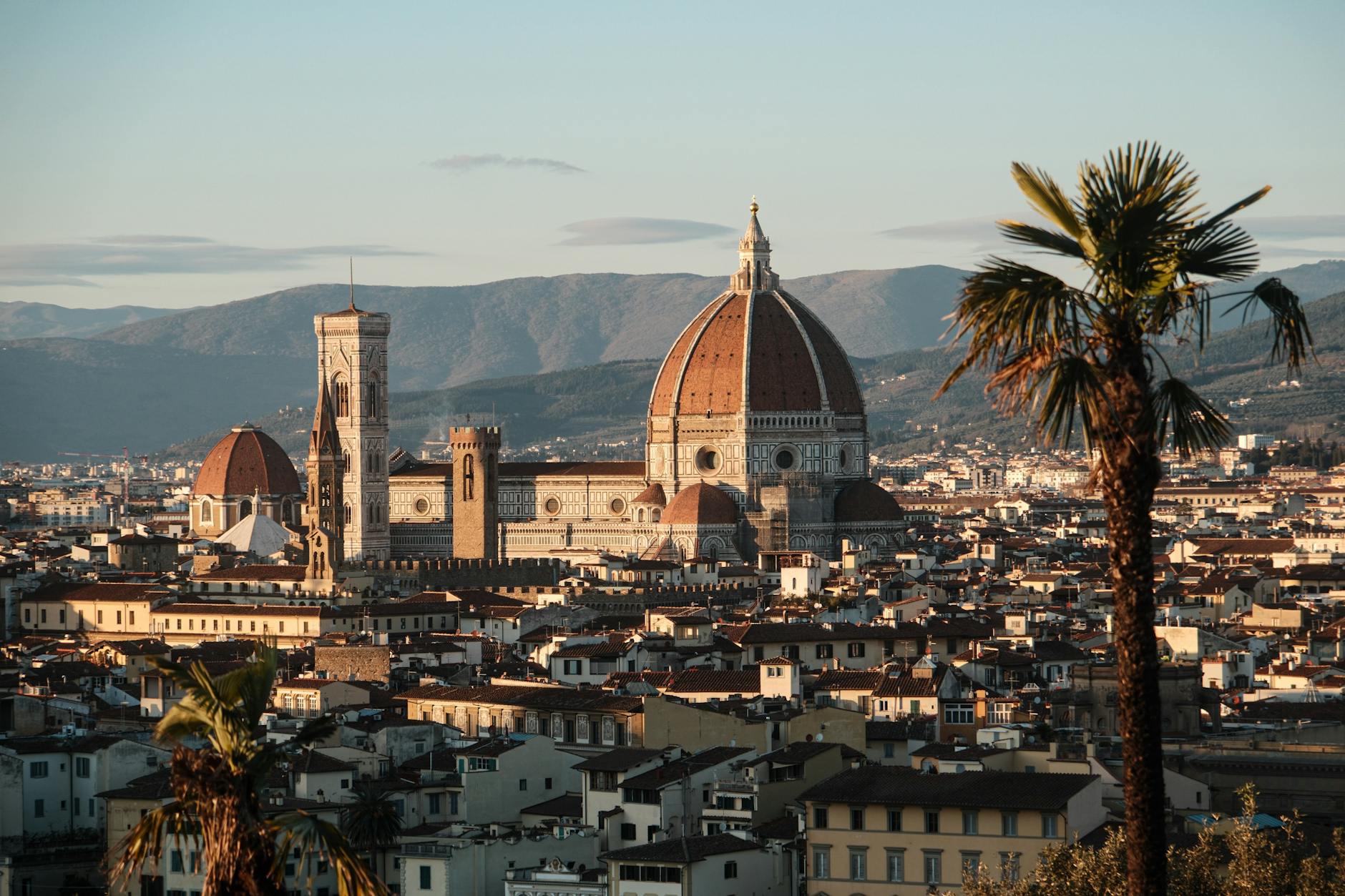
Florence is often regarded as the cradle of the Renaissance, a period that profoundly influenced art and architecture across Europe. The city stands as a testament to the ingenuity and creativity of its architects and artists. From the intricate details of Gothic cathedrals to the harmonious forms of Renaissance palaces, Florence architecture captures the essence of both elegance and innovation. It reflects a unique blend of historical influences, including the earlier Romanesque style that paved the way for Gothic and ultimately Renaissance design. This article delves into the various facets of Florence architecture, showcasing how the city’s rich past has shaped its present and continues to inspire future generations.
The Influence of Romanesque Elements in Florence’s Architectural Heritage
The Romanesque style, which laid the groundwork for much of Europe’s architectural development, has left a substantial mark on Florence architecture. Characterized by its sturdy structures, semi-circular arches, and thick walls, Romanesque architecture emerged between the 9th and 12th centuries. In Florence, the legacy of this style is vividly illustrated in several buildings that continue to grace the city’s landscape.
One notable example is the Basilica of San Miniato al Monte, one of the finest representations of Romanesque architecture in Florence. Its façade showcases a mix of marble and intricate mosaics that exhibit the transition from Romanesque to Gothic styles. The basilica’s geometric patterns and harmonious proportions reflect the aesthetic values that were emerging during this time. The use of Romanesque principles can also be seen in the Baptistery of St. John, often considered one of the oldest buildings in Florence. Its octagonal shape and stunning bronze doors are anchored in Romanesque tradition yet foretell the evolution toward more intricate Gothic details.
The influence of Romanesque features in Florence architecture extends beyond mere aesthetics; they represent a foundational ethos that embraced functionality alongside beauty. Buildings constructed in this style prioritized structural integrity, allowing architects to explore new designs while adhering to the essential principles of engineering and symmetry. This balance between form and function would significantly shape the developments in Florence’s Gothic and Renaissance architecture.
Florence’s architectural evolution includes the innovative integration of light and space, particularly seen in the transition from Romanesque to Gothic designs. Romanesque architecture, with its low ceilings and small windows, gradually gave way to the expansive interiors characteristic of the Gothic style. This transformation began as architects sought to capture natural light, making larger windows and pointed arches more prevalent in subsequent designs. Thus, even as Florence architecture embraced the Gothic style, the foundational Romanesque traits remained relevant.
Moreover, the sense of community and civic pride inherent in Romanesque architecture persisted throughout Florence’s architectural advancements. Key public buildings and churches became focal points for local gatherings, underscoring architecture’s role in fostering social cohesion. The continued reverence for these Romanesque structures, even as styles changed, signifies a deep understanding of the past and a commitment to preserving cultural heritage.
The Evolution of Gothic Styles in Florentine Buildings
Building on the Romanesque foundation, the gothic architectural style found its place in Florence architecture during the late 12th century and continued to flourish until the 16th century. The introduction of the Gothic style marked a significant departure from the rigid lines of Romanesque designs, allowing for soaring heights, intricate details, and the incorporation of light through larger windows. One of the most notable examples of this evolution is the Florence Cathedral, or the Basilica di Santa Maria del Fiore, which features an exquisite Gothic facade and a striking dome designed by Filippo Brunelleschi.
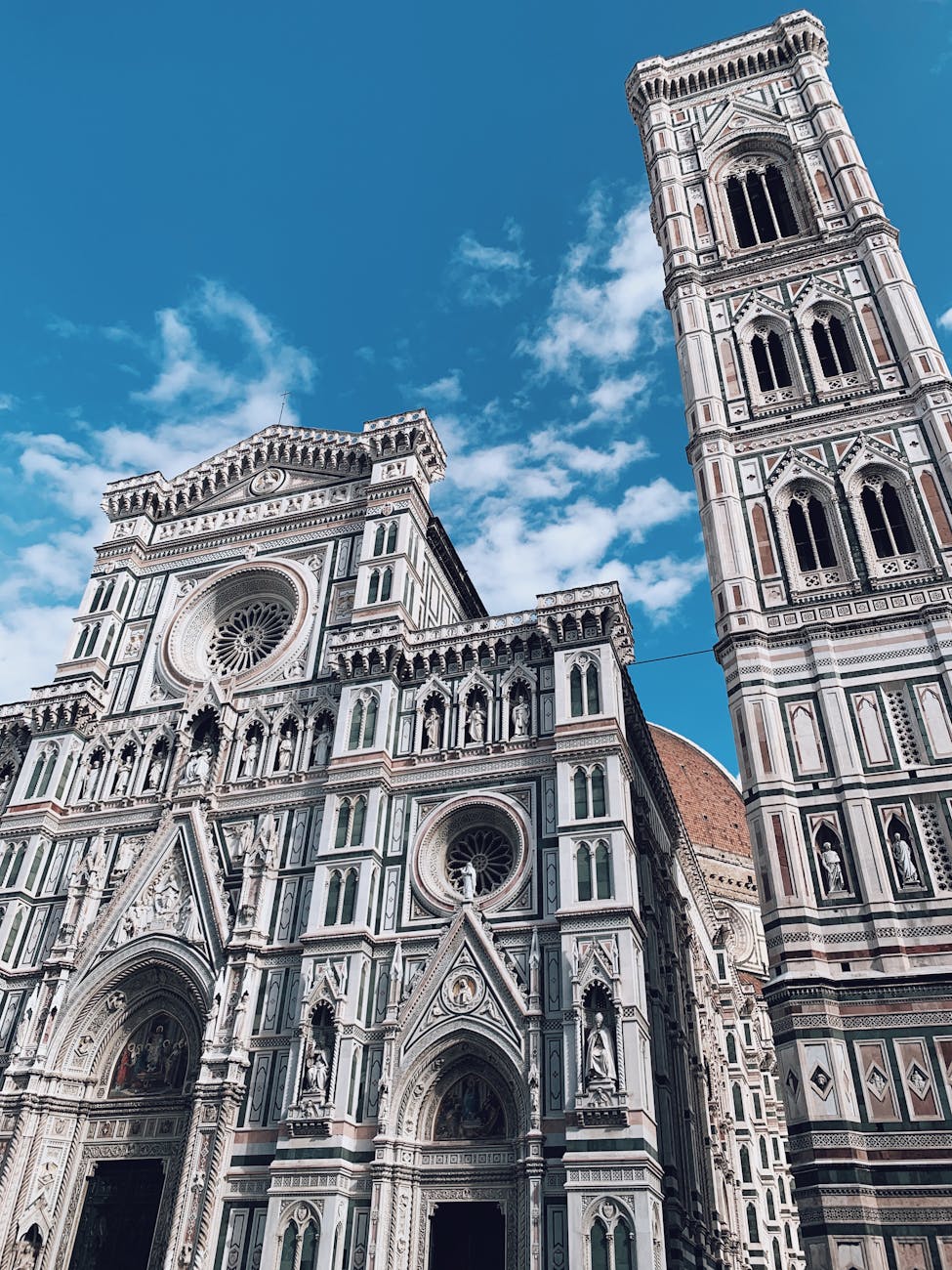
In their quest for height, Florentine architects employed innovative techniques that allowed for the construction of pointed arches, ribbed vaults, and flying buttresses. These elements not only supported the buildings but also created a sense of verticality, drawing the eyes upward and enhancing the spiritual experience within. The use of stained glass in Gothic churches further exemplified this dedication to light and imagery, allowing natural light to illuminate interiors with brilliant colors while depicting biblical narratives that guided worshippers in their faith.
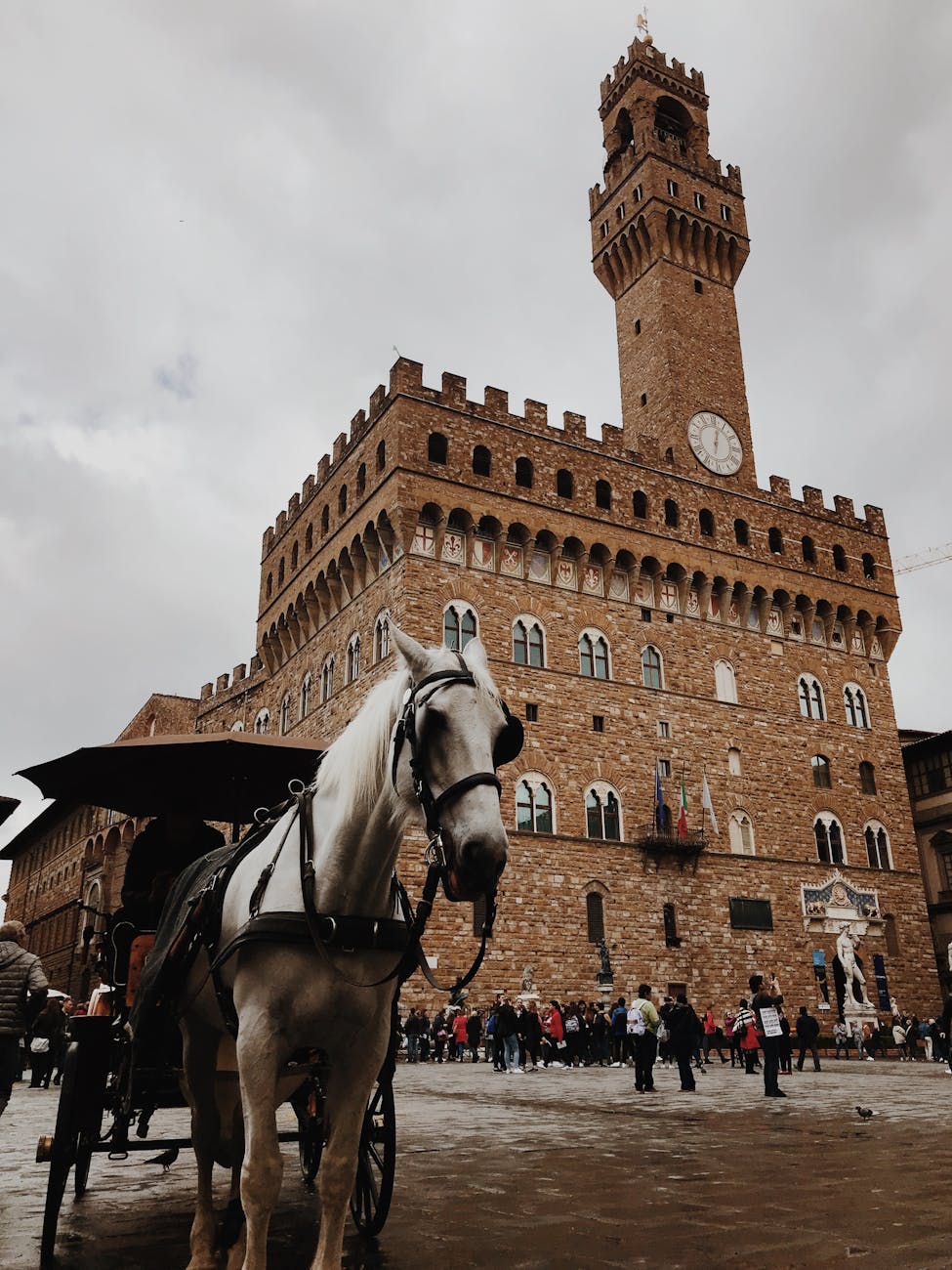
Furthermore, Gothic architecture in Florence was not limited to ecclesiastical structures; it also influenced civic buildings and palaces. The Palazzo Vecchio, for instance, showcases Gothic elements, including tall windows and an imposing tower that symbolizes the city’s power and authority. As with many Florentine structures, the blending of styles is evident, with Renaissance modifications to Gothic designs creating a seamless narrative that responds to the changing tastes of each era.
Political and social dynamics influenced the evolution of Gothic architecture within Florence. The city’s evolving identity as a center of trade, culture, and governance necessitated architectural representations of strength and grandeur. Buildings were constructed not just for their functional purpose, but also as symbols of the collective memory and unifying ambition of the Florentine people.
As we explore the gothic styles present within Florence architecture, we witness the city’s relentless pursuit of innovation and beauty. Each structure tells a story, echoing the legacy of craftsmanship and design that defines Florence and its architectural identity.
The Renaissance: A Transformative Era in Florence Architecture
The Renaissance stands as a pivotal chapter in the narrative of Florence architecture, signaling a revival of classical ideas and a bold departure from previous design paradigms. This period, flourishing from the 14th to the 17th century, redefined aesthetics, incorporating principles of symmetry, proportion, and geometry that had its roots in ancient Roman and Greek architecture. Florence emerged as a beacon of this architectural renaissance, with visionary architects such as Brunelleschi, Alberti, and Michelozzo leading the charge.
At the heart of the Renaissance transformation was Brunelleschi’s dome for the Florence Cathedral, a masterpiece that revolutionized architectural thinking. The structure employed a herringbone pattern and a double-shell design, embodying both engineering brilliance and artistic beauty. The dome became not just a milestone in Florence architecture, but a testament to human ingenuity and the desire to connect with the divine.
As architects sought to integrate art and architecture, innovations in perspective and human scale came to the forefront. This transition is palpably illustrated in the Palazzo Medici-Riccardi, which showcases rationality in its design, breaking away from the more fortified structures of the past. Here, we see the beginning of residential buildings that prioritize aesthetics and comfort, reflecting the ideals of harmonious living inspired by classical antiquity.
Moreover, the Renaissance witnessed the establishment of formal architectural treatises that helped codify and spread these new concepts. Leon Battista Alberti’s “De re aedificatoria” serves as a crucial text, integrating theoretical insights with practical guidelines for aspiring architects. This fusion of theory and practice propelled Florence architecture to new heights, inspiring countless designs throughout Europe.
In the landscape of Florence, the rise of merchant power and civic pride profoundly influenced architectural commissions. Wealthy families, such as the Medici, became patrons of the arts, commissioning grand palaces, churches, and public spaces that embodied their status and cultural aspirations. The architectural footprints of these families are still visible today, reflecting a profound interconnectedness between society and its built environment.
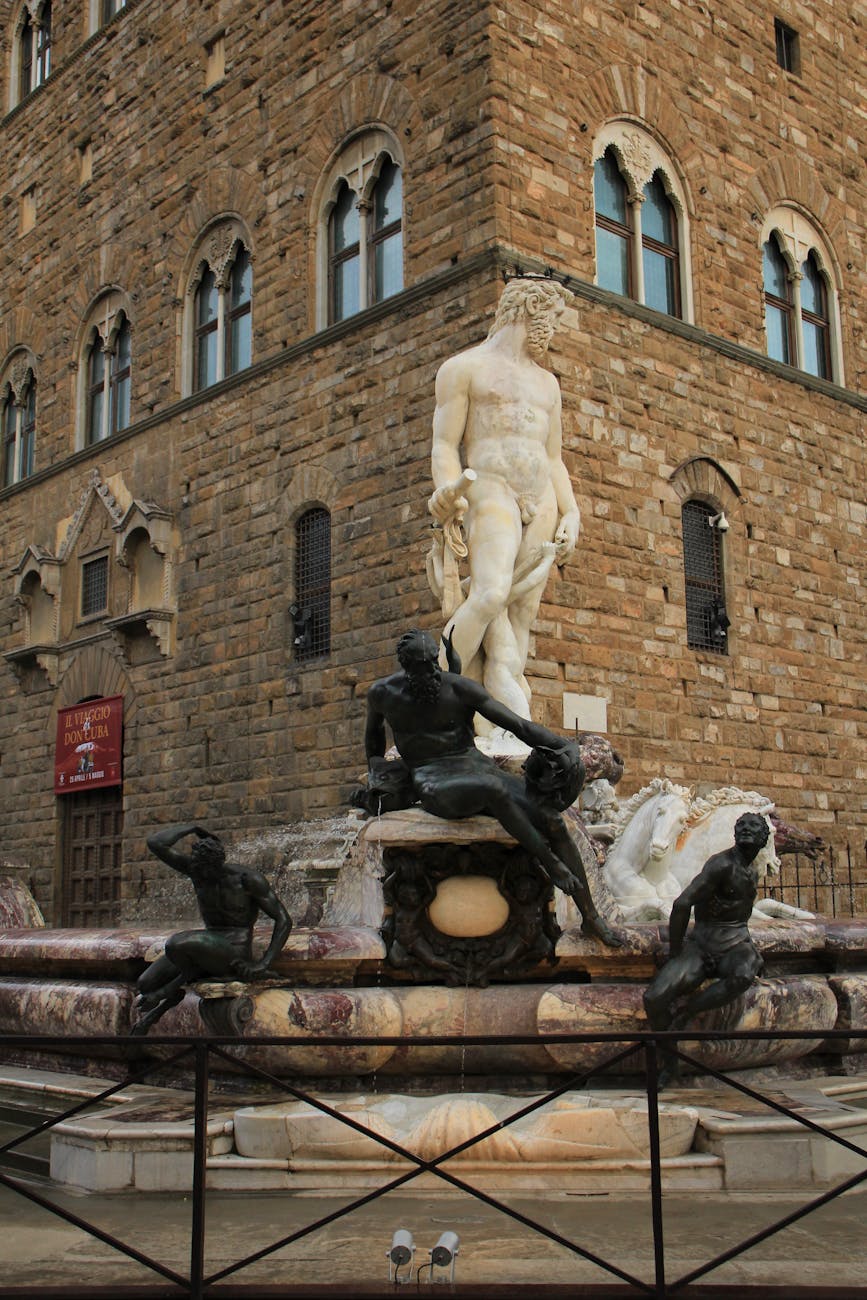
The pursuit of beauty and harmony led to a new emphasis on public spaces, transforming the urban landscape of Florence. The Piazza della Signoria, for example, exemplifies the Renaissance ethos, merging monumental buildings, civic identity, and artistic expression within a vibrant public square. This transformation affirmed architecture as a vehicle for community engagement and a means to celebrate civic life.
The Renaissance period left an indelible mark on Florence architecture, reshaping concepts of design and the role of architecture in society. This era of enlightenment solidified Florence’s position as a cultural epicenter, where future generations of architects would continue to draw inspiration from its rich architectural legacy.
Iconic Structures that Define Florence’s Skyline
The skyline of Florence is replete with iconic structures that narrate the city’s rich architectural history, each telling its own story within the broader context of Florence architecture. Among these, the Florence Cathedral stands out as a symbol of the city’s resilience and artistry. Completed in the 15th century, the cathedral’s dome, designed by Brunelleschi, is a feat of engineering that captures the essence of Renaissance innovation.
This striking structure not only dominates the cathedral’s profile but serves as a beacon for visitors and residents alike, embodying the creative spirit of Florence architecture. The façade displays intricate sculptures and mosaics, depicting religious narratives while inviting personal reflection within its sacred walls. As such, the cathedral transcends its function, becoming a part of Florence’s cultural fabric.
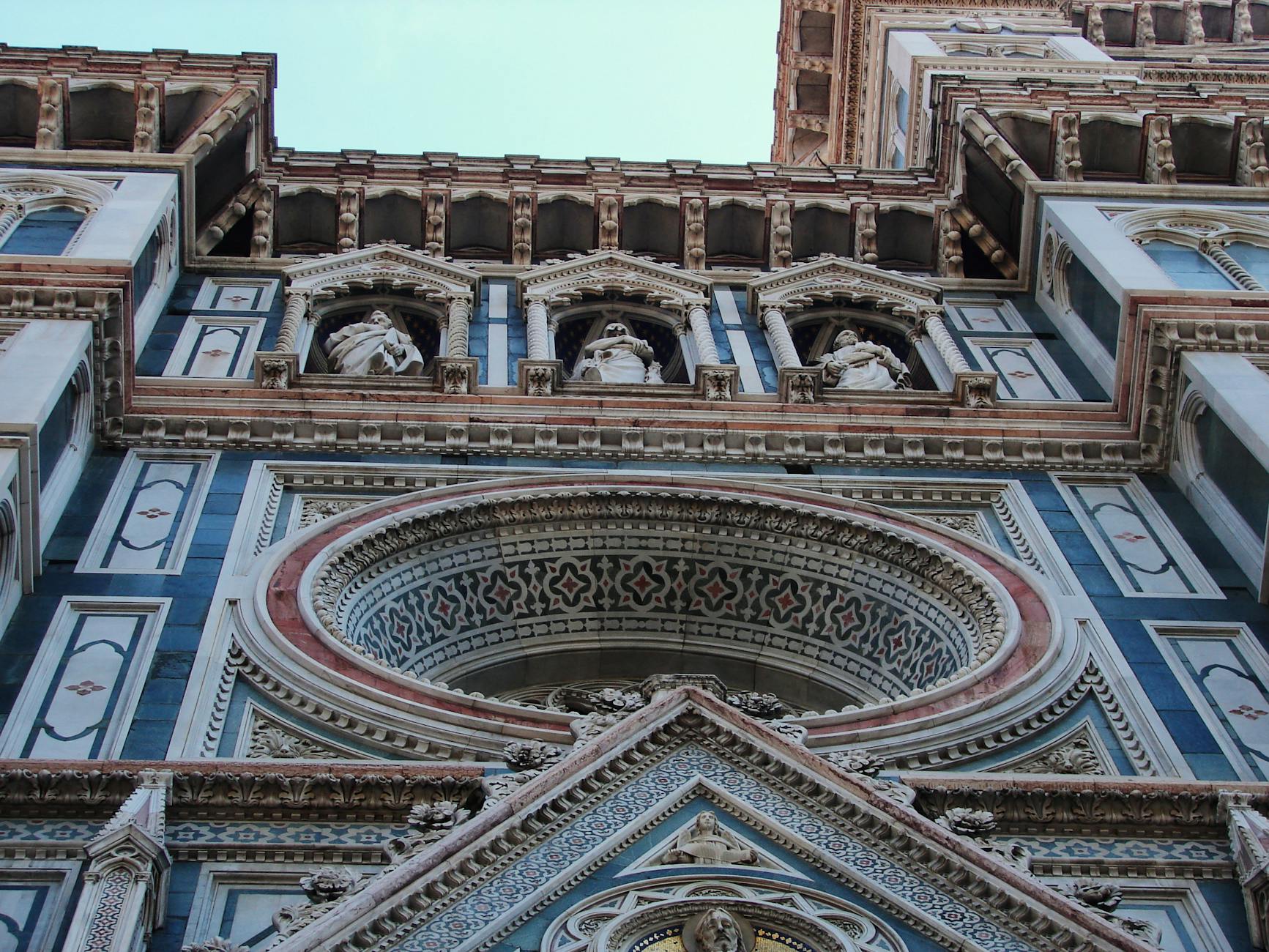
Another hallmark of Florence architecture is the Palazzo Vecchio, the city’s town hall that reflects its political significance throughout the ages. With its formidable fortress-like structure, the palace exudes authority and stability, embodying the power of the Florentine Republic. Inside, visitors are met with opulent halls adorned with frescoes that illustrate the city’s history and triumphs. The Palazzo Vecchio underscores the relationship between civic architecture and the autonomy of the Florentine people, serving as a reminder of their collective struggle for governance and cultural identity.
The Uffizi Gallery is yet another landmark exemplifying Florence’s architectural prowess. Originally designed as offices for Florentine magistrates, today it stands as one of the world’s most renowned art museums, housing masterpieces by artists like Botticelli and Michelangelo. The gallery’s elegant corridors and strategically framed views of the Arno River create a unique synergy between architecture and art, inviting visitors to engage with culture and history in tandem.
Furthermore, the Ponte Vecchio, a medieval stone bridge spanning the Arno River, showcases the harmonious blend of commerce and architecture that defines Florence. With its shops and residences perched atop its arches, the bridge represents the city’s rich trading tradition. The vibrant atmosphere created by artisans and jewelers has made the Ponte Vecchio not only a structure of immense architectural significance but also a cherished symbol of Florence’s character.
As we explore these iconic buildings, we begin to understand the profundity of Florence architecture and its ability to encapsulate both the physical and cultural essence of the city. Each structure stands as a testament to the ingenuity and passion that has shaped Florence throughout history, inviting admiration and reflection from all who experience their grandeur.
The Lasting Impact of Florence Architecture on Modern Design
The echoes of Florence architecture continue to resonate today, finding their way into modern design practices and contemporary urban landscapes. The principles established during the Renaissance, such as proportion, scale, and the blending of form and function, remain integral to architects worldwide. Florence architecture serves as a case study for the balance between artistic expression and pragmatic design, informing a myriad of projects across disciplines.
The revival of classical architecture in the neoclassical period draws heavily from the artistic principles established in Florence. Architects and designers frequently refer back to the elegant columns, harmonious facades, and meticulous ornamentation that characterize buildings from the Renaissance era. This revival not only pays homage to Florence’s architectural legacy but also underscores the timeless nature of its designs, which continue to inspire generations of creators.
In addition, the emphasis on public spaces, championed by Renaissance architects, persists in contemporary urban planning. Modern cities aim to create inclusive environments that foster community interaction and civic engagement, mirroring the spirit of the Renaissance public squares, such as the Piazza della Signoria. The design of modern parks, plazas, and urban centers draws from the understanding that architecture is not simply about structures but about the experiences they engender.
Moreover, the integration of sustainable practices and adaptive reuse of historical buildings can be traced back to the respect for heritage that has defined Florence architecture. The preservation of historical landmarks, alongside contemporary interventions, illustrates a recognition of the value of architectural history. Cities worldwide are increasingly focused on creating environments that honor the past while embracing the future, just as Florence does with its vibrant blend of historical and contemporary architecture.
At the forefront of this architectural inspiration is a new generation of architects who actively engage with Florence’s rich history while innovatively addressing contemporary challenges. They draw upon the artistic principles that define Florence architecture, marrying artistry with functionality to create structures that resonate with both history and modernity.
The impact of Florence architecture transcends geographical and temporal boundaries, shaping the discourse surrounding urban design and architectural practices all over the globe. By understanding Florence’s architectural evolution, we glean valuable insights into how cities can thrive while honoring their past, paving the way for a dynamic future.
Conclusion
Florence’s architectural legacy is a rich tapestry woven of historical significance, artistic expression, and civic pride. From its Romanesque roots to the grandeur of the Renaissance and the everlasting influence on modern design, Florence architecture remains a testament to human creativity and resilience. Each building, structure, and public space celebrates the city’s past while inspiring its future, illustrating the timeless allure of architectural beauty. As we reflect upon the monumental achievements that define Florence, we recognize that their stories are not just of stone and mortar but of the enduring spirit of a city that continues to captivate hearts and minds alike.







[…] masterpiece of Renaissance sculpture has captivated millions worldwide. Set against the backdrop of Florence, a city steeped in artistic vitality during the Renaissance, the creation of David marked a […]