

Introduction
Seville, the capital of Spain’s Andalusia region, stands as a captivating testament to centuries of history, culture, and architectural brilliance. Nestled along the banks of the Guadalquivir River, this vibrant city has played a pivotal role in shaping Spanish history and identity. Seville’s origins trace back to ancient Iberian settlements, followed by Roman conquest and development. Its transformation during the Islamic period into the thriving city of Isbiliya set the stage for a unique blend of Moorish and European influences.
The city’s significance only grew during the Reconquista and reached its zenith in the 16th century as the hub of Spanish exploration and trade during the Age of Discovery. Today, Seville is celebrated for its architectural gems, including the Giralda and Alcázar, flamenco traditions, and festivals like Semana Santa and Feria de Abril. This article explores Seville’s rich historical journey and its enduring cultural legacy.
The Origins of Seville: From Iberian Settlement to Roman Flourishing
Seville’s story begins with its roots in ancient Iberian culture, where the region’s fertile lands and strategic location along the Guadalquivir River attracted settlers as early as the 8th century BCE. These early communities were instrumental in laying the foundation for what would become one of Spain’s most historically significant cities. Archaeological evidence reveals that the area was known for its agriculture, metallurgy, and trade networks, which connected it to other parts of the Iberian Peninsula.
The arrival of the Phoenicians and later the Carthaginians introduced external influences that enriched the region’s cultural and economic life. However, it was the Roman conquest of the Iberian Peninsula in the 2nd century BCE that marked a turning point in Seville’s development. The Romans founded the city of Hispalis, which became a key administrative and commercial hub. Nearby, they established Italica, a significant Roman settlement that remains an important archaeological site today. Italica was the birthplace of two Roman emperors, Trajan and Hadrian, underscoring the region’s prominence in the Roman Empire.
Under Roman rule, Hispalis flourished. The city became a center for olive oil production, viticulture, and trade. Roman engineering transformed the city’s infrastructure, with the construction of roads, aqueducts, and public buildings, including amphitheaters and temples. The remnants of these structures, such as mosaics and columns, still hint at the grandeur of Roman Seville. The Guadalquivir River was vital to this prosperity, serving as a conduit for goods traveling to and from the Mediterranean.
Christianity began to take root in Hispalis during the later Roman period, likely introduced by merchants and travelers. By the 4th century CE, the city was an important center of early Christian activity, with churches and basilicas emerging alongside pagan temples. The decline of the Roman Empire in the 5th century brought a period of instability, as Hispalis faced invasions by Germanic tribes, including the Visigoths, who ultimately established control over the region.
Despite the fall of Rome, Seville retained its importance as a regional center under Visigothic rule. It became a key city in the kingdom’s administration and culture, blending Roman, Christian, and Visigothic influences. This period was marked by the growth of the Christian Church, with the establishment of Seville’s bishopric, which would later play a crucial role in the city’s history.
The transition from Roman Hispalis to Visigothic rule set the stage for Seville’s next great transformation during the Islamic conquest of Iberia in the 8th century. The city’s Roman and Visigothic legacies would leave an indelible mark, shaping its architecture, culture, and identity for centuries to come.
The Islamic Era: Al-Andalus and the Rise of Isbiliya
Seville experienced a profound transformation during the Islamic era, beginning in 711 CE with the Muslim conquest of the Iberian Peninsula. Renamed Isbiliya, the city emerged as a flourishing center of commerce, culture, and science within the caliphate of Al-Andalus. This period, lasting nearly five centuries, left an indelible mark on Seville’s architecture, society, and identity.
Under Muslim rule, Isbiliya grew into a vital administrative and economic hub. The city’s location along the Guadalquivir River made it a nexus for trade and navigation, connecting Al-Andalus with North Africa, the Mediterranean, and beyond. Goods such as silk, ceramics, and spices flowed through Isbiliya, while its bustling bazaars became centers of cultural exchange. The construction of advanced irrigation systems and agricultural techniques boosted the region’s productivity, fostering economic prosperity.
The Umayyad Caliphate of Córdoba played a crucial role in Isbiliya’s development. During this period, the city became known for its artisans, scholars, and poets. The Great Mosque of Isbiliya, now the site of the Seville Cathedral, was constructed, exemplifying the grandeur of Islamic architecture. Its minaret, the Giralda, remains a defining symbol of the city. This architectural marvel combined Moorish design with ingenious engineering, serving both as a religious structure and a landmark.
Following the fragmentation of the Caliphate of Córdoba in the 11th century, Isbiliya became part of the Taifa kingdoms, smaller independent Muslim states that competed for dominance. During this era, the city achieved significant cultural and intellectual prominence. The Taifa rulers, particularly the Abbadid dynasty, invested in arts, literature, and infrastructure. Under their rule, Isbiliya became an intellectual hub, attracting scholars and scientists from across the Islamic world.
The arrival of the Almoravids in the 12th century and later the Almohads brought a new wave of architectural and cultural innovation. The Almohads, in particular, left a lasting legacy. They expanded Isbiliya’s infrastructure, including the construction of the Torre del Oro, a defensive tower along the Guadalquivir, and the enhancement of the Giralda. These structures were not only functional but also reflected the sophistication of Islamic art and engineering.
The Almohad period was marked by a flourishing urban life, with thriving markets, baths, and educational institutions. Isbiliya’s multicultural population, including Muslims, Jews, and Christians, contributed to its dynamic society. The coexistence of these communities, while not always harmonious, created a rich tapestry of cultural and intellectual exchange.
However, by the 13th century, the decline of Almohad power and the growing momentum of the Christian Reconquista posed significant challenges to Isbiliya. The city’s strategic and economic importance made it a key target for Christian forces. In 1248, after a prolonged siege, Isbiliya fell to Ferdinand III of Castile, marking the end of Muslim rule and the beginning of a new chapter in Seville’s history.
The Islamic era profoundly shaped Seville’s identity, leaving a legacy of architectural brilliance, cultural wealth, and scientific achievements that continue to define the city’s character.
The Reconquista and the Christianization of Seville
The Reconquista marked a transformative period in Seville’s history, reshaping its cultural, political, and religious identity. In 1248, after months of siege, Ferdinand III of Castile successfully captured the city from its Muslim rulers, bringing an end to nearly five centuries of Islamic governance. This pivotal event redefined Seville’s trajectory, establishing it as a Christian stronghold and integrating it into the Kingdom of Castile.
The conquest was not merely a military victory; it was a profound cultural and religious transition. Following the capture of Seville, a large portion of the city’s Muslim population was expelled or relocated, and their place was taken by Christian settlers from northern Spain. The redistribution of land and property was part of Ferdinand III’s broader strategy to consolidate control and Christianize the city. Mosques were converted into churches, and the Great Mosque of Isbiliya became the foundation for the Seville Cathedral, symbolizing the city’s new religious identity.
The cathedral, begun in the late 13th century, is a powerful testament to the ambitions of the Christian rulers. Its construction over the centuries reflected a blend of Gothic, Renaissance, and Baroque styles, underscoring the city’s evolving artistic influences. The Giralda, originally the mosque’s minaret, was repurposed as the cathedral’s bell tower, preserving a connection to Seville’s Islamic past while asserting its Christian future.
Seville also became a key administrative and military hub for the Crown of Castile. Its location along the Guadalquivir River made it strategically vital for trade and defense. The construction of the Alcázar of Seville, originally a Moorish palace, was expanded and adapted to serve as a royal residence, blending Islamic and Christian architectural elements. This fusion of styles, known as Mudejar, became a hallmark of the city’s artistic identity during this period.
The Christianization of Seville extended beyond architecture to its cultural and social fabric. Religious institutions, such as monasteries and convents, proliferated, playing crucial roles in education, healthcare, and charity. The Archbishopric of Seville emerged as a powerful ecclesiastical center, influencing both spiritual and political matters in the region. Religious festivals and processions, including those tied to Semana Santa (Holy Week), began to take root, becoming enduring traditions that define Seville to this day.
Despite these changes, remnants of Seville’s Islamic heritage persisted, evident in its urban layout, irrigation systems, and artistic influences. The coexistence of Muslim, Jewish, and Christian communities under Christian rule was marked by periods of tension and occasional collaboration. Jewish communities, in particular, played important roles in trade, finance, and intellectual life until their expulsion in 1492.
By the late 15th century, Seville was firmly established as a prominent city within Christian Spain. Its role in the Reconquista, coupled with its religious and architectural transformation, set the stage for its rise during the Age of Discovery, when it would become one of the most important cities in Europe.
The Reconquista era represents a period of profound change for Seville, as it bridged its Islamic past and Christian future, creating a unique cultural identity that continues to resonate in its streets and monuments.
The Golden Age: Seville as a Gateway to the New World
Seville’s Golden Age unfolded in the wake of Christopher Columbus’s voyages, as Spain embarked on its ambitious exploration and colonization of the Americas. From the late 15th to the early 17th centuries, Seville became the epicenter of Spain’s global empire, serving as the gateway through which immense wealth, goods, and knowledge flowed between the Old and New Worlds.
In 1503, the Spanish Crown established the Casa de Contratación (House of Trade) in Seville. This institution controlled and regulated trade with the Americas, overseeing navigation, shipbuilding, and taxation. The Casa de Contratación’s presence solidified Seville’s monopoly on transatlantic commerce, and its location along the navigable Guadalquivir River made the city an ideal port. Ships laden with gold, silver, spices, and exotic goods from the Americas docked at Seville, transforming it into one of Europe’s wealthiest and most cosmopolitan cities.
This period saw significant urban and economic expansion. Wealth from the Americas funded the construction of grand buildings, including the completion of the Seville Cathedral, which became one of the largest Gothic cathedrals in the world. Other notable structures, such as the Archivo de Indias, were built to house documents and records related to the Spanish Empire’s activities in the Americas. These architectural achievements reflected the city’s prestige and ambition.
Seville also became a cultural and intellectual hub during the Golden Age. Artists, writers, and scholars flocked to the city, drawn by its wealth and vibrancy. Renowned painters such as Diego Velázquez and Bartolomé Esteban Murillo produced masterpieces that adorned the city’s churches and palaces, showcasing the richness of Spanish Baroque art. Literature flourished as well, with works that celebrated Spain’s imperial achievements and explored themes of exploration, identity, and morality.
Despite its prosperity, Seville’s Golden Age was not without challenges. The city’s rapid growth strained its infrastructure, leading to overcrowding and sanitation issues. Epidemics, such as the devastating plague of 1649, significantly reduced the population, weakening the city’s economic and social stability. Furthermore, Seville’s monopoly on trade began to erode in the late 16th century as political and economic power shifted to other cities, such as Cádiz, due to the silting of the Guadalquivir River.
The influx of wealth from the Americas also had profound social consequences. The aristocracy and merchant class thrived, creating stark inequalities with the lower classes. The city’s economy became heavily reliant on colonial trade, leaving it vulnerable to shifts in global markets and conflicts.
Seville’s Golden Age left an enduring legacy that continues to shape its identity. The architectural and artistic treasures from this era, combined with its pivotal role in global history, cemented Seville’s status as one of Spain’s most historically significant cities. While the city’s fortunes would decline in subsequent centuries, the impact of its Golden Age remains visible in its grand monuments and cultural traditions.
The Decline and Challenges of the Post-Golden Age
Seville’s Golden Age, marked by its prosperity as Spain’s gateway to the Americas, began to wane in the late 16th century. A combination of economic, political, and environmental factors initiated a period of decline that lasted well into the 18th century, challenging the city’s dominance and reshaping its identity.
One of the primary reasons for Seville’s decline was the silting of the Guadalquivir River, which hindered navigation and made the city less accessible to large ships. By the early 18th century, the Spanish Crown officially transferred the Casa de Contratación to Cádiz, whose deep-water port was better suited to handle transatlantic trade. This shift dealt a significant blow to Seville’s economy, as the city lost its status as Spain’s principal trading hub.
The decline of transatlantic trade exposed Seville’s dependence on colonial wealth. Without the influx of gold, silver, and goods from the Americas, the city’s economy faltered. Industries such as shipbuilding and textiles, which had flourished during the Golden Age, suffered severe setbacks. This economic stagnation led to widespread unemployment, poverty, and social unrest among the city’s lower classes.
The 1649 plague compounded these difficulties, devastating Seville’s population. Estimates suggest that the epidemic killed nearly half of the city’s inhabitants, weakening its labor force and reducing its influence. The demographic collapse further strained Seville’s economy and eroded its cultural vibrancy, leaving a shadow over the city for decades.
Political instability within Spain also contributed to Seville’s struggles. The decline of the Spanish Empire in the 17th and 18th centuries, marked by military defeats and the loss of territories, weakened the country’s overall economic and administrative capacity. Seville, once a crown jewel of the empire, suffered from the broader decline in Spanish global influence. The city’s aristocracy, which had relied on colonial wealth, faced dwindling fortunes, leading to a reduction in patronage for the arts and public works.
Despite these challenges, Seville retained its religious and cultural significance. The city remained an important ecclesiastical center, with its magnificent cathedral and religious traditions such as Semana Santa (Holy Week) continuing to attract pilgrims and visitors. Artistic production, though diminished, persisted with contributions from local artists and craftsmen. The Baroque style became prominent during this period, exemplified by the works of Bartolomé Esteban Murillo, whose paintings adorned churches and private collections.
Seville also saw efforts to modernize and adapt to its changing circumstances. Urban renewal projects were undertaken in the 18th century, including improvements to the Alcázar and the construction of public spaces such as the Plaza de San Francisco. These efforts reflected a determination to preserve the city’s grandeur and identity despite its economic challenges.
By the end of the 18th century, Seville had weathered centuries of decline, emerging as a city that, though diminished in power and wealth, retained its historical and cultural importance. The resilience of its people and the enduring legacy of its Golden Age set the stage for Seville’s eventual revival in the 19th and 20th centuries, when it would reclaim its place as a vibrant and iconic Spanish city.
The Revival and Modernization of Seville in the 19th and 20th Centuries
The 19th and 20th centuries marked a period of renewal and transformation for Seville as the city sought to modernize while preserving its rich cultural heritage. This era witnessed significant urban development, cultural revival, and the reestablishment of Seville as a major Spanish and European city.
During the 19th century, Spain underwent significant political and social changes, including the dissolution of its colonial empire. Seville, once a key hub of transatlantic trade, adapted to these shifts by focusing on modernization and local economic development. The industrial revolution reached the city, bringing new industries such as textiles, ceramics, and tobacco manufacturing. The Royal Tobacco Factory, one of the largest industrial buildings of its time, became a symbol of Seville’s industrial ambitions. This structure would later gain cultural significance as the setting for the opera Carmen.
Urban renewal projects reshaped Seville’s landscape. The dismantling of the city walls in the mid-19th century allowed for expansion, accommodating a growing population and improving infrastructure. Public spaces such as the Parque de MarÃa Luisa were developed, providing green areas for recreation and cultural events. This park, donated to the city by the Infanta MarÃa Luisa, became an enduring symbol of Seville’s commitment to blending natural beauty with urban life.
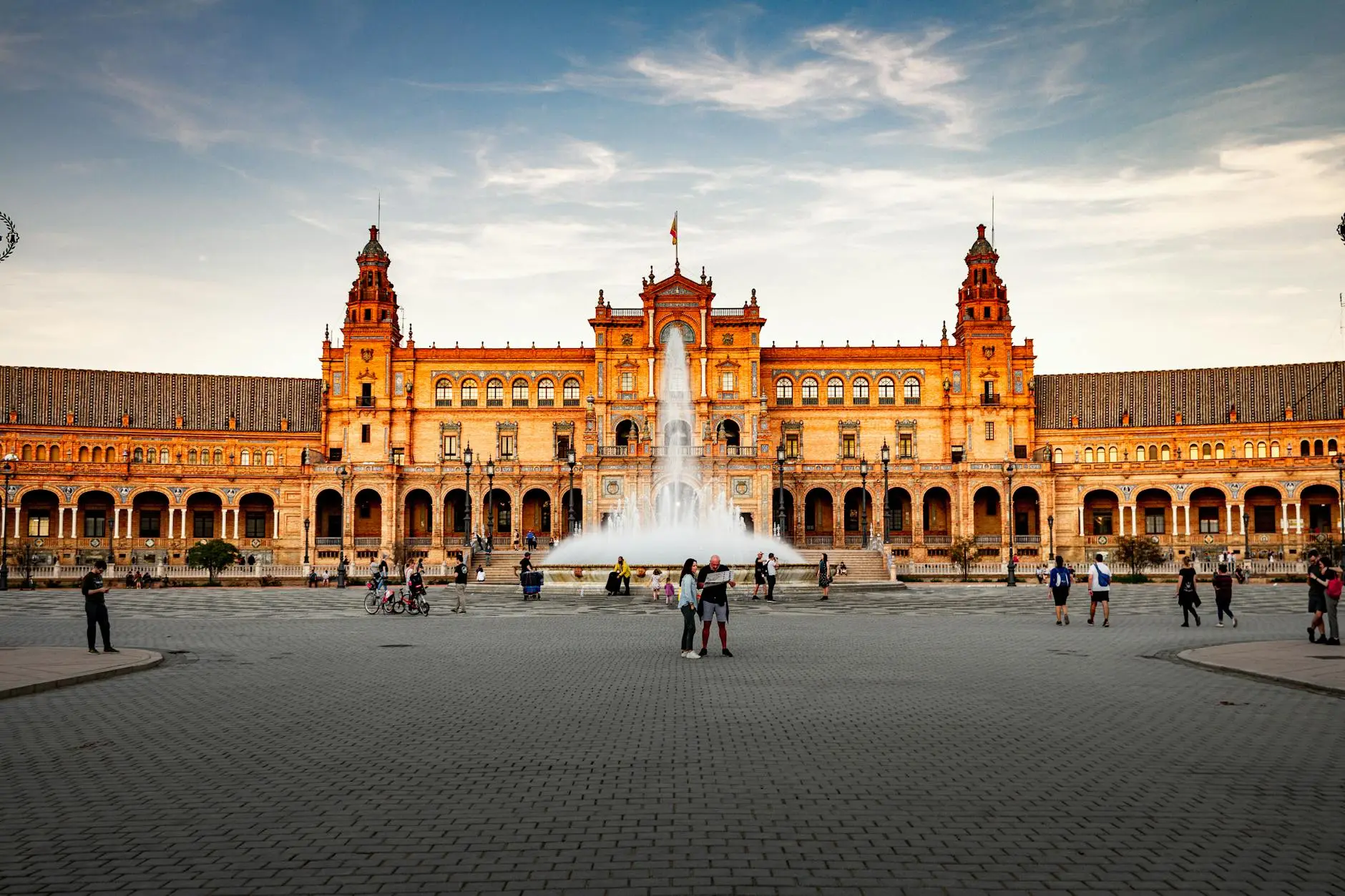
The early 20th century was a time of cultural renaissance for Seville. The city celebrated its historical identity while embracing modernity, culminating in the Ibero-American Exposition of 1929. This world’s fair showcased the cultural and economic ties between Spain and its former colonies, reinforcing Seville’s historical importance. The event prompted significant urban improvements, including the construction of the iconic Plaza de España and the enhancement of the Parque de MarÃa Luisa. The exposition highlighted Seville’s architectural ingenuity, combining regionalist styles with modern design.
Seville’s cultural traditions continued to thrive during this period. Festivals such as Semana Santa (Holy Week) and the Feria de Abril (April Fair) became internationally renowned, drawing visitors from around the world. These events reinforced Seville’s reputation as a city deeply rooted in its traditions, with elaborate processions, flamenco performances, and vibrant celebrations showcasing its unique spirit.
However, Seville also faced challenges during the 20th century. The Spanish Civil War (1936–1939) and subsequent dictatorship under Francisco Franco brought political and social upheaval. While the city avoided much of the destruction seen elsewhere, the war left lasting scars on its population. Economic stagnation during the Franco era further hindered progress, although some infrastructure improvements, such as the expansion of the Guadalquivir port, were made.
In the late 20th century, Seville experienced a resurgence as Spain transitioned to democracy. The city hosted the 1992 Universal Exposition (Expo 92), commemorating the 500th anniversary of Columbus’s first voyage. This event revitalized Seville’s global standing, leading to the construction of modern infrastructure such as the Puente del Alamillo and the development of the Isla de la Cartuja. Expo 92 also reinforced Seville’s identity as a city that bridges its historical legacy with contemporary innovation.
By the turn of the 21st century, Seville had firmly reestablished itself as a dynamic cultural and economic center. Its successful blend of tradition and modernity ensured its place as one of Spain’s most iconic cities, attracting millions of visitors and continuing to celebrate its remarkable history.
Seville in the 21st Century: Balancing Heritage and Innovation
The 21st century has been a transformative period for Seville, as the city continues to balance its historical legacy with the demands of a modern, globalized world. Today, Seville is celebrated for its cultural richness, architectural beauty, and innovation, making it a dynamic hub for tourism, technology, and arts.
Seville’s role as a major tourist destination has only grown in the 21st century. Millions of visitors annually flock to landmarks like the Seville Cathedral, the Alcázar, and the Plaza de España, all of which are UNESCO World Heritage Sites. The city’s iconic Semana Santa and Feria de Abril festivals remain central to its identity, drawing global audiences who wish to experience Seville’s deep-rooted traditions. Tourism has become a cornerstone of the local economy, with infrastructure improvements ensuring that visitors enjoy a blend of historical authenticity and modern convenience.
One of the most striking examples of Seville’s embrace of contemporary architecture is the Metropol Parasol, also known as Las Setas de Sevilla (The Mushrooms of Seville). Completed in 2011, this avant-garde wooden structure in the heart of the old town has become a symbol of Seville’s innovative spirit. The structure provides a multifunctional space for markets, exhibitions, and leisure activities while offering panoramic views of the city. It demonstrates how Seville has integrated modern design into its historic fabric without compromising its heritage.
Sustainability and urban innovation have become key priorities for Seville in the 21st century. The city has embraced green initiatives, including the development of an extensive cycling network and the promotion of renewable energy. Seville’s mild climate and flat terrain have made it one of the most bike-friendly cities in Europe, with bike-sharing programs encouraging residents and tourists to opt for environmentally friendly transportation. Additionally, the city has invested in solar energy projects, reflecting its commitment to combating climate change.
Culturally, Seville remains a vibrant center for the arts. The city is home to numerous music, theater, and film festivals, including the prestigious Seville European Film Festival. Flamenco, an art form deeply tied to Andalusian culture, continues to flourish, with performances and schools preserving its traditions while exploring new interpretations. Seville has also become a hub for contemporary art, with galleries and cultural institutions showcasing the works of both local and international artists.
The economy of Seville has diversified, with technology and research playing increasingly significant roles. The Cartuja Science and Technology Park, located on the site of Expo 92, hosts numerous companies and research institutions, fostering innovation in fields ranging from biotechnology to information technology. This shift towards a knowledge-based economy has provided new opportunities for the city’s residents and positioned Seville as a competitive player in Spain’s economic landscape.
As Seville moves further into the 21st century, it faces the ongoing challenge of maintaining its historical charm while embracing modernization. The city’s ability to balance these aspects has made it a model for sustainable urban development and cultural preservation. Seville’s enduring appeal lies in its unique combination of past and present, making it a city that continues to captivate the world.
Conclusion: Seville’s Enduring Legacy
Seville’s history is a testament to its resilience, adaptability, and cultural richness. From its ancient origins as a Roman settlement to its Golden Age as the gateway to the Americas, the city has played a pivotal role in shaping global history. Its subsequent challenges, including economic decline and political upheaval, only underscored its ability to persevere and reinvent itself.
In the 19th and 20th centuries, Seville embraced modernization while preserving its traditions, culminating in landmark events like the Ibero-American Exposition of 1929 and Expo 92. Today, it thrives as a vibrant blend of heritage and innovation, attracting millions of visitors to its historic sites, festivals, and modern architectural marvels like the Metropol Parasol.
As Seville moves forward in the 21st century, its balance of history and progress ensures its continued prominence as one of Spain’s most iconic and beloved cities, embodying the spirit of Andalusia and its enduring legacy.

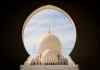



[…] The history of Seville is profoundly marked by its Moorish influence, which can be traced back to the early 8th century when the Moors invaded the Iberian Peninsula. This era initiated a period of profound cultural, artistic, and intellectual flourishing that laid the groundwork for what we recognize today as Seville. The Islamic period brought forth advancements in various disciplines such as mathematics, astronomy, and medicine, all of which contributed to the city’s prominence during the Middle Ages. […]