Tag: Spain
-
The Transfer of Florida: Spain’s Gift to the United States

Florida’s history is marked by its transition from Spanish territory to U.S. sovereignty. Initially claimed by Spain in the 16th century, the region was strategically significant, serving as a buffer against British expansion. Following complex negotiations, Florida was ceded to the U.S. in 1821 via the Adams-Onís Treaty, reflecting broader geopolitical dynamics. Spain’s influence continued to shape Florida’s culture, architecture, and social structures, evident in its Hispanic heritage. This historical narrative highlights not just the political transfer of land but also the enduring legacies of governance, culture, and identity that define Florida today as the Sunshine State.
-
The Rich History of Mérida, Spain
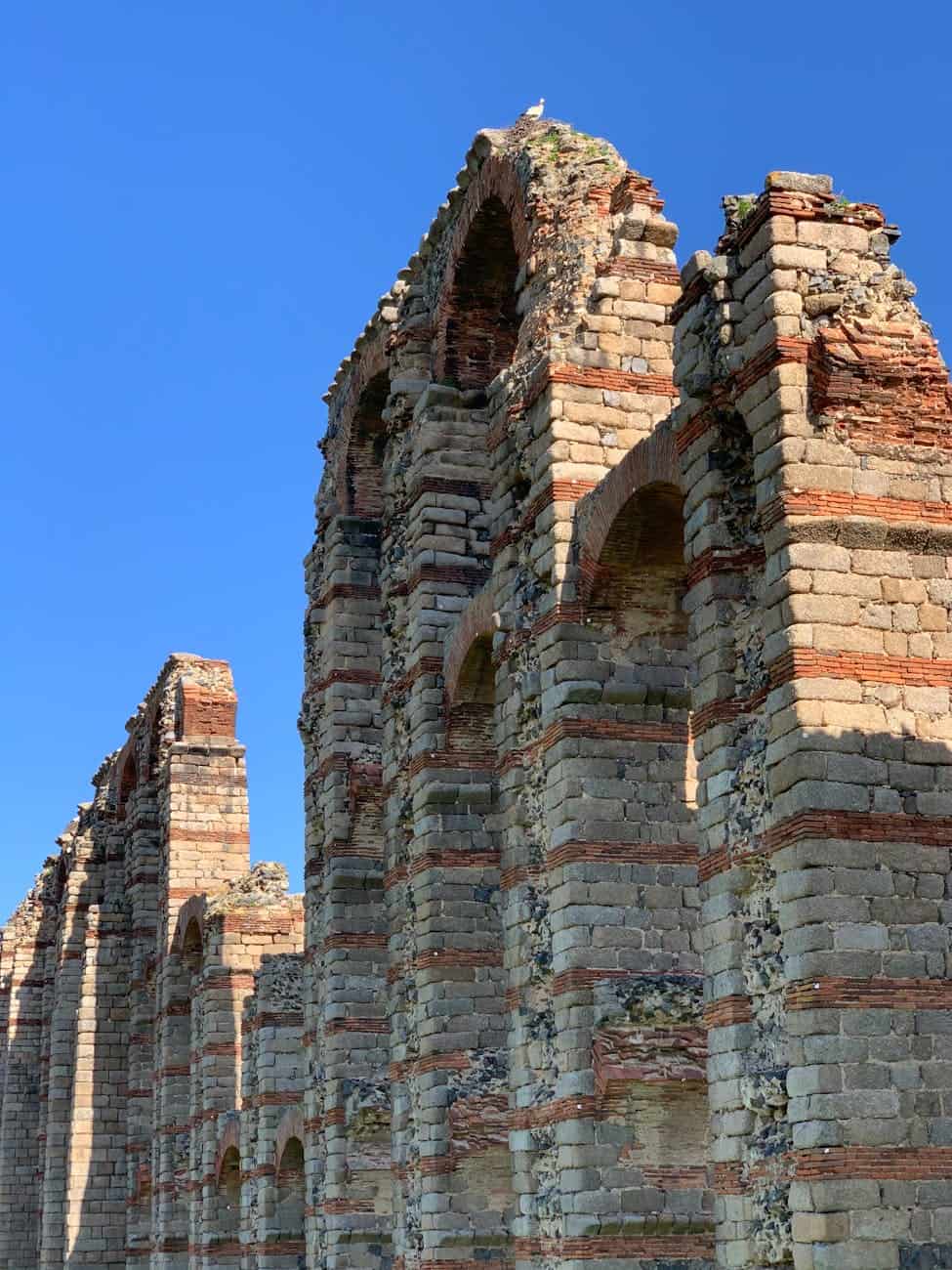
Mérida, the capital of Badajoz, Spain, boasts a rich historical heritage dating back to its foundation as Emerita Augusta in 25 B.C. Recognised for its well-preserved Roman ruins, including a UNESCO Heritage site, the city reflects a blend of cultures through various eras—Roman, Visigothic, Moorish, Renaissance, and Baroque. Each period has contributed significantly to Mérida’s architectural and cultural landscape, with the Visigoths introducing Christianity, and the Moors enhancing agriculture and urban design. Today, Mérida thrives as a cultural hub, balancing modern tourism with historical preservation, and continues to showcase its vibrant legacy and enduring significance.
-
The History of the Madrid Mission: A Comprehensive Overview
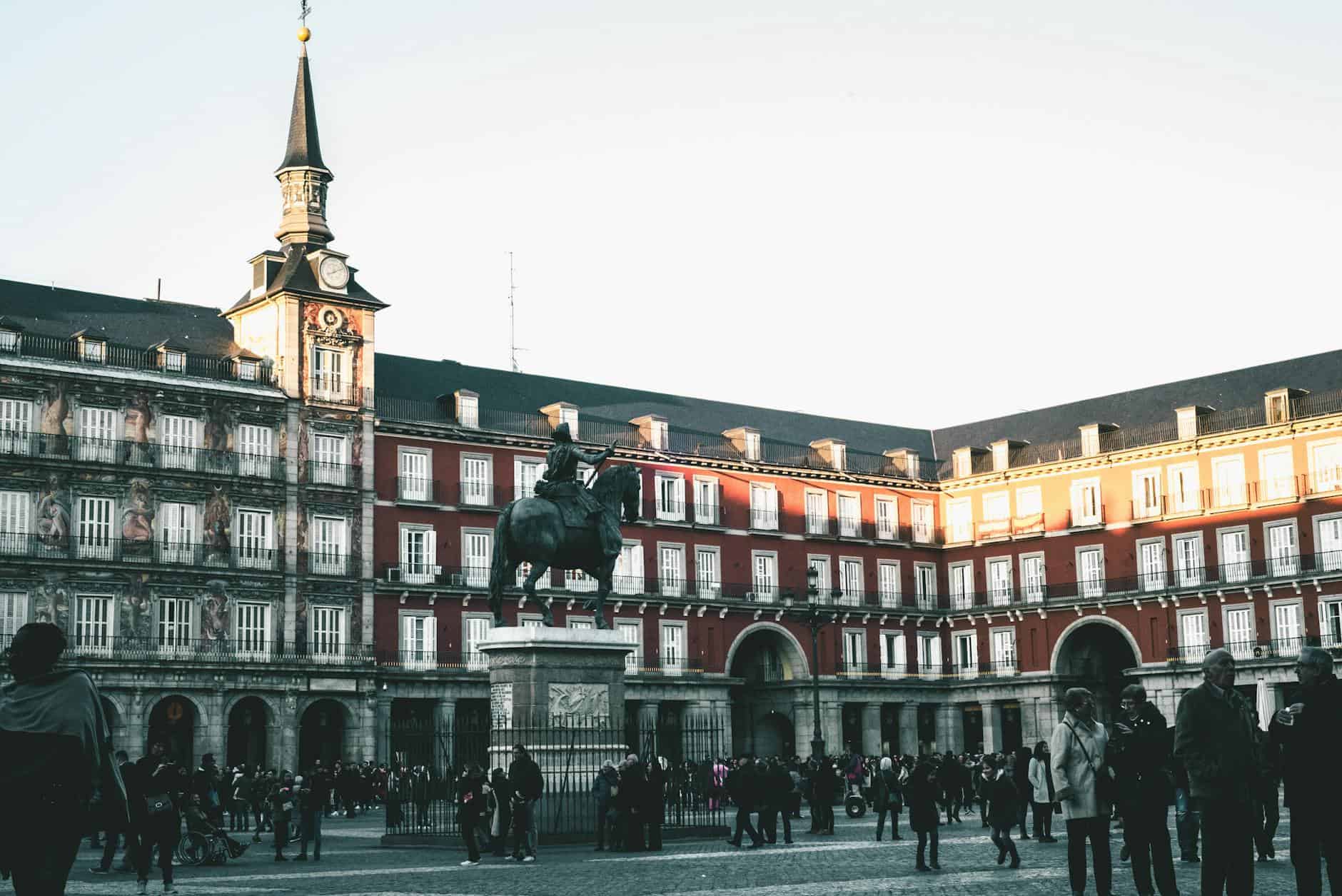
The Madrid Mission has a rich history beginning in the late 16th century, aimed at expanding religious outreach and fostering community in Spain’s capital. Established by local clergy, it provided spiritual guidance and educational resources, especially to the underprivileged. The mission significantly influenced Madrid’s cultural landscape by promoting education, supporting the arts, and leading social justice initiatives. Throughout its evolution, the mission adapted to societal changes, becoming a sanctuary during crises like the Spanish Civil War. In the modern era, it addresses contemporary issues such as poverty, inequality, and mental health, while continuing to foster interfaith dialogue and community support.
-
Alhambra History: Exploring Granada’s Moorish Masterpiece

The Alhambra, located in Granada, Spain, is a historically significant palatial fortress renowned for its Moorish architecture. Originating in the mid-13th century under the Nasrid dynasty as a fort, it evolved into an opulent palace complex, showcasing intricate tile work, stunning gardens, and a blend of Roman, Islamic, and Gothic influences. Following the Reconquista in 1492, it transformed into a symbol of Catholic dominance, integrating Renaissance elements while still preserving aspects of its Islamic roots. Today, as a UNESCO World Heritage site, it draws millions of visitors, highlighting its architectural brilliance and cultural significance, while also facing preservation challenges amid…
-
Alhambra History: Exploring Granada’s Moorish Masterpiece
The Alhambra, located in Granada, Spain, is a historically significant palatial fortress renowned for its Moorish architecture. Originating in the mid-13th century under the Nasrid dynasty as a fort, it evolved into an opulent palace complex, showcasing intricate tile work, stunning gardens, and a blend of Roman, Islamic, and Gothic influences. Following the Reconquista in 1492, it transformed into a symbol of Catholic dominance, integrating Renaissance elements while still preserving aspects of its Islamic roots. Today, as a UNESCO World Heritage site, it draws millions of visitors, highlighting its architectural brilliance and cultural significance, while also facing preservation challenges amid…
-
How Amancio Ortega Revolutionized Fast Fashion with Zara

Amancio Ortega, born in 1936 in Spain, founded Zara and created Inditex, revolutionizing global fashion retail. From modest beginnings, his early exposure to the fashion industry led to the innovative fast fashion model that ensures rapid production and distribution of trendy, affordable clothing. The first Zara store opened in 1975, marked by a unique strategy of vertical integration and responsiveness to consumer demand. Under Inditex, Ortega expanded to multiple brands and embraced global markets, leading Inditex to dominate the fashion industry. Ortega’s philanthropic efforts in education and healthcare further enrich his legacy, inspiring entrepreneurs worldwide.
-
3-Day Vibrant Madrid Itinerary: Palaces, Tapas, and Art

Madrid, Spain’s capital, offers a three-day journey rich in history, culture, and gastronomy. Day one features the opulent Royal Palace, providing insights into Spain’s royal heritage, followed by a delightful culinary experience through local tapas bars. Day two emphasizes Madrid’s diverse cuisine, highlighting bustling markets, traditional cooking classes, and rooftop dining. On the third day, art enthusiasts explore renowned museums like the Prado, Thyssen-Bornemisza, and Reina SofÃa, showcasing masterpieces from classical to contemporary. The adventure culminates with a stroll through historical districts, culminating in the vibrant nightlife characterized by flamenco shows and trendy bars, making for an unforgettable Madrid experience.
-
Exploring Beautiful AlbarracÃn in 2025: History, Architecture & Nature
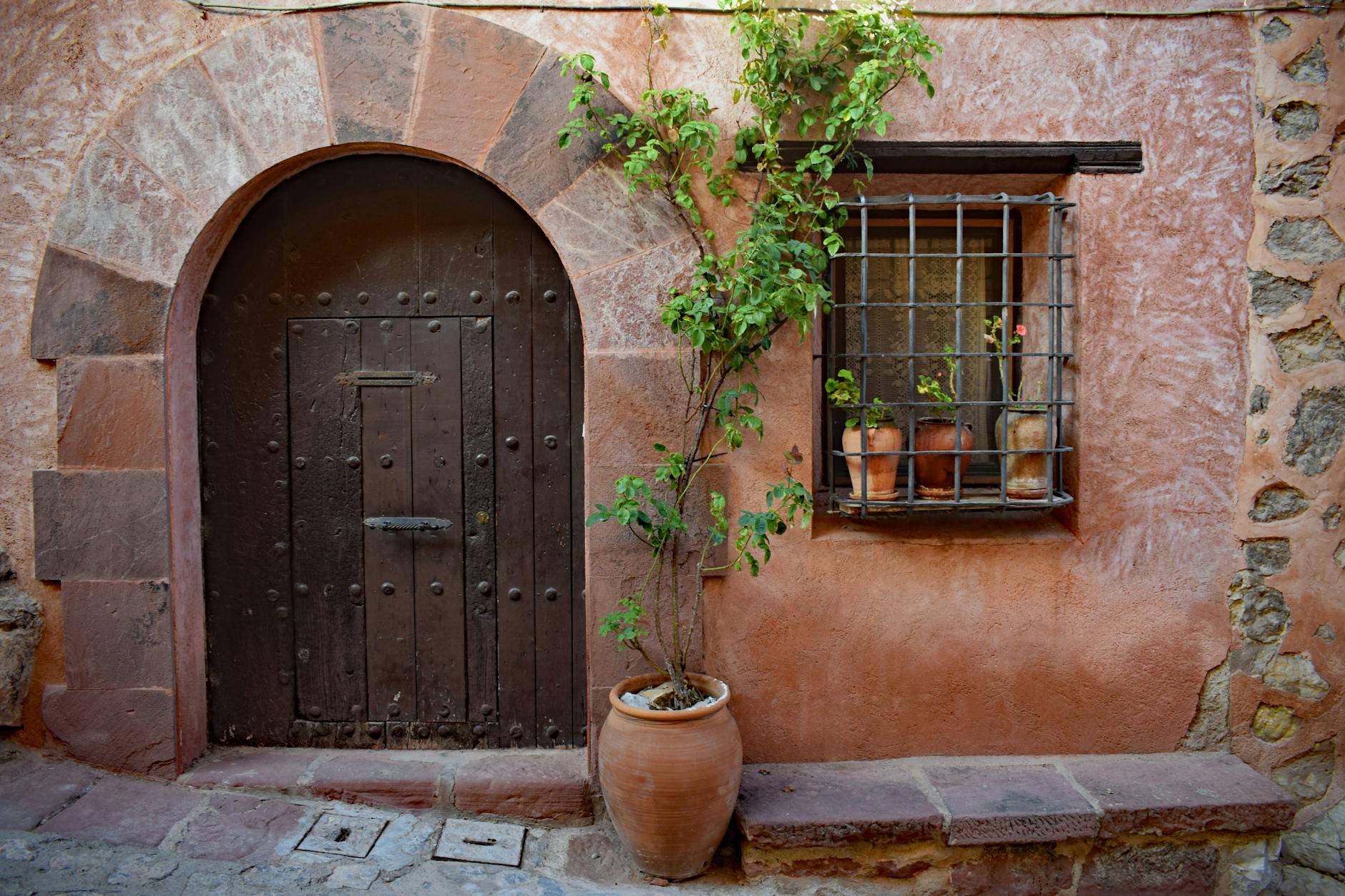
AlbarracÃn, Spain, is a captivating medieval town known for its pink-hued buildings, rich history, and stunning landscapes. Founded during the Roman era, the town flourished under Islamic rule and retains architectural gems, including ancient walls and the impressive Cathedral of Saint Mary. Surrounded by the Sierra de AlbarracÃn, it offers outdoor activities like hiking and rock climbing amidst breathtaking scenery. Cultural festivals, such as Fiestas de Santa Esteban, showcase local traditions and cuisine. With a commitment to preservation, AlbarracÃn balances historical charm with modernity, making it a unique destination that enchants visitors and celebrates its vibrant heritage.
-
Seville History: From Roman Roots to Islamic Influence

Seville is the capital of Andalusia, Spain, and has a rich history influenced by various cultures, beginning with ancient Iberian settlements, Roman development, and Islamic rule when it transformed into Isbiliya. The city’s Golden Age followed the Christian Reconquista in 1248, becoming a trade hub for the Americas. However, its prominence declined due to economic shifts and environmental challenges by the late 16th century. The 19th and 20th centuries brought modernization and revivals, exemplified by events like the Expo 92. Today, Seville balances its heritage with innovation, preserving traditions while embracing sustainability and contemporary architecture.
-
The Prado Museum: A Journey Through Art History

The Museo del Prado in Madrid is a premier art museum showcasing European masterpieces, especially Spanish art. Established in 1819 by King Ferdinand VII, it originally displayed royal collections but has since evolved into a global cultural emblem. The museum features works by prominent artists like Velázquez, Goya, and Titian, representing centuries of artistic evolution. Its architecture blends classical and modern styles, with expansions to accommodate its growing collection. The Prado also plays a key role in art preservation and education, fostering international engagement through exhibitions and digital initiatives. It remains vital in understanding Spain’s cultural heritage and global art…
-
Camino de Santiago 2025: Explore Journey of Spiritual and Cultural Significance
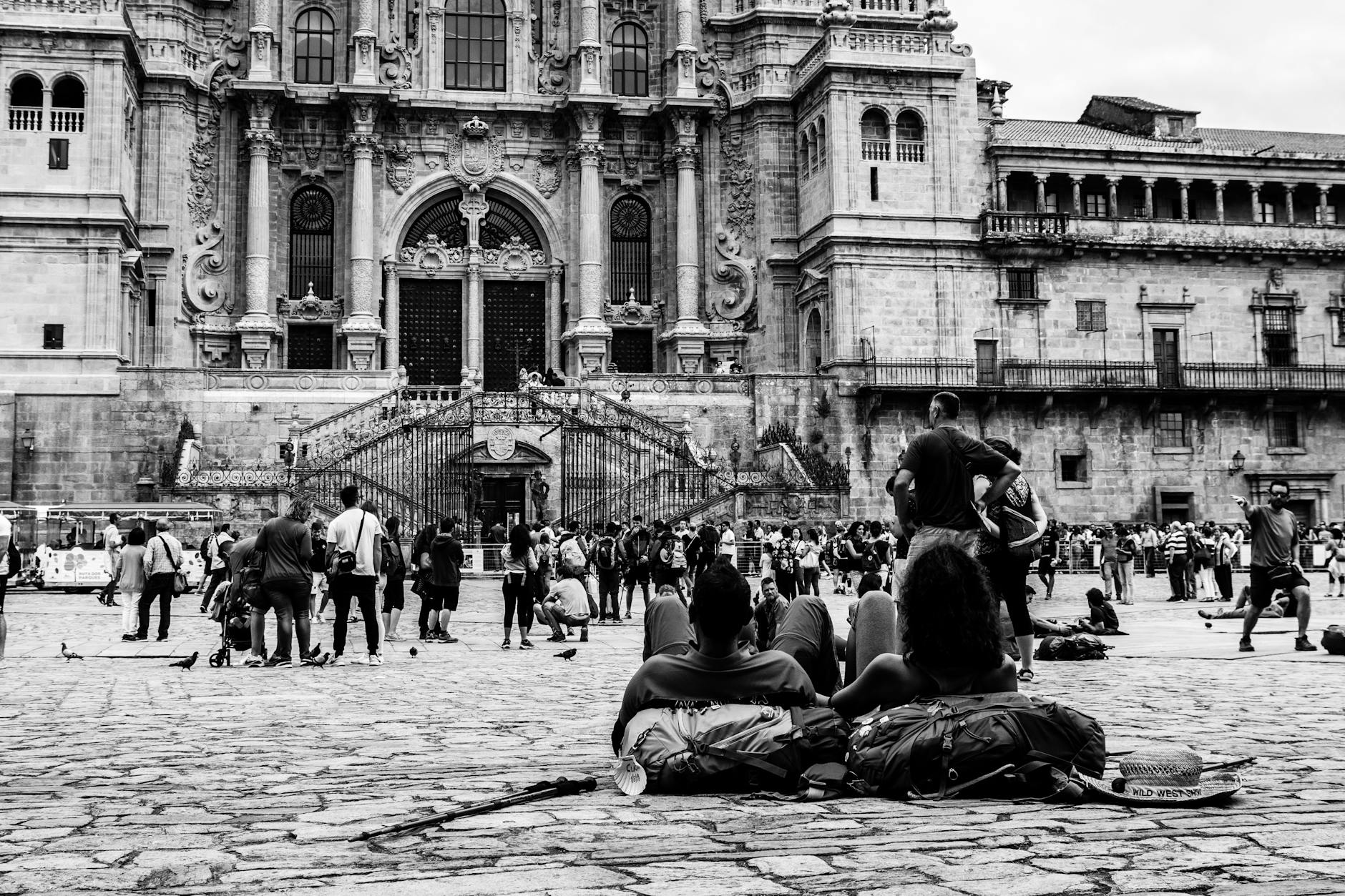
The Camino de Santiago is a historic pilgrimage route leading to the shrine of Saint James in Santiago de Compostela, Spain. Dating back over a thousand years, it offers spiritual renewal and cultural experiences for diverse pilgrims. Various routes, such as the Camino Francés and Camino Portugués, provide unique landscapes and challenges. Preparing for the journey involves selecting the right route, physical training, and acquiring suitable gear. As pilgrims walk, they engage in self-reflection and foster community bonds with fellow travelers. This pilgrimage embodies personal growth, cultural heritage, and a quest for meaning, enriching participants’ lives long after their journey…
-
Tenerife Travel Guide 2025: Nature, Culture and Cuisine

Tenerife, the largest of the Canary Islands, is a year-round destination known for its diverse natural beauty, rich history, and vibrant culture. The island features stunning landscapes, including Mount Teide, beautiful beaches, and lush forests, ideal for outdoor enthusiasts. Visitors can explore historical towns like San Cristóbal de La Laguna, witness the unique Pyramids of GüÃmar, and enjoy the world’s second-largest carnival. Adventurers have access to hiking, whale watching, and water sports. Tenerife’s gastronomy reflects a blend of influences, with seafood and traditional dishes like papas arrugadas. Through careful planning, travelers can enjoy an affordable and memorable experience.
-
Guernica: Picasso’s 1937 Iconic Anti-War Masterpiece
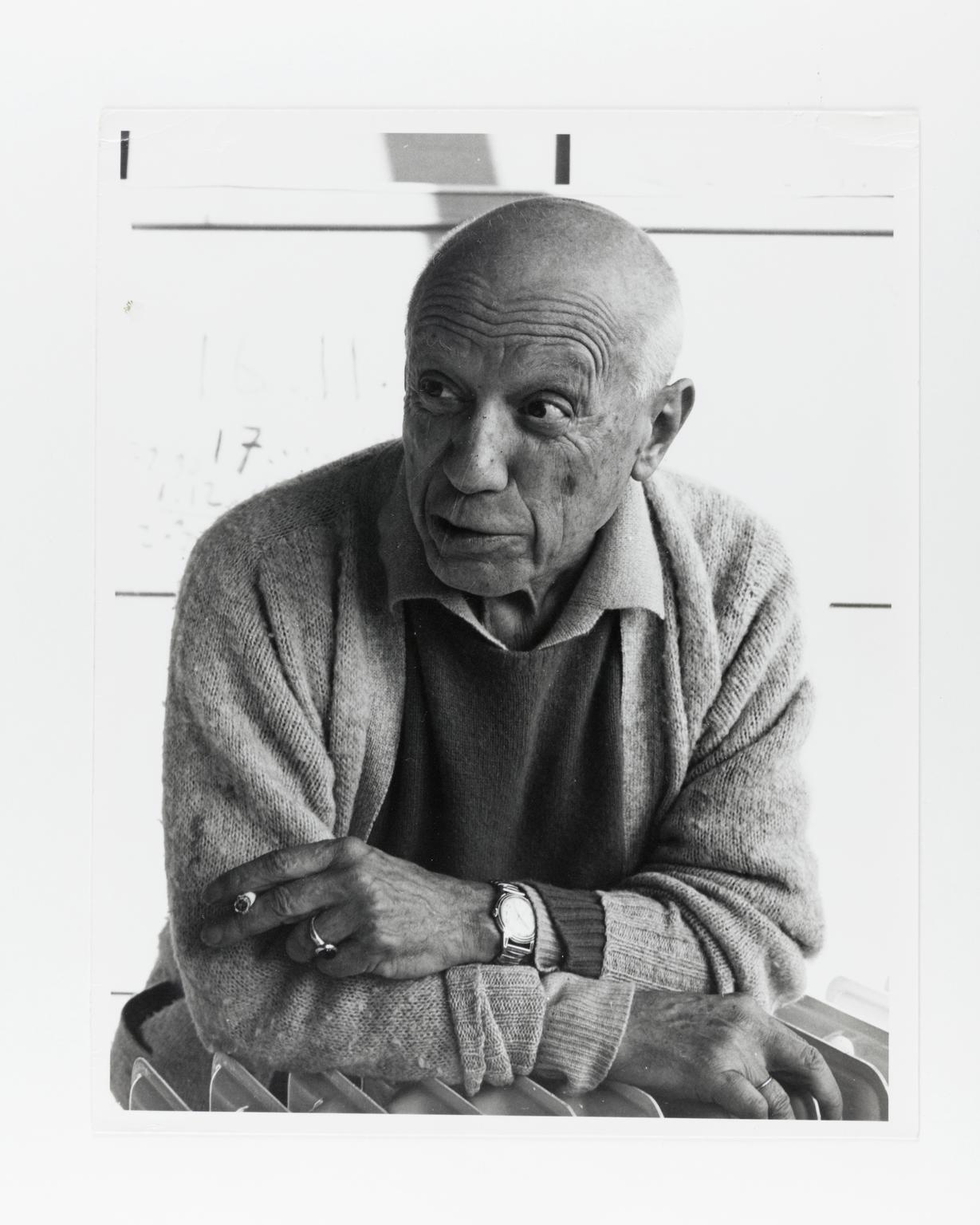
Pablo Picasso’s Guernica is a renowned anti-war mural created in response to the 1937 bombing of the Basque town of Guernica during the Spanish Civil War. This monumental work, rendered in stark monochrome, conveys profound anguish through fragmented forms and anguished figures, symbolizing the horrors of war. Initially mixed in its reception, Guernica eventually transformed into an emblem of political art, representing resilience and hope. Its journey from exile to return in Spain reflects broader themes of human suffering and resistance, inspiring artists and activists globally. Guernica continues to evoke critical reflections on the cost of violence and advocates for…
-
Exploring the amazing Cathedral of Seville: History & Art
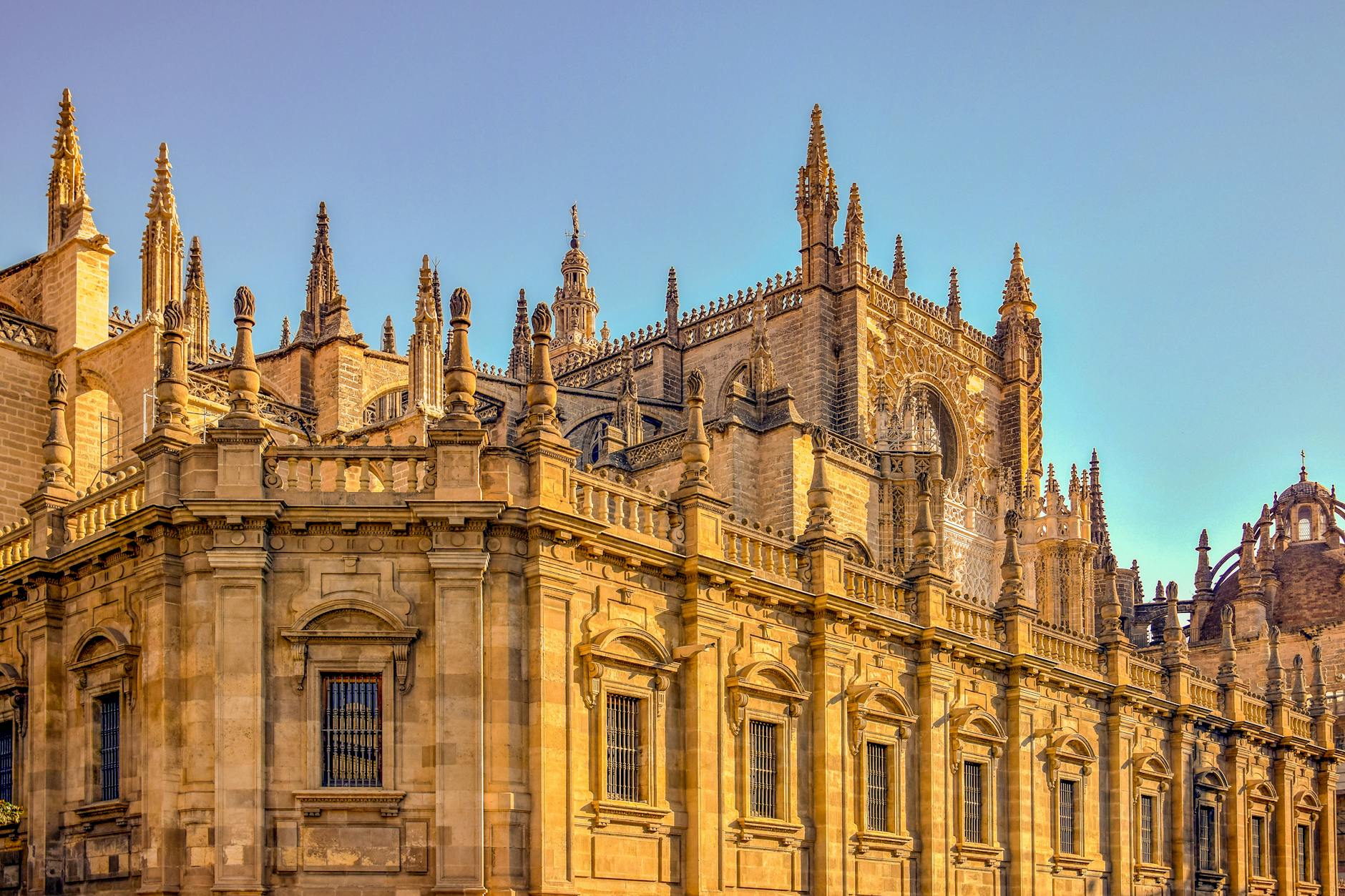
The Cathedral of Seville, a UNESCO World Heritage Site, epitomizes the fusion of Islamic, Christian, and secular influences in its Gothic and Renaissance architecture. Originally built as a mosque in 1198, it was transformed into a cathedral after Seville’s Reconquista in 1248. The construction commenced in 1401, aiming to surpass all other cathedrals. The Giralda tower, originally a minaret, showcases this cultural blend. Housing remarkable artistic treasures, including the largest altarpiece, the cathedral symbolizes Seville’s power and historical significance. Today, it faces preservation challenges due to environmental factors and tourism, yet remains a vital spiritual and cultural landmark.
-
Puerta del Sol: The Amazing Heart of Madrid
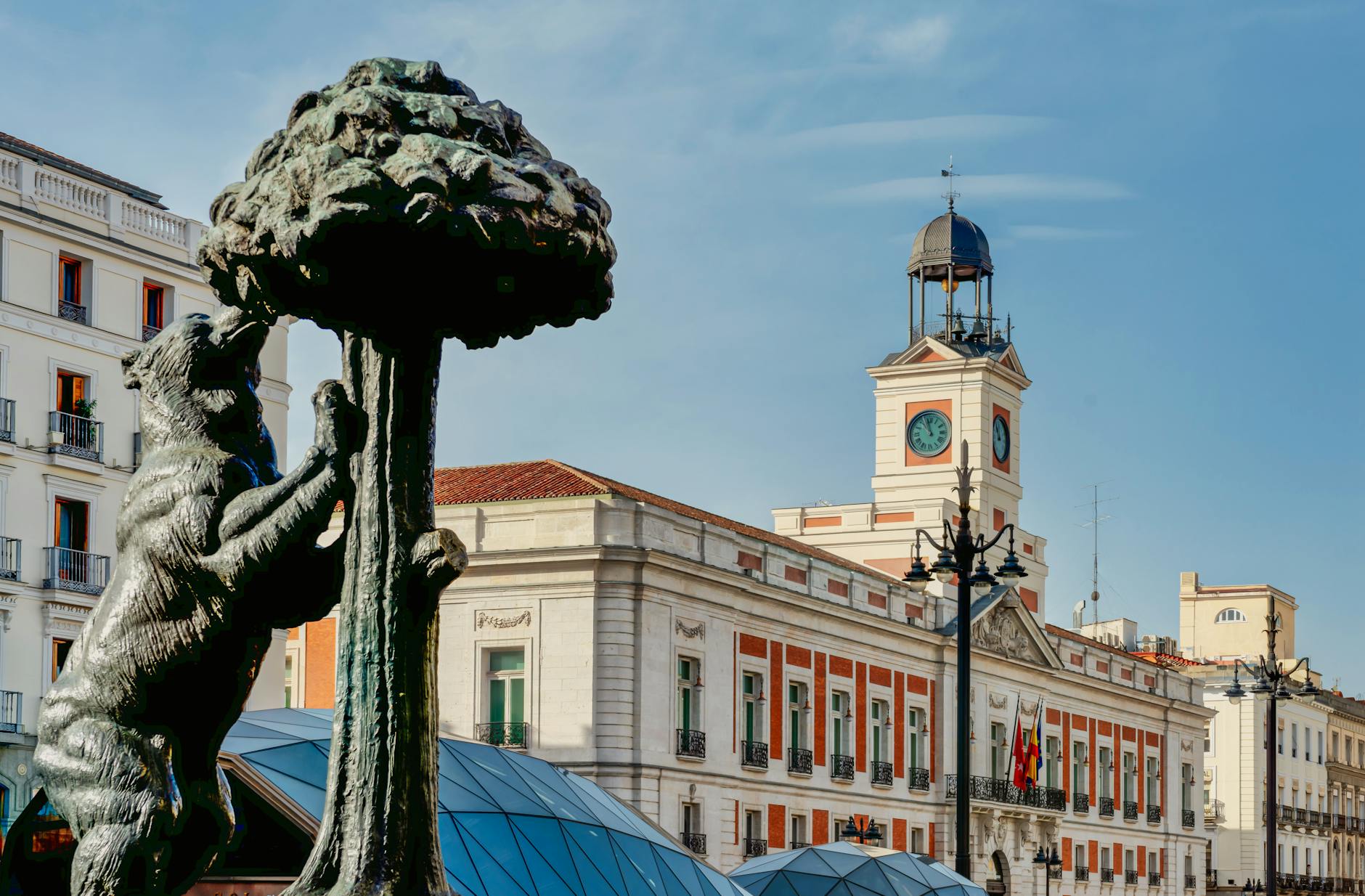
The Puerta del Sol is one of Madrid’s most iconic landmarks and a focal point of Spanish culture and history. Nestled in the heart of the capital, this vibrant square has evolved over centuries from a gateway in the city’s medieval walls to a bustling hub of activity. It serves as Spain’s Kilómetro Cero, the symbolic starting point of the country’s road network, and is steeped in historical significance as a witness to revolutions, political movements, and joyous celebrations.
-
Exploring the Sagrada Familia: Gaudí’s Architectural Marvel

The Basilica of the Sagrada Familia in Barcelona, Spain, stands as an extraordinary testament to human creativity and devotion. Conceived by visionary architect Antoni GaudÃ, this iconic structure marries intricate architectural ingenuity with profound spiritual symbolism. Since its foundation in 1882, the basilica has fascinated millions with its unique blend of Gothic and Art Nouveau styles. Despite being under construction for over 140 years, it is celebrated as one of the most remarkable architectural projects in history. From its detailed façades to its awe-inspiring interior, every element of the Sagrada Familia is infused with meaning, reflecting GaudÃ’s deep faith and…
-
How Hernán Cortés Conquered the Aztec Empire
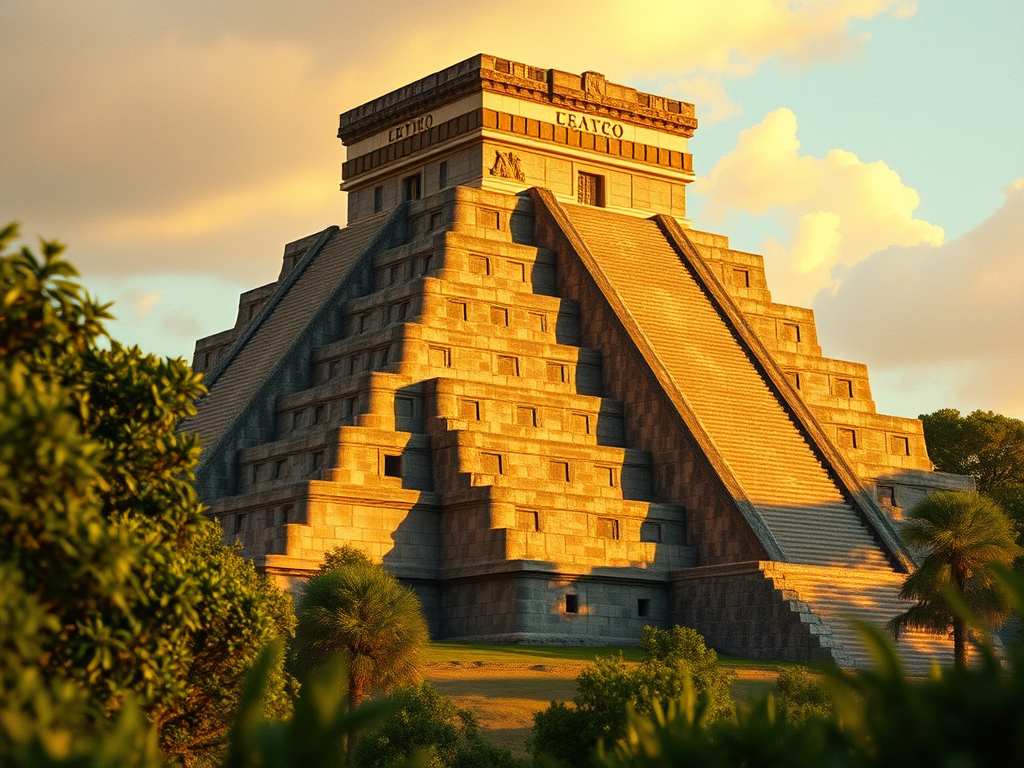
In 1519, Spanish conquistador Hernán Cortés embarked on a fateful journey to Mexico, setting in motion the events that would lead to the fall of the powerful Aztec Empire. His expedition marked one of the most transformative—and devastating—episodes in world history, driven by the Spanish quest for wealth, religious conversion, and expansion. As Cortés ventured deeper into Aztec lands, he forged alliances with local tribes, encountered fierce resistance, and employed a blend of diplomacy, warfare, and strategy to achieve his goals. This article explores the stages of Cortés’s journey, from his arrival on Mexico’s coast to the capture of Tenochtitlan…