
Introduction
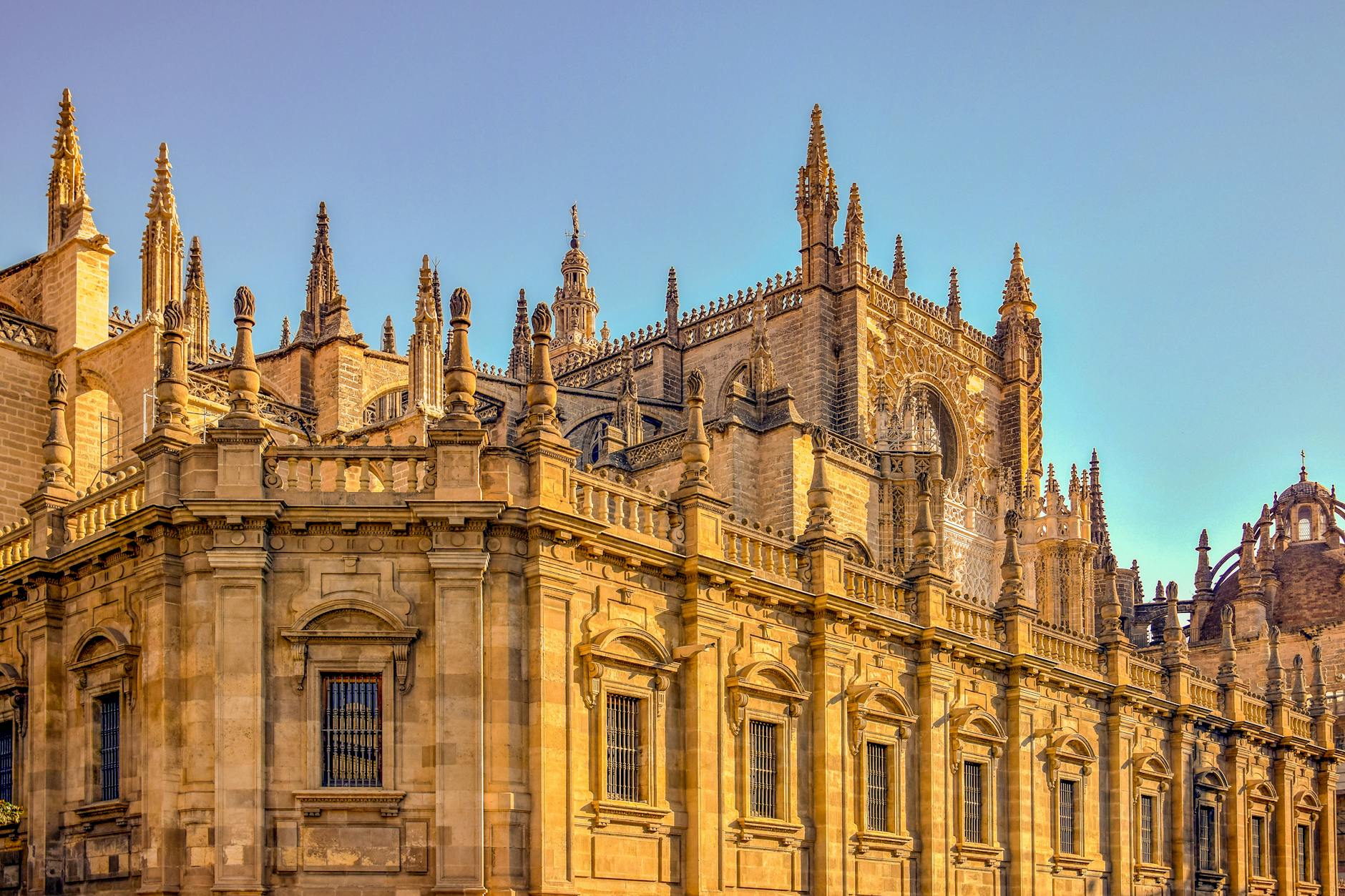
The Cathedral of Seville, officially known as the Cathedral of Saint Mary of the See, stands as one of the greatest monuments of Gothic and Renaissance architecture in the world. Located in the heart of Seville, Spain, it reflects the city’s vibrant history, blending Islamic, Christian, and secular influences. Originally constructed on the site of a former mosque, this UNESCO World Heritage Site has evolved over centuries, symbolizing both faith and artistic grandeur. Its towering Giralda, once a minaret, epitomizes the melding of cultures. As the largest Gothic cathedral in the world and one of the largest Christian churches, its grandeur is unmatched. From the treasures housed within to its historical significance and preservation challenges, the Cathedral of Seville continues to captivate millions of visitors annually. This article explores its history, architecture, cultural impact, and enduring legacy.
The Foundations of Faith: Origins of the Cathedral of Seville
The origins of the Cathedral of Seville are deeply intertwined with the city’s rich and complex history, reflecting a confluence of cultures and religions. Before it became a Christian place of worship, the site was home to a grand Almohad mosque, constructed during the Islamic rule of Andalusia. This mosque, completed in 1198, featured remarkable architectural elements, including the Giralda minaret, which remains a defining feature of the cathedral today.
In 1248, Seville was reconquered by Ferdinand III of Castile during the Reconquista, marking a turning point for the city. The mosque was consecrated as a Christian church, reflecting the shift in religious and cultural dominance. While the initial transformation involved only minor modifications to accommodate Christian worship, the growing influence of the Catholic Church and Seville’s economic prosperity in the 14th century fueled ambitions for a grander structure.
In 1401, the decision to construct a new cathedral was made, reportedly with the ambitious declaration to build something “so grand that those who see it will think we were mad.” This decision reflected the city’s desire to assert its power and faith, as well as to commemorate its pivotal role in the Reconquista. The demolition of the old mosque began, but key elements, like the Giralda and the Patio de los Naranjos (Courtyard of the Orange Trees), were preserved, creating a unique blend of Islamic and Christian heritage.
The foundation of the new cathedral symbolized not just religious devotion but also Seville’s status as a burgeoning hub of trade and culture. Its construction was part of a broader wave of monumental Gothic architecture in Europe, designed to awe and inspire. As the first stones were laid, the Cathedral of Seville embarked on a journey that would span over a century, involving the efforts of countless artisans, architects, and laborers.
This phase of its history highlights the dynamic interplay of cultural transformation, ambition, and faith that defined medieval Spain. The site’s evolution from a mosque to a cathedral encapsulates the spirit of a city at the crossroads of civilizations, setting the stage for the architectural and artistic marvels to come.
Architectural Vision: Design and Construction of the Cathedral
The architectural design and construction of the Cathedral of Seville represent a remarkable achievement in Gothic and Renaissance artistry, blending traditional elements with innovative techniques. Officially commencing in 1401, the project was ambitious in scale and vision, intending to surpass all other cathedrals of its time. Its construction would span over a century, involving several generations of architects and craftsmen who contributed their unique styles and expertise.
The initial design adhered to the Gothic architectural style, characterized by soaring ceilings, pointed arches, and intricate stonework. The decision to build on the site of the former mosque presented both challenges and opportunities. While much of the mosque was demolished, its foundational elements provided a robust base for the cathedral. The incorporation of the Giralda and the Patio de los Naranjos as integral features ensured a continuity of historical identity.
The cathedral’s floor plan was designed in the shape of a Latin cross, with five expansive naves and a central nave that rises to an impressive height of 42 meters (138 feet). The choir and high altar occupy the central axis, emphasizing the verticality and grandeur typical of Gothic cathedrals. The inclusion of 80 chapels, each lavishly adorned with religious art, reflects the wealth and piety of Seville’s elite patrons.
Construction required an extraordinary logistical effort, including the transportation of limestone from nearby quarries and the importation of materials like Flemish stained glass and Italian marble. Master builders such as Alonso MartÃnez, who served as the initial architect, and later Diego de Riaño and MartÃn de Gainza, brought their expertise to the evolving design, incorporating Renaissance elements as architectural styles shifted in the 16th century.
One of the cathedral’s most striking features is its vast interior space, measuring 135 meters (443 feet) in length and 100 meters (328 feet) in width. This makes it the largest Gothic cathedral in the world and one of the largest churches overall, surpassing even St. Peter’s Basilica in interior volume. The intricate ribbed vaulting and richly decorated ceilings demonstrate the remarkable craftsmanship of the period.
The construction process faced numerous challenges, including the devastating Lisbon earthquake of 1755, which caused significant damage to parts of the cathedral. Subsequent restoration efforts preserved its grandeur, ensuring its survival through the centuries. The Cathedral of Seville stands today as a testament to the vision, skill, and determination of its creators, embodying both the spiritual aspirations and artistic achievements of its time.
The Giralda: A Tower of Transformation
The Giralda, the iconic bell tower of the Cathedral of Seville, stands as a striking symbol of cultural fusion and architectural ingenuity. Originally constructed as a minaret during the Almohad period, the tower was completed in 1198 under the direction of the architect Ahmad ibn Baso. At the time, it served as a call to prayer for the grand mosque of Seville. Its design drew inspiration from the Koutoubia Mosque in Marrakech, with its ornate brickwork and geometric patterns showcasing the sophistication of Islamic architecture.
When Seville was reconquered in 1248, the Giralda underwent a remarkable transformation. Rather than demolishing the tower, which was already a significant landmark, the Christian authorities chose to preserve and repurpose it. This decision highlights the pragmatic approach of the era, as well as a recognition of the tower’s architectural beauty and symbolic importance. Over time, the Giralda was adapted to serve as a bell tower, with additional modifications reflecting Christian liturgical needs.
The most significant alteration occurred in the 16th century when the Renaissance architect Hernán Ruiz II added the upper sections of the tower, including the belfry and the “El Giraldillo,” a bronze weathervane in the shape of a female figure symbolizing faith. This addition harmonized with the existing structure while imbuing it with a distinctly Christian character. The Giralda’s height was also extended, reaching 104 meters (341 feet), making it one of the tallest structures of its time.
The tower’s blend of Islamic and Christian elements reflects the broader history of Seville as a city at the crossroads of civilizations. Its base retains the original Almohad design, with intricate brick patterns and horseshoe arches, while the upper sections embody Renaissance elegance and Christian iconography. This synthesis creates a visual narrative of the city’s cultural evolution, from Islamic rule to the Reconquista and beyond.
Today, the Giralda remains a central feature of Seville’s skyline and an enduring symbol of the city. Visitors can ascend the tower via a series of ramps, originally designed to accommodate riders on horseback. From the top, panoramic views of Seville reveal the sprawling urban landscape and the cathedral complex below. The Giralda’s status as a UNESCO World Heritage Site underscores its significance as both a historical artifact and a masterpiece of architecture.
The Giralda encapsulates the story of Seville’s transformation, serving as a tangible link between the city’s Islamic past and its Christian present. Its enduring presence is a testament to the power of architecture to transcend cultural boundaries and to tell the story of a city through its stones and spires.
Treasures Within: The Artistic Masterpieces of the Cathedral
The Cathedral of Seville is not only an architectural marvel but also a treasure trove of artistic and cultural heritage. Within its vast interior, visitors encounter a dazzling array of sculptures, paintings, and decorative works that reflect centuries of devotion and artistic achievement. These masterpieces are a testament to the wealth, influence, and spiritual aspirations of Seville during its golden age.
One of the most striking features is the High Altar, or Retablo Mayor, considered the largest altarpiece in the world. This monumental work of Gothic art, carved by Flemish and Spanish artisans over several decades, is adorned with intricate gold leaf and depicts scenes from the life of Christ and the Virgin Mary. Its sheer scale and craftsmanship inspire awe, symbolizing the grandeur of the Catholic faith during the late Middle Ages.
Equally impressive is the tomb of Christopher Columbus, a sculptural masterpiece housed within the cathedral. Designed by Arturo Mélida in the 19th century, the tomb features four allegorical figures representing the kingdoms of Castile, León, Aragón, and Navarre, which carry the casket of the famed explorer. The presence of Columbus’s remains underscores the cathedral’s role as a center of imperial power and a monument to Spain’s Age of Exploration.
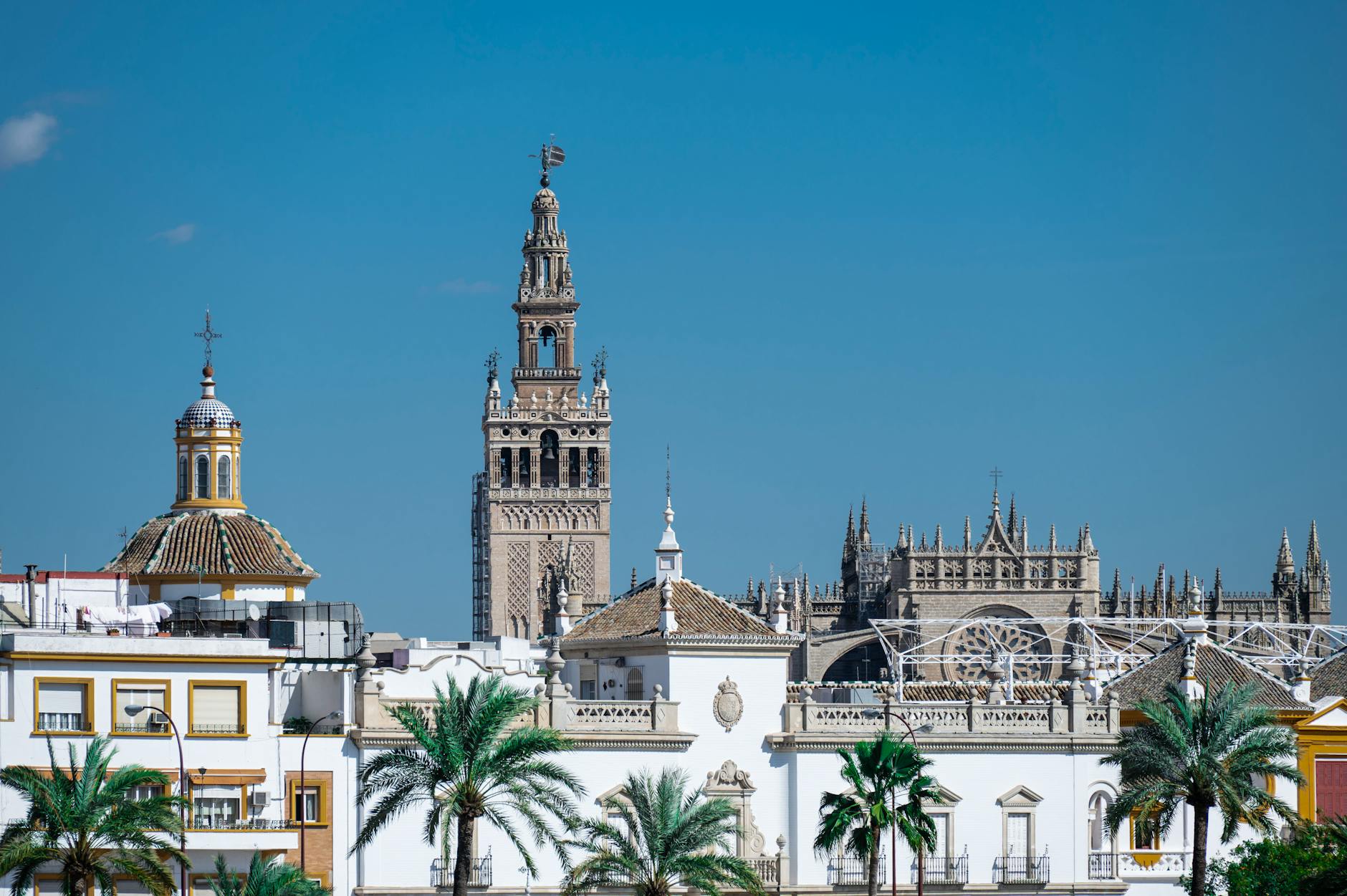
Photo by Josu00e9 Maldonado Du00edaz on Pexels.com
The cathedral’s chapels house an extensive collection of religious art, including works by renowned painters such as Bartolomé Esteban Murillo, Francisco de Zurbarán, and Juan de Valdés Leal. These paintings, many of which depict biblical scenes or saints, are celebrated for their emotional depth and technical mastery. The SacristÃa Mayor and the Chapter House also showcase exquisite examples of Renaissance and Baroque design, with elaborate ceilings, sculptures, and furnishings.
Another highlight is the treasury, which contains priceless artifacts such as the Custodia de Juan de Arfe, a silver monstrance crafted in the 16th century, and various liturgical items made from gold, ivory, and precious stones. These objects not only hold religious significance but also reflect the global reach of Seville’s trade networks during its period as a major port of the Spanish Empire.
The cathedral’s organ, an extraordinary instrument with over 7,000 pipes, adds to the sensory experience of the space. Its powerful sound has accompanied countless religious ceremonies, enhancing the spiritual atmosphere of this sacred site.
Overall, the artistic treasures of the Cathedral of Seville transform it into a living museum of faith and culture. Each piece tells a story of devotion, creativity, and the interconnected history of Spain and the wider world. Exploring these masterpieces offers a glimpse into the spiritual and artistic heights achieved by the city throughout its storied past.
Historical Role: The Cathedral’s Impact on Seville and Beyond
The Cathedral of Seville has played a pivotal role in the historical, cultural, and spiritual life of the city and its broader region. Beyond its function as a place of worship, the cathedral has stood as a symbol of Seville’s power, wealth, and global connections throughout the centuries.
During the late Middle Ages and the Renaissance, Seville emerged as a vital hub of trade and exploration. Its position on the Guadalquivir River made it the principal port for goods arriving from and departing to the Americas during the Spanish Empire’s expansion. The cathedral, as the spiritual heart of the city, reflected this prosperity and ambition. It became a center for religious ceremonies that marked significant events in the city’s history, such as royal visits, the commissioning of voyages, and celebrations of Spain’s conquests abroad.
The cathedral also played a crucial role in shaping the cultural identity of Seville. Its grandeur inspired the construction of other significant landmarks in the city, such as the Alcázar and the Archivo de Indias. Together, these sites cemented Seville’s reputation as a city of exceptional architectural and artistic heritage. Moreover, the cathedral fostered a vibrant religious culture, with the clergy and laity alike contributing to the development of music, art, and scholarship.
The impact of the cathedral extended beyond the city’s borders, serving as a model for other ecclesiastical projects in Spain and its colonies. Its blend of Gothic, Renaissance, and Mudéjar elements influenced the design of churches and cathedrals in the Americas, exemplifying the exchange of ideas across the Atlantic. This architectural legacy underscores Seville’s role as a bridge between Europe and the New World.
The cathedral also served as a repository of religious and cultural treasures, many of which were brought from abroad or commissioned to celebrate the city’s maritime achievements. These artifacts, combined with the cathedral’s immense scale and opulent design, reinforced Seville’s status as a leading center of Catholicism and Spanish imperial power.
In times of crisis, the cathedral acted as a unifying force for the people of Seville. During outbreaks of plague, natural disasters, and periods of political turmoil, the cathedral became a place of refuge and prayer. Its resilience in the face of challenges, such as the Lisbon earthquake of 1755, which damaged parts of the structure, symbolizes the endurance of the city itself.
Today, the historical significance of the Cathedral of Seville continues to resonate. As a UNESCO World Heritage Site, it draws millions of visitors annually, contributing to Seville’s status as a major cultural and tourist destination. Its role in shaping the city’s identity and its legacy as a center of faith and art make it a cornerstone of Spanish history and a monument of global importance.
Challenges and Preservation: Protecting a World Heritage Site
The Cathedral of Seville’s long history and immense size have made its preservation a monumental task, requiring constant care and adaptation to address both natural and human-made challenges. The effort to maintain this historic structure reflects the importance of safeguarding cultural heritage for future generations.
One of the earliest and most significant challenges to the cathedral was the Lisbon earthquake of 1755. The tremor caused extensive damage to the building, including the partial collapse of the dome. Reconstruction efforts in the subsequent years not only repaired the damage but also reinforced the structure to withstand future seismic events. This marked one of the earliest examples of large-scale preservation work on the cathedral.
In the modern era, environmental factors have posed ongoing threats to the cathedral’s integrity. Air pollution, caused by industrial activities and urbanization, has led to the erosion of the stonework and the discoloration of its facades. Acid rain, in particular, has been a major concern, as it accelerates the deterioration of limestone and sandstone. Conservationists have employed advanced techniques such as laser cleaning and chemical treatments to restore the cathedral’s surfaces while preserving their historical authenticity.
Another significant challenge is managing the impact of tourism. With millions of visitors each year, the cathedral faces wear and tear from foot traffic, as well as the logistical difficulties of accommodating large crowds. To address this, the cathedral administration has implemented measures such as timed entry tickets, restricted access to sensitive areas, and increased funding for maintenance projects.
Climate change has also emerged as a growing concern. Rising temperatures and changing weather patterns threaten the structural stability of the building, as well as the preservation of its priceless artworks and artifacts. Conservationists have begun to explore innovative solutions, including the use of climate-controlled display cases for vulnerable items and improved ventilation systems to protect the interior from humidity fluctuations.
Preservation efforts have also extended to the cathedral’s surrounding environment. The Patio de los Naranjos, for instance, requires careful maintenance to ensure the health of its historic orange trees, which are an integral part of the site’s cultural and aesthetic heritage. Similarly, the Giralda tower has undergone regular inspections and restorations to address issues such as cracking and water infiltration.
Despite these challenges, the Cathedral of Seville remains a model of successful preservation. Its designation as a UNESCO World Heritage Site in 1987 has brought international attention and resources to its conservation, enabling ongoing projects to safeguard its architectural and artistic treasures. The collaboration between local authorities, conservation experts, and international organizations ensures that this iconic monument continues to inspire and educate future generations.
The Cathedral in the Modern Era: Faith, Tourism, and Cultural Significance
In the modern era, the Cathedral of Seville has evolved into a multifaceted institution that balances its roles as a place of worship, a cultural landmark, and a major tourist attraction. This dual identity reflects the dynamic interplay between tradition and contemporary relevance.
As a religious site, the cathedral continues to serve as the seat of the Archdiocese of Seville and hosts numerous liturgical ceremonies, including daily Masses, weddings, and baptisms. Major religious festivals, such as Holy Week (Semana Santa), see the cathedral become the focal point of elaborate processions and ceremonies that draw both local participants and international visitors. These events underscore the cathedral’s enduring role as a spiritual center for the community.
Tourism has become a significant aspect of the cathedral’s modern identity. Each year, millions of visitors are drawn to its stunning architecture, artistic treasures, and historical significance. Guided tours, multimedia exhibits, and educational programs have been developed to enhance the visitor experience, ensuring that the cathedral’s story is accessible to a global audience. Revenues from tourism also provide vital funding for conservation and maintenance efforts.
Cultural initiatives have further solidified the cathedral’s place in contemporary life. Concerts, art exhibitions, and academic conferences held within its walls highlight its versatility as a venue for both religious and secular events. These activities not only celebrate the cathedral’s artistic heritage but also contribute to its integration into the cultural fabric of modern Seville.
Efforts to engage with the local community have been a priority for the cathedral administration. Outreach programs, such as educational workshops and charity initiatives, emphasize the cathedral’s role as a living institution that serves the city’s residents. These efforts help to foster a sense of shared ownership and pride among Sevillians, ensuring that the cathedral remains a vital part of the city’s identity.
In an era of globalization, the Cathedral of Seville stands as a symbol of Spain’s rich cultural heritage and its interconnected history with the wider world. Its enduring appeal lies in its ability to bridge the past and present, offering a space where faith, art, and history converge.
Conclusion
The Cathedral of Seville is far more than a building; it is a living testament to the city’s complex history, artistic achievements, and spiritual devotion. From its origins as an Almohad mosque to its transformation into a Christian cathedral, it reflects the confluence of cultures that have shaped Seville over the centuries. Its architectural grandeur, artistic treasures, and historical significance make it a symbol of the city’s identity and a beacon of its enduring legacy.
As one of the largest and most magnificent cathedrals in the world, it continues to inspire awe among visitors and worshippers alike. The challenges of preserving such a monumental structure in the face of environmental and societal changes underscore the importance of collaborative efforts to protect our shared cultural heritage.
Today, the Cathedral of Seville remains a source of pride for the city and a focal point for global admiration. Its story is a reminder of the enduring power of faith, art, and human ingenuity, ensuring that it will continue to captivate and inspire for generations to come.






[…] Mosques were converted into churches, and the Great Mosque of Isbiliya became the foundation for the Seville Cathedral, symbolizing the city’s new religious […]