

Introduction
The Cathedral of Santa Maria del Fiore, or Florence Cathedral, is a magnificent symbol of Renaissance art and architecture that dominates the skyline of Florence, Italy. With its stunning dome engineered by Filippo Brunelleschi, this cathedral has not only been a center of religious activity but also a testament to the city’s cultural and historical significance. The construction of the cathedral began in 1296, and it was consecrated in 1436. The intricate artwork, innovative architectural techniques, and rich history of the Cathedral of Santa Maria del Fiore make it a must-visit landmark for millions of tourists and pilgrims each year.
Historical Background and Construction Timeline
The Cathedral of Santa Maria del Fiore’s history begins in the late 13th century when Florence was burgeoning as a powerful city-state. As the population grew, it became clear that the existing church, Santa Reparata, was insufficient to serve the needs of the community. In 1296, the Florentine government commissioned the construction of a grand new cathedral, with Arnolfo di Cambio appointed as the architect. His vision was to create a structure that would not only serve as a place of worship but also symbolize the city’s prosperity and civic pride.
Construction commenced in 1296, but progress was slow due to various challenges, including political upheaval and financial difficulties. The nave was completed by 1310, but the ambitious design of the dome remained unfulfilled for decades after di Cambio’s death. This dome became a focal point of the cathedral’s design, representing both a technical challenge and an artistic opportunity.
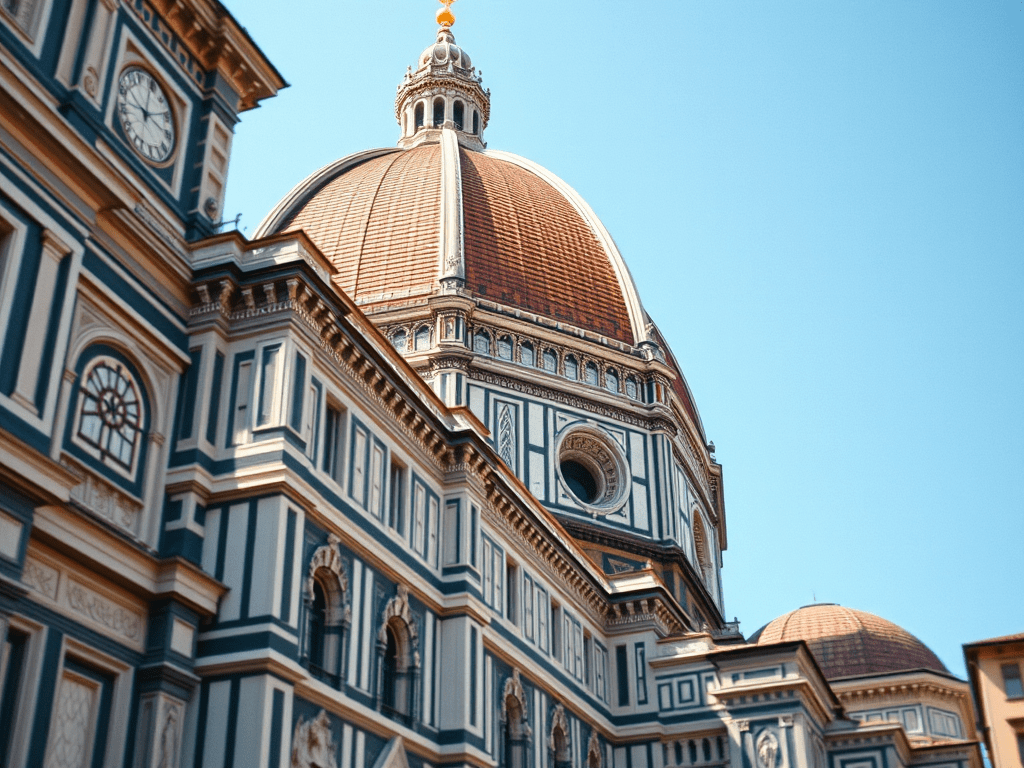
In the 1420s, Brunelleschi was selected to design the dome. His innovative approach addressed the challenge of constructing a dome that would be both visually stunning and structurally sound. His solution involved a double dome—an inner and outer shell—along with a herringbone brick pattern to provide strength without excessive weight. This design was groundbreaking and set a precedent for future domes across Europe.
The dome was finally completed in 1436, and the cathedral was consecrated by Pope Eugene IV. The façade, which underwent several modifications, was completed in the 19th century, giving the cathedral its final appearance. The entire construction process spanned more than 140 years, showcasing the dedication and ingenuity of the Florentine people. The Cathedral of Santa Maria del Fiore emerged not just as a religious edifice but as a monument to the Renaissance spirit of innovation and artistry.
Architectural Design and Innovations
The architectural design of the Cathedral of Santa Maria del Fiore is a striking representation of the transition from Gothic to Renaissance styles. The basilica layout, characterized by a Latin cross plan, incorporates Gothic elements, such as pointed arches and ribbed vaults, while also embracing the harmony and proportion of Renaissance architecture.
One of the most notable aspects of the cathedral is its dome, which was the largest in the world at the time of its completion and remains an architectural marvel today. Brunelleschi’s design incorporated a revolutionary technique: the use of a double shell. This method allowed for a lighter structure that maintained the necessary strength and stability. The inner dome, visible from inside the cathedral, is decorated with beautiful frescoes, while the outer dome, viewed from the outside, is topped with a lantern and a cross, creating a striking silhouette against the Florentine sky.
The façade of the cathedral is another masterpiece, adorned with intricate marble inlay and decorative sculptures. The combination of white, green, and red marble from the surrounding region creates a visually stunning effect that reflects the artistry of the time. The façade’s design includes numerous statues and reliefs, showcasing biblical figures and scenes that enhance the overall aesthetic and spiritual significance of the building.
Inside the cathedral, the vast nave is characterized by soaring ceilings and expansive spaces, designed to inspire awe and reverence. The interior is richly decorated with mosaics, frescoes, and altarpieces, each contributing to the overall experience of visiting this sacred space. The intricate craftsmanship and attention to detail are evident in every element, reflecting the collaborative efforts of many artists and architects throughout the cathedral’s history.
Brunelleschi’s innovative engineering and the cathedral’s unique design have made it a benchmark for future architects and builders. The Cathedral of Santa Maria del Fiore not only represents a pinnacle of architectural achievement but also embodies the spirit of the Renaissance, where art and science converged to create something truly extraordinary.
Artistic Contributions and Masterpieces
The Cathedral of Santa Maria del Fiore is renowned for its artistic contributions, which showcase the talents of some of the most celebrated artists of the Renaissance. The cathedral has served as a canvas for various forms of art, from frescoes and mosaics to sculptures and altarpieces, making it a vital part of Florence’s cultural heritage.
One of the most remarkable artistic features of the cathedral is the intricate mosaics that adorn the apse, particularly the magnificent mosaic of the Last Judgment created by Giorgio Vasari and Federico Zuccari in the 16th century. This expansive artwork vividly portrays the themes of salvation and damnation, inviting contemplation on life after death. The dynamic composition and vibrant colors exemplify the high bar set by Renaissance artists, engaging viewers with its dramatic imagery.
In addition to the mosaics, the cathedral is home to numerous chapels featuring exquisite altarpieces and paintings. The Chapel of the Cardinal of Portugal, for instance, contains an altarpiece by Paolo Uccello, depicting the Virgin Mary and the Child. Uccello’s use of perspective and light is indicative of the advancements in artistic technique during the Renaissance, enhancing the spiritual atmosphere of the chapel.
The adjacent Baptistery of San Giovanni is equally significant, renowned for its bronze doors designed by Lorenzo Ghiberti, famously known as the “Gates of Paradise.” These doors, completed in 1452, feature intricate reliefs depicting scenes from the Old Testament. Ghiberti’s masterful craftsmanship and ability to convey emotion through his figures have made these doors an iconic representation of Renaissance art.
The artistic legacy of the Cathedral of Santa Maria del Fiore extends beyond individual pieces; it reflects the collaborative spirit of the Renaissance, where artists worked together to elevate the cultural landscape of Florence. The cathedral itself has inspired countless artists and architects, becoming a source of admiration and study for generations.
Cultural and Religious Significance
The Cathedral of Santa Maria del Fiore holds profound cultural and religious significance for the city of Florence and the Catholic Church. As the principal church of Florence, it is dedicated to the Virgin Mary and serves as a central place of worship for the community. Its grandeur and beauty inspire reverence among locals and visitors alike, solidifying its role as a spiritual sanctuary.
Throughout its history, the cathedral has been the site of numerous significant religious events, including papal visits, canonizations, and major liturgical celebrations. These events not only highlight the cathedral’s role in the religious life of Florence but also reflect the city’s importance as a center of Christianity during the Renaissance. The cathedral’s ability to bring people together for worship and celebration underscores its significance in fostering a sense of community and shared faith.
Culturally, the cathedral is intertwined with the identity of Florence. It has become an emblem of the city’s rich artistic and architectural heritage, representing the aspirations and achievements of its citizens. The cathedral’s striking presence in the cityscape has inspired countless artists, poets, and thinkers, reinforcing its status as a symbol of Florence’s cultural legacy.
Moreover, the Cathedral of Santa Maria del Fiore has played a crucial role in the development of Florence’s civic pride. The construction of such a monumental structure reflected the ambitions of the city’s leaders and its citizens, demonstrating their commitment to art, architecture, and the expression of faith. The cathedral’s enduring significance in the cultural consciousness of Florence makes it a vital landmark that continues to inspire and attract visitors from around the world.
Today, the Cathedral of Santa Maria del Fiore remains a living monument, hosting regular religious services, special ceremonies, and cultural events. Its continued relevance in contemporary society speaks to the enduring power of faith and art in shaping community identity and cultural heritage.
Preservation and Restoration Efforts
The preservation of the Cathedral of Santa Maria del Fiore is vital to maintaining its structural integrity and artistic legacy. As a UNESCO World Heritage Site, the cathedral faces numerous challenges, including environmental factors, pollution, and the natural wear and tear of materials over centuries. Ongoing restoration efforts are crucial to ensure that this architectural masterpiece remains accessible and intact for future generations.
Restoration work on the cathedral has focused on preserving both its physical structure and its artistic elements. One significant area of attention has been the preservation of the mosaics and frescoes, which require careful cleaning and restoration to maintain their vibrancy and detail. Advanced techniques, including laser cleaning and conservation methods, are employed to carefully remove dirt and grime without damaging the underlying artwork.
The cathedral’s façade, which underwent a major restoration in the 19th century, is also the subject of ongoing efforts. As environmental pollutants and weathering can deteriorate the marble façade, preservation teams work diligently to clean and protect these intricate designs while addressing any structural concerns. This attention to detail is essential in maintaining the aesthetic beauty that has captivated visitors for centuries.
In addition to physical restoration, there is a strong emphasis on educating the public about the cathedral’s significance and the importance of preservation. Guided tours, workshops, and exhibitions engage both locals and tourists, fostering a sense of stewardship for this historic site. Collaborative efforts among historians, architects, and conservationists ensure that the cathedral remains a living monument that continues to inspire future generations.
The preservation and restoration efforts reflect a commitment to honoring the past while ensuring that the Cathedral of Santa Maria del Fiore remains an integral part of Florence’s cultural and religious life. By safeguarding this architectural treasure, we not only protect its history but also celebrate the enduring legacy of human creativity and faith.
Conclusion
The Cathedral of Santa Maria del Fiore is more than just a stunning architectural feat; it is a symbol of Florence’s rich history and cultural heritage. From its ambitious construction in the 13th century to its status as a masterpiece of Renaissance art and architecture, the cathedral embodies the spirit of innovation and creativity that defines Florence. The ongoing preservation efforts ensure that this iconic landmark will continue to inspire and awe future generations, allowing visitors to connect with the profound artistic and spiritual legacy it represents. As a center of worship and a cultural icon, the Cathedral of Santa Maria del Fiore remains a vital part of Florence’s identity and a testament to the enduring power of faith and art.





[…] is vividly reflected in its monuments and museums. Visitors can marvel at iconic sites such as the Cathedral of Santa Maria del Fiore, the Uffizi Gallery, and the Ponte Vecchio. Today, Florence seamlessly blends its storied past with […]
[…] One of the most notable examples of this evolution is the Florence Cathedral, or the Basilica di Santa Maria del Fiore, which features an exquisite Gothic facade and a striking dome designed by Filippo […]