
Introduction
Elon Musk, a name synonymous with innovation and entrepreneurship, has significantly shaped multiple industries, from aerospace and automotive to energy and artificial intelligence. Born in South Africa in 1971, Musk’s journey from a curious child to one of the most influential figures of the 21st century is marked by remarkable achievements and groundbreaking ideas. He co-founded Zip2, an online business directory, and went on to revolutionize the electric vehicle market with Tesla Motors. As the founder of SpaceX, Musk has transformed the aerospace industry, making strides toward interplanetary travel. This article delves into Musk’s life, exploring his early influences, the formation of his landmark companies, and his vision for the future, ultimately tracing the evolution of a man whose audacity knows no bounds.
Early Life and Education
Elon Musk was born on June 28, 1971, in Pretoria, South Africa, to a Canadian mother, Maye Musk, and a South African father, Errol Musk. His upbringing was influenced by a mix of diverse cultures and a home environment that encouraged curiosity and creativity. Musk demonstrated an early interest in technology and entrepreneurship, often finding solace in books and computer programming. By the age of 12, he created and sold a video game called Blaster, marking the beginning of his entrepreneurial endeavors.
Musk’s parents divorced when he was a child, and he subsequently lived with his father, who had a tumultuous nature. This experience was described by Musk as challenging, prompting him to distance himself from his father in later years. His mother played a critical role in his upbringing, instilling a strong work ethic and a belief in the importance of education.
After completing high school, Musk moved to Canada to attend Queen’s University, which offered him a pathway to eventually relocate to the United States. He believed that the U.S. provided greater opportunities for entrepreneurs and innovators. Musk spent two years at Queen’s before transferring to the University of Pennsylvania, where he earned two bachelor’s degrees: one in physics and another in economics.
At Penn, Musk emerged as an ambitious student with a penchant for bold ideas. He immersed himself in his studies while also exploring entrepreneurship, participating in various projects tied to technology and business. Notably, his time at Penn was marked by a strong desire to create impactful solutions for the world. This ambition was evident when he co-founded Zip2, his first major business venture.
Musk’s academic journey was not without challenges. He faced moments of uncertainty and doubt, yet his resolve to succeed propelled him forward. In the early days, he often worked tirelessly, focusing on the intersection of technology and business. This dual interest laid the groundwork for his future successes, shaping the visionary leader he would become.
Musk’s rich academic background infused him with the knowledge and skills necessary to delve into the emerging tech landscape. The combination of his education in physics and economics provided him with a unique perspective, enabling him to approach technological challenges with analytical precision and an understanding of market dynamics. Musk’s vision evolved during these formative years, culminating in his unwavering belief that technology could be harnessed to address some of humanity’s most pressing issues.
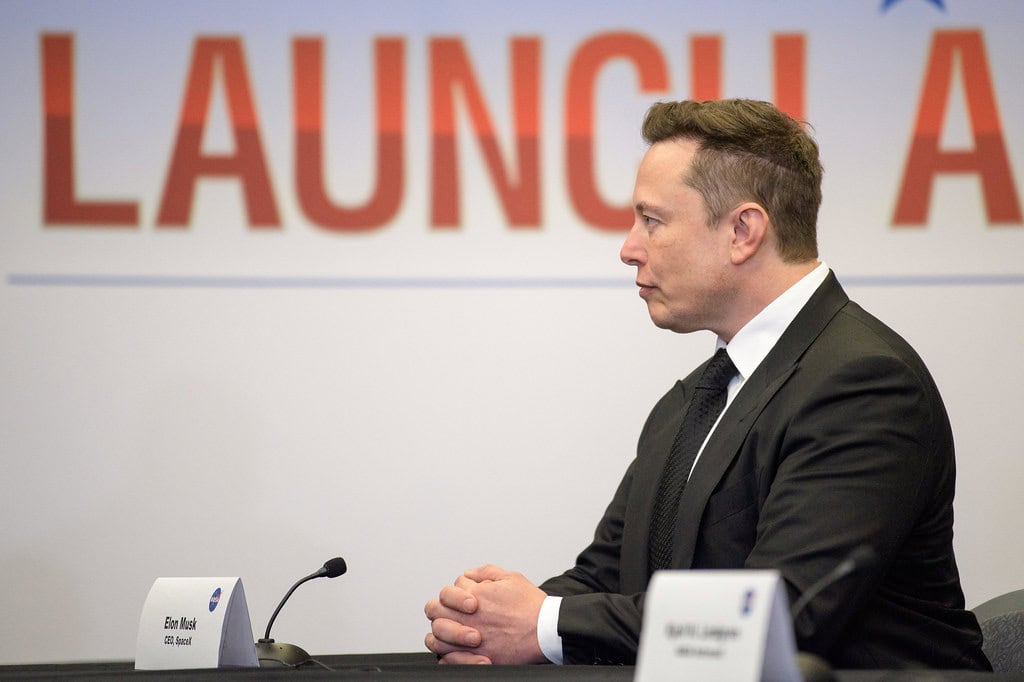
SpaceX Demo-2 Preflight (NHQ202005270020) by NASA HQ PHOTO is licensed under CC-BY-NC-ND 2.0
The Birth of Zip2 and X.com
In the mid-1990s, after dropping out of a Ph.D. program at Stanford just two days after enrolling, Musk saw the potential of the internet. He partnered with his brother, Kimbal Musk, to create Zip2, a company that provided business directories and maps for newspapers. The service quickly gained traction, demonstrating Musk’s ability to visualize and implement a solution that catered to the evolving digital landscape. Under his leadership, Zip2 grew rapidly, attracting attention from investors and media alike.
Musk’s relentless work ethic and vision were instrumental in driving the company toward success. He often worked long hours, immersing himself in product development and growth strategies. By 1999, Compaq acquired Zip2 for approximately $307 million, and Musk had his first taste of significant success in the tech world. This initial victory laid the foundation for his future ventures and established him as a formidable entrepreneur.
Following the sale of Zip2, Musk sought to revolutionize online banking. He co-founded X.com, an online payment platform, in 1999. Musk envisioned a seamless digital financial service, allowing users to transfer money via email—a novel concept at the time. The idea gained momentum, leading to the eventual merger with Confinity, which had developed a money-transfer service known as PayPal.
Under Musk’s leadership, X.com evolved quickly, focusing on user experience and efficiency. The combined entity adopted the PayPal branding, and Musk played a pivotal role in promoting its growth, driving innovations that simplified online payments. The service gained immense popularity, offering consumers a convenient and secure way to conduct transactions on the web.
Despite internal challenges, including disagreements among executives, Musk’s visionary approach had set the stage for PayPal’s ascent in the financial technology sector. In 2002, eBay acquired PayPal for $1.5 billion, further solidifying Musk’s status in the tech community. He earned a significant portion of this sum, which he used to fund his next ambitious projects.
The journey of Zip2 and X.com showcased Musk’s relentless pursuit of innovation and his ability to adapt in the fast-evolving tech landscape. He recognized opportunities where others saw obstacles, and his foresight in the digital realm paved the way for future ventures that would challenge conventional industries.
Musk’s experiences during the launch of Zip2 and X.com were transformative, shaping his entrepreneurial spirit and instilling a deep understanding of the intersection between technology and consumer needs. These early experiences not only provided him with capital but also equipped him with the knowledge and skills to take on more ambitious challenges in the years to come.
The Formation of SpaceX and Its Impact on the Aerospace Industry
After the sale of PayPal, Musk set his sights on more ambitious goals, determined to change the landscape of space travel. In 2002, he founded Space Exploration Technologies Corp, better known as SpaceX. Musk was driven by the desire to reduce space transportation costs and make interplanetary travel a reality.
From its inception, SpaceX faced significant challenges, including technological hurdles and funding issues. However, Musk’s determination to revolutionize aerospace technology fueled the company’s early developments. The first major accomplishment came in 2008 with the successful launch of the Falcon 1, marking it as the first privately developed liquid-fueled rocket to reach orbit. This achievement solidified SpaceX’s place in the aerospace industry and showcased Musk’s vision of the future.
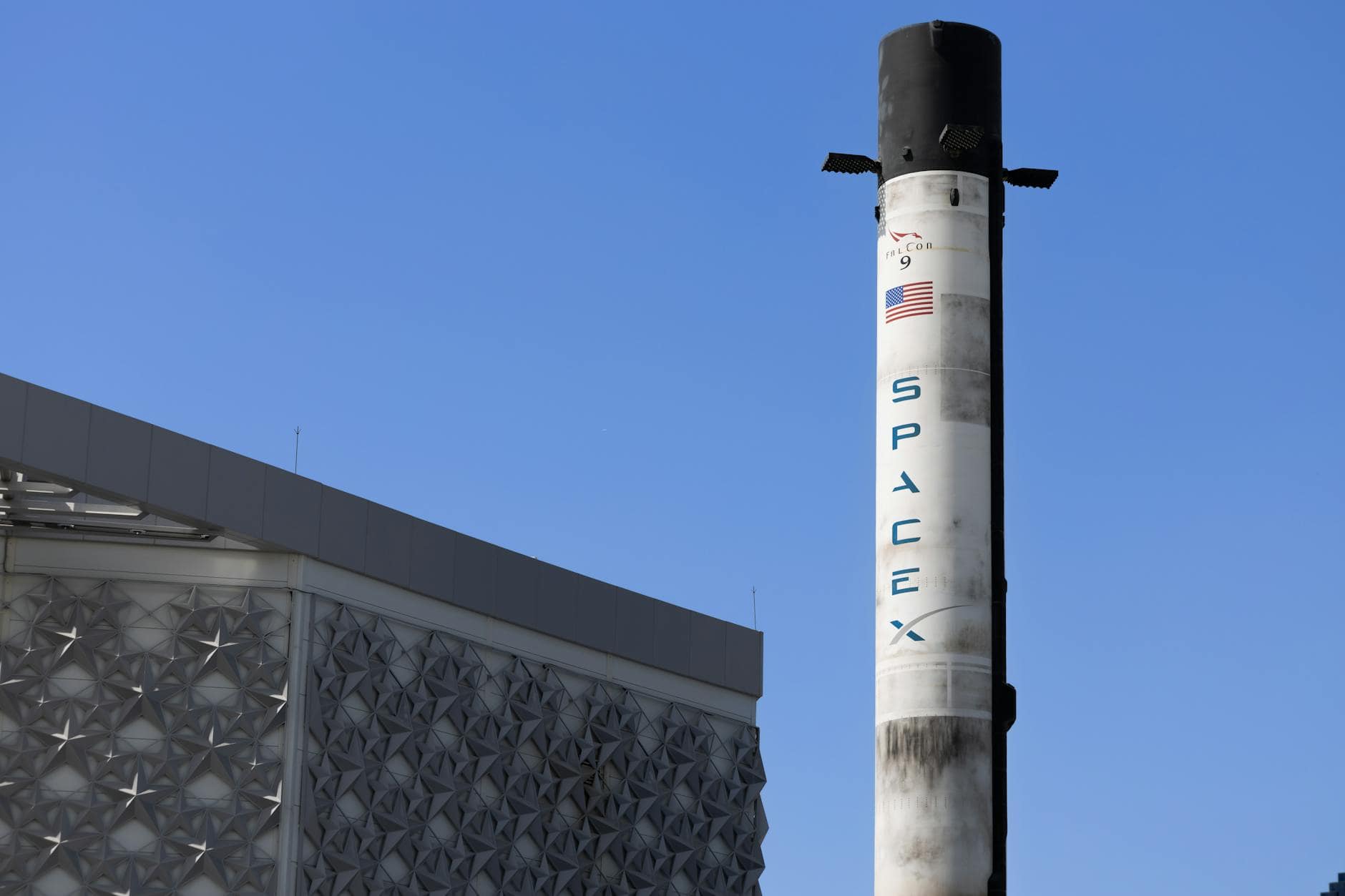
SpaceX quickly garnered attention for its innovative approach to rocket design and ambitious plans for space exploration. Musk introduced the Falcon 9 rocket, designed for reusability, which would later become a cornerstone of the company’s operations. By allowing the first stage of the rocket to be recovered and reused, SpaceX aimed to drastically reduce the costs associated with space travel. This concept of reusability was groundbreaking, challenging the traditional practices of the aerospace industry.
Musk envisioned a future where humanity could colonize Mars, deeming it essential for the survival of the human race. The formation of SpaceX was not solely about launching satellites or delivering cargo; it was about securing the future of humanity. He proposed the development of the Starship, a fully reusable spacecraft designed to transport humans to Mars and other celestial bodies. This grand vision stirred excitement and interest in space exploration, attracting significant attention from both the public and the media.
With contracts from NASA and commercial partners, SpaceX became a key player in the global space industry. The successful launch of the Crew Dragon in 2020 marked a historic milestone as it transported astronauts to the International Space Station, demonstrating Musk’s commitment to redefining space travel. SpaceX’s ability to deliver cargo and crew to the ISS not only showcased the company’s technological advancements but also emphasized Musk’s vision of a sustainable future in space exploration.
Musk’s impact on the aerospace industry extends beyond technological advancements. He has inspired a new wave of entrepreneurs and innovators to explore opportunities in space and beyond. Through the lens of SpaceX, Musk has transformed public perception regarding space travel, reigniting interest in the cosmos and opening doors for future generations of explorers and engineers.
In summary, the formation of SpaceX marked a pivotal moment in Musk’s career and the aerospace industry. By tackling significant challenges with groundbreaking solutions, Musk has shifted the narrative around space travel, emphasizing the importance of interplanetary exploration and the sustainability of human existence.
Tesla Motors: Revolutionizing Electric Vehicles
Elon Musk’s ambitions reached another level when he joined Tesla Motors, Inc. in 2004, shortly after its founding. Though he initially joined as an investor and chairman of the board, Musk quickly became the face of the company, steering it towards a future where electric vehicles (EVs) would dominate the automotive landscape. Tesla’s mission—to accelerate the world’s transition to sustainable energy—aligned perfectly with Musk’s vision for a cleaner environment and reduced reliance on fossil fuels.
Tesla’s early challenges were daunting. The automotive industry was skeptical of electric vehicles, considering them impractical for mass production. However, Musk pushed forward, focusing on developing high-performance electric cars that could compete with traditional gasoline-powered vehicles. In 2008, the Tesla Roadster was launched, showcasing the possibilities of electric performance. The Roadster’s success was integral to proving that electric vehicles could be fast, luxurious, and viable for consumers.
Tesla’s product line expanded with the introduction of the Model S, a luxury sedan that redefined consumer expectations for electric vehicles. The Model S was lauded for its impressive range, technology, and performance, receiving numerous accolades and reshaping the perception of EVs. Under Musk’s leadership, Tesla not only focused on vehicle production but also invested heavily in battery technology and energy solutions.
One of Musk’s significant contributions to Tesla was the development of the Gigafactory, a massive facility designed to produce lithium-ion batteries at scale. This innovation aimed to reduce battery costs and enhance EV production capacity. The concept of producing batteries for a wide range of applications, including grid storage solutions, was groundbreaking and aligned with Musk’s broader vision of sustainable energy.
In addition to electric vehicles, Tesla broadened its scope by venturing into solar energy and energy storage. With the acquisition of SolarCity in 2016, Tesla aimed to create an integrated sustainable energy company, merging solar power generation and battery storage solutions. Musk’s foresight in combining these technologies positioned Tesla as a leader in the renewable energy landscape.
Musk’s approach to marketing and public relations also distinguished Tesla from traditional automakers. He leveraged social media and direct engagement with consumers, creating a loyal community of supporters to advocate for the brand. His willingness to share Tesla’s milestones and challenges fostered transparency and built trust with customers.
As the global demand for electric vehicles surged, Tesla emerged as a symbol of innovation, reshaping the auto industry. It challenged established automakers to shift their focus toward electrification and sustainability, sparking a broader movement towards electric mobility across the globe.
Musk’s relentless pursuit of excellence and innovation through Tesla has revolutionized the automotive industry, proving that electric vehicles are not merely alternatives but can lead the charge toward a sustainable future. The echoes of this transformation are felt worldwide, inspiring change and reshaping how society views transportation and energy consumption.
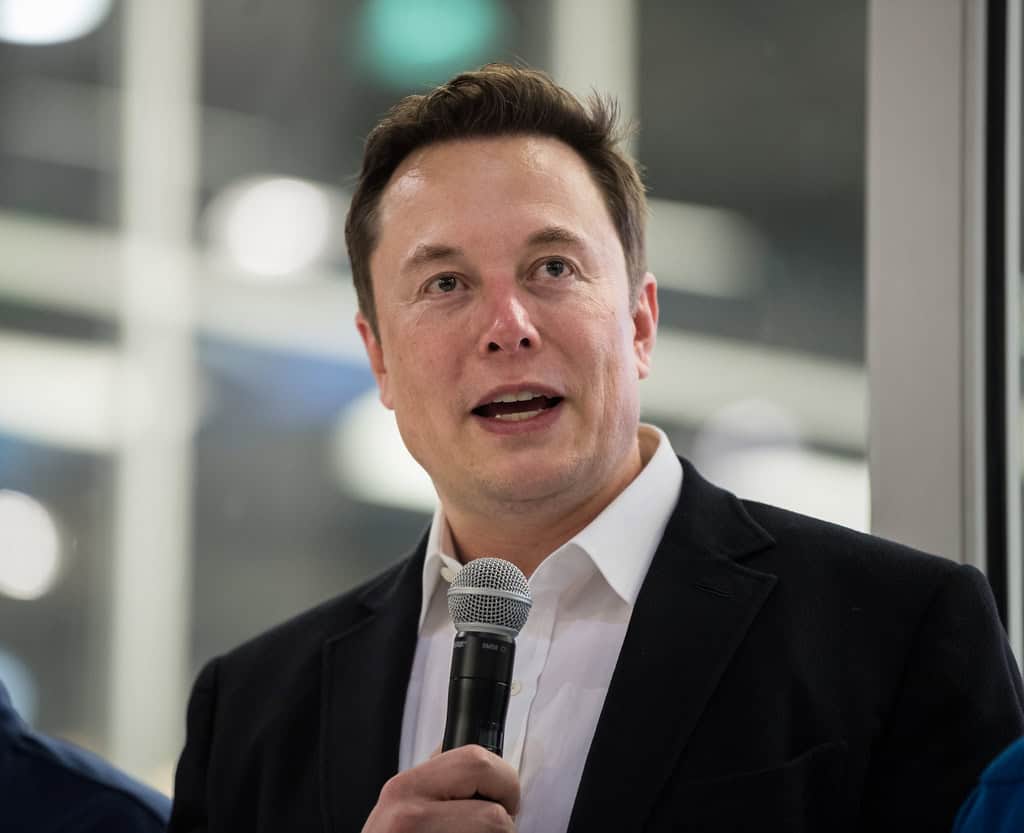
NASA Administrator Visits SpaceX HQ (NHQ201910100025) by NASA HQ PHOTO is licensed under CC-BY-NC-ND 2.0
Recent Ventures and Philanthropic Efforts
As Musk’s ventures continue to thrive, he has diversified his involvement in groundbreaking projects and initiatives. In 2020, he co-founded Neuralink, a neurotechnology company focused on developing brain-computer interface technology. Neuralink’s goal is to allow direct communication between the human brain and machines, opening new avenues for medical treatment and cognitive enhancement. Musk envisions a future where individuals can augment their cognitive abilities and address neurological disorders through interfacing with technology.
Musk has simultaneously focused on the advancement of public transportation with The Boring Company. Established in 2016, this company aims to reduce traffic congestion through the construction of underground transportation tunnels. By utilizing tunneling technology, Musk proposes a system that allows vehicles to travel efficiently below crowded urban areas, changing the way we think about city transportation.
Philanthropy has become another significant aspect of Musk’s life. In 2020, he announced the Musk Foundation’s commitment to funding renewable energy initiatives, educational programs, and efforts to combat climate change. His philanthropic approach emphasizes the importance of using resources for the greater good, aiming to inspire others to contribute to the welfare of society.
Musk’s ability to pursue ambitious projects while maintaining a commitment to sustainability serves as a testament to his visions for the future. He believes that humanity must transition to sustainable practices across industries to secure a better planet for future generations. His ventures reflect this ethos, from renewable energy initiatives to efforts aimed at making life multi-planetary.
In recent years, Musk’s influence has grown not only within the business realm but also in popular culture. He has become a polarizing figure, celebrated by some as a visionary and criticized by others for his unconventional leadership style. Nevertheless, his impact on technology, culture, and society is undeniable—a reflection of a man dedicated to pushing boundaries and exploring the unknown.
Conclusion
Elon Musk’s journey from a curious child to a multi-billionaire entrepreneur epitomizes relentless ambition and innovation. His ventures in technology, space, and automotive industries have reshaped our world, leaving lasting impacts that will resonate for generations. Through SpaceX, he has redefined space travel and inspired a renewed interest in exploration beyond Earth. With Tesla, he has played a pivotal role in ushering in an era of electric mobility, driving the automotive industry towards sustainability.
Musk’s vision extends beyond technological advancements; it embodies a commitment to addressing global challenges, from climate change to the exploration of other planets. His recent ventures in neurotechnology and transportation further reflect his dedication to paving the way for a future where humanity can thrive in harmony with technology.
While his unconventional approach and bold statements have sparked debates, there is no denying the profound influence Musk has had on various sectors. His journey serves as an inspiration to aspiring entrepreneurs and innovators, showcasing the potential of visionary thinking and resilience in overcoming obstacles. Ultimately, Elon Musk’s evolution as a leader is a testament to the power of imagination in shaping a better future for humankind.
Sources Consulted
- Biography.com – Elon Musk
- SpaceX Official Website
- Tesla Official Website
- BBC News – Elon Musk: The Innovator
- Forbes – Elon Musk Profile
- Neuralink Official Website
- The Boring Company
Watch also








[…] founded in 2002 by Elon Musk, has revolutionized the aerospace industry with its ambitious goal of reducing space transportation […]
[…] become PayPal. In March 2000, Confinity merged with X.com, an online banking company founded by Elon Musk. This merger marked a significant turning point for the company, combining technological […]
[…] established themselves at the forefront of the space tourism industry. Notably, SpaceX, founded by Elon Musk, has achieved numerous milestones, such as launching astronauts to the International Space Station […]