Introduction
The National Aeronautics and Space Administration, better known as NASA, has been at the forefront of space exploration since its establishment in 1958. Born out of the Cold War space race, NASA’s formation marked a significant turning point in human exploration and scientific achievement. With groundbreaking missions such as Apollo 11, which first landed humans on the Moon, and the development of the Space Shuttle, NASA has not only expanded our understanding of the cosmos but has also reshaped technology and education on Earth. This article will delve into the history of NASA, exploring its origin, major milestones, collaborations, and future endeavors as we continue to push the boundaries of what is possible in space.
The Formation of NASA: Origins and Early Missions
The establishment of NASA was a direct response to the launch of Sputnik by the Soviet Union in 1957, igniting the space race that defined the Cold War era. This historic event raised concerns about U.S. national security and the need for the nation to catch up in space technology. In response, President Dwight D. Eisenhower pushed for the formation of a dedicated agency to oversee civilian space exploration and research.
On July 29, 1958, the National Aeronautics and Space Act was signed into law, officially creating NASA. The agency’s primary goals were to conduct space exploration, improve aeronautics technology, and oversee research relating to the atmosphere and space. NASA’s first administrator, Dr. T. Keith Glennan, emphasized a scientific approach, aiming to push the boundaries of human knowledge and capability.
NASA’s early years were characterized by its involvement in several important projects. One of its first missions, Project Mercury, aimed to put a human in orbit around Earth. The program successfully launched its first astronaut, Alan Shepard, in 1961 aboard the Freedom 7 capsule. Shepard’s suborbital flight lasted just over 15 minutes but was a significant achievement in establishing the United States as a competitive force in aerospace.
Following Mercury, NASA quickly moved into Project Gemini, which aimed to execute longer missions and develop techniques necessary for future lunar exploration. Gemini missions expanded the duration of spaceflights, achieved the first spacewalk, and demonstrated the ability to rendezvous and dock spacecraft in orbit.
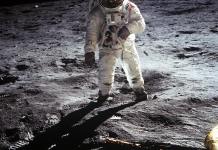
These early missions set the groundwork for what would become one of humanity’s most significant accomplishments: the Apollo program. Launched in the 1960s, Apollo aimed to land humans on the Moon and safely return them to Earth. The culmination of this ambition came in 1969 with Apollo 11, when astronauts Neil Armstrong and Buzz Aldrin made history by stepping onto the lunar surface.
NASA’s formative years were not without challenges. Technical obstacles, budget restrictions, and the evolving political landscape posed risks to its goals. However, the agency persevered, driven by the spirit of exploration and scientific discovery. The establishment of NASA marked a new era in human ingenuity, where collaboration across various sectors—government, private industry, and academia—played a vital role in shaping the landscape of space exploration.
By the late 1960s, NASA had firmly positioned itself as a leader in space exploration, with a clear commitment to pushing the frontiers of science and technology. As we look back at the origins of NASA, it is evident that the spirit of innovation, resilience, and ambition was integral to its foundation and would continue to propel its missions for decades to come.
The Apollo Program: A Giant Leap for Mankind
The Apollo program stands as one of NASA’s hallmark achievements and represents one of humanity’s most significant accomplishments: landing a man on the Moon. Initiated in the early 1960s under President John F. Kennedy’s directive, the program aimed not only to outpace Soviet advancements in space but also to push the boundaries of human capabilities and scientific understanding.
Apollo’s first mission, Apollo 1, was tragically mired in disaster. In January 1967, a cabin fire during a pre-launch test resulted in the deaths of astronauts Gus Grissom, Ed White, and Roger B. Chaffee. This harrowing event prompted a thorough evaluation of spacecraft safety, leading to significant design and engineering changes that enhanced the program’s safety protocols.
Despite the setback, NASA swiftly moved forward with the program. The subsequent missions, Apollo 2 through Apollo 6, focused on testing the Saturn V launch vehicle and refining various aspects of mission operations. These preparatory flights laid the groundwork for Apollo 7’s success—a full crewed mission orbiting Earth in 1968, which marked NASA’s return to manned spaceflight.
The pivotal moment of the Apollo program came with Apollo 11 in July 1969. On the 16th of that month, astronauts Neil Armstrong, Edwin “Buzz” Aldrin, and Michael Collins launched towards the Moon aboard the Saturn V rocket. As the world watched, the lunar module, known as the Eagle, separated from the command module and began its descent to the lunar surface. On July 20, 1969, Neil Armstrong became the first human to set foot on the Moon, uttering the famous words, “That’s one small step for [a] man, one giant leap for mankind.” Buzz Aldrin joined him shortly after, as they conducted experiments, collected samples, and planted the American flag, symbolizing a milestone achievement for humanity.
Apollo 11 was followed by several more missions, each contributing vastly to the scientific understanding of the Moon through the collection of lunar samples and the deployment of various scientific instruments. Apollo 12 proved successful with its precision landing, while Apollo 13 faced the challenge of an in-flight emergency, demonstrating the resilience of NASA’s engineering teams and astronauts alike. The mission ended with a harrowing but ultimately successful return to Earth, showcasing the ingenuity and teamwork prevalent within NASA.
The Apollo program concluded with Apollo 17 in December 1972, which remains the last crewed mission to the Moon. Over its course, the program inspired generations, fostered international cooperation in science, and bolstered technological advancements, leading to innovations that have had lasting impacts on various fields, including telecommunications, materials science, and medicine.
The legacy of the Apollo program continues to influence NASA’s direction and the broader space exploration landscape. It set a precedent for ambitious goals, instilling a passion for exploration and discovery that transcends national boundaries. As mankind looks to future endeavors beyond our planet, the achievements of the Apollo missions serve as a reminder of what can be achieved through exploration, human perseverance, and the quest for knowledge.
Space Shuttle Era: Reusable Space Travel
The Space Shuttle program represents a transformative era in space exploration, synonymous with NASA’s efforts to make space travel more accessible and routine. Initiated in the 1970s, the program aimed to develop a reusable spacecraft that could transport astronauts, satellites, and scientific instruments to and from low Earth orbit. Launched to replace the expendable launch methods used in previous missions, the Space Shuttle program marked a monumental shift in the approach to human spaceflight.
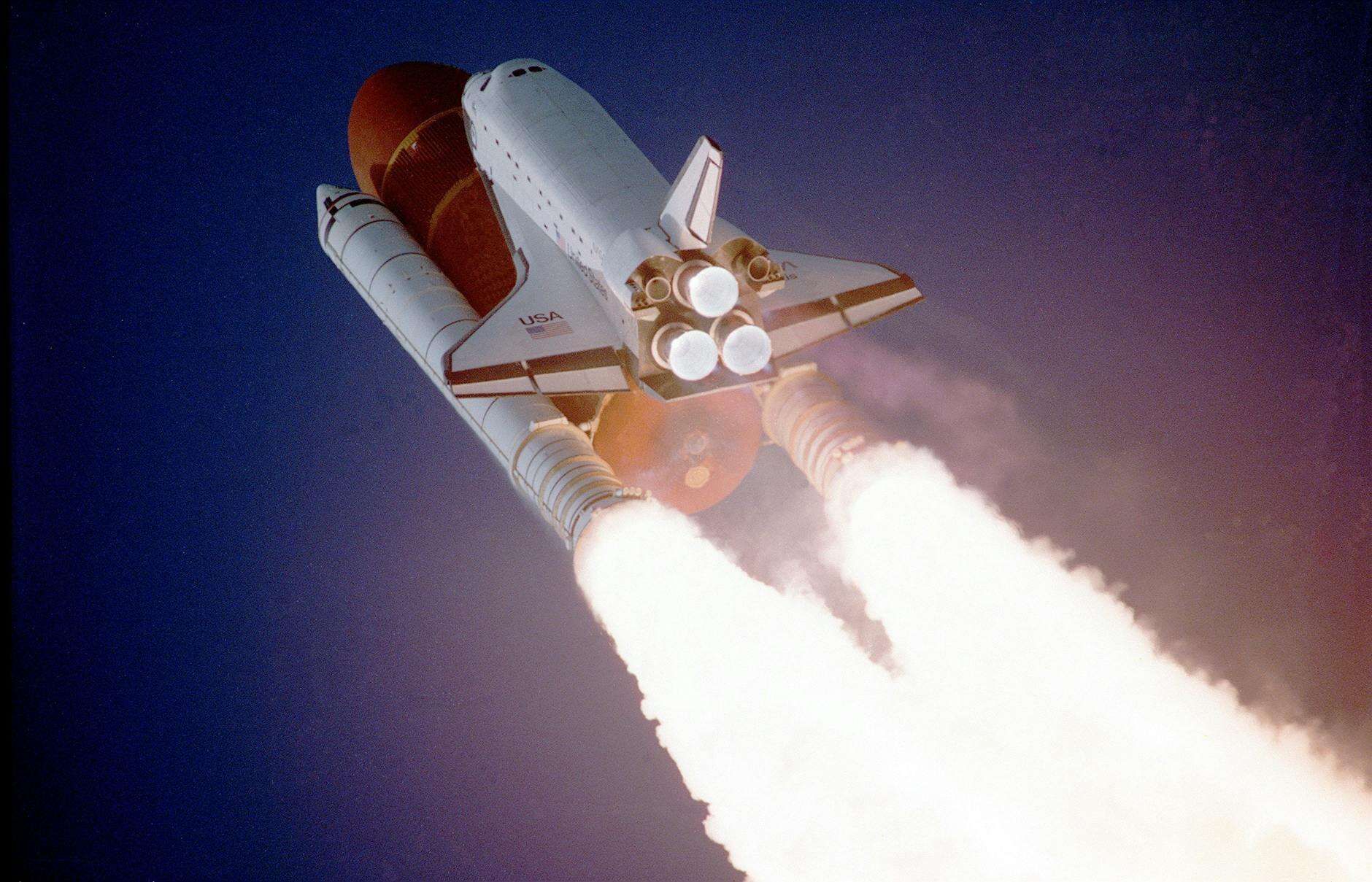
The first shuttle, Columbia, lifted off on April 12, 1981, on the STS-1 mission, signifying a new chapter in NASA’s history. This innovative vehicle featured a unique design, consisting of an orbiter, solid rocket boosters, and an external fuel tank, which together enabled a variety of missions. The capability of reusability allowed NASA to significantly reduce the costs of space travel and conduct a more extensive range of operations, including scientific work, satellite deployment, and construction of the International Space Station (ISS).
Throughout its operational period from 1981 to 2011, the Space Shuttle completed 135 missions, becoming the backbone of human spaceflight for three decades. Astronaut crews aboard these shuttles conducted groundbreaking research, conducted spacewalks, and contributed to the development of the ISS. The shuttle program facilitated international collaborations, uniting multiple countries, including Russia, Canada, and those in the European Space Agency, in the pursuit of scientific discovery.
However, the Space Shuttle program experienced profound challenges. The tragic losses of Challenger in 1986 and Columbia in 2003 resulted in significant changes in NASA’s approach to safety and mission protocols. These tragedies highlighted the risks associated with space travel, prompting a renewed focus on safety, engineering standards, and enhanced training for crews.
Despite these setbacks, the program achieved remarkable milestones. It played a pivotal role in deploying and servicing the Hubble Space Telescope, a cornerstone in our understanding of the universe. The Space Shuttle also contributed to significant advances in science and technology through its payloads, which included experiments in various fields, from biology to materials science, conducted in the unique microgravity environment of space.
As the program concluded in 2011, NASA’s exploration objectives transitioned towards new initiatives, including Mars missions and deep space exploration. The legacy of the Space Shuttle program endures however, as it established a foundation for cooperative international efforts, expanded scientific knowledge, and inspired a generation of scientists and engineers.
In the future, NASA aims to leverage what has been learned from the Shuttle program in developing new spacecraft, including the Space Launch System and the Orion crew vehicle, as it sets its sights on returning humans to the Moon and eventually sending crews to Mars. The pioneering innovations introduced during the Shuttle era have left an indelible mark on aerospace engineering and remain integral to ongoing advancements in space exploration.
International Collaborations: ISS and Beyond
NASA’s commitment to fostering international collaborations is exemplified through the development and operation of the International Space Station (ISS). Established as a joint venture involving multiple space agencies, including Roscosmos (Russia), ESA (Europe), JAXA (Japan), and CSA (Canada), the ISS represents a monumental achievement in human spaceflight, scientific discovery, and international cooperation.
Construction of the ISS began in 1998, with the first module, Zarya, launched into orbit. Over the next decade, numerous modules were sent into space, gradually expanding the ISS into a vast laboratory and observatory. This collaborative effort symbolizes a shift from competition during the space race to a shared commitment among nations to pursue the common goals of scientific research and exploration.
The ISS has facilitated hundreds of groundbreaking experiments in various disciplines, including biology, physics, astronomy, and Earth sciences. Research conducted aboard the station has provided critical insights into how living organisms react in microgravity, informing both scientific understanding and practical applications on Earth. It has also been a platform for technological demonstrations, including advancements in life support systems and robotics.
Furthermore, the ISS serves as a prime example of diplomacy in space, promoting peaceful engagement and fostering relationships among countries. Astronauts and cosmonauts from different nations work side by side, exemplifying the spirit of collaboration as they conduct experiments, maintain the station, and oversee the implementation of new technologies. The positive impact of these relationships extends beyond the realm of space, contributing to addressing global challenges on Earth, such as climate change and health crises.
As NASA looks beyond the ISS, plans are in place to return to the Moon and eventually send humans to Mars in the forthcoming Artemis program. These future missions will undoubtedly be influenced by the lessons learned through collaboration on the ISS, as NASA aims to build on the international partnerships established there and inspire a new generation of explorers.
Additionally, NASA’s efforts in fostering global cooperation extend toward institutional relationships with numerous countries and private organizations, reflecting a broader vision for human space exploration. Projects and outreach initiatives aim to engage different nations, encouraging shared access and the equitable distribution of benefits derived from space research.
Ultimately, the ISS serves as a vital hub for scientific innovation and international dialogue. Its legacy emphasizes that collaborative endeavors can transcend borders and unite humanity in the shared pursuit of knowledge and discovery.
Future of NASA: Mars Missions and Beyond
As NASA looks to the horizon of space exploration, the agency has set ambitious goals for the future, with a primary focus on returning humans to the Moon and eventually establishing a human presence on Mars. The Artemis program, announced in 2019, aims to land “the first woman and the next man” on the lunar surface by the mid-2020s, marking a new stepping stone for humanity in pushing the frontiers of space exploration.
The Artemis program will build on the knowledge gained from the Apollo missions while incorporating contemporary advances in technology and knowledge. NASA plans to establish a sustainable presence on the Moon, deploying new lunar landers, habitats, and systems that support long-term human exploration. The lunar South Pole is of particular interest due to its potential water resources, which science indicates could be vital for future missions to Mars.
Following the Moon landing, NASA’s sights will pivot towards Mars. The Mars 2020 mission, featuring the Perseverance rover, has made significant strides in understanding the Martian environment and searching for signs of past life on the planet. Perseverance is also testing technology that will facilitate future human missions, such as the collection and preservation of Martian soil samples that will eventually be returned to Earth for analysis.
Beyond Mars, NASA envisions a new era of exploration that includes not only crewed missions but also robotic exploration. As humanity’s reach into space expands, missions to asteroids, the moons of Jupiter and Saturn, and beyond offer opportunities for scientific discovery, resource utilization, and potentially new habitats for humankind.
NASA recognizes the necessity of building partnerships in these ventures, focusing on collaboration with commercial space companies, international agencies, and academic institutions. These partnerships will leverage private sector innovation, sharing resources, and utilizing collective knowledge to accomplish shared objectives in space exploration.
Moreover, the agency aims to inspire future generations to pursue careers in science, technology, engineering, and mathematics (STEM). Educational outreach initiatives will foster interest and excitement about space, ensuring the sustainability of exploration efforts through the development of a skilled workforce.
In conclusion, NASA’s future endeavors are not just about reaching new destinations but also about unifying humanity in the quest for knowledge and exploration. By embracing international collaboration, harnessing technological advancements, and inspiring upcoming generations, NASA seeks to foster a spirit of exploration that echoes through the ages.
Conclusion
The history of NASA is a testament to human innovation, resilience, and the unyielding spirit of exploration. From its inception in the late 1950s to its ambitious plans for the future, NASA has continually pushed the boundaries of what is possible in space exploration. Through landmark achievements like the Apollo moon landings, the development of the Space Shuttle, and the collaborative spirit embodied in the International Space Station, NASA has significantly advanced our understanding of the cosmos and our place within it.
As we look into the future, NASA’s vision is clear: to return to the Moon and reach for Mars, all while inspiring new generations to dream big and pursue scientific inquiry. The challenges may be great, but the potential rewards—new discoveries, international cooperation, and the promise of human life beyond Earth—are even greater. NASA’s journey is far from over, and its story continues to unfold as we venture into the unknown.
Sources
- NASA, “History of NASA.” https://www.nasa.gov/audience/forstudents/5-8/articles/nasa-history.html
- NASA, “Apollo Missions.” https://www.nasa.gov/mission_pages/apollo/missions/index.html
- NASA, “Space Shuttle Overview.” https://www.nasa.gov/mission_pages/shuttle/main/index.html
- NASA, “International Space Station.” https://www.nasa.gov/mission_pages/station/overview/index.html
- NASA, “Artemis: The Next Moon Landing.” https://www.nasa.gov/specials/artemis/