Introduction
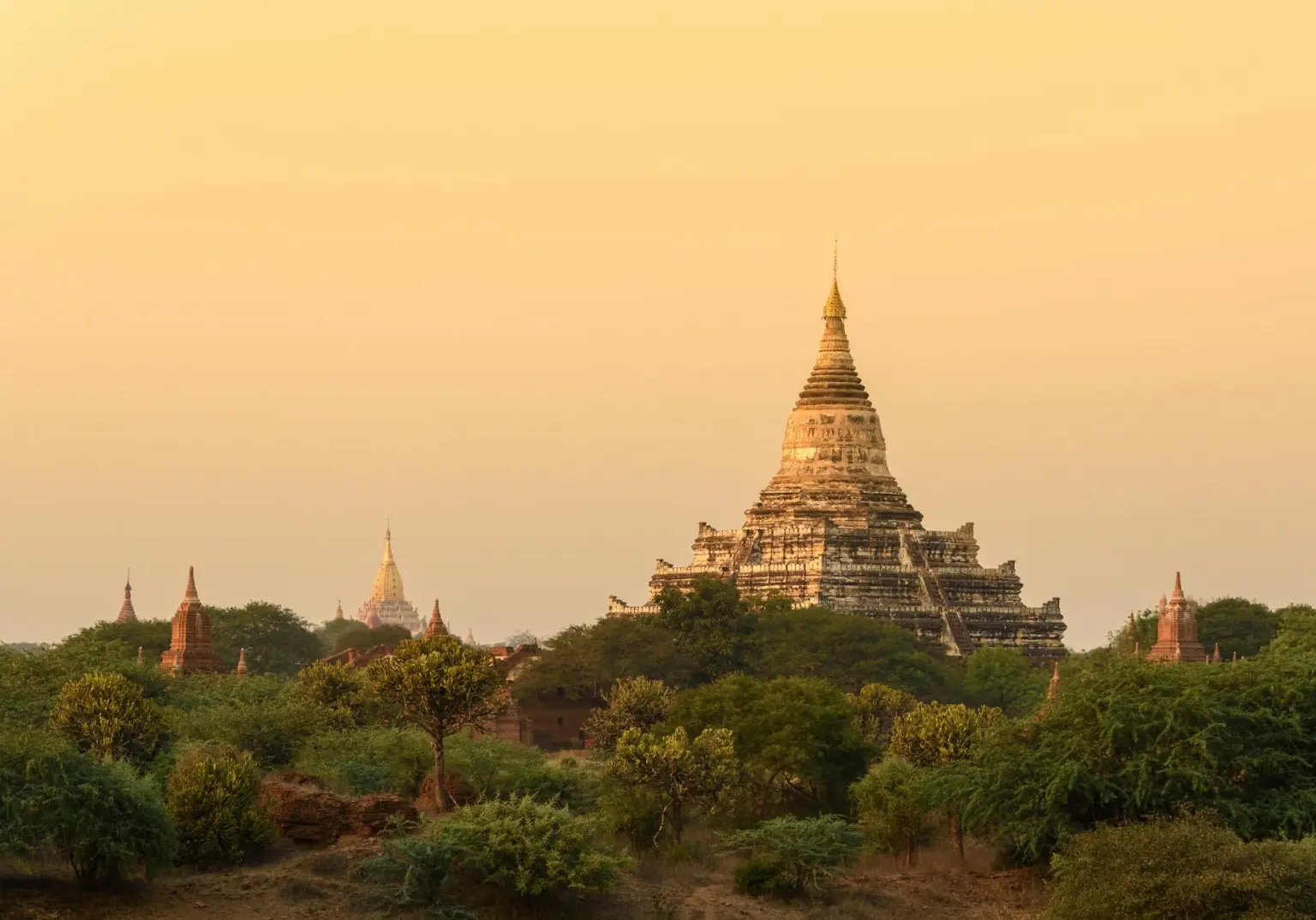
Bagan, a UNESCO World Heritage Site, is one of the most beautiful ancient cities in Myanmar, known for its remarkable skyline filled with ancient temples and stupas. Established in the 9th century, the city emerged as the capital of the Pagan Kingdom, a powerful dynasty that played a pivotal role in the spread of Theravada Buddhism in Southeast Asia. Home to over 2,000 temples, monasteries, and pagodas, Bagan is not only an architectural wonder but also a historical treasure trove filled with rich cultural narratives. This article delves into the Bagan history , exploring its origins, architectural significance, cultural heritage, preservation efforts, and the impact of modern tourism on local life. Join us on this journey through time as we uncover the stories behind the city of a thousand temples.
The Rise of Bagan: Origins and Historical Significance
The history of Bagan is a narrative woven through time, starting from its origins in the 9th century. Initially, the area was home to various settlements and tribes, but it wasn\’t until the rise of the Pagan Kingdom in 1044 that Bagan began to flourish as a political and religious hub. The first king, Anawrahta, is often credited with unifying the region and establishing Bagan as the capital. His reign marked the beginning of significant transformations, both politically and religiously. Anawrahta\’s embrace of Theravada Buddhism initiated a cultural renaissance, propelling the construction of temples and monasteries that would define Bagan\’s skyline.
The significance of Bagan during the Pagan Kingdom extended beyond its monumental architecture. It served as a center for trade, connecting various trade routes across Southeast Asia. This strategic location allowed for cultural exchanges and the introduction of various arts, traditions, and languages. The influence of Indian culture can be particularly observed in the early architectural styles and Buddhist iconography found within Bagan.
Anawrahta\’s successors continued his vision, leading to the construction of numerous temples, including the iconic Ananda Temple, which showcased the city\’s architectural prowess. Between the 11th and 13th centuries, Bagan reached its zenith, with estimates suggesting that over 10,000 temples were built during this period. The sheer scale of construction and the sophistication of these structures reflect the wealth and power the kingdom wielded at its peak.
However, the story of Bagan is not solely one of architectural achievement. It also reflects the profound spiritual and philosophical shifts that took place during this era. The propagation of Buddhism transformed the local populace\’s beliefs and practices, creating a unique blend of spirituality and daily life. Temples served not only as places of worship but also as educational centers, where scholars and monks gathered to study sacred texts and philosophy.
By the late 13th century, the Mongol invasions marked the beginning of an era of decline for Bagan. The city faced substantial destruction, leading to a significant drop in the population and a gradual abandonment of temples and monasteries. However, Bagan\’s historical significance endured. The remaining structures became symbols of not only the spirituality of the land but also its rich history and resilience.
In the modern era, Bagan has started to reclaim its status as a cultural and spiritual center. The preservation initiatives have gained momentum, allowing new generations to appreciate and study this historic city. The narrative of Bagan’s rise and fall provides valuable insights into the historical, cultural, and architectural evolution of Myanmar, reminding us of the powerful legacy left by its ancient civilization.
Architectural Marvels: A Closer Look at Bagan\’s Temples
The architectural landscape of Bagan is nothing short of breathtaking, with over 2,000 temples dotting the plains, each showcasing unique designs and influences. The sheer variety of styles is a testament to the creativity and devotion of the builders who sought to honor their faith while leaving a mark on the world. The evolution of temple architecture in Bagan mirrors the shifting political and cultural landscapes throughout the centuries, providing a vivid reflection of the artistry of the era.
At the heart of Bagan\’s architectural marvels lies the Ananda Temple, erected in 1090. This temple is often regarded as the pinnacle of Bagan architecture, combining the influence of Indian and indigenous styles to create a harmonious structure. Its octagonal shape and multiple entrances symbolize the journey of life, while the grand Buddha statues within the temple represent enlightenment. Visitors can immerse themselves in the stunning frescoes that adorn the walls, each telling a story of devotion and spiritual pursuit.
Another iconic structure is the Dhammayangyi Temple, which stands as the largest temple in Bagan. Built in the 12th century, it is renowned for its massive brickwork and remarkable internal chambers. What sets this temple apart is the absence of windows, which adds an air of mystery and reverence. Legend has it that the temple was constructed by King Narathu, who aimed to atone for his misdeeds. The imposing structure is not just an architectural feat but also a narrative in itself, representing the intertwining of power, guilt, and spirituality.

Shwesandaw Pagoda is another noteworthy example of Bagan\’s architectural brilliance. It is famous for its stunning sunset views, attracting countless visitors seeking to witness the golden glow casting shadows over the ancient landscape. The pagoda\’s tiered structure and intricate designs reflect the influence of traditional Burmese stupas, serving as a reminder of the diversity within Bagan\’s architectural expressions.
The range of architectural styles found in Bagan also reflects the influence of different cultures and outside forces. Intricate carvings and unique structural elements can be traced to Indian, Mon, and Shan architectural styles. For instance, the use of terracotta sculptures and the incorporation of indigenous motifs in the temples highlight the city\’s historical connections with neighboring regions.
As Bagan\’s temples were constructed primarily with brick, the design allowed for the intricate carvings and reliefs that embellish many structures. These artworks often depict scenes from the Jataka tales, illustrating the previous lives of Buddha and aimed to inspire devotion among worshippers who visited. The narratives captured within these carvings not only highlight the artistic skills of the builders but also serve as visual aids for teaching Buddhist principles.
In addition to temples, Bagan\’s landscape features numerous stupas, each carrying its own significance and story. While some, like the Shwezigon Pagoda, are pilgrimage sites for monks and laypeople alike, others hold practical purposes, serving as rest stops for travelers. The coexistence of these structures fosters a sense of community and spirituality, confirming Bagan\’s status as a living religious center.
In summary, the architectural marvels of Bagan reveal a rich tapestry of history, culture, and spirituality. The blend of styles, innovative techniques, and intricate details highlight the dedication of the builders who aimed to create structures that would stand the test of time. The temples of Bagan not only serve as a testament to architectural brilliance but also as a legacy of the deep-rooted spiritual and cultural heritage of Myanmar.
Cultural Heritage: The Influence of Buddhism in Bagan
Buddhism’s profound influence on Bagan’s cultural heritage is evident in every aspect of its history, architecture, and daily life. This spiritual path, which took root during the reign of Anawrahta, has shaped the identity of the region and its people for centuries. The integration of Buddhist philosophy into the social fabric of Bagan contributed to the creation of a unique cultural landscape characterized by devotion, artistic expression, and community.
From the onset of the Pagan Kingdom, Buddhism provided a framework for governance and societal structure. Anawrahta’s commitment to the faith helped unify the diverse ethnic groups within the region, allowing for the establishment of a cohesive identity. The king’s implementation of a tributary system helped gain support and respect from neighboring lands, furthering Bagan’s influence as a center for Buddhism in Southeast Asia. Temples not only served as places of worship but also functioned as educational institutions where principles of Buddhism and moral values were taught.
The flourishing of monastic life in Bagan contributed significantly to the cultural landscape. Monks played an essential role in educating the populace and maintaining the moral compass of society. The presence of many monasteries allowed for the dissemination of Buddhist teachings, creating a literate society where a vast number of religious texts were copied and preserved. This library of sacred knowledge not only nurtured the spiritual life in Bagan but also attracted scholars from various parts of Southeast Asia, establishing Bagan as a hub of theological study.
The artistic expressions that emerged from Bagan’s Buddhist culture are among the city’s most significant contributions to the world. The intricate carvings, frescoes, and murals found in temples reflect not only the devotion of artisans but also the stories and teachings of Buddhism. These artworks serve a dual purpose—they depict sacred narratives while inspiring the community through visual storytelling. The Jataka tales, which recount the former lives of the Buddha, can be found adorning the walls of many temples, providing worshippers with moral lessons and examples of virtuous living.

Festivals celebrating Buddhist traditions further enrich Bagan’s cultural heritage. Events such as the annual Thidingyut Festival and the full moon celebrations attract thousands of devotees each year, emphasizing the region\’s importance as a spiritual center. These festivals not only strengthen the bond between the community and their faith but also provide an opportunity for cultural exchange, as pilgrims and visitors from around the world gather to participate in the rituals and celebrations.
Despite facing challenges throughout history, such as the impact of colonialism and modernization, the spirit of Buddhism continues to thrive in Bagan. The teachings of compassion, mindfulness, and love remain fundamental to the daily lives of the people. This cultural heritage molds their interactions within the community and emphasizes the significance of spiritual practice in coping with modern challenges. Today, as the tourism industry flourishes, the local populace balances the preservation of their unique cultural identity with the influx of visitors, ensuring that their rich heritage is both shared with the world and celebrated within their community.
In conclusion, Bagan’s cultural heritage reflects the deep-rooted influence of Buddhism, shaping its history, artistry, education, and community life. The city stands as a testament to the interplay between spirituality and culture, offering a rich tapestry of narratives that connect the past with the present. As we explore Bagan, we discover not only the grandeur of its temples but also the profound spiritual essence that continues to resonate within its walls.
Preservation Efforts: Challenges and Initiatives
The preservation of Bagan’s ancient temples and cultural heritage is a pressing concern in the modern era, as the city serves as both a historical treasure and a focal point of tourism. Over the past few decades, various efforts have been made to protect the structures while addressing the challenges posed by natural disasters, climate change, and the impact of tourism. Understanding and implementing effective preservation strategies is crucial for safeguarding Bagan’s legacy for future generations.
One of the most significant challenges in preserving Bagan arises from the region\’s geological factors. The city sits in an area prone to earthquakes, with the devastating 2016 earthquake serving as a wake-up call regarding the fragility of its structures. Many temples were damaged, prompting immediate restoration and conservation efforts by the Archaeological Department and international organizations. The approach to restoration has been matter of debate; while some advocate for authentic restoration, others caution against overzealous repairs that could alter the original character of the temples. The delicate balance between authenticity and preservation is at the forefront of ongoing discussions.
Moreover, climate change poses additional threats to Bagan. Rising temperatures and increasing rainfall can contribute to erosion and damage to the brick structures, requiring consistent monitoring and maintenance. Local authorities and international organizations are conducting research to better understand the impacts of climate change on the landscape and to devise strategies for minimizing adverse effects. Community engagement is vital in these efforts, as the local population plays a critical role in managing their environment. Educational programs about sustainable practices are being implemented to raise awareness among the community regarding the importance of protecting their cultural treasures.
Another pressing challenge is the impact of tourism. Bagan has become a sought-after destination for travelers looking to explore its rich history and breathtaking landscapes. While tourism brings economic benefits, it also poses risks to the integrity of the heritage site. The influx of visitors can cause wear and tear on temples and surrounding areas, straining the very foundations of this historic site. As a response, local authorities have introduced measures such as visitor limits to prevent overcrowding and promote responsible tourism practices. Efforts to control the environmental impact of tourism, such as waste management and sustainable transport options within the area, are also being emphasized.
In conjunction with these efforts, international collaboration plays a pivotal role in preserving Bagan’s cultural legacy. Various non-governmental organizations and global heritage groups are working alongside local authorities to facilitate preservation projects, ensuring expert knowledge and resources are available. Joint initiatives have included restoration workshops, where local artisans are trained in traditional methods to repair and restore structures without compromising their authenticity. This not only empowers the local community but also fosters a sense of stewardship, as they take an active role in the conservation of their heritage.

Community involvement and education are crucial aspects of the preservation effort as well. Local initiatives aimed at raising awareness about the significance of Bagan’s temples encourage residents to take pride in their heritage. By educating younger generations about the historical value and cultural importance of their surroundings, a sense of responsibility is cultivated, ensuring that preservation efforts will continue into the future.
In conclusion, the preservation of Bagan is a multifaceted challenge that requires a collaborative effort between local authorities, the community, and international organizations. Balancing the demands of tourism while safeguarding the heritage of Bagan entails embracing sustainable practices and fostering awareness. It is through these concerted efforts that Bagan can continue to stand as a testament to its rich history, allowing future generations to connect with the magnificent legacy of this ancient city.
Modern-Day Bagan: Tourism and its Impact on Local Life
In recent decades, Bagan has transformed into a booming tourist destination, attracting travelers from around the globe eager to explore its enchanting temples and vibrant culture. While tourism offers economic opportunities, it also presents challenges to the local community and environment, reshaping life for the residents of Bagan. Understanding the complexity of this relationship requires an examination of both the benefits and drawbacks associated with modern-day tourism in the ancient city.
The rise of tourism has undoubtedly brought economic benefits to Bagan and its inhabitants. Local businesses, including hotels, restaurants, and tour operations, have sprung up in response to the influx of visitors, creating jobs and stable incomes for residents. The tourism sector has provided opportunities for artisans to showcase their crafts and traditional skills, with many locals capitalizing on the demand for souvenirs and handicrafts. This economic uplift is critical for the local population, who often rely on income generated by the thousands of tourists who visit each year.
However, the rapid growth of tourism has also instigated significant changes in the fabric of daily life in Bagan. In many cases, traditional practices and lifestyles are being overshadowed by the influx of external influences. The commercialization of local culture, though economically beneficial, raises concerns about authenticity and the preservation of cultural identity. Residents have expressed a sentiment of unease about losing the essence of their heritage as they adapt to the expectations of tourists who seek a particular experience.
Moreover, the environmental impact of tourism in Bagan is becoming increasingly evident. The infrastructure developments required to support tourism—such as roads, transportation, and accommodations—can lead to alterations in the natural landscape. These changes not only threaten local ecosystems but also create challenges for maintaining the heritage site\’s integrity. Traffic congestion and waste management are pressing issues that need to be addressed to avoid further degradation of the area.
An essential focus of improving tourism in Bagan is promoting sustainable practices that strike a balance between economic growth and the preservation of cultural and environmental integrity. Initiatives that emphasize responsible tourism encourage visitors to respect local customs, traditions, and the sanctity of the temples. For instance, guidelines regarding appropriate behavior in sacred spaces and the promotion of eco-friendly practices contribute to a more positive interaction between tourists and the local community.
As Bagan continues to embrace its growing role as a tourist destination, community engagement remains crucial in shaping its future. Local voices must be included in the conversation surrounding tourism development, ensuring that the needs and concerns of residents are addressed. Collaborations between community members, local authorities, and tourism operators can foster a sense of shared responsibility in preserving the city\’s heritage while promoting economic growth.
Furthermore, the cultural exchange that occurs through tourism has the potential to enrich both visitors and residents. As tourists engage with local traditions, cuisine, and crafts, they gain insights into the rich tapestry of Bagan\’s history. This exchange fosters mutual respect, understanding, and appreciation for the cultural heritage that defines Bagan, bridging the gap between visitors and locals.
Modern-day Bagan stands at a crossroads as it navigates the complexities of tourism in a historical and cultural landscape. While the economic benefits are undeniable, the impact on local life and the environment cannot be overlooked. Sustainable practices, community engagement, and a commitment to preserving the essence of Bagan’s heritage are essential for ensuring the city remains a vibrant and authentic destination for generations to come.
Conclusion
Bagan’s rich history, stunning architecture, and deep-seated cultural heritage have captivated visitors for centuries. The city’s journey from a bustling capital of the Pagan Kingdom to a UNESCO World Heritage site is marked by remarkable achievements and significant challenges. As we have explored, the architectural marvels are testaments to the devotion of its builders, while the influence of Buddhism shapes the cultural landscape even today. Furthermore, the ongoing efforts towards preservation underscore the importance of safeguarding this historical treasure for future generations.
As tourism continues to play a vital role in Bagan’s identity, maintaining a balance between economic growth and the preservation of its unique character remains of utmost importance. By fostering community involvement, promoting sustainable practices, and encouraging responsible tourism, Bagan can thrive as a cultural and spiritual haven. Ultimately, the story of Bagan is one of resilience and beauty, inviting travelers and residents alike to appreciate its extraordinary legacy.