Introduction
Taos Pueblo, a picturesque community located in northern New Mexico, stands as a testament to the resilience and rich cultural heritage of the Taos people. Designated a UNESCO World Heritage Site, it is recognized as one of the oldest continuously inhabited communities in the United States, with origins tracing back over a thousand years. The Pueblo offers a unique glimpse into Native American history, showcasing the blend of tradition and adaptation in an ever-changing world. While the exterior is characterized by its striking adobe structures, the spirit of Taos Pueblo resides in the vibrant cultural practices, ceremonies, and communal values cherished by its inhabitants. This article delves into the Taos Pueblo history, exploring its origins, cultural significance, impressive architecture, the challenges posed by modernization, and ongoing efforts to preserve this unique heritage for future generations.
The Origins of Taos Pueblo
Taos Pueblo\’s origins date back over a thousand years, making it one of the oldest continuously inhabited communities in North America. The settlement is believed to have been established by the Tiwa-speaking people, who migrated to the region for its natural resources, including the Rio Grande, fertile land, and ample game. The location was strategically chosen, as it provided essential resources for agriculture, hunting, and trade.
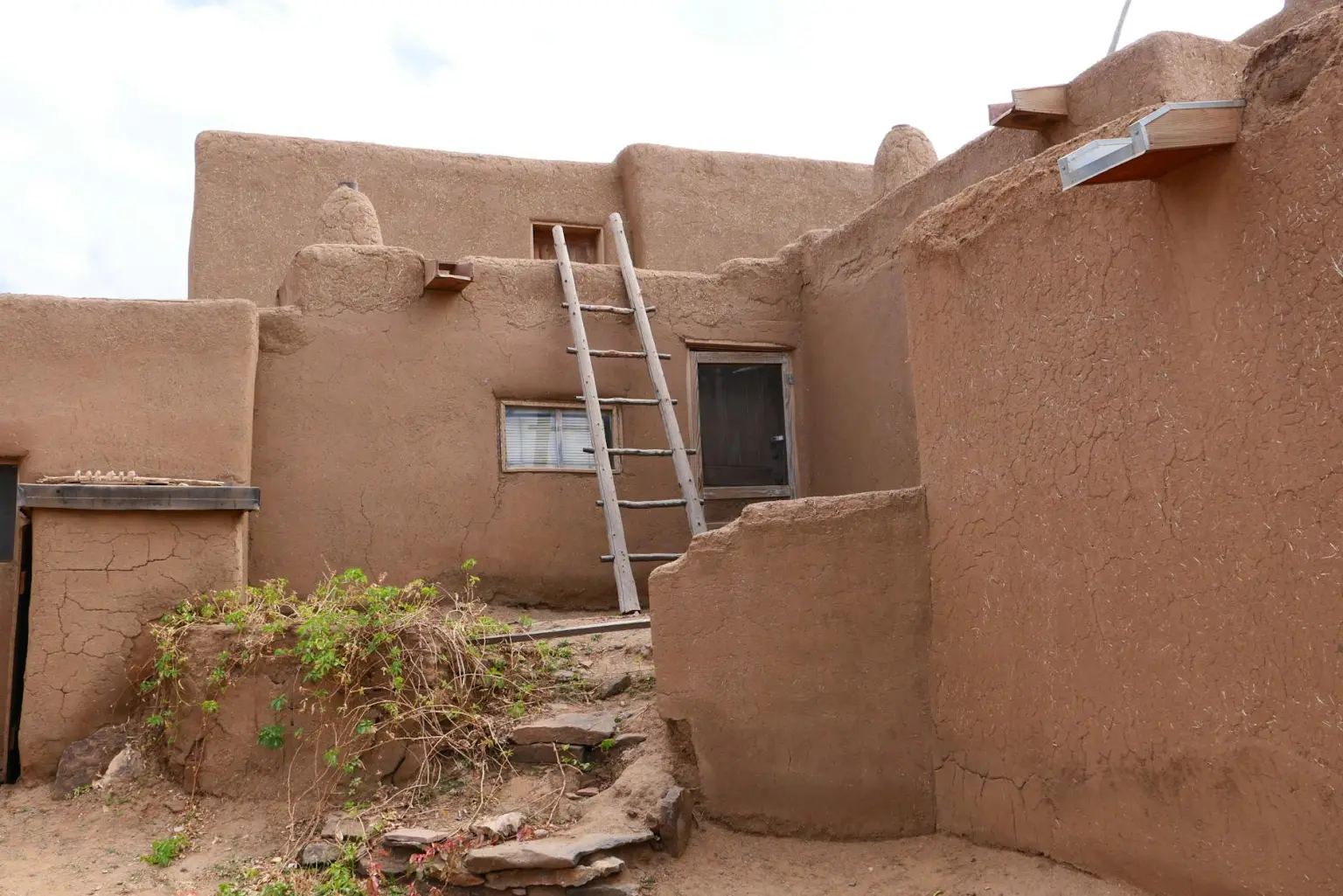
The original inhabitants constructed their homes using adobe, a traditional building material made from clay, water, and straw. This technique not only ensured insulation against the extreme temperatures of the high desert but also fostered a connection to the land. The unique architecture of Taos Pueblo, marked by multi-storied structures and kivas (ceremonial chambers), reflects the community\’s deep-rooted spirituality and social organization.
The Pueblo\’s inhabitants played a crucial role in the region\’s trade networks, exchanging goods with neighboring tribes and Spanish settlers. These interactions fostered a rich cultural exchange, influencing the development of art, language, and religious practices. The Spanish colonization in the late 16th century brought significant changes to the Pueblo, yet the Taos people managed to retain their identity and traditions. The community\’s resilience in the face of external pressures has allowed it to thrive for centuries.
Cultural Significance and Traditions
The cultural significance of Taos Pueblo extends beyond its historical roots; it embodies the traditions, beliefs, and values of the Taos people. The community places a strong emphasis on collective identity, where social ties and communal harmony are vital. The Pueblo\’s spiritual practices are deeply intertwined with the land, emphasizing respect for nature and the interconnectedness of all living beings.
Central to Taos Pueblo\’s cultural identity are its numerous festivals and ceremonies, which celebrate agricultural cycles and ancestral traditions. The annual Feast of San Geronimo, for instance, is a vibrant celebration featuring music, dance, and traditional foods, honoring the patron saint of the Pueblo. Through these living traditions, the Taos people transmit their knowledge, values, and stories from one generation to the next.
Art also plays a significant role in preserving and expressing the culture of Taos Pueblo. Many artisans create jewelry, pottery, and textile patterns that reflect their history and environment. These art forms not only serve as a means of cultural expression but also as a source of livelihood for many families within the community. The preservation of native languages, particularly the Tiwa language, is another critical aspect of maintaining cultural identity, as it serves as a vessel for storytelling and unique expressions of thought.
Architectural Marvels of Taos Pueblo
The architecture of Taos Pueblo stands as a remarkable example of traditional Native American building techniques and communal living. The adobe structures, made from local clay, straw, and water, are designed to withstand the harsh climate of New Mexico. The Pueblo is characterized by its multi-tiered buildings, often reaching up to three stories high, and features a distinctive layout that emphasizes communal living and shared spaces.
The use of adobe not only provides excellent insulation but also creates a harmonious relationship between the inhabitants and their environment. In the summertime, the thick adobe walls keep homes cool, while in the winter, they retain warmth, demonstrating the Pueblo’s adaptation to the local climate. The unique architectural style of Taos Pueblo has also influenced modern adobe construction techniques, seen in the surrounding areas of New Mexico and beyond.

Kivas are another architectural feature of significance within Taos Pueblo. These subterranean chambers serve as ceremonial spaces and community gathering points, playing a vital role in the spiritual and social life of the Taos people. Their construction reflects a deep reverence for the earth and the cycles of life, further intertwining architecture with spirituality.
Today, Taos Pueblo continues to maintain its historical buildings, with ongoing efforts to preserve the traditional methods of construction, including the use of handmade adobe bricks. These practices ensure that the architectural legacy of Taos Pueblo remains intact, while also emphasizing the community’s commitment to sustainability and environmental stewardship.
The Impact of Modernization
As one of America’s oldest continuously inhabited communities, Taos Pueblo faces unique challenges from modernization. While the community has largely maintained its traditions and lifestyle, external influences and technological advancements present both opportunities and threats. Increased tourism, while providing economic support, brings a surge of visitors that can disrupt the community\’s daily life and cultural rituals.
The proliferation of modern amenities, such as electricity and internet access, has altered the way of life within Taos Pueblo. While these conveniences can enhance communication and access to information, they also pose challenges to the preservation of traditional practices. Balancing modernity with cultural heritage becomes a complex endeavor as younger generations navigate their identities amidst changing societal norms.
Additionally, issues related to land use and environmental protection have become paramount as economic development pressures mount. The Taos Pueblo community actively engages in discussions about land rights and conservation, emphasizing their deep connection to the environment. This dialogue is crucial in ensuring that the community\’s way of life is respected while allowing for sustainable development.
Despite these challenges, Taos Pueblo remains a vibrant community, adapting to change while holding onto its rich heritage. The resilience of the Taos people in the face of modernization continues to inspire efforts to safeguard their traditions and values for future generations.
Preservation Efforts and Future Outlook
Preservation efforts at Taos Pueblo involve a multifaceted approach to safeguard its cultural heritage, architecture, and way of life. The community has implemented various initiatives to promote cultural education, raise awareness, and engage with visitors in meaningful ways. These initiatives aim to foster understanding and appreciation of the Taos Pueblo\’s significance as an Indigenous community.
Education programs within the Pueblo emphasize the importance of cultural traditions, language, and history. By engaging with both younger members of the community and visitors, Taos Pueblo seeks to create a deeper understanding of its heritage and the challenges it faces. Workshops, demonstrations, and cultural events play a vital role in this effort, allowing participants to experience the richness of Taos culture firsthand.
Conservation of traditional architecture is another critical aspect of preservation. The Pueblo engages in ongoing maintenance and repair of its historical adobe buildings, employing traditional building techniques to ensure authenticity and sustainability. Collaboration with conservation specialists and organizations further enhances these efforts, ensuring that the community\’s architectural heritage is preserved for future generations.
Looking to the future, Taos Pueblo aims to strike a balance between honoring its past and embracing the opportunities that lie ahead. By fostering collaboration with neighboring communities and organizations, the Pueblo can leverage resources and support in its preservation efforts. The integration of modern technology in cultural education and tourism can also provide new avenues for sharing its rich history while maintaining authenticity.
Conclusion
The history of Taos Pueblo is a remarkable narrative of resilience, culture, and community. As one of the oldest continuously inhabited communities in America, it offers invaluable insights into the enduring legacy of Native American heritage. Through the exploration of its origins, cultural traditions, architectural marvels, and the impact of modernization, we gain a deeper appreciation for the Taos people and their commitment to preserving their unique way of life.
As we look to the future, ongoing preservation efforts and cultural initiatives serve as cornerstones in safeguarding Taos Pueblo\’s identity. The community’s ability to adapt while honoring its rich history exemplifies the strength of the Taos people. In a rapidly changing world, Taos Pueblo stands firm, embodying the spirit of resilience and reminding us of the importance of cultural preservation in fostering a diverse and inclusive society.