
Introduction
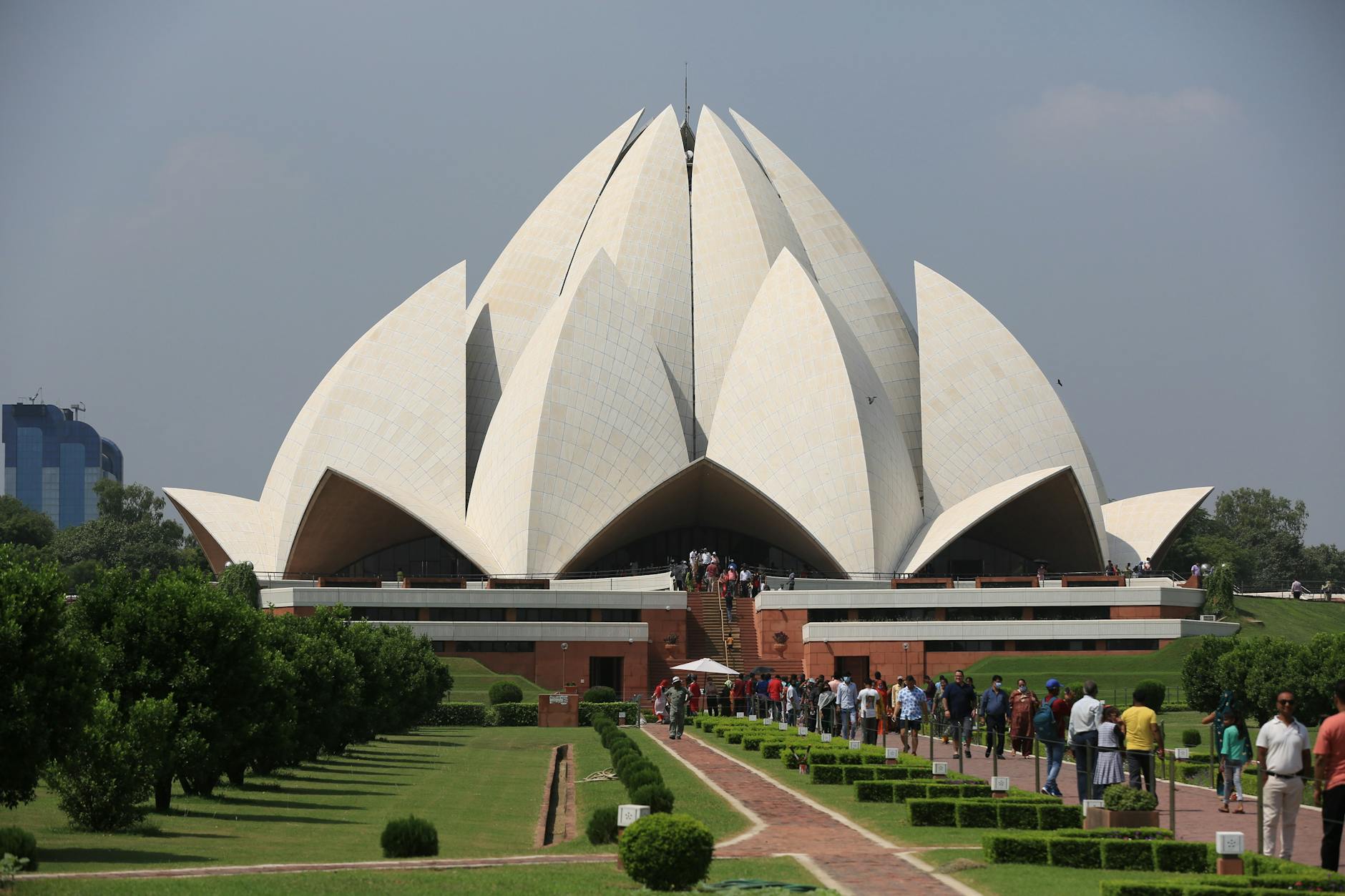
The Lotus Temple, located in New Delhi, India, stands as an architectural embodiment of peace, unity, and spiritual harmony. Completed in 1986, this Bahá’à House of Worship has become one of the most visited buildings in the world, attracting millions of visitors each year. The structure’s design, resembling a blooming lotus flower, is a powerful symbol of purity and beauty inherent in the Bahá’à faith, which promotes the oneness of humanity and respect for all religions. The temple not only serves as a place for prayer and meditation but also embodies a message of peace and coexistence. In the following sections, we will delve into the Lotus Temple history , exploring its inception, architectural marvels, the significance of its design, and its impact on visitors and global culture.
Inception of the Lotus Temple
The idea for the Lotus Temple can be traced back to the 1950s when the Bahá’à community in India sought to build a unique and inclusive place of worship. Influential figures within the Bahá’à faith envisioned a structure that would reflect their principles of unity and the oneness of humanity. The official plans for the temple were set in motion in 1976, marked by the appointment of the architect Fariborz Sahba, whose vision was to create a serene and inviting space for individuals from all backgrounds to gather.
Sahba’s proposal was inspired by the lotus flower, which has deep cultural and spiritual significance in various traditions, particularly in Hinduism and Buddhism. The lotus symbolizes purity, beauty, and the potential for spiritual awakening, making it a fitting representation of the Bahá’à teachings. The design process was meticulous, beginning with detailed sketches and models that focused on both aesthetics and functionality. The intention was to create a space that would serve not only the local Bahá’à community but also welcome visitors from around the globe, regardless of their faith or beliefs.
Construction of the Lotus Temple began in 1980 and was a significant engineering challenge. The project required innovative techniques and materials, as the design demanded a complex structure that would be both visually striking and structurally sound. The temple is composed of 27 free-standing lotus petals made from white marble, sourced from the Makrana region of India. This natural stone not only enhances the temple’s beauty but also provides resilience against the elements.

The monumental task took six years and involved the collaboration of over 800 skilled workers. Each petal is uniquely shaped and arranged, forming nine groups that create nine entrances, representing the unity of different faiths. This was a deliberate design choice to convey the temple’s foundational principle of inclusivity and acceptance of all religions. Once completed, the Lotus Temple was inaugurated in December 1986, and it quickly became a pivotal landmark in New Delhi and a symbol of the Bahá’à faith.
The temple’s inception was not just an architectural endeavor; it was an expression of the Bahá’à commitment to fostering community and interfaith dialogue. Leaders of the Bahá’à community believed that by creating an open, inviting place of worship, they could help eliminate divisive barriers and promote understanding among different cultures and religions. The temple, therefore, is more than a building; it is a manifestation of the hope for a peaceful and united world.
Architectural Marvel: Design and Structure
The design of the Lotus Temple represents a remarkable fusion of modern architectural innovation and ancient symbolism. Its lotus-inspired structure is not just visually captivating but also built with principles that enhance both spirituality and environmental harmony. The use of natural materials, particularly the Makrana marble, ensures that the building exudes a sense of tranquility, reflecting the serene environment that the temple is meant to provide.
The architectural genius of the Lotus Temple lies not only in its aesthetic appeal but also in its structural integrity. The flower-like shape is composed of 27 petals, which are designed with preciseness to create an illusion of softness and delicacy, steering away from conventional hard architecture. The petals are arranged in a way that allows natural light to flood the interior, creating a divine ambiance for worshipers and visitors. Each petal’s outer surface is slightly curved, and this design feature ensures that light penetrates effectively, highlighting the interiors while maintaining a deep sense of stillness.
Central to the temple’s layout is a large prayer hall capable of accommodating up to 2,500 people at a time. The hall is devoid of any idols or images, aligning with the Bahá’à belief in the oneness of God and humanity. Instead, the space is a blank canvas for personal reflection and meditation. The floor of the hall is made of a soft, rose-colored marble, enhancing the warmth of the environment and further inviting individuals to connect with their inner selves.
Sustainability was also a guiding principle behind the architectural design. The Lotus Temple incorporates energy-efficient features, including extensive use of skylights and ventilation systems that reduce reliance on artificial lighting and climate control. This commitment to environmental consciousness resonates deeply with the Bahá’à principles of stewardship of the earth.
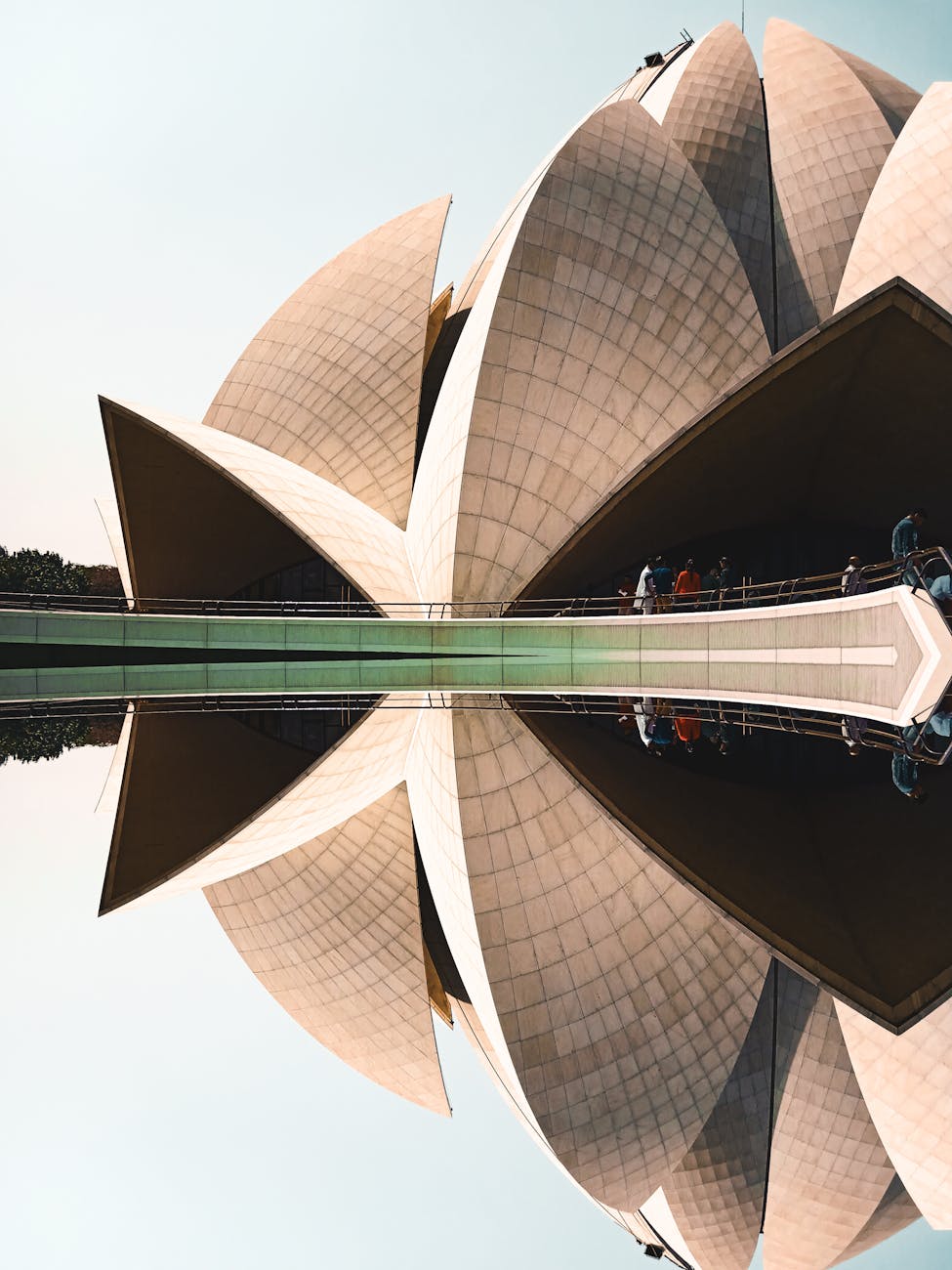
Moreover, the surrounding landscaping complements the temple’s design, featuring lush gardens that enhance the sense of peace and tranquility. The combination of water features, walking paths, and greenery creates an oasis that draws visitors into a state of calm, further reinforcing the temple’s message of harmony. This integration of nature not only serves as a beautiful aesthetic element but also reflects the Bahá’à teaching that nature is an integral part of the divine creation.
As visitors approach the Lotus Temple, they are often struck by its grandeur, yet it simultaneously invites a sense of humility and reflection. The architectural marvel of this sacred space stands as a testament to the belief that art, structure, and spirituality can coexist harmoniously, inspiring countless individuals to seek peace and connection not only within themselves but with others as well.
Significance of the Lotus Symbol
The lotus flower holds profound significance in a variety of cultures, particularly within religious traditions. In Hinduism, the lotus is often associated with purity and divinity, serving as a seat for deities such as Lakshmi and Saraswati. Similarly, in Buddhism, the lotus is emblematic of enlightenment and the journey of the soul towards spiritual awakening, arising beautifully from the muddy waters of ignorance. Within the Bahá’à faith, the lotus symbol adopts these meanings and extends them to emphasize the oneness and harmony of all humanity.
At the heart of the Lotus Temple’s concept is the belief that just as the lotus blooms irrespective of its surroundings, so too can individuals achieve spiritual growth and enlightenment despite life’s challenges and societal divides. The flower’s ability to rise above muddy waters to blossom mirrors the potential for individuals to transcend the chaos and division of the material world, fostering harmony, understanding, and ultimately peace.
The architectural design of the Lotus Temple is a declaration of this philosophy, designed to inspire visitors to seek inner peace and compassion for others. The choice of the lotus as the principal symbol is intentional, inviting people from various backgrounds to unite in shared ideals of spirituality and humanity. By recognizing and embracing different faiths, the temple becomes a sanctuary where individuals can explore their spiritual journeys without judgment or division.
The petals of the Lotus Temple, arranged in a manner that simultaneously represents individuality and collective unity, reflect the Bahá’à belief that while individual expressions of spirituality may differ, we are all part of a single, interconnected human family. This ideal is fundamental in promoting interfaith dialogue and understanding, encouraging people to celebrate their differences while recognizing commonalities.
Moreover, the lotus symbolizes hope, rebirth, and the promise of new beginnings—elements that resonate deeply within the teachings of the Bahá’à faith. As visitors enter the temple, they are often reminded that just as the lotus blooms anew each day, humanity too can embrace transformation and aspire to higher morals and values. This message of renewal and growth is vital in promoting lasting peace in a world often marked by conflict and division.

In addition to its spiritual implications, the lotus has also become a cultural icon, representing the essence of India’s rich heritage and diversity. The Lotus Temple, as a representation of this symbol, serves to bridge cultural gaps, providing a space where people can unite, reflect, and share their experiences. It is a beacon of hope, encouraging a collective commitment to peace, tolerance, and understanding among all.
In conclusion, the lotus stands not just as a design element of the temple but as a universal symbol of our potential for love, unity, and transcendence in a world that often appears fragmented. The teachings of the Lotus Temple remind visitors that regardless of their backgrounds, they share the same journey towards enlightenment and peace.
Cultural and Religious Importance
The Lotus Temple embodies a significant cultural and religious landmark, representing the Bahá’à principles of unity, peace, and interconnectedness. It serves as a venue for promoting interfaith dialogue, community interactions, and understanding among diverse religious groups, and emphasizes the importance of coexistence in an increasingly multicultural world.
Since its inauguration, the Lotus Temple has become an essential pilgrimage site for the Bahá’à community and an attraction for people of all faiths. It stands as a testament to the transformative power of spirituality and collective aspirations for universal peace. Visitors find themselves in a sanctuary where their thoughts can be uninterrupted, allowing for reflection, meditation, and a deeper understanding of their own spiritual practices.
The temple encourages individuals to embrace the teachings of various religions, fostering a spirit of learning and respect. In doing so, it breaks down the barriers that often separate different faiths, promoting a collective identity as human beings striving for a common purpose of peace and harmony. Various programs and events held at the temple facilitate discussions on spiritual and social issues, making it a hub for positive dialogue and action.
The Bahá’à faith places particular emphasis on the equality of all religions, viewing them as differing expressions of the same truth. This inclusive approach is mirrored in the temple’s architecture and its open-door policy, welcoming everyone, regardless of their background. Such practices are vital for nurturing respectful relationships across cultures and faiths, a necessity in today’s globalized society.
The Lotus Temple celebrates the shared aspects of interconnectedness inherent in humanity. It promotes peace initiatives, encouraging visitors to extend the principles of compassion and understanding into their everyday lives. Numerous workshops, talks, and seminars are organized to address pressing social issues—such as human rights, environment, and education—which resonate with the teachings of all religions, illustrating that collective action can foster positive change.
Additionally, the temple’s role in the arts cannot be overlooked. Over the years, it has inspired artists, musicians, and poets, serving as a canvas for creativity that conveys messages of love and unity. The artistic expression that flourishes within the temple’s walls reflects the innate desire for connection and peace experienced by people throughout history.
In essence, the Lotus Temple functions as a cultural melting pot, inviting individuals to explore, share, and celebrate their faiths and traditions. It reinforces that spirituality transcends borders and encourages compassionate living, laying a foundation for a harmonious global community. The temple acts as a tangible reminder that we are all part of a larger narrative, working together towards a more peaceful world.
Visitor Experience and Global Impact
The visitor experience at the Lotus Temple is designed to be transformative, encouraging individuals to step away from the chaos of daily life and engage in self-reflection. As one approaches the temple, the serene beauty of its architecture and the tranquility of the surroundings beckon visitors into a space where they can connect with their spirit and with others. Upon entering, visitors are greeted by a profound sense of calm, facilitated by the temple’s peaceful environment and the absence of distractions typically found in conventional places of worship.
The temple provides various opportunities for visitors to engage with the teachings of the Bahá’à faith without any obligation to adhere to its beliefs. Guided tours are offered, educating visitors on the history, significance, and architectural marvel of the temple. Stakeholders and volunteers share personal anecdotes and insights, fostering a greater understanding of the temple’s meaning within the broader context of global spirituality.
Central to the visitor experience is the main prayer hall, where individuals can participate in silent meditation or prayer. With its magnificent white marble interior and carefully angled petals, the hall serves as an intimate space for personal contemplation. The ambiance created by natural light filtering through the petals elevates the experience, inviting visitors to embrace the stillness and tranquility. For many, moments spent in the prayer hall reveal insights and foster connections with their spiritual selves, regardless of their faith background.
The temple serves as a model for creating community and interfaith exchange in a world often fractured by division. Through its consistent efforts to promote peace and understanding, the Lotus Temple has cultivated a global following and garnered international attention. The temple attracts over 10 million visitors annually, becoming one of the most visited buildings in the world. Such immense footfall is a testament to the universal appeal of its message and the need for spaces that foster dialogue and understanding.
In recent years, the temple has also taken steps to leverage modern technology for enhancing the visitor experience. Online resources, virtual tours, and interactive platforms allow individuals from around the world to explore the teachings of the Bahá’à faith and gain insights into the temple’s significance without physically being present. This digital outreach has expanded the temple’s impact, allowing it to reach a diverse, global audience eager for connection and understanding.
Furthermore, the Lotus Temple’s influence extends beyond its walls. By actively engaging in local community initiatives and global peace programs, it underscores the role of spiritual places in facilitating social change. The temple’s outreach efforts promote education, environmental stewardship, and humanitarian efforts, emphasizing the need for holistic action in addressing modern societal challenges.
As a global symbol of peace, the Lotus Temple inspires similar initiatives worldwide, encouraging other faith communities to embrace inclusive approaches that promote unity among diverse populations. The teachings derived from the temple and the Bahá’à faith echo the need for tolerance, compassion, and active efforts towards a peaceful coexistence—a message that resonates profoundly in today’s world.
In summary, the visitor experience at the Lotus Temple is not merely about admiring its architectural beauty; it involves engaging with ideals that transcend individual beliefs and foster a deeper connection with humanity. The temple’s global impact serves as a powerful reminder of our collective responsibility to work towards a more harmonious and peaceful world.
Conclusion
The Lotus Temple in New Delhi stands as an emblem of peace, unity, and inclusivity within a diverse and multifaceted world. The rich history encompassing its inception, architectural marvel, and significant cultural messaging reflects the essence of the Bahá’à faith, advocating harmony among various faiths and cultures. Each visitor who steps inside its pedestrian paths and serene prayer halls leaves with a more profound understanding of their spiritual journey and the potential for collective growth in the name of peace. The temple’s global influence and commitment to fostering interfaith dialogue reflect its enduring relevance as a sanctuary devoted to the pursuit of unity in the spirit of love and understanding. As the world continues to face challenges, the Lotus Temple serves as a beacon of hope, inspiring individuals to honor their shared humanity and work together towards a more peaceful existence.








[…] Mehrangarh Fort, which translates to ‘Majestic Fort’, is not just an architectural marvel but a representation of Jodhpur’s historical narrative and resilience. The fort’s construction began in 1459 under the guidance of Rao Jodha, who sought a bastion of safety and power. The fort is constructed on a steep hill, rising a staggering 400 feet abo ve the skyline of Jodhpur, making it one of the largest forts in India. […]