
Introduction
Aston Martin, a name synonymous with luxury and high-performance automobiles, has a storied history that intertwines craftsmanship with innovation. Founded in 1913, the brand has not only become a symbol of elegance but has also made significant strides in automotive engineering. With its sleek design and powerful performance, Aston Martin has captured the hearts of car enthusiasts and celebrities alike, becoming a staple in popular culture, notably through its association with the James Bond franchise. This article delves into the rich history of Aston Martin, exploring its evolution, challenges, and what the future holds for this iconic brand.
The Founding of Aston Martin: An Overview
Aston Martin was born out of a vision shared by Lionel Martin and Robert Bamford in the early 20th century. The company’s origin can be traced back to 1913 when the duo began building cars under the name “Bamford & Martin.” Their first vehicle, the Aston Martin ‘Coal Scuttle,’ was a lightweight racing car that showcased the duo’s passion for speed and performance. The name “Aston Martin” was adopted shortly after when Lionel Martin raced one of his creations at the Aston Hill Climb near Aston Clinton in 1914.
The early years were characterized by financial struggles and ownership changes, yet Aston Martin’s commitment to craft and racing prowess remained intact. With the onset of World War I, production halted, but the brand rebounded in the 1920s, focusing on sports cars that would define its legacy. During this period, the company participated in several endurance races, staking its claim in the automotive world and gaining recognition for its engineering excellence.
By the 1930s, Aston Martin’s reputation as a luxury brand was solidified, attracting affluent clients, including royalty and celebrities. The introduction of the iconic Aston Martin 2 Litre Sports in 1921 marked a significant milestone, blending performance with luxury. The challenges of the Great Depression tested the company’s resilience, but it managed to survive, setting the stage for further innovation in the years that followed.
In essence, the founding period of Aston Martin laid the groundwork for what would become a remarkable journey through the automotive industry. The initial dream of two men fueled the fire of an enduring legacy, characterized by innovation, style, and an unyielding commitment to quality.
The Evolution of Aston Martin Models
Aston Martin has produced an array of models that reflect the brand’s commitment to performance, luxury, and design excellence. From its early racing cars to the modern supercars, the evolution of Aston Martin models is a testament to the brand’s adaptability and innovation.
The post-World War II era marked a significant turning point for Aston Martin. The introduction of the DB series, initiated with the DB2 in 1949, revolutionized the company’s offerings. The DB2’s innovative design and powerful engine capabilities helped establish Aston Martin as a key player in the luxury sports car market.
As the years progressed, the DB series continued to evolve, leading to the iconic DB5 in the early 1960s. This model gained worldwide fame after being featured in the James Bond film “Goldfinger,” cementing Aston Martin’s status as a symbol of sophistication and elegance. The DB5 was notable for its powerful 4.0-liter inline-six engine and luxurious interior, setting new standards for performance and style.
Following the success of the DB5, Aston Martin introduced various models that catered to different market segments. The V8 Vantage, launched in the 1970s, became renowned for its muscular stance and exhilarating performance. This model further diversified the brand’s offerings, showcasing Aston Martin’s ability to blend classic design with cutting-edge technology.
The 1990s saw the launch of the DB7, which reinvigorated the brand after a challenging financial period. This model was pivotal in expanding Aston Martin’s customer base and enhancing its global presence. The DB7 combined luxury with accessibility, appealing to a broader audience while maintaining the high standards associated with the brand.
In recent years, Aston Martin has continued to innovate, with models such as the Vantage and the DB11 pushing the boundaries of design and technology. The brand’s commitment to blending traditional craftsmanship with modern advancements emphasizes its dedication to excellence in automotive engineering.
The evolution of Aston Martin models showcases not only the brand’s rich heritage but also its forward-thinking approach. Every model tells a story, reflecting the changing times and the enduring appeal of luxury sports vehicles.
Aston Martin and Motorsport: A Legacy of Racing
Aston Martin’s involvement in motorsport has been a defining aspect of its history, demonstrating the brand’s commitment to performance and engineering excellence. From its inception, racing played a crucial role in establishing Aston Martin’s reputation as a maker of high-performance vehicles.
In the early days, Aston Martin cars were designed with racing in mind. The company participated in various competitive events, such as the 24 Hours of Le Mans, where it first showcased its prowess in endurance racing. The 1920s and 1930s saw Aston Martin achieve significant successes, with several podium finishes that contributed to its growing legacy in motorsport.
The post-war years witnessed a resurgence of Aston Martin in competitive racing. The introduction of the iconic DBR1 in the 1950s marked a pivotal moment for the brand, as it became a dominant force in sports car racing. With renowned drivers like Carroll Shelby and Sir Stirling Moss behind the wheel, the DBR1 achieved victory at Le Mans in 1959, solidifying Aston Martin’s status in the racing world. This triumph showcased the brand’s engineering capabilities and commitment to achieving peak performance, further enhancing its reputation.
During this period, Aston Martin also developed a strong relationship with various racing organizations, participating in events around the globe. The brand’s focus on performance and innovation allowed it to compete with other prestigious manufacturers, and its racing success translated into credibility for its road-going models. Each victory on the track reinforced the idea that Aston Martin vehicles were not only luxurious but also built for speed and agility.
As the automotive landscape evolved, so did Aston Martin’s approach to motorsport. The brand continued to embrace innovation, utilizing advanced technologies to improve performance in competition. In recent years, Aston Martin has engaged in partnerships with teams in various racing series, including GT racing and Formula E, showcasing its commitment to sustainability and modern engineering.
Aston Martin’s legacy in motorsport remains a significant aspect of its identity. Racing has allowed the brand to push the boundaries of automotive engineering while maintaining its commitment to high performance and luxury. The lessons learned on the racetrack often translate to enhancements in their consumer vehicles, ensuring that the spirit of competition remains at the core of Aston Martin’s ethos.
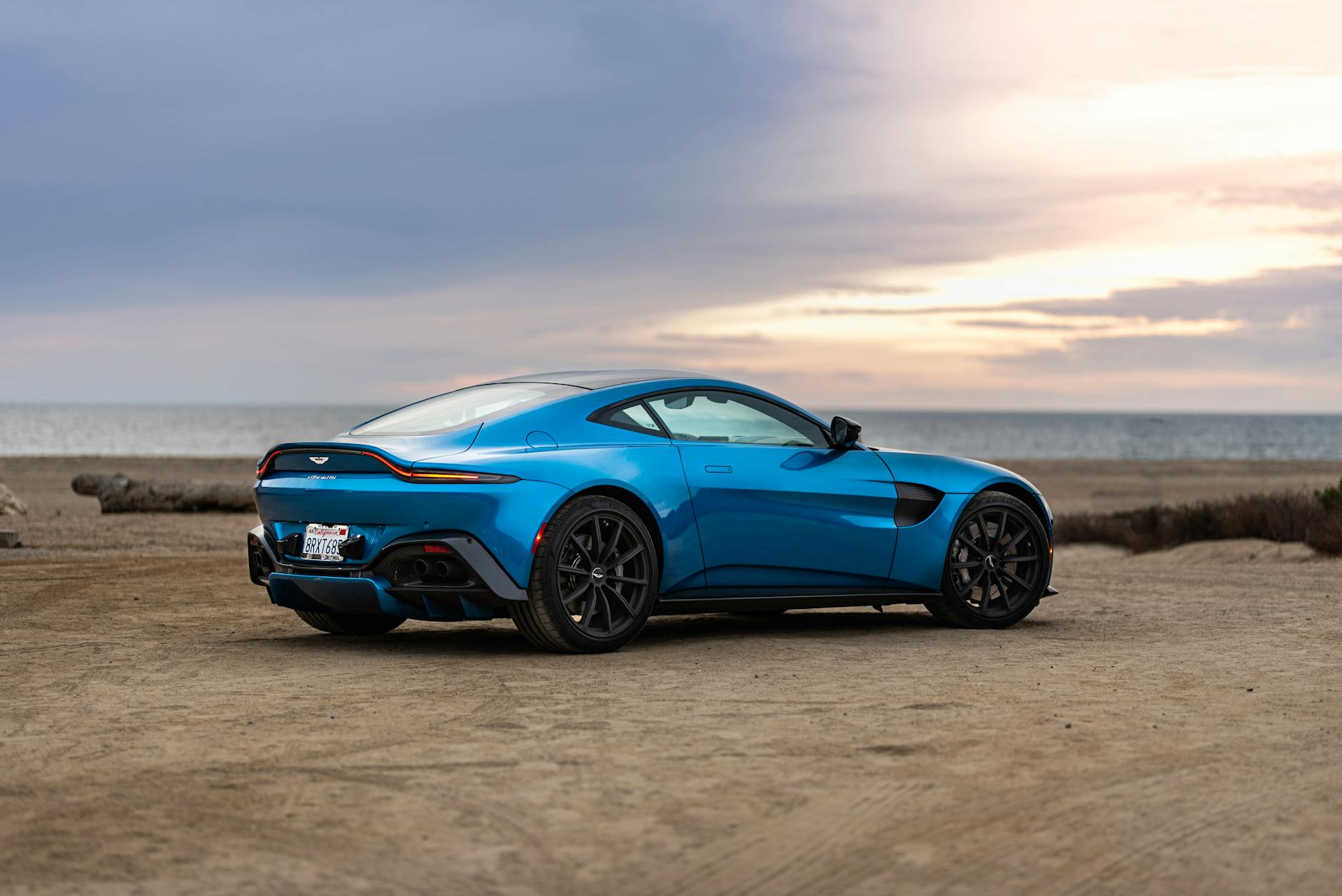
Challenges and Triumphs: Aston Martin in the Modern Era
Aston Martin has faced numerous challenges in the modern era that have tested its resilience and adaptability. The brand’s journey through financial difficulties, management changes, and market shifts has shaped its present and future trajectory.
In the late 1990s and early 2000s, Aston Martin experienced financial struggles, leading to changes in ownership and management. The introduction of the DB7 proved to be a significant turning point, as it revitalized the brand and attracted a new generation of customers. However, maintaining production levels and ensuring profitability remained a challenge.
The global financial crisis of 2008 significantly impacted luxury automotive brands, including Aston Martin. With declining sales and a shrinking market for high-end vehicles, the company had to adapt to survive. During this turbulent time, Aston Martin focused on streamlining operations and innovating its product lineup. The launch of models like the V8 Vantage and the DBS helped the brand regain traction, appealing to buyers looking for luxury sports cars.
Despite these challenges, Aston Martin managed to re-establish its position in the luxury market. The appointment of new leadership brought fresh ideas, focusing on expanding the brand’s global presence and diversifying its product range. Partnerships with key manufacturers and suppliers allowed Aston Martin to access cutting-edge technologies, enhancing its models for greater performance and sustainability.
The brand’s dedication to innovation became evident with the introduction of hybrid and electric models as part of its future vision. The announcement of the Aston Martin Valhalla and other upcoming models represents a commitment to sustainability while retaining the brand’s core values of performance and luxury. This forward-thinking approach positions Aston Martin as a relevant player in an evolving automotive landscape.
Today, Aston Martin continues to navigate the complexities of a changing industry. The blend of heritage and modernity in its designs showcases its ability to honor its legacy while embracing the future. The challenges faced in recent decades have strengthened Aston Martin, allowing it to emerge as a brand resilient in the face of adversity.
The Future of Aston Martin: Innovations and New Directions
As Aston Martin looks to the future, the brand is set on a path of innovation and sustainability, ensuring it remains relevant in an ever-evolving automotive industry. The future vision involves embracing advanced technologies, developing electrified models, and continuing to enhance its luxury offerings.
Aston Martin is undertaking significant steps toward electrification, with plans to unveil hybrid and fully electric models. The introduction of the Aston Martin Valhalla, a hybrid supercar, signifies the brand’s commitment to combining performance with environmental responsibility. This model represents a shift in engineering philosophy, aiming to push the boundaries of performance while adhering to sustainability goals.
Moreover, Aston Martin is leveraging modern technology, including advancements in connectivity and automation, to enhance the driving experience. Integration of smart technologies into its vehicles aligns with consumer demands for connected cars, improving safety and user interaction. Features such as advanced driver assistance systems and infotainment platforms are increasingly becoming focal points in the development of new models.
The collaboration with other industry leaders, including partnerships for shared technology development, is a crucial aspect of Aston Martin’s future strategy. These alliances not only foster innovation but also allow the brand to remain competitive in a landscape dominated by rapid technological advancements.
In addition to vehicle innovation, Aston Martin is focusing on expanding its footprint in emerging markets. The brand’s strategy includes reaching younger consumers by showcasing lifestyle and aspirational elements that resonate with a broader audience. With increased emphasis on brand experience, Aston Martin aims to enhance consumer engagement through exclusive events and partnerships that highlight the uniqueness of its heritage.
Moreover, the brand’s commitment to craftsmanship and quality remains uncompromised. The fusion of artisanal skills with cutting-edge technology ensures that Aston Martin’s vehicles continue to embody luxury and performance while appealing to contemporary tastes.
As Aston Martin embraces the future, its endeavors reflect a commitment to evolution and sustainability. The brand’s legacy is grounded in performance and craftsmanship, but its vision for tomorrow includes innovation, connectivity, and an unwavering dedication to delivering exceptional driving experiences.
Conclusion
The history of Aston Martin is a compelling narrative of ambition, innovation, and resilience. From its humble beginnings in 1913 to becoming a global icon of luxury and performance, Aston Martin has carved a path defined by excellence in automotive engineering.
Each chapter of its story reveals the brand’s ability to adapt and thrive in changing environments, from financial hardships to the challenges of modern technology and sustainability. Aston Martin’s commitment to combining traditional craftsmanship with contemporary innovation ensures that it remains a beloved marque among enthusiasts and collectors worldwide.
As the brand continues to evolve, embracing electrification and advanced engineering, it honors its rich heritage while boldly stepping into a future filled with possibility. The spirit of Aston Martin—luxury, performance, and passion—will undoubtedly endure, captivating car enthusiasts for generations to come.
Sources
- Aston Martin Official Website: https://www.astonmartin.com
- “Aston Martin: The Complete History” by John Smith
- “The Birth of Aston Martin: A History” – Automotive History Journal
- “Racing Legends: Aston Martin’s Motorsport Legacy” – Auto Racing Magazine
- “Future Trends in Luxury Automobiles” – Car and Driver Magazine
- “Sustainability in the Automotive Industry” – Journal of Automotive Engineering