Introduction
Big Ben, one of London’s most iconic symbols, is steeped in history and represents the heart of Britain. Erected as part of the Palace of Westminster, it has become synonymous with the city and a significant landmark for visitors from around the world. Officially named the Great Bell of the clock at the north end of the Palace of Westminster, the term “Big Ben” is commonly used to refer both to the bell and the clock tower, which was renamed in 2012 to Elizabeth Tower in honor of Queen Elizabeth II’s Diamond Jubilee. With its intricate design, engineering marvels, and cultural significance, Big Ben stands not only as a testament to Victorian-era craftsmanship but also as a symbol of resilience and continuity throughout British history. This article explores the origins, architecture, cultural importance, conservation efforts, and global influence of Big Ben history, tracing its journey from a historical monument to a beloved symbol of London.
The Origins of Big Ben
The construction of Big Ben dates back to the early mid-19th century, a period marked by a surge of urban development in London. Following the devastating fire that destroyed the Palace of Westminster in 1834, there was an urgent need to rebuild the iconic structure that housed the British Parliament. The British government held a competition to design a new palace, which was won by Augustus Pugin, a leading architect known for his Gothic Revival style. The original plan included a clock tower, and Pugin’s design featured a tall, ornate structure that would rise majestically above Westminster.
In 1846, the clock’s design was completed, led by clockmaker Edward John Dent. The objective was to create one of the largest and most accurate clocks in the world. The clock mechanism required innovative engineering, which led to the use of a unique double three-legged gravity escapement, allowing the clock to maintain better time under varying weather conditions. The Great Bell, a massive 13.5-ton piece of bronze, was also cast by local bell founder George Mears and named Big Ben, supposedly after Sir Benjamin Hall, the Commissioner of Works at the time.
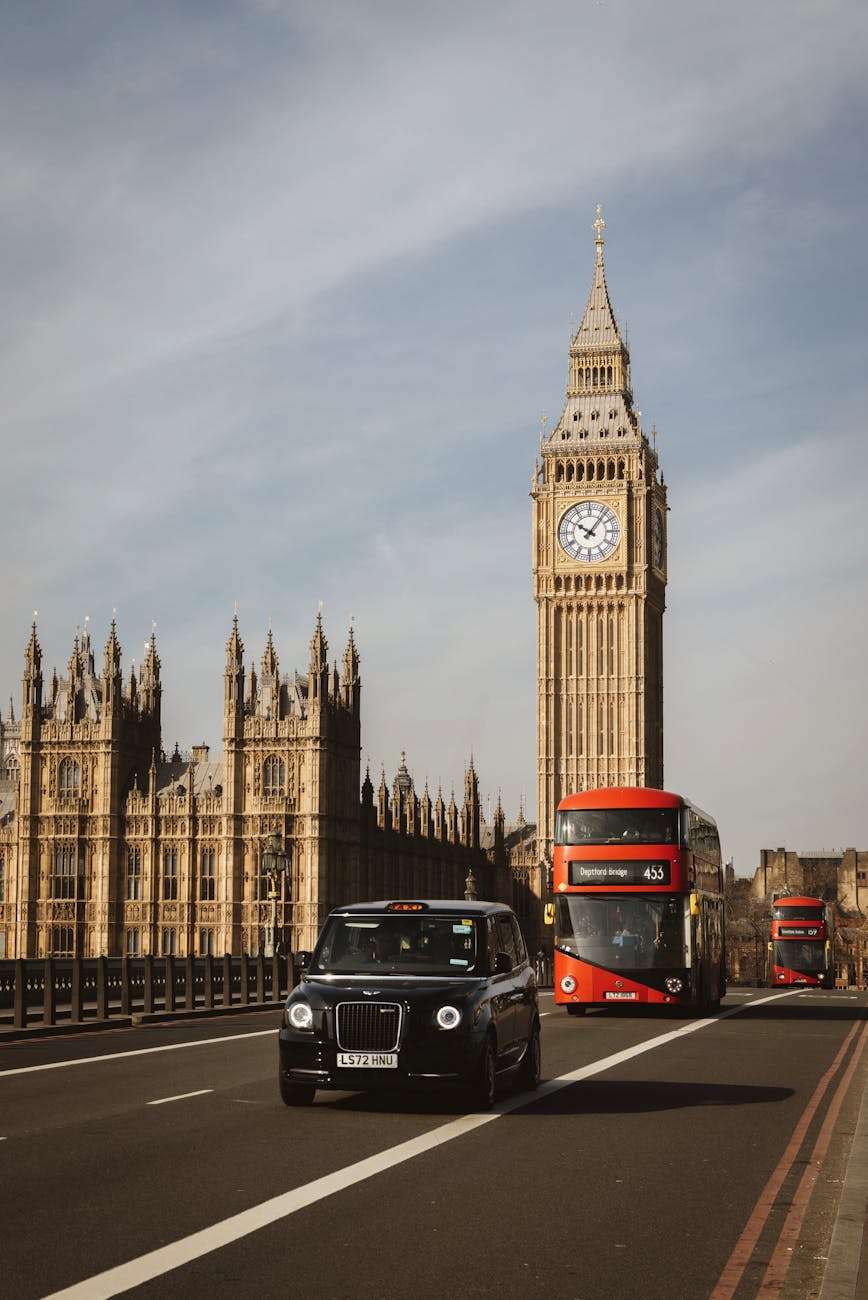
The bell’s arrival was marked by a series of challenges. The original Big Ben cracked during testing, leading to its replacement with a new bell in 1858, which rang its first chime on July 11 of that year. Big Ben quickly became a focal point for Londoners, symbolizing not just timekeeping but also national pride and identity.
The origins of Big Ben are not just about the architectural and engineering aspects; they also reflect the cultural climate of the time. The decisions made during its construction were a reflection of Victorian values, which emphasized progress, innovation, and the artistry of craftsmanship. As the tower soared above the Thames, it invited admiration from both locals and visitors and began its journey as a symbol of British resilience and unity.
The Architectural Marvel
The Elizabeth Tower, as it is now officially called, is an impressive feat of architecture, blending elements of Gothic and Victorian design. Standing at 316 feet (96 meters) tall, it features a striking facade adorned with intricate carvings and detailed masonry, drawing admirers from around the globe. The tower’s base is square, measuring 40 feet (12 meters) on each side, and is encased in a rich blend of brick and stone, enabling it to withstand the test of time.
Pugin’s design showcases a delicate balance between grandeur and symmetry. The clock faces, set at each cardinal point, are made of opalescent glass encased in a metal framework decorated with delicate motifs. Each dial is over 22 feet (7 meters) in diameter, revealing not only the time but also the artistry that went into their creation. These clock faces serve not just a functional purpose; they also accentuate the verticality of the tower, drawing the eye upward toward the elegant spire that crowns it.
One of the most significant architectural features is the tower’s unique clock mechanism. The clock employs a gravity escapement, created with innovation that was cutting-edge for its time. This enables the clock to be accurate, compensating for changes in temperature and humidity. Coupled with the beautiful chimes of Big Ben, this faithful timekeeper has stood as a symbol of punctuality for over a century.
The tower has seen its share of adaptations since its completion. Throughout the years, modifications were made for maintenance and modernization, ensuring that Big Ben remains functional and relevant in a world teeming with technological advancements. The preservation of the structure signifies the importance of maintaining historical architecture amid rapid urban development.
Architecturally, the significance of Big Ben goes beyond its individualistic features; it represents the broader movement of Gothic Revival architecture in 19th-century Britain. The blend of intricate detail and solemn intent reflects the era’s quest for aesthetic beauty and cultural identity. As one looks upon Big Ben, they do not merely see a clock tower; they experience a movement that defined a generation and solidified London’s place on the global stage of historical and architectural significance.
The importance and impact of Big Ben in British Culture
Big Ben occupies a unique position in British culture, serving as a powerful symbol of timekeeping, democracy, and national identity. Its presence has transcended its functional purpose; it is deeply entwined with the collective memory of the British people. As soon as it began to toll on July 11, 1859, Big Ben quickly emerged as a national icon, marking important moments in history—weddings, the end of World Wars, and other pivotal events.
One of the key cultural significances of Big Ben lies in its association with the British Parliament, located directly next to the tower. The bongs of Big Ben signal the beginning of parliamentary sessions, and its chimes echo through the halls of Westminster, reminding lawmakers of their responsibilities to the people. The clock tower serves as both a literal and symbolic timer for democracy, measuring the time the government has to serve its citizens.
Moreover, Big Ben resonates far beyond the political realm. It has become an integral part of London’s identity. Tourists flock to the city eager to witness its grandeur and snap photographs. The clock’s image has become a beloved feature found in media, marketing, and merchandise, encapsulating London’s essence in a easily recognizable form. Whether depicted in children’s toys or international travel brochures, Big Ben represents not only London but also England as a whole.
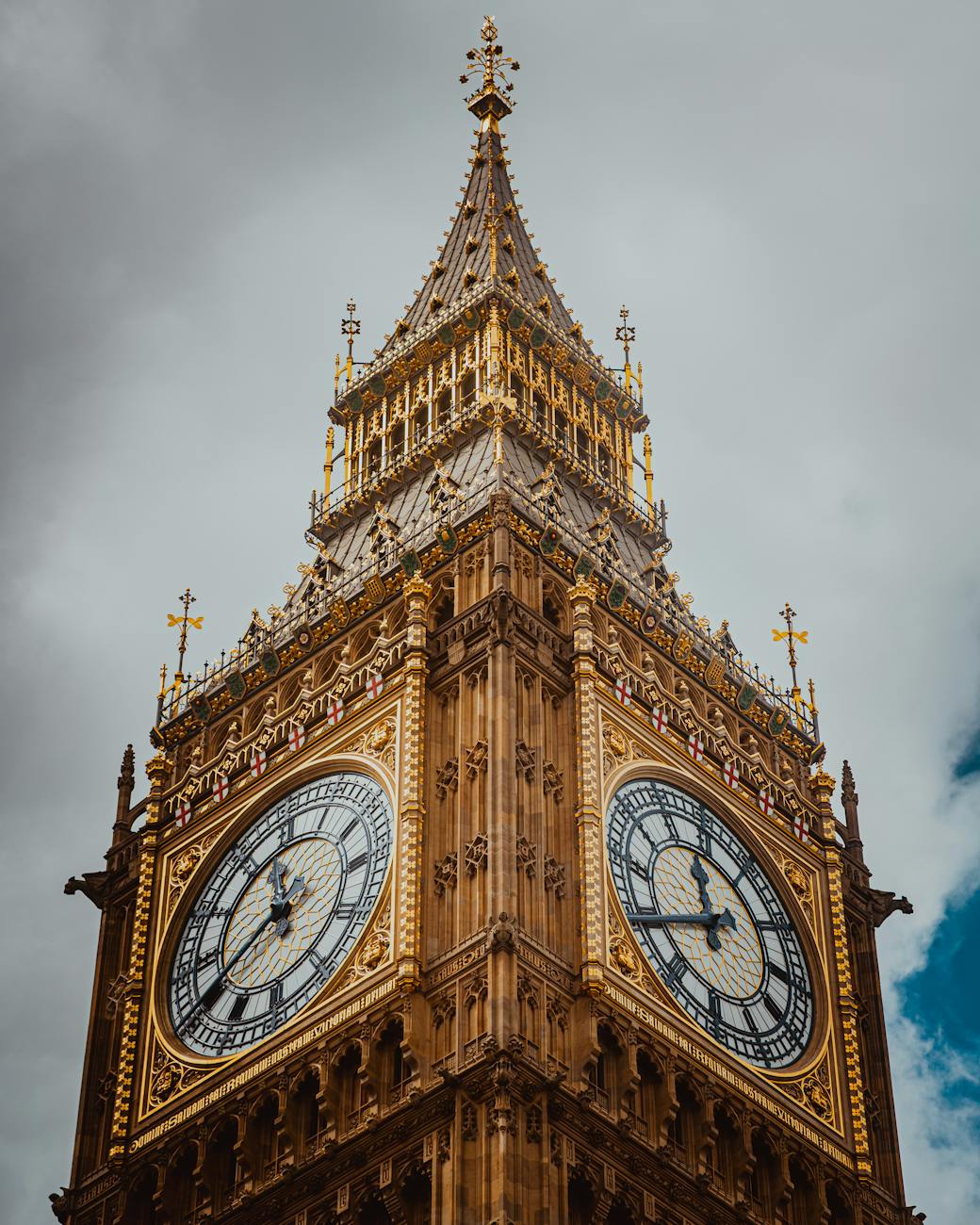
The clock tower’s cultural appeal extends into various forms of art and literature. It has been depicted in countless films, television shows, and novels as the quintessential London landmark. In several works, Big Ben acts as a symbol of time, continuity, or sometimes the passage of time—events about to transpire and the inevitable change that time brings.
Big Ben also holds a special place in rituals and traditions, such as New Year’s Eve celebrations, when the clock strikes midnight, marking the arrival of the new year. The anticipation leading up to that moment binds people together in collective hope and festivity, energizing the spirit of celebration across the nation and beyond.
In 2020, as the world grappled with the challenges posed by a global pandemic, Big Ben remained a source of solace for many. Its chimes marked the continuity of time, hope, and resilience for people staying indoors. This further confirmed its status as a cultural landmark anchoring British identity during uncertain times.
Overall, Big Ben serves as an important cultural artifact that encapsulates the myriad aspects of British life. It is not merely a historical structure; it is a living symbol of the aspirations, trials, and triumphs of those who call Britain home.
Restoration and Preservation Efforts
The passage of time invariably takes its toll on structures, and Big Ben is no exception. As such, restoration and preservation efforts have been key components of its enduring legacy. By the 21st century, pollution, wear and tear, and weathering had begun to affect both the clock tower’s structure and its intricate features. Recognizing the need for restoration, significant funding was allocated to restore and preserve this national treasure for future generations.
In 2017, a major renovation project commenced, aimed at both modernizing the tower and restoring its original architectural brilliance. The multi-year endeavor involved a comprehensive assessment of the building’s stonework, clock mechanism, and general structure. It quickly became evident that some restoration techniques would need to balance the preservation of historical features while integrating modern technology and safety standards.
During the restoration, extensive cleaning of the clock tower was undertaken. Over a century of grime and pollution was carefully removed, revealing the detailed stonework and vibrant colors hidden beneath layers of soot. This meticulous process not only enhanced the tower’s aesthetic appeal but also highlighted the craftsmanship that went into its original construction.
Simultaneously, the interior mechanism of the clock underwent a significant overhaul. Technicians worked meticulously to ensure the clock would remain functional for years to come while adhering to the original design specifications. This involved disassembling the clockworks, replacing worn components, and recalibrating the mechanism to maintain its maximal accuracy. Personal care was taken to respect the historic integrity of the clock while equipping it with modern capabilities.
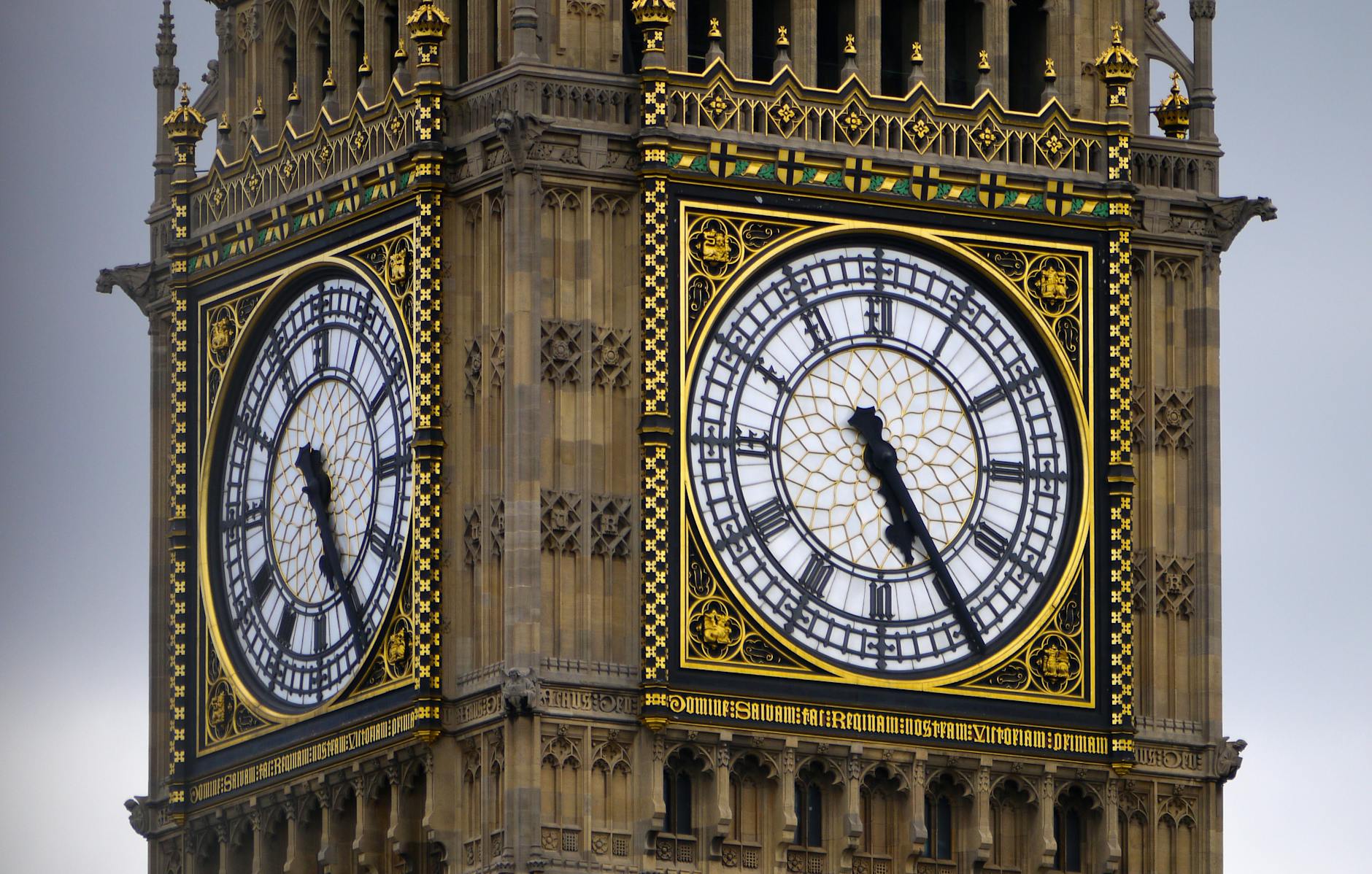
Additionally, the renovation project included structural improvements to ensure safety and stability. Old scaffolding was erected around the tower, and engineers conducted inspections to shore up weaknesses in the original design. This proactive approach aims to protect Big Ben from potential seismic or environmental threats and safeguard its standing for generations.
However, the renovation has not been without controversy. The work saw Big Ben fall silent for an extended period, leading to concern and sadness among citizens who often find comfort in its chimes. Public sentiment toward the project ebbed and flowed, fluctuating between excitement for the updates and nostalgia for the iconic sound that had echoed over London.
As restoration efforts concluded in 2021, Big Ben once again rang out across London, signifying the successful completion of the two-year renovation project. The refreshed clock tower not only serves as a testament to engineering ingenuity and architectural beauty but also highlights the importance of preserving historical landmarks as part of cultural heritage.
Through such efforts, Big Ben continues to stand as a bridge between the past and present. Its restoration not only safeguards its structural and aesthetic integrity but also reinforces the unwavering significance of this historical icon in the heart of London.
Big Ben’s Global Influence and impact
From its inception, Big Ben has transcended its status as a clock tower and evolved into a cultural icon known worldwide. Its global significance is marked by its representation of London and British heritage, but it is also emblematic of shared values such as democracy, resilience, and continuity. As one of the most photographed landmarks in the world, Big Ben stands as a beacon, drawing millions of visitors to London and serving as a focal point in their exploration of British culture.
Big Ben not only represents the city but has also found its place in global media. Frequent depictions in films and television shows have established its iconic status, making it a benchmark for London in the international landscape. In iconic movies such as “James Bond” and “Sherlock Holmes”, Big Ben serves as a symbol of the thrilling narratives that British storytelling often presents. Images of the clock tower accompany countless travel articles, documentaries, and guides, further solidifying its role as the face of London across various media.
Moreover, Big Ben’s influence reaches diplomatic and political spheres. As a symbol of resilience, it has been utilized in various campaigns, affirming British strength in times of crisis. During World War II, the survival of Big Ben became a metaphor for Britain’s unyielding spirit amid adversity. News reports frequently showcased footage of Big Ben as the backdrop to historic announcements or significant events, firmly establishing it as a symbol of political stability.

Culturally, Big Ben has inspired artistically inclined individuals to reimagine its presence through visual and literary art, with artists interpreting its essence across various styles and mediums. This influence fosters a connection not just with British audiences, but also with global art lovers who share admiration for its architectural beauty and historical importance.
In recent years, Big Ben has been a focal point for international tourism, contributing significantly to the UK’s economy. The surge in visitors illustrates the tower’s power to attract, as tourists flock to photograph its intricate design, bask in its historical aura, and partake in cultural rituals revolving around it. The sheer number of visitors each year is a testament to Big Ben’s irresistible allure—its identity as a global landmark unites people regardless of background, geography, or language.
In conclusion, Big Ben’s global influence is multi-faceted; it is a powerful symbol of London, British heritage, and universal motifs of resilience and democracy. Its continuous portrayal in culture, diplomacy, and tourism ensures that Big Ben remains not just a national treasure, but a cherished symbol of hope and endurance known far and wide.
Conclusion
Big Ben exemplifies more than mere architectural elegance; it signifies the heart of London and the essence of British identity. Through its rich history, it has become a flourishing symbol of resilience, cultural continuity, and democratic integrity. From its origins amid the inspiring Victorian values to its standing as a global landmark, Big Ben has weathered the tests of time, uniting people in admiration and reverence.
Through extensive restoration efforts, the clock tower has been preserved for future generations, allowing its presence to endure as a cherished emblem of London. The ongoing commitment to maintaining its historical significance reaffirms its importance in collective memory. Big Ben stands not just as a clock tower; it represents the ambitions, trials, and achievements of the British people.
As London evolves and the world changes around it, Big Ben remains a constant beacon of hope, time, and tradition. It is intertwined with the cultural fabric of the nation and resonates with people globally, reminding us of our shared values and aspirations. As we look toward the future, Big Ben will continue to echo through the ages, preserving the legacy of those who have come before while inspiring generations to come.