Introduction
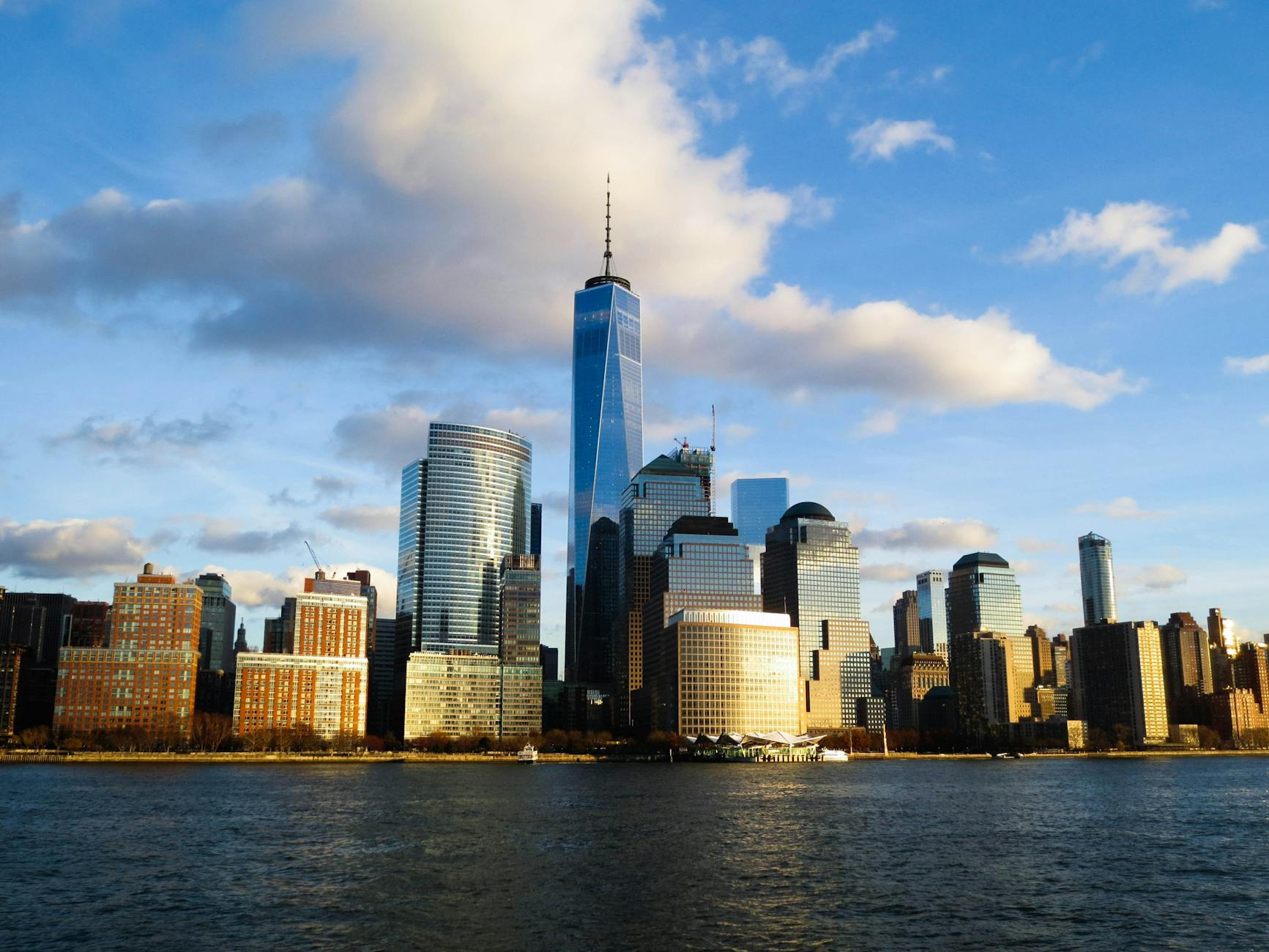
The One World Trade Center (OWTC) stands tall in New York City, not just as a skyscraper, but as a symbol of resilience, hope, and the indomitable spirit of the American people. Built on the site that was once home to the Twin Towers, the OWTC represents a journey from tragedy to triumph. The devastating events of September 11, 2001, reshaped the city, the nation, and the world, leaving an indelible mark on history. In the years following the attack, a vision emerged to rebuild and restore the iconic skyline that had been lost. This article will explore the One World Trade Center history, examining how it rose from the ashes of destruction and emerged as a beacon of strength, innovation, and remembrance in the heart of New York.
The Tragedy of 9/11 and its Impact on New York
The events of September 11, 2001, brought an unprecedented tragedy to New York City and the world. On that fateful day, nearly 3,000 lives were lost as terrorists attacked the Twin Towers of the World Trade Center, forever altering the landscape of the city and the psyche of its residents. In the aftermath, New Yorkers grappled with profound grief, shock, and anger, as the site transformed from a bustling business hub to a scene of devastation. This moment marked a turning point in history, accentuating vulnerabilities and instigating a profound sense of loss.
In the days following the attacks, the heroism displayed by first responders and ordinary citizens became a source of pride and inspiration. Communities came together, showing solidarity in the face of adversity. Memorials were erected, and vigils were held, allowing people to mourn collectively and honor those who had perished. Yet, the emotional toll was immense; New Yorkers faced fears about safety, a sense of loss of normalcy, and concerns for the future.
The impact went beyond the immediate vicinity of Ground Zero. The economic ramifications rippled through the city. The destruction of the Twin Towers led to the loss of thousands of jobs, and the insurance claims that followed became a lengthy, arduous process. Many businesses were forced to close, contributing to an already challenging economic climate in the post-9/11 world. Hotels were empty, and foot traffic plummeted in a city known for its vibrant atmosphere and bustling streets.
The tragedy caused a reevaluation of security measures not just in New York, but across the nation and around the world. Transportation security, emergency preparedness, and intelligence sharing were drastically reformed in response to the attack. The sentiment of vulnerability persisted as the nation sought to heal while grappling with the reality that such an event could happen again.
For many, this tragedy was deeply personal. Families lost loved ones, and survivors faced a long path toward recovery. The psychological impact was profound; many experienced symptoms related to PTSD, depression, and anxiety. The need for counseling and support became apparent as those directly and indirectly affected sought ways to cope with their grief.
Yet, in the face of such overwhelming sorrow, the resilience of New Yorkers shone through. The desire to rebuild became a powerful force, symbolizing the refusal to let terror define their city. As plans for reconstruction were initiated, there was an undeniable sense of hope mixed with necessity. New York was not just a target; it was a thriving metropolis, and its spirit could not be extinguished.
This tumultuous period laid the foundation for One World Trade Center’s inception. The development of the site became a crucial project, representing the rebirth of not only the skyline but also the city’s collective spirit. As the memorials were built and the planning for reconstruction began, the vision for a new One World Trade Center emerged, one that would honor the past and represent a brighter future.
The Vision and Planning for One World Trade Center
In the wake of the 9/11 tragedy, the vision for rebuilding the World Trade Center site became a pivotal discussion within New York City and beyond. The loss of the Twin Towers left an immense void—not just physically, but emotionally and culturally. The question that loomed was: how could this site, a significant part of New York’s identity, be transformed into a space that honored those lost while looking toward a hopeful future?
The rebuilding process was set in motion with the formation of the Lower Manhattan Development Corporation (LMDC), established to oversee the redevelopment of the area. It was essential that the rebuilding process be approached with sensitivity, inclusivity, and consideration of the lessons learned from the tragedy. This was not just about creating a new skyscraper; it was about establishing a memorial and a vibrant community space that would foster healing.
In 2003, a competition was announced to select a design for what would become One World Trade Center. Architects and designers from around the world were invited to submit proposals, and the process attracted some of the best minds in architecture. The over 5,000 submissions reflected a diversity of ideas and concepts, each trying to strike a balance between memorializing the past and offering a beacon of hope for the future.
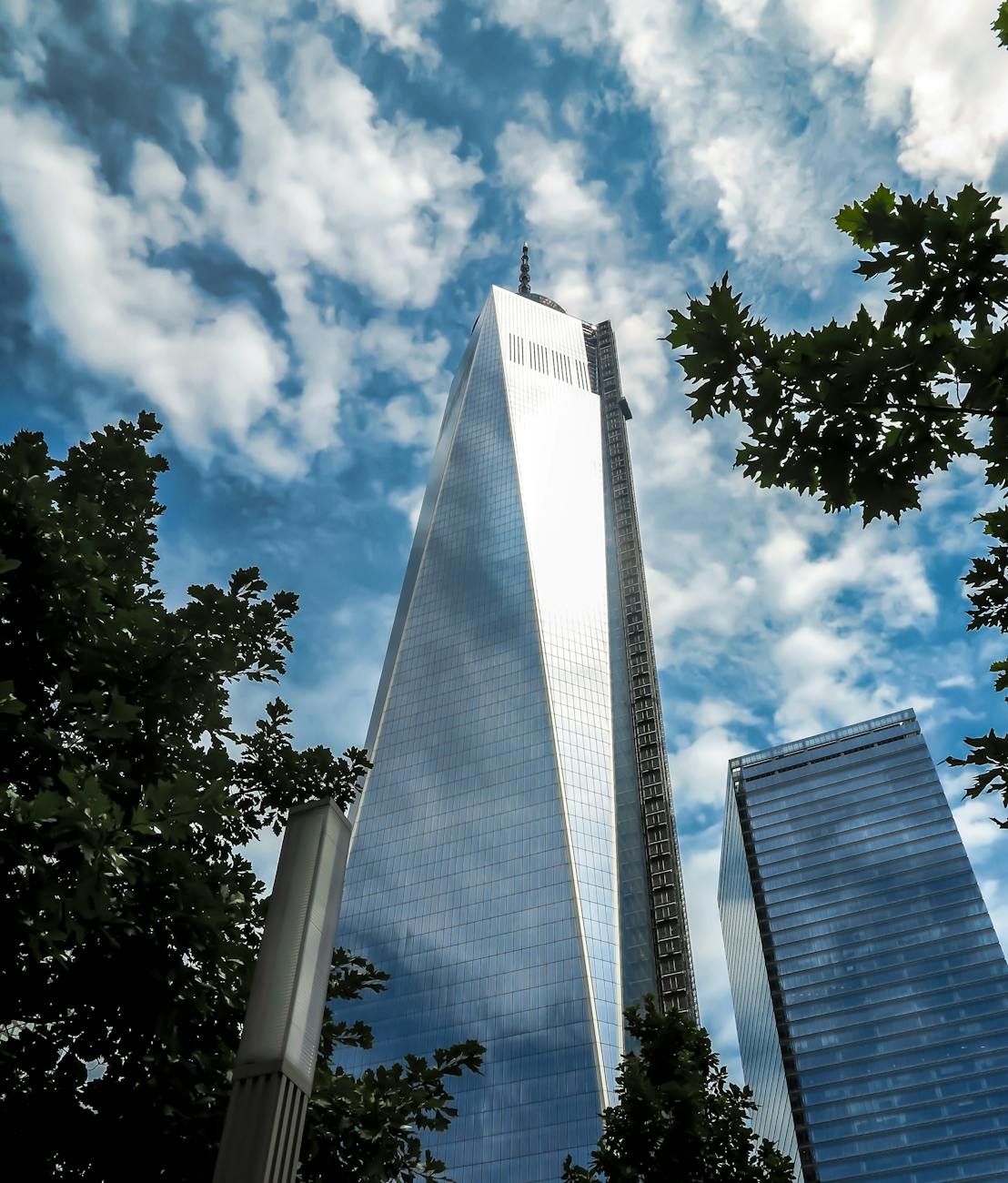
The winning design, conceived by architect David Childs of Skidmore, Owings & Merrill, was a magnificent structure that aimed to reach new heights—both literally and metaphorically. The design featured a height of 1,776 feet, symbolizing the year of American independence, connecting the structure to a larger narrative of resilience and freedom. The plan included a series of setbacks that would allow for a tapering structure, culminating in a glass spire that would create a dramatic silhouette against the New York skyline.
Community involvement was a crucial aspect of the planning process. Public meetings were held, providing a platform for residents to voice their thoughts and feelings about the redevelopment. Families of 9/11 victims, first responders, and citizens engaged in meaningful dialogues regarding what they hoped to see reflected in the new design. This feedback influenced key planning decisions and ensured that the new building would represent the collective identity of the New Yorkers it was meant to honor.
The memorialization aspect of One World Trade Center was also a paramount concern. The site would not only be home to a new skyscraper; it would also feature a memorial to remember the lives lost on that tragic day. The design incorporated a large plaza that would serve as a tranquil space for reflection, surrounded by twin reflecting pools marking the footprints of the original Twin Towers. This thoughtful integration of memorial space into the new development was crucial for many as it provided a way to honor the legacy of those who had perished.
As city planners and architects worked through the complexities of the project, there were numerous challenges to navigate. Bureaucratic red tape, funding issues, and differing opinions on design elements frequently complicated the process. However, there was a unified understanding that this project was more than just urban development; it represented a confluence of history, memory, and the rekindling of a city’s spirit.
The vision for One World Trade Center emerged as a multi-faceted project—one that intended to symbolize rebirth and resilience while providing commercial, civic, and cultural spaces. As the planning neared completion, excitement grew within the community. The collective hope was that this new tower would reclaim the skyline and signify a renewed New York—a city that faced tragedy with courage and emerged stronger.
Architectural Innovations and Design Features
One World Trade Center’s design features a range of architectural innovations that push the boundaries of modern skyscraper construction. The tower’s intricate craftsmanship and technological advancements not only reflect its status as a symbol of resilience but also a beacon of innovation within the architectural world. The building stands at 1,776 feet, symbolizing the year of American independence, and includes a unique combination of aesthetics and functionality that speaks volumes about its place in the New York skyline.
One of the most notable aspects of the design is its unique shape—an angular form that features eight triangular facets. This innovative geometric configuration allows for a tapered silhouette that narrows at the top. This design isn’t just about visual appeal; it also plays a critical role in structural integrity. The innovative design aids in reducing wind loads, allowing the building to withstand harsh New York City weather, including high winds and storms.
Within the architectural community, One World Trade Center is recognized for its use of cutting-edge materials and construction techniques. The exterior is clad in a high-performance glass that creates a stunning visual effect while optimizing natural light penetration. This glass façade not only enhances the aesthetic quality of the building but also contributes to energy efficiency, reflecting the current trend towards sustainable design practices in architecture. Energy-efficient systems were integrated throughout the building, including advanced water and waste management systems, marking One World Trade Center as a leader in green building initiatives.
Another significant innovation is the building’s security features, which were essential in the design process in light of the 9/11 attacks. The tower is equipped with a reinforced core, designed to withstand impact and facilitate quick evacuation in emergencies. Special attention was given to the inclusion of enhanced fire safety features, including advanced sprinkler systems and state-of-the-art alarms. The lobby, which serves as the main entry point, was designed to include a significant security presence while creating an inviting atmosphere for occupants and visitors alike.
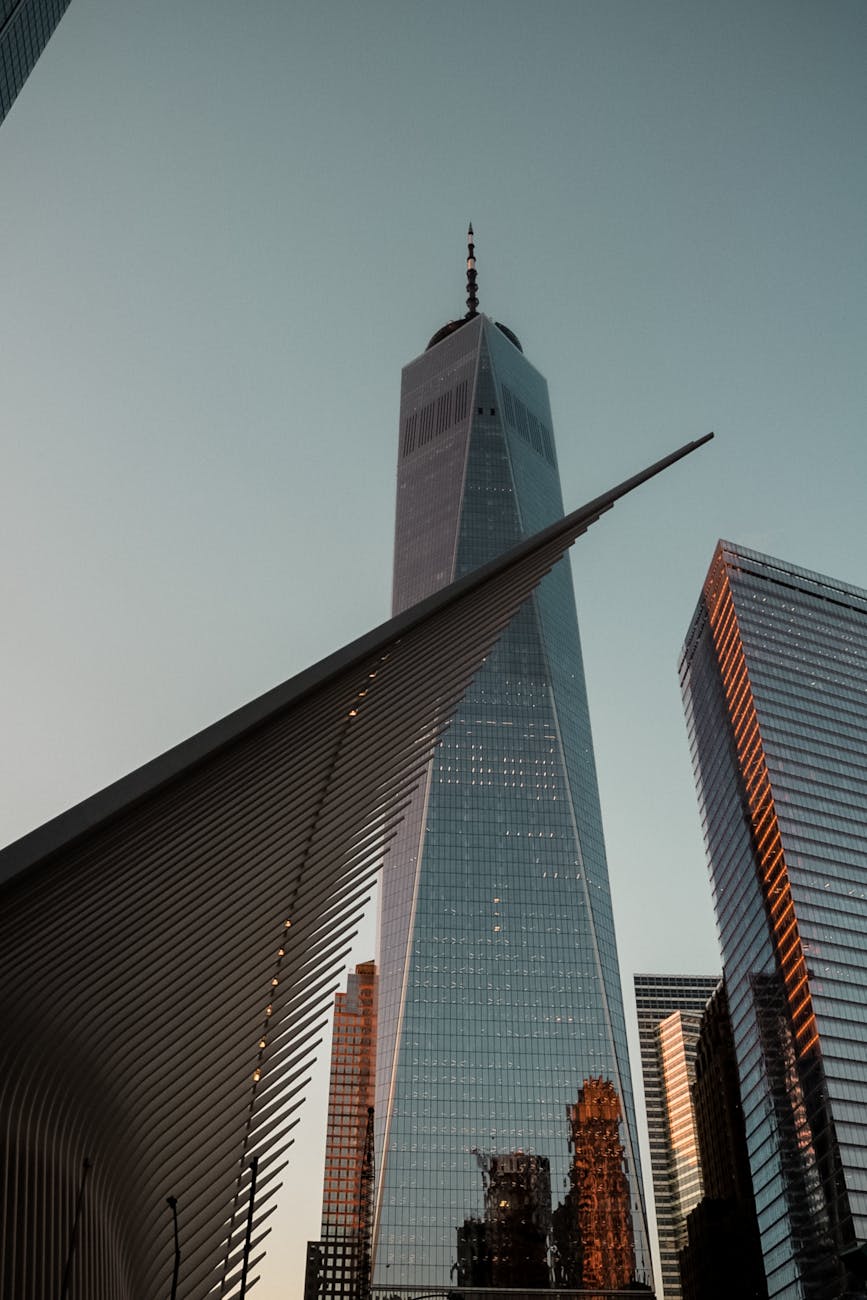
One World Trade Center is also a hub of technological innovation. The building incorporates extensive high-speed communication systems, supporting the needs of modern businesses. Smart technology integrated into the building’s infrastructure allows for efficiency through centralized control of various building systems, optimizing everything from lighting to climate control. This adaptability and focus on technological advancement ensure that One World Trade Center remains relevant in an ever-evolving landscape of urban development.
Furthermore, the design includes various communal spaces and amenities that promote a sense of community within the tower. These features include observation decks with breathtaking views of the city and beyond, dedicated spaces for art and culture, and gathering areas that foster collaboration between businesses and individuals. This focus on creating spaces suitable for interaction and community building is a direct reflection of the values inherent in the rebuilding effort—creating a space not only for business but for connection and healing.
In addition to its physical and technical features, One World Trade Center embodies the spirit of hope and resilience associated with the rebuilding of Lower Manhattan. Every aspect of the design, from its height to its materials, was carefully chosen to reflect a commitment to a brighter future for New York City. One World Trade Center is more than just a building; it is a statement of recovery after tragedy, showcasing the ability of architecture to inspire, evoke emotion, and bring people together.
The Construction Journey
The construction of One World Trade Center is a remarkable story of perseverance, collaboration, and the relentless pursuit of a vision. From the initial groundbreaking in 2006 to its completion in 2013, this monumental endeavor became a symbol of hope for many who sought to rebuild after the devastation of the 9/11 attacks. The journey was marked by challenges, determination, and a shared commitment to honor the past while looking towards the future.
Construction began with significant site preparation, requiring extensive excavation and environmental remediation. The original site had undergone substantial devastation, necessitating careful planning to ensure safety and stability. Workers excavated more than 1.5 million cubic yards of earth—enough to fill over 300,000 dumpsters—laying the groundwork for a new foundation that would support the towering structure. The decision to build upon the very ground that had witnessed tragedy was intentional; it was an act of reclamation, turning a site of grief into one of regeneration.
The foundation itself is a marvel of engineering, stretching over 60 feet deep and consisting of a reinforced concrete core and steel reinforcements. This robust foundation was vital in supporting the weight of the tower while withstanding the forces of nature and potential future impacts. Some of the world’s most advanced construction techniques were employed during this phase, ensuring that the new building would not only be aesthetically pleasing but also safe and secure.
One of the challenges faced during the construction was the need to adhere to stringent safety protocols. In contrast to the erratic nature of the site in the past, today’s construction environment emphasizes worker safety and public security. The project utilized advanced technology, including a comprehensive safety and tracking system to monitor working conditions and potential hazards on-site.
Moreover, the construction workforce itself was diverse and inclusive, drawing from various communities across New York City. This aspect of the project fostered a sense of unity and purpose among workers, many of whom saw their efforts as a way to contribute to a significant chapter in the city’s history. The emphasis on local hiring and community involvement resonated with a broader narrative of resilience, mirroring the sentiments of those who had lost loved ones on that tragic day.
Throughout the years of construction, the project saw several milestones that garnered public attention and international interest. As the building began to rise, it became a beacon of hope, drawing admiration from citizens and visitors alike. Large crowds would gather nearby, witnessing history in the making, as One World Trade Center grew steadily taller, ultimately reclaiming its place in the skyline.
In addition to the physical construction, the project relied heavily on collaboration among architects, engineers, and various stakeholders. The participation of first responders and families of 9/11 victims played an essential role in shaping the trajectory of the building process. By engaging in discussions and receiving feedback, the developers ensured that the project was not simply another skyscraper but a tribute to those lost—a space for reflection, healing, and inspiration.
Finally, the completion of One World Trade Center in 2013 was celebrated not just as an architectural achievement, but as a symbol of resilience and an unyielding spirit. The tower’s opening marked a new chapter for New York City, rekindling a sense of pride and purpose among residents. It stood as a testament to the strength and tenacity of a city that had endured immense tragedy yet emerged with hope and fortitude. The construction journey of One World Trade Center represented more than bricks and mortar—it became a collaboration of collective healing and a shared commitment to moving forward.
One World Trade Center Today: A Symbol of Resilience
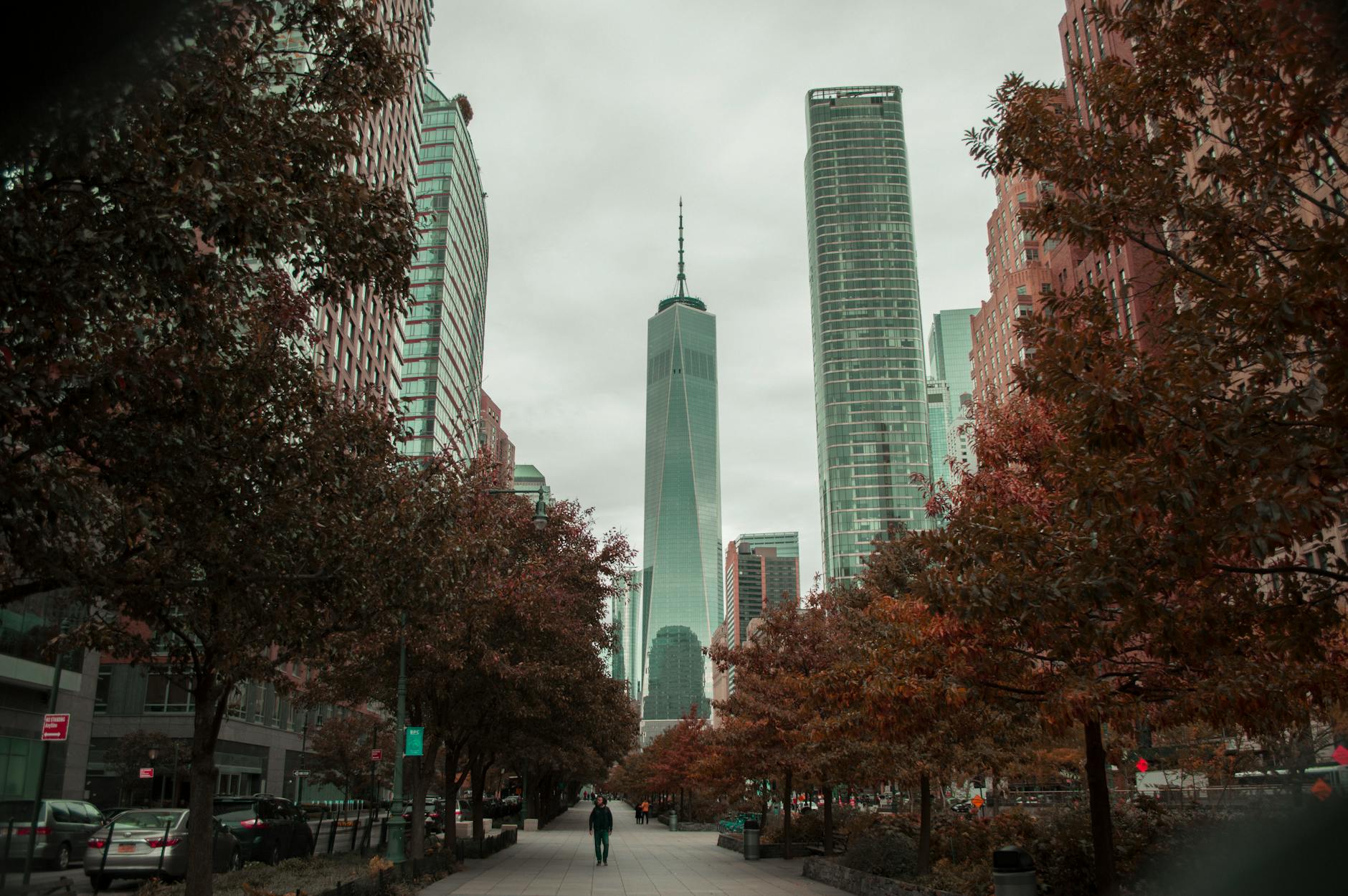
Today, One World Trade Center stands proudly at the heart of New York City, not only as the tallest building in the Western Hemisphere but as a powerful symbol of resilience, renewal, and hope. The skyscraper has become an integral part of the city’s identity, representing the strength of New Yorkers in the wake of adversity. It is a space that fosters a sense of pride and community, firmly establishing its place within the urban landscape.
Since its opening, One World Trade Center has become a bustling center for business, attracting various companies, from multinational corporations to startups. The design encompasses over three million square feet of office space, featuring state-of-the-art facilities that cater to modern business needs. It has become a desirable location for organizations looking to solidify their presence in New York City, further signaling the rebound of the local economy post-9/11.
The building not only serves as a business hub, but it also functions as a cultural and public space. The observatory located on the 100th, 101st, and 102nd floors attracts millions of visitors every year, offering breathtaking views of the city and beyond. Standing over a thousand feet above the ground, the observation deck provides a unique perspective on the bustling metropolis below, allowing visitors to connect with the spirit of New York and witness its vibrant energy. This space is designed for reflection and inspiration, allowing individuals to appreciate the city’s beauty while honoring its history.
Additionally, One World Trade Center plays a critical role in the ongoing narrative of remembering the events of September 11. The building’s proximity to the 9/11 Memorial & Museum ensures that visitors can engage with the history of the site in a profound, meaningful way. The memorial, with its twin reflecting pools inscribed with the names of those who lost their lives, serves as a solemn reminder of the tragedy while the museum tells the story of resilience, courage, and the human spirit. One World Trade Center embodies this duality—acting as a vibrant workplace while being part of a narrative that honors and remembers both the losses and the hope that emerged from the darkness.
The building’s design also incorporates eco-friendly elements, championing the city’s commitment to sustainable development. One World Trade Center has received awards for its green building initiatives, including energy-efficient systems, a stormwater management program, and sustainable materials in its construction. These features reflect a modern understanding of architecture as not only functional but also responsible and forward-thinking.
As One World Trade Center stands today, it does so with pride—a graceful titanic figure in a skyline that has come to signify resilience and hope. It communicates a message that despite adversity, the spirit of New York endures, and the city continues to thrive. The skyscraper is a transformation of tragedy into an opportunity for renewal, reminding citizens and visitors alike of their resilience in the face of sorrow.
One World Trade Center is not merely an architectural statement; it is a testament to the human spirit, a community space that provides comfort and opportunity, and a reminder that even in the darkest of times, hope can rise anew. The narrative of One World Trade Center is primarily one of transformation—a building echoing the names of those lost while forging ahead toward a brighter future.
Conclusion
The history of One World Trade Center is not just about the architectural and engineering feats that brought it to life; it encapsulates the resilience, courage, and hope of New York City and the world in the aftermath of tragedy. Rising from the ashes of the Twin Towers, the building has become a beacon in the skyline—a reminder of the indomitable human spirit that refuses to be extinguished.
From the collective grief faced by a community grappling with loss, to the ambitious planning and design that sought to honor those memories, every aspect of One World Trade Center tells a part of this enduring story. The structure stands as a celebration of renewal, a commitment to a brighter future, and an acknowledgment of our shared history.
As the tower continues to welcome businesses, tourists, and locals alike, it embodies a unique blend of resilience and opportunity. It is a space for reflection, commerce, and connection—a dynamic hub that reflects the heart and soul of New York City. Ultimately, One World Trade Center serves as a powerful symbol that despite the challenges posed by life and tragedy, the human capacity for healing, strength, and endurance prevails. It reminds us all to look up, to find hope, and to strive forward together.