Introduction
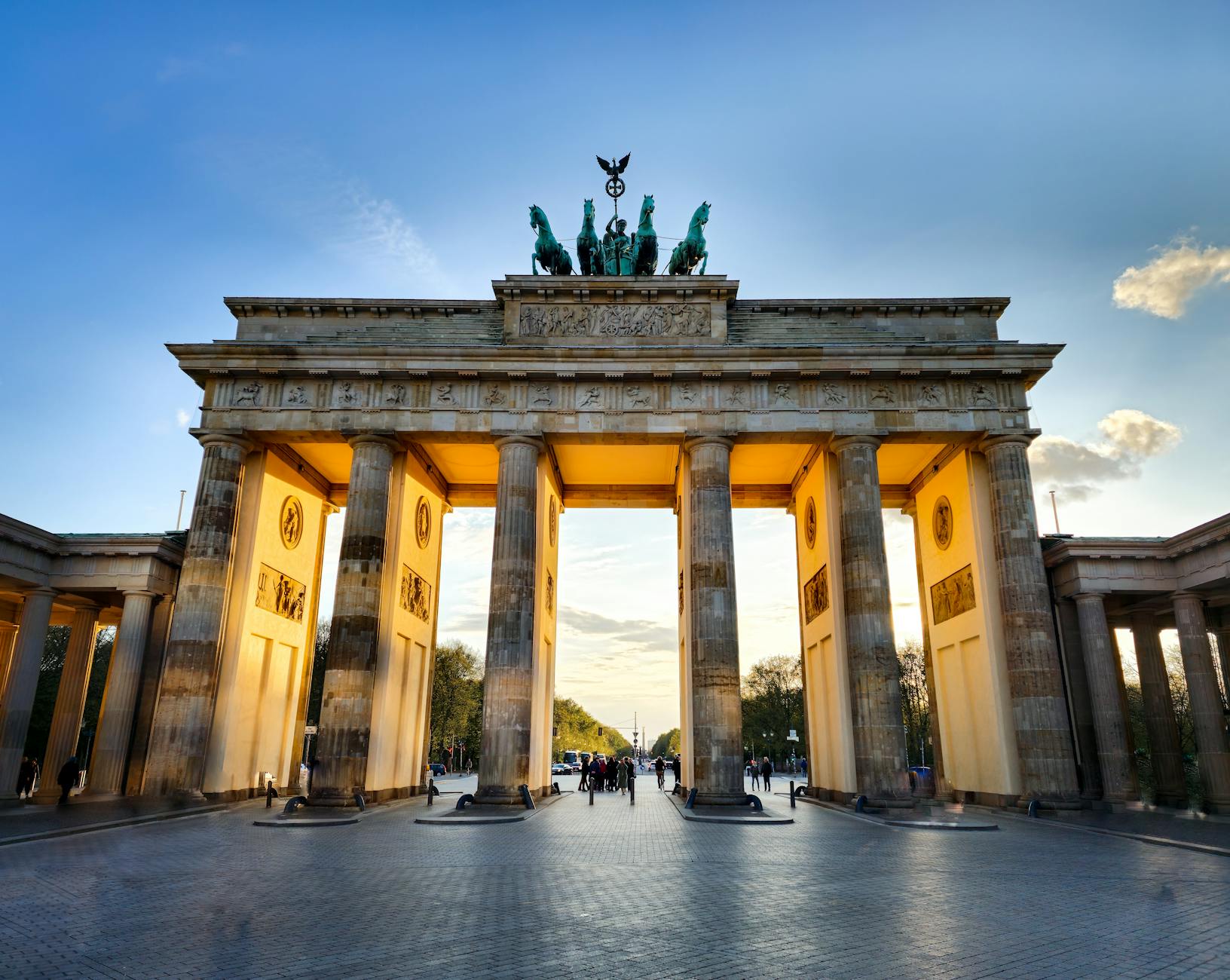
The Brandenburg Gate, an iconic symbol of Berlin, boasts a rich and multifaceted history that reflects the city’s tumultuous past and its aspirations for unity and peace. Constructed between 1788 and 1791, the gate was designed by architect Karl Friedrich Schinkel as a neoclassical monument, embodying the values of enlightenment and progress. Originally commissioned by Frederick William II of Prussia, the Gate was envisioned as a grand entrance to the city, epitomizing the strength and resilience of Berlin.
As the gate stood witness to the rise and fall of empires, it transitioned from a symbol of division during the Cold War to a beacon of hope and reconciliation after the Berlin Wall’s fall in 1989. Today, it remains a vibrant landmark that attracts millions of visitors, serving as a reminder of the past while promoting a message of peace and unity for the future. This article delves into the key historical milestones of the Brandenburg Gate, tracing its journey through time and exploring its lasting significance in contemporary society.
Origins of the Brandenburg Gate: Architectural and Historical Context
The Brandenburg Gate’s history began in the late 18th century, a period characterized by great change and cultural flourishing in Europe, known as the Age of Enlightenment. It was commissioned by King Frederick William II of Prussia as a symbol of peace following the end of the Seven Years’ War. The choice to construct a monumental gate was influenced not only by the architectural trends of the period but also by the political and social climate of the time.
Designed by Johann Gottfried Schadow, the Gate was inspired by the Propylaea, the gateway to the Acropolis in Athens, which signified a bridge between the classical ideals of democracy and the burgeoning values of enlightenment thought. The neoclassical design was significant; it emphasized rationalism, symmetry, and grandiosity, reflecting the aspirations of Prussia during this era. The gate stood not just as a physical structure but as a testament to the state’s power and its enlightened ideals.
Once completed, the Brandenburg Gate quickly established itself as a prominent landmark within Berlin, symbolizing the city’s status as a center of culture and politics. Its construction utilized sandstone from local quarries, giving the structure a warmth and durability that has allowed it to endure the test of time. Adorned with the Quadriga, a chariot drawn by four horses driven by the goddess of victory, the Gate became a celebrated icon of Berlin and a focal point for various national celebrations and events.
As a young city, Berlin’s development was deeply intertwined with the gate’s presence. It became a key ceremonial space where citizens gathered to witness important events, including military parades and royal processions. It represented not only the entrance to the city but a journey into the heart of German identity and culture.

The Brandenburg Gate also played a role during the Napoleonic wars, where it morphed into a symbol of Prussian strength after the defeat of Napoleon in 1806. The Gate was transformed, with the Quadriga repurposed as a representation of victory over tyranny. This transition marked the beginning of the Gate’s evolution from an architectural structure to an emblem of national pride.
However, as Germany moved into the 19th and early 20th centuries, the political landscape began to shift dramatically. The unification of Germany in 1871 brought further significance to the Brandenburg Gate, as it was used to celebrate Germany’s newfound unity under the Prussian king, Wilhelm I. The Gate was thus entrenched in historical narrative, illustrating the Power of the Prussian state and its ambitions for leadership in Europe.
With each passing decade, the Gate not only reflected the prevailing architectural styles of the time but also adapted to the ever-changing sociopolitical environment. The growing population of Berlin and its emergence as a leading European metropolis turned the Brandenburg Gate into a space of vibrant public life. It captured the essence of Berlin’s identity, a melding of tradition and modernity.
Moreover, the intricate decorations and historical inscriptions present on the Gate further contribute to its cultural significance. Each symbol and relief tells a story, encapsulating significant moments in German history and reflecting the values that have shaped the nation.
The origins of the Brandenburg Gate reveal that it is much more than an architectural feat; it is a living chronicle of history that encapsulates the evolution of Berlin itself. As we advance through the unfolding layers of its story, we see how the gate endured trials and tribulations that would come to redefine both the city and the nation. The next section will explore how this structure evolved into a symbol of peace and unity through the ages.
Symbol of Peace and Unity: The Gate through the Ages
The Brandenburg Gate transcended its original purpose as a mere entrance to the city and evolved into a multifaceted symbol of peace, unity, and resilience. As various historical events unfolded over the decades, the significance of the Gate transformed, reflecting the hopes and struggles of the people.
In the 19th century, as Berlin became the capital of the newly unified German Empire, the Brandenburg Gate stood prominently as an emblem of national pride. It served as a backdrop for significant events, including royal ceremonies and military parades. Each celebration at the Gate was not just a display of power but also a celebration of the unity and strength that the unification of Germany represented. It became a gathering point where citizens could collectively express their patriotism and national identity.
However, the Gate would soon face its greatest challenges. The tumultuous socio-political changes during the early 20th century brought significant upheavals. Following World War I and the establishment of the Weimar Republic, the landscapes of Europe shifted dramatically, and the ideals that the Brandenburg Gate had once stood for began to fracture. This period saw the rise of extreme nationalism and a retrenchment of old ideals.
The rise of the Nazi regime in the 1930s further complicated the Gate’s legacy, as it became a stage for propagandistic ceremonies and events that distorted the ideals of peace and unity. The Quadriga was reinterpreted as a symbol of Nazi power; however, the very fabric of society was still deeply woven with the hopes for a united Europe and reconciliation.
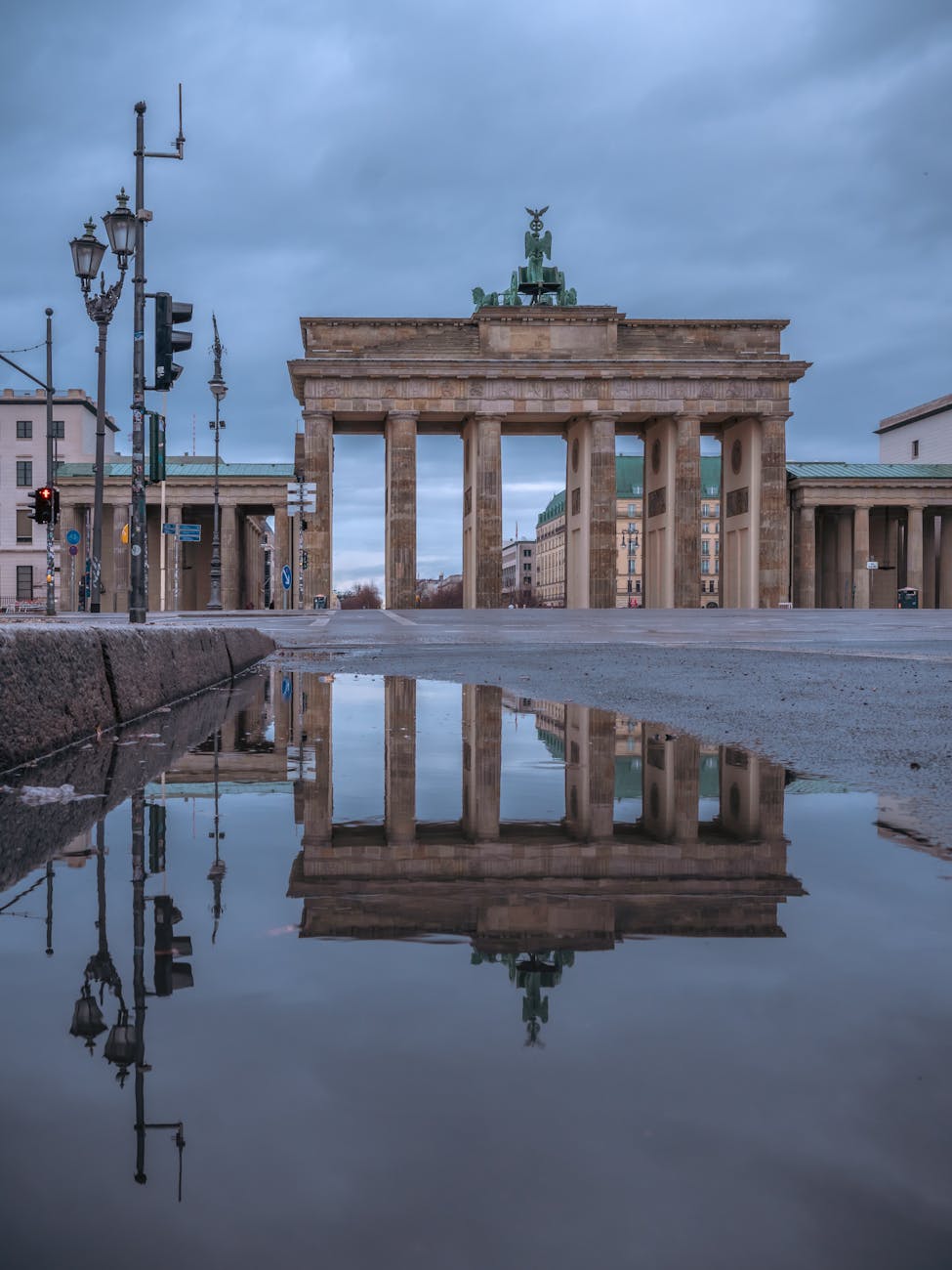
World War II left Berlin in ruins, and the resonance of the Brandenburg Gate as a symbol of hope was challenged. After the war, under the division of East and West Berlin, the Gate found itself in an isolated position, straddling the border between two worlds. Amidst the backdrop of the Cold War, the Gate became an emblem of division rather than unity, representing the ideological and physical split within Germany.
Yet, even through this period, the symbolism of the Gate as a peace monument lingered in the hearts of many Berliners. The citizens on both sides of the wall would often gather to peer at the symbol of their divided city, yearning for a day when they could once again come together. The Gate became a poignant reminder of the aspirations that still connected people beyond the barriers erected by political ideology.
The fall of the Berlin Wall on November 9, 1989, marked a watershed moment for the Brandenburg Gate, as it was thrust back into the spotlight. Thousands of people rushed to the Gate, celebrating its reopening and the promise of reunification. It symbolized not only the end of division but a renewed hope for peace and unity across Germany and, indeed, all of Europe. The images of jubilant crowds celebrating at the Brandenburg Gate were broadcast worldwide, signifying a collective yearning for freedom and reconciliation.
In the aftermath of reunification, the Brandenburg Gate assumed its place once more as a celebrated symbol of unity. It was renovated, and on its 200th anniversary in 1991, it hosted a series of celebrations marking the enduring spirit of resilience and hope. The Gate became a focal point for numerous cultural events, festivals, and peace demonstrations, reinforcing its identity as an emblem of overcoming adversity.
As time progressed, the significance of the Brandenburg Gate further solidified in the 21st century, as it became a canvas for various artistic and cultural expressions advocating for global peace. Its open arches invite people from all walks of life to come together, creating an environment where shared experiences and collective memories thrive.
In contemporary society, the Brandenburg Gate represents a reminder of the collective history of struggle and hope, encouraging ongoing dialogues about peace and cooperation. It has emerged as a global symbol of reconciliation, echoing the essential values of togetherness, compassion, and understanding among diverse nations.
The evolution of the Brandenburg Gate from a representation of royal grandeur to an iconic symbol of peace and unity illustrates the resilience of Berliners and their ability to overcome the adversities of their storied history. As we delve deeper into the Gate’s journey through the Cold War, we can witness how it served as a powerful metaphor for dividedness yet ultimately communicated the shared yearning for unity.
The Role of the Brandenburg Gate During the Cold War
The Cold War cast a long shadow over Europe, particularly Berlin, which became the focal point of ideological conflict between the Eastern Bloc and Western democracies. The Brandenburg Gate, located just a stone’s throw from the Berlin Wall, became an emblem of that division, unable to fulfill its role as a unifying symbol during this turbulent period. Instead, it found itself at the epicenter of ideological confrontation, representing not only physical divide but also emotional and cultural dislocation.
Following World War II, Berlin was divided into East and West, with the Brandenburg Gate standing on the borderline between the two. For residents of East Berlin, the Gate was a stark reminder of a world that was restricted and controlled. Meanwhile, for West Berliners, it became a poignant symbol of the freedoms they enjoyed and the oppressive regime that confined their fellow citizens. Each side of the Gate presented a drastically different experience of everyday life, and it came to symbolize the contrasting realities of East and West.
The Berlin Wall, erected in 1961, encircled West Berlin, effectively isolating its inhabitants from their eastern counterparts. The Brandenburg Gate stood silent as this wall rose, encasing it and making it a spectator to the horrors of division. In stark contrast to its original purpose as a gateway and symbol of peace, the Gate became an icon of separation and ideological conflict. It was a mere spectator to its surroundings, reduced to an observer of the fear and uncertainty that permeated the air.
During this time, the history of the Brandenburg Gate transcended physical structure; it resonated emotionally through the hearts of Berliners. Many East Germans would gaze longingly at the Gate, which stood just across the wall, while the citizens of West Berlin would often congregate at the Gate to express their unity in the face of separation. The Gate became a point of connection, embodying both longing and hope, as individuals dreamt of reunification with their family members trapped on the other side.
The Cold War tensions escalated throughout the decades, resulting in numerous demonstrations and protests on both sides of the wall. The Brandenburg Gate, despite being located in a highly militarized area, found itself as the backdrop for rallies advocating freedom and human rights. Activists traditionally met at the Gate, turning it into a symbol not only of division but also of a relentless and collective yearning for peace. Those protesting in the East often pointed to the Gate as a target for their frustrations, while those in the West used it to galvanize solidarity against oppression.
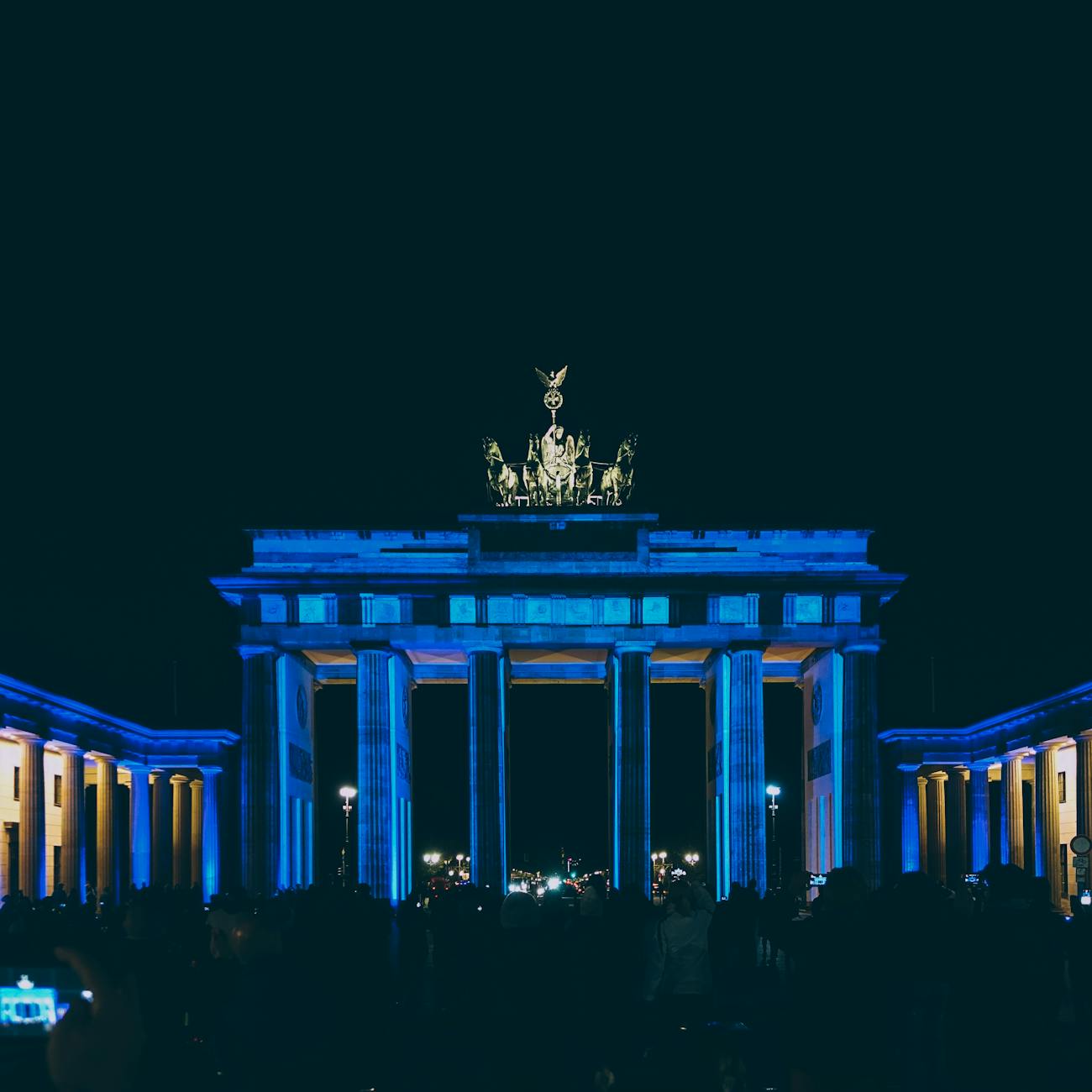
As the 1980s unfolded, the symbolism of the Brandenburg Gate evolved yet again. With the rise of reform movements in Eastern Europe and the increasing dissatisfaction among East Germans regarding their living conditions, the Gate became a symbol of their suppressed aspirations for freedom. Activists used the Gate to call for change, leveraging its historical significance to rally support for their cause. The presence of the Gate in the political landscape transcended mere architecture, evolving into a backdrop that stood witness to the winds of change sweeping through the region.
The culmination of these movements came to a head in 1989, when mounting pressure from activists and reformers led to a series of protests that eventually resulted in the fall of the Berlin Wall. On that fateful day of November 9, the Brandenburg Gate became a focal point of celebration, signifying the end of a long period of division.
As the wall came down, the Gate became a powerful symbol of hope, freedom, and unity. Visibly unencumbered for the first time in decades, it was embraced by the ecstatic crowds that flooded its surroundings. Citizens from both East and West gathered to celebrate the restoration of their connection, embracing the opportunity to reunite as Germans.
The fall of the Berlin Wall not only marked a significant moment in history but also reinstated the Brandenburg Gate as a symbol of peace and unity. It transformed from an emblem of division to one that heralded a new era of reconciliation between East and West. The Gate symbolizes the triumph of human spirit over oppression, echoing the collective desire for unity amid the backdrop of geopolitical conflict.
Throughout the Cold War, the Brandenburg Gate’s story was intricately linked to the shared human experience of longing for freedom and connection. It served not only as a physical marker but also as an emotional compass, guiding a generation’s dreams for unity and peace. The events that transpired here shaped not just the cities of Berlin but also the broader landscape of European history, emphasizing the importance of resilience in the face of adversity.
As we continue exploring the cultural impact and significance of the Brandenburg Gate today, we recognize how it stands as a testament to the capacity of individuals and communities to fight for their ideals in the pursuit of hope, reconciliation, and ultimately, lasting peace.
Modern Significance and Cultural Impact
Today, the Brandenburg Gate has firmly established itself as a global icon, serving as a bridge between Berlin’s complex past and its vibrant present. The Gate is not just a monument of architectural grandeur; it embodies a depth of cultural significance that resonates with people from all walks of life. In a world striving for connection and understanding, the Brandenburg Gate stands as a testament to the power of reconciliation and collective memory.
As Berlin evolved in the 21st century into a cultural capital, the Brandenburg Gate served as a foundational element that attracts millions of tourists each year. Renowned for its scenic beauty and historical importance, it has become a must-see destination for anyone visiting the city. The Gate is often at the center of cultural celebrations, festivals, and events, emphasizing its role as a unifying symbol within a global context.
The annual New Year’s Eve celebrations at the Brandenburg Gate witness one of the largest gatherings in Europe, drawing people from around the world. The atmosphere is charged with excitement, hope, and dreams for the year to come, showcasing the Gate’s ability to bring people together in a spirit of community and celebration. These events highlight how the Gate has transcended its original purpose, evolving into a central point for shared experiences, creating lasting memories for those who gather there.
Moreover, the Brandenburg Gate has become an essential site for discussions surrounding social justice, peace, and human rights. Many movements have used the Gate as a backdrop for rallies that resonate with messages advocating equality, justice, and unity across the globe. The Gate transforms into a platform for advocacy, enabling voices to be heard, while promoting values that align with the principles of compassion and understanding.
Additionally, the symbolism of the Brandenburg Gate as a beacon of hope resonates deeply in educational contexts. Schools and universities integrate the narrative of the Gate into history and civic education, teaching students about the importance of freedom, democracy, and the consequences of division. The Gate serves as an educational tool, sparking conversations about the lessons learned from Germany’s past and how they apply to contemporary issues.
Art and culture have found a distinguished home within the vicinity of the Brandenburg Gate. Artists continuously draw inspiration from its monumental presence, using various mediums to tell stories that reflect the depth of human experiences surrounding peace and reconciliation. These creative expressions often find their way into exhibitions, performances, and installations that further enhance the cultural significance of the Gate, allowing visitors to engage with its significance in a multifaceted manner.
The Gate has also attained a prominent position within modern popular culture. It has been featured in countless films, documentaries, and literature, further solidifying its status as a cultural landmark. These portrayals help convey the narratives of history and the resilience of citizens who fought for their freedom and unity, reaching audiences that transcend borders.
In addition to its historical and cultural significance, the Brandenburg Gate now plays a vital role in contemporary diplomatic relations. Following the reunification of Germany, the Gate has often served as a site for diplomatic events and state visits, symbolizing a commitment to peace and collaboration among nations. Dignitaries and leaders from different nations gather at the Gate, using it as a backdrop to convey messages of friendship and unity.
The use of the Brandenburg Gate as a symbol in international contexts amplifies its resonance on a global scale, reminding us how deeply interconnected our fates are as citizens of the world. It promotes international dialogue and understanding, particularly as people from diverse backgrounds come together under its arches.
Furthermore, the conservation efforts surrounding the Brandenburg Gate also reflect the importance of preserving historical landmarks as a means of honoring the past. Investments in restoration and maintenance ensure that future generations can continue to engage with its narrative, allowing the stories woven into its structure to endure.
In summary, the contemporary significance of the Brandenburg Gate stretches beyond its physical form. It serves as a living reminder of the power of unity, cultural exchange, and shared hopes. Its storyline continues to evolve, capturing the essence of human connections that transcend divisions, demonstrating the potential for reconciliation in an ever-changing world. The next segment will investigate the future of the Brandenburg Gate, focusing on the ongoing efforts to preserve its legacy for generations to come.
The Future of the Brandenburg Gate: Preservation and Continuity
As we look to the future of the Brandenburg Gate, it becomes evident that preserving its historical and cultural significance will be paramount for the generations to come. The Gate continues to evoke a sense of identity and continuity, embodying the essence of a unified Berlin while serving as a reminder of both the struggles and triumphs of its past. In a rapidly changing world, the ongoing preservation efforts, in tandem with innovative approaches to engage with the public, will play a critical role in ensuring the Gate remains a relevant symbol of peace and unity.
One of the key aspects of future preservation involves maintaining the structural integrity of the Brandenburg Gate itself. With time, environmental factors, urban development, and the sheer volume of visitors can take a toll on the materials of this iconic monument. Experts in heritage conservation are continuously working on measures to assess and address any damage while utilizing advanced technology to monitor the Gate’s condition. This proactive approach ensures that the architectural beauty of the structure does not diminish and can be appreciated for years to come.
Additionally, the stories intertwined with the Gate’s history must be preserved through various educational initiatives and programs. Collaborating with local schools and educational institutions can enhance awareness about the significance of the Brandenburg Gate, fostering a sense of pride and ownership among younger generations. Programs that combine historical learning with creative expression—such as arts, music, and storytelling—serve as effective vehicles for transmitting the valuable lessons embedded in the Gate’s history. This outreach not only helps in recognizing the importance of the Gate but also instills critical thinking about the relevance of its values in contemporary society.
Conclusion
The Brandenburg Gate stands today not only as a magnificent architectural landmark but as a profound symbol of Germany’s turbulent and transformative history. From its construction in the late 18th century as a symbol of peace to its appropriation by regimes and its presence at the frontlines of ideological division during the Cold War, the gate has witnessed the rise and fall of empires, revolutions, and reunifications. Once overshadowed by the Berlin Wall, it has since become a powerful emblem of unity, freedom, and resilience. Tourists and locals alike gather beneath its neoclassical columns to reflect on the past and embrace the future. The Gate’s survival through wars, political upheaval, and social transformation makes it more than a historical monument—it is a living testimony to the endurance of the human spirit. As Germany continues to evolve, the Brandenburg Gate remains a timeless reminder that even in the darkest of times, hope and unity can prevail.