Introduction
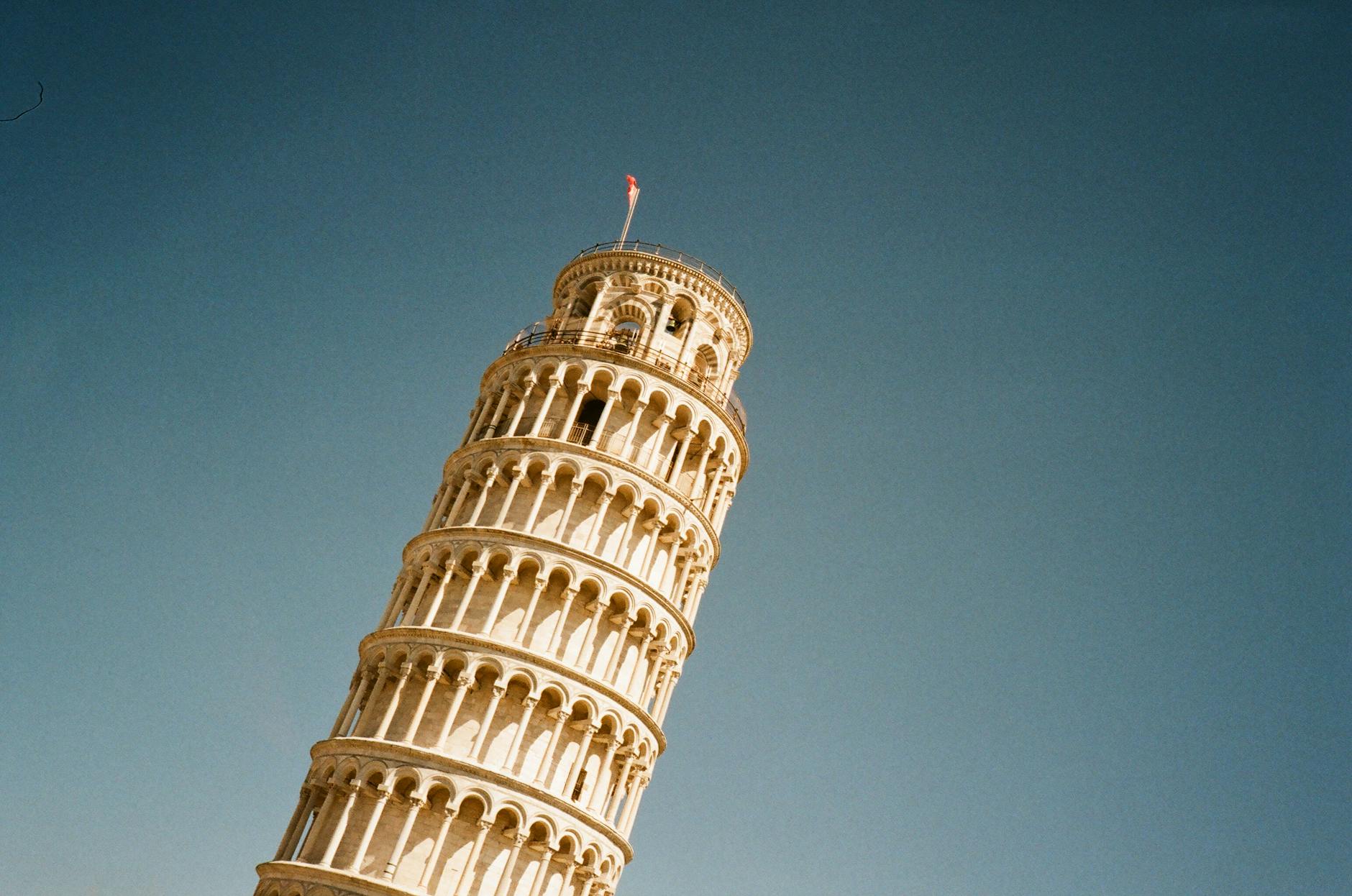
In the heart of Pisa, Italy, the Leaning Tower of Pisa stands as one of the world’s most recognizable landmarks. Built as the freestanding bell tower of the cathedral, its history is woven with tales of ambition, miscalculation, and resilience. The construction began in 1173 and was initially celebrated for its architectural design until the gradual yet notable tilt began to manifest due to unstable foundation soil. What was once perceived as a blunder transformed into a symbol of artistic achievement and engineering ingenuity. The tower not only reflects the medieval spirit of Pisa but also serves as a testament to the enduring power of cultural heritage. This article dives deep into the fascinating Pisa Tower history, exploring its construction, the challenges it faced, its restoration, and why it remains a cherished icon of global architecture.
The Construction Beginnings and Initial Flaws
The foundation of the Leaning Tower of Pisa began in the year 1173, rooted in the heart of a prosperous city known for its trade and culture. This ambitious project was commissioned by the local authorities, who sought to construct a grand bell tower for the adjacent cathedral. The design, attributed to Bonanno Pisano, exemplified the Romanesque style that characterized the period, featuring arcades and columns that would later define its aesthetic appeal.
As construction commenced, the builders quickly encountered foundational problems. The chosen site had soft soil composed of clay, sand, and shells, which posed significant challenges for a structure intended to tower over its surroundings. The first three floors of the tower were completed without apparent issues; however, by the time construction reached the fourth level in 1178, a distinct tilt was apparent. This deviation was not merely a cosmetic flaw; it raised serious concerns among builders and the community alike.
With the tilt becoming increasingly pronounced, construction halted for nearly a century, likely due to a combination of financial constraints and political turmoil in the region. During this pause, the soil settled, albeit unevenly, exacerbating the lean. Messages of architectural failure accompanied the tower as it stood incomplete, serving as both a warning and a curious attraction for locals and visitors. Some even speculated that the inclination could be intentional, a clever design feature that would set this tower apart from others.

When work resumed in 1272, the builders faced the daunting task of rectifying the imbalance. To counteract the lean, they employed a creative solution. The upper floors were constructed with one side taller than the other, creating an optical illusion of symmetry even amidst the tower’s inherent fault. This decision exemplified the innovative spirit of medieval engineers, who worked tirelessly in their quest to create a monument that the city of Pisa could cherish despite its unique challenges.
The eventual completion of the Leaning Tower in 1372 marked not just the end of a century-long construction saga, but also solidified a legacy of adaptability. The frustrations and creative solutions employed during the building process contributed significantly to the tower’s identity as an iconic structure world-renowned for its imperfection.
To this day, the Leaning Tower of Pisa serves as a reminder of the dual-edged sword of human ambition—a monument that arose from error yet evolved into an exquisite example of resilience and ingenuity. Its history sheds light on the interplay between human creativity and the unpredictable forces of nature, ultimately intertwining with the very fabric of Pisa’s culture.
The Lean: Causes and Consequences
The Leaning Tower of Pisa’s tilt is a phenomenon that has intrigued architects, engineers, and historians for centuries. At its core, the lean was not just an architectural error; it was the direct result of the geological conditions present at the construction site. The layers of soft soil below the tower did not provide adequate support, leading to the initial slant that became more pronounced over time.
The consequences of this structural mishap were vast and multifaceted. For the builders in the medieval period, the lean presented a significant challenge that ultimately required innovative problem-solving. As previously mentioned, when construction resumed after a lengthy hiatus, designers opted to construct the upper levels at a sloped angle, showcasing their ingenuity. This strategic choice not only salvaged the project but also contributed to a distinctive architectural style that would become synonymous with the Leaning Tower.
Furthermore, the lean affected the perception of the tower throughout history. Initially, it was viewed as a literal and metaphorical blemish on the city’s religious architecture. As waves of culture swept through Europe, however, the tower transformed into a symbol of resilience. Artists, poets, and thinkers began to embrace its unique characteristics, weaving the Leaning Tower into the fabric of their works and elevating its status to that of a cultural icon.
The lean also brought attention to broader architectural challenges of the time. Engineers and architects in Pisa had to contend with the fine line between ambition and feasibility, balancing aesthetic aspirations with the realities imposed by natural conditions. In the centuries since, the tower has served as a case study in civil engineering, influencing countless projects worldwide. It has prompted scholars to analyze soil stability, architectural design principles, and the importance of rigorous planning.

To mitigate the tower’s lean, engineers in the late 20th century undertook a comprehensive restoration process. Their aim was not only to stabilize the tower but to preserve its historical integrity. With innovative techniques and modern engineering tools, they managed to reduce the lean by approximately 17 inches, ensuring the tower remains safe for the millions of visitors each year. This restoration exemplifies how the Leaning Tower serves as an ongoing lesson in restoration, adaptability, and the necessity of respecting historical context while ensuring safety.
In essence, the Leaning Tower of Pisa is far more than a flawed architectural project—it is a narrative of human endeavor. The structural miscalculation resulted in broader societal dialogues about perseverance, creative problem-solving, and the balance between ambition and practicality. Over the centuries, this battle against gravity has cemented the tower’s place in history not merely as a physical structure but as an enduring symbol of the human spirit’s ability to adapt and flourish amidst adversity.
Restoration Efforts and Engineering Marvels
As time marched on, the Leaning Tower of Pisa continued to capture the imagination of visitors and locals alike. However, its notorious lean posed significant structural challenges, prompting restoration efforts from the late 20th century onwards to ensure its survival. In this segment, we will delve into the engineering marvels and restoration techniques employed to stabilize the iconic structure.
The challenges surrounding the Leaning Tower were multifaceted. By the 1990s, experts recognized that the tilt had reached perilous extremes, raising fears of imminent collapse. Continuous monitoring had revealed increasing movement, necessitating immediate action to secure the tower’s structural integrity. The urgency of the situation was exacerbated as the tower was a critical component of Pisa’s cultural heritage, drawing thousands of tourists each year.
Restoration efforts began in earnest in 1990 with a multi-disciplinary approach that brought together architects, engineers, and geologists. The team aimed to design a solution that would retain the tower’s historical charm while mitigating the dangers of its lean. After much deliberation, it was decided that the best course of action would be to reduce the lean in a controlled manner, thereby ensuring the tower’s stability for generations to come.
One of the most innovative solutions involved the use of specialized techniques to remove soil from beneath the foundation. Engineers utilized a drill and extraction system to carefully excavate soil from the tower’s base on the side opposite the lean. This process was painstaking, requiring precision to avoid destabilizing the structure further. Engineers monitored the stress and movement of the tower continuously throughout this process, making real-time adjustments as needed to maintain balance.

Through these efforts, a remarkable achievement was realized. Over the course of several years, the Leaning Tower was brought back to a safer angle, reducing its lean to 4 degrees from its previous measurement of over 5.5 degrees. This impressive feat showcased the prowess of modern engineering while also respecting the tower’s historical integrity—a delicate balancing act that underscored the importance of heritage conservation.
Additionally, engineers implemented a sophisticated system to monitor the tower’s stability continually. This modernized approach allows for ongoing assessment using advanced technology that aids in predicting potential shifts in the future. It also emphasizes the growing recognition of the necessity of blending traditional preservation techniques with modern engineering advancements.
The restoration of the Leaning Tower is a testament to the collaborative spirit of various disciplines unified by one goal: preserving a global cultural icon. The innovative strategies employed not only saved the tower from impending collapse but also showcased the ingenuity of human engineering and the commitment to safeguarding historical narratives.
As visitors stand in awe beneath this amazing structure, they are not merely witnessing an architectural marvel; they are also engaging with the story of human tenacity and the ongoing effort to preserve our collective heritage. In this sense, the Leaning Tower of Pisa transforms into a living, breathing symbol of what can be achieved when creativity, science, and passion converge to address the challenges posed by time and nature.
Cultural Impact and the Tower’s Global Recognition
The Leaning Tower of Pisa has transcended its original function as a bell tower, evolving into a cherished symbol of culture, art, and architectural ingenuity. Its reputation stretches far beyond the borders of Italy, becoming a global icon that continues to inspire awe among millions of visitors each year. In this section, we will explore the ways in which the tower has penetrated various aspects of culture and why it is so deeply ingrained in the public consciousness.
From literature and art to tourism, the Leaning Tower of Pisa occupies a unique place in the world’s cultural landscape. Throughout history, it has been a muse for poets, writers, and artists, all of whom have drawn inspiration from its distinctive silhouette. Musicians and film directors have also highlighted the tower in their works, often using it as a backdrop to convey themes of beauty, resilience, and the passage of time.
One of the fascinating aspects of the Leaning Tower’s cultural impact is its ability to transform a perceived architectural failure into a representation of perseverance. Many modern narratives and motivational stories incorporate the tower’s legacy, emphasizing the message that imperfections can lead to beauty and greatness. This theme connects deeply with human experiences, making the tower relatable to people from all walks of life.
Moreover, the Leaning Tower of Pisa serves as a wonderful example of integrating education with tourism. The tower and its surrounding area are often featured in educational curricula worldwide, where students learn about its construction, history, and significance in the realms of architecture and engineering. As a UNESCO World Heritage site, it stands as a testament to the rich history of Pisa, drawing tourists who yearn to connect with history and culture. The sheer number of visitors each year contributes significantly to the local economy, showcasing the importance of the tower as both a cultural and financial asset to the region.
In the digital age, the Leaning Tower of Pisa has permeated the realm of social media, presenting new opportunities for engagement and sharing. Tourists from around the globe capture photographs, imitating the iconic pose of “holding up†the tower, thus creating a modern ritual that reinforces its status as a global landmark. The explosion of user-generated content featuring the tower allows for a dynamic and interactive narrative that continues to evolve.
Notably, the Leaning Tower has also become synonymous with architectural lessons, inspiring a generation of architects and engineers to examine the balance between ambition and practical considerations. The discussions stemming from its history contribute to ongoing dialogues surrounding sustainable architecture and the importance of ensuring structures can withstand the test of time without sacrificing their aesthetic value.
Ultimately, the Leaning Tower of Pisa encapsulates the ability of architecture to encapsulate human experiences, aspirations, and follies. It serves as a bridge between history and the modern world, drawing people into its narrative while inspiring visitors through its remarkable tenacity. Whether as an art piece, a conversation starter, or a lesson in resilience, the Leaning Tower will undoubtedly remain a poignant pillar in the cultural architecture of humanity.
Lessons Learned: Architectural Integrity and Preservation
The story of the Leaning Tower of Pisa is a rich tapestry of triumph and struggle—a physical manifestation of human ambition, creativity, and, ultimately, the lessons learned from our mistakes. As we delve into the lessons derived from its preservation, we can draw a host of important insights regarding architectural integrity, the role of meticulous planning, and the significance of persistence in the face of adversity.
First and foremost, the tower compels us to consider the foundational lessons of site selection and soil stability. Its tilt, initially perceived as a failure, exposed the critical importance of thorough geological assessments prior to construction. The events surrounding the Leaning Tower serve as a cautionary tale for architects and engineers alike, reminding them that nature’s unpredictability demands careful consideration during the design and planning phases of any substantial structure.
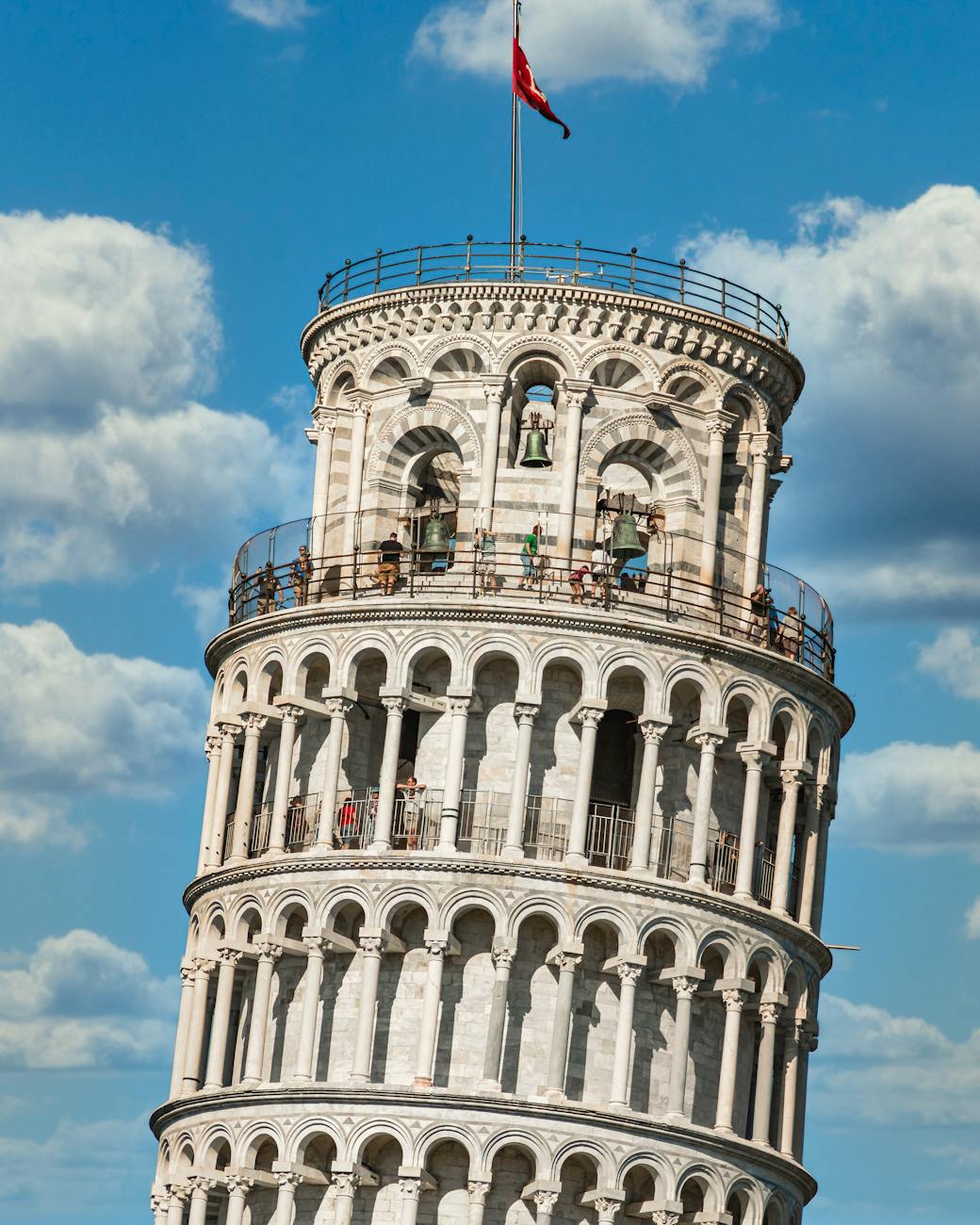
Future architects can learn invaluable lessons regarding the implementation of advanced technology in the preservation of historic structures. The use of modern engineering techniques during the tower’s restoration demonstrates the relevance of marrying innovation with heritage preservation. It emphasizes the necessity of adopting cutting-edge methods to ensure structural stability while honoring the historical and architectural essence of a site. This cooperation of past and present practices creates a dialogic bridge that can inform future preservation efforts.
Another lesson derived from this narrative involves the role of interdisciplinary collaboration. The successful restoration of the Leaning Tower was not the result of a singular effort but rather a synthesis of skills from various fields—engineers, architects, historians, and conservationists all played vital roles in safeguarding the site’s future. This multidisciplinary approach marks a pivotal shift in how cultural preservation is approached globally, pushing toward a more holistic understanding of how to protect our shared heritage. Such collaboration is essential for addressing the complexities associated with maintaining enduring structures that speak to cultural identities.
Furthermore, the ongoing global recognition of the Leaning Tower serves as a reminder of the value of adaptability in addressing challenges. The team responsible for the tower’s restoration faced numerous hurdles, yet their commitment to finding solutions led to a successful outcome. In many ways, this journey is emblematic of the broader human experience—confronting adversity and demonstrating resilience through creativity and innovation.
Lastly, it is vital to recognize the inherent value of historical structures as living narratives in our communities. The Leaning Tower of Pisa is more than a mere tourist attraction; it represents the interplay of human effort and imperfection. Our collective responsibility extends beyond preservation; it encompasses sharing the significance of these landmarks with future generations, ensuring they remain relevant in an ever-evolving world.
As we reflect upon the rich history of the Leaning Tower of Pisa, it becomes abundantly clear that it not only stands as a stunning architectural marvel but also embodies profound lessons in resilience, innovation and cultural significance. By embracing these teachings, we can honor the triumphs and tribulations of the past while working to forge a sustainable future for our shared architectural heritage.
Conclusion
The Leaning Tower of Pisa remains an iconic symbol of human creativity and resilience. What began as a construction error evolved into a global emblem, capturing the hearts and imaginations of millions across the world. Its rich history, characterized by challenges and triumphs, allows us to draw lessons about ambition, adaptability, and the enduring spirit of human endeavor. Today, as we admire its unique silhouette and learn about the saga behind its construction, we cannot help but recognize the delicate balance between nature and architecture, highlighting the importance of thoughtful consideration for future projects. The Leaning Tower teaches us that even our mistakes can cultivate beauty and significance, transforming our cultural landscapes into dynamic narratives that continue to inspire and connect us all. As it stands tall, albeit at an angle, it symbolizes a history of perseverance, creativity, and the collective responsibility to preserve our heritage for future generations.