
Introduction
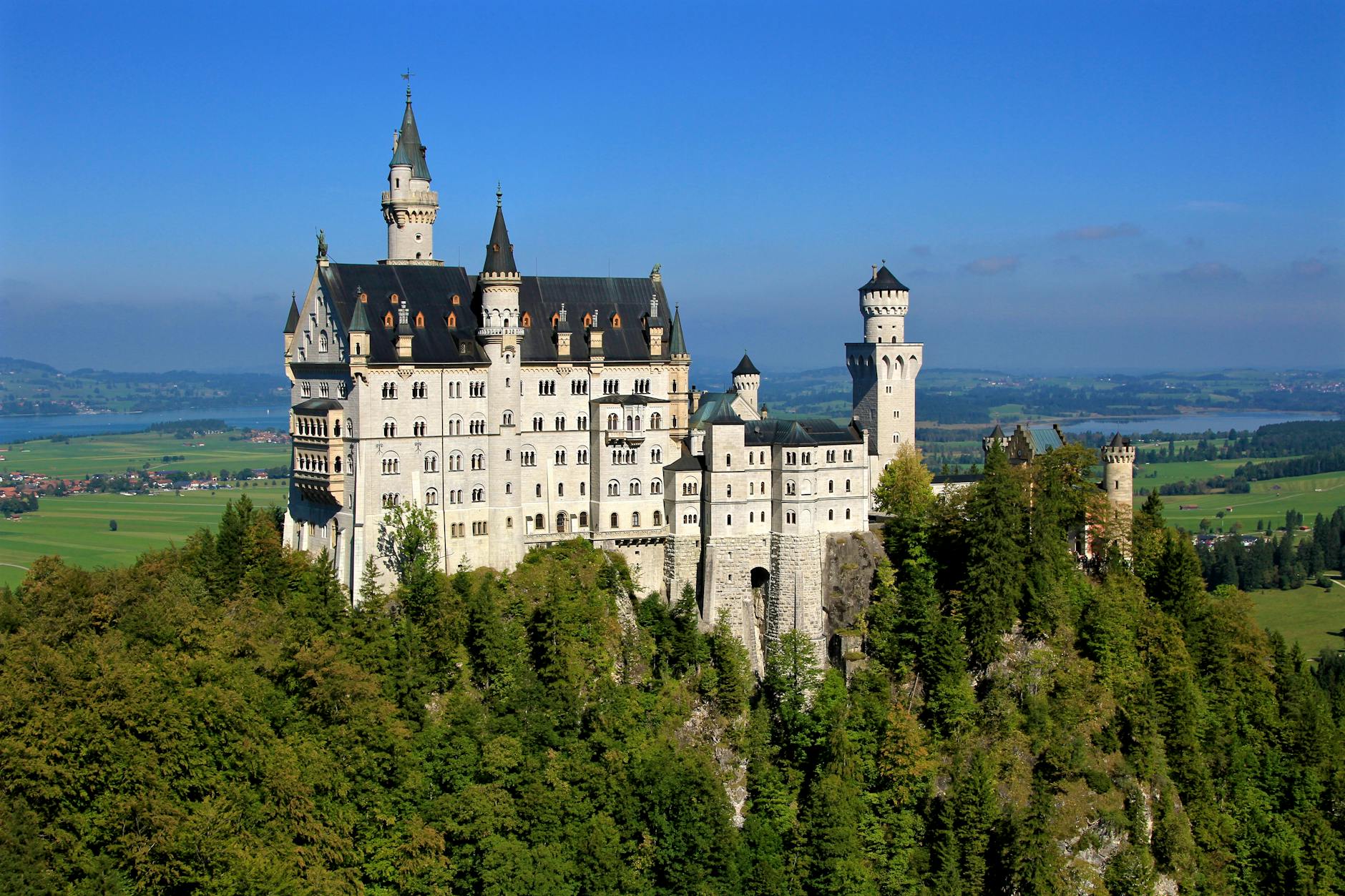
Neuschwanstein Castle, nestled in the breathtaking Bavarian Alps, is a living testament to the romantic vision of its creator, King Ludwig II of Bavaria. Erected in the latter half of the 19th century, this fairytale-like structure is as much a masterpiece of architecture as it is a symbol of Ludwig’s complex legacy. Inspired by medieval legends and Wagnerian opera, the castle embodies a unique blend of fantasy and reality, drawing millions of visitors from around the world each year. Its turrets, soaring atop rugged cliffs, inspire awe and wonder, while its picturesque surroundings add to its magical appeal. As we delve deeper into the story of Neuschwanstein, we will explore the visionary behind its creation, the architectural innovations that define it, the historical context in which it was built, and its enduring cultural impact, culminating in ongoing preservation efforts that ensure this iconic castle continues to enchant future generations.
The Visionary Behind Neuschwanstein: King Ludwig II
King Ludwig II of Bavaria, often dubbed the “Mad King,†is an enigmatic figure whose life and reign were marked by both brilliance and bewilderment. Born on August 25, 1845, Ludwig ascended to the throne at the tender age of 18 after the untimely death of his father, King Maximilian II. A deeply introspective and romantic soul, Ludwig was profoundly influenced by the works of composer Richard Wagner, whose operas inspired not only the artistic vision behind Neuschwanstein Castle but also Ludwig’s own quest for a utopian dream that blended art with noble heritage.
Ludwig II sought to create a refuge from the pressures of royal life and the encroaching modernity of the 19th century. Neuschwanstein was conceived as a homage to the chivalric ideals of the medieval age—a fantasy realm where romance, legend, and beauty reign supreme. His obsession with the castle’s design, however, often clashed with the practicalities of governance. Relying heavily on borrowed funds and facing criticism from his cabinet, Ludwig’s extravagant building projects plunged the Bavarian treasury into debt. His artistic vision was unparalleled, but it became a double-edged sword, leading many to view him as irrational or deluded.
Construction began in 1869, with Ludwig himself closely overseeing the ambitious undertaking, yet he never lived to see its completion. The castle’s construction was marred by tragedy; Ludwig died under mysterious circumstances in 1886, just before the castle was finished. His death triggered a wave of speculation and conspiracy theories, heightening his mythical status. In turning Neuschwanstein into an expression of his artistic ideals, Ludwig transformed his personal aspirations into a larger cultural inheritance. The castle became, and remains, a symbol of his life’s work, a legacy that intertwines fantasy and reality.
The overarching narrative of Ludwig II’s life is one of juxtaposition: whimsical creator and troubled monarch, the dynamic between his inner world and external pressures led to the inception of one of the most famous castles. Though socially withdrawn and burdened by the expectations of leadership, he poured his heart and soul into Neuschwanstein, wanting it to echo the sentiments of a fairy tale. This duality—of being a dreamer in a pragmatic world—perfectly encapsulates the spirit of Neuschwanstein and its genesis, making Ludwig II an integral figure in understanding the castle’s significance both historically and architecturally.
Architectural Marvels: Design and Construction
One of the most captivating aspects of Neuschwanstein Castle is its architectural design, a whimsical blend of various styles that creates a sense of dramatic grandeur. The castle incorporates elements of Romanesque, Gothic, and Byzantine architecture, all intertwined with a fairytale aesthetic that transports visitors to another era. The visionary behind this unique architectural fusion was the head architect, Eduard Riedel, who worked alongside Ludwig II to realize the king’s grand vision.
The plan for Neuschwanstein initially called for a modest structure, but Ludwig’s ideas quickly escalated, reflecting his desire to create a castle that was not just a residence but a functional work of art. Each room in the castle is designed with meticulously chosen themes that reflect Ludwig’s fascination with medieval legends and the operatic works of Richard Wagner. The Throne Room, for instance, is adorned with a majestic chandelier, vibrant frescoes, and an elevated platform meant to mimic a sacred space—even though Ludwig never claimed it as a throne room in the traditional sense.

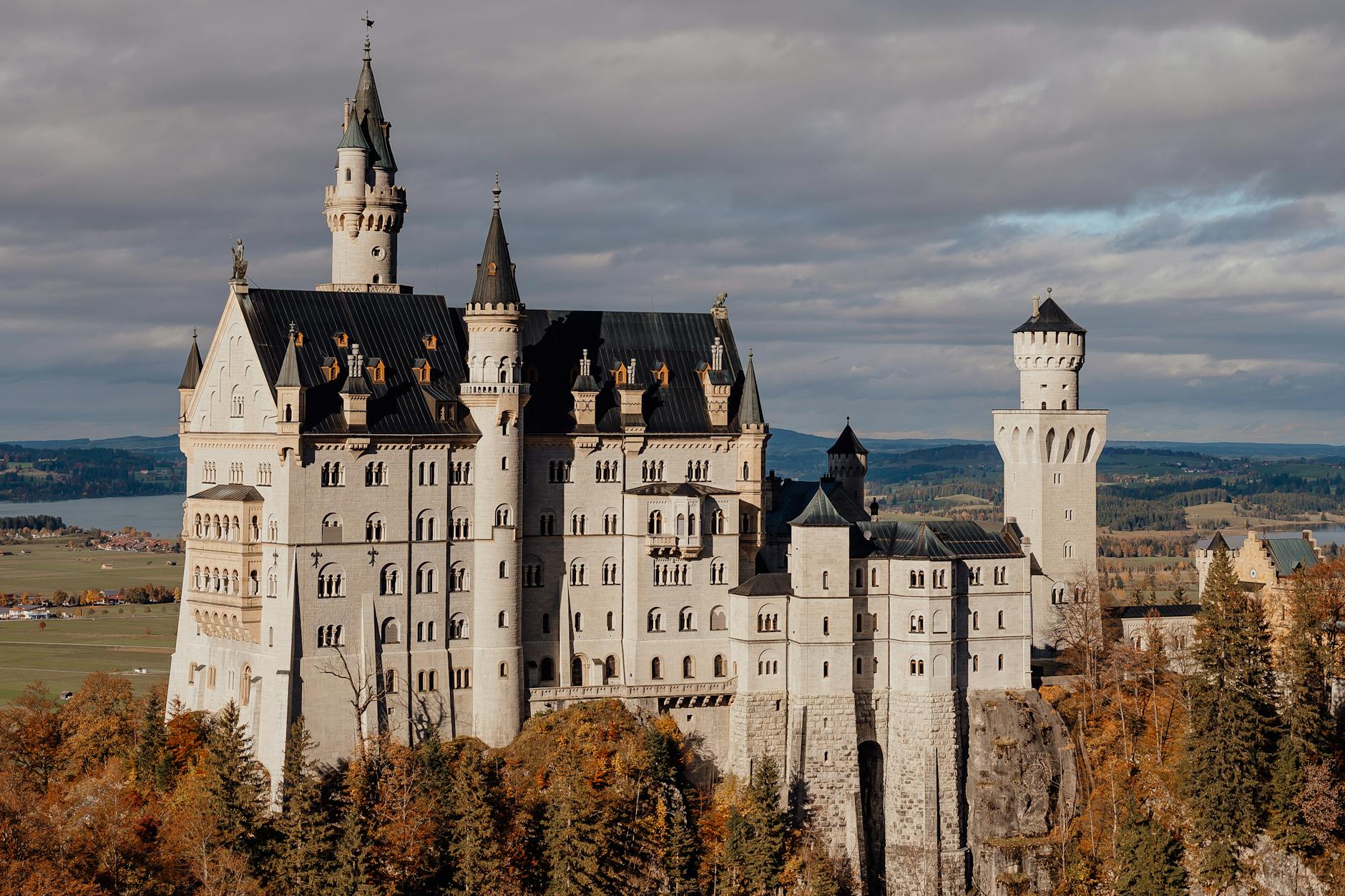
As construction progressed, the challenges became apparent. The construction site, with its rugged landscape and varying terrain, demanded innovative engineering solutions. The original plans underwent multiple revisions before settling on a design that harmonized with the breathtaking surroundings. The castle’s foundation was laid on a solid rock base to ensure stability, while the use of locally sourced limestone not only enhanced its visual appeal but also integrated the structure into the landscape.
Another characteristic feature of Neuschwanstein is its enchanting towers and turrets, which pierce the sky and enhance the castle’s fairytale quality. The iconic silhouette of the castle against the backdrop of the Alps is a sight to behold, drawing in countless tourists who wish to experience a piece of this dreamed sanctuary. Furthermore, the interior of the castle is richly decorated with murals, hand-carved woodwork, and intricate tapestries, each telling a story of chivalry, romance, and adventure.
Despite the impressive scale of the castle, the construction was plagued by financial difficulties and delays. Ludwig’s extravagant spending, coupled with his untimely death, halted the completion of the castle, and portions of Neuschwanstein remain unfinished. Nonetheless, the completed sections showcase the grandeur and meticulous attention to detail that have made Neuschwanstein a lasting symbol of romantic architecture.
Today, the architectural marvel stands as an enduring symbol of Bavaria’s Golden Age—a blend of fantasy and reality that mirrors its creator’s vision. The ethereal beauty of Neuschwanstein Castle not only captivates visitors but also inspires awe and admiration, cementing its status as one of the most photographed buildings in the world.
The Castle’s Historical Context: Bavaria in the 19th Century
To understand the full significance of Neuschwanstein Castle, one must consider the historical context of Bavaria in the 19th century, a period marked by political upheaval, cultural renaissance, and a growing interest in the past. Ludwig II’s reign coincided with significant transitions throughout Europe, including the rise of nationalism, which profoundly influenced Bavarian identity.
During Ludwig’s rule, Bavaria was a kingdom of contradictions, oscillating between its rich cultural heritage and the looming effects of modernization. The Industrial Revolution had begun to alter the landscape dramatically, leading to rapid urbanization and a decline in traditional craftsmanship. In response to these changes, the Romantic movement emerged as an intellectual and artistic rebellion, celebrating nature, mythology, and the ideals of the medieval past as a means of resisting the encroaching industrial age.
Ludwig II was deeply immersed in this Romantic ethos, which not only inspired his construction projects—most notably Neuschwanstein—but also fostered a broader cultural legacy. The castle was conceived during a time when there was a strong desire among European aristocracy to reconnect with the legends and lore of their ancestors, and Ludwig’s passion for tales of knights and heroic deeds found expression in the architecture and design of Neuschwanstein.
Furthermore, Ludwig’s fascination with Richard Wagner offered an additional layer of cultural significance. Wagner’s operas were celebrated for their exploration of Germanic folklore, and Ludwig saw himself as both a patron and a muse for the composer. The spaces within Neuschwanstein, designed to echo Wagner’s operatic themes, symbolize the fusion of art and architecture in a time when both were essential to the identity of Bavarian nobility.
However, the political context of the time cannot be overlooked. The rise of the German Empire and the subsequent consolidation of power into a unified German state were met with resistance from many regional powers, including Bavaria. Ludwig’s initial reluctance to join a unified Germany highlighted the tensions within the region, as many Bavarians valued their distinct cultural identity. Neuschwanstein, created as a statement of individualism and heritage, embodied the very essence of this struggle—capturing not just Ludwig’s dreams but also the spirit of a people striving to preserve their historical narrative against the tides of change.
In summary, the historical context in which Neuschwanstein Castle was constructed provides valuable insight into the motivations behind its creation. It encapsulates the essence of a society grappling with profound changes while simultaneously yearning to preserve its cultural and royal legacies. Neuschwanstein stands not merely as an architectural achievement but as a symbol of a complex era in Bavarian history, one characterized by a blending of nostalgia and ambition.
Neuschwanstein’s Cultural Impact: from Fairy Tales to Modern Tourism
The cultural impact of Neuschwanstein Castle cannot be overstated; it has transformed from an ambitious royal project into a global icon of romanticism and fantasy. Since its opening to the public in the 1880s, Neuschwanstein has attracted millions of visitors each year, becoming synonymous with the classic fairy tale setting seen in countless films, books, and other media. The castle’s enchanting image has led to its depiction in various forms of art and popular culture, further cementing its status as a hallmark of dreamy escapism.
One of the most significant factors contributing to Neuschwanstein’s cultural legacy is its association with fairy tales. The castle bears a striking resemblance to numerous storybook settings, and its picturesque landscape has inspired the creation of numerous imaginative stories. Deriving from the Romantic ideal, Neuschwanstein has served as a backdrop for contemporary reinterpretations of fairy tales, merging history with fantasy. As such, it has left an indelible mark on our collective imagination, reinforcing its status as the “quintessential castle.â€

In the realm of modern tourism, Neuschwanstein has evolved into one of the most visited castles in the world, with over 1.5 million guests annually flocking to its gates. This influx of tourists showcases not only the castle’s architectural beauty but also its ability to transport individuals to a realm of fantasy. Tourists come to experience the allure of a castle that seems to leap straight from the pages of a storybook, eager to bask in the charm and opulence that surround it.
Aside from its aesthetic and cultural appeal, Neuschwanstein Castle has also played a pivotal role in shaping Germany’s tourism industry. The castle has inspired numerous businesses, from themed merchandise to guided tours, creating an entire ecosystem dedicated to preserving and promoting its legacy. The regional economy has significantly benefited from this tourist influx, influencing infrastructure development, hospitality services, and local businesses, thereby enhancing the socio-economic landscape of Bavaria.
Moreover, Neuschwanstein’s fame has extended far beyond its immediate locality. It has influenced the design of numerous architectural feats, including Disneyland’s Sleeping Beauty Castle, demonstrating how this iconic structure has transcended borders and cultures. Its image is frequently used symbolically, representing ideals such as adventure, romance, and the magic of possibility. This global recognition has cemented Neuschwanstein’s position not just as a historical site, but as a cultural phenomenon that resonates with audiences worldwide.
Despite the overwhelming popularity of Neuschwanstein, there are ongoing discussions regarding managing the delicate balance between tourism and preservation. The sheer volume of visitors presents challenges to the integrity and maintenance of the castle, and measures are being put in place to ensure that the castle can continue to inspire wonder in future generations. Striking a balance between accessibility and preservation will be essential in maintaining the integrity of Neuschwanstein’s enchanting spirit.
In essence, the cultural impact of Neuschwanstein Castle is profound; it serves as a lasting reminder of the power of dreams and collective storytelling. As a fairy tale come to life, it continues to inspire awe, curiosity, and, most importantly, a shared appreciation for the beauty of imagination.
Preservation Efforts: Ensuring Neuschwanstein’s Future
As a national treasure and symbol of Bavaria’s romantic legacy, the preservation of Neuschwanstein Castle is of utmost importance. Over the years, ongoing maintenance efforts have been imperative to safeguard this historical monument against natural deterioration and the challenges posed by mass tourism. Various organizations, including the Bavarian Palace Department, have taken a proactive approach to ensure that both the structure and its surrounding environment are protected for future visitors and generations.
Structural conservation is at the forefront of these preservation efforts. Several renovations have been initiated to address the natural wear and tear inflicted by time, weather, and the sheer volume of tourists. Regular inspections and assessments are conducted to monitor the structural integrity of the castle, ensuring that necessary repairs are made in a timely manner. From stone preservation to roof maintenance, the goal is to protect the intricate details that have made Neuschwanstein a marvel of architectural brilliance.
In addition to structural conservation, preserving the castle’s artistic and historical features is equally crucial. The murals, frescoes, and furnishings within Neuschwanstein are intrinsic to its identity and narrative. Preservation specialists work meticulously to restore and maintain these elements, utilizing traditional techniques to ensure authenticity. Every painting and piece of furniture tells a story; thus, the preservation of such features is essential to keeping the castle’s history alive.
Public interest and involvement in preservation efforts have also seen a rise in recent years. Various initiatives encourage tourists and locals to engage with the history and cultural significance of Neuschwanstein, fostering a sense of shared responsibility for its upkeep. Educational programs have been developed to raise awareness about the importance of preserving cultural heritage and inspire active participation in protecting it. Guided tours often include segments discussing the challenges faced in preservation, inviting visitors to understand the dynamics behind maintaining such an iconic site.
Sustainability has emerged as a key consideration for ongoing preservation practices. As tourism continues to rise, efforts to minimize the environmental impact on Neuschwanstein’s surrounding landscape have gained precedence. Sustainable practices, such as eco-friendly visitor facilities and strict visitor guidelines, have been implemented aimed at maintaining the natural beauty of the site. This commitment to preserving both the castle and its environment reflects a growing awareness of the need for responsible tourism.
In conclusion, the preservation of Neuschwanstein Castle represents a vital effort to protect not just a building, but a shared cultural heritage and the dream of its creator, King Ludwig II. It requires a multi-faceted approach that encompasses structural, artistic, and environmental considerations, alongside fostering community engagement. By ensuring that Neuschwanstein remains a legacy of romance and fantasy, we preserve the very heart of a cultural symbol that continues to inspire generations.
Conclusion
Neuschwanstein Castle stands as a powerful icon of Bavaria’s past, a testament to royal vision blended with artistic grandeur. Its stunning architecture, deeply-rooted history, and cultural significance highlight the complexity of its legacy, reflecting the life and aspirations of its creator, King Ludwig II. From its inception to its current status as a global tourist destination, Neuschwanstein captivates the imagination of those who seek escape into a more magical realm—a realm that continues to evolve, even as it holds steadfastly to its historical roots.
Through the exploration of its visionary origins, architectural wonders, historical context, cultural impact, and preservation efforts, we gain insight into the enduring allure of Neuschwanstein. It serves not only as a monumental piece of artistry but also as an embodiment of human creativity and desire for transcendence. As we look to the future, the preservation of Neuschwanstein Castle is more than a necessity; it is a commitment to safeguarding a dream, an inspiration, and a narrative that transcends time—a true fairytale within our reach.







[…] The Story of Neuschwanstein Castle: Where Fantasy Meets Royal Legacy […]