Introduction
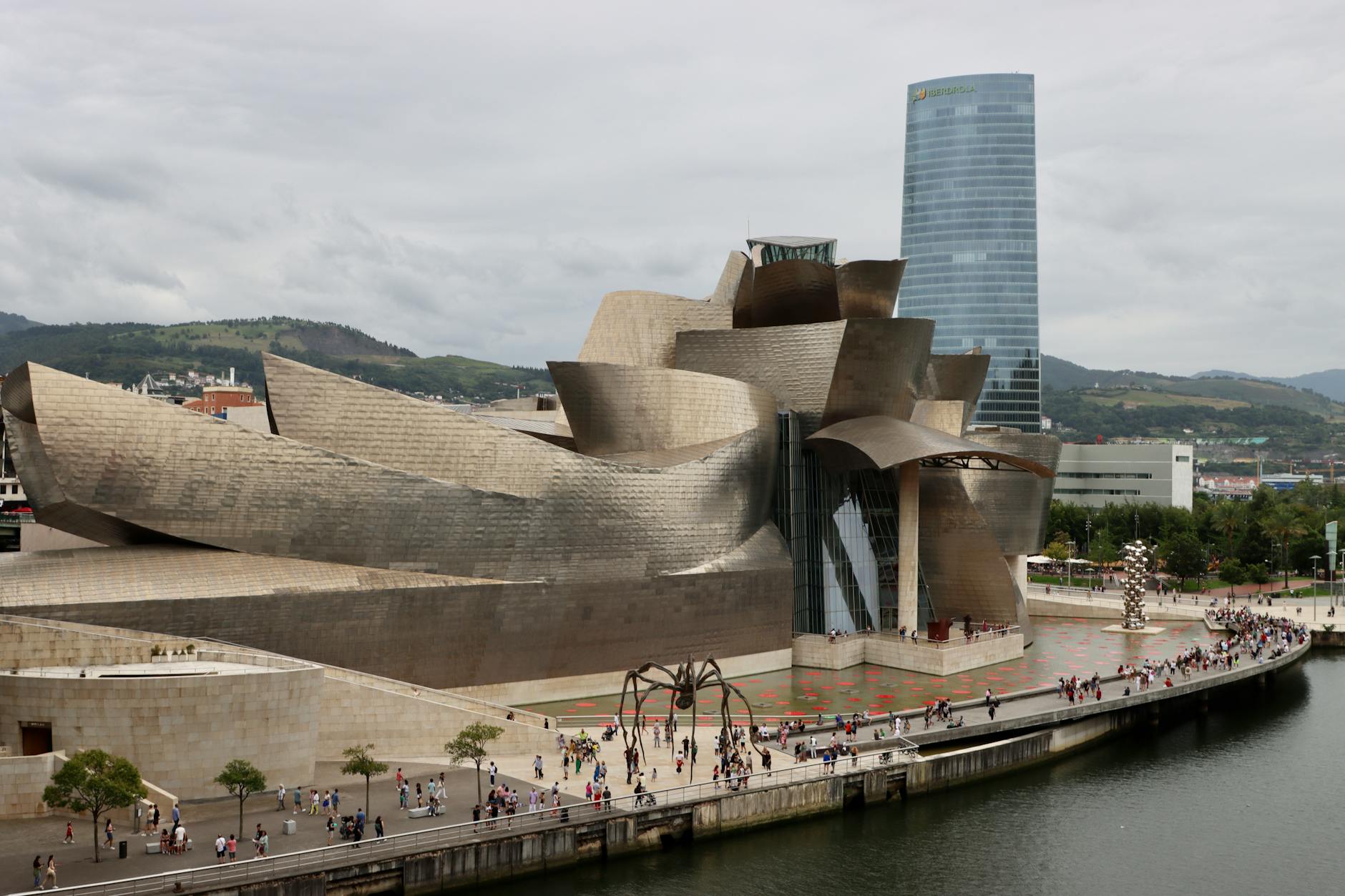
The Guggenheim Museum Bilbao is not just an artistic hub; it symbolizes the revival of a city that was once considered industrial and unremarkable. Opened in 1997, the museum was a transformative catalyst for not just the local economy but for global perceptions of contemporary art. Nestled along the Nervión River, its striking architecture, designed by Frank Gehry, has become an icon in its own right, attracting millions of visitors each year. Beyond its role as a museum, the Guggenheim has spurred urban renewal, drawing attention to Bilbao and reshaping it into a cultural destination. This article will explore the profound impact of the Guggenheim Bilbao, examining how this museum has redefined modern art, provided an economic boost, and altered cultural landscapes not just locally, but globally.
The Historical Context of Bilbao Before the Guggenheim
Before the opening of the Guggenheim Museum, Bilbao was a city grappling with the remnants of deindustrialization. Located in the Basque Country of Spain, Bilbao had thrived during the industrial boom of the late 19th and early 20th centuries, primarily due to its shipbuilding and steel industries. However, by the late 20th century, the city faced significant economic decline. The industries that once fostered growth began to dwindle, which led to high unemployment rates and a diminishing population.
The urban landscape of Bilbao reflected its economic hardships. Much of the city was characterized by abandoned factories, pollution, and architectural remnants of its industrial past. The decline was not purely economic; it was also cultural. Bilbao struggled to find its identity beyond the industrial narrative that had defined it for so long, leading to a pervasive sense of stagnation. The local government, recognizing the urgent need for revitalization, began to seek innovative solutions to reimagine the city’s future.
In the 1990s, local officials sought international recognition and economic dynamism through cultural investment. Inspired by similar urban transformations seen in cities like Barcelona, they initiated plans that would lead to the development of the Guggenheim Museum. The aim was to anchor the city’s revitalization efforts in cultural tourism, leveraging art to rebuild the community’s sense of pride and purpose.
As the discussions around the Guggenheim flourished, there was a shift in focus towards the potential impact of contemporary art. The museum was envisioned not just as a space for art but as a space for dialogue, creativity, and inspiration. Through the Guggenheim, local leaders saw the opportunity to reshape Bilbao’s narrative from that of decay and dilapidation to one of rejuvenation and innovation. The message was clear: a cultural institution could serve as a beacon of hope and prosperity, marking the turning point for the city.
Moreover, the selection of the Guggenheim brand brought a powerful association with a respected lineage of modern art. The Guggenheim Foundation, established by philanthropist Solomon R. Guggenheim, was already renowned for its commitment to promoting avant-garde art. The decision to build a Bilbao outpost was significant; it demonstrated a commitment to modernity while also signaling the city’s desire for a place on the map of contemporary culture.
The story of Bilbao before the Guggenheim is one of resilience and transformation. Local leaders and citizens alike recognized the museum as a potential key to unlock economic prosperity, cultural revival, and global attention. It became a symbol of hope, representing both a response to the past and a vision for the future. The groundwork laid by this historical context set the stage for what would become a monumental shift in the identity of Bilbao and its place within the global art landscape.
Architectural Marvel: Frank Gehry’s Design
Frank Gehry’s architectural design for the Guggenheim Bilbao Museum is often described as revolutionary, not only in its aesthetic appeal but also in its innovative construction techniques. As the visionary behind the museum, Gehry took inspiration from the industrial heritage of Bilbao, creating a structure that resonates with the city’s history while simultaneously pushing the boundaries of contemporary architecture.
The design process began with a vision of creating a building that would blend harmoniously with its surroundings yet stand out as a landmark of modernity. Gehry used a computer-aided design (CAD) system to explore new forms and geometries, which enabled him to break from traditional architectural norms. The outcome was a series of interconnected volumes, each with distinct shapes and sizes, clad in titanium, glass, and limestone. This choice of materials not only added to the aesthetic appeal of the museum but also enhanced its functionality, allowing for natural light to flood the exhibition spaces while providing a striking visual contrast to the industrial backdrop of the city.
The titanium panels, shimmering in the Basque sunlight, became one of the most iconic features of the museum. They catch and reflect light in various ways throughout the day, creating a dynamic façade that changes with the weather and time of day. This fluidity embodies the essence of modern art, which often seeks to challenge conventions and engage with its audience on multiple levels. The museum’s form, with its curvilinear shapes and flowing lines, evokes a sense of movement and energy, drawing visitors in and inviting exploration.
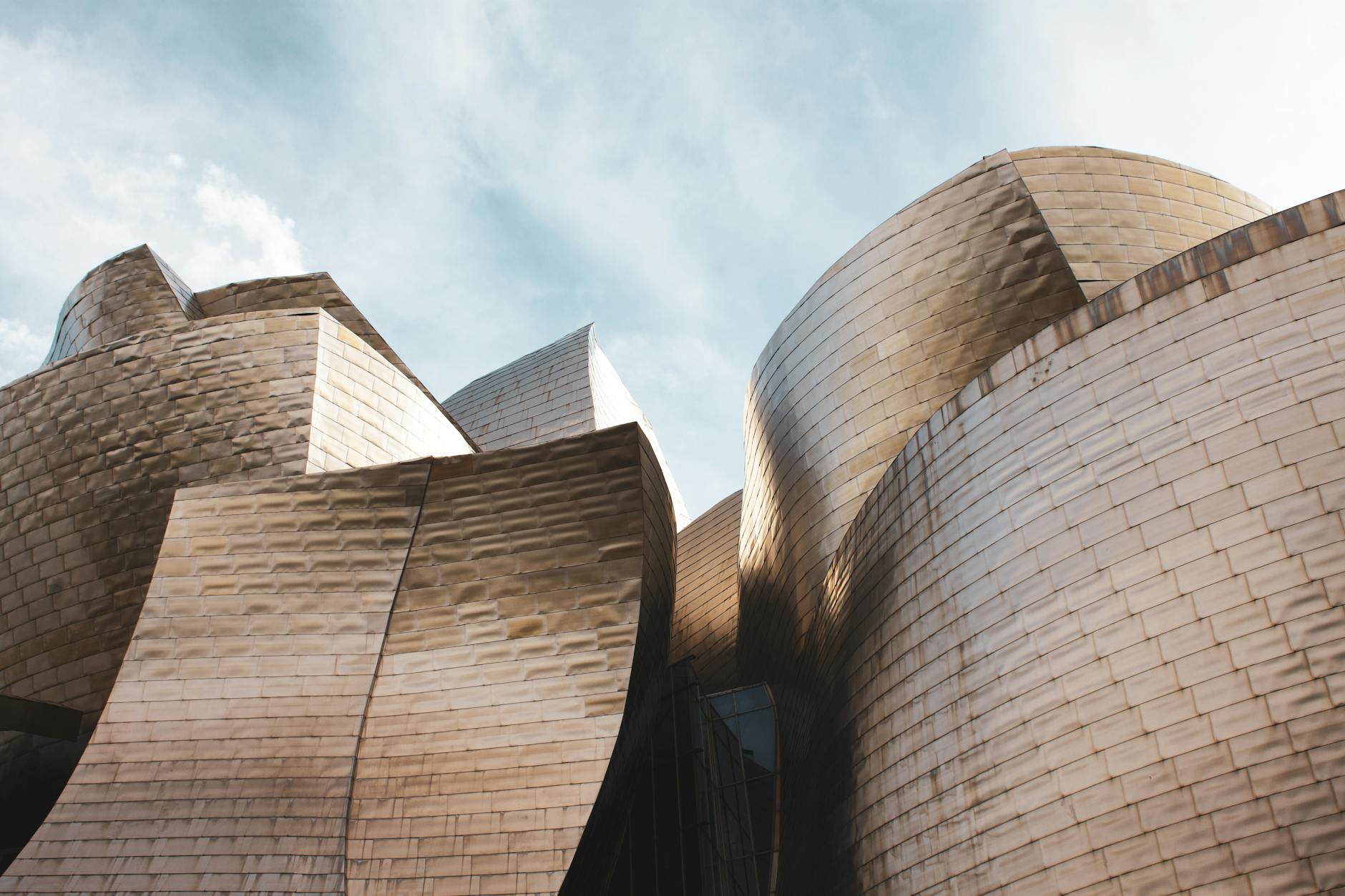
Internally, the layout of the Guggenheim is as remarkable as its exterior. The main atrium is an expansive space that serves as the heart of the museum, offering sightlines to the various galleries and exhibitions. This open design encourages visitors to traverse the museum freely, facilitating an organic flow that enhances the viewer’s experience. Notably, the exhibition spaces have been designed to be flexible, allowing for the accommodation of a wide range of artistic expressions, from large-scale installations to intimate works.
Gehry’s design transcended mere functionality; it fostered a dialogue between architecture and art. The museum’s very structure acts as an artwork in itself, inviting visitors to contemplate the relationship between the space and the art it houses. This interplay has redefined how people experience museums, blurring the lines between the exhibit and the environment.
Moreover, the Guggenheim Bilbao’s architectural success has inspired countless other projects around the world. Cities began to recognize the potential of iconic architecture in attracting tourists and generating economic growth. The success of the museum has prompted a new wave of cultural institutions to seek the expertise of renowned architects, thus changing the face of urban design on a global scale.
The Guggenheim Bilbao, designed by Frank Gehry, stands as a testament to the possibility of innovation in architecture. The museum not only represents a new way of experiencing art but has also become a transformative icon for the city of Bilbao. Its dynamic design continues to inspire and challenge architects, artists, and urban planners worldwide, solidifying its place in the narrative of contemporary culture.
Economic Impact: Revitalizing a City in Decline
The opening of the Guggenheim Museum Bilbao heralded a significant economic turnaround for a city on the brink of decline. Prior to the museum’s construction, Bilbao struggled with high unemployment and widespread urban decay. The Guggenheim, however, became a pivotal instrument in the city’s revitalization strategy, stimulating economic growth and attracting investment in ways that were previously unimaginable.
One of the most immediate effects of the museum’s opening was the influx of tourists. The Guggenheim quickly became a must-see destination, drawing millions of visitors from around the globe. In the first year alone, more than 1 million people flocked to the museum, far surpassing initial projections. This surge in tourism had a cascading effect on the local economy, creating jobs and generating revenue across various sectors, including hospitality, retail, and transportation.
Hotels and restaurants experienced a boom as tourists sought accommodations and dining options during their visits to the museum. New businesses emerged, catering to the diverse needs of visitors and locals alike. This economic uptick provided much-needed employment opportunities, reducing the unemployment rate and enhancing the overall quality of life for citizens. Furthermore, the increased foot traffic helped revitalize areas of the city that had been neglected for years, demonstrating the power of culture as a catalyst for urban renewal.
Additionally, the Guggenheim’s success prompted local officials to explore further investments in Bilbao’s cultural and artistic offerings. The city began hosting a variety of festivals, exhibitions, and performances, reinforcing its identity as a cultural hub. Public investments in infrastructure, including transportation improvements and the enhancement of public spaces, complemented the museum’s impact, creating a vibrant environment conducive to both tourism and local engagement.
Moreover, the Guggenheim Museum Bilbao attracted international attention, positioning the city as a model for urban transformation. This newfound recognition led to partnerships with global organizations, art institutions, and cultural foundations. Bilbao’s brand began to shift from an industrial backdrop to a flourishing center for contemporary art and culture. The city’s enhanced reputation attracted prospective investors and corporations seeking to establish a presence in this revitalized locale.
The economic stimulus generated by the Guggenheim was further bolstered by the museum’s role in cultural diplomacy. As an institution dedicated to modern and contemporary art, the Guggenheim Bilbao became a space for dialogue and exchange, fostering connections between artists, curators, and audiences from various backgrounds. This collaborative spirit facilitated the exchange of ideas and practices, enriching the local artistic community while elevating Bilbao’s status on the global stage.
Despite initial skepticism regarding the museum’s potential impact on the local economy, the success of the Guggenheim Bilbao has proven that investment in culture and the arts can yield substantial economic returns. The experience of Bilbao serves as a powerful example for other cities grappling with similar challenges, demonstrating that a bold vision and commitment to cultural investment can pave the way for economic revitalization and growth.
The economic impact of the Guggenheim Museum Bilbao is a multifaceted narrative of renewal and transformation. By attracting tourists and fostering business growth, the museum has played an instrumental role in redefining the economic landscape of Bilbao. It stands as a testament to the power of culture as a driver of urban regeneration and a model for sustainable development in cities facing decline.
Cultural Significance: A New Era of Modern Art
The Guggenheim Museum Bilbao has not only transformed the economic landscape of the region but has also fundamentally changed the dialogue surrounding modern art. As a major institution dedicated to contemporary art, the museum has redefined cultural significance, positioning itself at the forefront of artistic innovation and exploration.
From the moment it opened its doors in 1997, the Guggenheim Bilbao has been committed to presenting cutting-edge exhibitions and showcasing the work of leading contemporary artists. Its curatorial approach emphasizes experimentation, engagement, and interdisciplinary practices, allowing for a richer and more diverse array of artistic expressions. This commitment to modernity and relevance has attracted numerous world-renowned artists, designers, and architects who strive to push the boundaries of their craft.
The museum’s exhibitions often delve into pressing social and political issues, reflecting an evolving understanding of what it means to be an artist in the contemporary world. By giving a platform to artists who address themes such as identity, globalization, and technology, the Guggenheim has positioned itself as a space for critical discourse and reflection. This approach invites visitors to not only appreciate the aesthetic qualities of the artworks but also engage with the deeper narratives that inform them.
One of the hallmarks of the Guggenheim Bilbao is its dedication to site-specific installations and large-scale artworks that transform the museum’s galleries into immersive experiences. Artists like Anish Kapoor, Jenny Holzer, and Richard Serra have created works that are specifically designed to resonate with the unique architectural space of the museum. This synergy between art and architecture fosters a dynamic experience, where visitors are encouraged to explore their surroundings in new and unfamiliar ways. The museum evolves with each exhibition, offering a fresh lens through which to view contemporary art.
Moreover, the Guggenheim’s commitment to education and community engagement amplifies its cultural significance. The museum actively engages with local communities through educational programs, workshops, and outreach initiatives. These efforts aim to nurture an appreciation for contemporary art among diverse audiences, fostering dialogues that transcend geography and socioeconomic boundaries. By empowering local residents and art enthusiasts alike, the Guggenheim fosters a sense of ownership over the cultural legacy being curated within its walls.
The significance of the Guggenheim Bilbao extends far beyond the borders of Spain. The museum’s influence reaches a global audience, inspiring countless institutions around the world to embrace innovative approaches to showcasing contemporary art. Its success has led to a proliferation of “Bilbao Effect” museums, where cities worldwide have sought similar cultural investments as a means to uplift their identities and economies. The transformative power of the Guggenheim has initiated a cultural renaissance, with cities recognizing the potential of art to shape their futures.
In exploring the cultural significance of the Guggenheim Bilbao, it is crucial to acknowledge its role in shaping a new narrative surrounding contemporary art. The museum challenges traditional notions of what art can be, opening avenues for artistic experimentation and cultural dialogue. It has become a space of exploration, inquiry, and creativity, celebrating the spirit of innovation that characterizes modern art.
The Guggenheim Museum Bilbao stands as a beacon of cultural significance, redefining the landscape of modern art and fostering a new era of artistic expression. Through its exhibitions, community engagement, and educational initiatives, the museum continues to influence both local and international art scenes, solidifying its role as a critical player in the narrative of contemporary culture.
The Guggenheim’s Influence on Global Museum Trends
The Guggenheim Museum Bilbao has not only transformed the city of Bilbao but has also played a pivotal role in shaping global museum trends. Its innovative design, commitment to contemporary art, and strategic cultural investments have set a benchmark for other museums worldwide. The “Bilbao Effectâ€â€”a phenomenon where cities invest in iconic architectural landmarks to stimulate economic and cultural revitalization—has become a prevalent theme in urban planning and cultural policy.
One of the most significant trends instigated by the Guggenheim Bilbao is the embrace of avant-garde architecture in museum design. The success of Frank Gehry’s masterful creation has inspired countless cities around the world to invest in bold architectural statements as a means to attract tourists and communicate a commitment to cultural excellence. New museums—ranging from the contemporary Saatchi Gallery in London to the spectacular MAXXI in Rome—seek to emulate the enigmatic allure and innovative spirit exemplified by the Guggenheim.
This architectural trend is accompanied by a broader shift in how museums approach curation and public engagement. No longer are museums solely repositories of static collections; instead, they strive to become dynamic platforms for dialogue, experimentation, and community interaction. The Guggenheim Bilbao understood the critical importance of creating a space that is adaptable and responsive to the needs of diverse audiences. As a result, many new museums have adopted flexible exhibition spaces that can host a wide variety of artistic formats—encouraging public participation while challenging traditional hierarchical structures.
Moreover, the Guggenheim’s influence extends to its commitment to interdisciplinary partnerships and collaborations. This collaborative spirit fosters a climate in which artists, galleries, and cultural institutions can engage in innovative exchanges, leading to multidisciplinary exhibitions that resonate with contemporary issues. Contemporary museums are increasingly recognizing the value of cross-disciplinary partnerships, engaging with artists, scientists, and technologists to enrich their offerings and make meaningful connections with broader societal challenges.
The focus on accessibility and inclusiveness has also become a pillar of modern museum practice, a principle championed by the Guggenheim. The institution actively endeavors to engage with diverse communities, provide educational resources, and create programming that reflects cultural plurality. This commitment to inclusivity fosters an environment where voices from underrepresented groups are amplified, broadening the scope of artistic practices and narratives in contemporary art.
Furthermore, the Guggenheim Bilbao has set a precedent for the incorporation of technology within museum experiences. As digital and interactive technologies evolve, museums are increasingly harnessing these tools to engage visitors in innovative ways. The Guggenheim has embraced digital media and augmented reality to enhance visitor experiences, offering interactive installations that not only illuminate artworks but foster deeper connections between art and audience. This trend toward integrating technology parallels the evolution of societal engagement and offers exciting possibilities for how art is experienced in the 21st century.
The Guggenheim Museum Bilbao has reshaped the landscape of global museum trends, pioneering innovative architectural designs, curatorial practices, and community engagement initiatives. Its legacy continues to influence how cultural institutions approach their missions in an ever-evolving world. The Guggenheim serves as a model of how the intersection of art, architecture, and community can create a transformative experience, ensuring that museums remain vibrant and relevant in contemporary society.
Conclusion
The Guggenheim Museum Bilbao’s influence extends far beyond its stunning architecture and modern art collections. It has transformed the city of Bilbao into a vibrant cultural hub while setting a global benchmark for how contemporary art can revitalize communities and inspire economic growth. Through its commitment to innovation, accessibility, and community engagement, the Guggenheim has redefined the role of museums in society, emphasizing their potential as agents of change.
The museum’s legacy continues to inspire cities around the world, demonstrating the profound impact that a single cultural institution can have on its surroundings. As cities grapple with challenges ranging from economic decline to environmental sustainability, the Guggenheim’s model serves as a testament to the transformative power of art as a catalyst for urban renewal and cultural identity. In this ever-evolving landscape, the Guggenheim Museum Bilbao stands as a beacon of hope, creativity, and possibility—inviting us all to engage with the world through the lens of contemporary art.