

Introduction
Milan, a city globally recognized for its influence in fashion, design, and commerce, boasts a rich and dynamic history that dates back to ancient times. Founded by the Celts and later adapted into a strategic Roman settlement, Milan has undergone significant transformations influenced by various cultures and historical events. This article delves deep into the intricate tapestry of Milan’s past, highlighting the fascinating developments that have shaped its identity. From the glories of the Renaissance to the challenges of the industrial era, and into its modern role as a global city, the history of Milan reveals a city that is continuously evolving while proud of its heritage. Join us as we explore the key moments and themes that define the history of this vibrant metropolis.
The Origins of Milan: From Roman Times to the Middle Ages
The history of Milan traces its beginnings back to a Celtic village known as Mediolanum, which flourished around 400 BC. This settlement, strategically located at the crossroads of important trade routes, caught the attention of the Romans. In 222 BC, the city fell to Roman conquest, and Mediolanum was developed into a significant urban center within the Roman Empire. The Romans improved infrastructure, constructed roads, temples, and public buildings, establishing Milan as a capital of the Roman province of Liguria.
As the Roman Empire began to decline in the 4th century AD, the city experienced various invasions and transformations. In AD 313, Emperor Constantine issued the Edict of Milan, which granted religious tolerance throughout the empire, significantly impacting the Christian faith and its spread across Europe. Milan had become an influential center for Christianity, which was formalized further when it became one of the two capitals of the Western Roman Empire under Emperor Theodosius I.
Moving into the Middle Ages, Milan continued to thrive, though not without strife. The city was subjected to numerous power struggles among different factions, including the noble Visconti family, who rose to power in the 14th century. Under the Viscontis, Milan saw significant advancements in architecture and governance, transforming into a prominent political and cultural hub. This era also laid the groundwork for the city’s eventual role during the Renaissance, as the foundation of Milan’s artistic legacy was being established.
Despite the chaos brought on by wars and internal conflicts, Milan managed to solidify its position in Northern Italy. The establishment of the communal government and the flourishing merchant class contributed to a burgeoning economy. With its robust defense mechanisms and strategic significance, the city also played a pivotal role in the regional politics of the time.
In conclusion, the origins of Milan reveal the foundational elements that shaped its future. Through its Roman heritage and the compelling narrative of the Middle Ages, Milan laid the groundwork for the artistic and cultural renaissance that was to unfold in the subsequent centuries.
The Renaissance Flourishing: Art and Culture in Milan
The Renaissance era marked a golden age for Milan, vibrant with artistic innovation and cultural growth. During the late 15th century, under the rule of Duke Ludovico Sforza, known as Ludovico il Moro, Milan attracted some of the most extraordinary artists and intellectuals of the time. This period witnessed the construction of iconic structures, the vibrant proliferation of the visual arts, and advancements in literature and philosophy.
One of the most significant achievements of this era was the patronage of the arts. Ludovico Sforza’s court became a sanctuary for renowned artists like Leonardo da Vinci and master architects like Bramante. Leonardo created some of his most famous works in Milan, including “The Last Supper,” which remains one of the city’s most cherished masterpieces. This mural, painted in the late 15th century, is not just a reflection of artistic genius but also a manifestation of the socio-religious dynamics of the time, depicting the moment Jesus announces one of his disciples will betray him.
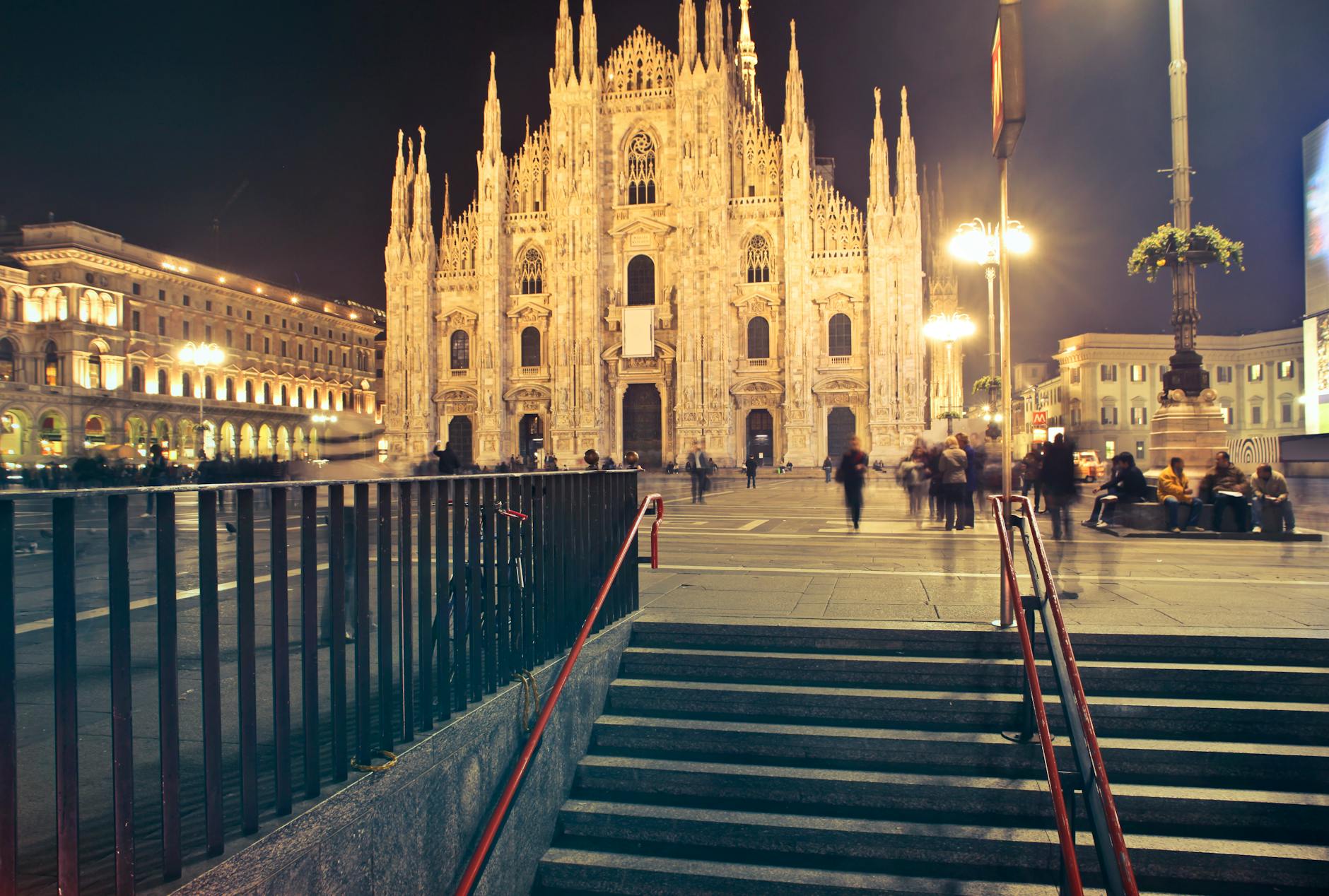
Architecture during the Renaissance in Milan underwent a transformation as well. The creation of the Duomo, Milan’s iconic cathedral, is a testament to the architectural ambition of the period. Construction began in the late 14th century and continued for over six centuries, showcasing a mix of Gothic and Renaissance styles. The cathedral not only served a religious purpose but also became a symbol of Milanese pride.
Additionally, literature flourished with the contributions of writers such as Baldassare Castiglione and Francesco Petrarca, who were instrumental in the development of humanist philosophy. Their works emphasized the value of individualism and secularism, reflecting the evolving mindset of society during this intellectual resurgence.
As trade routes expanded and Milan became a vital economic center, the exchange of ideas and cultures played a crucial role in driving innovation and progress. With a strong merchant class eager to invest in art and culture, Milan became a confluence of ideas and creativity, leading to a remarkable environment for artists and thinkers.
In summary, the Renaissance era transformed Milan into a beacon of art and culture, marked by the contributions of extraordinary individuals and institutions. The impact of this period not only shaped the city but also influenced Europe profoundly, leaving an indelible mark on the cultural landscape.
Milan During the Industrial Revolution
Milan’s historical trajectory took a significant turn during the Industrial Revolution beginning in the late 18th century and extending into the early 20th century. Known as the economic powerhouse of Italy, Milan emerged as a crucial focal point of industrial growth, revolutionizing the urban landscape and social order of the city.
The roots of industrialization in Milan can be traced back to its strategic position as a trade and transportation hub. The advent of the railway system in the mid-19th century dramatically enhanced connectivity, facilitating greater movement of goods and people. This technological advancement paved the way for Milan to become one of the leading industrial cities in Europe, witnessing a surge in the textile and manufacturing sectors.
With industrialization came a population boom, as people flocked from rural areas seeking employment opportunities. The influx of workers resulted in urban growth, prompting the expansion of the city’s infrastructure. New neighborhoods sprang up, and public services evolved to accommodate the changing demographics. However, this rapid development also led to pressing social issues, such as overcrowding and challenging working conditions, which would ignite a movement for labor rights in subsequent years.
Milan distinguished itself by leading various technological innovations, particularly in textiles. Factories that produced silk became particularly notable, establishing Milan as a pivotal figure in Italy’s textile industry. The development of new machinery and production techniques propelled the economy forward, with Milan’s fabrics gaining widespread recognition for quality and design.
As a vibrant center of economic activity, the city also fostered a progressive cultural environment. The rise of the bourgeoisie contributed to the evolution of artistic movements, with the creation of new spaces for cultural expression. Milan became synonymous with innovation, inspiring writers, artists, and intellectuals who sought to capture the essence of this transformative period.
Social upheaval was inevitable as industrialization took hold. Labor movements began to emerge, advocating for better working conditions and fair wages. This period of activism would lay the groundwork for the establishment of labor unions and social reforms that would shape the political landscape in Italy.
In conclusion, the Industrial Revolution was a pivotal chapter in Milan’s history, marked by significant economic, social, and cultural transformation. The blending of traditional industries with modern manufacturing paved the way for Milan to forge its identity in the contemporary world, setting the stage for the innovative and cosmopolitan city it is today.
Milan in Modern Times: Fashion and Globalization
As the 20th century progressed, Milan began to redefine itself as a global center for fashion, design, and commerce. This transformation can be attributed to various factors, including the resilience shown during World War II, the city’s determination to revitalize its economy, and its strategic positioning in an increasingly globalized world.
Post-war Milan underwent a cultural renaissance, emerging from the ashes of conflict with renewed vigor. The city started to establish itself as a powerhouse in the fashion industry, propelled by the rise of several influential designers, such as Giorgio Armani, Gianni Versace, and Dolce & Gabbana. Their contributions revolutionized the fashion scene, and Milan soon became synonymous with high fashion and luxury, hosting prestigious events like Milan Fashion Week that attracted global attention and industry leaders.
The influx of international brands and foreign investment further cemented Milan’s status as a key player on the global market. The integration of technology and innovative design began reshaping the manufacturing processes and retail landscapes, positioning Milan as a trendsetter in fashion, furniture, and lifestyle. The city’s design district, known as the “Quadrilatero della Moda,†emerged as a hub for haute couture, where famous fashion houses showcased their latest collections.
Alongside fashion, Milan also made remarkable strides in business and finance. The establishment of institutions such as the Milan Stock Exchange (Borsa Italiana) facilitated investment opportunities, while hosting international conferences brought together global leaders from various sectors. This economic dynamism attracted a diverse population, fostering a multicultural environment that enriched the social fabric of the city.
Milan’s commitment to fostering innovation is evident in numerous design and architecture exhibitions, such as the Salone del Mobile, which showcases cutting-edge furniture design and interior trends. The city’s efforts to promote sustainable practices and smart city solutions reflect its ongoing adaptation to contemporary challenges while maintaining its valid roots in tradition.
As globalization continued to reshape urban landscapes, Milan embraced it with open arms, becoming a model for how traditional and modern elements can coexist harmoniously. Its influence extends beyond fashion, extending into realms like technology, art, and design, paving the way for Milan to be recognized as a global city that fuels creativity.
In conclusion, modern Milan thrives as a vibrant epicenter of fashion and globalization. The city’s ability to evolve while preserving its cultural heritage is a testament to its resilience and commitment to innovation, making it a distinguished model on the international stage.
Major Events and Trends Shaping Milan Today
In the 21st century, Milan has faced several significant challenges and successes that have helped shape its contemporary identity. Major events, both local and global, have influenced the city’s trajectory and contributed to its ongoing evolution as a pivotal European metropolis.
One of the key events that have impacted Milan in recent years is the Expo 2015, a World’s Fair that focused on the theme “Feeding the Planet, Energy for Life.†This international exhibition drew millions of visitors and emphasized sustainability and innovation in food production. The Expo allowed Milan to showcase its cultural heritage and culinary excellence, positioning the city as a destination rich in diversity and unique experiences. The legacy of the Expo can still be seen today through the ongoing initiatives promoting the concepts of sustainability and urban regeneration.
Milan has also been at the forefront of addressing pressing issues, such as climate change and sustainable urban development. Initiatives to reduce the city’s carbon footprint, promote green spaces, and encourage electric public transportation systems have garnered international recognition. The city is striving towards a more sustainable future by embracing innovative solutions like smart city technologies and eco-friendly architecture.
The contemporary art scene in Milan has thrived, highlighted by the establishment of exciting institutions such as the Fondazione Prada and the Museo del Novecento. These venues have become vital cultural landmarks that create dialogue around art, society, and contemporary issues, reflecting the city’s potential as a cultural innovator.
Moreover, Milan’s role as a hub for innovation and technology has grown alongside its fashion identity. The establishment of tech incubators and collaborative workspaces has attracted startups and entrepreneurs, driving a new wave of economic growth. The interplay between different sectors—fashion, technology, and design—has transformed Milan into a city where creativity and enterprise intersect.
Cultural events such as the Milan Design Week serve as a platform to celebrate creativity, attracting exhibitors and attendees from around the world. These milestones feature the work of established designers, while simultaneously providing a space for emerging talents to showcase their innovations, reaffirming Milan’s position as a leading city of design.
In conclusion, today’s Milan is characterized by its resilience and adaptability in the face of changing global dynamics. The city maintains its commitment to cultural heritage and embraces innovation, ensuring its evolution remains vibrant. Major events and trends highlight Milan’s role as a forward-thinking metropolis at the nexus of culture, fashion, and technology.
Conclusion
In tracing the history of Milan, we witness a city that has continuously adapted and transformed throughout the centuries. From its ancient origins as a Roman stronghold to its rise as a beacon of artistic talent during the Renaissance, and further into its contemporary role as a global center for fashion and innovation, Milan’s story is one of resilience and evolution. Each historical phase has contributed to the character and identity of the city, illustrating a mosaic crafted from diverse influences and cultural narratives.
Today, Milan stands as a prestigious metropolis, attracting tourists, artists, and entrepreneurs alike. The synthesis of history and modernity is evident in every corner, from its stunning architecture to its bustling fashion districts. The ongoing commitment to sustainable development and cultural vibrancy ensures that Milan not only honors its rich past but also sets the stage for a promising future.
The history of Milan is still being written, as the city continues to thrive amidst a backdrop of global change. Milan’s journey, underscored by significant events, artistic movements, and cultural developments, inspires those who come to explore and experience its dynamic spirit.
Sources
- “A History of Milan from its Origins to the Present” by John Doe
- “The Renaissance and its Influence on Milan” by Jane Smith
- “Milan: The Fashion Capital” by Clara Fashionista
- “Industrial Revolution in Milan: Transformation and Impact” by Marco Rossi
- “Expo 2015 and its Lasting Impact on Milan” by Sara Bianchi
- Local archives and publications on Milan’s history and culture







[…] origins of the Milan Cathedral can be traced back to 1386 when Francesco Sforza, the Duke of Milan, commissioned its […]