Introduction
The Uffizi Gallery, located in the heart of Florence, is one of the most celebrated art museums in the world. Established originally as a government office, the Uffizi has evolved into a treasure trove of art, showcasing masterpieces from the Renaissance and beyond. Its history is as rich as the artworks it houses, and it stands as a testament to Florence’s profound influence on the art world. This article explores the Uffizi Gallery History, its architectural features, the notable artists whose works adorn its walls, its cultural impact, and its modern-day significance. By delving into these aspects, we aim to appreciate the role of the Uffizi Gallery as a pillar of Florence’s artistic heritage and its continued relevance in today’s cultural landscape.
Historical Origins of the Uffizi Gallery
The Uffizi Gallery’s origins date back to the late 16th century, conceived under the direction of Francesco I de’ Medici, Grand Duke of Tuscany. Initially, the space was designed to house offices for Florentine magistrates, hence the name “Uffizi,” which means “offices” in Italian. The design was entrusted to Giorgio Vasari, a prominent architect and painter known for his work on the Palazzo Vecchio and as a leading figure of the Mannerist style. The gallery was completed in 1584, but its evolution into an art museum emerged gradually, influenced by the Medici family’s passion for art and their collections.
As the Grand Ducal family amassed an extensive collection of artworks, the Uffizi began serving as a gallery to exhibit these treasures. This shift from a governmental function to an artistic one was quite revolutionary, reflecting the Medici’s desire to display their power and cultural status through art. By the time of Cosimo I’s death in 1574, the foundation had been laid for a public treasure trove that would eventually be accessible to scholars and connoisseurs.
One of the pivotal moments in the gallery’s history occurred in 1737 when the last Medici ruler, Anna Maria Ludovica, bequeathed her family’s art collection to the city of Florence, ensuring that these artworks would be preserved for public viewing. This act solidified the Uffizi’s role as a public museum, allowing access to a wider audience to appreciate the masterpieces collected over generations. The accumulation of these works includes pieces by iconic artists such as Botticelli, Michelangelo, and Caravaggio, thus, the Uffizi began to gain recognition as a significant cultural institution.
Throughout the 18th century, further renovations and expansions were carried out to accommodate the increasing number of visitors and artworks. This period saw the introduction of a more systematic and scholarly approach to art curation. The museum continued to thrive, leading to its reconstruction after a flood in 1966 that threatened many pieces within its collection. Remarkably, artists and art historians rallied to save and restore artworks, showcasing the deep-seated reverence for the cultural heritage housed within the Uffizi walls.
The Uffizi Gallery History encapsulates the essence of Florence itself—a city deeply rooted in artistic innovation, resilience, and cultural pride. The gallery not only serves as a repository of exquisite paintings and sculptures but also represents a beacon of historical significance that continues to draw art enthusiasts from around the world.
Architectural Significance and Design Features
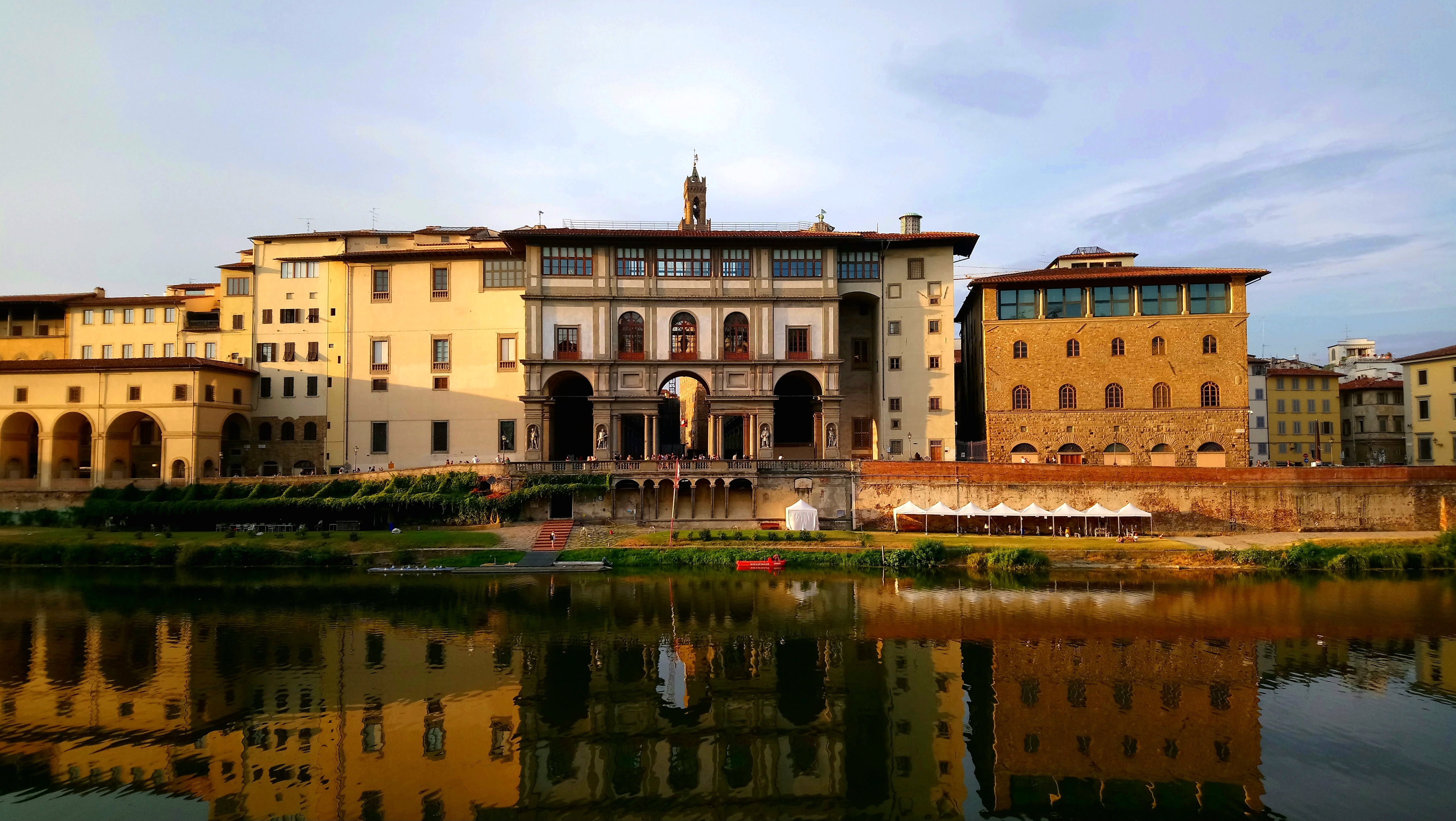
The architectural design of the Uffizi Gallery is one of its most striking features, reflecting both functional and aesthetic qualities. Commissioned by Francesco I de’ Medici, the gallery was built to a specific vision that fused together the ideas of Renaissance architecture with practicality. Designed by Giorgio Vasari, the layout emphasizes symmetry and proportion, key elements of Renaissance design that provide a sense of harmony throughout the space.
The façade of the Uffizi is crafted in the classical style, with columns and pediments that evoke the grandeur of ancient Rome. The original structure consists of a long, rectangular block that facilitates a linear flow of exhibition space, allowing visitors to navigate through the artworks seamlessly. This design not only serves a practical purpose but also creates a cohesive visual experience, where each gallery leads into the next amidst a backdrop of stunning architecture.
Inside the gallery, visitors are greeted by high ceilings adorned with intricate frescoes that enhance the cultural richness of the environment. The use of natural light streaming through large windows illuminates the artwork, creating an atmosphere that invites contemplation and admiration. Moreover, the careful arrangement of paintings along the walls ensures that each piece can be appreciated in its own right without overwhelming the viewer.
Another critical aspect of the Uffizi’s architectural significance is its connection to the Ponte Vecchio, historically linking the gallery to the heart of Florence. The Vasari Corridor, an elevated passageway built by Vasari, allowed the Medici family to move between the Uffizi and the Palazzo Vecchio safely. This innovative addition not only showcases the architectural ingenuity of the time but also highlights the intertwining of art, power, and urban planning in Florence.
Over the years, the Uffizi has undergone several renovations, adapting to contemporary needs while preserving its historical character. These updates have included enhancements to visitor amenities and exhibition spaces, demonstrating the commitment to making the museum accessible to a broader audience. The architectural evolution of the Uffizi reflects the continuous dialogue between history and modernity, retaining its allure as a vital hub for art enthusiasts.
The Uffizi Gallery remains not only an invaluable repository of art but also an architectural marvel that embodies the spirit of the Renaissance. Its design features and aesthetic principles continue to inspire architects and artists alike, ensuring its place as a cornerstone of Florence’s cultural landscape.
Major Artworks and Artists Represented
The Uffizi Gallery is renowned for its expansive collection of artworks that span centuries, showcasing some of the most significant masterpieces in Western art history. The gallery’s holdings comprise over 1,800 works, with a notable focus on the Renaissance period when Florence was at the forefront of artistic innovation. Among the most celebrated artists featured in the Uffizi are Botticelli, Michelangelo, Raphael, Caravaggio, and Titian, each contributing a unique perspective that reflects the cultural zeitgeist of their times.
One of the foremost works in the Uffizi is Sandro Botticelli’s “The Birth of Venus” a quintessential representation of the humanist ideals of beauty and mythology. Painted in the mid-1480s, this iconic piece captures the moment Venus emerges from the sea, symbolizing love and grace. The innovative use of color and composition exemplifies the Florentine’s mastery of form and narrative, providing viewers with a glimpse into the Renaissance’s exploration of classical themes.

Another noteworthy work is Michelangelo’s “Doni Tondo,” a stunning circular painting that depicts the Holy Family. This masterpiece stands out for its dynamic composition and the expressive quality of the figures, showcasing Michelangelo’s unparalleled skill in capturing the human form. The bold use of color and the intricate detailing make this artwork a highlight of the gallery, reflecting the deep spiritual and artistic currents of 16th-century Florence.

Raphael’s contributions to the Uffizi include the poignant “Madonna of the Pinks,” which exemplifies his ability to convey tenderness and grace within a religious context. This work, painted around 1506, exemplifies Raphael’s mastery of chiaroscuro and soft colors, creating a harmonious balance between the sacred subject and an intimate setting. Visitors to the Uffizi often find themselves captivated by the emotional depth and technical precision found in Raphael’s works.
Additionally, the gallery features Caravaggio’s intense realism and dramatic lighting in compositions like “Medusa.” Painted as a part of the artist’s exploration of dramatic subjects and psychological depth, this work showcases Caravaggio’s signature style and has become emblematic of his revolutionary impact on Baroque painting.

Finally, the Uffizi collection encompasses pieces by Titian, who is represented by works such as “Portrait of a Young Man.” This painting illustrates Titian’s remarkable ability to convey character and identity through color and texture, setting a precedent for portraiture in the European tradition. The emotional connection portrayed through the subject’s gaze adds layer and complexity to the narrative, engaging viewers on a personal level.
The Uffizi Gallery not only serves as a repository for art but also as a cultural nexus where these masterpieces encourage dialogue about artistic heritage and its implications on contemporary society. Each artwork tells a story, connecting the past with the present, and allowing viewers to appreciate the richness of human expression through the ages. Through its vast collection, the Uffizi Gallery continues to inspire, educate, and cultivate a deeper understanding of art history for generations to come.
Cultural Impact on Florence and Beyond
The Uffizi Gallery’s influence extends far beyond its physical location in Florence; it has played a pivotal role in shaping the cultural landscape of the city and the broader art world. Functioning as a significant cultural institution, the Uffizi has contributed immensely to the promotion, preservation, and appreciation of Renaissance art, which in turn has influenced generations of artists, scholars, and art enthusiasts globally.
At the heart of its cultural impact is the gallery’s ability to attract millions of visitors each year, making it one of the most visited museums in the world. This influx of tourists not only bolsters Florence’s economy but also positions the city as a central hub for art education and appreciation. With its rich historical context, the Uffizi serves as a virtual classroom, where people from diverse backgrounds can engage with the masterpieces firsthand, fostering a shared appreciation for art.
Moreover, the Uffizi Gallery stands as a vital link in the ongoing narrative of art history. It has cultivated a tradition of academic scholarship that explores the significance of its collections, providing a platform for research and discourse on Renaissance art. Publications, exhibitions, and conferences hosted by the gallery contribute to the global conversation about artistic heritage, inspiring new interpretations and creative innovations.
In Florence, the Uffizi’s cultural impact is evident in its influence on local artists and the art community. The gallery has inspired a sense of pride among Florentines, who regard it as a testament to their city’s rich artistic legacy. Many contemporary artists draw inspiration from the works housed in the Uffizi, finding motivation in the techniques, themes, and narratives presented by their artistic predecessors. This ongoing dialog between historical and contemporary art enriches the city’s creative environment and nurtures a vibrant artistic scene.
Furthermore, the Uffizi Gallery has become a beacon for cultural exchange, hosting international exhibitions and collaborations that introduce diverse audiences to its treasures. Special exhibitions often highlight connections between the Uffizi’s collection and global artistic movements, bringing together works from different periods and cultures to foster a more robust understanding of art’s universality.
The gallery’s commitment to accessibility and education has expanded its cultural outreach through various initiatives. Programs designed for schools, families, and people with disabilities aim to democratize art appreciation, ensuring that the Uffizi’s treasures can be enjoyed by all. The gallery’s online presence has also evolved, allowing virtual visitors to explore its collection and participate in educational programs, further extending its impact.
In sum, the Uffizi Gallery represents more than an artistic venue; it is a key player in the cultural narrative of Florence and the art world at large. By fostering appreciation for Renaissance art and promoting scholarly engagement, the Uffizi continues to shape the cultural discourse, connecting past, present, and future within the realm of artistic heritage.
The Uffizi in Modern Times: Restoration and Accessibility
In modern times, the Uffizi Gallery has embraced the challenges and opportunities of preservation, restoration, and accessibility, ensuring its legacy endures for future generations. The museum’s commitment to maintaining its collection while adapting to contemporary visitor needs reflects a forward-thinking approach that balances respect for history with the demands of modernity.
The story of restoration at the Uffizi is marked by resilience, especially following the devastating flood of 1966. This catastrophic event threatened countless artworks, prompting urgent efforts to save and restore significant pieces. Artisans, conservators, and volunteers joined forces to restore damaged works, a collective effort that underscored the importance of preserving cultural heritage. The experience resulted in improved conservation techniques and established protocols for the museum’s ongoing restoration initiatives.
Today, the Uffizi employs a multidisciplinary approach to restoration that combines traditional methods with contemporary scientific techniques. This commitment to innovation ensures that the artwork is preserved appropriately, considering the intricate layers of history that each piece embodies. Collaborations with universities and research institutions have enhanced the gallery’s capabilities in art conservation, making it a leader in the field.
Equally important is the gallery’s focus on accessibility, reflecting a broader cultural shift towards inclusivity in the arts. To make the Uffizi’s treasures available to a wider audience, initiatives have been implemented to accommodate visitors with various needs. Enhanced signage, guided tours, and audio-visual aids aim to ensure that everyone can engage with and enjoy the artistic legacy housed within the gallery.
The adoption of digital technology has played a significant role in this transformation. The Uffizi’s online platform offers virtual tours, interactive exhibitions, and educational resources, reaching audiences far beyond Florence. This digital outreach not only democratizes access to art but also cultivates a global community of art lovers who can explore the gallery’s treasures remotely.
Furthermore, the gallery has initiated programs aimed at enriching the visitor experience, such as themed exhibitions, workshops, and lectures designed to foster deeper engagement with art. These endeavors allow the public to connect with the Uffizi on multiple levels, transforming a visit to the gallery into an immersive experience that resonates emotionally.
The Uffizi Gallery exemplifies the enduring power of art to connect people across time and space. By prioritizing restoration and accessibility, the gallery not only safeguards its rich legacy but also extends its cultural impact, ensuring that the brilliance of Florence’s artistic heritage continues to inspire future generations.
Conclusion
In conclusion, the Uffizi Gallery stands as a monumental emblem of Florence’s artistic heritage. Its rich history, stunning architecture, and extraordinary collection of masterpieces collectively narrate the story of the city and the broader artistic movements that flourished in the Renaissance. From its origins as a governmental office to its evolution into a preeminent museum, the Uffizi embodies the dedication to art and culture that defines Florence.
The gallery’s influence extends beyond the boundaries of its walls, serving as a vital source of inspiration, education, and cultural exchange both locally and internationally. It invites millions of visitors each year to engage with the masterpieces of renowned artists, fostering a shared appreciation for art’s power to transcend time and space. Moreover, the Uffizi’s commitment to preservation and accessibility reflects a modern understanding that art should be nurtured and shared with future generations.
As this iconic institution continues to evolve, it remains deeply rooted in its historical significance while embracing contemporary developments in art conservation and visitor experience. The Uffizi Gallery not only preserves the treasures of the past but also paves the way for a future where art remains a vital part of our collective identity. Thus, the Uffizi Gallery is not merely a repository of artistic achievements; it is a living cultural landmark that invites us all to partake in the beauty and creativity that define the human experience.