Introduction
Seville, the vibrant heart of Andalusia, is steeped in a rich and varied past that speaks to the convergence of cultures, traditions, and artistic expressions. The history of Seville is a fascinating narrative that unfolds through its stunning architecture, perpetual festivals, and deeply-rooted customs. From the majestic Moorish palaces that serve as a testament to its Islamic heritage to the passionate rhythms of flamenco that echo through its streets, Seville’s past is interwoven with the threads of numerous influences. This article takes a closer look at the history of Seville, exploring the unique elements that have shaped its identity and continue to captivate residents and visitors alike. By delving into the enchanting history of Seville, we gain a greater understanding of its significance in both a historical and cultural context.
The Moorish Influence: A Foundation of Culture
The history of Seville is profoundly marked by its Moorish influence, which can be traced back to the early 8th century when the Moors invaded the Iberian Peninsula. This era initiated a period of profound cultural, artistic, and intellectual flourishing that laid the groundwork for what we recognize today as Seville. The Islamic period brought forth advancements in various disciplines such as mathematics, astronomy, and medicine, all of which contributed to the city’s prominence during the Middle Ages.
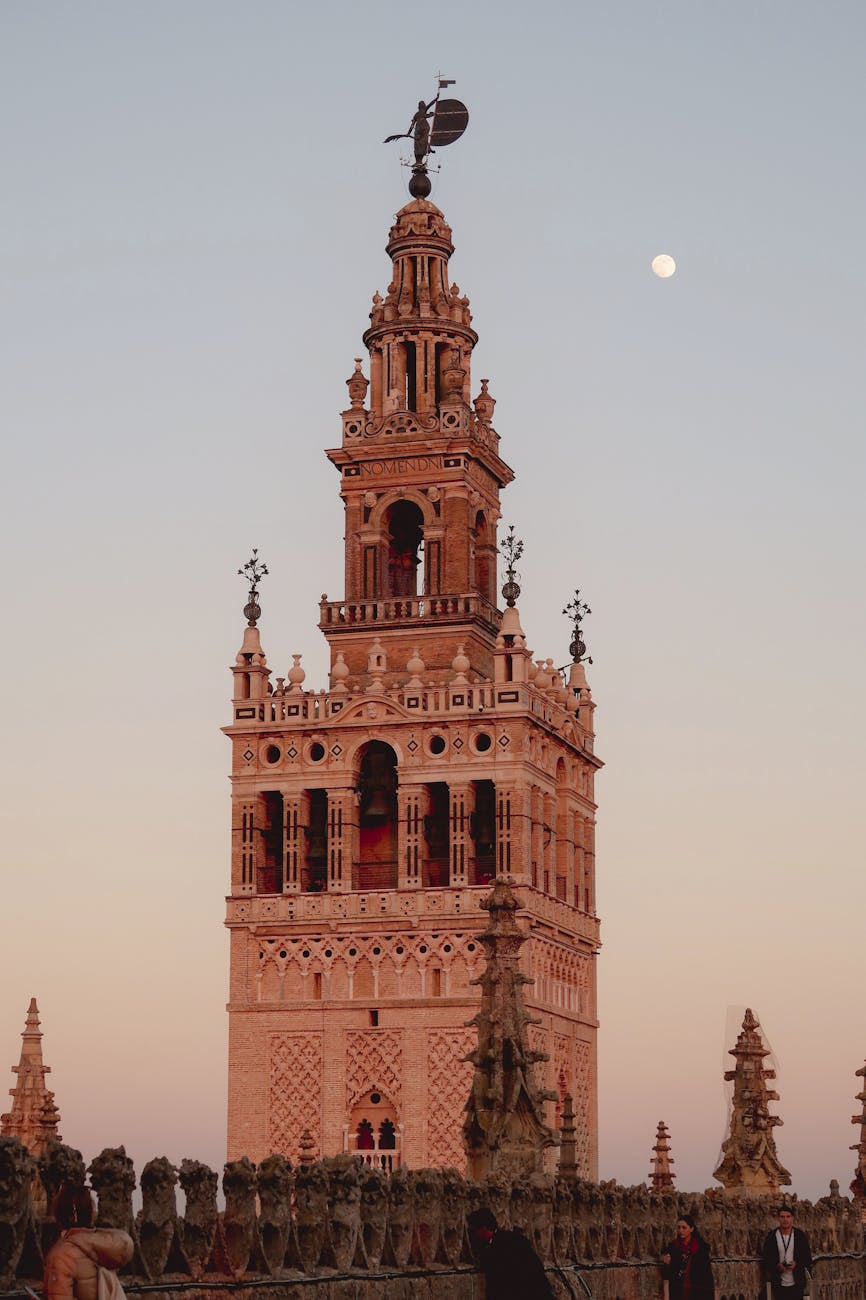
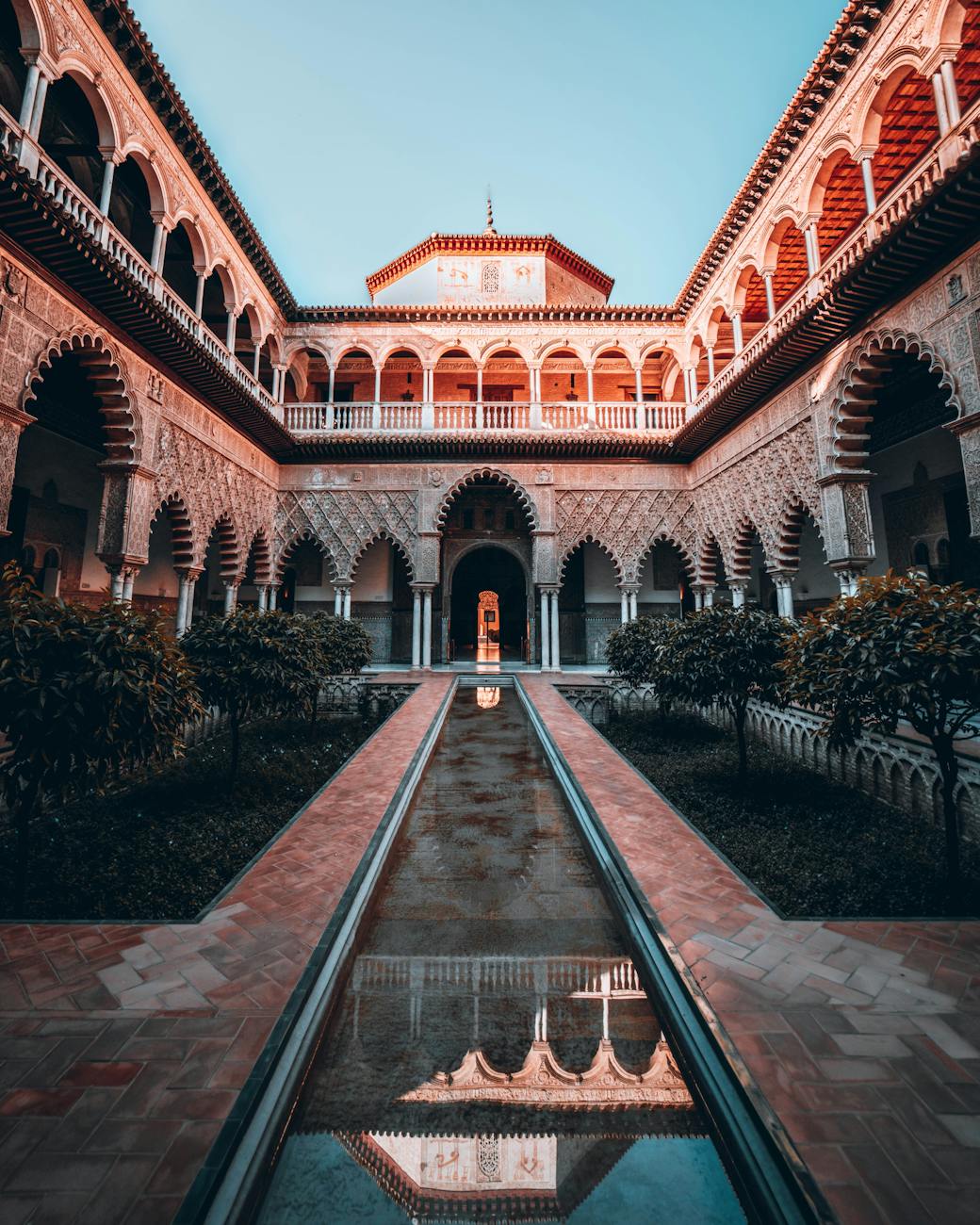
The architectural landscape of Seville is a key element in understanding the significance of its Moorish heritage. The Giralda, originally built as a minaret for the Almohad mosque, stands as one of the most iconic symbols of the city. This remarkable structure not only showcases the architectural prowess of the Moors but also represents a seamless blend of cultures as the mosque was later transformed into a cathedral following the Reconquista in the 15th century. The intricate tile work, lush gardens, and expansive courtyards of the Alcázar Palace further highlight this Moorish influence, demonstrating how the Moors seamlessly integrated their artistic values with those of the existing Christian framework.
During this period, Seville became a rich center of commerce, facilitating trade across the Mediterranean and beyond. The history of Seville is marked by its strategic location, which allowed for the exchange of goods, ideas, and cultures. This trade contributed to the economic vitality of the city and attracted a myriad of peoples, forging a melting pot of cultures that would enrich the societal fabric of Seville.
Moreover, the Moorish legacy is palpable in the Spanish language itself, with numerous vocabulary terms borrowed from Arabic reflecting the deep-seated influence of this culture. Words used in daily conversation, culinary terms, and agricultural practices have roots in the Arabic language, showcasing the enduring impact of the Moorish period on Spanish identity.
As we examine the rich tapestry woven by the history of Seville, it is essential to recognize the notable figures who influenced this era. Scholars and poets emerged, bringing intellectual fervor that complemented the artistic expression found in architecture and craftsmanship. This creative environment fostered innovative ideas that transcended borders, allowing the culture of Seville to flourish.
However, the legacy of the Moorish influence extended beyond architecture and commerce; it shaped the social and political dynamics of Seville as well. The cohabitation of Christians, Jews, and Muslims during the Islamic period led to a diverse social landscape where various religious and ethnic groups interacted and collaborated. This exchange of ideas and practices created a unique cultural dynamic that characterized Seville for centuries.
The profound impacts of the Moorish period are inextricably linked to the history of Seville, providing the bedrock upon which the city’s identity was built. This foundation set the stage for subsequent developments that would further embellish the rich historical narrative of Seville. By appreciating the heritage imparted by the Moors, we gain critical insight into the complex cultural identity that defines Seville today.
Architectural Marvels: Landmarks of the City
As we explore the captivating history of Seville, we encounter a tapestry of architectural marvels that reflect the city’s evolution over the centuries. Seville is home to numerous significant structures that narrate its journey through time, each telling stories of conquest, artistic expression, and cultural fusion.
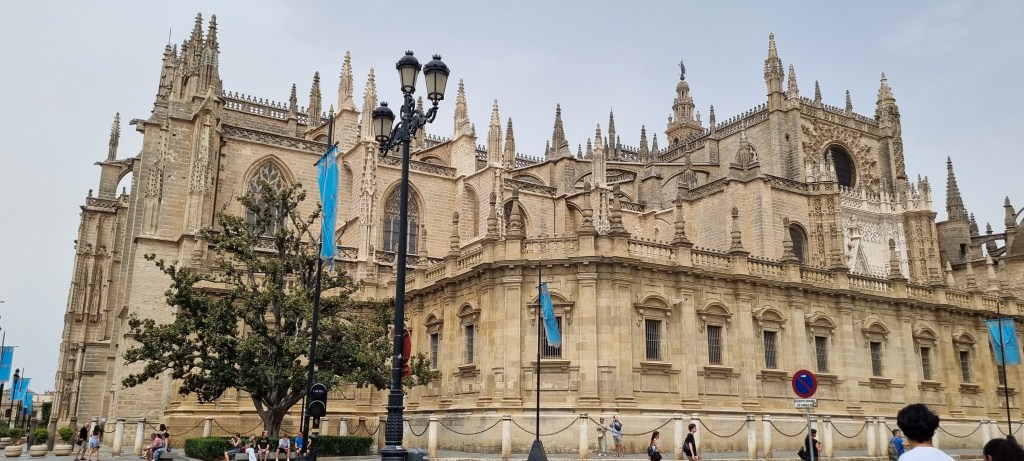
The Seville Cathedral, constructed in the late 15th and early 16th centuries, stands as the largest Gothic cathedral in the world and symbolizes the triumph of the Christian Reconquista. Built upon the ruins of the Great Mosque of Seville, the cathedral seamlessly integrates elements from its Islamic predecessor. The Giralda, a bell tower that once served as the minaret, provides a striking visual reference to the Islamic architectural heritage that permeates the city. The awe-inspiring scale of the Cathedral not only evokes a sense of reverence but also showcases the city’s wealth and significance following the Reconquista.
Another prominent landmark is the Alcázar of Seville, characterized by its Mudéjar architecture that combines Moorish styles with Gothic, Renaissance, and Baroque elements. This royal palace has been inhabited by Spanish monarchs over the centuries, making it one of the oldest palaces still in use in Europe. The lavish gardens, intricate stucco work, and expansive courtyards whisper of the opulent lifestyle of past rulers while providing a glimpse into the artistry of earlier civilizations.
The Metropol Parasol, a modern architectural marvel designed by Jürgen Mayer, stands in contrast to the historical structures that populate Seville’s skyline. Completed in 2011, this wooden structure provides a contemporary reinterpretation of Seville’s very essence, blending the old with the new. Known locally as “Las Setas,” this incredible installation offers an open-air plaza, a farmers’ market, and panoramic views of the city from its rooftop walkways. It symbolizes the city’s ability to adapt and innovate while honoring its historical past.

In addition to these iconic structures, the Plaza de España exemplifies the Renaissance revival style and was originally built for the Ibero-American Exposition of 1929. This stunning plaza features a large semi-circular building adorned with colorful tiles, each representing different provinces of Spain. Its picturesque canals and bridges enhance the sense of grandeur and represent the rich cultural diversity found in Seville.
The history of Seville is further enriched by landmarks such as the Archive of the Indies, which houses an extensive collection of documents from Spain’s colonial empire. This UNESCO World Heritage site highlights Seville’s role as a central hub during the Age of Discovery when it served as a primary port for trade with the Americas. The architectural elegance of the building mirrors the significance of the wealth and knowledge exchanged during this historical period.
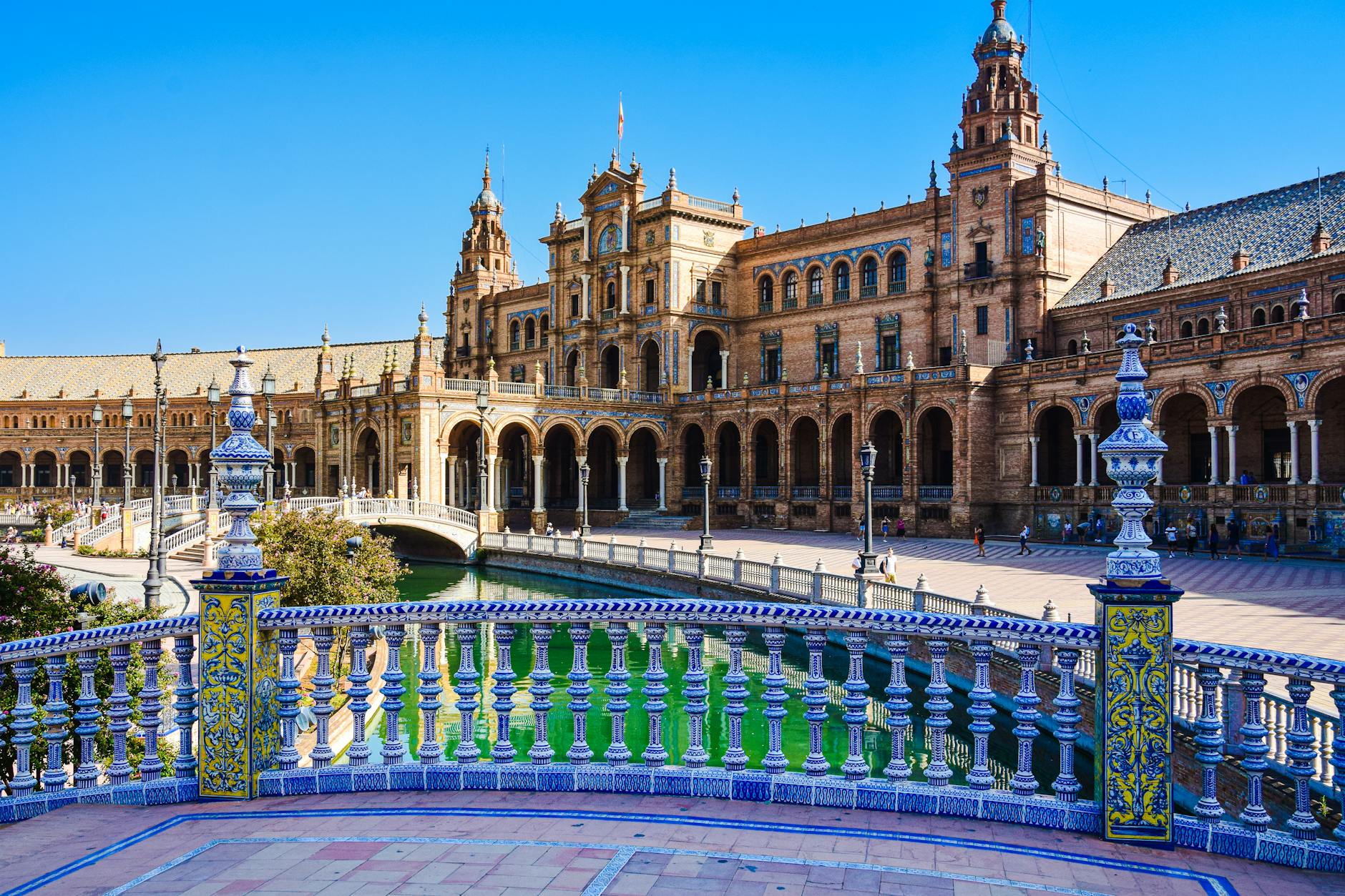
Each of these landmarks serves as a focal point for understanding the history of Seville. They embody not only the architectural styles and techniques of their respective eras but also reflect the shifting power dynamics, cultural exchanges, and social developments that have shaped the city. The architectural marvels of Seville stand as lasting testaments to the enduring legacies of those who came before, preserving stories of ambition, creativity, and resilience for generations to come.
A Tapestry of Traditions: Festivals and Celebrations
The history of Seville is peppered with vibrant traditions and celebrations that reflect its unique cultural tapestry. Festivals are a manifestation of the city’s rich heritage, offering an opportunity for locals and visitors to immerse themselves in the customs and practices that have evolved over centuries. One of the most iconic events in Seville is the Feria de Abril, or April Fair, which takes place two weeks after Easter. This lively celebration marks the beginning of spring and showcases the city’s deep connections to its cultural history.
The origins of the Feria de Abril can be traced back to 1847 when it was initially established as a livestock fair. Over time, it transformed into the grand event we know today, characterized by colorful tents, live music, dancing, and traditional attire. The history of Seville is vividly brought to life during this festival as locals dress in flamenco costumes, creating an atmosphere rich in tradition and community spirit. The lively sounds of the guitar and claps of the castanets resonate throughout the fairgrounds, inviting everyone to join in the exuberance of the festivities.
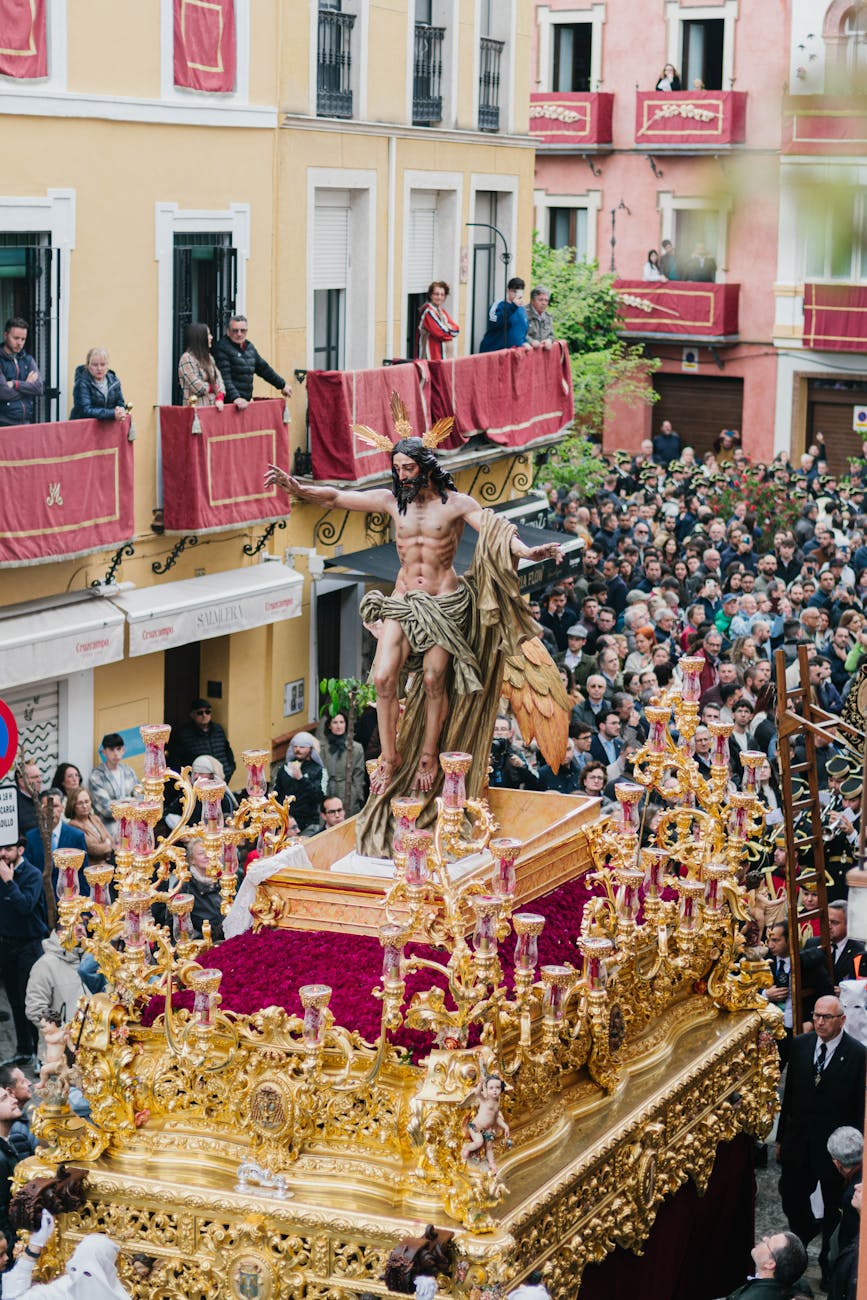
Another pivotal event in Seville is Semana Santa, or Holy Week, which is an emotionally charged celebration reflecting the city’s profound Catholic roots. The history of Seville is closely interwoven with Catholicism, and Semana Santa showcases this devotion through elaborate processions that take place throughout the week leading up to Easter Sunday. Thousands of participants process through the streets, carrying ornate pasos, or floats, adorned with religious icons and accompanying candles. These processions serve as both a spiritual reflection and a powerful reminder of the dedication and faith that has characterized Seville for centuries.
The historical influences of the city are also evident in the various lesser-known celebrations that take place throughout the year. For instance, El RocÃo Pilgrimage attracts thousands of pilgrims who journey to the village of El RocÃo in search of the Virgin of El RocÃo, a revered figure in Spanish culture. The history of Seville serves as a backdrop for this pilgrimage, where participants often travel on horseback, singing and dancing along the way, embodying the warmth and spirited nature of Andalusian hospitality.
Furthermore, traditions surrounding cuisine have also found a home in Seville’s festivals. Tapas, a hallmark of Spanish cuisine, play a fundamental role in both daily life and celebrations, offering insight into local culinary practices. The history of Seville is intertwined with its gastronomy, reflecting the blend of cultures that have left their mark on the region. Festivals provide a platform for showcasing these culinary delights, allowing attendees to taste the flavors that have evolved over generations.
The diverse festivals of Seville serve not only as a celebration of its traditions but also as a means of preserving its rich history. They provide a unique glimpse into the customs and beliefs that have shaped the city’s identity over time, while fostering a sense of community among residents and visitors alike. Amidst the celebrations, the collective memory of Seville’s history continues to thrive, illuminating the culture that makes this city truly enchanting.
Flamenco: The Soul of Seville’s Culture
As we delve deeper into the history of Seville, one cannot overlook the profound impact of flamenco on the city’s cultural identity. Flamenco is not merely a genre of music and dance; it is an expression of the soul, embodying the emotions, struggles, and triumphs of the Andalusian people. The roots of flamenco can be traced back to the 18th century within the Romani communities of Andalusia, where it flourished as a form of artistic expression that combined influences from various cultures, including Moorish, Jewish, and Christian traditions.
The history of flamenco is closely intertwined with the social and economic circumstances of the time, as it emerged from the hardships faced by marginalized communities. The music’s themes often reflect sentiments of love, loss, and longing, allowing individuals to convey their emotions through powerful lyrics and captivating rhythms. The development of flamenco can be viewed as a societal response to the complexities and struggles of life, creating an art form that resonates deeply with the human experience.
In Seville, flamenco has become an integral part of the city’s identity, with numerous venues and tablaos dedicated to the preservation and celebration of this art form. The traditional elements of flamenco, including the guitar, singing, and dance, cultivate an atmosphere of passion and intensity that captivates audiences. Figures like Antonio Gades and Sara Baras have elevated flamenco to new heights, infusing innovative techniques and interpretations that keep the tradition alive while making it accessible to a global audience.
The history of flamenco is richly layered, with each region of Andalusia contributing its nuances. The various styles, such as soleá, alegrÃas, and bulerÃas, reflect the diverse cultural influences that have permeated the flamenco tradition. Workshops and classes are now prevalent throughout Seville, allowing enthusiasts to engage with the art form, learning not just the dance steps, but also the cultural context and history that shape flamenco.
Moreover, flamenco festivals like the Bienal de Flamenco celebrate the city’s dedication to this vibrant art form, attracting talent from around the world. These festivals serve as platforms for both established artists and emerging talents to perform, promoting cultural exchange and solidarity among artists. The history of Seville is illuminated through these performances, as the timeless rhythms and heartfelt lyrics transport audiences to the essence of Andalusian culture.
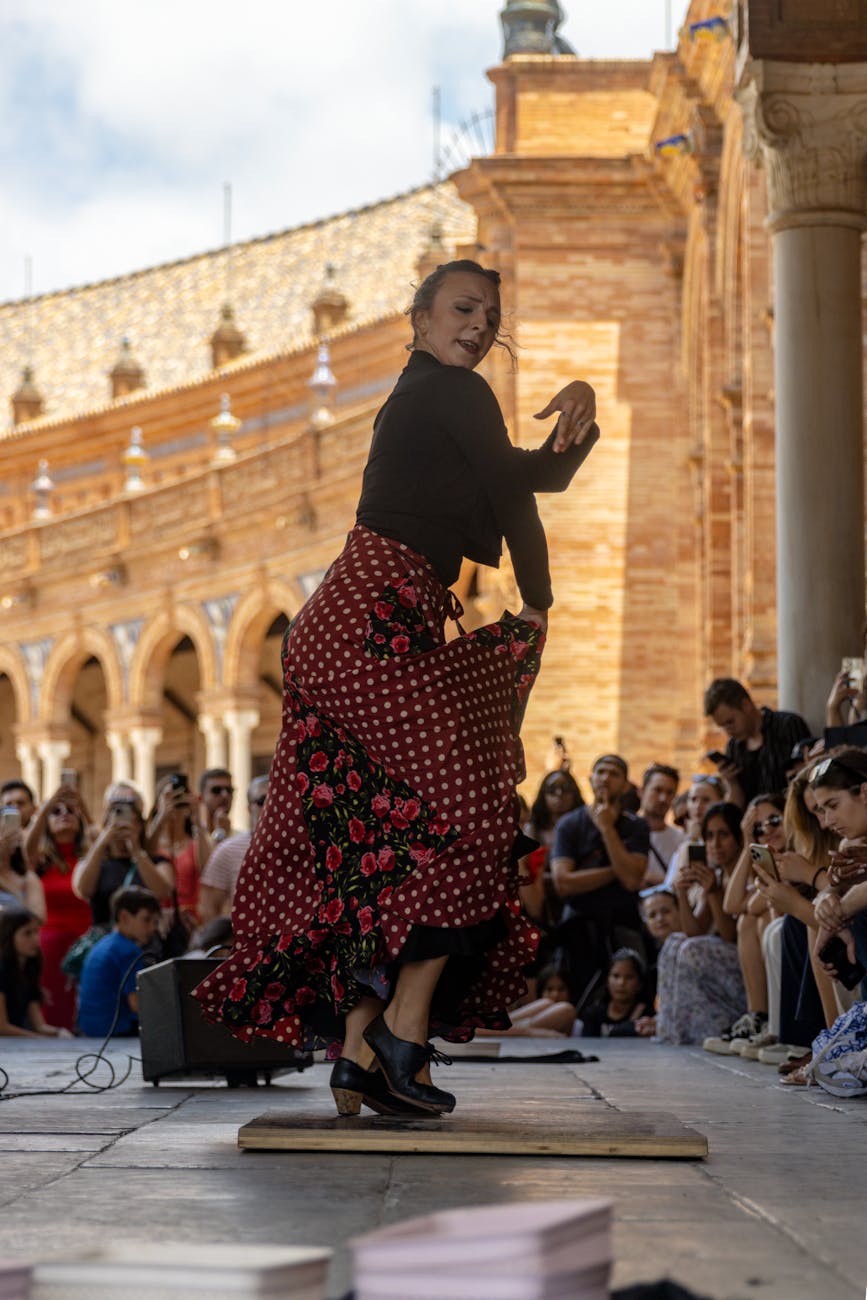
Flamenco also serves as a bridge between generations, connecting the past with the present. Many families in Seville pass down the tradition of flamenco to their children, imparting both the technical skills and the cultural significance embedded in this art form. The resurgence of interest in flamenco has also drawn tourism to Seville, transforming the city into a cultural hub where people from all over the world come to experience the enchantment of flamenco firsthand.
Flamenco encapsulates the heart and soul of Seville, offering a profound expression of identity that endures through time. The history of flamenco is a testament to the resilience of its people and their ability to find beauty in hardship. As Seville continues to embrace and celebrate this art form, the legacy of flamenco remains vital, transcending boundaries and captivating hearts across the globe.
Modern Seville: A Blend of History and Innovation
Navigating the complexities of the modern world, Seville remains a city where history and innovation coexist harmoniously. The contemporary landscape of Seville is a vibrant interplay of the old and the new, where historical landmarks stand alongside innovative architecture and cultural dynamics. The history of Seville plays a crucial role in shaping this contemporary narrative, ensuring that the lessons of the past inform the decisions of the present and future.
One notable example is the incorporation of sustainable practices within urban development. Seville has embraced green initiatives aimed at preserving the environment while enhancing the quality of life for its residents. The implementation of bicycle lanes, solar energy projects, and eco-friendly transportation options reflects a forward-thinking approach that honors the city’s historical significance while addressing modern challenges. This balance is evident in initiatives like the Magallanes Project, which seeks to revitalize public spaces while preserving the architectural character that defines the historic center.
The influence of technology and digital innovation has also found its place in the heart of Seville. Startups and tech incubators have emerged, transforming the city into a burgeoning center for entrepreneurship and innovation. The integration of technology in various sectors, including tourism, education, and art, enables the history of Seville to be showcased in dynamic ways. Virtual reality experiences, interactive exhibits, and mobile applications allow visitors and residents to engage with the city’s heritage in previously unimaginable ways.
Culinary innovation also plays a pivotal role in the modern landscape of Seville. While traditional tapas remain a staple, contemporary chefs are reimagining classic dishes and introducing experimental cuisine that draws on the rich flavors and ingredients of the region. Gastronomic festivals celebrate this blend, encouraging dialogue between chefs and patrons while honoring the historical roots of Andalusian cuisine. The evolving dining scene showcases how the history of Seville continues to inform culinary practices, inviting exploration and creativity.
Furthermore, Seville has made strides in promoting cultural dialogues that embrace diversity and inclusivity. The UNESCO designation of Seville as a “City of Flamenco” exemplifies the commitment to preserving the art form while fostering a global appreciation for its profound cultural significance. Festivals, workshops, and cultural exchanges play a vital role in nurturing understanding and collaboration among artists and communities from diverse backgrounds.
As the world continues to evolve, Seville’s dedication to preserving and celebrating its historical roots serves as a source of inspiration for its residents and visitors alike. The enchanting history of Seville, threaded with narratives of resilience, creativity, and cultural richness, informs the city’s path forward, reminding us that the past is a powerful influence in shaping the present.
Conclusion
In conclusion, the enchanting history of Seville unfolds through its rich tapestry of cultural influences, architectural marvels, vibrant traditions, and artistic expressions. From the Moorish foundations that shaped the city’s identity to the deeply embedded flamenco rhythms that connect generations, Seville is a living testament to the interplay between history and innovation. The city continuously evolves while honoring its past, revealing an extraordinary blend of tradition and modernity.
Seville’s festivals, cultural initiatives, and culinary innovations showcase the resilience and adaptability of its people, as they strive to celebrate and preserve their heritage in a rapidly changing world. By delving into the history of Seville, we uncover not just the city’s past, but also its enduring spirit, a source of inspiration for all who visit.
Through its exploration of the various elements that define this captivating city, we come to appreciate not only the charm and beauty of Seville but also the layers of history that continue to enrich its narrative. The ongoing evolution of Seville ensures that its captivating history will remain alive and relevant, inviting future generations to discover the magic woven throughout its streets, buildings, and customs.