Introduction
Lisbon, the sun-kissed capital of Portugal, is a city rich in history and architectural splendor. Stepping through its narrow streets feels like walking through a living gallery of styles influenced by centuries of culture and civilization. The architecture of Lisbon showcases a remarkable blend of traditional elements that speak to the Moorish, Roman, and contemporary eras. From the stunning azulejos—vivid ceramic tiles adorning walls—to the imposing towers that serve as eternal sentinels, the architecture tells stories of resilience, adaptation, and artistic expression. This article invites you to embark on a captivating journey through the architecture of Lisbon, exploring its unique characteristics, landmarks, and the influences that have shaped its identity. Join us as we delve into the rich narrative told through the city’s exquisite structures and discover the timeless beauty that continues to inspire both residents and travelers alike.
The Historical Influence on the Architecture of Lisbon
The architecture of Lisbon is a testament to the city’s rich historical tapestry, woven from threads of different cultures, styles, and influences throughout the ages. Tracing the roots of the architecture of Lisbon reveals a story that begins long before the establishment of the city itself. The Phoenicians first settled the area around 1200 BC, recognizing the strategic importance of its harbor. This early influence set in motion a series of architectural developments that would reflect the cultural exchanges of various civilizations.
As time progressed, the Romans arrived, introducing their architectural prowess to the region. They constructed essential infrastructures, such as aqueducts, forums, and temples, many of which laid the groundwork for future developments in the architecture of Lisbon. The Roman Theater remains an impressive remnant of this era, showcasing the advanced engineering techniques of the time. The transition to the Middle Ages brought with it the Moors, whose influence on the architecture of Lisbon is most evident in the intricate tile work and the design of iconic structures such as the Castle of São Jorge. The Arab presence imparted an appreciation for decorative arts, particularly the use of azulejos, which now adorn many façades across the city.

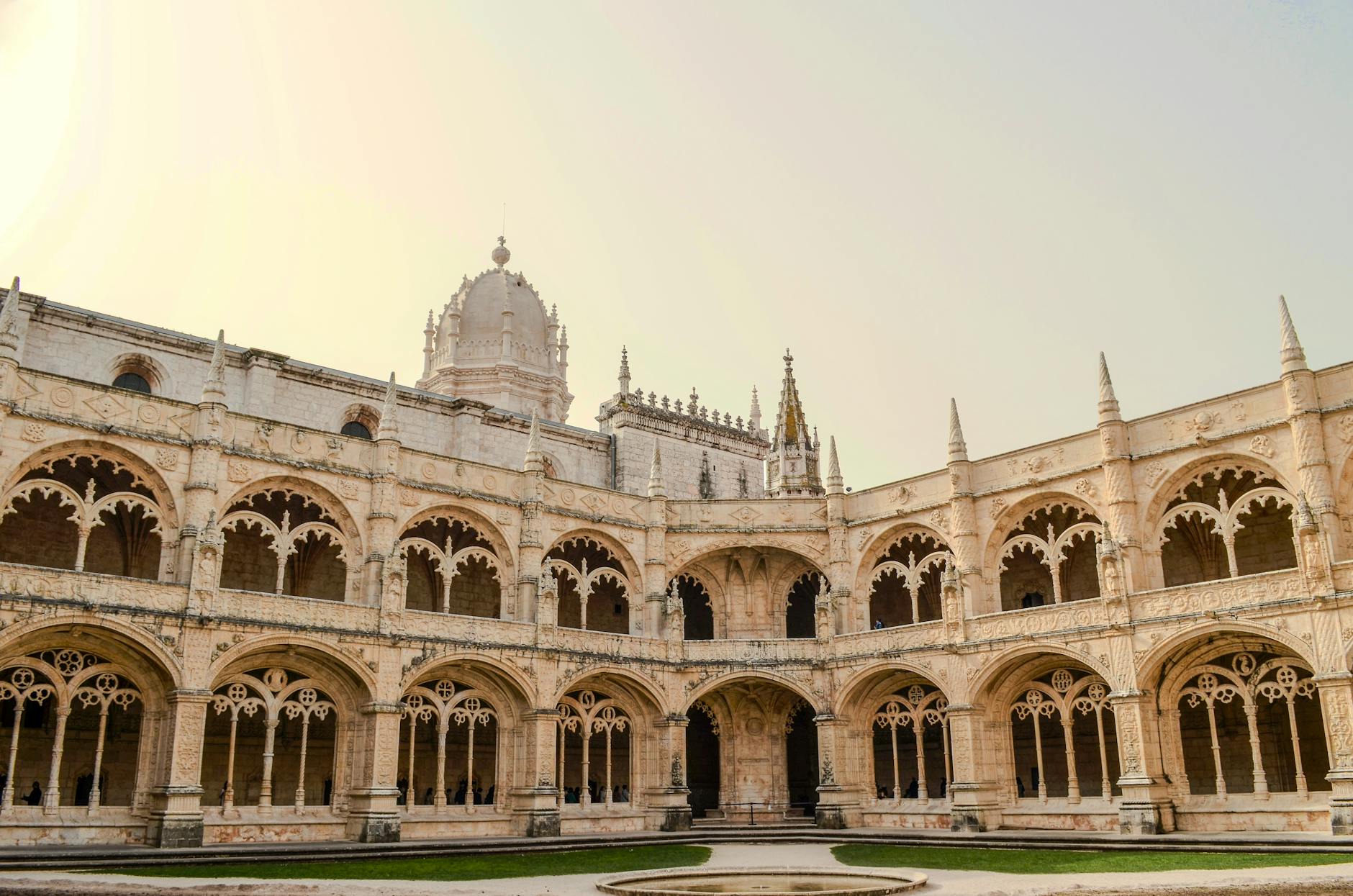
The Gothic period also left its mark on the architecture of Lisbon, as evidenced by the stunning Jerónimos Monastery and the Belém Tower. These structures reflect the grandeur associated with the Age of Discoveries, a time when Portugal emerged as a global maritime power. The architecture of Lisbon during this period is characterized by ornate decorations and intricate stone carvings, symbolizing the wealth and ambition of the Portuguese Empire.
The catastrophic earthquake of 1755 reshaped both the city and its architecture. The disaster led to significant urban reform under the leadership of the Marquês de Pombal. His vision elevated the architecture of Lisbon to a new level of modernity through strict regulations and a focus on functionality. The result was the Pombaline style, which is structured, practical, and yet charming in its own right, characterized by grid-like layouts and earthquake-resistant designs.

In more recent history, the architecture of Lisbon has continued to evolve. The 20th century saw a rise in modernist influences, marked by the incorporation of new materials and innovative designs. The iconic Calouste Gulbenkian Foundation, with its blend of modern art and natural elements, exemplifies this shift. Furthermore, the architecture of Lisbon has embraced sustainability, with many contemporary projects designed to harmonize with the environment and respect the city’s heritage.
This rich historical narrative showcases how the architecture of Lisbon has been shaped by numerous influences. Each era contributed unique elements that, when combined, create a vibrant fabric representing the city’s identity. As we continue our exploration, we will delve deeper into one of the most recognizable features of the city—the iconic tiles that narrate their own unique story.
The Iconic Tiles: A Visual Story of Lisbon
The architecture of Lisbon is instantly recognizable, not just for its grand edifices and unique structures but for its enchanting tiles, known as azulejos. These ceramic masterpieces are one of the defining characteristics of the architecture of Lisbon and serve as a canvas for storytelling. The origins of azulejos can be traced back to Moorish influences, and over the centuries, they have evolved into an integral part of the city’s architectural language.
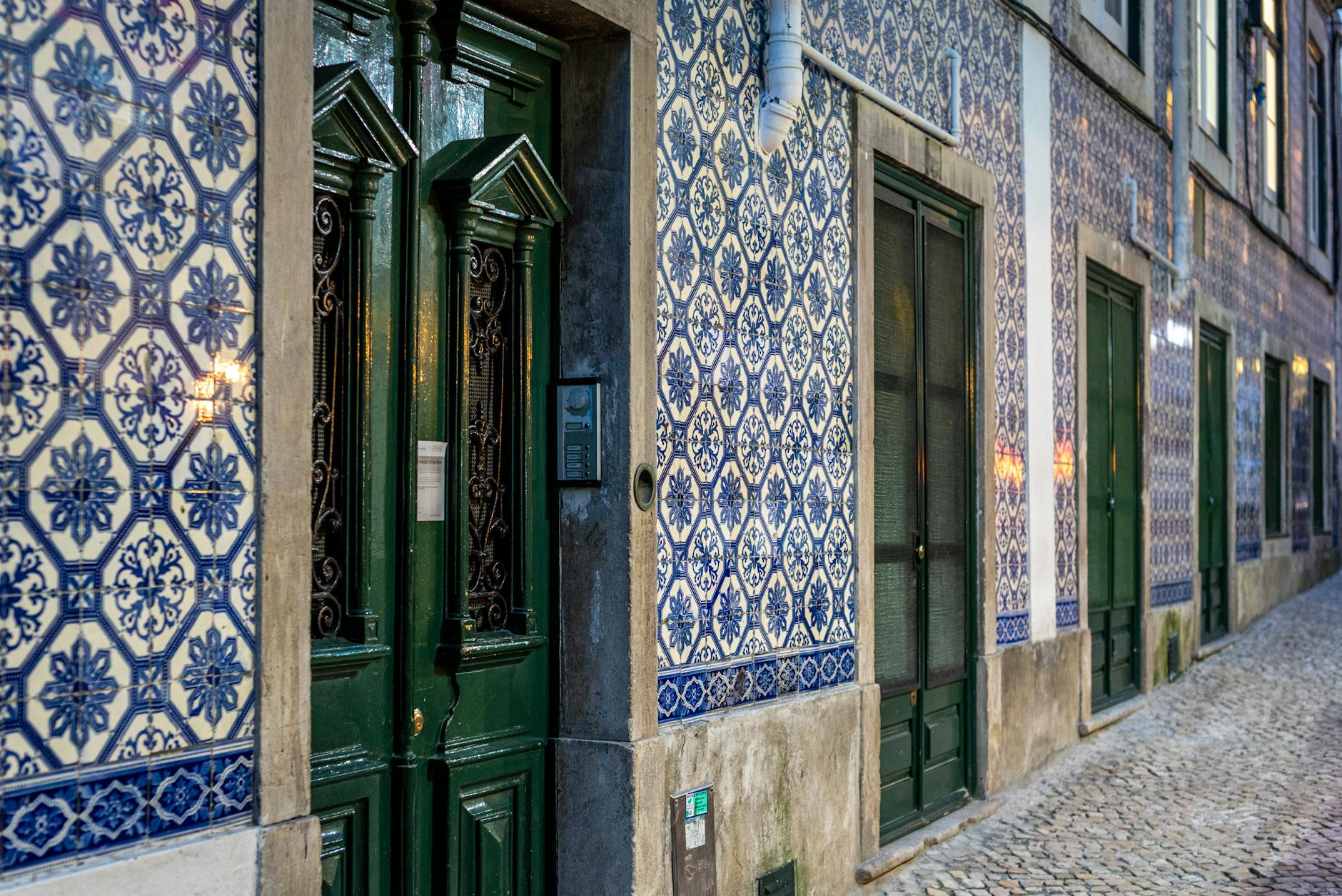
Azulejos are decorated tiles, often featuring intricate designs, vibrant colors, and symbolic patterns. The name itself is derived from the Arabic word “al-zillij,” which refers to polished stone. The love for these tiles among the Portuguese can be seen across various structures—from grand palaces to humble houses—each showcasing unique artistry. Historically, azulejos were used to cover walls, floors, and roofs to reflect light and add vivid colors to spaces, enhancing the aesthetic appeal of the architecture of Lisbon.
The early azulejos were predominantly blue and white, often depicting geometric patterns or nature-inspired motifs. As we moved into the Renaissance and Baroque periods, the styles transformed, showcasing a broader palette that included greens, yellows, and reds. Artists began incorporating narrative elements into their designs, allowing these tiles to tell historical stories or religious themes.
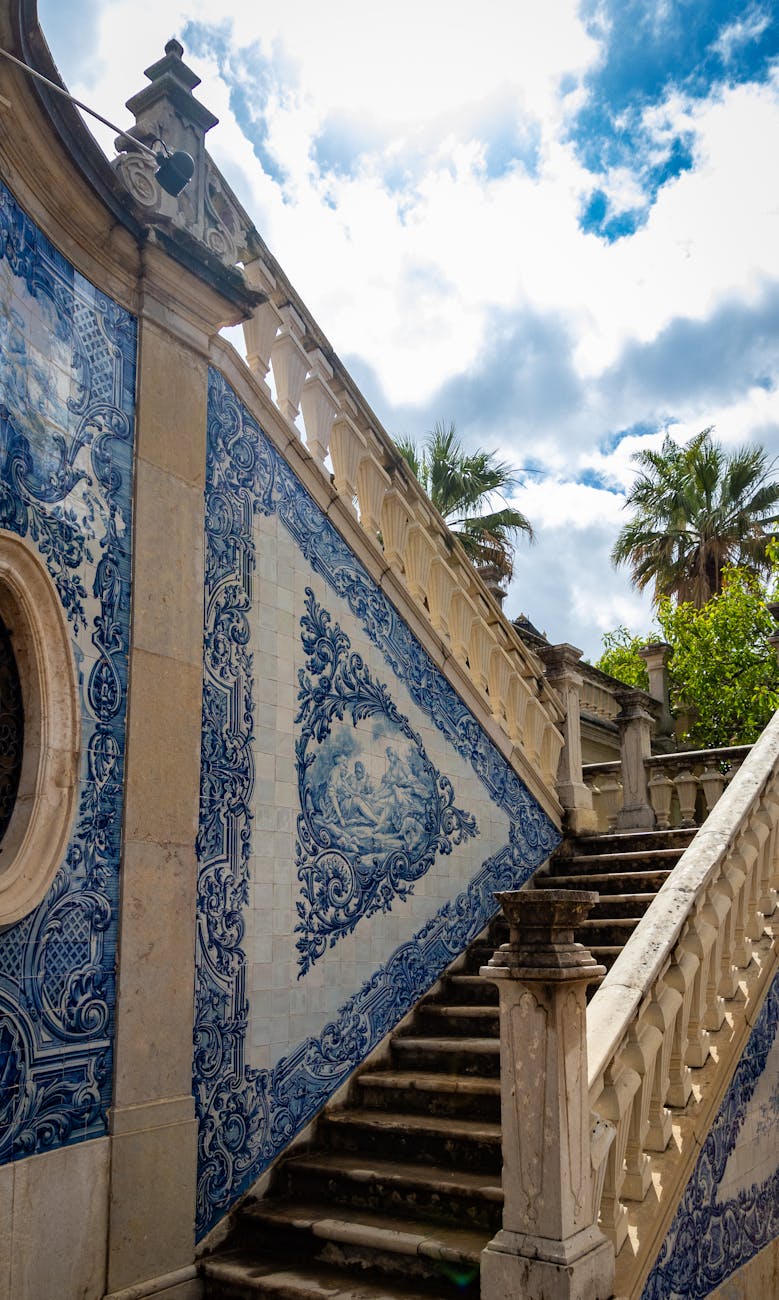
In modern times, the architecture of Lisbon embraces both traditional and contemporary tile designs. Various architects and artists have collaborated to create innovative tile installations that reflect today’s artistic trends while respecting traditional techniques. This fusion showcases the enduring legacy of azulejos and solidifies their importance in the ongoing narrative of the architecture of Lisbon.
Azulejos are not merely decorative—they serve a purpose. The tiles help insulate buildings from heat, while their reflective qualities brighten interiors. Their presence in the architecture of Lisbon enhances the sensory experience of the city, inviting visitors to pause and admire the artistry that has transcended generations.
Contemporary projects highlighting azulejos have garnered attention and showcase how these ancient techniques can be adapted for modern applications. Local artists continue to experiment with ceramic arts, creating works that stand as vibrant testaments to the rich cultural heritage of Lisbon.
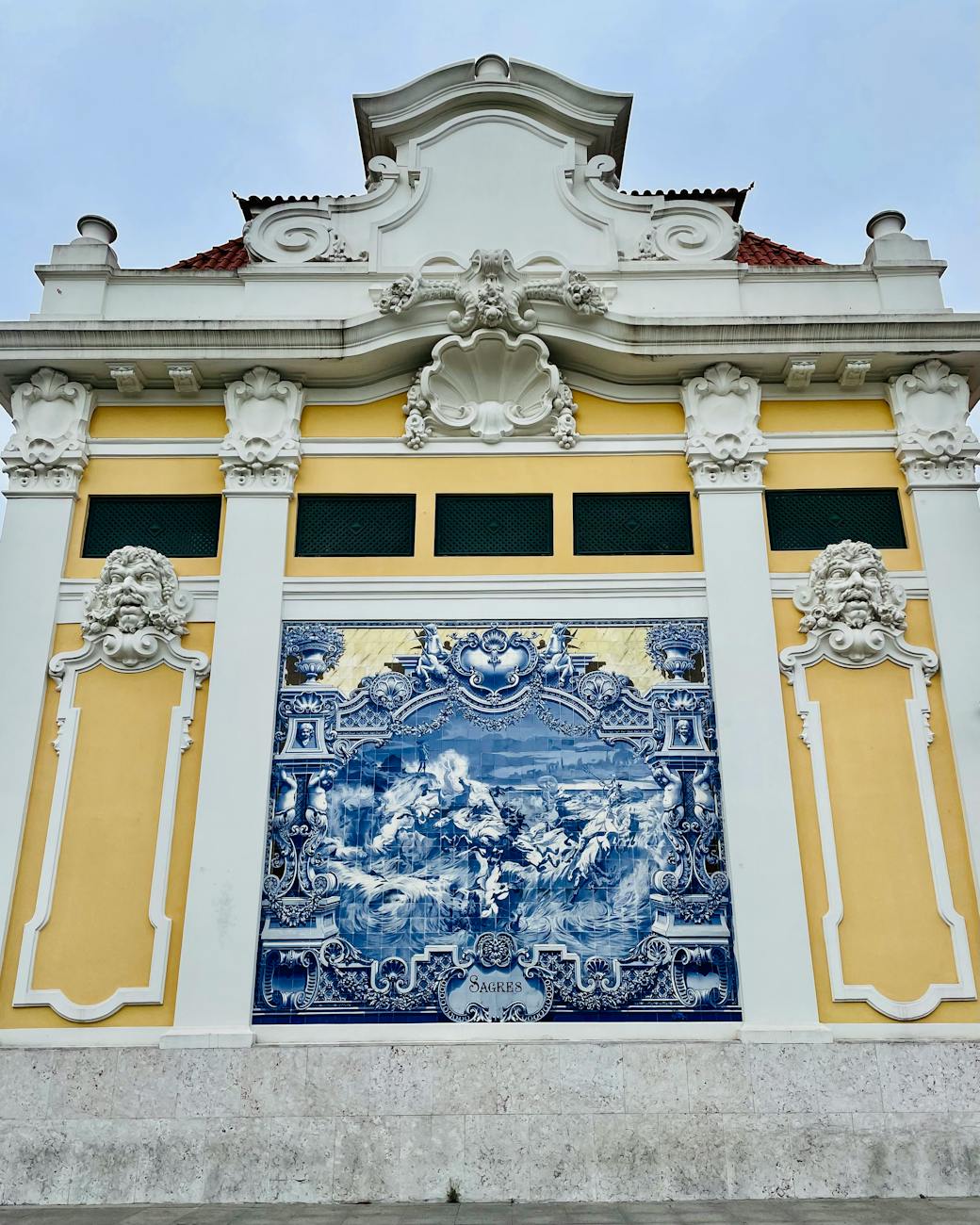
As we explore the significance of these tiles further, we can see how they connect not only to the architecture of Lisbon but to the emotional and communal identity of the people. Each azulejo is imbued with personal history, preserving memories of the city’s past while showing an ever-evolving story of beauty and craftsmanship.
Together, these tiles create a visual narrative unique to Lisbon, offering those who walk its streets an opportunity to appreciate both the artistic and historical significance embedded in the architecture of Lisbon.
Towers and Landmarks of Lisbon
The architectural landscape of Lisbon is punctuated by iconic towers and landmarks that capture the essence of the city’s diverse history and aspirations. These structures stand as symbols of heritage, demonstrating the evolution of architectural styles and urban planning over the centuries. At the heart of the architecture of Lisbon, these towers and landmarks serve not just as monuments but as narrative vessels imbuing the city with character and identity.
One of the most recognizable landmarks is the Belém Tower, a UNESCO World Heritage Site that dates back to the early 16th century. Originally built as a defense structure at the mouth of the River Tagus, this iconic fortification showcases the Manueline style—an ornate version of late Gothic architecture that combines maritime and Moorish influences. The tower’s intricate decorations, delicate balconies, and stunning stonework reflect the cultural richness of Portugal during the Age of Discoveries. The Belém Tower is not just a testament to military ingenuity but also a symbol of the Portuguese maritime spirit, embodying the adventurous spirit that drove exploration across the seas.
Another esteemed landmark is the Jerónimos Monastery, which is adjacent to the Belém Tower. This architectural masterpiece also embodies the Manueline style, with its breathtaking cloisters and detailed façade. The monastery, dedicated to the Order of Saint Jerome, was built in the late 15th century and has become a quintessential element of the architecture of Lisbon. Its spires, intricate carvings, and elaborate botanical motifs echo the wonders of the natural world, creating a sense of harmony between art and architecture. The monastery reflects not only the importance of religious devotion but the ambitions of a nation eager to establish its place in history.
Moving into the heart of the city, the São Jorge Castle offers a different perspective on the architecture of Lisbon’s past. Perched atop one of the city’s highest hills, the castle has roots dating back to the Moorish occupation in the 11th century. Its sturdy walls and formidable towers are a reminder of Lisbon’s defensive history, as well as its long-standing role as a strategic location in various conflicts. The preservation and restoration of São Jorge Castle symbolize the resilience of the architecture of Lisbon against the tests of time, serving as a guardian of the city’s stories.
The architecture of Lisbon is also enriched by contemporary landmarks, such as the Parque das Nações, which was developed for the Expo 98. This modern district features innovative structures like the Vasco da Gama Tower and the Oceanarium. These buildings embody a forward-thinking vision that blends modern design paradigms with the historical essence of Lisbon. The juxtaposition of contemporary architecture against the backdrop of historical landmarks creates a dialog that connects the city’s past with its future.
These towers and landmarks create a captivating silhouette against Lisbon’s skyline, inviting exploration and reflection. They serve as focal points that inspire both locals and visitors, representing the spirit of a city that continuously embraces change while cherishing its historical roots.
As we navigate through the architecture of Lisbon, it becomes clear that these towers and landmarks define the city’s identity, reminding us of the importance of preserving local heritage while encouraging innovation and progress. They stand steadfast as witnesses to the evolving landscape, inviting everyone to appreciate the myriad stories hidden within the walls and around their foundations.
Modern Innovations and the Future of Lisbon
In examining the architecture of Lisbon, one cannot overlook the modern innovations that continue to shape the city’s landscape. As urbanization progresses and technology evolves, the architecture of Lisbon faces the challenge of balancing contemporary needs with the preservation of its rich heritage. Modern designs are reinterpreting traditional elements, proving that innovation and history can coexist harmoniously.
Over recent decades, Lisbon has seen a surge in architectural experimentation and creativity. The influence of renowned architects has introduced striking designs that have altered the fabric of the urban environment. The Calatrava-designed Gare do Oriente is a prime example—it combines functionality with a futuristic aesthetic. This transportation hub not only serves as a busy transit point but stands out as an architectural landmark, drawing attention for its innovative structure and design.
In addition, various sustainable buildings have emerged, reflecting a global trend toward eco-friendly architecture. The increasing awareness of environmental challenges has prompted architects to develop sustainable structures that minimize resource consumption and reduce the carbon footprint. The commitment to green practices exemplifies the architecture of Lisbon’s evolution and acknowledgment of contemporary issues.
Another noteworthy aspect of modern architecture in Lisbon is the integration of technology into design. Smart buildings, equipped with automated systems for energy management and structural efficiency, showcase an exciting future for urban living. These developments aim to create spaces that cater to the needs of residents while enhancing their quality of life. Within the architecture of Lisbon, this trend also prioritizes community engagement, incorporating public spaces that foster connectivity and social interaction.
However, as new constructions rise, concerns regarding gentrification and the preservation of local culture come to the forefront. Balancing the advancement of the architecture of Lisbon with the protection of its historical identity becomes increasingly complex. Innovative architects and city planners are beginning to observe this delicate equilibrium, ensuring that progress does not come at the cost of erasing Lisbon’s unique charm.
As Lisbon steps further into the 21st century, the architecture continues to reflect a synthesis of past and present—where modern materials, design concepts, and sustainability practices are juxtaposed against the city’s historical context. Architectural projects that embrace this approach signal a future that honors the traditions of the architecture of Lisbon while being responsive to contemporary demands.
Ultimately, the role of architecture in shaping Lisbon’s identity is far from static; it remains a dynamic dialogue. Engaging with these innovations offers a glimpse into the city’s evolution, reinforcing that while the architecture of Lisbon is firmly rooted in its history, it is also poised for a vibrant and sustainable future.
The Cultural Significance of the Architecture of Lisbon
The architecture of Lisbon transcends mere aesthetics and serves as a powerful reflection of the city’s cultural identity. Each structure, from the grandest monuments to the simplest facades, tells a story—of the people who built them, the eras they represent, and the cultural interactions that have taken place over centuries. This intricate relationship between architecture and culture shapes the collective memory of Lisbon, impacting how it is perceived both locally and internationally.
The architecture of Lisbon is undoubtedly deeply intertwined with the nation’s history. It illustrates the impact of economic prosperity, political strife, and social evolution. As visitors wander through Lisbon’s streets, they are escorted through epochs of history marked by architectural styles. The grandeur of the Pombaline buildings in Baixa reflects the city’s resilience following the 1755 earthquake, while the diverse range of styles visible in Alfama tells tales of the Moorish influence that conquered the region long ago. Each architectural layer enriches the cultural narrative of the city.
The role of azulejos also plays a critical role in the architecture of Lisbon, as these decorative tiles have become synonymous with Portuguese identity. They provoke emotional connections to heritage, tradition, and art. Azulejos adorn churches, palaces, and ordinary homes alike, encapsulating personal narratives interwoven with the city’s broader history. The intricate, colorful designs have transformed mere building exteriors into works of art that narrate local legends, everyday life, and cultural heritage.
Traditions are further celebrated in public squares such as Praça do Comércio and Rossio Square, where architecture facilitates communal spaces that foster social interaction. These areas serve as venues for festivals, markets, and gatherings, echoing the vibrant social fabric of Lisbon. It is here that the architecture of Lisbon not only frames the scene but also embodies the cultural vibrancy that defines its character.

Moreover, as globalization continues to shape cities worldwide, Lisbon stands out for its ability to merge its rich historical tapestry with modern cultural expressions. The architecture of Lisbon often serves as a canvas for contemporary art installations, showcasing a blend of past and present that resonates with both residents and visitors. This transcendence between styles demonstrates inclusivity and reflects the city’s openness to contemporary artistic movements.

The architecture of Lisbon offers profound insights into the values, aspirations, and resilience of its people. As the city evolves, preserving its architectural heritage while allowing modern innovations to flourish ensures that this cultural significance remains a central part of Lisbon’s story. By embracing its past while looking ahead, the architecture of Lisbon continues to inspire admiration, reflecting an enduring commitment to heritage, craftsmanship, and community.
Conclusion
The architecture of Lisbon is far more than a collection of buildings; it is a vibrant narrative steeped in history, culture, and artistic expression. From the historical influences and iconic tiles to the towering landmarks and modern innovations, every element contributes to the unique identity of this city. The stories woven through its structures offer glimpses into the richness of Lisbon’s past while engaging with contemporary challenges. As visitors explore the architecture of Lisbon, they not only appreciate the visual splendor but also connect with the emotions and experiences that have shaped its citizens. The commitment to preserving heritage alongside embracing modernity reflects a city that respects its roots while remaining open to growth and innovation. Through the architecture of Lisbon, we discover a timeless beauty that resonates with every observer—a city proud of its legacy while excited for its future.
Lisbon Vacation Travel Guide
Lisbon Vacation Travel Guide