Introduction
Beijing, the capital city of China, is a fascinating tapestry of history and modernity, where architectural marvels stand as testament to its rich cultural heritage. From the grandeur of the Forbidden City, a symbol of imperial power, to the serene elegance of the Temple of Heaven, these monumental structures not only showcase exquisite craftsmanship but also intertwine with the narratives of the city’s past. The Architecture of Beijing spans centuries, reflecting the evolving aesthetics, philosophies, and political shifts that have shaped the nation. Each landmark carries its own story while contributing to the city’s identity, embodying the spirits of dynasties and the essence of Chinese civilization. As we journey through these iconic sites, we will explore the historical context, intricate designs, and future prospects of Beijing’s architectural landscape, unveiling the majesty that continues to inspire awe in visitors and locals alike.
Historical Context of Beijing’s Architecture
Beijing’s architectural heritage is deeply embedded in the political and cultural narratives of China, stretching back thousands of years. To understand its architectural grandeur, one must first recognize the historical context that laid the groundwork for these iconic structures. The city’s history began to take shape during the Yuan dynasty (1271-1368), when Kublai Khan established it as the capital of his empire. His vision was to create a grand city that reflected Mongol power while incorporating the establishment of Beijing as an economic hub.
In the following Ming (1368-1644) and Qing (1644-1912) dynasties, Beijing flourished as the political heart of China. This period saw an unprecedented boom in construction, particularly of imperial and religious buildings that embodied the grandeur of the ruling dynasties. The Forbidden City, built during the Ming dynasty, served not only as the emperor’s residence but also as a microcosm of the universe, where the arrangement of buildings and their feng shui principles reflected the Ming emperors’ divine authority.
The architectural style prevalent during these dynasties was characterized by strict adherence to hierarchical design, color schemes, and ritualistic symbolism. The use of wood as the primary construction material resulted in buildings that were not only functional but could also convey the status and power of their occupants. The intricate wood carvings, vivid colors, and the delicate eaves of structures were not merely ornamental; they were steeped in cultural significance, representing harmony, prosperity, and the cosmic order.
As we move into the 20th century, the political upheavals and reforms introduced a new era of architectural expression. The fall of the Qing dynasty altered the landscape dramatically, with the arrival of new ideologies that prompted the construction of Western-style buildings alongside traditional structures. This juxtaposition highlighted Beijing’s transition, where the remnants of imperial grandeur coexisted with modern influences—an embodiment of the city’s complex identity.
The historical context also weaves in the socio-political dynamics of the 20th century. The Japanese invasion and subsequent civil wars led to shifts in architectural priorities; at this time, the focus leaned toward functionalism and the incorporation of socialist ideals into public architecture. Buildings were designed to serve the masses, representing the new political ethos, which often meant a move away from the ornate styles of imperial China.
Throughout the late 20th and early 21st centuries, the Architecture of Beijing has taken on yet another dimension with the rapid pace of globalization. Skyscrapers and modern districts began to redefine the skyline, introducing innovative materials and designs that stand in stark contrast to the historical buildings. However, this modernization has triggered debates regarding preservation versus progress, as both sides seek to define the identity of Beijing in an era of globalization.
Despite these changes, the essence of the Architecture of Beijing legacy remains inviolable. The city has developed systems for heritage conservation, ensuring that historical sites are respected and maintained for future generations. This push to blend the old with the new demonstrates a commitment to honoring the past while embracing the future—a reflection of the cultural significance and reverence that architecture holds in Beijing.
As we explore further, we will delve into the iconic structures themselves, examining how they illustrate the richness of Beijing’s architectural evolution while continuing to resonate with the principles that guided their creation. Through this journey, we uncover not just the significance of individual buildings but also the layered historical narratives that inform the architectural majesty of Beijing.
The Forbidden City: A Symbol of Imperial Power
The Forbidden City, a sprawling palace complex at the heart of Beijing, stands as one of the most significant monuments of Chinese history and architecture. Built between 1406 and 1420 during the Ming dynasty, this UNESCO World Heritage Site served as the imperial palace for 24 emperors over nearly 500 years, from the Ming to the Qing dynasties. Its sheer scale, intricate design, and rich history embody the essence of imperial power, making it a focal point for the study of Chinese architecture.
Enclosed by a massive defensive wall and a moat, the Forbidden City symbolizes the ultimate authority of the emperor. Its name reflects the exclusivity reserved for a select few; access was strictly regulated, and only members of the imperial family, high-ranking officials, and select guests were permitted within its boundaries. This controlled environment fostered a system of governance where lavish parties occurred alongside state affairs, a microcosm of power that unfolded behind its majestic walls.
The Forbidden City is a masterclass in traditional Chinese design principles. Covering approximately 180 acres, it consists of nearly 1,000 buildings featuring distinct characteristics that highlight the grandeur of the emperor’s domain. The layout adheres to strict symmetry, with the central north-south axis designed to represent the cosmic order—an essential component of Confucian thought. Each building is meticulously aligned to harness positive energy, illustrating the importance of feng shui in Chinese architecture.
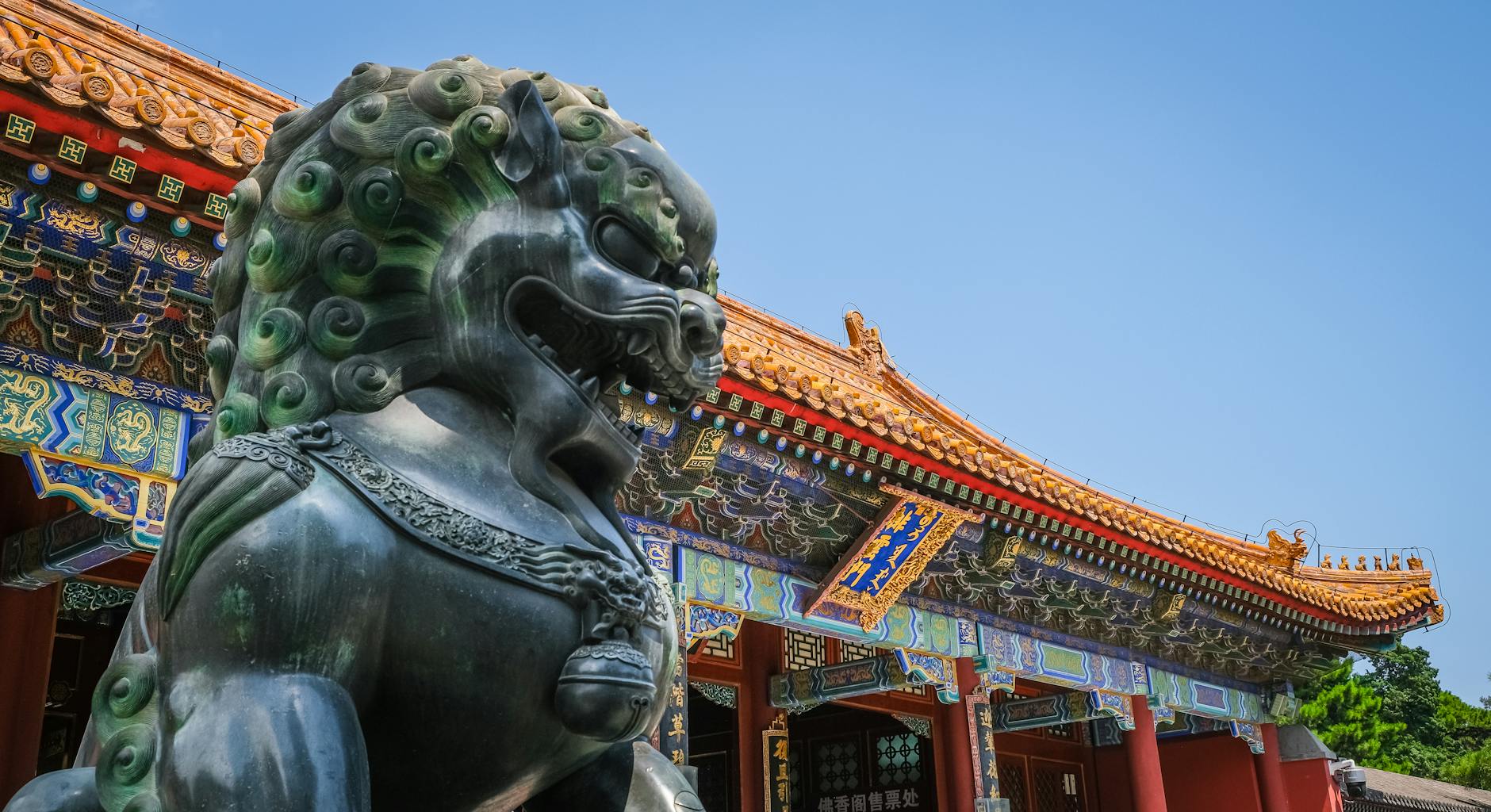
The use of color in the Forbidden City is both symbolic and strategic. The predominant use of yellow, reserved for the emperor, denotes divine power and authority. In contrast, the contrasting blue roof tiles symbolize heaven, while the red walls signify good fortune and happiness. This chromatic palette, combined with intricate wooden carvings and elegant stonework, reflects the artistry of the craftsmen and their commitment to representing the grandeur of the imperial regime.
Within the various halls of the Forbidden City, each structure has its own significance. The Hall of Supreme Harmony, the largest and most important building, served as the site for crucial ceremonies such as the emperor’s coronation and weddings. The intricate dragon motifs adorning many structures further emphasize the divine right of the emperor to rule, with dragons symbolizing power, wisdom, and auspiciousness.
The Forbidden City is not only an architectural giant but also a repository of Chinese culture and history. It houses the Palace Museum, where countless artifacts reflect the richness of China’s past, including ceramics, paintings, and historical manuscripts. These treasures offer invaluable insights into the cultural and artistic achievements of different dynasties, further amplifying the significance of this complex.
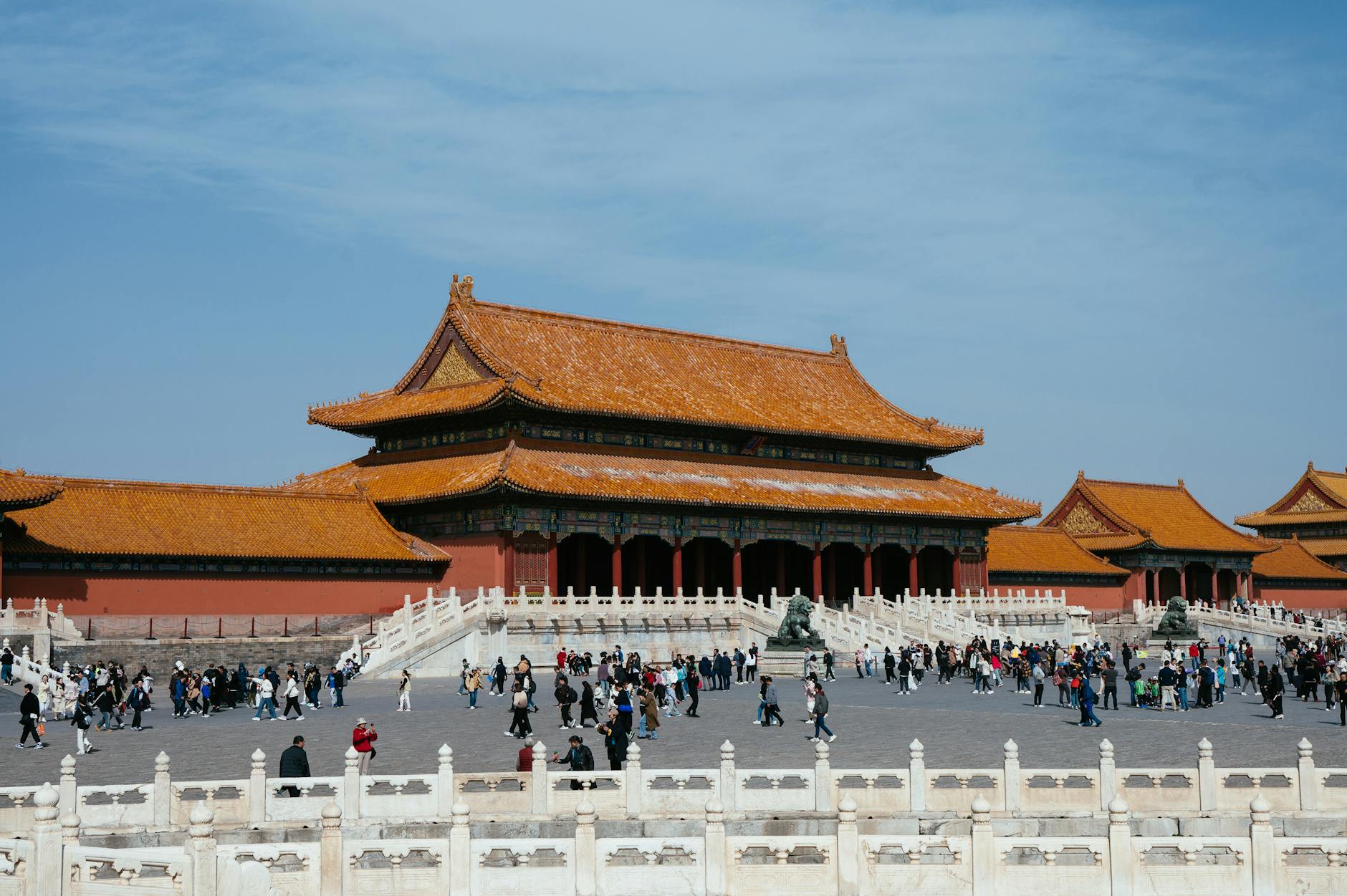
Despite its grandeur, the Forbidden City has also witnessed its share of turmoil. The fall of the Qing dynasty in 1912 marked the end of imperial rule in China, leading to the gradual opening of the palace to the public. Today, millions of visitors flock to this monument, eager to immerse themselves in its history and architecture. However, this influx has sparked discussions about preservation and conservation, raising concerns over the impacts of mass tourism on such a delicate historical site.
Modern preservation efforts focus on maintaining the integrity of the Forbidden City while accommodating the needs of a contemporary audience. Initiatives aim to balance educational outreach with the preservation of artifacts and structures, utilizing technology to enrich the visitor experience while ensuring that the historical significance of the site is honored.
In sum, the Forbidden City remains a symbol not only of imperial power but also of the enduring legacy of Chinese culture. Its architectural majesty, steeped in history and artistry, continues to inspire awe in visitors from all corners of the globe. As we move forward, we will explore the Temple of Heaven—another jewel of Beijing’s architectural tapestry—showcasing a different dimension of the city’s historical significance.
The Temple of Heaven: A Masterpiece of Religious Architecture
As we transition from the imperial grandeur of the Forbidden City, we arrive at the Temple of Heaven, a remarkable embodiment of the Architecture of Beijing. Constructed during the early 15th century, the temple complex was designated as a sacred space where emperors of the Ming and Qing dynasties would hold ceremonies to pray for good harvests and communicate with heaven. This sacred location is not only architecturally stunning but also deeply symbolic, representing the connection between the earth and the divine in ancient Chinese cosmology.
The design of the Temple of Heaven is a testament to the principles of harmony and balance—a core belief in Confucianism that governed much of Chinese thought during this period. The layout of the temple complex follows a meticulous arrangement, showcasing the importance of symmetry and the relationship between nature and man. The circular design of the temple itself symbolizes heaven, while the square platform on which it stands represents the earth, embodying the ancient Chinese philosophical concept that heaven is round and earth is square.

At the heart of the complex is the Hall of Prayer for Good Harvests, a magnificent three-tiered circular structure topped with a blue glazed tile roof. The vibrant color scheme and intricate decorations are symbolic representations of celestial authority and imperial rule. The hall stands on a raised marble platform, further accentuating its significance within the entire complex.
The construction of the Hall of Prayer is a remarkable feat of engineering, utilizing advanced building techniques that have stood the test of time. Built without nails, the wooden beams are supported through a system of interlocking joints, showcasing the ingenuity and craftsmanship of the builders. This technique not only strengthens the structure but also allows it to withstand the natural elements, reflecting a deep understanding of both aesthetics and functionality.
The Temple of Heaven complex is expansive, covering approximately 2.7 million square meters. The carefully landscaped grounds feature beautiful gardens, ancient trees, and pathways that lead to other important structures, such as the Imperial Vault of Heaven and the Circular Mound Altar. These spaces were meticulously designed to foster a spiritual atmosphere suitable for divine communication, emphasizing the relationship between nature, spirituality, and governance.
Ceremonies held at the Temple of Heaven were elaborate affairs that showcased the emperor’s role as the intermediary between heaven and earth. During the winter solstice, the emperor would conduct a solemn ritual, offering sacrifices to ensure agricultural prosperity. Wearing ceremonial robes, he would pray while surrounded by officials and an array of offerings, including fruits, grains, and even animals. These ceremonies reinforced the idea that the emperor’s moral integrity was crucial for the well-being of his realm.

The symbolic implications of the Temple of Heaven extend beyond its physical grandeur. It represents the ancient Chinese belief in the cyclical nature of life and the importance of harmony between humanity and the celestial sphere. The rituals performed here reflected the idea that the emperor’s well-being was intrinsically tied to the fertility of the land and the prosperity of the people.
Today, the Temple of Heaven has been recognized as a UNESCO World Heritage Site and continues to draw millions of visitors each year. The complex has been preserved as a space for both historical reflection and contemporary public use, where locals and tourists alike gather for morning exercises, cultural activities, and communing with nature.
The ongoing preservation of the Temple of Heaven involves maintaining the integrity of the structure while accommodating the growing number of visitors. Restoration projects aim to ensure that the artistry and spiritual significance are not lost to the ravages of time and modern pressures. Furthermore, educational programs help to instill an appreciation for the temple’s historical and cultural significance, prompting a deeper understanding of its role in shaping the cultural identity of Beijing.
The Temple of Heaven stands as a monumental testament to China’s spiritual and architectural heritage. Its intricate design and historical importance highlight the complex relationships between spirituality, governance, and the natural world throughout Chinese history. As we move forward, we will explore how Beijing balances the preservation of its traditional architectural legacy with the demands of modernization and growth.
The Blending of Traditional and Modern Designs
Beijing’s architectural landscape is a striking juxtaposition of the old and the new, reflecting its dynamic evolution over the past century. The city is characterized by an ongoing dialogue between traditional Chinese architecture and contemporary design, where skyscrapers and modern structures coexist alongside ancient temples and historic buildings. This blending of styles is not merely aesthetic; it serves as a cultural commentary on the aspirations and transformation of Beijing as it navigates the challenges of globalization and modernization.
The integration of modern architectural practices into Beijing’s historical context can be seen vividly in areas such as the Central Business District (CBD). Here, a skyline of futuristic glass and steel structures emerges in sharp contrast to the traditional hutongs and courtyards that define the city’s past. This dramatic shift in architecture is driven by urbanization, economic development, and an ambition for modernization that resonates with the spirit of progress.
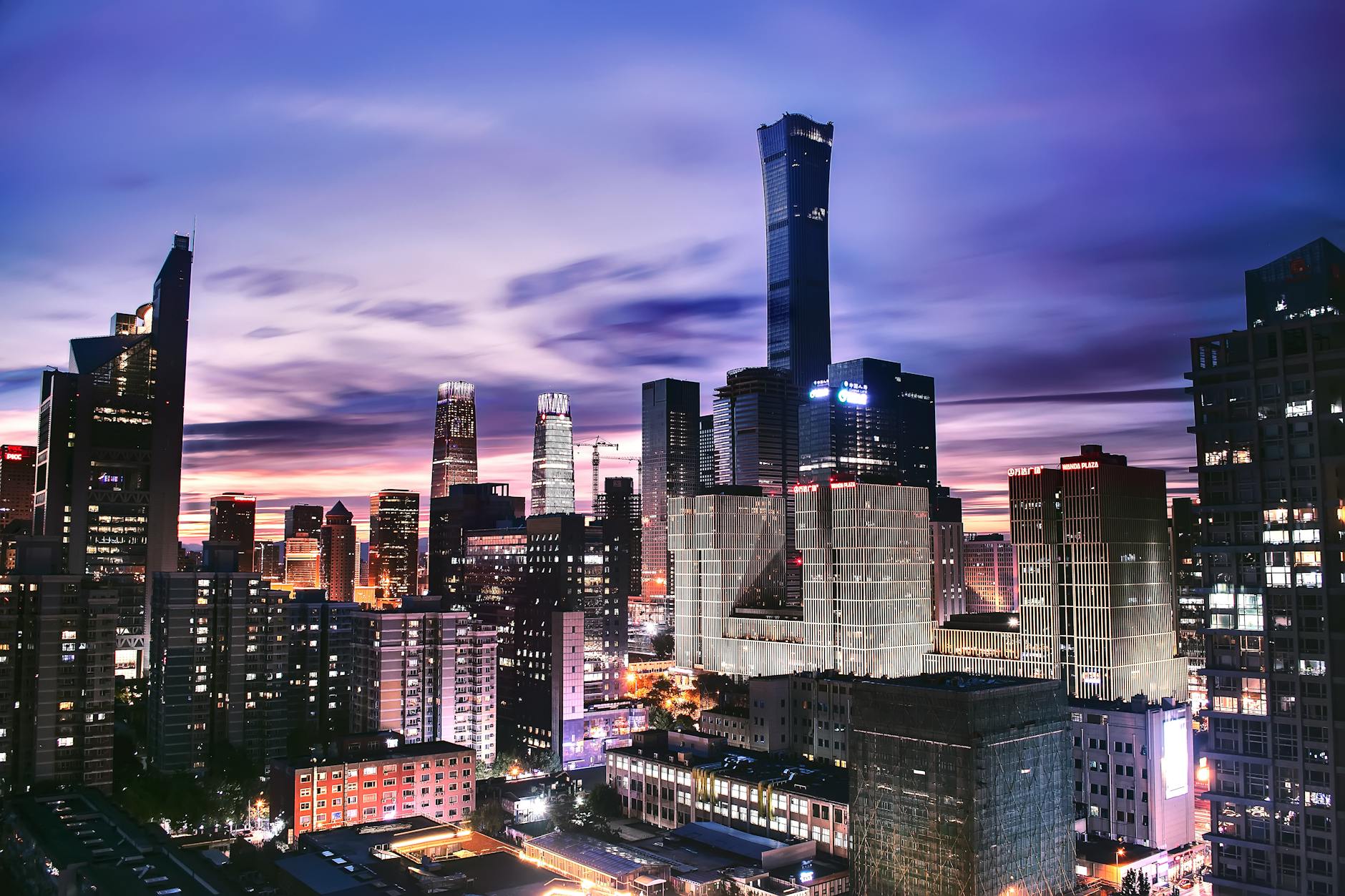
One prominent example of this fusion is the CCTV Headquarters, designed by the renowned architect Rem Koolhaas. Completed in 2012, this innovative structure features a unique looped design that challenges traditional notions of tall building construction. It is a radical departure from the iconic skyline asymmetry, sparking discussions about the role of architectural innovation in a city steeped in tradition. Its bold and unconventional form emphasizes how Beijing is embracing contemporary design influences while maintaining a sense of its cultural heritage.
Another notable structure is the National Stadium, commonly known as the “Bird’s Nest,” which was built for the 2008 Summer Olympics. The stadium’s intricate lattice design draws inspiration from Chinese pottery and traditional craftsmanship, marrying modern engineering with cultural motifs. This project not only fulfills a functional purpose but also serves as a symbol of national pride, highlighting how modern design can celebrate and reflect cultural identity.
The blending of traditional and modern styles is not limited to large-scale projects; it can also be witnessed in the preservation and renovation of historic neighborhoods. The transformation of hutongs into vibrant commercial areas exemplifies this shift. Shops, cafes, and art galleries have sprung up, attracting both locals and tourists while preserving the essence of these traditional alleyways. This revitalization respects local heritage and provides economic opportunities, highlighting a commitment to maintaining cultural identity amid change.
Amid these transformations, tensions exist between preservation and development. As the city modernizes, debates surrounding the conservation of historic buildings are increasingly prominent. Some argue that the rapid pace of construction threatens the authenticity of Beijing’s architectural heritage, calling for stricter regulations and preservation measures. Others contend that modernization is essential for economic growth and that new buildings can coexist with traditional structures without compromising their historical significance.
The city has responded to this challenge by establishing guidelines for architectural development, encouraging designs that are sensitive to their historical context. Initiatives to integrate green spaces and sustainable architecture into urban planning reflect a growing awareness of the need for harmony between nature, culture, and the built environment. These strategies aim not only to preserve Beijing’s distinctive architectural legacy but also to ensure that the city remains livable and vibrant for future generations.
Public engagement plays a crucial role in this blending process, as citizens increasingly participate in discussions about urban development and preservation. Community involvement helps foster a collective understanding of the value of preserving historical architecture while also embracing modernity. Workshops, forums, and exhibitions offer platforms for dialogue among architects, historians, and residents, promoting collaboration in shaping the future of the city.
The blending of traditional and modern designs in the Architecture of Beijing landscape reflects a complex interplay of cultural heritage and contemporary innovation. This ongoing dialogue underscores the city’s journey as it navigates the challenges of globalization while honoring its rich history. As we look ahead, we will explore the future of Beijing’s architectural landscape and the ongoing commitment to balancing preservation with progress.
The Future of Beijing’s Architectural Landscape
As Beijing continues to evolve, the Architecture of Beijing faces both opportunities and challenges that will shape the city for generations to come. The interplay of tradition and modernity must navigate the complexities of urbanization, environmental concerns, and the preservation of cultural heritage. The future of Beijing’s architecture is set to be defined by innovative designs that harmonize with historical contexts while addressing the pressing issues of sustainability and functionality.
Urbanization presents one of the most significant challenges for the Architecture of Beijing’s future. As the capital of China and a hub for economic activity, the city experiences rapid population growth, which demands the construction of new housing, infrastructure, and amenities. This need for expansion drives a dynamic architectural scene, fueling the desire for efficient designs that prioritize density without sacrificing quality of life. High-rise buildings and mixed-use developments are emerging as solutions, creating vibrant urban environments that accommodate a growing population.
However, this surge in development raises concerns about the preservation of historic neighborhoods and cultural landmarks. Balancing growth with conservation remains a key priority for policymakers, prompting initiatives to safeguard historical architecture. Laws regarding heritage conservation are being reinforced, establishing protections for historically significant sites and promoting adaptive reuse strategies, allowing old structures to serve new functions without losing their identity.
Innovation plays a pivotal role in shaping the future of the Architecture of Beijing. Contemporary architects are experimenting with cutting-edge materials and technologies, approaching design in more sustainable ways. Green building practices emphasize energy efficiency, water conservation, and the use of renewable resources. Projects like the Beijing Daxing International Airport, designed with an emphasis on sustainability and passenger experience, embody these principles and signal a conscious shift toward environmentally responsible architecture.

The integration of smart city technologies is also transforming how urban spaces are designed and experienced. Incorporating Internet of Things (IoT) solutions into buildings and infrastructure enhances functionality while providing a more seamless experience for residents. Smart systems can optimize energy use, improve traffic management, and ensure a high quality of life. As Beijing embraces the technological revolution, architecture will increasingly reflect these advancements, fostering a more connected and responsive urban environment.
Engaging the public and fostering community involvement is another crucial aspect of the architectural future of Beijing. Designers and planners are encouraged to collaborate with residents, ensuring that new developments consider local needs and aspirations. Community-driven projects have the potential to cultivate a sense of ownership and pride in the city’s urban transformations, bridging the gap between historic and modern architecture while honoring the voices of its citizens.
Moreover, the future of Beijing’s architectural landscape will include a greater emphasis on cultural identity and expression. Architects are exploring ways to incorporate traditional design elements into contemporary projects as a means of celebrating Chinese heritage. Buildings are increasingly being viewed as narratives that communicate cultural values, emphasizing the importance of local identity in an increasingly globalized world.

The future of the Architecture of Beijing landscape is poised at the intersection of tradition and innovation. As the city faces the challenges of growth, it must navigate the delicate balance between preservation and progress, ensuring that history is respected while embracing sustainable practices and technological advancements. Engaging the community in this process will further enrich the narrative of Beijing, allowing its architectural legacy to thrive in the years to come. The city’s journey of architectural evolution is a testament to its enduring spirit, reflecting a commitment to honoring the past while embracing the possibilities of the future.
Conclusion
Beijing’s architectural majesty, interwoven with the narratives of history, spirituality, and modernity, offers a profound insight into the city’s cultural identity. From the grandeur of the Forbidden City to the sacred serenity of the Temple of Heaven, these iconic structures embody the values, aspirations, and complexities of Chinese civilization. As we have explored, the historical context of these architectural marvels reveals not just their aesthetic appeal, but their significance in shaping the socio-political landscape of Beijing throughout centuries.