
Introduction
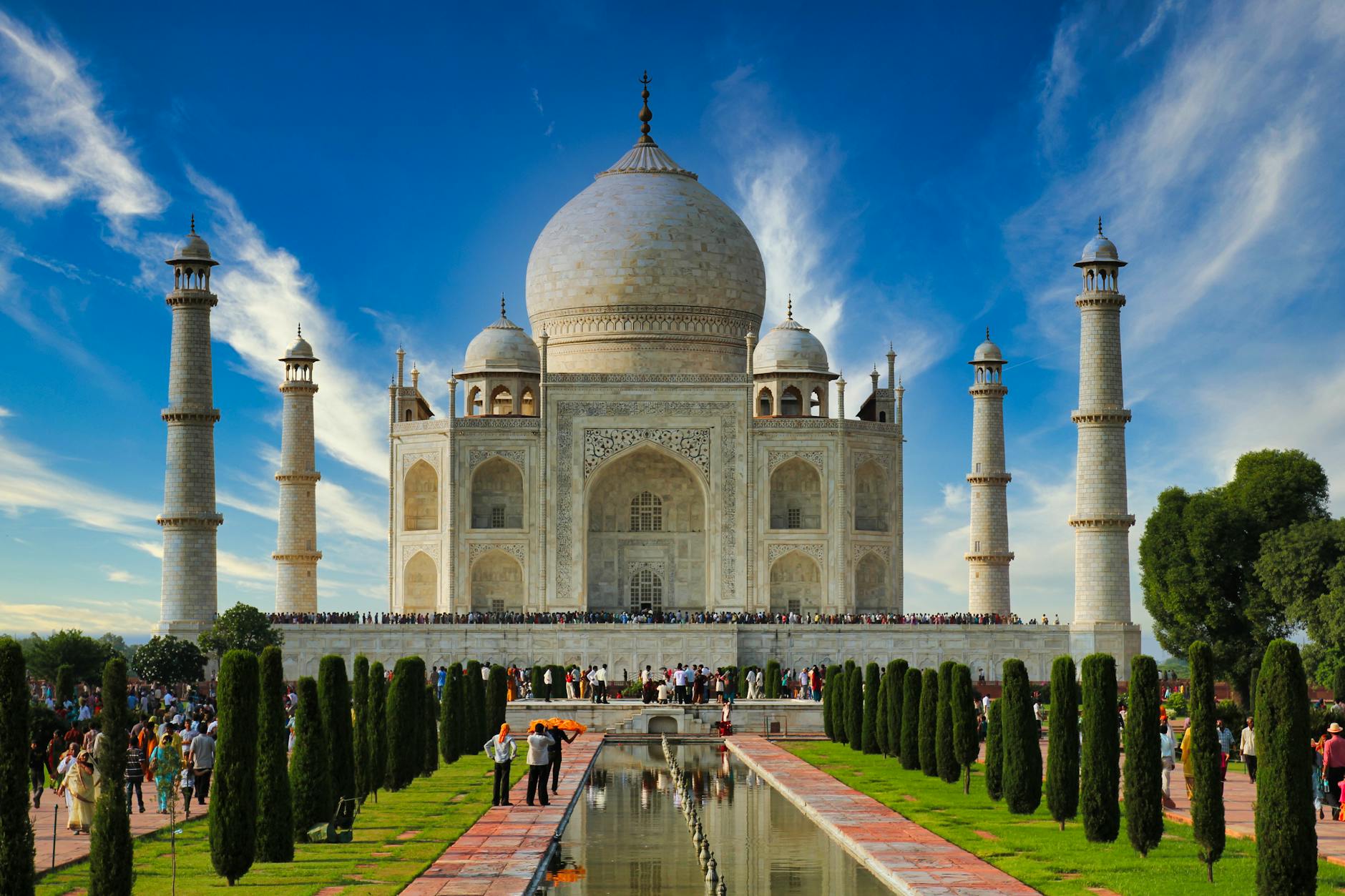
Agra, often overshadowed by the breathtaking Taj Mahal, is a city that holds many secrets, waiting to be uncovered. In 2025, visitors to this majestic city will find an array of attractions that showcase the beauty and heritage of Majestic Agra. From historical monuments that whisper stories of the past to vibrant cultural experiences that enliven its streets, Agra is more than just its iconic mausoleum. The architecture, traditions, and local cuisine contribute to a unique tapestry that makes Agra an alluring destination. As travelers seek new experiences, the essence of Agra emerges, revealing the hidden gems that define its character. In this article, we will delve into the enchanting aspects of Agra, highlighting the remarkable offerings that extend far beyond the Taj Mahal.
The Historical Significance of Agra
Agra boasts a rich historical narrative that captivates the imaginations of historians and tourists alike. Founded in the 16th century, this city has been a significant center of power under various dynasties, notably the Mughals. Each reign has left a distinct mark on the cultural landscape, from architectural marvels to significant political events that shaped India’s history.
One of the most notable historical landmarks in Agra is the Agra Fort, a UNESCO World Heritage Site. Constructed in red sandstone, this fort served as the main residence of the Mughal emperors until the capital was moved to Delhi. The fort’s expansive complex includes stunning palaces, audience halls, and enchanting gardens. Its architecture showcases a blend of Persian, Islamic, and Indian styles, illustrating the cultural exchanges that defined this era.
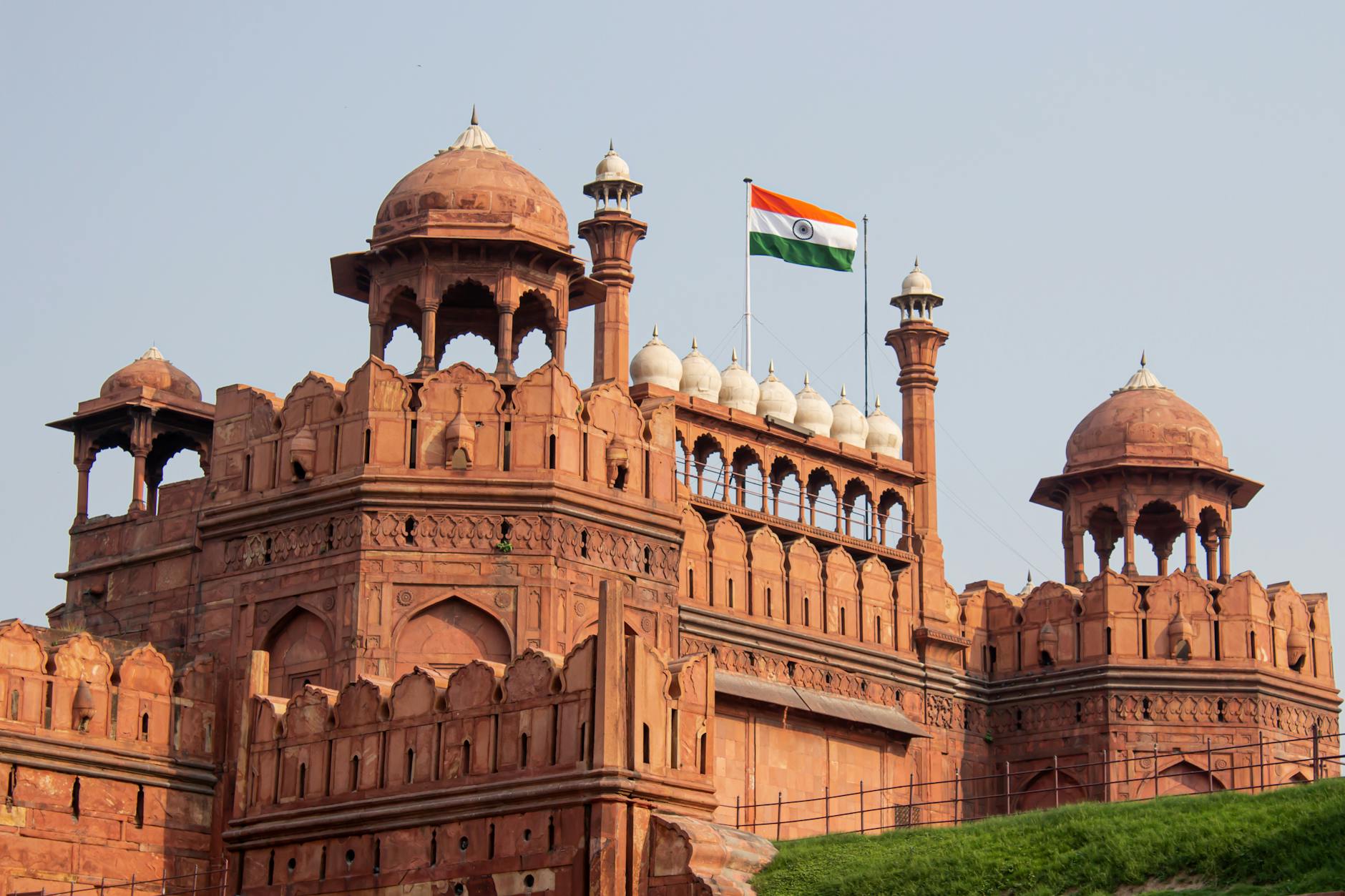
As visitors stroll through the fort, they encounter historical relics that reflect the opulence and grandeur of the Mughal empire. The fort itself is a testament to the military ingenuity of its time, with formidable walls and intricate designs that speak to the artistry and ambition of its builders. The fort’s role in the history of Majestic Agra cannot be understated, as it symbolizes the city’s strategic importance in the Mughal empire.
Another essential aspect of Majestic Agra’s history is the influence of the Mughal dynasty on art and culture. The fusion of various artistic traditions during this period led to the development of unique styles in miniature painting, calligraphy, and music. These artistic expressions are showcased in various cultural programs and festivals in Agra, allowing visitors to experience the vibrant heritage that persists into the present day.
Moreover, Majestic Agra is linked to notable historical figures, such as Akbar the Great, whose reign was marked by a commitment to cultural synthesis and religious tolerance. The legacy of Akbar can be explored at the nearby Fatehpur Sikri, another UNESCO World Heritage Site, which served as his main capital. The striking architecture and thoughtful urban design of Fatehpur Sikri offer visitors a glimpse into the ambitious vision of a ruler who sought to unite disparate cultural identities.
Visitors in 2025 will have the opportunity to engage with these historical narratives through guided tours, exhibitions, and interactive experiences that breathe life into the stories of Majestic Agra. Walking through the ancient streets, travelers can immerse themselves in the atmosphere of an era that continues to influence contemporary Indian society.
The rich historical tapestry of Majestic Agra is both inviting and informative, promising visitors a profound connection to the past that enhances their travel experience. Whether one is a history buff or simply curious about the stories that shaped India, the historical significance of Agra is an essential aspect to explore and understand.
Architectural Wonders Beyond the Taj Mahal
Majestic Agra is often associated with the Taj Mahal, yet its architectural treasures do not end there. The city is home to a myriad of structures that highlight the diverse architectural styles that have evolved over the centuries. Beyond the radiant white marble of the Taj, one can explore Agra’s other gems that narrate tales of grandeur and creativity.
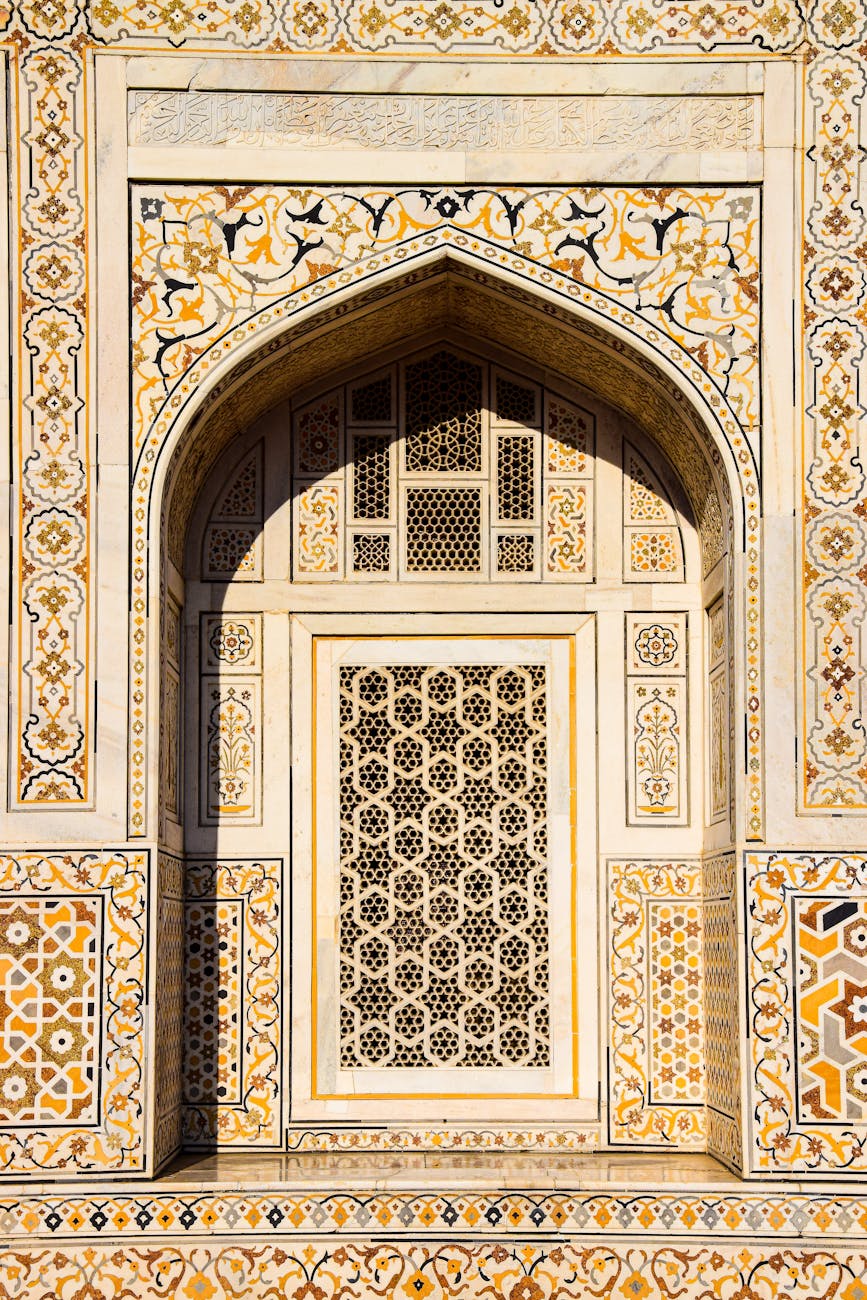
One such wonder is the Itimad-ud-Daulah’s Tomb, often referred to as the “Baby Taj.” This mausoleum was built for Mirza Ghiyas Beg, the grandfather of Emperor Shah Jahan, and it showcases intricate inlay work and exquisite craftsmanship. Visitors are drawn to its intricate designs, which feature beautiful floral motifs created with semiprecious stones. This tomb is significant as it introduced the concept of using decorative marble in Indian architecture, paving the way for the construction of the Taj Mahal itself.
In addition to the tomb, a visit to the Mughal Gardens surrounding the monument is highly recommended. These gardens are a splendid example of the charbagh (four-part) layout that symbolizes paradise in Islamic tradition. The lush greenery, fountains, and vibrant flowers create a tranquil atmosphere that invites reflection and appreciation of the beauty surrounding the architectural marvels.
Another remarkable site is the Jama Masjid, one of the largest mosques in India. Its grand entrance, towering minarets, and spacious courtyards are masterpieces of Mughal architecture. As visitors enter, they are enveloped in an ambiance of serenity and spirituality. The intricate lattice work and fluid design reflect the artistic spirit of the Mughal era.
Furthermore, the architectural landscape of Majestic Agra is also enriched by the Sikandra Fort, the mausoleum of Akbar. This impressive structure is characterized by its red sandstone and white marble combo, representing a fusion of traditional Indian and Persian designs. The serene gardens and reflective pools enhance the site’s beauty, offering a peaceful retreat for those looking to escape the hustle of the city.
Each architectural gem contributes to the narrative of Majestic Agra, showcasing the city’s dedication to craftsmanship and design. As visitors explore these sites, they are not merely observing buildings; they are stepping into the vestiges of a glorious past that is still relevant today.
In addition to these prominent landmarks, there are many lesser-known architectural sites scattered throughout Agra that deserve recognition. The historic city streets themselves boast a charm of their own, with houses and buildings that reflect local craftsmanship. Exploring these paths introduces visitors to the everyday life of the city, creating a deeper understanding of its culture and traditions.
In 2025, Majestic Agra aims to enhance visitor experience, allowing deeper engagement with these architectural wonders. Through guided tours and technological innovations such as augmented reality, tourists can gain insights into the stories behind the structures.
The architectural wonders beyond the Taj Mahal make Majestic Agra a vibrant canvas of history, art, and culture. As one navigates through this city, every corner reveals a new story, with structures whispering tales of bygone eras and the confluence of diverse influences that define the artistic heritage of Majestic Agra.
Cultural Experiences in Agra
In addition to its architectural marvels, Agra is deeply enriched by its vibrant cultural scene that offers immersive experiences for travelers. The city is a melting pot of traditions, languages, and customs, revealing the mosaic of India’s cultural diversity. In 2025, visitors can engage more closely with Agra’s local communities, experiencing the heritage that thrives within its borders.
One of the most significant cultural experiences in Agra is attending traditional music and dance performances. These events provide a window into the age-old practices that have been passed down through generations. The sounds of classical Indian music echo through the streets during festivals and special occasions, inviting both locals and travelers to join in.
Visitors can participate in workshops that teach traditional art forms such as pottery, weaving, and painting, allowing for hands-on experiences that foster appreciation for local craftsmanship. This interaction not only supports local artisans but also enriches tourists’ awareness of the historical significance behind these practices.
Moreover, Agra’s festivals are vibrant celebrations that bring the community together. Events like Diwali, Holi, and Eid showcase the rich tapestry of cultural influences, inviting visitors to partake in the festivities. The visual splendor, filled with colors, lights, and joyous music, perfectly encapsulates the spirit of Majestic Agra.
Culinary experiences also play a crucial role in the cultural landscape of Agra. The city is famous for its exquisite Mughlai cuisine, characterized by rich flavors and aromatic spices. Tours that focus on food offer an incredible avenue to explore Agra’s culinary heritage. Local cooking classes, street food tours, and dining experiences with families present opportunities to taste authentic dishes that tell stories of comfort and tradition.
From savory kebabs to sweet delights like Petha—a candy made from ash gourd—every bite reflects the rich history and cultural diversity that define Majestic Agra. In 2025, travelers can expect curated food festivals that highlight local chefs and culinary innovations, further enhancing their gastronomic journey.
Moreover, the art of storytelling is integral to the cultural experience in Agra. Local storytellers narrate tales of historical figures and folklore while walking through the old quarters of the city, captivating audiences with their animated style. These stories, infused with culture and history, connect present-day Agra to its storied past, enriching visitors’ understanding of the market streets and hidden alleys.
The cooperative efforts between local governments and cultural organizations will ensure that the cultural experiences in Majestic Agra are accessible and engaging for all travelers. As 2025 approaches, further emphasis on cultural tourism signifies a recognition of the need to preserve and celebrate local heritage while providing unforgettable experiences for visitors.
In conclusion, the cultural experiences in Agra offer an authentic glimpse into the lives of its people and history. Engaging with the traditions, customs, and stories of this majestic city creates lasting memories that resonate long after the journey is over. Travelers in 2025 will find themselves not merely observing a culture, but actively experiencing the vibrancy and richness that is Majestic Agra.
Natural Attractions and Parks
Majestic Agra is often celebrated for its historical and cultural significance, yet it is also a city blessed with stunning natural attractions and parks that provide respite for both locals and tourists. In 2025, visitors will have the opportunity to explore these green havens that harmoniously coexist with the architectural wonders that Agra is known for.
Among the most noteworthy natural attractions is the Mehtab Bagh, an impressive garden situated directly across the Yamuna River from the Taj Mahal. This garden offers a unique perspective of the iconic mausoleum, especially at sunset when the marble reflects golden hues. Originally designed by the Mughal emperor Shah Jahan, Mehtab Bagh is a perfect spot for photography enthusiasts, romantics, and nature lovers alike. Visitors can leisurely stroll through its pathways, admire the meticulously manicured lawns, and breathe in the fragrant blooms, creating a serene ambiance that complements the bustling city life.
Another gem is the Wildlife SOS Elephant Conservation and Care Center, which embodies the commitment to wildlife preservation in the region. The center provides a sanctuary for rescued elephants, allowing visitors to learn about these majestic animals while promoting ethical tourism. In 2025, programs will focus on educating patrons about the conservation efforts, appealing to animal lovers and environmentalists who round out Agra’s appeal. Visitors can witness firsthand the care these elephants receive and participate in feeding sessions to forge connections with these gentle giants.
For those seeking a more active experience, the Sur Sarovar Bird Sanctuary is a must-visit. Spread over 7.5 square kilometers, this sanctuary is home to a diverse range of avian species, making it a paradise for bird watchers and nature enthusiasts. The tranquil environment fosters opportunities for hiking, bird-watching, and photography, allowing visitors to immerse themselves in the rich biodiversity of this natural haven.
The parks and green spaces in Majestic Agra are not just about aesthetics; they serve as vital ecosystems that support local flora and fauna. The beautification of these parks is also a significant initiative by local authorities to promote sustainability and environmental awareness. Efforts to increase green cover around the city reflect a collective desire for sustainable development while enhancing the quality of life for residents.
In 2025, Majestic Agra’s parks will likely unveil new recreational facilities such as jogging tracks, cycling zones, and picnic areas, encouraging families and individuals to immerse themselves in nature. The growing emphasis on green spaces reflects a holistic approach to urban planning that prioritizes well-being.
The River Yamuna itself offers additional scenic beauty, with various areas along its banks being developed into promenade-style parks. These spaces provide opportunities for leisure activities such as fishing, boating, and riverside picnics. Additionally, the preservation efforts aimed at revitalizing the river and its ecosystems contribute to Majestic Agra’s commitment to sustainability.
These natural attractions, paired with the rich history and culture of the city, create a balanced and appealing environment. In 2025, visitors will discover that nature and culture intertwine in Majestic Agra, providing a diverse spectrum of experiences that cater to all interests.
In summary, the natural attractions and parks in Majestic Agra weave a narrative that transcends the man-made marvels of the city. As a space for relaxation, adventure, and exploration, the greenery surrounding Agra enhances the urban landscape and provides an essential contrast to the bustling streets.
Gastronomic Delights of Agra
No exploration of Majestic Agra would be complete without indulging in its gastronomic delights. The richness of the local cuisine reflects the city’s cultural heritage, offering a tantalizing array of flavors that tell stories of its diverse communities. In 2025, visitors can look forward to a culinary journey that showcases traditional Mughlai dishes, street food, and innovative dining experiences.
Mughlai cuisine is a hallmark of Agra, deeply rooted in the culinary traditions of the Mughal emperors. The juxtaposition of complex spices with rich flavors results in dishes that are nothing short of extraordinary. Biryani, a fragrant rice dish cooked with marinated meat, is a must-try, often accompanied by raita—a cooling yogurt condiment. The dhabha-style restaurants, found throughout the city, serve generous portions of succulent kebabs, showcasing various meats marinated and grilled to perfection.
One cannot discuss the food of Agra without mentioning its signature sweet, Petha. Made from ash gourd, this translucent candy is enriched with sugar and flavored with cardamom or saffron. The sweet delight comes in various forms and is a popular souvenir for travelers to take home. In 2025, expect unique culinary shops specializing in artisanal Petha, introducing innovative flavors that blend traditional tastes with modern creativity.
The vibrant street food scene in Agra is a culinary adventure in itself. The bustling food stalls create a sensory explosion, with tantalizing aromas wafting through the air. From chaat—a savory snack made with crisp fried dough and tangy sauces—to dahi bhalla, a dish featuring lentil dumplings smothered in yogurt and spices, the variety is limitless. The busy night markets become animated as locals and travelers alike gather to savor these local delights.
In addition to traditional cuisine, the culinary scene in Agra is evolving to embrace international flavors and modern dining experiences. Upscale restaurants and cafes are emerging, blending traditional recipes with contemporary culinary techniques. These establishments cater to diverse palates while keeping the spirit of Agra alive, showcasing the city’s adaptability and creativity.
Beyond the buffet of flavors, culinary experiences in Agra will offer interactive cooking classes led by local chefs in 2025. This hands-on approach allows visitors to create authentic dishes while learning about the stories and cultural significance behind local ingredients. Such experiences foster connections with local communities, bridging cultural gaps through the shared love of food.
Moreover, food festivals and culinary events throughout the year spotlight the richness of Agra’s gastronomy. These festivals create a joyous atmosphere where locals and travelers come together to celebrate flavors, cooking techniques, and culinary heritage. Incorporating workshops, demonstrations, and tastings, such events provide a platform for preserving traditional recipes while promoting innovative practices among chefs.
In conclusion, the gastronomic delights of Agra are a feast for the senses, inviting travelers to partake in a culinary journey that reflects the city’s history and culture. The richness of traditional Mughlai cuisine, combined with the excitement of street food and evolving dining experiences, makes Majestic Agra a true culinary hub in 2025. Visitors will find joy not only in tasting the dishes but also in the stories that accompany them, enriching their travels with each delectable bite.
Conclusion
As we look towards 2025, the allure of Agra extends far beyond the shimmering Taj Mahal. This historically rich city invites travelers to immerse themselves in its diverse experiences—from exploring the depths of its historical roots and architectural wonders to enjoying the vibrancy of local culture, nature, and gastronomy.
Agra is a celebration of unity in diversity, as its historical narratives converge with modern cultural expressions. Each facet of the city reflects the resilience and creativity of its people, enhancing the traveler’s experience and connection to the rich heritage of the region. As visitors embark on this journey, they uncover the layers of stories that make Agra a remarkable destination.
Whether marveling at the intricate designs of the Agra Fort, savoring the rich spices of Mughlai cuisine, or exploring tranquil green spaces along the Yamuna, the essence of Agra resonates with every traveler. Agra, as it steps into the future, promises lingering memories that endure long after one departs, a testament to the city’s timeless charm and beauty that deserves to be discovered in 2025 and beyond.









[…] iconic symbols of love and resilience in the world. Nestled on the banks of the Yamuna River in Agra, India, this exquisite mausoleum was commissioned by Mughal Emperor Shah Jahan in memory of his […]