Introduction
Hong Kong is a city where the past and the future exist side by side, creating a unique tapestry of culture, modernity, and a vibrant lifestyle. As a bustling metropolis known for its iconic skyline, rich history, and culinary diversity, Hong Kong offers an incredible array of experiences that can be discovered over five exciting days. Each day presents an opportunity to immerse oneself in the sights, sounds, and flavors that define the city. From ancient temples and traditional markets to cutting-edge architecture and innovative technology, this journey through Hong Kong showcases the harmonious blend of tradition and innovation. As we delve into the highlights of each day, we will explore how these elements interact to create an unforgettable experience for both locals and tourists alike.
Exploring Cultural Heritage: Temples and Traditional Markets
When wandering through the streets of Hong Kong, one cannot help but notice the presence of its rich cultural heritage, intertwined with the fabric of modern life. Amidst the towering skyscrapers, there are pockets of history that reveal the city’s deep-rooted traditions. Key to understanding this heritage are the temples and traditional markets that dot the cityscape.
One of the most significant temples is Wong Tai Sin Temple, famous for its ability to grant wishes. The colorful architecture and stunning decorations offer visitors a glimpse into the spiritual practices of the region. Observing worshippers engaging in rituals, lighting incense, and consulting fortune tellers provides an authentic insight into the beliefs that shape the lives of many Hong Kong residents. The temple’s vibrant atmosphere is accentuated by the scent of incense and the sound of bells ringing, creating a sensory experience that transports visitors back in time.
Aside from Wong Tai Sin, Man Mo Temple, dedicated to the gods of literature and war, offers another traditional experience. Nestled amidst the busy streets of Sheung Wan, this temple represents the historical significance of education and honor in Chinese culture. The intricately carved wooden altar and elaborate incense coils hanging from the ceiling contribute to a serene ambiance, inviting visitors to reflect and appreciate the cultural symbolism embedded in this sacred space.
In addition to temples, traditional markets like the Wong Tai Sin Market and the Temple Street Night Market offer a taste of everyday life in Hong Kong. These bustling areas are alive with the chatter of vendors, the sizzling sounds of street food cooking, and the vibrant colors of fresh produce and traditional handicrafts. By exploring these markets, visitors can engage with locals, taste regional delicacies like dim sum and egg tarts, and shop for unique souvenirs. The dynamic atmosphere fosters a sense of community and highlights the city’s approach to balancing tradition with everyday modern living.
As you stroll through the streets lined with stalls, take note of the variety of goods available. From jade jewelry to traditional Chinese medicinal herbs, each item tells a story of age-old practices and local craftsmanship. The markets present a perfect opportunity to interact with local artisans who are keen to share the histories of their trades, providing visitors an engaging, personal connection to the traditions they represent.
Through this exploration of cultural heritage, one can appreciate not just Hong Kong’s historical context but also how its citizens maintain these traditions within the contemporary landscape. This fascinating juxtaposition offers invaluable insights into the identity and spirit of Hong Kong, setting the stage for a day filled with rich experiences that seamlessly weave together the old and the new.
The Urban Landscape: Skyscrapers and Modern Architecture
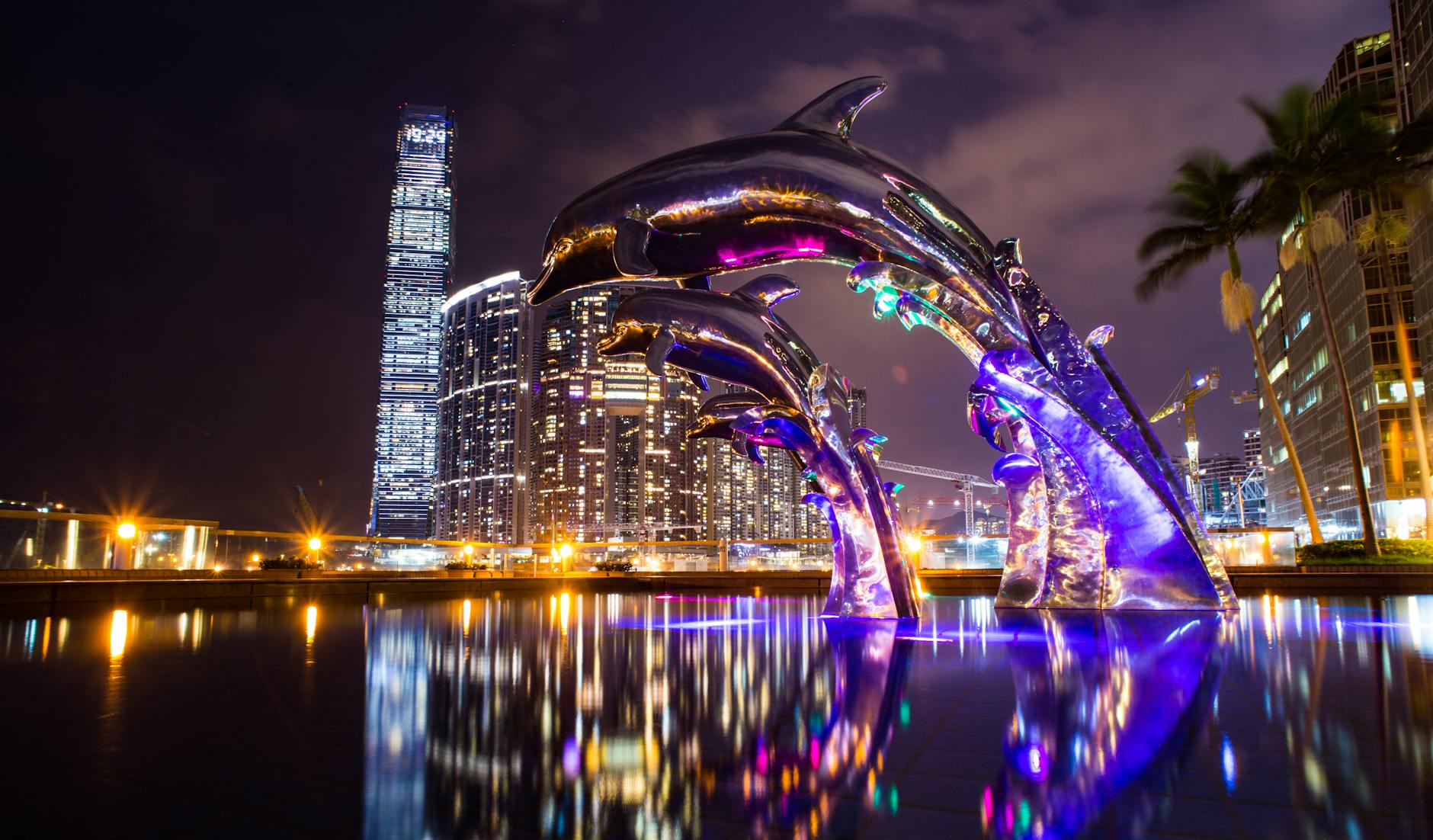
In stark contrast to the vintage charm of its temples and markets, Hong Kong boasts a skyline that is the pinnacle of modern architectural achievement. This urban landscape, characterized by a remarkable array of skyscrapers, not only reflects the city’s rapid economic growth but also showcases the creativity and innovation of contemporary architecture.
The iconic International Commerce Centre (ICC), standing at 484 meters, serves as a milestone in Hong Kong’s architectural progression. The ICC is not just the tallest building in the city; it symbolizes the ambition that drives this metropolis forward. Its sleek design, coupled with a variety of facilities including luxury hotels, offices, and observation decks, offers visitors a multifaceted experience. The Sky 100 observation deck, located on the 100th floor, provides panoramic views of Victoria Harbour and the surrounding urban sprawl. On a clear day, the view extends beyond the horizon, allowing one to appreciate the intricate layout of the city, with its harmonious fusion of land and sea.
Adjacent to the ICC, the innovative design of the Hong Kong International Financial Centre (IFC) is another testament to the city’s progress. Featuring a modern glass façade and a vibrant shopping mall, the IFC presents a lively social scene while standing as a hub for international business. On the lower levels, high-end boutiques and gourmet dining experiences attract locals and tourists alike, making this location a focal point for those looking to indulge in luxury.
Exploring the architectural wonders of Hong Kong also involves a visit to the Central Plaza, which, with its distinctive triangular shape, provides an interesting element to the skyline. The central location of Central Plaza makes it not only a feat of modern design but also an integral part of the city’s transportation framework. The building’s observation deck and unique features, like the animated LED lighting system, further enhance its reputation as a landmark.
Furthermore, Hong Kong’s commitment to sustainable architecture is exemplified in the design of the Environmental Protection Department Headquarters. This building illustrates how innovation can coexist with environmental consciousness, featuring energy-efficient systems and a green roof. As the city looks toward the future, such projects represent a significant step forward in making urban living more sustainable.
While exploring these architectural marvels, one realizes that skyscrapers in Hong Kong are not just functional buildings; they are symbols that reflect the city’s aspirations and character. Each tower, with its unique design and purpose, tells a story of growth and resilience. Whether through the lens of viewing platforms or immediate proximity, each structure contributes to the urban symphony that defines Hong Kong.
The urban landscape captures the essence of a city that is constantly evolving, striving towards greater heights both literally and metaphorically. Our exploration of this modern architectural wonder serves as a reminder of the limitless possibilities of innovation, making a poignant contrast to the rich cultural heritage found just blocks away.
Culinary Delights: A Fusion of Flavors
A visit to Hong Kong would be incomplete without indulging in its culinary offerings, which are a vibrant fusion of local and global flavors. The city’s food scene is a rich tapestry woven from traditional Chinese culinary practices intermingled with influences from around the world, reflecting Hong Kong’s status as a crossroads of cultures.
Dim sum, a traditional Cantonese style of cuisine, is perhaps Hong Kong’s most famous culinary contribution. The experience of enjoying dim sum goes beyond just the food; it is an integral part of social life for residents. Restaurants throughout the city, from Michelin-starred establishments to quaint tea houses, serve a delectable variety of steamed buns, dumplings, and pastries, all of which carry their own unique flavor profiles. Each bite is a celebration of the city’s culinary heritage, crafted meticulously and presented beautifully.
Taking part in a traditional dim sum brunch at a bustling tea house in the heart of the city is a quintessential Hong Kong experience. Diners are greeted by the sight of trolleys filled with steaming bamboo baskets, each containing an array of dim sum delicacies. The ritual of choosing from the carts adds an interactive element to the dining experience, allowing for the discovery of new favorites with every visit.
Beyond dim sum, Hong Kong’s culinary landscape also embraces an array of international cuisines, demonstrating the city’s multicultural fabric. The neighborhood of Tsim Sha Tsui is a premier destination for food lovers, offering everything from authentic Thai to contemporary Japanese fusion dishes. Restaurants like Ichiran Ramen provide a unique way to engage with food, as diners enjoy their meals in private booths, offering an immersive and personal experience.
The market scene further reflects the diversity of culinary offerings in Hong Kong. Local markets brim with fresh produce, live seafood, and aromatic spices, integral to both everyday cooking and celebrated dishes. The Graham Street Market, one of the oldest in the city, showcases the vibrant colors and sounds synonymous with market life. Visitors can sample street food delicacies such as fish balls, stinky tofu, and egg waffles, each capturing the essence of Hong Kong’s bustling atmosphere.
Hong Kong is also home to some of the world’s most esteemed chefs and restaurants, earning the city its reputation as a culinary capital. The annual Asia’s 50 Best Restaurants awards reflect this status, with several establishments ranked among the world’s finest. Celebrity chefs continue to push the boundaries of traditional cuisine, introducing innovative techniques and flavors that elevate local dishes to new heights.
This culinary exploration highlights how Hong Kong’s food scene is a melting pot of tradition and innovation. Each dish served reflects the city’s history, its cultural influences, and its ongoing evolution. As we indulge in the diverse flavors of Hong Kong, we not only satisfy our palate but also connect with the stories and cultures that shaped this vibrant city.
Nature Retreats: Parks and Scenic Views
Despite its reputation as a bustling urban center, Hong Kong is surprisingly rich in natural beauty, offering an escape from the frenetic pace of city life through its parks and scenic vistas. Nature retreats are integral to the Hong Kong experience, providing residents and visitors alike with serene spaces to reconnect with the natural world.
One of the most celebrated green spaces is Victoria Park, situated in Causeway Bay. This lush oasis serves as a community hub, with locals participating in tai chi, jogging, and socializing amid winding pathways and beautiful floral displays. The park’s spacious layout allows for numerous recreational activities, from traditional Chinese exercises to open-air concerts. Visitors can enjoy the scenic views of the surrounding skyscrapers juxtaposed with the tranquility of nature, making it a perfect spot for relaxation and reflection.
The Hong Kong Park is another gem that combines nature and modern design. Nestled in the heart of the city, the park features a stunning conservatory and a historical reservoir. Strolling through its pathways lined with tropical plants and water features, one can find respite from the urban hustle. The aviary is particularly noteworthy, housing a variety of exotic birds, and provides an educational experience, highlighting the importance of conservation amidst urban development.
To experience the breathtaking views of Hong Kong from above, a hike to Victoria Peak is essential. The Peak offers an unrivaled vantage point of the city and the surrounding harbor, particularly stunning during sunrise or sunset. The Peak Tram ride adds to the adventure, providing a unique perspective as visitors ascend steeply, offering glimpses of the city below. Once at the top, the panoramic view of the skyline against the picturesque backdrop of mountains and sea leaves an indelible impression.
For those seeking a more rugged experience, the Dragon’s Back Hiking Trail is among the most popular outdoor activities in Hong Kong. This scenic trail takes hikers along ridges and hillsides, providing breathtaking views of the coastline and lush greenery. With varying levels of difficulty, the trail accommodates both seasoned hikers and casual walkers, encouraging everyone to appreciate the natural wonders that lie just beyond the urban landscape.
Additionally, the Lai Chi Wo Heritage Trail offers a unique opportunity to explore the cultural aspect of nature by visiting an ancient Hakka village. Surrounded by traditional agriculture and mangroves, the trail showcases the relationship between the land and the local inhabitants, emphasizing sustainable living practices.
As we explore these nature retreats, we come to realize that Hong Kong is not just a concrete jungle; it is an environment that celebrates the delicate balance between urban development and natural preservation. The parks and trails throughout the city honor the importance of green spaces and their role in enhancing the quality of life, offering serene escapes that complement the vibrant energy of city living.
The Future of Hong Kong: Innovation and Technology
As we look towards the future, Hong Kong is at the forefront of innovation and technological advancement, positioning itself as a leading global hub for technology and entrepreneurship. The city’s economic landscape is rapidly evolving, with a strong emphasis on integrating innovative technologies into various sectors.
The Hong Kong Science and Technology Parks Corporation plays a pivotal role in fostering innovation, providing a platform for startups, entrepreneurs, and researchers. This hub brings together talent and resources, facilitating collaboration among various industries, including biotechnology, artificial intelligence, and fintech. Through initiatives and funding support, Hong Kong continues to cultivate a thriving ecosystem that attracts international businesses and professionals eager to contribute to the city’s growth.
One area where Hong Kong excels is its emphasis on fintech. The city has positioned itself as a leader in the financial services industry, embracing digital currency, blockchain technology, and mobile payment solutions. With a high percentage of the population utilizing mobile banking and payment apps, Hong Kong serves as a living laboratory for fintech innovations. Initiatives such as the Hong Kong Monetary Authority’s Fast Payment System have significantly enhanced the speed and efficiency of transactions, reinforcing Hong Kong’s status as a global financial hub.
In addition, the city’s commitment to smart city initiatives reflects its vision for future development. Projects aimed at integrating technology into everyday infrastructure are designed to improve the quality of life for residents. From smart traffic management systems that optimize flow to energy-efficient buildings equipped with the latest technologies, Hong Kong is actively working towards becoming a smarter, more sustainable city.
Moreover, the burgeoning startup culture has gained momentum, giving rise to a vibrant community of innovators. Co-working spaces and incubators have sprung up across the city, nurturing talent and providing budding entrepreneurs with the tools they need to launch successful ventures. The annual Hong Kong Fintech Week exemplifies this movement, attracting global participants and fostering dialogue about innovation in finance and technology.
The education sector is also adapting to ensure future generations are equipped with the skills necessary to thrive in a technology-driven world. Initiatives promoting STEM education and coding programs are now embedded in school curriculums, preparing students to navigate the challenges of an increasingly digital landscape. Collaboration between educational institutions and industry players ensures that the workforce is ready to meet the demands of the evolving job market.
As we explore the confluence of tradition and innovation in Hong Kong, it becomes evident that the city embraces change while respecting its roots. This commitment to technological advancement isn’t just about modernization; it underscores a desire to improve lifestyle, economy, and the environment. Hong Kong is decidedly poised to shape the future, all while maintaining a balance between its rich heritage and forward-thinking vision.
Conclusion
As our journey through Hong Kong comes to a close, we reflect on the remarkable interplay between tradition and innovation that permeates every aspect of the city. From the cultural heritage showcased in its temples and markets to the modern architectural marvels that grace its skyline, each element contributes to the captivating narrative of Hong Kong.
The culinary delights tell their own story, blending flavors and practices that highlight the city’s rich diversity and multicultural influences. Meanwhile, the serene parks and retreats remind us of the natural beauty that coexists within this urban landscape, providing much-needed spaces for tranquility and reflection.
As we step into the future, it is clear that Hong Kong is on an exciting trajectory of growth and transformation. The commitment to innovation and technology positions the city as a global leader, ensuring it continues to evolve while honoring the traditions that define its identity.
In conclusion, experiencing five days in Hong Kong reveals an intricate tapestry of history, culture, and modernity. The adventures we take, the flavors we savor, and the explorations we undertake deepen our understanding of this vibrant city. Hong Kong serves not only as a destination but also as a living lesson on the importance of balancing heritage with progress, making it a place where tradition genuinely meets innovation.