

Introduction: A Tale of Italian Elegance
Dolce & Gabbana, one of the most celebrated names in fashion, embodies the essence of Italian style, glamour, and artistry. Founded in 1985 by Domenico Dolce and Stefano Gabbana, the brand quickly established itself as a pioneer in the luxury industry, redefining contemporary fashion with its distinctive blend of Sicilian heritage, Mediterranean sensuality, and daring innovation.
From their iconic collections inspired by traditional Italian culture to their bold campaigns featuring celebrities, Dolce & Gabbana has consistently pushed boundaries, influencing trends and shaping global fashion. Their unique vision has made the brand synonymous with passion, creativity, and opulence, earning a loyal following among the world’s elite.
Despite facing controversies and challenges, Dolce & Gabbana has remained a powerhouse of innovation and resilience. This article delves into the journey of the iconic brand, its groundbreaking achievements, and its lasting impact on the fashion world.
The Origins: Founding Dolce & Gabbana
The story of Dolce & Gabbana begins with two remarkably talented individuals: Domenico Dolce and Stefano Gabbana. Born into modest circumstances in Italy, their paths crossed serendipitously in Milan, a city renowned as the heart of Italian fashion. This meeting would spark a creative partnership that would revolutionize the fashion world and establish Dolce & Gabbana as one of the most iconic luxury brands of the 20th and 21st centuries.
Domenico Dolce: The Artisan of Craftsmanship
Domenico Dolce was born on August 13, 1958, in Polizzi Generosa, a small town in Sicily. Growing up, Dolce was immersed in the world of tailoring, as his father owned a small clothing factory. From an early age, he developed an appreciation for meticulous craftsmanship and an eye for detail. These formative experiences laid the foundation for his passion for creating exquisite garments. After completing his studies in fashion design, Dolce moved to Milan, where he sought to turn his vision of luxury fashion into reality.
Stefano Gabbana: The Visionary of Creativity
Stefano Gabbana, born on November 14, 1962, in Milan, came from a different background. Unlike Dolce, Gabbana’s initial aspirations were not rooted in fashion. He studied graphic design, a discipline that honed his sense of visual storytelling and creativity. However, after deciding to pursue fashion, Gabbana’s bold aesthetic and innovative ideas found a natural complement in Dolce’s refined craftsmanship.
The Meeting That Changed Everything
In 1980, Dolce and Gabbana first met while working as assistants at a fashion house in Milan. Recognizing their complementary talents and shared vision, they decided to join forces and establish their own brand. In 1982, they founded a design consultancy and officially launched Dolce & Gabbana as a label in 1985. The duo’s synergy—Dolce as the master of tailoring and Gabbana as the creative visionary—became the cornerstone of their success.
The First Collection: A Glimpse of Greatness
Dolce & Gabbana debuted their first collection in 1985 during Milan Fashion Week. Unlike the polished and minimalist trends dominating the fashion world at the time, their designs were unapologetically bold, sensual, and rooted in Italian heritage. The collection, titled “Real Women,” featured pieces inspired by the curves and confidence of Mediterranean women. They even used local friends as models, showcasing their commitment to authenticity.
Though modest in its production—rumor has it that bed sheets were repurposed as backdrops—the debut made an impression. Critics praised their unique approach to femininity, and their use of traditional Italian motifs set them apart from other designers. This marked the beginning of their rise to prominence.
Building a Brand Rooted in Passion
Dolce & Gabbana’s early years were defined by a relentless drive to establish their identity. They drew inspiration from Sicily’s rich culture, crafting collections that celebrated lace, corsetry, and traditional craftsmanship. Their partnership extended beyond the professional; their romantic relationship during these early years deepened their creative collaboration.
The origins of Dolce & Gabbana serve as a testament to the power of collaboration and shared vision. From a chance meeting in Milan to the runway of Milan Fashion Week, Dolce and Gabbana laid the foundation for what would become a global empire synonymous with Italian luxury and innovation.
Establishing a Unique Identity: Sicilian Heritage and Mediterranean Flair
From the very beginning, Dolce & Gabbana stood out in the competitive fashion industry by embracing their roots and turning their cultural heritage into an integral part of their design philosophy. Central to their success was their celebration of Sicilian culture and Mediterranean aesthetics, which transformed the brand into a global icon of Italian luxury.
Sicilian Influence: A Tribute to Tradition
Domenico Dolce’s Sicilian heritage became a cornerstone of the brand’s identity. Sicily, with its rich history, vibrant traditions, and dramatic landscapes, provided a treasure trove of inspiration for the duo. Their designs often reflected elements of the island’s cultural tapestry: intricate lace patterns reminiscent of traditional Sicilian bridal dresses, vivid floral prints inspired by the island’s natural beauty, and bold colors that evoke the sun-drenched Mediterranean scenery.
Sicilian widow-inspired black lace dresses, gold embellishments resembling Baroque architecture, and traditional religious iconography became signature elements in their collections. By infusing their designs with these motifs, Dolce & Gabbana not only paid homage to their heritage but also introduced the world to the romance and mystique of Sicily.
Celebrating Mediterranean Femininity
Dolce & Gabbana’s designs redefined femininity by blending sensuality with strength, a reflection of the women they admired. Their vision of the Mediterranean woman—confident, passionate, and unapologetically glamorous—became a recurring theme in their work.
This ideal was epitomized in their famous corset dresses, which celebrated the female form with fitted silhouettes, luxurious fabrics, and intricate detailing. Lace, embroidery, and delicate embellishments often adorned their creations, enhancing their allure. These designs exuded a timeless elegance while remaining bold and daring, establishing the brand as a leader in high-end women’s fashion.
Storytelling Through Fashion
Each Dolce & Gabbana collection tells a story, often inspired by Italian life, history, or art. For instance, their Fall/Winter 2013 collection drew inspiration from the mosaics of Sicily’s Cathedral of Monreale, featuring garments adorned with intricate patterns of gold and jewel tones. Similarly, their Spring/Summer 2016 collection celebrated the Italian lifestyle, incorporating elements of pasta, gelato, and vintage postcard prints into their designs.
Through these collections, Dolce & Gabbana brought Italian culture to the global stage, transforming fashion into a form of storytelling. Their commitment to their roots resonated with audiences worldwide, as their designs struck a balance between traditional influences and modern sophistication.
Bridging Tradition and Modernity
While deeply rooted in heritage, Dolce & Gabbana have always managed to stay relevant by evolving with the times. Their incorporation of traditional elements into contemporary designs showcased their ability to bridge the gap between the past and present. This balance appealed to a diverse clientele, from traditionalists to trendsetters.
A Lasting Impact
By establishing a design identity so closely tied to their heritage, Dolce & Gabbana set themselves apart from their contemporaries. Their unique approach not only elevated their brand but also contributed to the global appreciation of Italian culture. In doing so, they created a timeless aesthetic that continues to inspire and captivate audiences around the world.
Iconic Collections: Redefining High Fashion
Dolce & Gabbana’s ascent to global acclaim can largely be attributed to their ability to consistently deliver groundbreaking collections that redefine high fashion. Each collection they release is more than just a series of garments—it is a cohesive narrative that blends culture, art, and luxury. Their bold creativity and commitment to Italian traditions have resulted in some of the most memorable moments in modern fashion history.
The 1987 “Sicilian Dress†and the Birth of a Signature Style
One of Dolce & Gabbana’s first breakthroughs came with the debut of the “Sicilian Dress†in their 1987 collection. This figure-hugging black dress, adorned with lace and intricate details, became an emblem of their design philosophy. It exuded sensuality and elegance, perfectly capturing the essence of the Mediterranean woman. This piece not only solidified their brand identity but also became a symbol of their dedication to celebrating the female form.
The “Sicilian Dress†remains one of their most iconic creations and a staple in subsequent collections, showcasing their ability to create timeless pieces that resonate across decades.
Alta Moda: Bridging Fashion and Art
In 2012, Dolce & Gabbana launched their Alta Moda line, a couture collection that brought their creative vision to unparalleled heights. Alta Moda was not just about luxury—it was about celebrating Italian craftsmanship and artistry. Inspired by Italy’s rich cultural heritage, these collections featured hand-painted fabrics, intricate embroidery, and designs that often drew from Italian history and folklore.
Alta Moda collections were unveiled at exclusive events in breathtaking locations across Italy, such as Venice, Sicily, and Florence. The presentations were as much about storytelling as they were about fashion, with the garments serving as works of art. By focusing on personalization and exclusivity, Dolce & Gabbana reinvigorated the idea of couture as a deeply personal and culturally rich experience.
The Mosaic Collection: An Ode to Monreale
One of the brand’s most celebrated collections, the Fall/Winter 2013 collection, was inspired by the mosaics of the Cathedral of Monreale in Sicily. The garments featured intricate prints and embellishments that mimicked the shimmering gold and jewel-toned mosaics of the iconic cathedral. Dresses, capes, and accessories were adorned with religious imagery, blending spiritual motifs with high fashion.
This collection not only highlighted their mastery of craftsmanship but also reinforced their dedication to showcasing Italian art and history on a global platform.
Spring/Summer 2018: The DG Millennials Show
Dolce & Gabbana demonstrated their ability to adapt to contemporary trends with their Spring/Summer 2018 collection, dubbed the “DG Millennials Show.” This collection featured vibrant designs aimed at younger audiences, with playful motifs, bold colors, and oversized accessories. The runway was graced by influential social media stars, highlighting the brand’s embrace of the digital age.
Lasting Contributions to High Fashion
Over the years, Dolce & Gabbana have created countless other iconic pieces, from their corset dresses to their bold animal prints and Sicilian-inspired floral patterns. They’ve consistently pushed boundaries, blending traditional aesthetics with modern flair. Their ability to innovate while remaining true to their roots has made their collections not just relevant but revolutionary in the world of fashion.
Global Expansion: Building a Fashion Empire
From their humble beginnings in Italy, Dolce & Gabbana have grown into a global fashion powerhouse. Their journey from a small design consultancy in Milan to one of the most recognizable luxury brands in the world is a testament to their vision, creativity, and business acumen. Over the decades, they expanded their offerings, established a strong international presence, and built a brand synonymous with high-end Italian fashion.
The Early Years of Growth
After gaining critical acclaim in Italy during the late 1980s, Dolce & Gabbana set their sights on international markets. Their unique designs, which celebrated Italian heritage while exuding bold modernity, resonated with global audiences. By the early 1990s, they began showcasing their collections in Paris, New York, and Tokyo, where fashion enthusiasts eagerly embraced their vision.
Their expansion was not limited to clothing. In 1992, they launched their first fragrance, Dolce & Gabbana Parfum, which won the International Perfume Academy Award. This move marked their entry into the lucrative beauty market, a sector they would continue to dominate with a series of successful fragrances for both men and women.
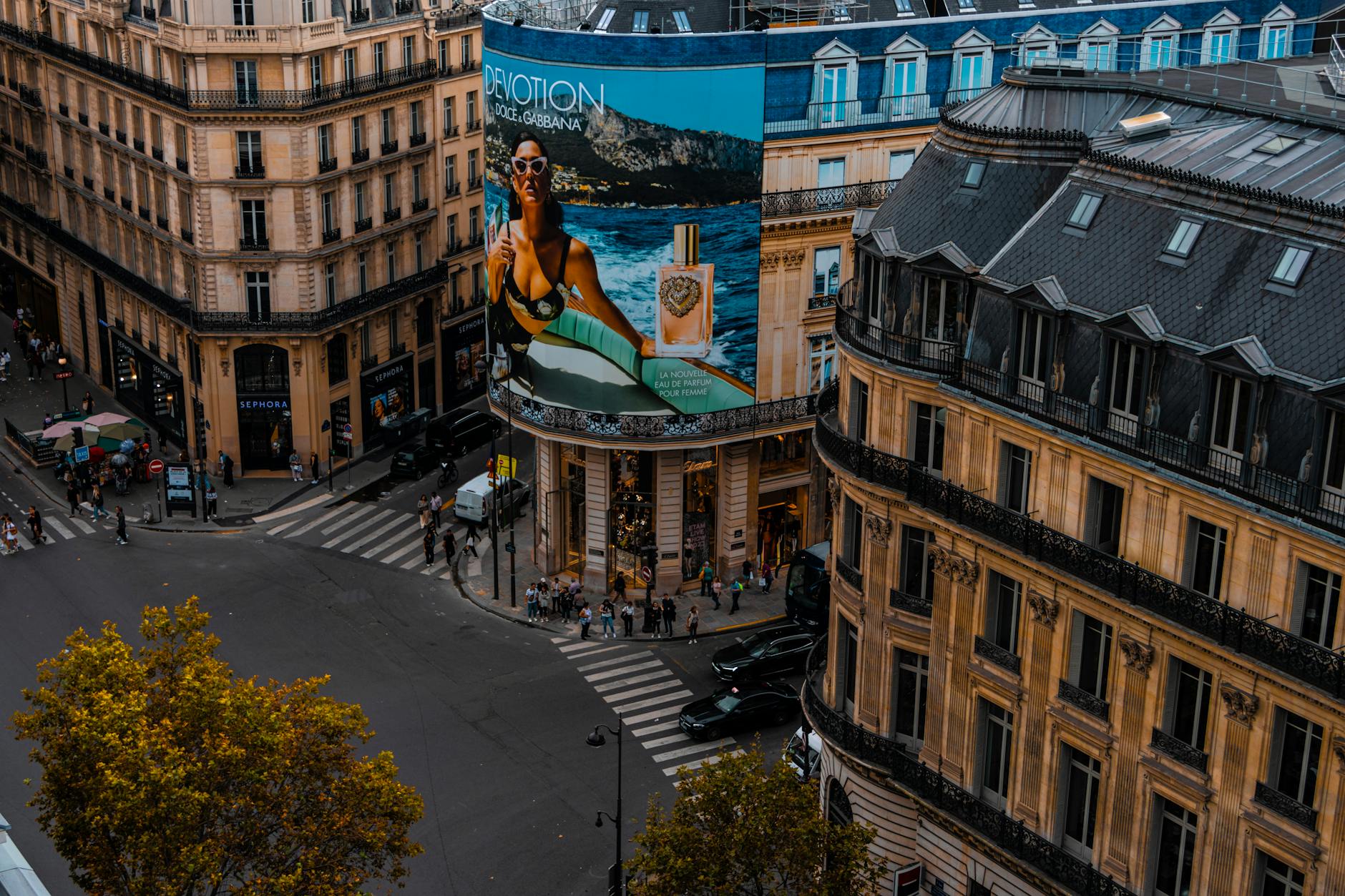
Photo by Rafeeque Kodungookaran on Pexels.com
Retail Expansion: Flagship Stores Across the Globe
As their popularity soared, Dolce & Gabbana opened flagship stores in key fashion capitals. Their first international flagship store debuted in New York in 1999, strategically located on Madison Avenue. This was followed by flagship stores in London, Paris, Tokyo, and Hong Kong, further solidifying their presence in global markets.
These stores were designed to be more than retail spaces—they were immersive brand experiences. Luxurious interiors, featuring opulent chandeliers, marble floors, and Baroque-inspired decor, reflected the brand’s signature aesthetic. Customers were not just buying products; they were stepping into the world of Dolce & Gabbana.
Diversification of Products
Recognizing the potential for growth beyond haute couture, Dolce & Gabbana diversified their offerings. They launched ready-to-wear lines, accessories, footwear, and eyewear, all infused with the brand’s distinctive style. Their eyewear collection, in particular, became a hit, with bold, statement-making designs that appealed to a wide demographic.
In 1994, they introduced the D&G line, a more youthful and accessible diffusion line. This allowed the brand to reach younger consumers and expand its influence within the fashion industry. Although D&G was eventually merged back into the main brand in 2012, it played a significant role in broadening the brand’s appeal during its years of operation.
Celebrity Endorsements and Pop Culture Influence
Dolce & Gabbana’s rise to global prominence was also fueled by their strong ties to the entertainment industry. Throughout the 1990s and 2000s, the brand became a favorite among celebrities. Stars like Madonna, Monica Bellucci, and Kylie Minogue donned their creations, bringing unparalleled visibility to the brand.
Madonna, in particular, played a pivotal role in amplifying their global reach. In 1993, she collaborated with the duo to design over 1,500 costumes for her Girlie Show World Tour. This partnership not only showcased their talent but also aligned the brand with the glamour of pop stardom.
Challenges in Global Markets
Like any global brand, Dolce & Gabbana faced challenges during their expansion. Their foray into the Asian market, while initially successful, encountered setbacks due to controversies and cultural misunderstandings. Despite these challenges, the brand has continued to maintain a strong presence in regions like China, Japan, and South Korea by adapting their strategies and focusing on cultural sensitivity.
A Global Powerhouse
Today, Dolce & Gabbana operates in over 40 countries, with a robust retail network and a loyal customer base. Their ability to adapt to changing market demands while staying true to their roots has been key to their success. Whether it’s through their bold runway shows, celebrity collaborations, or diversified product lines, Dolce & Gabbana continue to dominate the global fashion landscape.
Celebrity Collaborations: Strengthening the Dolce & Gabbana Legacy
The relationship between Dolce & Gabbana and the world of celebrity has been pivotal to the brand’s global success. From music and film to sports and royalty, Dolce & Gabbana’s collaborations with high-profile figures have elevated their profile, transformed trends, and cemented their position as a luxury powerhouse. These partnerships have not only brought their designs to wider audiences but also helped establish an enduring cultural relevance.
Madonna: A Defining Partnership
Perhaps one of Dolce & Gabbana’s most iconic collaborations was with Madonna. Their relationship began in the early 1990s, at a time when both the brand and the artist were gaining global recognition. Madonna famously chose Dolce & Gabbana to create her costumes for the Girlie Show World Tour in 1993. The designs were bold, provocative, and inherently theatrical, embodying both the artist’s persona and the brand’s daring aesthetics.
The collaboration didn’t stop there. In 2010, Madonna starred in an advertising campaign for Dolce & Gabbana’s Spring/Summer collection. The campaign was inspired by Italian neorealist cinema, featuring Madonna in a domestic setting that evoked the nostalgic warmth of Italian family life. This partnership not only showcased the brand’s designs but also reinforced their deep connection to Italian culture.
Hollywood Stars on the Red Carpet
Dolce & Gabbana’s presence on the red carpet has been consistent and impactful. Over the decades, countless A-list celebrities have chosen the brand’s glamorous and sensual creations for major events. Monica Bellucci, Scarlett Johansson, and Angelina Jolie are just a few of the stars who have graced the red carpet wearing Dolce & Gabbana.
Their designs are known for their ability to capture both elegance and individuality, making them a favorite among celebrities who seek to make a bold statement. For instance, at the 2021 Venice Film Festival, Zendaya wore a Dolce & Gabbana gown adorned with intricate floral embroidery, showcasing the brand’s unparalleled craftsmanship.
Kylie Minogue and Music Icons
The world of music has also embraced Dolce & Gabbana with open arms. Kylie Minogue collaborated with the brand on numerous occasions, including her 2002 Fever Tour, for which they designed a series of stunning stage outfits. These designs highlighted the brand’s ability to blend theatricality with high fashion, creating looks that were both functional and visually arresting.
Other music icons, such as Beyoncé, Cardi B, and Rihanna, have also been spotted in Dolce & Gabbana’s creations, further bridging the gap between music and fashion. Their designs, often characterized by bold patterns, luxurious fabrics, and intricate detailing, align perfectly with the larger-than-life personas of these performers.
Collaborations with Royals and Sports Stars
In recent years, Dolce & Gabbana have extended their influence to the world of royalty and sports. Kate Middleton, Duchess of Cambridge, has been seen in their elegant designs, bringing a touch of regality to the brand. On the other hand, sports figures like Lionel Messi and David Beckham have also embraced Dolce & Gabbana’s tailored menswear, showcasing the versatility of the brand.
Celebrating Diversity Through Collaborations
The brand has also collaborated with influencers and personalities from diverse backgrounds, reflecting their commitment to inclusivity. Campaigns such as the DG Millennials Project have featured digital influencers and social media stars, targeting younger audiences and ensuring the brand’s relevance in the digital age.
A Mutually Beneficial Relationship
Celebrity collaborations have been a win-win for Dolce & Gabbana. While the brand gains global exposure and cultural clout, celebrities benefit from wearing designs that enhance their public image. This symbiotic relationship has been a cornerstone of Dolce & Gabbana’s enduring success, ensuring that their designs remain in the spotlight.
6. Iconic Collections and Campaigns: Showcasing Creativity and Innovation
Dolce & Gabbana’s reputation as one of the most innovative and daring luxury brands has been cemented by their iconic collections and advertising campaigns. Throughout their history, the duo has consistently redefined fashion trends and created memorable pieces that embody their vision of Italian glamour, passion, and heritage.
The Sicilian Influence: Early Collections
One of Dolce & Gabbana’s hallmark contributions to fashion is their celebration of Sicilian culture. This influence was most prominently showcased in their Spring/Summer 1989 collection, which marked their first major breakthrough. The collection featured designs inspired by traditional Sicilian attire, incorporating black lace, corsetry, and sensual cuts that would become synonymous with the brand. Dubbed the “Sicilian Dress,” this look became an icon, reflecting the duo’s deep respect for their Italian roots.
This Sicilian influence continued to shape their collections, particularly in the 1990s, when they introduced garments inspired by religious iconography, baroque art, and Mediterranean landscapes. Each piece told a story, blending nostalgia with modernity and appealing to women who sought to embrace their femininity unapologetically.
Alta Moda: Redefining Couture
In 2012, Dolce & Gabbana launched their Alta Moda line, a celebration of high-fashion Italian craftsmanship. Unlike traditional haute couture, Alta Moda is steeped in Italian history and culture, with each collection presented in unique settings, from Sicilian palaces to Roman ruins. These exclusive shows feature intricate, hand-embroidered gowns, theatrical designs, and one-of-a-kind creations that epitomize luxury.
The Alta Moda collections not only elevated Dolce & Gabbana’s status in the fashion world but also introduced a new level of intimacy between the brand and its most elite clients. By offering highly personalized designs, Dolce & Gabbana carved out a niche that allowed them to compete with Parisian couture houses while staying true to their heritage.
The Devotion Handbag: A Modern Icon
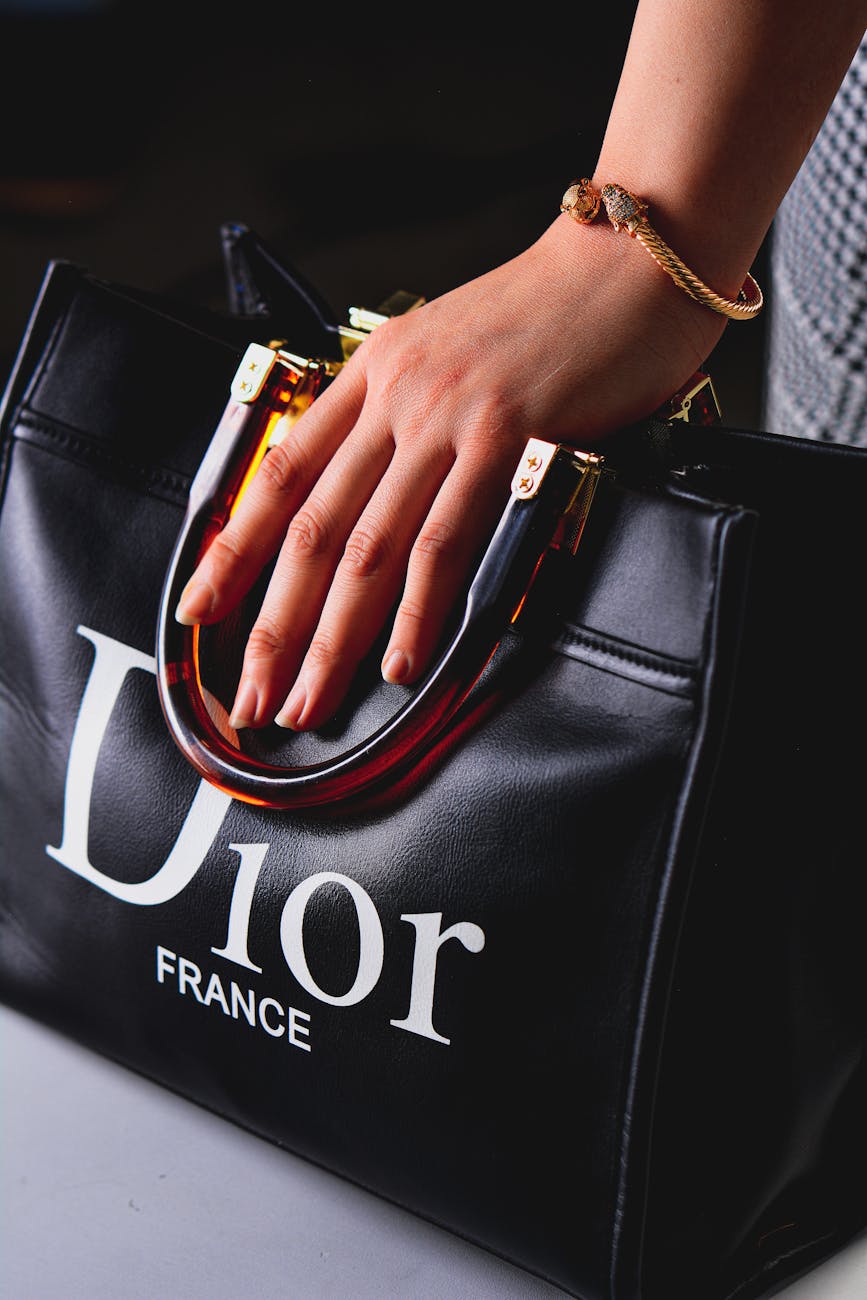
Among Dolce & Gabbana’s most iconic creations is the Devotion handbag, introduced in 2018. Characterized by its heart-shaped clasp adorned with intricate gold filigree, the Devotion bag quickly became a symbol of the brand’s dedication to craftsmanship and elegance. It was unveiled during a show that featured drones carrying the handbags down the runway—an audacious move that blended traditional design with cutting-edge technology.
The Devotion handbag continues to be a cornerstone of the brand’s accessory collections, appealing to a new generation of fashion enthusiasts while retaining its timeless charm.
Advertising Campaigns: Blending Art and Fashion
Dolce & Gabbana’s advertising campaigns are as celebrated as their collections. Renowned for their cinematic quality, these campaigns often draw inspiration from Italian neorealism, depicting scenes of family life, village celebrations, and cultural rituals. One standout campaign is the Spring/Summer 2013 campaign, which featured Monica Bellucci and Bianca Balti in a vibrant, sun-drenched Italian village setting. The images exuded warmth, tradition, and community, capturing the essence of the Dolce & Gabbana brand.
Another notable campaign was their Fall/Winter 2017 collection, which celebrated diversity by featuring influencers, models of different ethnicities, and individuals from various age groups. This campaign marked a shift towards inclusivity, resonating with modern audiences while maintaining the brand’s distinct aesthetic.
Experimentation with Digital Fashion
Dolce & Gabbana have also embraced the digital revolution, using innovative technologies to showcase their collections. In 2021, the brand ventured into the world of NFTs (non-fungible tokens) by launching the Collezione Genesi, a collection of digital fashion pieces. This bold move positioned Dolce & Gabbana at the forefront of fashion’s technological evolution, appealing to a tech-savvy audience and setting a precedent for other luxury brands.
Cultural Relevance Through Creativity
The key to Dolce & Gabbana’s success lies in their ability to stay culturally relevant while remaining true to their core values. Whether through their homage to Italian heritage, their exploration of modern themes, or their collaborations with artists and technologists, the brand has consistently demonstrated its commitment to pushing boundaries.
A Legacy of Iconic Fashion
Through their collections and campaigns, Dolce & Gabbana have created a legacy of iconic fashion moments that continue to inspire the industry. Their work is a testament to the power of storytelling in design, proving that fashion can be both an art form and a means of cultural expression.
The Global Expansion and Enduring Legacy of Dolce & Gabbana
The growth of Dolce & Gabbana from a small Milan-based fashion house to a globally recognized luxury brand is a testament to the vision, creativity, and resilience of its founders. Over the decades, the brand has successfully navigated the complexities of the fashion industry, expanding its reach across continents while maintaining its Italian identity.
From Italy to the World
Dolce & Gabbana began its journey in Italy, where its designs celebrated Mediterranean culture and Italian craftsmanship. However, the brand quickly recognized the importance of reaching international audiences. In the late 1980s, they began participating in Milan Fashion Week, which attracted global buyers and fashion enthusiasts. Their participation in international shows and their increasing visibility in global fashion magazines helped propel the brand to new heights.
By the 1990s, Dolce & Gabbana had established flagship stores in major cities, including New York, Tokyo, and London. These stores served as ambassadors of the brand, showcasing its bold designs and luxurious aesthetic to a diverse clientele. Their boutiques were designed to reflect the brand’s opulent yet modern style, creating immersive shopping experiences that resonated with high-end customers.
Diversification: Beyond Fashion
One of the keys to Dolce & Gabbana’s global expansion was their ability to diversify their offerings. While their clothing lines remained central to their identity, they ventured into accessories, fragrances, eyewear, and even home décor.
The launch of their first fragrance in 1992 marked a significant milestone in their journey. The fragrance, simply named Dolce & Gabbana Parfum, was an instant success, winning the International Perfume Academy’s Most Feminine Flavor of the Year award. This success paved the way for a series of best-selling perfumes, such as Light Blue, which remains one of the most iconic scents in the industry.
In addition to fragrances, the brand introduced a range of luxury accessories, including handbags, shoes, and eyewear. These products allowed Dolce & Gabbana to reach a broader audience and become a complete lifestyle brand.
Connecting with Global Audiences
Dolce & Gabbana’s marketing strategy has been instrumental in building their global presence. The brand’s advertising campaigns, featuring celebrities like Monica Bellucci, Madonna, and David Gandy, resonated with audiences worldwide. Their ability to adapt their campaigns to different cultural contexts without losing their core identity has been a hallmark of their success.
Furthermore, Dolce & Gabbana’s embrace of digital platforms has enabled them to connect with younger, tech-savvy audiences. From their active presence on social media to the introduction of digital fashion shows and collaborations with influencers, the brand has consistently adapted to the evolving landscape of global fashion.
Overcoming Challenges
The journey of Dolce & Gabbana has not been without challenges. The brand has faced controversies and criticisms over the years, particularly related to cultural sensitivity. These moments have tested the resilience of the brand, forcing it to reflect and adapt. Despite these hurdles, Dolce & Gabbana has continued to thrive, leveraging its strong legacy and commitment to innovation.
The Enduring Legacy
Today, Dolce & Gabbana stands as a symbol of Italian luxury and creativity. With a presence in over 40 countries, the brand continues to expand, opening new boutiques and strengthening its digital presence. Their commitment to craftsmanship, storytelling, and cultural celebration ensures that Dolce & Gabbana remains relevant in an ever-changing industry.
A Global Icon
As they look to the future, Dolce & Gabbana’s focus on sustainability and innovation will play a key role in their continued success. By balancing tradition with modernity, the brand has positioned itself as a timeless icon in the fashion world, celebrated for its passion, artistry, and global impact.
Conclusion: Dolce & Gabbana’s Lasting Impact on the Fashion World
Dolce & Gabbana’s journey from a small atelier in Milan to a global fashion powerhouse is a testament to the vision, artistry, and resilience of its founders, Domenico Dolce and Stefano Gabbana. Over nearly four decades, the brand has redefined luxury fashion by celebrating Italian heritage, pushing creative boundaries, and embracing innovation.
From their iconic Sicilian-inspired collections to their expansion into fragrances, accessories, and haute couture, Dolce & Gabbana have consistently demonstrated a deep commitment to craftsmanship and storytelling. Their bold advertising campaigns, cultural homages, and foray into digital fashion have further cemented their position as trailblazers in the industry.
Despite challenges, the brand remains a symbol of glamour, individuality, and excellence. Dolce & Gabbana’s legacy is one of passion and reinvention, ensuring its enduring influence on the fashion world for generations to come. As they continue to evolve, their impact on global style remains unmistakable and profound.







[…] propelled by the rise of several influential designers, such as Giorgio Armani, Gianni Versace, and Dolce & Gabbana. Their contributions revolutionized the fashion scene, and Milan soon became synonymous with high […]