
Introduction
Nestled between Australia and New Zealand, Lord Howe Island is a breathtaking destination that captivates visitors with its stunning natural beauty and rich biodiversity. Declared a UNESCO World Heritage Site in 1982, the island offers a unique combination of majestic mountains, lush forests, and pristine beaches, making it an ideal spot for outdoor enthusiasts and nature lovers alike. One of the island’s standout features is its extraordinary variety of flora and fauna, many of which are endemic to this remote paradise. With its unique geography and variety of ecosystems, Lord Howe Island boasts some of the most scenic hiking trails and vibrant marine life in the world. This captivating island not only provides a perfect getaway for those seeking adventure but also presents an opportunity to appreciate and understand the importance of environmental conservation and sustainable tourism.
Geography and Natural Features of Lord Howe Island
Lord Howe Island is a striking remnant of a volcanic eruption that occurred approximately 7 million years ago. Its unique geography plays a significant role in its ecological diversity. The island covers an area of about 14.55 square kilometers and features dramatic landscapes, including the iconic Mount Gower, which rises to 875 meters (2,874 feet) and is the highest peak on the island. The rugged terrain is characterized by steep cliffs, sandy beaches, lush forests, and serene lagoons, all of which contribute to the island’s breathtaking beauty.
Geographically, Lord Howe Island is situated around 600 kilometers (370 miles) east of the Australian mainland. Its remote location leads to a combination of subtropical and temperate maritime climates, providing a unique environmental oasis that supports a variety of ecosystems. The island’s unique basalt cliffs and sandy shores create naturally sheltered bays, which are ideal for both aquatic life and visitors looking to explore.
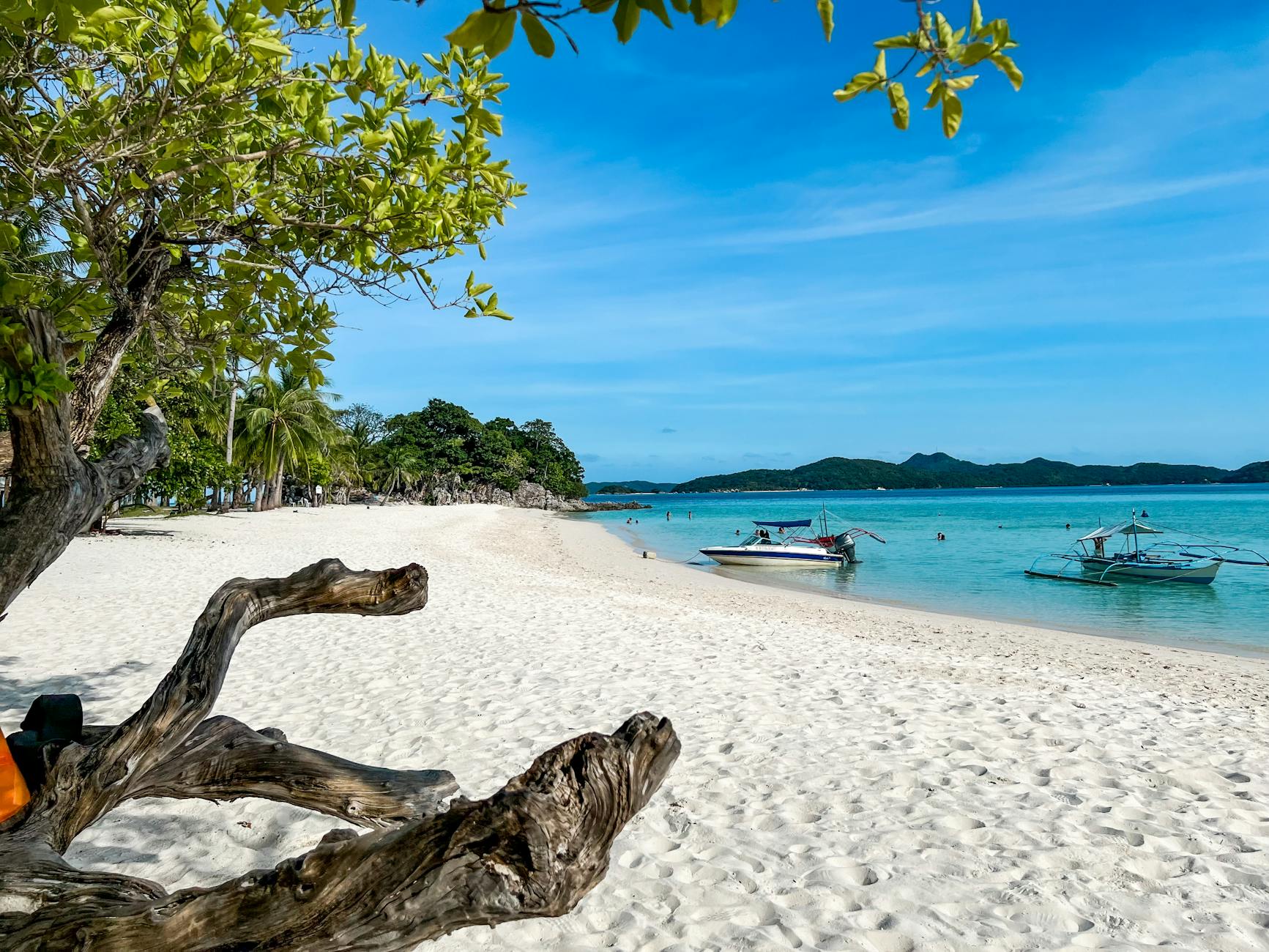
The island’s flora is incredibly diverse due to the varied habitats created by its geography. Lord Howe Island is home to around 241 native plant species, many of which cannot be found anywhere else in the world. The dense forests that blanket the island are filled with towering tree ferns, fragrant eucalyptus trees, and colorful flowering plants, creating a vibrant and lush environment. The coastal areas are characterized by stunning beaches and lagoons, including the famous Neds Beach and Lagoon Beach, which are perfect for swimming and snorkeling.
Notably, the island’s unique geographical location provides essential habitats for numerous bird species, including the striking Norfolk Island Parakeet and the Lord Howe Woodhen, another endemic species. The elevated terrain creates various microclimates, which allow different ecosystems to flourish in close proximity, further contributing to the island’s complex ecological web.
The surrounding waters host one of the most southern coral reef systems in the world, which forms a vital ecological barrier against ocean swells. This reef system is composed of over 90 species of fish and vibrant coral gardens, thriving in the clear, warm waters. The interdependence between land and sea creates a harmonious balance, making Lord Howe Island an essential spot for ecological research and conservation.
Overall, Lord Howe Island’s geography and natural features contribute to its status as a World Heritage site, highlighting the island as an ecological treasure with unparalleled natural beauty. The combination of stunning landscapes and diverse habitats provides a captivating destination for travelers and nature enthusiasts alike.
Unique Flora and Fauna of the Island
The stunning biodiversity of Lord Howe Island is one of the primary reasons it was declared a UNESCO World Heritage Site. The island serves as a sanctuary for numerous species of flora and fauna, many of which are endemic and found nowhere else on the planet.
One of the standout features of the island’s vegetation is the dense subtropical rainforest that flourishes in its rich volcanic soil, providing nourishment and sustenance to a variety of unique plants. The island is home to around 241 native plant species, with notable examples like the endemic Kentia palm (Howea forsteriana) and the Lord Howe Island cabbage tree (Cordyline stricta). These trees provide habitat for numerous bird species and contribute to the island’s lush greenery.
Among the island’s plant life, the distinctive mountain flora is particularly remarkable. At higher altitudes, one can find hardy species that have adapted to the cooler climate, including the endemic Lord Howe Island White-Yellow (Pseudoweinmannia lachnocarpa) and various mosses and lichens that thrive on rocky surfaces. The diverse ecological zones that emerge from the island’s varying altitudes and slopes support a unique assemblage of plant communities.
The unique fauna of Lord Howe Island is equally impressive. This includes the famous Lord Howe Island Woodhen, a flightless bird that was once on the brink of extinction but has made a remarkable recovery due to conservation efforts. The island also hosts a variety of seabirds, including the Sooty Tern and the Red-tailed Tropicbird, which nest along the cliffs and rocky outcrops around the island.
In addition to birds, the island’s native reptiles are fascinating examples of evolutionary adaptation. The Lord Howe Island Phasmid, a large stick insect species, was once thought to be extinct but has been successfully reintroduced through conservation initiatives. This insect is emblematic of the island’s efforts to protect its endemic wildlife and prevent habitat destruction.
Another notable fauna feature is the diverse range of marine life found in the waters surrounding the island. As an integral part of the marine ecosystem, corals, mollusks, and fish species thrive in the coral reefs that encircle Lord Howe Island. Snorkeling and diving opportunities allow visitors to experience this vibrant underwater world, where they can encounter colorful fish and other marine creatures up close.
In conclusion, the unique flora and fauna of Lord Howe Island highlight its ecological significance and the importance of its protection. The island not only serves as a home for an extraordinary range of species but also represents a critical site for ongoing ecological research and conservation efforts.
Scenic Hiking Trails and Their Highlights
Lord Howe Island is renowned for its breathtaking hiking trails, which offer some of the most spectacular views of both the island’s rugged landscapes and its pristine coastline. With a variety of trails catering to different skill levels, there’s a hiking adventure for everyone—from leisurely strolls to challenging treks that lead to stunning vistas.
One of the most popular hikes on the island is the trek to Mount Gower, which stands at 875 meters (2,874 feet). This challenging walk takes approximately 5-6 hours to complete and should only be attempted by seasoned hikers equipped with proper gear. The trail begins at the southern end of the island and ascends through lush forests and rocky outcrops, providing hikers with an immersive experience in the island’s native flora. The panoramic views from the summit are truly breathtaking, offering a commanding view of Lord Howe Island and its surrounding waters.
Another iconic hike is the shorter, yet equally stunning, 2.5-kilometer (1.5-mile) trek to the Mutiny on the Bounty monument, which commemorates the shipwreck of the HMS Bounty in 1789. This relatively easy hike welcomes participants of all ages and skill levels, featuring well-marked paths and informative signs along the way. The trail leads through beautiful scenery, culminating in captivating coastal views that serve as a reminder of the island’s tumultuous history.
For those looking for a more leisurely option, the Lagoon Walk is a must-do. This flat, 2.4-kilometer (1.5-mile) circuit takes hikers around the calm waters of the lagoon, where they can enjoy stunning reflections of the surrounding mountains and potentially catch sight of various bird species. The Trail provides an idyllic setting for spotting marine life in the water and reveling in the island’s vibrant greenery.
In addition to these popular routes, several other trails weave through the island’s landscapes, each with its own unique attractions. The Short Walk and the Palm Grove Walk are excellent options for those who prefer a gentler exploration, meandering through lush forests filled with palms and ferns, creating a serene atmosphere for leisurely exploration.
As hikers traverse the island’s network of trails, they are treated to not only the beauty of the natural environment, but also the opportunity to engage with its history and culture. Interpretative signs provide insight into the island’s unique ecosystems, birdlife, and geological history, enriching the hiking experience.
In conclusion, the hiking trails of Lord Howe Island represent the ultimate combination of physical activity, nature appreciation, and historical exploration. Each hike offers a distinct perspective on the island’s breathtaking landscapes, making the experience an unforgettable highlight for all who venture to this UNESCO World Heritage Site.
Marine Life and Coral Reefs Surrounding Lord Howe Island
The marine environment surrounding Lord Howe Island is nothing short of spectacular. As a UNESCO World Heritage Site, the waters around the island are protected, allowing for rich marine biodiversity that attracts snorkelers, divers, and nature enthusiasts from around the world. The island is surrounded by a unique coral reef system that supports an array of marine life, making it a prime destination for underwater exploration.
Diving and snorkeling in the crystal-clear waters surrounding Lord Howe Island reveal a vibrant ecosystem teeming with life. The coral reefs are home to over 90 species of fish, including parrotfish, wrasse, and clownfish. Hikers and nature lovers will appreciate the chance to see these colorful marine creatures thriving in their natural environment. The shallow coral gardens provide a safe and intriguing backdrop for snorkelers, while scuba diving enthusiasts can venture further to explore deeper waters full of diverse fish populations and intricate coral formations.
One notable feature of Lord Howe’s marine life is the unique biodiversity found in its coral reefs. As one of the southernmost coral reef systems in the world, the coral here has adapted to cooler waters and boasts a mix of both tropical and temperate species. This unique combination allows visitors to observe various corals, including the large plate corals, branching corals, and fan corals, creating an enchanting underwater landscape.
The waters around the island are not only home to vibrant corals but also serve as a habitat for other marine animals, such as sea turtles, rays, and dolphins. The waters provide a crucial breeding ground for various fish species, while seasonal migrations of larger marine animals often occur, attracting divers eager to encounter these magnificent creatures.
The marine life diversity around Lord Howe Island also encompasses various invertebrates. Vibrant sea stars, crabs, and a variety of mollusks can be found residing among the coral formations. The delicate balance of these ecosystems highlights the importance of conservation efforts, which strive to protect the marine environments and the wildlife that depend on them.
Visitors to the island can participate in guided snorkeling and diving tours, where experts share their knowledge of the marine ecology while facilitating encounters with the island’s diverse underwater inhabitants. Tour operators prioritize responsible practices and promote environmentally friendly behaviors, ensuring that visitors experience the stunning marine life while minimizing their impact on fragile ecosystems.
In conclusion, the waters surrounding Lord Howe Island are a treasure trove of marine biodiversity, offering exceptional opportunities for underwater exploration and appreciation. The unique coral reefs, diverse marine life, and conservation efforts contribute to the island’s allure and highlight its importance as a protected ecological zone. The undeniable beauty of the underwater world surrounding Lord Howe Island enhances its identity as a premier destination for marine adventurers.
Conservation Efforts and Sustainable Tourism on the Island
The conservation of Lord Howe Island’s unique ecosystems is paramount to its identity and future as a UNESCO World Heritage Site. Efforts to preserve the island’s natural and cultural heritage are supported by a combination of government initiatives, community engagement, and tourism practices that emphasize sustainability.
One of the most notable conservation achievements is the eradication of invasive species, which have threatened the unique flora and fauna of the island. Programs have been implemented to remove pests such as rats, which historically impacted the breeding of native bird populations. The commitment to restoring the island’s ecological balance is evident, with dedicated resources allocated for ongoing research and monitoring to assess the impacts of these efforts.
Sustainable tourism practices play a vital role in the island’s conservation strategy. Visitors are encouraged to engage in eco-friendly activities that minimize their ecological footprint. Accommodations often adhere to sustainable principles, such as energy-efficient designs and waste reduction. Tour operators are committed to educating visitors about responsible behavior while enjoying the island’s beauty, promoting the importance of wildlife conservation and respecting natural habitats.
The local community actively participates in various conservation initiatives and educational programs, fostering a sense of stewardship among residents and visitors alike. Workshops, volunteer opportunities, and community events aim to raise awareness of the challenges facing Lord Howe Island and the importance of protecting its unique ecosystems. The collaborative approach involves everyone working together to preserve the island’s natural resources for future generations.
Alongside these efforts, research projects focusing on biodiversity assessment and habitat restoration are essential components of Lord Howe Island’s conservation strategy. These studies provide insight into the effects of climate change on the island’s ecosystems, informing management practices and allowing for adaptive responses to protect vulnerable species.
As a testament to the significance of conservation, Lord Howe Island has also focused on engaging visitors with its natural environment through various sustainable tourism initiatives. Guided nature walks, educational programs, and eco-tours contribute to a deeper understanding of the island’s ecosystems, while simultaneously supporting conservation efforts through responsible tourism expenditures.
The commitment to sustainability and conservation not only enhances the visitor experience but also strengthens the island’s reputation as a premiere eco-tourism destination. By promoting a balance between community needs, tourism, and environmental preservation, Lord Howe Island exemplifies how a commitment to sustainability can enhance both the natural environment and the visitor experience.
In conclusion, the conservation efforts and sustainable tourism practices on Lord Howe Island are critical in maintaining the island’s remarkable biodiversity and nurturing its ecological integrity. By working together as a community, visitors, and conservationists, the island is poised to continue thriving as a UNESCO World Heritage Site, ensuring that its breathtaking beauty endures for generations to come.
Conclusion
Lord Howe Island stands as a remarkable example of natural beauty, ecological diversity, and successful conservation efforts. As a UNESCO World Heritage Site, it offers breathtaking hikes, vibrant marine life, and unique flora and fauna that draw visitors from across the globe. From the stunning landscapes created by its volcanic origins to the diverse ecosystems that thrive both on land and underwater, Lord Howe Island is a treasure that highlights the significance of environmental preservation.
With ongoing conservation initiatives and a commitment to sustainable tourism, Lord Howe Island not only preserves its unique heritage but also educates and inspires visitors about the value of nature. As travelers explore the island’s picturesque trails and azure waters, they become part of a greater movement to protect and cherish this pristine environment. The balance between tourism and conservation creates a blueprint for future eco-destinations, demonstrating how appreciation for natural beauty can coexist with responsible stewardship.
The enchanting landscapes and diverse ecosystems of Lord Howe Island serve as a reminder of our connection to the environment. By immersing ourselves in the island’s captivating beauty and fostering a commitment to sustainability, we can ensure that this stunning paradise continues to inspire and awe visitors for generations to come.







[…] Island, one of the most exclusive private islands in Seychelles, captivates visitors with its stunning […]