Introduction
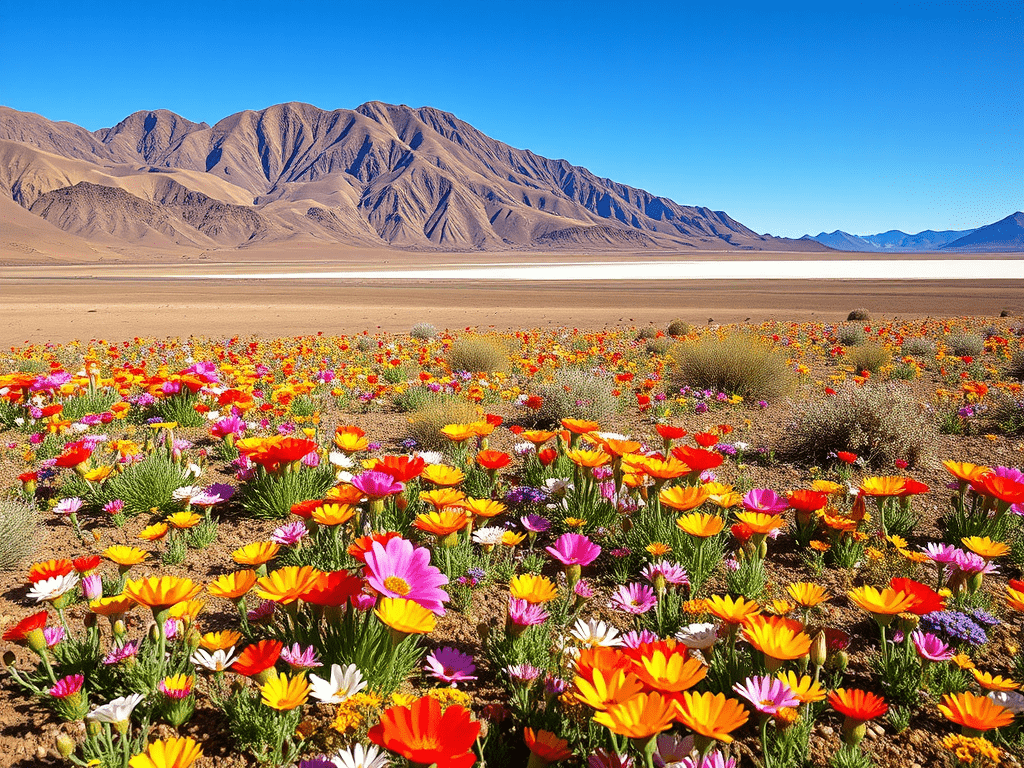
The Atacama Desert, located in northern Chile, holds the title of one of the driest places on Earth, boasting vast landscapes of barren slopes and salt flats. However, this seemingly lifeless environment undergoes a miraculous transformation every few years when heavy rains fall. The phenomenon, known as the “desert bloom,” literally blankets the desert in vibrant colors, showcasing an unexpected array of wildflowers. The last significant blooming occurred in 2022, attracting nature lovers, scientists, and tourists from around the globe. Visitors to this stark yet beautiful landscape can witness nature’s resilience and the amazing ability of life to flourish even in the harshest conditions. In this article, we’ll dive deeper into the unique aspects of this stunning event, exploring the climate of the Atacama, the flowering phenomena, the varieties of flora that emerge, and what travelers need to know to experience this breathtaking natural spectacle.
The Unique Climate of the Atacama Desert
The Atacama Desert is situated between the Andes Mountains and the Pacific Ocean, which creates an arid and inhospitable environment. Its climatic conditions are characterized by extreme dryness, with some areas receiving less than 1 mm of rainfall annually. This low precipitation is primarily due to the rain shadow effect created by the Andes, blocking moisture-laden winds from the ocean. Despite the overwhelming dryness, the desert has a plethora of microclimates and dramatic temperature variations from day to night.
The Atacama is notorious for its desolate landscapes, which include vast stretches of sand, rocky terrain, and salt flats, contributing to its reputation as a harsh desert. However, seasonal fluctuations can introduce unexpected anomalies, such as the blooming phenomenon triggered by sporadic rain showers. When these rains do occur, typically during the winter months, they breathe life into the dormant ecosystem.
The combination of nutrients in the soil and a brief surge of nutrients from rainfall provides a fertile ground for wildflower seeds that have lain dormant for years. Conditions such as high UV radiation levels and drastic temperature drops at night guide the evolution of various plants, which have adapted specifically to survive in this challenging environment.
Climate change has introduced additional variables to the desert’s ecosystem, affecting rainfall patterns and temperatures. Nonetheless, periods of heightened precipitation still occur, allowing for the remarkable blooming displays that attract tourists and scientists alike. It’s during these rare occasions that the Atacama Desert transforms into a surreal canvas painted with nature’s colors, highlighting its unique climatic conditions.
The blooming of the Atacama Desert is a spectacle of nature that reflects not just a momentary burst of life but also underscores the interaction between weather patterns and desert ecosystems. Understanding the climate is essential for appreciating this incredible event and its rarity.
The Phenomenon of Desert Bloom
The desert bloom phenomenon is characterized by the spontaneous eruption of wildflowers across the normally arid landscape, marking a stark contrast to its usual appearance. This transformation occurs infrequently, typically every few years, and is primarily triggered by significant rainfall following prolonged dry spells. The most notable blooms have been observed during El Niño years, when weather patterns lead to above-average precipitation.
When the rains come, they awaken the seeds that have been dormant in the desert soil. These seeds can remain viable for many years, waiting patiently for the right conditions to germinate. The specific timing of the blooms can vary greatly depending on the species of flowers and the amount of rain received. In some cases, the blooms can last for several weeks to months, providing a dazzling spectacle of color.
The blooming event is not just a beautiful sight; it also plays a crucial role in the ecosystem of the Atacama Desert. The emergence of flora rejuvenates the soil, contributes to the local ecological balance, and supports various forms of wildlife that rely on these plants for food and habitat. Insects, birds, and other animals are drawn to the blossoms, creating a brief but vital surge in biodiversity.
The excitement and anticipation surrounding the blooming period result in increased tourism, bringing with it both opportunities and challenges for the local environment and communities. Nature lovers and photographers flock to witness this fleeting beauty, resulting in a temporary surge of visitors that can impact the fragile ecosystem. With responsible tourism practices, visitors can enjoy this phenomenon without causing harm to the delicate environment.
Overall, the phenomenon of desert bloom is a remarkable event that highlights the resilience of nature and the intricate relationships within the ecosystem. It serves as a reminder of the beauty that can emerge from the harshest conditions and the importance of protecting these unique environments for future generations.
The Flora of the Atacama Desert
The flora of the Atacama Desert is a testament to nature’s resilience and adaptability. Despite harsh conditions, a surprise assortment of flowering plants thrives during the blooming season. Various wildflower species emerge, each with unique adaptations that allow them to survive and flourish in one of the harshest climates on Earth.
Among the well-known flowers that grace the Atacama during the bloom are the “llareta,” a perennial shrub that resembles a green mossy mound, and “daisy” species that burst into vibrant yellows, whites, and purples. The blooming flowers not only provide a visual spectacle but also showcase the evolutionary strategies that enable these plants to endure in extreme environments. Many of these species have developed deep root systems to access underground water, while others have adapted small leaves or developed thick, waxy surfaces to minimize moisture loss.
The colors and types of flowers that bloom can be influenced by various ecological factors, including soil composition, elevation, and the precise timing of the rain. For example, areas with more nutrient-rich soils tend to host a greater variety of blooms, while specific elevations may favor certain species. This intricate web of conditions leads to a strikingly diverse floral display throughout the desert.
Moreover, the flowers of the Atacama are not just a beauty; they play essential roles in the local ecosystem. They provide vital food sources for pollinators such as bees and butterflies. The blooms also attract herbivores, which, in turn, supports the food chain within the desert environment. Observing these relationships can be fascinating and highlights the complex interdependence that exists in even the most seemingly inhospitable areas.
As climate patterns continue to shift, researchers are studying how these adaptations may change over time, seeking to understand the future of desert flora in the context of global warming. This ongoing research emphasizes the need for conservation efforts to protect the unique biodiversity found in the Atacama Desert. The blooming is not just a visual miracle; it serves as a vital reminder of the complexity of life and its interactions within an ecosystem shaped by extremes.
Ecological Importance of the Blooming Desert
The blooming of the Atacama Desert has significant ecological implications that extend beyond visual appeal. When the desert blooms, it serves as a vital reminder of the potential for life to adapt and thrive, even in the harshest conditions. The sudden influx of flowers and the subsequent biological activity contribute directly to the stabilization and rejuvenation of the desert ecosystem.
One crucial ecological role played by the blooming flowers is soil regeneration. As the wildflowers grow, their roots help stabilize the soil, preventing erosion, and promoting soil health. The organic matter from decaying flowers enriches the ground, creating a more hospitable environment for future plant growth. This process not only benefits existing flora but also encourages the germination of new seeds, leading to increased biodiversity.
Furthermore, the blooming phenomenon attracts a wide variety of pollinators and herbivores, contributing to a temporary spike in local fauna abundance. Insects, birds, and small mammals that depend on these flowers for sustenance thrive during this period. This flourishing of life strengthens the local food web and encourages ecological interactions that are vital for maintaining balance in the ecosystem.
The bloom also plays an educational role, providing opportunities for scientific research and environmental awareness. Researchers from around the world are drawn to the blooming to study various biological and ecological processes, gaining valuable insights into plant adaptations, climate change impacts, and ecosystem resilience. The bloom serves as a live case study of nature’s remarkable ability to recover and sustain life.
However, the ecological importance of the bloom is also closely tied to the challenges of increasing tourism. While the bloom brings attention to the desert’s beauty and biodiversity, unchecked tourism can lead to habitat destruction, soil compaction, and disturbance to wildlife. Sustainable tourism practices are essential to balance human interest with ecological preservation, ensuring that the blooming phenomena can continue for generations.
Overall, the ecological importance of the blooming Atacama Desert goes far beyond mere aesthetics. It embodies a narrative of resilience, adaptation, and interdependence within the ecosystem, highlighting the vital roles that flora and fauna play in the health of the desert environment.
A Traveler’s Guide to Experience the Bloom
For those captivated by the prospect of experiencing the extraordinary bloom of the Atacama Desert, careful planning is essential. The unpredictable nature of this natural phenomenon means that it requires an understanding of conditions conducive to blooming and the best practices for visiting the region responsibly.
Travelers interested in witnessing the blooming should plan their visit during the anticipated bloom periods following significant rainfall. Typically, late winter to early spring (August to October) is the best time to catch a glimpse of this phenomenon. However, staying informed through local weather forecasts and bloom reports can enhance chances of witnessing the spectacle, as blooms can vary year by year.
Once in the region, various options for accommodations range from luxury hotels to more rustic eco-lodges. Choosing environmentally conscious lodgings can often provide both comfort and sustainability, allowing travelers to contribute positively to the local community and habitat. Additionally, local guides can offer invaluable insights, enhancing the experience while ensuring that visitor activities remain respectful to the fragile ecosystem.
Exploring the blooming desert can involve walking, hiking, and photography. Many designated trails exist that prioritize conservation while providing access to stunning vantage points for viewing the flowers. It’s crucial to follow Leave No Trace principles, remaining on established paths to avoid disturbing the delicate ecosystems and to refrain from picking flowers or disturbing wildlife.
Engaging with local communities can enrich the travel experience. Learning about the cultural significance of the Atacama Desert and its ecosystem can foster a deeper appreciation for the land and its inhabitants. Many local tours also focus on sustainable practices that support both the environment and local economies, ensuring that visitors embark on meaningful journeys.
Lastly, an awareness of environmental responsibilities is paramount. As travelers seek the beauty of the blooming desert, they must also consider their impact. Supporting initiatives aimed at conservation and sustainable tourism can help protect this unique environment for future generations to enjoy.
Experiencing the bloom of the Atacama Desert offers a once-in-a-lifetime opportunity to witness nature’s resilience firsthand. With careful planning and conscious actions, visitors can enjoy the beauty of this miraculous phenomenon while respecting and preserving the delicate ecology of this extraordinary desert.
Conclusion
The Atacama Desert stands as a unique testament to nature’s power and vitality, revealing its hidden wonders through the rare phenomenon of blooming. This breathtaking transformation highlights an intricate balance of life in a notoriously arid environment, painting the landscape with vibrant colors and rich biodiversity. Understanding the unique climate of the Atacama, the remarkable flowering phenomenon, the diverse flora, and the ecological significance of these blooms enhances appreciation for the awe-inspiring display of nature.
For travelers, witnessing the blooming desert is more than just an idyllic experience; it is an invitation to explore the remarkable harmony between resilience and fragility within ecosystems. While tourism can threaten this delicate balance, responsible travel can ensure that the beauty of the Atacama Desert continues to flourish for generations to come. The marvels of the Atacama are not just a fleeting event; they are a powerful reminder of the intricate relationships within nature and the importance of stewardship in protecting these extraordinary landscapes. Observing the bloom is a celebration of life and an opportunity to reflect on humanity’s connection to the natural world.