Tag: Chile

  • Volcanic Hot Springs of Termas de Chillán: Health Benefits Revealed 2025

    Volcanic Hot Springs of Termas de Chillán: Health Benefits Revealed 2025

    Introduction

    Nestled in the breathtaking Andes Mountains, Termas de Chillán is a sanctuary for those seeking rejuvenation and relaxation. Known for its magnificent volcanic hot springs, this wellness destination combines the healing power of geothermal waters with the serene beauty of nature. As visitors dip into the mineral-rich springs, they are enveloped in the landscape’s tranquility, providing an ideal escape from the stresses of everyday life. Beyond the therapeutic waters, Termas de Chillán offers a range of hydrotherapy treatments that enhance well-being, as well as outdoor activities for adventure enthusiasts. With stunning views of the Andes and a rich cultural history, this locale is not only a spa destination but also a gateway to experiencing Chile’s natural wonders. Whether seeking relaxation or adventure, Termas de Chillán has something unique to offer every traveler.

    The History of Termas de Chillán

    The origin of Termas de Chillán dates back centuries, deeply rooted in the indigenous Mapuche culture, who recognized the therapeutic properties of the region’s geothermal springs long before they were discovered by European settlers. The Mapuche believed that the hot springs were a gift from the gods, offering healing powers not only for the body but also for the spirit.

    In the early 20th century, Termas de Chillán began to gain popularity among Chileans and international tourists alike. The area was developed into a resort, attracting those looking to experience its natural wonders. With time, infrastructure was built to accommodate visitors, transforming the once quiet retreat into a thriving wellness hub.

    Today, the resort features modern amenities that meld seamlessly with its environmental beauty. Different thermal pools with varying temperatures allow guests to find their perfect sanctuary. The waters are filled with a variety of minerals such as sulfur, magnesium, and calcium, each known to promote health and wellness.

    Not only is the water itself healing, but the setting is spectacular, surrounded by the majestic Andes Mountains. The interplay of lush forests and rugged peaks provides an ideal backdrop for relaxation and self-reflection. The rich wildlife in the area is also a testament to the ecological integrity preserved since ancient times.

    The emergence of international attention has resulted in a greater appreciation for the historical and cultural narratives of the area. Guided tours are available that educate visitors about the significance of the hot springs as well as the ancient traditions of the Mapuche. Through storytelling and cultural immersion, guests gain insight into the heritage that defines Termas de Chillán.

    Furthermore, the connection between health and nature continues to draw individuals striving for balance in their lives. The history of Termas de Chillán is a story of cultural respect, natural beauty, and a holistic approach to wellness. As visitors indulge in the revitalizing waters, they are reminded of the strong ties between the earth and one’s own well-being.

    In both the past and present, Termas de Chillán stands as a testament to the enduring power of nature and culture working in harmony. Its evolution from an ancient sacred site to a modern wellness resort brings forth an array of experiences for those looking to deepen their connection with themselves and the surrounding beauty. Whether seeking solace or adventure, the history of Termas de Chillán enchants and inspires, inviting new generations to enjoy its treasures.

    Benefits of Volcanic Hot Springs

    The geothermal waters of Termas de Chillán are not only captivating, but they also offer an abundance of health benefits. The mineral-rich hot springs are an essential component of wellness tourism and have been utilized for centuries due to their therapeutic properties.

    First and foremost, soaking in hot springs promotes relaxation and stress relief. The warmth of the water helps to soothe tense muscles and calm the mind, allowing individuals to unwind completely. Studies show that warm water immersion can significantly reduce cortisol levels, the hormone associated with stress. This makes the hot springs an ideal sanctuary for those seeking respite from the hustle and bustle of daily life.

    In addition to relaxation, volcanic hot springs are rich in minerals that can improve overall physical health. The presence of minerals such as sulfur and magnesium has been shown to alleviate skin conditions, such as eczema and psoriasis. They also help detoxify the body by promoting circulation, which can flush out toxins and improve skin appearance.

    Hydrotherapy in the mineral springs is known for its range of therapeutic effects on the body. The buoyancy in water reduces stress on joints, making it an excellent option for those with arthritis or chronic pain. Regular visits to the hot springs can lead to improved joint mobility and a reduction in inflammation, providing relief to those who suffer from various musculoskeletal conditions.

    Another significant benefit of volcanic hot springs is the positive impact they have on mental health. The serene ambience created by the natural surroundings combined with the soothing properties of the warm water can facilitate better mental clarity and emotional stability. Many visitors report feeling rejuvenated and refreshed after soaking in the springs, often attributing this to improved sleep quality and reduced anxiety.

    Moreover, the therapeutic effects extend beyond physical health. Spending time in nature and immersing oneself in hot springs can lead to deeper connections with both oneself and others. The stunning Andes views provide an inspiring backdrop, encouraging mindfulness and appreciation for the present moment. Connecting with the natural world can enhance feelings of gratitude and well-being, contributing to a more sustainable approach to mental wellness.

    At Termas de Chillán, guests have access to a variety of hot spring pools, each offering its unique ambience and temperature. Whether one is seeking an invigorating dip in a hotter pool or a more soothing experience in cooler waters, there is an option to cater to individual preferences.

    The combination of numerous natural elements—heat, minerals, and tranquility—creates an environment that nurtures both the body and mind. As visitors allow themselves to absorb the healing properties of the volcanic hot springs, they forge a deeper connection not only with their own health but with the vibrant ecosystem that surrounds them.

    The volcanic hot springs at Termas de Chillán remain a cornerstone of its identity as a wellness haven. Through harnessing the ancient wisdom of these natural resources, countless individuals can experience the transformative benefits they offer—a truly enriching aspect of visiting this mountainous paradise.

    Hydrotherapy Treatments Offered

    Hydrotherapy is a central component of the wellness experience at Termas de Chillán. The integration of various water-based treatments aims to enhance the healing effects of the volcanic hot springs while offering personalized solutions for individuals seeking relief and rejuvenation.

    At the heart of hydrotherapy are the diverse treatments available to guests. Each treatment targets specific areas of the body, using water’s natural buoyancy and therapeutic properties. Among the most popular offerings is the mineral bath, where guests immerse themselves in pools infused with essential minerals. These baths help relieve aches and pains, promote relaxation, and improve skin conditions.

    In addition to mineral baths, the resort features hydro massage therapies that combine water pressure and temperature variations to stimulate circulation. These treatments can alleviate muscle tension, reduce pain, and improve flexibility. Clients may choose from varying intensity levels to customize their experience according to their needs.

    Another appealing option for visitors is alternate therapy sessions, such as mud wraps or volcanic ash exfoliation. These treatments utilize local natural resources to nourish the skin and detoxify the body, harnessing the unique properties of the Chilean landscape in rejuvenating experiences. They often leave the skin feeling soft and rejuvenated, offering holistic benefits along with the advantages of the mineral baths.

    For those looking to expand their wellness journey, guided hydrotherapy classes are also available. These classes feature exercises designed to improve strength, balance, and flexibility while utilizing the buoyancy of water to minimize impact on the joints. This is especially beneficial for those recovering from injuries or looking to enhance their physical fitness in a supportive environment.

    The innovation of hydrotherapy at Termas de Chillán does not stop with traditional treatments. Spa packages are available, allowing guests to explore a combination of therapies designed to optimize relaxation and wellness. These comprehensive experiences may include a series of baths followed by massage therapy, providing a holistic approach to self-care.

    The tranquil environment plays a key role in the effectiveness of hydrotherapy treatments. Each treatment area provides a serene and calm atmosphere, allowing visitors to disconnect from the outside world and fully immerse themselves in the therapeutic experience. Soft lighting, verdant views, and the gentle sound of water create a peaceful space for clients to relax.

    Moreover, trained professionals at Termas de Chillán guide guests through their hydrotherapy experiences, ensuring that each individual receives personalized attention. Therapists assess specific needs and recommend treatments that align with guests’ wellness goals. As a result, visitors receive a tailored wellness journey that respects their unique body and preferences.

    As word spreads about Termas de Chillán’s hydrotherapy offerings, individuals from around the world flock to experience these innovative treatments. The combination of traditional wisdom and modern wellness practices creates deeply enriching experiences for guests, allowing them to discover the transformative effects of hydrotherapy.

    Hydrotherapy treatments at Termas de Chillán not only address physical ailments but also provide mental clarity, emotional healing, and improved overall well-being. As guests indulge in the restorative properties of the waters, they forge a deeper connection with their health journey and an appreciation for the healing powers of nature.

    Activities and Amenities in the Area

    Termas de Chillán captivates visitors with its stunning landscapes and enriching experiences. Besides basking in the therapeutic waters, guests have numerous activities and amenities at their disposal, designed to create memorable adventures both on and off the resort.

    Outdoor enthusiasts are drawn to Termas de Chillán not just for the hot springs but for the wide range of outdoor leisure activities available year-round. In winter, the region transforms into a popular ski destination, with the nearby Nevados de Chillán ski resort offering slopes for all skill levels. Skiing and snowboarding opportunities abound, and visitors can enjoy breathtaking views of the Andes as they navigate the diverse terrain.

    For those who prefer summer and warmer weather, hiking trails abound in the surrounding national parks. Various trails can cater to both novices and experienced hikers, leading through lush forests and to picturesque viewpoints. The opportunity to witness local flora and fauna is especially appealing, with endemic species adding a sense of adventure and connection to the environment.

    In addition to skiing and hiking, more leisurely pursuits await. The scenic landscape invites nature walks and bike excursions, allowing guests to explore the area at their own pace. Guided eco-tours provide educational insights about the natural surroundings, focusing on ecology and conservation efforts.

    Back at the resort, amenities abound to enhance the overall experience. On-site dining options emphasize local Chilean cuisine, drawing inspiration from fresh ingredients sourced from the region. From traditional dishes to modern interpretations, the culinary offerings allow guests to indulge in the flavors of Chile while enjoying the beautiful views.

    Furthermore, the wellness center offers a variety of spa services, ensuring that guests not only unwind in the hot springs but also experience treatments that refresh and revitalize. Massages, facials, and body treatments are just a few options available, providing a holistic approach to relaxation.

    The social aspect of Termas de Chillán cannot be overlooked. The vibrant atmosphere allows visitors to meet and connect with fellow adventurers and wellness seekers. Group activities, workshops, or themed nights foster a sense of community and camaraderie amongst guests, making the experience even more rewarding.

    Accommodations at the resort range from luxurious rooms to comfortable lodges, all presenting stunning views of the Andes. The blend of comfort and natural beauty allows guests to unwind in a serene setting, enhancing their relaxation experience after a day of activities.

    For families traveling to Termas de Chillán, kid-friendly activities ensure that everyone enjoys their time. Whether exploring nature through organized activities or engaging in games at the resort, families find options that suit all age levels, creating lifelong memories together.

    The wealth of activities and amenities available at Termas de Chillán highlights the region’s duality as both a tranquil wellness retreat and an adventurous getaway. Whether skiing down snowy slopes or soaking in thermal waters, visitors leave with a deeper appreciation for nature, health, and community. The perfect balance of relaxation and adventure sets Termas de Chillán apart as a truly unique destination.

    Travel Tips for Visiting Termas de Chillán

    When planning a visit to Termas de Chillán, it is essential to be equipped with a set of travel tips to ensure a seamless and enjoyable experience. From practical advice to recommendations on the best times to visit, these tips aim to guide travelers in making the most of their trip to this wellness haven.

    1. Optimal Time to Visit: The best time to enjoy Termas de Chillán depends on personal preferences. For skiing enthusiasts, visiting during the winter months (June to September) is ideal, as this is when snow activities are in full swing. In contrast, travelers looking for hiking and outdoor exploration should consider going during the warmer months (October to May) when the weather is mild, and trails are more accessible.
    2. Packing Essentials: Given the nature of the destination, packing appropriately is crucial. Swimsuits, towels, and flip-flops are a must for enjoying the thermal baths. Additionally, warm clothing and layers are advisable for those engaging in outdoor activities, as temperatures can vary significantly in the mountainous terrain. Comfortable footwear is also essential for hiking and exploring.
    3. Reservations: It is advisable to book accommodations and spa treatments in advance, particularly during peak travel seasons. This ensures that guests secure their preferred rooms or treatments, allowing for an uninterrupted wellness experience. Researching any special packages or promotions available can also lead to added value during the stay.
    4. Hydration and Nourishment: Staying hydrated is key when soaking in hot springs. Guests should make a conscious effort to drink plenty of water, particularly before and after enjoying the thermal waters. On-site dining options offer a variety of healthy meals that highlight local cuisine—trying traditional Chilean dishes is recommended. Opting for balanced meals can enhance the overall wellness experience.
    5. Plan for Downtime: With so much to see and do at Termas de Chillán, it can be tempting to fill each day with activities. However, allowing time for relaxation and self-reflection is essential too. Setting aside moments to soak in the hot springs and enjoy the mesmerizing views can nourish the body and mind, ensuring a holistic experience.
    6. Consider Guided Tours: For those unfamiliar with the area, joining guided tours can deepen the experience. Knowledgeable guides can share insights about the historical and cultural significance of Termas de Chillán, enriching visitors’ understanding of its heritage.
    7. Explore Beyond the Resort: While the hot springs and wellness treatments are highlights, it is also beneficial to explore the surrounding area. Plan day trips to nearby national parks to fully experience the natural beauty of the Andes. Engaging in outdoor activities such as kayaking or horseback riding allows for exploration beyond the resort.
    8. Connect with Others: Termas de Chillán attracts a diverse range of visitors. Embrace the social aspect of the resort by engaging with fellow guests. Sharing experiences can lead to newfound friendships and enriching conversations, enhancing the overall journey.

    By following these travel tips, guests can maximize their experience at Termas de Chillán, ensuring both relaxation and adventure in this stunning location. The enchanting atmosphere, therapeutic waters, and breathtaking landscapes await those looking to escape the ordinary and embrace the beauty of wellness tourism.

    Conclusion

    In summary, Termas de Chillán embodies the perfect blend of wellness, adventure, and natural beauty. With its history rooted in ancient traditions, the volcanic hot springs and hydrotherapy treatments provide endless benefits for the body and mind. The array of activities and amenities ensures that visitors experience the region’s vibrant landscapes and local culture fully.

    As travelers indulge in the rejuvenating waters, they create lasting memories amidst the majestic Andes, allowing the serenity of the surroundings to wash over them. The integration of nature into relaxation and wellness becomes a cornerstone of the Termas de Chillán experience, inviting guests to unwind and reconnect with themselves.

    Whether seeking healing treatments, engaging outdoor adventures, or a moment of pure tranquility, Termas de Chillán serves as a sanctuary for rejuvenation and self-discovery. By embarking on this journey, guests are not only enriched through their experiences but also leave with a renewed perspective on wellness and a deeper appreciation for the wonders of nature.

  • Explore the Blooming Atacama Desert in 2025: Nature’s Colorful Miracle
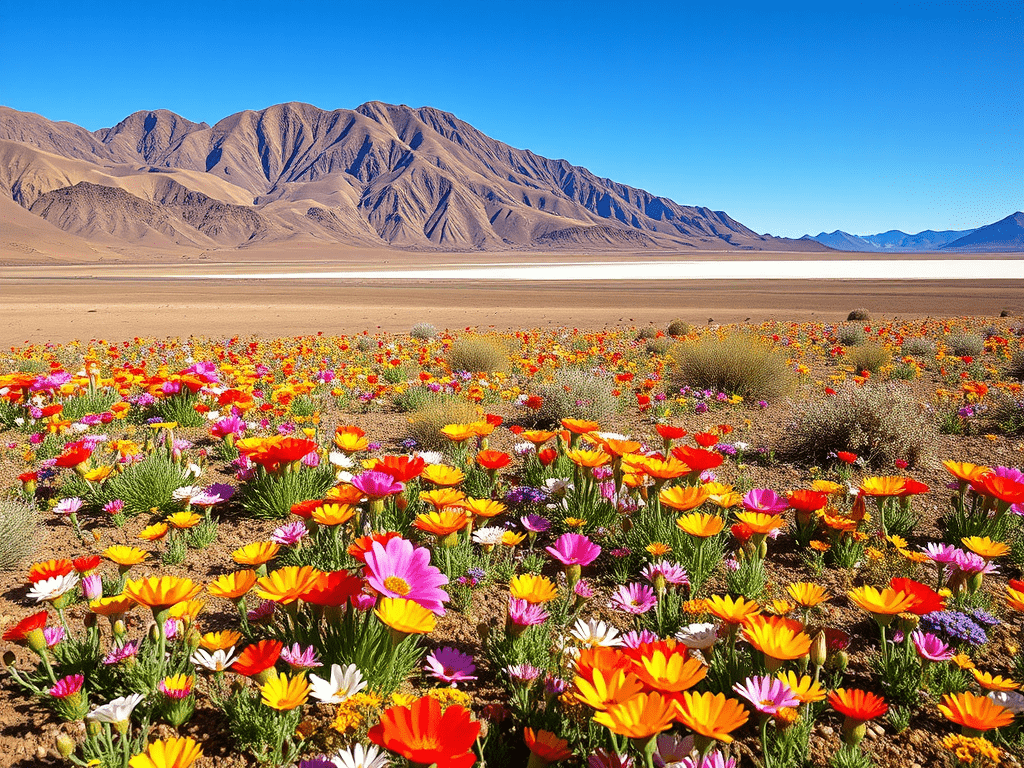
    Explore the Blooming Atacama Desert in 2025: Nature’s Colorful Miracle

    Introduction

    The Atacama Desert, located in northern Chile, holds the title of one of the driest places on Earth, boasting vast landscapes of barren slopes and salt flats. However, this seemingly lifeless environment undergoes a miraculous transformation every few years when heavy rains fall. The phenomenon, known as the “desert bloom,” literally blankets the desert in vibrant colors, showcasing an unexpected array of wildflowers. The last significant blooming occurred in 2022, attracting nature lovers, scientists, and tourists from around the globe. Visitors to this stark yet beautiful landscape can witness nature’s resilience and the amazing ability of life to flourish even in the harshest conditions. In this article, we’ll dive deeper into the unique aspects of this stunning event, exploring the climate of the Atacama, the flowering phenomena, the varieties of flora that emerge, and what travelers need to know to experience this breathtaking natural spectacle.

    The Unique Climate of the Atacama Desert

    The Atacama Desert is situated between the Andes Mountains and the Pacific Ocean, which creates an arid and inhospitable environment. Its climatic conditions are characterized by extreme dryness, with some areas receiving less than 1 mm of rainfall annually. This low precipitation is primarily due to the rain shadow effect created by the Andes, blocking moisture-laden winds from the ocean. Despite the overwhelming dryness, the desert has a plethora of microclimates and dramatic temperature variations from day to night.

    The Atacama is notorious for its desolate landscapes, which include vast stretches of sand, rocky terrain, and salt flats, contributing to its reputation as a harsh desert. However, seasonal fluctuations can introduce unexpected anomalies, such as the blooming phenomenon triggered by sporadic rain showers. When these rains do occur, typically during the winter months, they breathe life into the dormant ecosystem.

    The combination of nutrients in the soil and a brief surge of nutrients from rainfall provides a fertile ground for wildflower seeds that have lain dormant for years. Conditions such as high UV radiation levels and drastic temperature drops at night guide the evolution of various plants, which have adapted specifically to survive in this challenging environment.

    Climate change has introduced additional variables to the desert’s ecosystem, affecting rainfall patterns and temperatures. Nonetheless, periods of heightened precipitation still occur, allowing for the remarkable blooming displays that attract tourists and scientists alike. It’s during these rare occasions that the Atacama Desert transforms into a surreal canvas painted with nature’s colors, highlighting its unique climatic conditions.

    The blooming of the Atacama Desert is a spectacle of nature that reflects not just a momentary burst of life but also underscores the interaction between weather patterns and desert ecosystems. Understanding the climate is essential for appreciating this incredible event and its rarity.

    The Phenomenon of Desert Bloom

    The desert bloom phenomenon is characterized by the spontaneous eruption of wildflowers across the normally arid landscape, marking a stark contrast to its usual appearance. This transformation occurs infrequently, typically every few years, and is primarily triggered by significant rainfall following prolonged dry spells. The most notable blooms have been observed during El Niño years, when weather patterns lead to above-average precipitation.

    When the rains come, they awaken the seeds that have been dormant in the desert soil. These seeds can remain viable for many years, waiting patiently for the right conditions to germinate. The specific timing of the blooms can vary greatly depending on the species of flowers and the amount of rain received. In some cases, the blooms can last for several weeks to months, providing a dazzling spectacle of color.

    The blooming event is not just a beautiful sight; it also plays a crucial role in the ecosystem of the Atacama Desert. The emergence of flora rejuvenates the soil, contributes to the local ecological balance, and supports various forms of wildlife that rely on these plants for food and habitat. Insects, birds, and other animals are drawn to the blossoms, creating a brief but vital surge in biodiversity.

    The excitement and anticipation surrounding the blooming period result in increased tourism, bringing with it both opportunities and challenges for the local environment and communities. Nature lovers and photographers flock to witness this fleeting beauty, resulting in a temporary surge of visitors that can impact the fragile ecosystem. With responsible tourism practices, visitors can enjoy this phenomenon without causing harm to the delicate environment.

    Overall, the phenomenon of desert bloom is a remarkable event that highlights the resilience of nature and the intricate relationships within the ecosystem. It serves as a reminder of the beauty that can emerge from the harshest conditions and the importance of protecting these unique environments for future generations.

    The Flora of the Atacama Desert

    The flora of the Atacama Desert is a testament to nature’s resilience and adaptability. Despite harsh conditions, a surprise assortment of flowering plants thrives during the blooming season. Various wildflower species emerge, each with unique adaptations that allow them to survive and flourish in one of the harshest climates on Earth.

    Among the well-known flowers that grace the Atacama during the bloom are the “llareta,” a perennial shrub that resembles a green mossy mound, and “daisy” species that burst into vibrant yellows, whites, and purples. The blooming flowers not only provide a visual spectacle but also showcase the evolutionary strategies that enable these plants to endure in extreme environments. Many of these species have developed deep root systems to access underground water, while others have adapted small leaves or developed thick, waxy surfaces to minimize moisture loss.

    The colors and types of flowers that bloom can be influenced by various ecological factors, including soil composition, elevation, and the precise timing of the rain. For example, areas with more nutrient-rich soils tend to host a greater variety of blooms, while specific elevations may favor certain species. This intricate web of conditions leads to a strikingly diverse floral display throughout the desert.

    Moreover, the flowers of the Atacama are not just a beauty; they play essential roles in the local ecosystem. They provide vital food sources for pollinators such as bees and butterflies. The blooms also attract herbivores, which, in turn, supports the food chain within the desert environment. Observing these relationships can be fascinating and highlights the complex interdependence that exists in even the most seemingly inhospitable areas.

    As climate patterns continue to shift, researchers are studying how these adaptations may change over time, seeking to understand the future of desert flora in the context of global warming. This ongoing research emphasizes the need for conservation efforts to protect the unique biodiversity found in the Atacama Desert. The blooming is not just a visual miracle; it serves as a vital reminder of the complexity of life and its interactions within an ecosystem shaped by extremes.

    Ecological Importance of the Blooming Desert

    The blooming of the Atacama Desert has significant ecological implications that extend beyond visual appeal. When the desert blooms, it serves as a vital reminder of the potential for life to adapt and thrive, even in the harshest conditions. The sudden influx of flowers and the subsequent biological activity contribute directly to the stabilization and rejuvenation of the desert ecosystem.

    One crucial ecological role played by the blooming flowers is soil regeneration. As the wildflowers grow, their roots help stabilize the soil, preventing erosion, and promoting soil health. The organic matter from decaying flowers enriches the ground, creating a more hospitable environment for future plant growth. This process not only benefits existing flora but also encourages the germination of new seeds, leading to increased biodiversity.

    Furthermore, the blooming phenomenon attracts a wide variety of pollinators and herbivores, contributing to a temporary spike in local fauna abundance. Insects, birds, and small mammals that depend on these flowers for sustenance thrive during this period. This flourishing of life strengthens the local food web and encourages ecological interactions that are vital for maintaining balance in the ecosystem.

    The bloom also plays an educational role, providing opportunities for scientific research and environmental awareness. Researchers from around the world are drawn to the blooming to study various biological and ecological processes, gaining valuable insights into plant adaptations, climate change impacts, and ecosystem resilience. The bloom serves as a live case study of nature’s remarkable ability to recover and sustain life.

    However, the ecological importance of the bloom is also closely tied to the challenges of increasing tourism. While the bloom brings attention to the desert’s beauty and biodiversity, unchecked tourism can lead to habitat destruction, soil compaction, and disturbance to wildlife. Sustainable tourism practices are essential to balance human interest with ecological preservation, ensuring that the blooming phenomena can continue for generations.

    Overall, the ecological importance of the blooming Atacama Desert goes far beyond mere aesthetics. It embodies a narrative of resilience, adaptation, and interdependence within the ecosystem, highlighting the vital roles that flora and fauna play in the health of the desert environment.

    A Traveler’s Guide to Experience the Bloom

    For those captivated by the prospect of experiencing the extraordinary bloom of the Atacama Desert, careful planning is essential. The unpredictable nature of this natural phenomenon means that it requires an understanding of conditions conducive to blooming and the best practices for visiting the region responsibly.

    Travelers interested in witnessing the blooming should plan their visit during the anticipated bloom periods following significant rainfall. Typically, late winter to early spring (August to October) is the best time to catch a glimpse of this phenomenon. However, staying informed through local weather forecasts and bloom reports can enhance chances of witnessing the spectacle, as blooms can vary year by year.

    Once in the region, various options for accommodations range from luxury hotels to more rustic eco-lodges. Choosing environmentally conscious lodgings can often provide both comfort and sustainability, allowing travelers to contribute positively to the local community and habitat. Additionally, local guides can offer invaluable insights, enhancing the experience while ensuring that visitor activities remain respectful to the fragile ecosystem.

    Exploring the blooming desert can involve walking, hiking, and photography. Many designated trails exist that prioritize conservation while providing access to stunning vantage points for viewing the flowers. It’s crucial to follow Leave No Trace principles, remaining on established paths to avoid disturbing the delicate ecosystems and to refrain from picking flowers or disturbing wildlife.

    Engaging with local communities can enrich the travel experience. Learning about the cultural significance of the Atacama Desert and its ecosystem can foster a deeper appreciation for the land and its inhabitants. Many local tours also focus on sustainable practices that support both the environment and local economies, ensuring that visitors embark on meaningful journeys.

    Lastly, an awareness of environmental responsibilities is paramount. As travelers seek the beauty of the blooming desert, they must also consider their impact. Supporting initiatives aimed at conservation and sustainable tourism can help protect this unique environment for future generations to enjoy.

    Experiencing the bloom of the Atacama Desert offers a once-in-a-lifetime opportunity to witness nature’s resilience firsthand. With careful planning and conscious actions, visitors can enjoy the beauty of this miraculous phenomenon while respecting and preserving the delicate ecology of this extraordinary desert.

    Conclusion

    The Atacama Desert stands as a unique testament to nature’s power and vitality, revealing its hidden wonders through the rare phenomenon of blooming. This breathtaking transformation highlights an intricate balance of life in a notoriously arid environment, painting the landscape with vibrant colors and rich biodiversity. Understanding the unique climate of the Atacama, the remarkable flowering phenomenon, the diverse flora, and the ecological significance of these blooms enhances appreciation for the awe-inspiring display of nature.

    For travelers, witnessing the blooming desert is more than just an idyllic experience; it is an invitation to explore the remarkable harmony between resilience and fragility within ecosystems. While tourism can threaten this delicate balance, responsible travel can ensure that the beauty of the Atacama Desert continues to flourish for generations to come. The marvels of the Atacama are not just a fleeting event; they are a powerful reminder of the intricate relationships within nature and the importance of stewardship in protecting these extraordinary landscapes. Observing the bloom is a celebration of life and an opportunity to reflect on humanity’s connection to the natural world.

    Atacama: Life in the World’s Driest Desert | FULL DOCUMENTARY Video

    Atacama: Life in the World’s Driest Desert | FULL DOCUMENTARY