Introduction
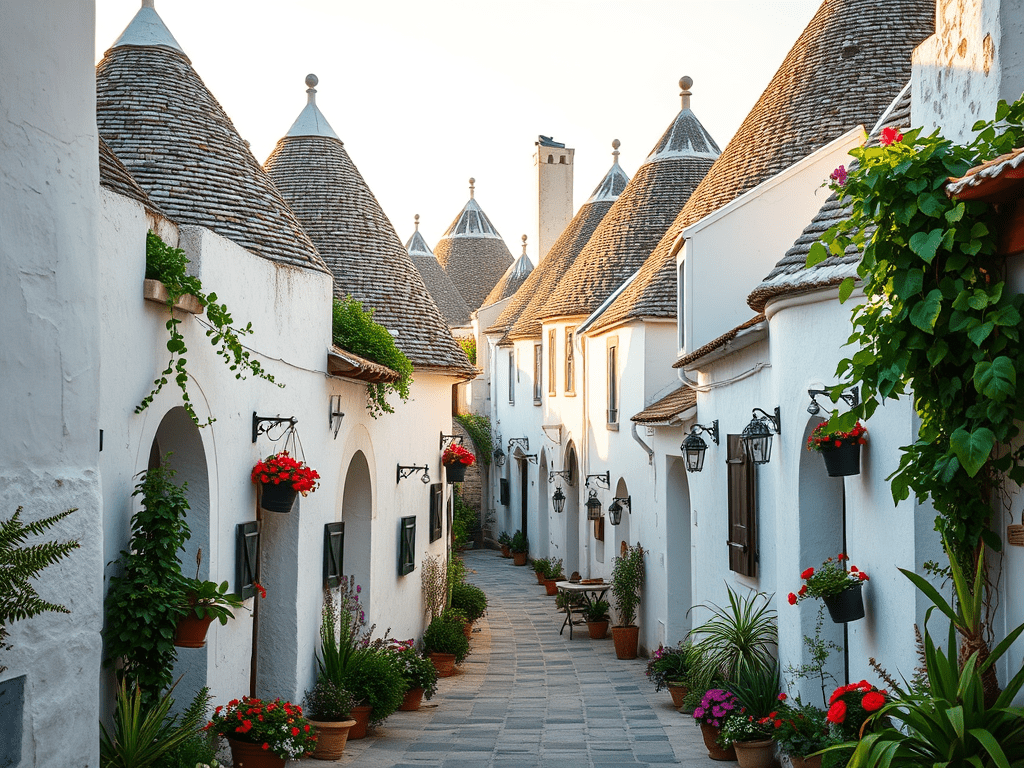
Discover Charming Alberobello, a picturesque town located in the heart of Puglia, Italy, is renowned for its unique trulli houses, which are an architectural marvel and a symbol of the region. Recognized as a UNESCO World Heritage Site, Alberobello is characterized by its charming whitewashed stone houses with conical roofs, which are not only visually striking but also rich in history and tradition. The town’s enchanting streets and vibrant local culture make it a perfect getaway for travelers seeking an authentic Italian experience. From the moment you set foot in Alberobello, the magical atmosphere captivates your senses, inviting you to explore its hidden corners, taste delicious local cuisine, and immerse yourself in the warmth of Italian hospitality. This article delves into the intriguing history, architectural significance, cultural aspects, activities, and travel tips that will help make your visit to Alberobello unforgettable.
The History of Alberobello and Its Trulli Houses
Alberobello’s history is deeply intertwined with the unique architectural form of the trulli, which have become iconic symbols of the town and its region. Trulli are dry stone huts with conical roofs that are made without mortar, a construction method that dates back to the 14th century. The origins of the trulli can be traced back to the need for temporary structures used by farmers and landowners in the area, as well as a clever way to avoid taxes.
In its early days, Alberobello was part of the territory of the Counts of Conversano. The area was sparsely populated until the 11th century when various agricultural activities began to flourish. As the demand for housing grew, the residents started building these unique structures. Their construction was not only practical but also resourceful—utilizing local limestone to create durable yet easily disassembled homes. This was particularly advantageous in evading the tax imposed by the Kingdom of Naples, which required permanent dwellings to be registered.
The architectural style of the trulli is heavily influenced by the region’s historical invasions and subsequent settlements. The distinctive shapes and motifs often found on the roofs serve as protective symbols, with many featuring painted symbols such as the cross or the crescent moon. These designs reflect a blend of cultural influences, including Greek, Roman, and Byzantine traditions. As time progressed, the town of Alberobello grew rapidly and attracted more inhabitants, transforming it into a bustling community.
In 1797, Alberobello was officially recognized as a town, and its population continued to rise steadily. The 20th century saw efforts to preserve the trulli, which were once facing the threat of abandonment due to urbanization. In 1996, the trulli of Alberobello were designated a UNESCO World Heritage Site, ensuring their protection and conservation for future generations.
Today, visitors can wander through the Rione Monti and Rione Aia Piccola districts, where clusters of trulli line the streets, showcasing their singular architectural beauty. The narrow, winding roads lead to charming shops, local eateries, and breathtaking views of the rolling hills of Puglia. Historical buildings, such as the Church of Saint Anthony, feature trulli-style architecture, showcasing how traditional building techniques have been integrated into later structures.
The Preservation of Alberobello has become a priority for local authorities, who continue to promote the town’s historical significance while encouraging tourism. Community initiatives and celebrations, such as the annual “Trulli Fest,†allow locals to share their heritage and foster a deeper understanding of the town’s cultural roots.
In summary, the history of Alberobello and its trulli houses encapsulates a rich narrative of ingenuity, cultural synthesis, and resilience. These structures stand as a testament to the creativity of the past and remain a vibrant part of Puglia’s identity today.
Architectural Significance of Trulli
The architectural significance of trulli houses lies not only in their unconventional design and construction methods but also in their insulation properties, adaptability, and the cultural identity they represent. The use of dry stone as a primary building material is notable, as it allows for the creation of structures that can be both sturdy and aesthetically pleasing.
Trulli typically feature a conical roof constructed from flat stones known as “chiancarelle,” which are stacked in a circular manner without the use of mortar. This method has proven to be remarkably effective in the region’s climate, providing natural temperature control. During the hot summer months, the thick stone walls keep the interior cool, while in winter, the structure retains warmth, making trulli an efficient dwelling option.
The unique shape of trulli is not just for functionality; it also holds cultural significance. Each trullo exhibits distinct features, including the conical roof’s various high and low points, and decorative elements such as pinnacles and symbols marking the peaks. These features can often indicate the personal style or beliefs of the owner. For instance, religious symbols or decorative statues found atop the roofs may serve as protective signs or expressions of faith.
In more recent years, architects and designers have drawn inspiration from trulli houses, contributing to a budding movement that seeks to integrate traditional styles with modern design. This fusion can be seen in some new constructions that pay homage to historic models while incorporating contemporary materials and comforts. Consequently, trulli not only serve as a reflection of Puglia’s architectural heritage but also offer insight into the ongoing evolution of Italian design.
Visiting Alberobello allows one to appreciate the architectural genius that has withstood the test of time. Walking through the town provides a sense of nostalgia, as each trullo offers a glimpse into a labor-intensive construction process and community spirit. As one observes meticulous renovations, innovative adaptations for modern living, and the challenges of conservation, it becomes evident that these structures are living monuments to a rich architectural legacy.
Overall, the architectural significance of trulli houses is multifaceted, embodying practical solutions for living and reflecting Puglia’s cultural identity and history. The ongoing efforts to preserve and celebrate this unique architectural form ensure that future generations can enjoy and appreciate Alberobello’s trulli houses.
Cultural Aspects and Local Traditions
Alberobello is not only celebrated for its iconic trulli houses but also for its rich cultural traditions, which have shaped the identity of the town and its inhabitants. The local culture is a vibrant tapestry woven from the influences of various historical cultures, including Greek, Roman, Byzantine, and Norman. This melting pot of traditions can be observed in the town’s festivals, cuisine, arts, and daily life.
One of the most notable cultural traditions in Alberobello is the celebration of local festivals throughout the year. Events such as the “Festa di San Antonio,” held in June, honor the town’s patron saint with religious processions, music, and traditional dances. During this time, locals and visitors come together to partake in lively celebrations characterized by vibrant music, food stalls, and communal gatherings. The festival reflects the deep-rooted spirituality and devotion of the community, fostering a sense of togetherness and pride.
In addition to religious events, the area also celebrates agricultural traditions that honor its rural heritage. The “Fiera di Alberobello,†an annual fair, emphasizes local produce, crafts, and traditional music, allowing artisans and farmers to showcase their skills. This fair not only acts as an economic platform but also preserves and promotes the artisanal legacy that is vital to the region’s ethos.
Culinary traditions play a significant role in the culture of Alberobello. Local fare is deeply rooted in the flavors and ingredients typical of the Puglian region. Visitors are treated to delectable dishes such as “orecchiette” pasta served with nonna’s homemade sauces, “burrata” cheese fresh from the nearby farms, and an assortment of delectable desserts. The town’s restaurants often source ingredients locally, promoting sustainable practices and providing patrons with an authentic taste of Puglia.
Olive oil production is a cornerstone of Puglian culture, and Alberobello is no exception. Families have been producing olive oil for generations, and visitors can tour local olive groves and farms to witness the traditional methods of pressing olives. This cultural heritage forms an integral part of the town’s identity, highlighting the importance of agrarian practices and the connection between the land and its people.
Perhaps even more significant are the hospitality and welcoming nature of the Alberobello residents. The warmth of the local community is evident in their eagerness to share stories and traditions that have been passed down through generations. This spirit of hospitality encourages visitors to engage with the culture on a personal level, forging connections that extend beyond the typical tourist experience.
In summary, the cultural aspects and local traditions in Alberobello are rich, diverse, and steeped in history. The town’s festivals, food, and welcoming spirit offer a unique lens through which to experience life in this enchanting Italian gem, ensuring that visitors leave with a profound understanding of its heritage and a warm connection to its people.
Activities and Attractions in Alberobello
When visiting Alberobello, travelers are greeted with a wealth of activities and attractions that ensure a memorable experience in this charming town. From exploring the iconic trulli houses to indulging in the local cuisine, there is something for everyone. The picturesque landscape and vibrant atmosphere make it a delightful destination for all types of travelers.
One of the most mesmerizing activities is wandering through the Rione Monti district, where a significant concentration of trulli can be found. The narrow winding streets are lined with an ethereal collection of these stone dwellings, each uniquely adorned with trinkets and intricate designs. Meandering through this district allows visitors to fully appreciate the architectural beauty of the trulli and capture stunning photographs to commemorate their journey.
The Trullo Sovrano is another must-visit attraction in Alberobello. Standing as the largest trullo in the town, this historical structure dates back to the 18th century and offers a glimpse into how the inhabitants of these dwellings lived. Visitors can take guided tours to explore its interiors, which house a small museum showcasing the cultural history and traditional practices associated with trulli living.
Alberobello is also home to the Church of Saint Anthony, an architectural gem constructed in 1927 that resembles a trullo. The church, with its stunning frescoes and unique design, stands as a testament to the town’s culture and heritage. Visitors often stop to admire its beauty and reflect on the spiritual significance the building holds for the local community.
For those interested in local crafts and artisanal products, visiting the many shops dotted along the streets is a delightful experience. Local artisans sell handmade souvenirs, ceramics, and traditional Puglian handicrafts, providing visitors an opportunity to bring home a piece of Alberobello’s charm. Watching artisans at work in their studios adds to the immersive experience, connecting visitors with the town’s craftsmanship.
Another engaging activity in Alberobello is tasting the local cuisine. Restaurants and trattorias serve traditional Puglian dishes, from fresh pasta dishes to exquisite seafood. Many establishments boast outdoor seating where guests can enjoy their meals while soaking in the vibrant atmosphere of the town’s streets. Trying local wines, particularly the rich reds and refreshing whites from the Puglia region, is a must for wine enthusiasts looking to savor the local flavors.
For families, a visit to the nearby I Trulli di Alberobello amusement park can add an exciting twist to the itinerary. Perfect for children, the park features fun activities, attractions, and educational exhibits that recount the history of trulli and the culture of Alberobello. It provides a light-hearted family-friendly environment where everyone can engage and enjoy the rich history of the region.
Finally, enjoying a stroll through the scenic outskirts of Alberobello offers a peaceful escape into nature. Many walking trails and bike paths meander through the surrounding countryside, showcasing the picturesque landscapes of olive groves, vineyards, and rolling hills. Hikers and cyclists can connect with the breathtaking beauty of Puglia, and the experience provides an exceptional contrast to the architectural exploration within the town.
In conclusion, the activities and attractions in Alberobello cater to a diverse audience, ensuring that every visitor leaves with cherished memories. Whether exploring the quaint streets, indulging in local flavor, or relaxing in nature, Alberobello truly is a treasure trove of experiences waiting to be discovered.
Travel Tips for Visiting Alberobello
Embarking on a journey to Alberobello can be a delightful experience, but being well-prepared can greatly enhance your visit. Here are some essential travel tips to ensure you make the most of your time in this charming town.
First and foremost, consider the timing of your visit. Alberobello can be quite crowded during the peak summer months (July and August), which can affect your overall experience. Visiting during the shoulder seasons of spring (April to June) or fall (September to October) may provide a more serene atmosphere. During these months, the weather is typically mild, making it ideal for exploring the town and its surrounds at a leisurely pace.
Accommodation is another important aspect to plan ahead. Alberobello offers various lodging options, from charming bed-and-breakfasts to traditional trullo stays, allowing travelers to immerse themselves in the local culture. Booking in advance, especially during peak seasons or holidays, ensures that you secure your preferred accommodation.
When it comes to getting around, Alberobello is a pedestrian-friendly town, making walking the most enjoyable way to explore its narrow streets and trulli. However, if you’re venturing to nearby attractions or neighboring towns, consider renting a car. Acquiring a vehicle will allow you the flexibility to explore the stunning landscapes of Puglia, including the nearby towns of Locorotondo and Martina Franca. Public transportation options are limited, so a car rental can enhance your experience significantly.
For a deeper engagement with the local culture, consider learning a few Italian phrases. Although many locals speak English, showing an effort to communicate in their native language often fosters a positive rapport. Greetings like “buongiorno” (good morning) or “grazie” (thank you) can go a long way in connecting with the locals.
While strolling through the town, take the time to interact with local artisans and shopkeepers. Many are eager to share their stories, traditions, and crafts, enriching your experience. Dining in local restaurants can also provide insights into regional dishes and food culture. Be sure to ask about daily specials that feature seasonal ingredients, as they often provide the most authentic representation of Puglian cuisine.
Additionally, exploring local markets is a fantastic way to immerse yourself in the community’s daily life. Markets often feature fresh produce, handmade goods, and the opportunity to meet local vendors. Participating in this bustling ambiance adds an extra layer of authenticity to your travel experience.
Lastly, don’t forget to carry a reusable water bottle. Although Alberobello is generally safe for drinking, it’s always wise to stay hydrated during your explorations. There are several water fountains scattered throughout the town, making it easy to refill your bottle while reducing plastic waste.
Conclusion
Traveling to Alberobello promises a unique experience for every visitor. By planning your visit thoughtfully, you can fully embrace the charm, culture, and hospitality of this hidden gem in Italy. With these travel tips in hand, you’re set for an unforgettable adventure in Alberobello.
The enchanting town of Alberobello shines brightly as a unique destination that captivates travelers with its charm, history, and stunning architecture. Through its storied past, innovative trulli houses, and rich cultural traditions, Alberobello stands as a testament to the beauty of Italian craftsmanship and resilience. The warm hospitality of the residents, coupled with the diverse array of activities and attractions, ensures that every visitor enjoys a well-rounded experience of Puglia’s heritage.
As we have explored, the delicate balance of preserving the region’s traditions while welcoming modern tourism creates an inviting atmosphere for all. Whether wandering through the trulli-lined streets, indulging in local culinary delights, or engaging in vibrant cultural festivals, each experience adds depth to the journey. For those looking to uncover a hidden gem of Italy, Alberobello offers a captivating escape filled with rich history, architectural wonders, and unforgettable memories.
The Trulli of Alberobello (UNESCO/NHK) Video
The Trulli of Alberobello (UNESCO/NHK)