
Introduction
Tokyo, the bustling capital of Japan, stands as a vibrant testament to the fusion of modernity and tradition. Renowned as a global leader in technology, fashion, and culture, the city attracts millions of visitors each year, each eager to witness its eclectic blend of contemporary life and historical significance. Among its many districts, Shibuya and Shinjuku emerge as bustling hubs of commerce and entertainment, while Akihabara offers a unique experience tailored to anime and tech enthusiasts. In contrast, Asakusa remains a charming relic of Japan’s past, home to the illustrious Senso-ji Temple. Beyond these highlights, the city is graced with popular theme parks like Disneyland and DisneySea, which provide a whimsical escape for visitors of all ages. In this article, we will explore these essential facets of Unforgettable Tokyo, uncovering the vibrant tapestry that makes the city a must-visit destination.
Shibuya and Shinjuku: Business and Entertainment Districts
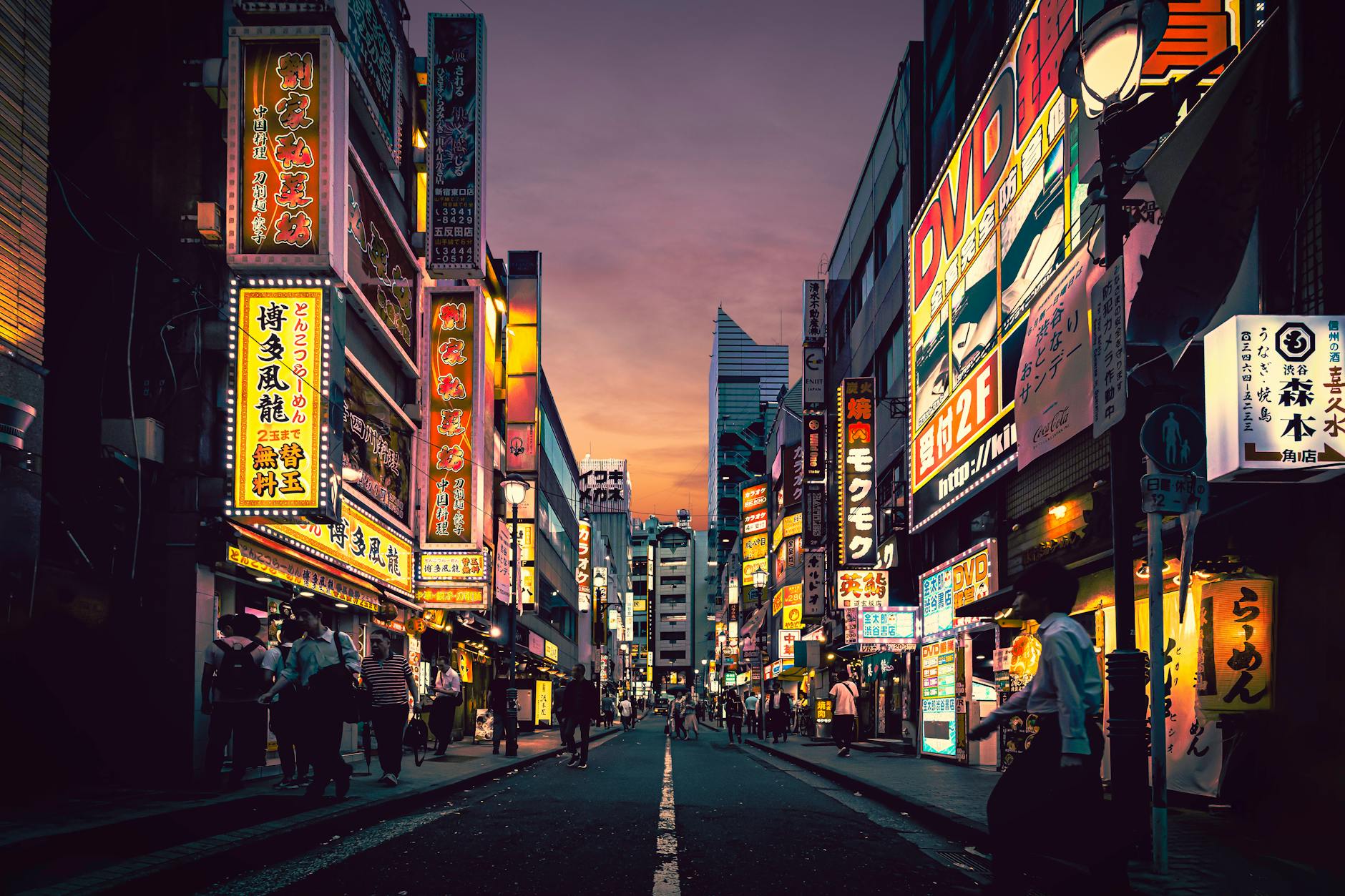
Shibuya and Shinjuku are two of Tokyo’s most iconic districts, each pulsating with energy and offering distinctly different experiences. Shibuya is best known for its famous crossing, often referred to as the busiest pedestrian intersection in the world. The sight of thousands of people crossing in multiple directions simultaneously is a hallmark of Tokyo’s vibrant urban life, encapsulating the city’s dynamic spirit. This bustling intersection is surrounded by towering skyscrapers, neon advertisements, and an array of shops and entertainment options that beckon tourists and locals alike.
The shopping scene in Shibuya is diverse and captivating, with everything from luxury brands to quirky boutiques. Notable landmarks include Shibuya 109, a shopping complex that has become a fashion icon in its own right, showcasing the latest trends and styles popular among Tokyo’s youth. Each floor is dedicated to different fashion retailers, designed to cater to varying tastes, making it a must-visit for fashion enthusiasts seeking the latest urban styles.
After shopping, visitors can explore the area’s entertainment options. The neighborhood is known for its vibrant nightlife, with countless bars, izakayas, and clubs that come alive after dark. Whether it’s enjoying unique themed cafes, karaoke joints, or live music events, Shibuya’s nightlife offers something for everyone. Those looking for a more low-key experience can relax in one of the local cafés, sipping matcha lattes while observing the world go by.
Just a short train ride away lies Shinjuku, another key district that embodies Tokyo’s bustling atmosphere. Known as a major commercial and administrative center, Shinjuku is home to some of the tallest skyscrapers in the city, including the iconic Tokyo Metropolitan Government Building, which offers free observation decks with stunning views of the metropolis. Visitors can admire the sprawling cityscape stretching out before them, capturing the vastness and beauty of Tokyo’s urban landscape.
Shinjuku is also famous for its diverse dining options, offering everything from traditional Japanese cuisine to international fare. The Golden Gai area, with its narrow alleys and tiny bars, provides an intimate space for socializing and experiencing local culture. Here, visitors can enjoy drinks and conversation in cozy surroundings, meeting both locals and fellow travelers.
For those seeking entertainment, Shinjuku boasts a variety of options, including traditional kabuki theatre at the Shinjuku Theater and modern cinemas showcasing the latest film releases. The infamous Robot Restaurant offers a uniquely Japanese experience, combining a dazzling array of lights, robots, and performances that leave audiences spellbound. This eclectic mix of activities ensures that Shinjuku is a dynamic destination for both daytime exploration and nighttime revelry.
In conclusion, Shibuya and Shinjuku represent the heartbeat of Tokyo, seamlessly blending fashion, technology, and entertainment. The districts offer a glimpse into the vibrant energy of the city, where modernity coexists with cultural heritage. Exploring these areas immerses visitors in the pulse of Tokyo, delivering unforgettable experiences that embody the spirit of this iconic metropolis.
Akihabara: A Paradise for Anime, Manga, and Electronics Lovers
Akihabara, often referred to as “Electric Town,” is a district in Tokyo that has carved a niche for itself as the epicenter of otaku culture. This vibrant neighborhood is a haven for anime, manga, and video game enthusiasts, boasting an array of shops, cafes, and arcades that cater to every whim. A visit to Akihabara is akin to stepping into a dream world, where the lines between reality and pop culture blur.
The primary attraction in Akihabara is its numerous electronics stores that showcase the latest gadgets, gaming consoles, and computer components. Major retailers like Yodobashi Camera and Sofmap draw crowds eager to explore the newest technology and electronics. In this district, visitors can find anything from cutting-edge appliances to obscure components hard to come by elsewhere, making it a paradise for tech aficionados.
For those more interested in anime and manga, Akihabara offers an unparalleled selection of merchandise. Shops like Animate, Mandarake, and Toranoana act as treasure troves, housing an impressive collection of manga, figures, and collectibles. Each shop is meticulously organized, allowing fans to browse through volumes of their favorite series, discover new titles, and acquire limited-edition goods. The excitement of encountering rare items or exclusive merchandise adds to the thrill of the shopping experience.
Akihabara is also known for its themed cafes, where fans can immerse themselves in the stories and characters they adore. For example, maid cafes present a whimsical experience where waitresses, dressed in French maid uniforms, serve food and drinks while engaging in playful interactions with patrons. This unique concept creates an entertaining and interactive atmosphere, embodying the distinct charm of otaku culture. Other themed establishments, such as anime cafes and gaming bars, further deepen the connection between visitors and their favorite pop culture icons.
Furthermore, Akihabara is home to numerous arcades that offer a range of gaming experiences. With floors filled with both classic and modern games, these arcades provide an opportunity for visitors to indulge in nostalgic gaming or try their hand at the latest competitive titles. From claw machines filled with plush toys to competitive rhythm games, the arcade culture in Akihabara is lively and inviting, encouraging both locals and tourists to join in the fun.
In addition to its commercial offerings, Akihabara hosts various events, including anime and gaming conventions that attract enthusiasts from around the world. These gatherings celebrate fandom and creativity, allowing fans to connect, share their passions, and participate in cosplay parades. The anime and gaming culture thrives on community engagement, and Akihabara serves as a focal point for these subcultures to flourish.
It’s worth noting that Akihabara has also seen an evolution in recent years, with the rise of integrated experiences combining gaming, art, and technology. Attractions like VR experience centers and immersive art installations allow visitors to engage with their favorite franchises in entirely new ways, showcasing Tokyo’s innovative spirit.
In conclusion, Akihabara stands out as a vibrant and essential destination for anyone interested in anime, manga, and technology. Its diverse range of shops, cafes, and entertainment options creates an unparalleled atmosphere that celebrates pop culture while fostering community engagement among fans. A visit to Akihabara promises to be an unforgettable adventure, where the allure of technology and creativity coalesce to form an enchanting experience.
Asakusa: A Traditional District with Senso-ji Temple
Asakusa is a district in Tokyo that offers travelers a glimpse into the city’s rich cultural heritage, showcasing its historical roots and traditions. The centerpiece of Asakusa is the illustrious Senso-ji Temple, which stands as Tokyo’s oldest and most significant temple, attracting millions of visitors each year. The area surrounding the temple is steeped in history, making it a must-see for those seeking to experience Japan’s spiritual and cultural essence.
Senso-ji Temple was founded in the year 628 AD and has since become a symbol of Tokyo. Dedicated to Kannon, the Buddhist goddess of mercy, the temple attracts not only worshippers but also tourists marveling at its stunning architecture and serene atmosphere. The approach to the temple is marked by Nakamise Street, a bustling shopping avenue leading to the temple’s entrance. Lined with stalls selling traditional snacks, souvenirs, and handicrafts, Nakamise Street enhances the experience of visiting Senso-ji by immersing visitors in the sights and scents of local culture.
As one approaches the grand Kaminarimon Gate, adorned with a massive red lantern, the anticipation builds. This gate serves as the official entrance to Senso-ji and is one of the most photographed landmarks in Tokyo, symbolizing the connection between the spiritual and the earthly. Upon passing through the gate, visitors continue along the path of Nakamise Street, where they can sample local delights like ningyo-yaki (small cakes filled with red bean paste) and senbei (rice crackers). The vibrant energy of the market adds a sense of excitement to the journey toward the temple.
Once at Senso-ji, the breathtaking architecture of the main hall (Hondo) captivates visitors. The intricate details and vibrant colors evoke a sense of reverence and peace. Visitors often engage in traditional rituals upon entering, such as purifying themselves at the water basin (temizuya) before offering prayers or making wishes. The atmosphere inside the temple is tranquil, allowing guests to reflect and appreciate the spirituality of the space.
Adjacent to Senso-ji, the Asakusa Shrine provides insight into Shinto practices and represents the coexistence of Buddhism and Shintoism in Japan. With its wooden structures and serene gardens, the shrine offers a stark contrast to the busy market outside, allowing visitors to explore a calm environment dedicated to honoring Japan’s natural spirits.
Asakusa is not only about spiritual experiences; it also serves as a hub for cultural celebrations. The Sanja Matsuri, one of Tokyo’s largest festivals, takes place each May and honors the founders of Senso-ji. During this lively event, energetic parades, traditional dances, and portable shrines (mikoshi) fill the streets, captivating both locals and visitors alike. This festival allows guests to immerse themselves in the rich cultural tapestry that Asakusa has to offer.
While in Asakusa, visitors can also explore nearby attractions, including the Tokyo Skytree, the tallest structure in Japan. The Skytree offers breathtaking views of the city and serves as a striking contrast to the historic charm of Asakusa. The juxtaposition of old and new encapsulates Tokyo’s essence, bridging its cultural heritage with its technological advancements.
In summary, Asakusa is a jewel of tradition in a modern metropolis, with Senso-ji Temple serving as its crown. The district attracts those seeking spiritual fulfillment, cultural enrichment, and a taste of Japan’s history. From savory snacks along Nakamise Street to the serene beauty of the temples, Asakusa invites visitors to slow down and reflect on the values and traditions that define Japan, creating an unforgettable experience that resonates long after leaving.
Disneyland and DisneySea: Theme Parks Loved by Tourists
Tokyo Disneyland and DisneySea are two spectacular theme parks located in the Tokyo Disney Resort, attracting millions of visitors who seek enchantment and entertainment. As the first Disney park built outside the United States, Tokyo Disneyland opened its gates in 1983, and it was later complemented by the unique DisneySea, which debuted in 2001. Both parks are meticulously designed, offering distinct experiences that cater to guests of all ages.
Tokyo Disneyland is an enchanting realm where classic Disney magic comes to life. Modeled after Disneyland in California, it features iconic attractions, beloved characters, and immersive themed lands. From the moment visitors step through the ornate entrance gate, they are transported into a world of wonder, characterized by meticulously manicured gardens and whimsical architecture. The park encapsulates the essence of fantasy, inviting guests to explore the various themed lands, including Adventureland, Fantasyland, and Tomorrowland.
Attractions like “It’s a Small World,” “Space Mountain,” and “Pirates of the Caribbean” transport visitors into stories filled with adventure and nostalgia. Parades and live performances, featuring beloved Disney characters, occur throughout the day, creating joyful moments that delight both children and adults. The nighttime spectacular, “Dreaming Up!” illuminates the sky with a dazzling display of fireworks and music, wrapping guests in a sense of wonder as they conclude their day at the park.
One of the unique aspects of Tokyo Disneyland is its attention to detail and guest experience. The park prides itself on providing unparalleled hospitality, reflected in the cleanliness, organization, and friendliness of the staff, known as Cast Members. This dedication to creating a magical atmosphere ensures that visitors can focus on enjoyment, free from worries about logistics or hassles.
Just adjacent to Disneyland lies Tokyo DisneySea, a park unlike any other in the world. Drawing inspiration from maritime exploration, DisneySea presents a unique blend of adventure and imagination, making it a must-visit for fans and newcomers alike. Each port of call in DisneySea offers a distinct theme, showcasing intricate details and stunning designs.
The Mediterranean Harbor is the entrance hub, where guests are greeted with stunning vistas of Venetian-inspired architecture and gondolas gliding along the water. This picturesque setting creates a magical ambiance, perfect for leisurely strolls or dining at themed restaurants. The Aquatopia attraction offers guests a playful experience as they navigate a waterway in small, spinning vehicles.
One of the standout attractions in DisneySea is “Tower of Terror,” a thrilling drop ride with an atmospheric storyline. Visitors are taken on an eerie journey through the haunted hotel, culminating in a heart-pounding plunge that leaves them exhilarated. Additionally, “Toy Story Mania!” immerses guests in a 4D gaming experience, showcasing Disney’s ability to combine innovation with beloved characters.
DisneySea’s unique offerings extend beyond rides; it hosts spectacular shows featuring water, fire, and light spectacles. The highlight is “Iridescent,” a dazzling nighttime show that combines music and visuals, leaving guests in awe of the magical storytelling presented before them. The distinctive atmosphere of DisneySea creates an enchanting experience, unlike common amusement parks.
Traveling to Tokyo Disneyland and DisneySea is not only about enjoying rides and entertainment; it’s also about creating lifelong memories. Families and friends can bond over shared experiences, laughter, and pure joy as they interact with beloved characters and immerse themselves in the magical environments. The parks foster a sense of community and connection among guests, all unified by the spirit of Disney.
In conclusion, Tokyo Disneyland and DisneySea represent the epitome of theme park magic, offering immersive experiences that captivate visitors of all ages. Each park possesses a unique charm, blending traditional Disney storytelling with distinctive Japanese hospitality. Whether exploring nostalgic attractions at Disneyland or embarking on a maritime adventure at DisneySea, visitors leave with unforgettable memories that embody the joy and wonder of the Disney experience.
Hidden Gems: Exploring Off-the-Beaten-Path Attractions in Tokyo
While Tokyo boasts an array of famous landmarks and tourist attractions, it also harbors hidden gems waiting to be discovered. These lesser-known sites contribute to the city’s diverse landscape, offering unique experiences that showcase the authentic essence of Tokyo. Exploring these off-the-beaten-path attractions allows visitors to engage with local culture, history, and creativity, often away from the bustling crowds.
One such hidden gem is the Yanaka district, a quaint neighborhood that survived the bombings of World War II, preserving the essence of old Tokyo. Characterized by its narrow streets, traditional wooden houses, and local shops, Yanaka evokes a nostalgic atmosphere. Visitors can wander through the Yanaka Cemetery, home to centuries-old tombstones and cherry blossom trees, creating a serene space for reflection and enjoyment of nature. The district offers a blend of history and modernity, with small cafes and galleries showcasing local artisans.
Another gem is the Nezu Shrine, a peaceful oasis in the midst of the city. This Shinto shrine is known for its stunning torii gates that create picturesque pathways, especially enchanting during the azalea festival in spring. The tranquility of Nezu Shrine allows visitors to escape the chaos of the city, providing a spiritual retreat where one can appreciate the beauty of traditional Japanese architecture and nature.
Kagurazaka, once a geisha district, is another hidden treasure that captures a sense of nostalgia and elegance. This charming neighborhood is lined with narrow alleys, traditional ryotei (Japanese dining establishments), and historic buildings. Walking through Kagurazaka, visitors can immerse themselves in the ambiance of old Tokyo while enjoying unique dining experiences, from kaiseki dinners to casual izakayas. The area also hosts cultural events and performances, allowing guests to experience Japan’s artistic heritage.
Obsessed with modernity, Tokyo is also home to innovative art spaces such as teamLab Borderless in Odaiba. This digital art museum blurs the lines between physical and digital worlds, featuring immersive installations that engage the senses. It allows visitors to explore a realm of creativity where art is constantly evolving, making it an unforgettable experience. Nature enthusiasts can also explore the nearby Odaiba Seaside Park, which provides stunning views of the Rainbow Bridge and Tokyo Bay.
For a taste of unique retail experiences, the neighborhood of Shimokitazawa delights visitors with its bohemian culture. Known for its vintage shops, cozy cafes, and live music scene, Shimokitazawa exudes a laid-back vibe that stands apart from the urban rush. Exploring its alleys, visitors often stumble upon thrift stores brimming with eclectic clothing, unique vinyl records, and artisanal goods, allowing for truly one-of-a-kind shopping.
Additionally, the Tokyo Metropolitan Government Building offers another hidden opportunity for breathtaking views of the city. While many tourists flock to more famous observation decks, this venue provides free access to two observation floors, where visitors can enjoy spectacular views, including landmarks such as the Tokyo Skytree and Mount Fuji on clear days.
In conclusion, Tokyo is a city filled with hidden gems that captivate the senses and enrich the travel experience. Exploring these lesser-known attractions allows visitors to engage with the authentic spirit of Tokyo, creating deeper connections with its culture and history. From tranquil old neighborhoods to innovative art installations, these hidden treasures showcase the city’s multifaceted identity, inviting travelers to venture off the beaten path and discover the true essence of Tokyo.
Conclusion
Tokyo serves as a magnificent window into Japan’s unique blend of modernity and tradition, with neighborhoods such as Shibuya, Shinjuku, and Akihabara exemplifying the city’s vibrant urban landscape and technology. At the same time, places like Asakusa uphold the deep-rooted cultural heritage that defines the nation. The magical allure of theme parks, Disneyland, and DisneySea adds a whimsical element, appealing to visitors of all ages.
However, Tokyo possesses many hidden gems, inviting exploration beyond the usual tourist destinations. These off-the-beaten-path attractions allow travelers to engage with the city from a more intimate perspective, showcasing the beauty, culture, and authenticity that characterize Tokyo.
Whether you’re drawn to the hustle and bustle of city life, fascinated by subcultures, or yearning for a taste of history, Tokyo caters to every desire. Its rich tapestry of experiences ensures that every visitor leaves with lasting memories and a deeper appreciation for the multifaceted nature of this extraordinary metropolis.








[…] be found in the designs of contemporary buildings, creating a dialogue between the past and future. Tokyo architecture, one gains insight into the city’s evolving identity, shaped by social dynamics, […]