
Introduction
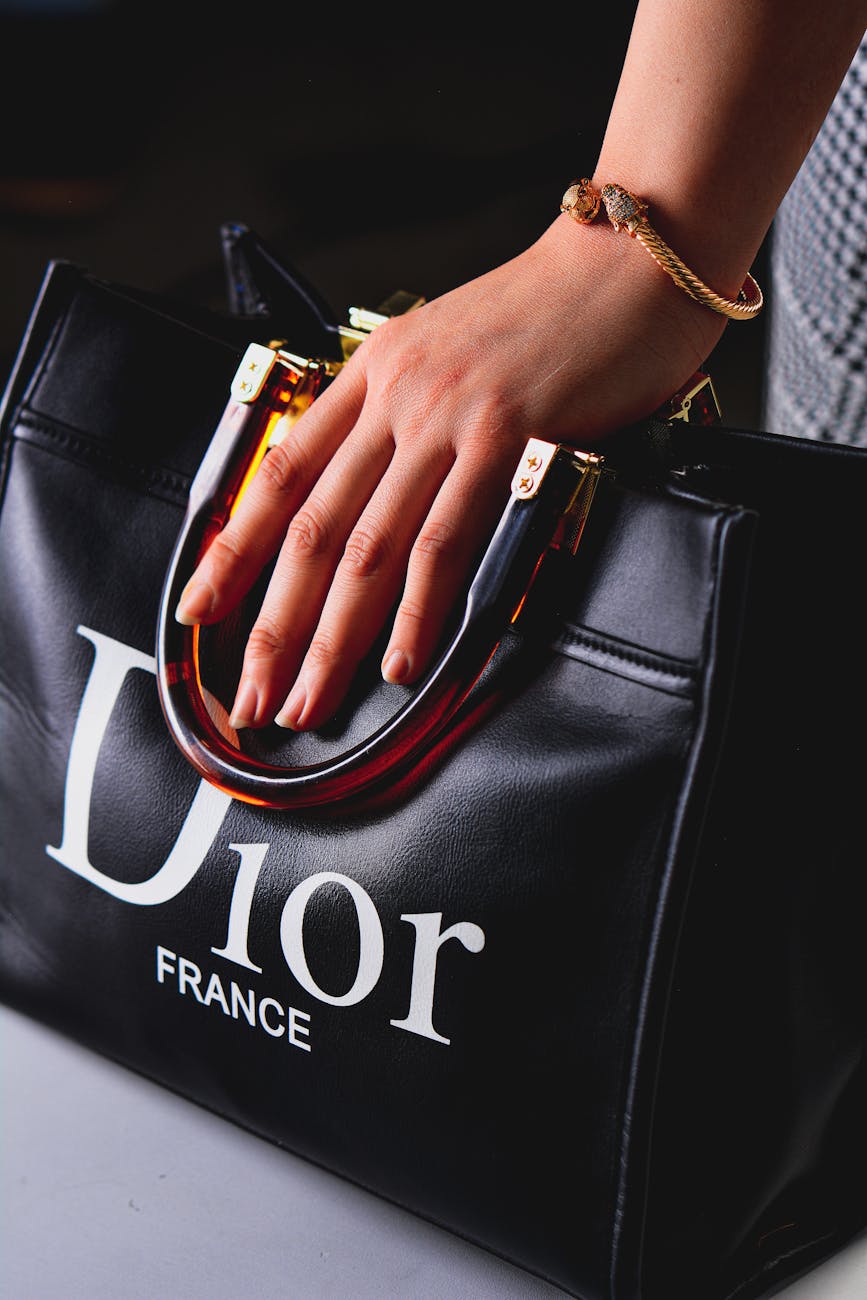
Founded in 1946, the House of Dior quickly transformed the fashion landscape with its innovative designs and bold vision. Christian Dior’s creations introduced a new standard of luxury and femininity, redefining post-war fashion. With the launch of the iconic “New Look” in 1947, Dior encapsulated the spirit of freedom and elegance that women craved after years of rationing. The brand’s commitment to artistry, craftsmanship, and sophistication not only led to its meteoric rise but also set the foundation for the luxury fashion industry as we know it today. This article delves into the rich history of Dior, exploring its significant contributions, innovations, and lasting legacy within the world of haute couture and luxury branding.
The Founding of Dior and its Early Years
In the aftermath of World War II, Europe was in a state of reconstruction and recovery. The fashion industry, having been significantly impacted during the war, yearned for revival and innovation. Christian Dior, a young designer who began his career as an illustrator, saw an opportunity to redefine womens fashion during this pivotal period. With the financial backing of entrepreneur Marcel Boussac, Dior established the House of Dior in 1946.
Dior’s first collection, presented in February 1947, would go down in history as one of the most formative moments in fashion. The collection was met with extraordinary acclaim, primarily due to its groundbreaking silhouette, which embraced the feminine form. The “New Look,” as it came to be called, featured cinched waists, full skirts, and luxurious fabrics, departing sharply from the utilitarian fashion of the wartime era. This radical aesthetic not only celebrated femininity but also provided an emotional release for women who had endured years of conflict and austerity.
Dior’s designs were characterized by meticulous attention to detail and exquisite craftsmanship. He championed the use of luxurious fabrics such as silk, taffeta, and organza, elevating the experience of wearing haute couture. Dior’s early years were marked by an emphasis on craftsmanship, which became a defining characteristic of the brand. Each garment was tailored to perfection, often taking hundreds of hours to complete, positioning Dior as a leader in the fashion industry.
As the brand gained popularity, it expanded rapidly. By the early 1950s, Dior had opened boutiques in several international cities, including New York and London. The brand’s global reach was complemented by its ability to adapt to local markets while retaining its core identity. This commitment to global expansion laid the groundwork for Dior’s eventual status as a true luxury powerhouse.
Dior’s success in the early years was not merely the result of a singular vision but also due to the brilliant team he assembled. Notable collaborators, such as Pierre Cardin and Yves Saint Laurent, brought fresh perspectives and ideas that further propelled the brand’s innovation. Dior’s ability to cultivate talent ensured a continual evolution within the brand, fostering a culture of creativity and excellence.
Moreover, Dior’s impact extended beyond just clothing. The brand’s forays into accessories, fragrances, and beauty products helped solidify its status in the luxury market. The launch of Dior’s first perfume, Miss Dior, in 1947 became a hallmark of the brand’s identity, further intertwining fashion and fragrance in the luxury industry.
Dior’s early commitment to philanthropy and support for young designers also underscored the brand’s ethos. The House of Dior championed various initiatives that promoted creativity and artistic expression, reinforcing its position not just as a fashion house but as a cultural institution.
In summary, the foundation of Dior marked the beginning of a new era in fashion. Christian Dior’s innovative vision and dedication to craftsmanship in the immediate post-war years laid the groundwork for the brand’s long-lasting impact on the luxury industry. Through strategic growth, a commitment to quality, and the nurturing of talent, Dior established itself as a leader, whose influence can still be felt today.
The New Look Revolution: Redefining Fashion in the 1940s
The New Look represented a radical departure from the austere, wartime fashion that dominated the 1940s. It was not merely a collection but a revolution in how women embraced style and femininity. The New Look came to symbolize the rebirth of luxury and glamour in the post-war era. Christian Dior’s designs reintroduced the opulence that had been rationed during the war, challenging societal norms and reshaping perceptions of women in the fashion world.
At the heart of the New Look was the “Bar Suit,” which featured a structured jacket with rounded shoulders and a dramatically cinched waist, paired with a voluminous skirt that fell below the knee. This silhouette highlighted the female form, exuding elegance and sensuality. Dior famously stated, “The feminine silhouette should always be accented,†emphasizing his belief that fashion was a means of empowerment for women. This focus on femininity resonated with women of the time, offering a newfound sense of confidence and identity.
The New Look’s influence was felt beyond the realm of fashion. It sparked a cultural movement, symbolizing hope and renewal in a world recovering from devastation. Women were eager to embrace this new vision of elegance, trading in their utilitarian wartime wardrobes for luxurious fabrics and flattering lines. This change in sentiment was not limited to social circles; it also reached the business realm, with fashion publications and retailers rushing to feature Dior’s designs, propelling the brand to international fame.
Dior’s innovation did not stop with the silhouette alone. The meticulous craftsmanship involved in each piece reinforced the idea of luxury that the New Look epitomized. The brand invested in skilled artisans and tailors who brought Dior’s visions to life, ensuring that each garment was not just a product but an art piece. The attention to detail and quality became paramount, establishing Dior as the gold standard for luxury.
Dior also understood the importance of marketing in the fashion industry. The designer skillfully leveraged press coverage, securing features in magazines and newspapers, which significantly raised the profile of not only the brand but also haute couture as a concept. The strategic use of marketing techniques and the establishment of a strong brand identity fostered a new era of luxury consumerism. Dior effectively tapped into the desires of women to express themselves through fashion, positioning the New Look as not just a trend but a lifestyle.
While the New Look was celebrated in the fashion world, it was not without its controversies. Some critics contended that the silhouette was impractical for everyday life, perpetuating an image of women as decorative rather than dynamic. However, Dior remained undeterred, asserting that his designs liberated women from the shackles of wartime attire. His vision went beyond aesthetics; it was a statement about the importance of femininity and the role of women in society.
The success of the New Look ultimately set a precedent for future designers and established a blueprint for luxury fashion. It demonstrated that a strong creative vision, coupled with an understanding of societal needs, could lead to groundbreaking innovations in design. Many contemporaries were inspired by Dior’s boldness, resulting in a wave of creative explorations throughout the fashion landscape of the 1950s and beyond.
In conclusion, the New Look revolutionized the fashion industry by reintroducing femininity, luxury, and empowerment at a time when women needed it most. Christian Dior’s ability to blend artistry with commercial success not only established the House of Dior as a leader in haute couture but also reshaped the trajectory of the luxury fashion industry. The influence of the New Look continues to resonate, serving as a reminder of the transformative power of fashion in society.
Dior’s Influence on Luxury Branding and Marketing
Christian Dior’s visionary approach not only transformed women’s fashion but also redefined how luxury brands engage with their audiences. At its core, Dior understood that luxury was not simply about the product; it was about crafting an experience that connected emotionally with consumers. This understanding laid the foundation for modern luxury branding and marketing strategies.
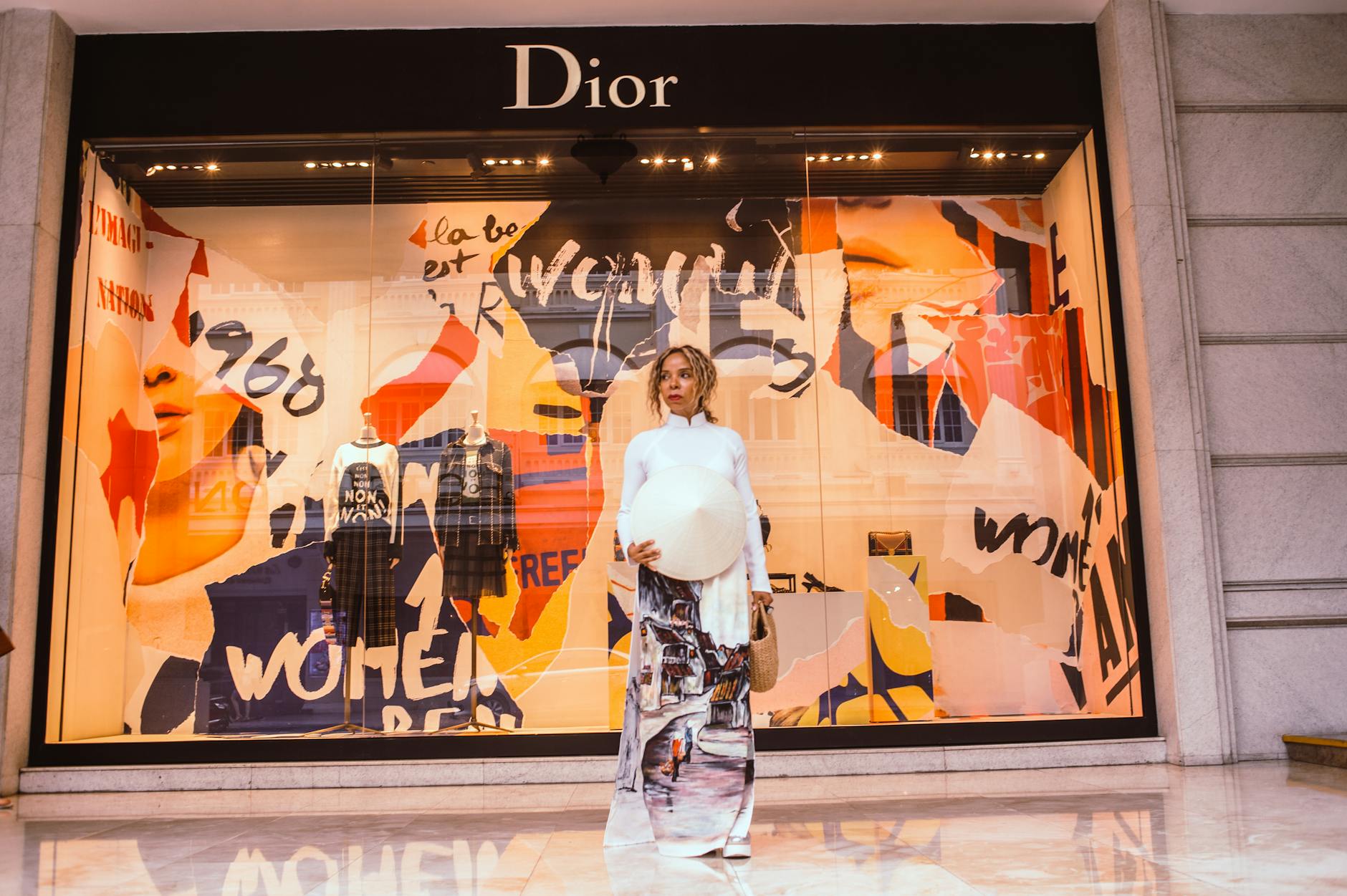
One of the most significant contributions of Dior to the luxury market was the establishment of a recognizable brand identity. The logo, which features the elegant “Dior” in a classic font, became synonymous with sophistication. Dior was among the first luxury brands to emphasize a cohesive identity across all product lines, making it instantly recognizable. This focus on branding extended to the overall aesthetic of each collection, wherein every piece captured a distinct aura, thus enhancing consumer loyalty and desire for the brand.
Dior also innovated the concept of fashion shows, transforming them into grand events that celebrated not just the clothes but the entire lifestyle associated with the brand. The elaborate presentations of the collections drew significant media attention and created buzz that translated into sales. By positioning fashion shows as high-profile events, Dior effectively bridged the gap between art and commerce, engaging celebrity endorsements and media coverage to amplify brand visibility.
The House of Dior was also ahead of its time in diversifying its offerings beyond clothing. By expanding into accessories, perfumes, and cosmetics, the brand created a lifestyle ecosystem that encapsulated the essence of luxury living. The launch of products like Miss Dior perfume served to reinforce the brand’s identity and extended its reach into consumers’ everyday lives. This strategy not only captured new markets but also broadened consumer engagement with the brand.
Dior’s marketing strategies were particularly significant during the rise of modern media. Capitalizing on the growing influence of fashion magazines and celebrity culture, Dior harnessed the power of media to showcase its designs. Editorial shoots featuring Dior clothing adorned the covers of prestigious magazines, further embedding the brand’s identity within the luxury fashion narrative. This strategic alliance with the press helped establish the aspirational nature of Dior’s identity, elevating it within the minds of consumers.
In addition to traditional marketing, Dior engaged with emerging forms of media, foreseeing the transition to digital platforms. The brand was among the pioneers in creating an online presence, emphasizing storytelling through websites and social media channels. By sharing behind-the-scenes content, designer interviews, and glimpses into the brand’s culture, Dior cultivated a community of loyal followers who felt personally connected to the brand. This innovative approach to engagement foreshadowed the current trend of interactive marketing, where brands leverage social media to forge authentic connections with consumers.
Furthermore, the emphasis on exclusivity became a crucial component of Dior’s brand strategy. By limiting availability, particularly in limited-edition pieces, Dior maintained its allure and desirability. This exclusivity encouraged consumers to perceive Dior as not just a purchase but an investment in a lifestyle associated with elegance and sophistication. The luxury brand experience was intricately tied to notions of rarity and unique craftsmanship.
Dior’s influence on luxury branding can also be observed through collaborations with other luxury entities and artists. Such alliances not only expanded the brand’s visibility but also reached diverse audiences. By associating with renowned artists, musicians, and designers, Dior elevated its status as an innovative powerhouse within the fashion industry, blurring the lines between luxury, art, and culture.
In conclusion, Christian Dior’s forward-thinking approach to branding and marketing revolutionized the luxury fashion industry. By prioritizing a cohesive brand identity, expanding product offerings, and engaging with consumers through innovative marketing strategies, Dior set the bar for future luxury brands. The legacy of Dior’s influence on luxury branding continues to shape how high-end brands communicate and connect with their audiences in today’s dynamic marketplace.
Expansion and Globalization: Dior in the 21st Century
The House of Dior has experienced significant transformation in the 21st century, adapting to the fast-paced and ever-changing landscape of global luxury fashion. As the demand for luxury items surged internationally, Dior strategically expanded its reach and strengthened its market presence across continents. This era marked both a continuation of Christian Dior’s legacy and a response to new consumer preferences, technological advancements, and evolving cultural contexts.
The global expansion began with a deliberate focus on key markets, particularly in Asia. The rise of affluent consumers in China and other regions prompted Dior to establish flagship boutiques in major cities such as Beijing, Shanghai, and Hong Kong. These flagship stores were designed not merely as retail spaces but as immersive experiences that reflected the elegance and craftsmanship synonymous with the brand. The architectural grandeur and exclusive products offered a taste of the luxury lifestyle that Dior sought to convey.
Dior also introduced limited-edition pieces and collections to cater to the diverse tastes of its international clientele. Recognizing that luxury consumers appreciated exclusivity, Dior carefully curated its product offerings to create a sense of rarity. This bespoke approach to fashion allowed the brand to resonate with varied markets while maintaining the integrity of its core identity. Dior’s success in localizing its designs while staying true to its essence demonstrated a keen awareness of cultural nuances and consumer behavior.
In addition to geographical expansion, Dior embraced digital transformation, establishing a solid online presence that complemented its physical boutiques. The brand recognized the growing significance of e-commerce and social media as vital channels for engaging consumers. By launching an interactive website and utilizing platforms like Instagram, Dior could showcase its collections and connect with a global audience. The digital strategy also included exclusive online releases, virtual fashion shows, and collaborations with influencers, allowing Dior to innovate its marketing approach in the digital age.
A hallmark of Dior’s advancements in the 21st century has been its commitment to sustainability. As awareness over environmental concerns and ethical practices grew among consumers, Dior implemented initiatives aimed at reducing its environmental footprint. The brand prioritized responsible sourcing of materials, eco-friendly practices in manufacturing, and community engagement programs. This shift towards sustainability not only aligned with contemporary consumer values but also positioned Dior as a forward-thinking leader in luxury fashion.
Dior has also maintained its status as a cultural icon by engaging in collaborations with renowned artists, musicians, and designers. These partnerships have allowed the brand to push artistic boundaries while catering to niche markets. The collaboration with contemporary artists, for example, has resulted in capsule collections that celebrate creativity and innovation, bridging the gap between fashion and art.
Additionally, the appointment of impactful creative directors has played a pivotal role in shaping Dior’s direction in the 21st century. Figures like Maria Grazia Chiuri, who became the first female artistic director for the women’s line, have integrated contemporary themes and narratives into the brand. Chiuri’s focus on feminist principles in her collections opened conversations around women’s empowerment and identity, thereby solidifying the brand’s relevance in today’s cultural zeitgeist.
The challenges posed by the COVID-19 pandemic in 2020 necessitated a reevaluation of retail strategies, leading Dior to embrace the hybrid model of in-person and online shopping experiences. While physical stores faced unprecedented closures, Dior adapted swiftly by enhancing its digital offerings, creating virtual experiences and welcoming a new generation of consumers who increasingly turned to online platforms.
In conclusion, Dior’s expansion and globalization in the 21st century reflect a dynamic interplay between tradition and innovation. By embracing technological advancements, engaging in sustainability efforts, and establishing a strong global presence, Dior remains at the forefront of the luxury fashion industry. As it continues to evolve, the House of Dior not only honors its rich heritage but also looks toward a future where quality, creativity, and inclusivity are paramount.
Dior’s Legacy: The Future of Luxury Fashion
Dior’s legacy extends beyond its innovative designs and significant contributions to the luxury market; it has paved the way for future generations of designers and brands, influencing the very fabric of the fashion industry. As modern consumers navigate a rapidly evolving landscape, the principles established by Christian Dior provide a foundational framework upon which the future of luxury fashion can be constructed.
At the core of Dior’s legacy lies a dedication to craftsmanship and artistry. The brand exemplifies the highest standards of quality, encouraging aspiring designers to prioritize these elements in their own creations. The meticulous techniques and materials used in haute couture serve as benchmarks, inspiring new generations to uphold these values. In a time where fast fashion often overshadows artistry, Dior stands as a reminder of the importance of intentional design and the beauty of craftsmanship.
Additionally, Dior’s ability to blend tradition with modernity offers an invaluable lesson in versatility. The brand has successfully navigated the challenges of contemporary fashion while honoring its heritage. This adaptability allows Dior to remain relevant and appealing to a diverse audience, showcasing the power of a strong narrative. Future luxury brands can learn from this approach, recognizing that true success lies in the balance between authenticity and evolution.
Dior’s commitment to inclusivity also represents a significant aspect of its legacy. As the fashion industry grapples with issues of representation and diversity, Dior has made strides in promoting inclusivity. By appointing diverse creative directors and championing varied aesthetics, the brand fosters dialogues around identity and empowerment. This commitment resonates with consumers who increasingly seek brands that reflect their values. As the conversation around inclusivity continues, Dior sets a standard for future brands to prioritize representation in all forms.
The focus on sustainability and ethical practices is another element of Dior’s enduring legacy. As the fashion industry faces scrutiny regarding its environmental impact, Dior’s initiatives in sustainable sourcing and responsible manufacturing serve as exemplary models. The brand’s commitment to minimizing its ecological footprint reinforces the idea that luxury can coexist with sustainability. The push for conscious consumerism is rising, and Dior’s proactive approach encourages future designers to innovate responsibly and ethically.
Lastly, Dior’s integration of technology into its branding and marketing strategies demonstrates the importance of embracing change in an increasingly digital world. The digital transformation of fashion is not just a trend but a necessary evolution. Dior’s adeptness at utilizing social media and e-commerce platforms serves as an important reminder that future luxury brands must engage with consumers directly, fostering community and connection in a digital landscape.
In conclusion, Dior’s legacy is not solely defined by its historical successes but also by its impact on the present and future of luxury fashion. The values of craftsmanship, adaptability, inclusivity, sustainability, and innovation established by Christian Dior will continue to shape new generations of designers. As the industry embarks on a new chapter, the House of Dior will remain a guiding force—an emblem of excellence and a testament to the enduring allure of luxury fashion.






[…] Laurent joined the House of Dior in 1955, quickly becoming Dior’s protégé. Recognizing his raw talent, Dior […]