Introduction
The Camino de Santiago, or the Way of Saint James, is one of the most renowned pilgrimage paths in the world, steeped in history and spirituality. This ancient route leads pilgrims from various origins to the shrine of Saint James the Great in Santiago de Compostela, Spain. The journey began over a thousand years ago and has evolved into a rich tapestry of cultural experiences, spiritual awakenings, and personal challenges. As pilgrims traverse diverse landscapes, they encounter not just breathtaking views but also historical towns, hospitable locals, and fellow travelers, creating a unique sense of community. This article will delve into the history and significance of the Camino, the various routes available, essential preparations for the pilgrimage, the spiritual transformations experienced along the way, and the rich cultural heritage waiting to be discovered. The Camino de Santiago offers each traveler an opportunity to explore not only the world around them but also their inner self.
History and Significance of the Camino de Santiago
The history of the Camino de Santiago is deeply intertwined with the life and legacy of Saint James, one of Christ’s apostles. Following his martyrdom in Jerusalem, early Christian traditions suggest that his remains were transported to the Iberian Peninsula and buried in what is now Santiago de Compostela. This discovery in the early 9th century by a hermit named Pelayo marked the beginning of numerous pilgrimages to this sacred site, which soon gained prominence as one of the three main pilgrimage destinations in medieval Christendom, alongside Rome and Jerusalem.
Throughout the Middle Ages, hundreds of thousands of pilgrims, known as “peregrinos,” would journey to Santiago on foot, seeking spiritual renewal, penance, and healing. This influx led to the establishment of infrastructure to support the growing number of travelers, such as monasteries, hospitals, and inns, many of which still exist today. The pilgrimage was also a source of economic and cultural exchange, fostering relationships among the distinct communities along the routes.
The Camino de Santiago held profound spiritual significance for many believers. Undertaking the pilgrimage was seen as a way to seek redemption, fulfill a vow, or simply engage in a deep form of exploration and devotion. Regardless of one’s faith, the act of walking the Camino embodies what it means to be human: a quest for meaning, understanding, and connection with others. The scallop shell, a symbol of the pilgrimage, represents the multiple paths converging on the pilgrimage site, and it serves as a metaphor for the personal journeys undertaken by each traveler.
The Camino faced various challenges over the centuries, especially during the Reformation and Enlightenment when religious fervor waned. However, a revival began in the late 20th century as people rediscovered the Camino’s spiritual, historical, and cultural significance. UNESCO recognized the Camino as a World Heritage site in 1993, elevating its profile globally and drawing an even more diverse range of pilgrims and travelers.
Today, the Camino de Santiago is celebrated not just as a religious pilgrimage but also as a significant cultural and social event. With its burgeoning popularity, the pilgrimage is now recognized as an opportunity for introspection, personal growth, and an escape from the daily grind of modern life. Many individuals set out on the pilgrimage looking for answers or closure, while others embark on the journey to connect with nature, history, and themselves in a way that modern life often obstructs. The Camino de Santiago remains a powerful legacy, a testament to the enduring human spirit in its search for meaning and connection.
The Different Routes of the Camino
The Camino de Santiago is not a singular path but a network of various routes that allow pilgrims to choose their journey based on preference, starting point, and level of experience. The most famous route is the Camino Francés, which begins at Saint-Jean-Pied-de-Port in France and spans approximately 800 kilometers through northern Spain to Santiago. This route showcases diverse landscapes, historical towns, and landmarks, including the majestic Pyrenees, lush valleys, and vibrant cities such as Pamplona, renowned for its Running of the Bulls, and León, home to the stunning Gothic cathedral.
In addition to the Camino Francés, the Camino Portugués is another popular route that starts in Portugal, with the most traveled section beginning in Porto. This path is shorter and offers pilgrims a mix of coastal and rural landscapes. The Portuguese route is known for its friendly locals and local delicacies, providing an authentic cultural experience.
The Camino del Norte follows the northern coastline of Spain, starting from Irún. Pilgrims walking this route enjoy breathtaking coastal scenery, with paths that undulate along cliffs and beaches. While it is less congested than the Camino Francés, the Camino del Norte presents unique challenges due to its rugged terrain and varying weather conditions.
For those in search of a more historic experience, the Camino Primitivo, recognized as the first recorded pilgrimage route, remains an intriguing option. This path, while shorter, is known for its ruggedness, taking pilgrims through mountainous landscapes filled with natural beauty and historical significance. The Camino Primitivo was the original trail taken by pilgrims seeking to reach Santiago before other routes gained popularity.
Lastly, there’s the Via de la Plata, which begins in Seville and traverses the western region of Spain. This route is less frequented by pilgrims but provides a deep historical and cultural experience, passing ancient Roman cities and landscapes.
Each of these routes has its unique charm and challenges, allowing pilgrims to tailor their experience according to preference, time constraints, and physical ability. Furthermore, many pilgrims choose to walk sections of the Camino rather than commit to the entire journey, adapting the experience to fit their individual needs and aspirations. No matter the route chosen, pilgrims will find connections with nature, culture, and fellow travelers, making the Camino de Santiago a truly unique and enriching experience.
Preparing for the Journey: What You Need to Know
Preparation is key for a successful Camino experience. Whether you are a seasoned hiker or embarking on your first long-distance trek, understanding the essentials can significantly enhance your pilgrimage. The first step is selecting your route, as different paths may offer varying levels of difficulty, solitude, and cultural experiences. Once you choose a route, consider the duration of your journey. Most pilgrims walk about 20-25 kilometers daily, so estimate your walking days according to your overall fitness and experience level.
Investing in the right gear is crucial; comfortable and appropriate footwear is the foundation for a positive experience. A good pair of walking shoes or boots that have been appropriately broken in can help prevent blisters and foot fatigue. Additionally, moisture-wicking socks and lightweight clothing can significantly enhance comfort while traversing different landscapes.
Packing a lightweight backpack with the essentials is imperative. Some must-have items include a reusable water bottle to stay hydrated, sunscreen, a first-aid kit, and snacks like energy bars for sustenance during the journey. A sleeping bag may also be necessary, depending on accommodations and personal preferences.
Accommodations along the Camino range from albergues (hostels) to hotels, so having a flexible booking plan can be beneficial, especially during peak seasons. It’s critical to familiarize yourself with the various types of accommodation available and consider making reservations ahead of time to avoid any last-minute challenges.
Understanding the cultural etiquette of the Camino is equally important. Learning a few phrases in Spanish can go a long way in fostering positive connections with locals and fellow pilgrims. Additionally, respecting the environment and fellow travelers by practicing good trail etiquette helps preserve the Camino for future generations.
Physical conditioning is another essential factor in preparation. Training ahead of time by walking longer distances with a loaded backpack can help your body acclimatize to the effort required on the Camino. Regular cardiovascular exercise, strength training, and flexibility practices such as yoga can also contribute to overall performance.
Lastly, mental preparation is just as important as logistical planning. Setting intentions for your journey—whether for spiritual reflection, personal growth, or sheer adventure—will lay a solid foundation for what to expect. The Camino offers more than just physical activity; it is a journey inward, and entering this experience with an open heart and mind is key to making the most of it.
The Spiritual and Personal Transformations Along the Way
The Camino de Santiago is renowned for its transformative power, as it invites participants to embark on a journey that transcends the physical realm into the spiritual and personal dimensions. Many pilgrims set out seeking answers to profound questions, the opportunity for self-reflection, or a break from everyday life, believing that the act of walking a sacred path can elicit deep insights and changes.
As pilgrims navigate the varying terrains and landscapes along the Camino, they are not just moving physically but are also engaging in an introspective process. The repetitive rhythm of walking can create a meditative state, allowing travelers to connect more deeply with their inner thoughts and emotions. For many, the serene and breathtaking natural surroundings provide a sanctuary for contemplation and healing. The simplicity of life on the Camino—focusing on walking, nourishment, and rest—allows pilgrims to slow down and rediscover themselves.
Interaction with fellow travelers plays a significant role in this transformation. The Camino fosters a unique sense of community, as pilgrims share stories, challenges, and encouragement with one another. This camaraderie often leads to the formation of strong bonds, and many travelers leave with friendships that last beyond the pilgrimage. Engaging in conversations with fellow pilgrims can provide fresh perspectives and insights into one’s own life path, as everyone brings their own experiences and stories to the journey.
The spiritual aspect of the pilgrimage is profound for those seeking religious fulfillment. Many pilgrims perform acts of devotion, offer prayers at various chapels or monuments along the Camino, or participate in rituals such as attending mass in Santiago. These moments of spiritual significance deepen the connection between the traveler and the sacred purpose of their journey. The Camino acts as a reminder that there is a higher purpose to life, and many people report feeling a heightened sense of spirituality and connection to something greater than themselves.
The process of facing physical challenges, be it tough weather conditions, steep climbs, or sore muscles, also contributes to personal growth. Pilgrims learn to embrace discomfort, practice resilience, and overcome obstacles, fostering self-confidence and empowerment. These moments of triumph, large or small, serve as powerful reminders of one’s strength and capacity for growth, enriching the pilgrim’s journey long after the Camino concludes.
Finally, reflection at the end of each day, whether by journaling, meditating, or simply contemplating the day’s experiences, becomes a vital tool for integrating lessons learned during the pilgrimage. Many find themselves viewing their lives through a new lens, equipped with the courage to pursue new paths upon completion of the journey. The Camino de Santiago is thus not merely a physical trek but a transformative experience that invites those willing to explore their inner landscapes.
Cultural Heritage and Attractions Along the Camino
The Camino de Santiago is rich in cultural heritage, showcasing the unique traditions, art, and architecture that have developed over the centuries along its routes. Each region offers inherent cultural landmarks and regional charms that enhance the overall experience of the pilgrimage.
As pilgrims traverse the Camino Francés, they encounter numerous historical towns and cities, such as Pamplona, known not only for its Running of the Bulls but also for its medieval architecture and vibrant atmosphere. The Cathedral of Pamplona and nearby Plaza del Castillo serve as great showcases of local culture. Moving onward, the town of Logroño is the heart of Spain’s winemaking region, where pilgrims can indulge in delicious tapas while savoring the local wines before continuing their journey.
Burgos, famous for its stunning cathedral—an architectural masterpiece—is another essential stop along the Camino. It provides travelers with the chance to reflect on the historical significance of the structures that frame their path while connecting them to the broader narrative of the pilgrimage.
In León, the León Cathedral, with its impressive stained glass windows, presents a perfect opportunity for pilgrims to take a moment to admire artistic brilliance while contemplating the journey thus far. The vibrant streets surrounding the cathedral come alive with local culture, offering diverse dining options and lively marketplaces that engage the senses.
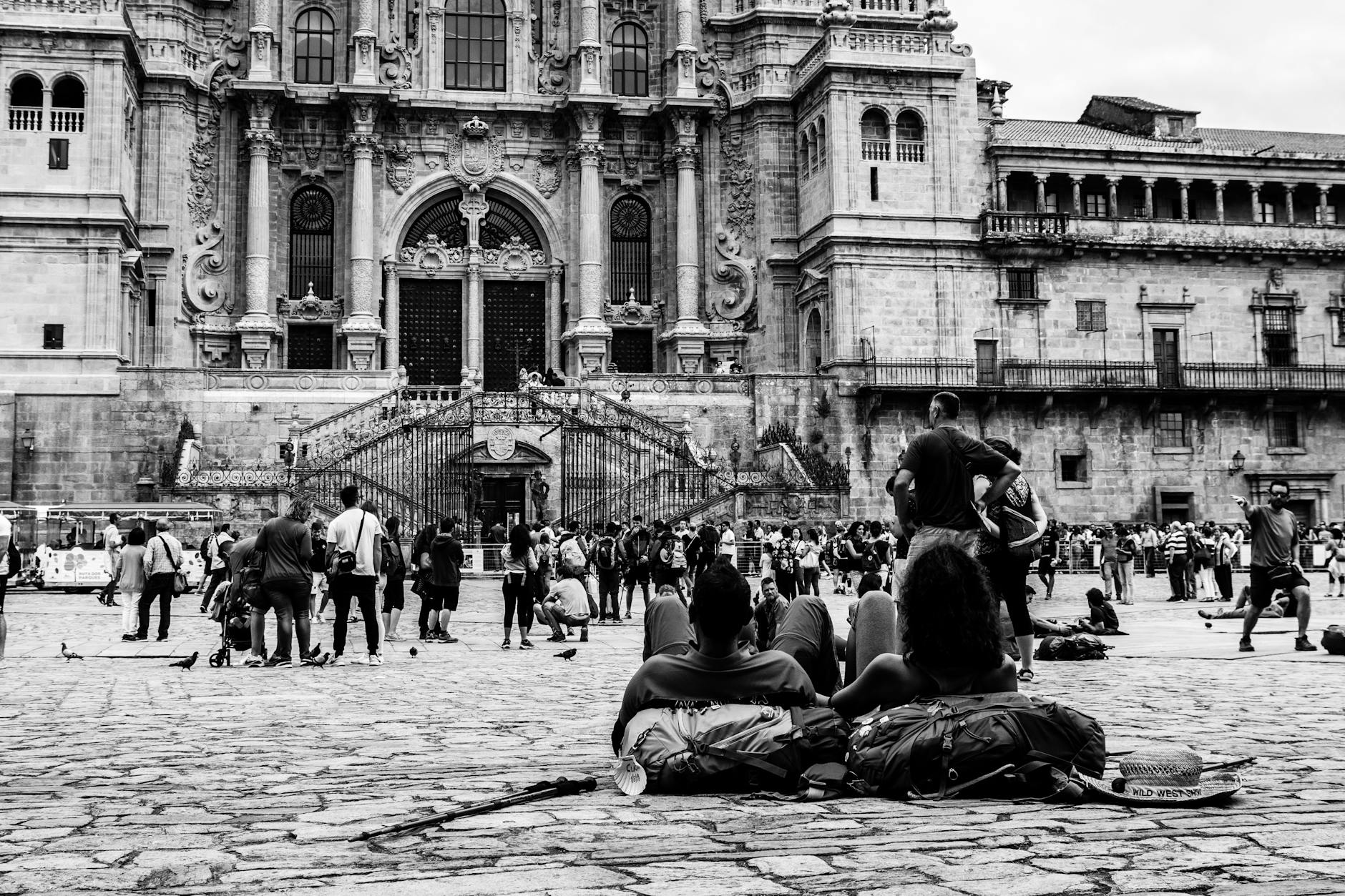
Travelers also find themselves immersed in the heritage of the Galician region as they approach Santiago de Compostela. Known for its Celtic roots, the culture here is distinct, marked by language, folklore, and traditional music. The iconic Santiago de Compostela Cathedral is the crowning jewel of the pilgrimage, drawing visitors from across the globe to pay their respects to Saint James. The unique Baroque façade and intricate designs within reflect the artistry and devotion of centuries past.
In addition to architectural marvels, pilgrims also encounter local customs, crafts, and culinary delights—often showcased through festivals, markets, and unique traditions rooted in the regions they traverse. Local albergues host cultural exchanges, offering travelers the opportunity to engage with locals and learn about the history, music, and arts of the region.
Through these experiences, the Camino de Santiago becomes a rich tapestry of interpersonal encounters, historical context, and vibrant cultures that each pilgrim carries home as part of their journey. This journey enables travelers to appreciate the diversity of the Spanish landscape and its people, allowing them to return enriched by meaningful connections and an understanding of the cultural heritage that makes up this cherished pilgrimage.
Conclusion
The Camino de Santiago stands as a powerful and enduring testament to the human journey—both physical and spiritual. With its rich history, various routes, and potential for personal transformation, each pilgrimage along the Camino is unique and filled with significance. For many, the experience is not solely about reaching Santiago de Compostela; rather, it is about every step taken along the way, the stories shared, and the connections forged.
As pilgrims navigate the diverse landscapes, they encounter moments of challenge and reflection that shape their understanding of themselves and the world around them. The blend of cultural heritage, with its historical landmarks and regional customs, enhances the pilgrimage, making it a multifaceted journey through time and personal discovery.
Whether one walks for spiritual reasons, personal growth, or a desire for adventure, the Camino de Santiago offers a sanctuary for connection, contemplation, and community. Upon completion of the journey, many pilgrims find their lives forever changed, carrying with them newfound insights and cherished memories that continue to resonate long after they have walked the final steps into Santiago. The Camino invites individuals from all backgrounds to embark on this timeless journey, nurturing the pursuit of purpose, belonging, and understanding that lies at the heart of our shared human experience.