Introduction
Kyoto, Japan, is a city that effortlessly intertwines history, culture, and tranquility, making it a perfect destination for those seeking relaxation. Renowned for its picturesque landscapes, the city offers traditional onsen (hot spring baths), serene Zen gardens, and tranquil temples that create an atmosphere of peace and rejuvenation. Visitors to Kyoto can immerse themselves in a unique blend of ancient practices and natural beauty that promotes healing and inner calm. With a focus on mindfulness, Kyoto provides an opportunity to unwind and reconnect with nature and oneself. Whether soaking in an onsen while surrounded by lush greenery or meditating in a Zen garden, visitors will discover the transformative power of relaxation in this magical city. In the following sections, we will delve deeper into the various aspects of relaxation that Kyoto has to offer, exploring how each element contributes to an unparalleled experience of rejuvenation and peace.
The Healing Properties of Onsen (Hot Spring Baths)
Kyoto’s onsen baths are more than just a delightful way to experience Japanese culture; they are steeped in history and are known for their therapeutic benefits. The geothermal waters of these hot springs are rich in minerals, believed to heal various ailments while also providing a profound sense of relaxation. Some of the most popular onsens in and around Kyoto include Kurama Onsen and Arashiyama Onsen, both of which offer stunning natural surroundings that enhance the rejuvenating experience.
As visitors enter the onsen, they are greeted with a traditional ambiance that encourages a ritual of relaxation. Upon arrival, guests typically partake in a pre-soaking routine. This involves thoroughly washing their bodies at designated wash stations, ensuring cleanliness and respect for others sharing the facility. Following this cleansing ritual, individuals are ready to immerse themselves in the hot spring waters.
The warmth of the onsen water helps to alleviate muscle tension and promote blood circulation. Those suffering from chronic pain or fatigue often find relief as they soak in the soothing heat. The mineral content in these waters varies by location, contributing to diverse benefits. For instance, sulfur-rich baths may aid in detoxification, while calcium and magnesium can support healthy skin and relaxation.
While soaking in the onsen, visitors are encouraged to embrace the tranquil surroundings. Many onsen are situated in picturesque locations, surrounded by forests, mountains, or streams. The peaceful atmosphere, combined with the healing effects of the warm waters, creates a serene environment conducive to mindfulness and inner peace.
Moreover, the onsen experience is more than just physical relaxation; it also fosters social connections. Traditionally, onsen are communal spaces where friends and families gather to share moments of joy and laughter. This element of community contributes to mental well-being, allowing individuals to forge connections with others while embracing the culture of relaxation.
To enhance the onsen experience, many facilities offer additional amenities such as traditional meals, massage services, and outdoor bathing options. These features allow visitors to immerse themselves more deeply in the relaxation process, culminating in a true retreat from the hustle and bustle of modern life.
In summary, the onsen culture in Kyoto presents a holistic approach to relaxation that merges physical, mental, and social elements. The therapeutic properties of the mineral-rich waters, combined with the tranquil settings of these baths, make for an unparalleled experience of rejuvenation. Visitors are not only able to relieve stress and reconnect with themselves but also enjoy the rich traditions of Japanese bathing culture. Whether one is a seasoned onsen enthusiast or a first-time visitor, the experience promises to rejuvenate the body and spirit.
Exploring Zen Gardens: A Path to Serenity
Zen gardens, or “karesansui,” are an essential part of Japanese culture and philosophy, deeply intertwined with the principles of Zen Buddhism. In Kyoto, the practice of creating and tending to these gardens offers a unique opportunity to connect with nature and cultivate a sense of inner peace. Unlike traditional gardens that flourish with vibrant flowers and lush greenery, Zen gardens are minimalist, emphasizing simplicity, balance, and tranquility.
The fundamental aspect of a Zen garden layout is its use of rocks, gravel, and sand, often representing natural elements such as mountains, rivers, and seas, arranged in a way that evokes a sense of harmony. Raked gravel simulates flowing water, creating a meditative surface that invites peaceful contemplation. Visitors find themselves drawn to these meticulously designed spaces, as each element within the garden serves a purpose, encouraging a deep reflection on one’s surroundings and thoughts.
One of the most iconic Zen gardens in Kyoto is Ryoan-ji, known for its rock garden designated as a UNESCO World Heritage site. Visitors to Ryoan-ji gaze upon the carefully placed rocks, each selected to provoke thought and encourage introspection. The garden’s simplicity allows observers to appreciate the beauty of nature while fostering an environment conducive to meditation.
As individuals engage with a Zen garden, they often find that the act of observation transforms into a form of meditation. The experience of taking in the various elements—the textures of the gravel, the shapes of the rocks, and the surrounding landscapes—becomes a means of self-exploration. These gardens serve as a reminder of the importance of mindfulness and being present in the moment, guiding visitors toward a path of tranquility and clarity.
Practicing Zen garden design can also be therapeutic in itself. Many visitors participate in workshops or guided experiences, allowing them to create their own miniature versions of these gardens. Engaging in the physical act of raking gravel or arranging stones encourages a meditative state, as participants focus their minds on the task at hand. This creative expression nurtures a deeper connection with nature, reminding individuals of the beauty that can be found even in simplicity.
The concept of Ma, or negative space, is paramount in Zen gardens. It emphasizes the importance of what is not present, prompting visitors to acknowledge the emptiness that promotes peace and introspection. This philosophy resonates strongly with the practice of meditation, where the absence of noise and distractions becomes essential for deep reflection.
In addition to physical serenity, Zen gardens foster emotional well-being. By engaging with the elements of the garden, individuals can experience a sense of release and relief from everyday stresses. The gardens invite visitors to pause, breathe, and embrace the stillness that surrounds them. This escape from the chaos of life allows for a reconnection with oneself and an opportunity to cultivate gratitude for the present moment.
Overall, Zen gardens in Kyoto represent a harmonious blend of nature, art, and philosophy. They embody the essence of tranquility and serve as gateways to mindfulness and self-awareness. Visitors seeking serenity will find that these gardens offer more than just beautiful scenery; they provide a deeply personal journey into relaxation and introspection, encouraging individuals to embrace the art of stillness in their lives.
The Spiritual Essence of Temples in Kyoto
Kyoto is home to some of the most revered temples in Japan, serving as beacons of spirituality, history, and culture. Each temple tells a story, reflecting the city’s rich heritage while offering visitors an opportunity for introspection and a place to find solace. Among the numerous temples, Kinkaku-ji (the Golden Pavilion), Ginkaku-ji (the Silver Pavilion), and Kiyomizu-dera stand out as iconic destinations, drawing millions of visitors each year.
Kinkaku-ji is a stunning Zen temple covered in gold leaf, surrounded by serene gardens and a reflective pond. As visitors approach, they are struck by the temple’s breathtaking beauty, especially when mirrored in the tranquil waters. The gold glistens under the sunlight, creating an ethereal atmosphere that seems to transcend time. Stepping into the gardens surrounding Kinkaku-ji, guests often find themselves enveloped by the serenity of the space, allowing them to reflect on their own inner peace while soaking in the beauty of their surroundings.
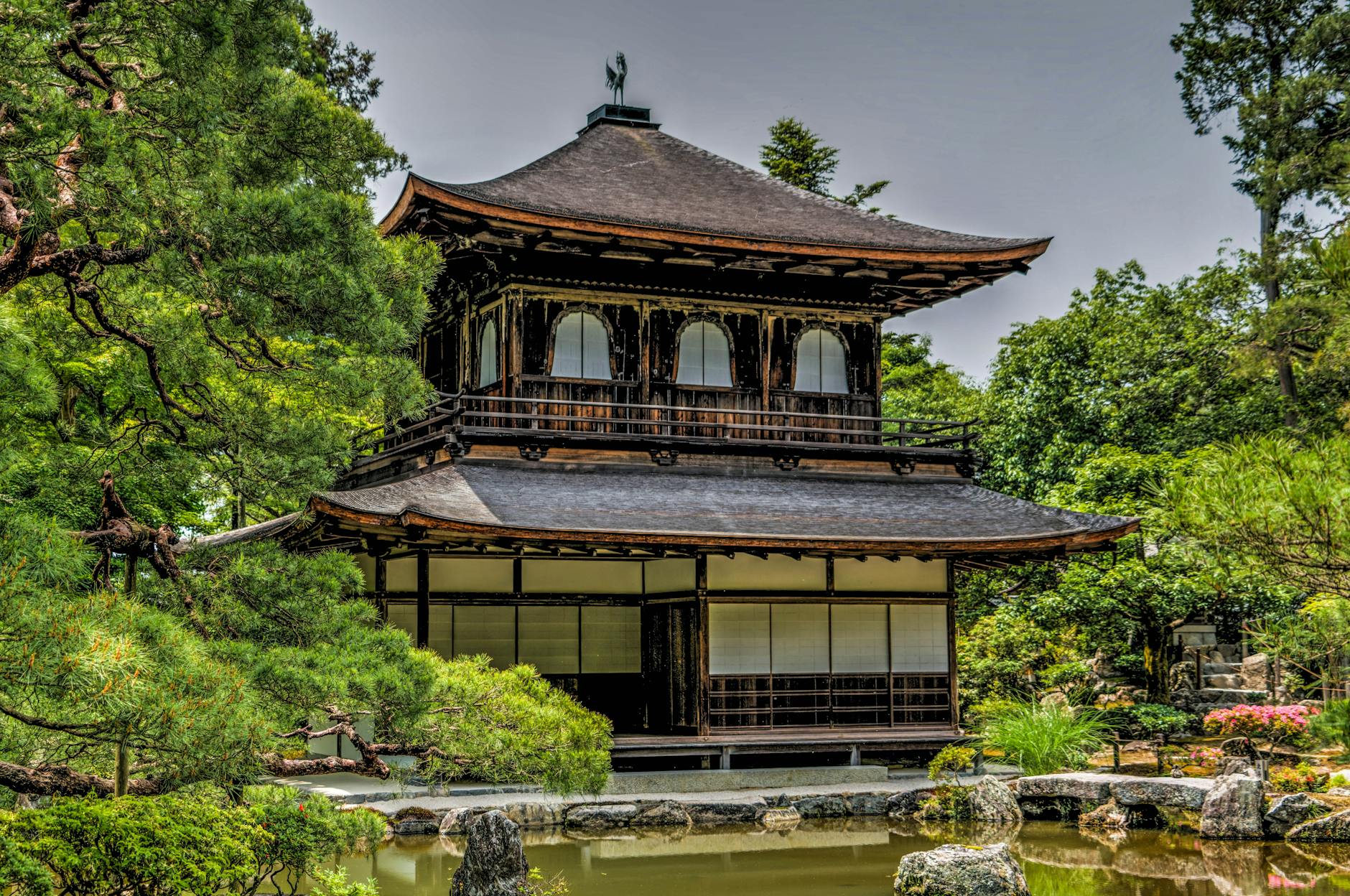
Ginkaku-ji, on the other hand, embraces the philosophy of “wabi-sabi,” highlighting the beauty in imperfection and the passage of time. The temple’s understated elegance invites visitors to slow down, ponder the transient nature of life, and appreciate the simplicity of their environment. Its beautifully designed gardens feature meticulously raked sand and carefully placed stones, creating a harmonious setting that fosters contemplation. Many visitors arrive at Ginkaku-ji seeking solace, as the tranquil atmosphere encourages mindfulness and self-reflection.
Kiyomizu-dera, a UNESCO World Heritage site, is famed for its wooden stage that juts out over the hillside, offering panoramic views of the cherry blossoms in spring and the vibrant foliage in autumn. The temple, dedicated to Kannon, the goddess of mercy, is a pilgrimage site for many who seek comfort and healing through spiritual practices. Visitors often participate in the tradition of drinking from the Otowa Waterfall, where each stream is believed to provide different benefits—love, wisdom, or longevity. This ritual reinforces the interconnectedness of physical healing, spirituality, and psychological well-being, as individuals reflect on their desires and intentions.
Aside from the architectural beauty and historical significance of Kyoto’s temples, they also provide an environment for visitors to engage in spiritual practices such as meditation, chanting, and mindfulness. Many temples offer workshops and retreats focused on fostering inner peace through traditional Buddhist practices, inviting individuals to immerse themselves in a deeper understanding of their spirituality.
The ambiance within these temples fosters an atmosphere of quiet reverence. As guests wander through the sacred spaces, they often find themselves contemplating their place in the world, encouraging personal growth and self-discovery. The simple act of being present in these peaceful surroundings helps to cultivate gratitude and appreciation for the beauty of life.
Furthermore, the significance of rituals and ceremonies held in these temples enhances the spiritual journey of visitors. Whether it’s participating in a ceremonial tea, attending morning prayers, or observing seasonal festivals, these experiences enrich the relationship individuals have with their surroundings and deepens their understanding of Japanese culture.
In conclusion, the temples of Kyoto are sanctuaries of peace that resonate with spiritual essence and cultural heritage. Each temple encapsulates the beauty of serenity while encouraging visitors to embark on their own journey of self-discovery and reflection. The intertwining of history, spirituality, and natural beauty creates an environment where individuals can find solace and a greater understanding of themselves amidst the busyness of life.
Traditional Japanese Tea Ceremony: A Moment of Peace
The Japanese tea ceremony, or “chanoyu,” is not merely about drinking tea; it is a profound ritual that embodies the principles of harmony, respect, purity, and tranquility. In Kyoto, this art form is elevated to an experience of mindfulness and grace, where the act of preparing and serving matcha (powdered green tea) becomes a meditative practice that promotes relaxation and connection with the present.
The tea ceremony often takes place in a traditional tea room, designed to be a tranquil space that extends a warm invitation to guests. The simplicity of the room, with its tatami mats and minimalist decor, encourages participants to leave behind the chaos of the outside world and immerse themselves in the moment. The careful selection of tea utensils, flowers, and seasonal décor adds to the aesthetic beauty of the experience, as every aspect is curated to promote peace and mindfulness.
As the tea master prepares the matcha, every movement is deliberate and infused with intention. The act of whisking the tea is a rhythmic motion that encourages focus and presence. Guests watch in silence, captivated by the graceful motions and the transformation of the powdered tea into a frothy beverage. This ritualistic approach fosters a deep appreciation for the simplicity of the moment, allowing individuals to reflect on their thoughts and feelings.
Participating in a tea ceremony also promotes a sense of connection among participants. Guests are encouraged to engage with one another, sharing their impressions of the tea and expressing gratitude for the experience. This exchange of appreciation fosters a sense of community and belonging, enhancing the overall sense of well-being.
Moreover, the tea ceremony serves as a reminder of the importance of “ichi-go ichi-e,” a Japanese philosophy that emphasizes the uniqueness of every encounter. Each ceremony is a once-in-a-lifetime experience, encouraging participants to be fully present and recognize the beauty of the moment. This principle encourages individuals to cultivate mindfulness and to appreciate the fleeting nature of life, allowing for personal growth and reflection.
The calming effects of matcha also contribute to the relaxing ambiance of the ceremony. Rich in antioxidants and known for its calming properties, the consumption of matcha promotes relaxation and mental clarity. As participants savor the tea, they may find themselves in a state of tranquility, allowing for deeper introspection.
Additionally, many tea ceremonies incorporate seasonal elements that enrich the experience. The selection of tea, snacks, and decor often reflects the changing seasons, creating a strong connection to nature. This alignment with the rhythms of the natural world encourages guests to find peace in their surroundings and embrace the beauty of life’s transitions.
Overall, the traditional Japanese tea ceremony in Kyoto embodies the essence of tranquility and mindfulness. It serves as an educational experience that promotes relaxation and self-reflection while fostering a sense of connection with others. By participating in this ritual, individuals can cultivate a greater appreciation for simplicity and beauty, ultimately enhancing their journey toward inner peace.
Local Cuisine: Nourishing the Body and Soul
Kyoto is not only renowned for its historic sites and tranquil surroundings; it is also celebrated for its exquisite local cuisine that emphasizes seasonal ingredients and traditional preparation methods. The culinary experience in Kyoto, particularly through kaiseki dining, reflects the philosophy of balance and harmony, offering nourishment not just for the body but also for the soul.
Kaiseki, a multi-course Japanese dining experience, presents an artful arrangement of dishes that showcase the season’s best produce. Utilizing local ingredients such as fresh vegetables, fish, and tofu, kaiseki chefs create elegantly prepared dishes that pay homage to the flavors of Kyoto. Each course is meticulously crafted, ensuring a balance of taste, texture, color, and presentation. This focus on aesthetics elevates the dining experience, inviting guests to savor not just the flavors but the beauty of their meal as well.
The experience of dining kaiseki is inherently mindful. Each dish is presented one at a time, allowing diners to fully engage with the flavors and textures as they partake in their meal. The slow pace at which the meal unfolds encourages participants to appreciate every bite and to be present in the moment, reinforcing a sense of tranquility and mindfulness.
Kyoto’s cuisine also emphasizes the use of seasonal ingredients, which highlights a deep connection to nature and the changing seasons. Chefs take great care to select ingredients that are at their peak flavor, reflecting the abundance of local produce. This seasonal approach not only enhances the taste of the dishes but also fosters a sense of harmony between the meal and the natural world.
Furthermore, Kyoto is known for its traditional specialty of yudofu, or boiled tofu, often enjoyed in serene settings such as teahouses or restaurants with views of picturesque gardens. Yudofu embodies simplicity, showcasing the delicate flavor of tofu paired with light, flavorful dipping sauces. This dish invites diners to appreciate the gentle flavors while promoting a sense of well-being through nourishing, wholesome ingredients.
Sweets also hold a special place in Kyoto’s culinary offerings. Traditional wagashi confections, made from ingredients such as sweet bean paste and rice flour, are often enjoyed with tea. These treats are crafted with care and attention to detail, embodying the seasonal themes and artistic flare that characterize Kyoto’s culinary heritage. Sharing these sweets during a tea ceremony creates a sense of community and reinforces the connections between food, nature, and mindfulness.
In addition to enhancing well-being through flavor, Kyoto’s local cuisine promotes healthy eating practices and a balanced diet. With an emphasis on fresh, seasonal ingredients and careful preparation, meals are often crafted to nourish the body and promote overall health. This culinary philosophy aligns perfectly with the city’s emphasis on relaxation and self-care.
In conclusion, local cuisine in Kyoto serves as a nourishing experience that transcends simple sustenance. Through kaiseki dining, yudofu, and traditional wagashi, visitors discover the beauty of mindful eating while forging a deeper connection with nature and oneself. The culinary delights of Kyoto invite individuals to slow down, appreciate the flavors of the season, and embrace the art of nourishment for both body and soul.
Conclusion
Kyoto, Japan, is a treasure trove of experiences that profoundly promote relaxation and rejuvenation. The city’s traditional onsen, serene Zen gardens, tranquil temples, immersive tea ceremonies, and flavorful local cuisine create a holistic environment that nurtures the body, mind, and spirit. Each aspect of Kyoto’s culture encourages visitors to step away from the hurried pace of modern life and embrace the art of mindfulness and tranquility.
Through the healing waters of onsen, individuals find solace and relief from stress, while Zen gardens invite reflection and self-discovery amidst nature’s beauty. The spiritual essence found in Kyoto’s majestic temples fosters a deeper connection with oneself and the world around us, paving the way for personal growth and insight. The traditional tea ceremony offers a moment to engage fully with the present, while the local cuisine nourishes both body and soul, celebrating the essence of mindful eating.
Visiting Kyoto is not just a journey through a culturally rich city; it is an opportunity for profound transformation and relaxation. Those seeking refuge from the daily grind will find that Kyoto offers a sanctuary for rejuvenation and self-care. By immersing in its traditions and serene landscapes, visitors can connect with the essence of peace, allowing them to return home with renewed vitality and clarity. Kyoto is, without a doubt, a destination that perfectly embodies relaxation and tranquility, making it a must-visit for anyone yearning for an escape into serenity.