

Introduction
Space tourism has transitioned from the realm of science fiction to a burgeoning reality, capturing the imagination of many. In recent years, major companies like SpaceX, Blue Origin, and Virgin Galactic have made significant strides toward making space travel accessible to civilians. As technology evolves and funding increases, the dream of orbiting Earth or even visiting the Moon is within reach for a new generation of adventurous travelers. The implications of this industry extend beyond mere travel; they touch on economic development, technological innovation, and regulatory challenges that will shape the future of space exploration. This article explores the current state of commercial space travel, the technological advancements propelling the industry forward, its economic impact, the regulatory hurdles it faces, and what the future holds for humanity’s quest to travel beyond our planet.
Current State of Commercial Space Travel
In recent years, commercial space travel has evolved at an unprecedented pace, moving from visionary concepts to practical realities. This transformation is spearheaded by a handful of companies that have established themselves at the forefront of the space tourism industry. Notably, SpaceX, founded by Elon Musk, has achieved numerous milestones, such as launching astronauts to the International Space Station (ISS) and successfully landing reusable rockets. This capability drastically reduces costs and increases the frequency of space missions, making commercial space travel more viable.
Blue Origin, founded by Jeff Bezos, has made its mark with the New Shepard spacecraft, which successfully carried its first crew in July 2021. This suborbital journey allows passengers to experience a few minutes of weightlessness, a tantalizing preview of life beyond Earth. Meanwhile, Virgin Galactic, led by Richard Branson, has focused on suborbital flights, offering a unique experience that allows passengers to witness Earth from the edge of space, coupled with a brief taste of microgravity.
Each company’s approach toward space tourism exhibits distinct characteristics, yet they share a common goal: democratizing access to space for people beyond trained astronauts. Ticket prices have been a point of contention; while early prices ranged from hundreds of thousands to millions of dollars, the competition promises to drive costs down over time. As technology progresses, it’s envisioned that space travel could eventually become accessible to a broader audience, possibly akin to air travel today.
Furthermore, partnerships with established aerospace agencies and private enterprises have paved the way for collaborative ventures, enhancing the robustness of space travel programs. The potential for research opportunities onboard the ISS or further into space adds another layer of motivation for companies to invest in commercial spaceflight.
However, this rapid development is not without challenges. The demand for safety and reliability is paramount, as companies race to build trust among potential space tourists. Previous incidents in the history of space travel serve as reminders of the inherent risks involved. Each successful flight builds confidence, but ongoing technological improvements must continue to prioritize passenger safety.
The ecological footprint of space tourism also sparks debate. With space missions requiring significant resources and contributing to carbon emissions, the industry faces the challenge of balancing excitement for space travel with environmental concerns. Research into sustainable practices and fuels is ongoing, central to ensuring that space tourism does not come at a significant ecological cost.
In conclusion, the current state of commercial space travel is dynamic and optimistic. With several companies vying for leadership and advancements in technology, the vision of space tourism as part of human experience edges closer to reality. Yet, as with any significant venture, it remains essential to navigate the accompanying challenges with vigilance, ensuring a sustainable and safe experience for future travelers.
Technological Advancements Enabling Space Tourism
The success of space tourism largely hinges on the rapid advancements in technology that have emerged in recent years. Innovations in rocket design, propulsion systems, and spacecraft habitats have been pivotal in transitioning space travel from government-funded missions to commercial endeavors.
One of the most significant advancements has been in reusable rocket technology. Companies such as SpaceX have demonstrated that rockets can be launched and recovered multiple times, drastically reducing the cost of access to space. The Falcon 9 and Falcon Heavy rockets exemplify this progression, making it economically feasible to send cargo and passengers into orbit and back safely. The implications for space tourism are profound, as lowering launch costs means ticket prices can decrease, thereby attracting a broader audience.
Another technological breakthrough in space tourism is the development of spacecraft designed with the customer experience in mind. Capsule designs have evolved to ensure comfort and safety for non-professional astronauts. For instance, the SpaceX Crew Dragon features touchscreen controls that are intuitive, promoting a user-friendly experience for passengers unfamiliar with spaceflight operations. Cabin presentations, designed to mimic familiar air travel environments, help ease the transition for space travelers, contributing to an overall enjoyable experience.
Moreover, advancements in training simulations have transformed how space tourists prepare for their voyage. Companies provide pre-flight training that includes simulations of launch and re-entry, as well as simulations of experiencing weightlessness. This approach familiarizes passengers with the sensations they will encounter in space, reducing anxiety and enhancing overall enjoyment. Virtual reality and augmented reality technologies are poised to take the training experience further, giving potential travelers a taste of what is to come before they even board the spacecraft.
The improvements in safety technology are also noteworthy. Enhanced tracking systems, communication protocols, and emergency response strategies are all vital considerations for commercial space travel. Companies are investing in extensive testing of their equipment and implementing redundant systems to ensure that passenger safety remains the top priority. Each successful flight builds confidence not just in the technology but also in the companies delivering these services.
The fuels and propulsion methods used for space travel are evolving too, focusing on efficiency and environmental impact. Traditional rocket fuels, while potent, are being scrutinized in light of furthering sustainable practices. Companies are exploring greener alternatives and more efficient rocket designs to reduce reliance on fossil fuels. These innovations aim to mitigate the environmental concerns associated with frequent space travel.
Furthermore, innovations in satellite technology are playing a crucial role in space tourism. The integration of satellite communication provides real-time data relay from spacecraft, contributing to enhanced safety and efficiency during flights. This technological collaboration enhances the overall feasibility of commercial space travel while providing necessary updates and information to passengers during their journeys.
The culmination of these advancements paints an optimistic picture for the future of space tourism. As technology evolves, the potential for enhanced consumer experiences, lowered costs, and improved safety measures becomes increasingly evident. This robust foundation allows the dream of commercial space travel to transition from an exclusive luxury to a more attainable venture for intrepid travelers eager to explore the final frontier.
The Economic Impact of Space Tourism
Space tourism has the potential to spur significant economic growth and innovation, reshaping various sectors and creating numerous opportunities in the years to come. As the industry matures, its financial implications will reach beyond the direct revenues generated by ticket sales and services; they will permeate local economies, spur new job creation, and facilitate technological advancements.
One of the most immediate economic impacts of space tourism is the creation of jobs. As companies invest in infrastructure, production facilities, and research and development, thousands of high-skilled jobs will emerge in engineering, manufacturing, operations, and customer service. A robust workforce dedicated to space tourism could invigorate industries such as aerospace, technology, and even hospitality. Areas surrounding launch sites may see a proliferation of businesses catering to tourists seeking not just flights but also unique experiences. This shift could rejuvenate local economies, leading to new hotels, restaurants, and tourism services tailored specifically to space enthusiasts.
The financial lure of space tourism is already enticing private investors and corporations to explore partnerships with governmental space agencies. The collaboration between private industry and governmental bodies can lead to the acceleration of technological advancements while presenting an enormous market potential. Venture capital is flowing into space-focused startups, reflecting the optimism for growth and profitability in this new market. As more companies join the fray, competition is likely to drive innovation and reduce costs, further increasing the consumer base.
The economic windfall associated with space tourism extends to related sectors as well. For instance, advances in communication technologies developed for space tourism could benefit terrestrial applications. Satellite data, telecommunications advancements, and even advancements in materials science are likely to find widespread application across numerous industries, resulting in institution-wide efficiencies and improvements.
Moreover, the global nature of space tourism opens up vast market potential across different demographics and geographical areas. The interest in space tourism is not limited to the U.S. or Europe; emerging markets like Asia and the Middle East are also showing a growing appetite for space travel experiences. This global perspective means that international partnerships might form to facilitate cross-border travel and operations, leading to economic interdependence among nations through shared interests in outer space.
Public interest in space travel also has potential spillover effects. As fascination with space grows, education and outreach programs around science, technology, engineering, and mathematics (STEM) will likely thrive. Cultivating future generations of scientists and engineers will help ensure sustainability in space-related industries, driving continual innovation across multiple fields.
However, while the prospects appear promising, challenges remain. The initial high cost of space tourism tickets is a barrier for broader market penetration. Companies must strategize not only to lower ticket prices but also to diversify their offerings, appealing to a wide range of consumers. The industry must also navigate the fluctuations of the global economy, which could affect discretionary spending on luxury experiences like space travel.
In summary, the economic impact of space tourism extends far beyond individual tickets and flights. The potential for job creation, technological advancement, and global market engagement positions the space tourism industry as a catalyst for economic growth and innovation. By harnessing these opportunities, the industry could contribute meaningfully to economic development and foster a new era of exploration and discovery, inviting humanity to reach for the stars.
Regulatory Challenges and Safety Concerns
As space tourism moves into the realm of commercial viability, regulatory challenges and safety concerns pose significant hurdles that must be addressed. Ensuring the safety of passengers and operating within a framework of established regulations are paramount not only for the industry’s credibility but also for parlaying public trust.
The aerospace regulatory landscape is evolving rapidly, with existing frameworks primarily designed for traditional space missions rather than commercial tourism. In the U.S., the Federal Aviation Administration (FAA) has established regulations for commercial space vehicles, requiring extensive safety evaluations before granting launch licenses. However, as new players enter the market and flight frequency increases, it is essential to adapt existing regulations to reflect the unique nature of space tourism. Narrowing the gap between regulatory frameworks and emerging technologies is crucial to facilitating safe and efficient operations.
Safety is a primary concern when it comes to commercial space travel. The risks involved in spaceflight, including possible equipment failure, emergency situations during launch and re-entry, and medical emergencies in-flight, cannot be underestimated. Ensuring that each company adheres to rigorous safety standards is essential for the protection of passengers. This includes thorough testing of spacecraft, comprehensive emergency response plans, and ensuring all personnel are adequately trained to handle potential emergencies.
Recent incidents within the aviation and space industries underline the importance of robust safety measures. Without adequate safety measures and responses, catastrophic accidents could tarnish the industry’s reputation and deter potential customers. The Space Shuttle disasters and the loss of the Virgin Galactic SpaceShipTwo in 2014 underscore the importance of prioritizing safety as the industry develops, fostering public trust will be instrumental in increasing participation and investment in space tourism.
Regulatory frameworks governing commercial space travel must also address insurance requirements and liability issues. Understanding who is responsible in the event of an incident is crucial not only for protecting businesses but also for ensuring consumer safety. Companies may face substantial financial risks in the event of accidents, necessitating well-defined insurance protocols. This regulatory framework can influence operational costs and, in turn, ticket prices, further impacting the attractiveness of space tourism.
Moreover, the demographic diversity and varying experience levels of space tourists present additional challenges for safety regulations. Training programs for customers must be standardized to adequately prepare all passengers for the rigors of space travel, regardless of their backgrounds. More thorough training or informational resources accommodate a range of capabilities and knowledge levels, enabling a comfortable and safe experience for all travelers.
A collaborative approach between private companies and government agencies becomes vital in tackling these regulatory challenges. Creating a multidisciplinary framework that incorporates input from aerospace engineers, safety experts, regulatory bodies, and public safety officials can yield innovative solutions that enhance safety measures while promoting participation in the industry.
International regulations also pose additional complexities due to the global nature of space travel. Cohesion among nations in setting standards and regulations is essential for mitigating risks and ensuring compliance. As the number of international commercial spaceflights increases, establishing frameworks for oversight and coordination becomes increasingly vital.
In conclusion, navigating the regulatory challenges and safety concerns associated with space tourism remains a critical aspect of fostering a safe and sustainable industry. Striking the right balance between innovative advancement and stringent safety measures will be essential in achieving public trust and ultimately realizing the full potential of space tourism. The path to making space more accessible to all requires ongoing dialogue, adaptive regulations, and a priority on passenger safety that will pave the way for this exciting new chapter in travel.
The Future of Space Tourism: A Look Ahead
The future of space tourism holds immense potential, offering a tantalizing glimpse into what awaits humanity beyond the confines of Earth. As the industry evolves, developments in technology and infrastructure will allow an increasing number of people to experience the wonders of space firsthand.
One of the most exciting prospects is the inevitability of expanded missions to various celestial destinations. Currently, suborbital flights dominate the commercial market, providing short trips that allow passengers to experience microgravity and enjoy a view of Earth from space. However, as advancements in spacecraft technology continue to progress, orbital tourism will become a reality. Space hotels and research facilities in low Earth orbit may soon welcome guests, offering extended stays that allow travelers to engage in unique activities like scientific research, spacewalks, and breathtaking views of Earth.
In addition to low Earth orbit, the Moon and Mars represent fascinating frontiers for future space tourism. Proposals for lunar tourism are already being floated, with companies like SpaceX seeking to land civilians on the Moon as part of the Crew Dragon program. This would mark a historic milestone, as humans would return to our nearest celestial neighbor over 50 years since the Apollo missions. Additionally, Mars tourism could become a long-term goal, despite the logistical and safety challenges that such a venture presents. As technology progresses, the quest to make interplanetary travel accessible is likely to ignite public excitement and further promote investment in the industry.
Space tourism is also expected to foster global collaboration in scientific research and exploration. Joint missions with international partners could pave the way for addressing shared challenges related to space travel, environmental sustainability, and resource management. Collaborative initiatives can provide opportunities for educational and research purposes, encouraging greater public curiosity and engagement with science.
Moreover, as the industry matures, we may witness an increased focus on environmental considerations and sustainability. The initial push for commercial space flight has raised concerns regarding the environmental impact of space travel, particularly concerning rocket launches. Innovative companies are already exploring more sustainable fuels and propulsion methods. As these technologies mature, the industry can address environmental concerns while maintaining the excitement and allure of space travel. Fostering sustainable practices will be essential for ensuring the longevity of the space tourism industry and mitigating negative impacts on Earth.
Furthermore, as the concept of space tourism becomes embedded in popular culture, we can expect a burgeoning network of experiential opportunities focused on space themes. From educational programs in schools to the rise of theme parks dedicated to space exploration, the interest in space tourism will likely inspire new avenues for engagement that excite and captivate audiences of all ages. This cultural integration can contribute to nurturing the next generation of scientists, engineers, and space enthusiasts.
As space tourism emerges from niche markets into broader society, a critical consideration will involve ensuring equal access to these extraordinary experiences. Efforts to democratize space travel should explore diverse markets and lower entry barriers to accommodate a more extensive clientele. Innovations in pricing, subsidies, and educational programs can help bridge the gap, allowing for a more inclusive vision of space tourism that welcomes all types of travelers.
While challenges remain, including regulatory hurdles and safety considerations, the prospects for space tourism signal a transformative evolution in how humanity engages with the cosmos. Space tourism represents not just an avenue for adventure and exploration, but a broader glimpse into a future where humans can sustainably inhabit, explore, and thrive beyond the boundaries of our planet.
Conclusion
Space tourism embodies humanity’s eternal quest for exploration and discovery. Built on a foundation of technological advancements, economic potential, and a commitment to safety and sustainability, the industry is poised to transform the way we experience travel. The progress made by private companies has initiated a new era that offers a tantalizing glimpse into what the future holds. As passengers prepare for liftoffs toward the stars, we recognize the underlying challenges of regulations, safety, and environmental concerns that must be navigated with care.
The broader implications of space tourism reach beyond individual experiences, shaping global collaborations, technological innovations, and cultural shifts. With the possibility of lunar outposts, orbital hotels, and even Martian expeditions on the horizon, the allure of space becomes a vital motivator for future generations. It beckons not only the adventurous but also inspires curiosity, engineering advancements, and educational initiatives aimed at fostering the next wave of scientists and space enthusiasts.
As we look ahead, the onus is on the industry to balance excitement with responsibility, ensuring that the dream of space tourism remains achievable, sustainable, and accessible. The prospect of venturing beyond Earth presents untold opportunities for humanity—capturing our imagination and reaffirming our resilience as we embark on this extraordinary journey into the final frontier. The future is bright for pioneers of space tourism, and with continued advancements, we may soon witness a new exploratory chapter that redefines our understanding of travel beyond the Earth.


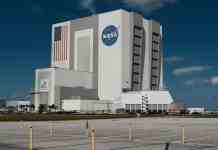





[…] roots of Kennedy Space Center (KSC) trace back to the intense geopolitical climate of the 1950s, during the height of the […]