
Introduction
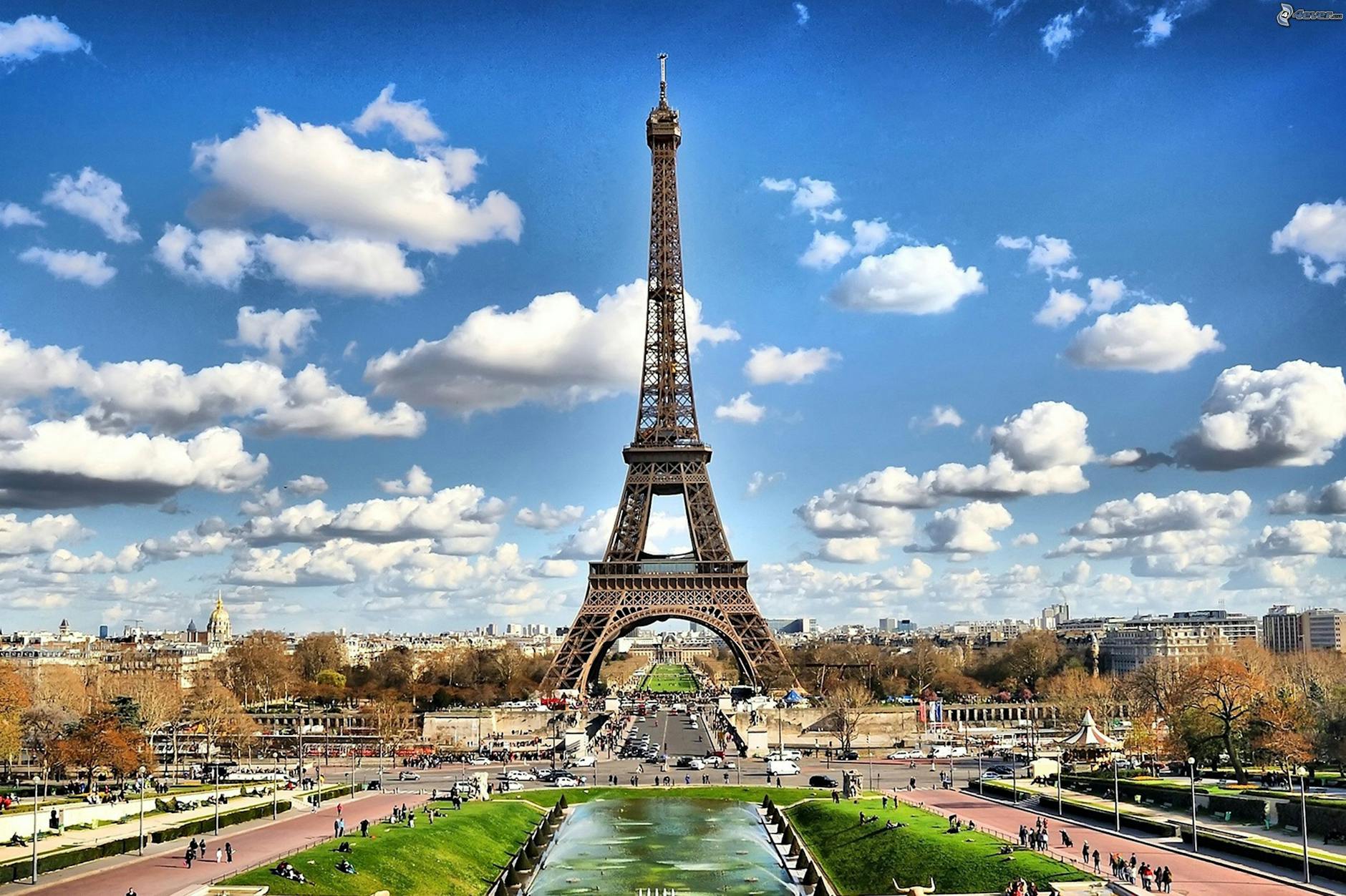
The Eiffel Tower is an iconic structure that has become synonymous with Paris and French culture. Completed in 1889 as the centerpiece for the Exposition Universelle (World’s Fair), it was initially met with skepticism and criticism from some of the leading artists and intellectuals of the time. However, over the years, it has transformed into a beloved symbol of France’s architectural and engineering prowess. Towering at 1,083 feet, the Eiffel Tower was the tallest man-made structure in the world until the completion of the Chrysler Building in New York City in 1930. This article delves into the rich history of the Eiffel Tower, exploring its design, cultural significance, renovations, and a selection of fascinating facts that showcase its enduring appeal.
Historical Background
The Eiffel Tower’s history begins with a vision of innovation and a desire to showcase technological advancement. Designed by engineer Gustave Eiffel and his team, the tower was conceived as part of the 1889 Exposition Universelle, celebrating the 100th anniversary of the French Revolution. At the time, France was eager to demonstrate its industrial capabilities, and what better way to do so than by building an extraordinary structure that challenged the norms of traditional architecture?
Construction began in January 1887 and took just over two years to complete, a feat that was remarkable for its time. Over 300 workers dedicated themselves to erecting the tower, utilizing about 18,000 iron pieces held together by over 2.5 million rivets. The construction faced significant hurdles, including skepticism from the public and artistic circles who viewed the design as an eyesore. However, Eiffel and his team remained resolute, believing in the structural integrity and aesthetic potential of their design.
As the tower grew taller, it began to gain respect. The project faced political pressures as well; many saw it as an extravagant expenditure amid social unrest in France. Eiffel cleverly defended the structure by conducting educational campaigns that emphasized its scientific and hydraulic significance. He showcased its meteorological and aerodynamics capabilities, which helped shift perceptions among skeptics.
Upon completion, the Eiffel Tower was unveiled on March 31, 1889, and opened to the public on May 6 of the same year. It was initially meant to be a temporary installation set to be dismantled after 20 years. However, its utility as a communications tower and its popularity among tourists prompted officials to retain it. Thus, the Eiffel Tower’s historical significance extended far beyond its initial purpose, marking a new era of construction and a superb representation of modern engineering.
Architectural Design
The architectural design of the Eiffel Tower is as fascinating as its history, characterized by its unique structure and innovative use of materials. Gustave Eiffel’s vision was not just to build a tall tower; he aimed to create a structure that showcased the artistry of iron as a building material. The aesthetic appeal and elegance of the design have made the Eiffel Tower a subject of study for architects and engineers alike.
One of the most striking aspects of its design is the way it tapers, allowing for stability and reducing windswept forces. The original design featured a lattice structure built from wrought iron, reflecting Eiffel’s deep understanding of mechanics and physics. This choice of material was not only iconic but also efficient, providing the necessary strength while keeping the weight down to a manageable level.
The tower is divided into three levels, each featuring distinct characteristics. The first level includes a glass floor that provides visitors with a unique perspective of the ground below, while the second level hosts various restaurants offering premium dining experiences with spectacular views of the city. The third level, situated at the pinnacle of the tower, presents an observation deck that allows visitors to enjoy panoramic views of Paris.
Eiffel’s foresight in incorporating elevators into the design was a groundbreaking achievement, making the tower accessible for everyone, not just the physically adept. Originally, the tower had steam-powered elevators, which were eventually replaced with electric ones. This aspect of design illuminated the necessity of blending form and function, positioning the Eiffel Tower as a precursor to modern skyscrapers.
Moreover, the Eiffel Tower has undergone several redesigns and upgrades since its opening. Seasonal lighting displays and the addition of glass pavilions reflect evolving tastes and technology. The intricate behaviors of light across its iron lattice add a dynamic quality to the structure, enhancing its iconic status as an urban landmark.
Cultural Impact
The Eiffel Tower’s cultural impact extends far beyond its physical presence in the Paris skyline. It is deeply interwoven with the fabric of French culture, symbolizing both national pride and artistic achievement. Over the years, it has become a muse for artists, filmmakers, and writers, serving as a backdrop for countless works that celebrate love, adventure, and the human spirit.
As a vital component of Paris’s identity, the Eiffel Tower attracts millions of tourists annually. Its unveiling marked a shift in how structures were perceived; it transformed from a mere architectural feat into a symbol of modernity that defined an era. The tower has become synonymous with romance, embodying the idea that Paris is a city of love. Couples from around the world flock to the Eiffel Tower to propose, celebrate anniversaries, and capture unforgettable moments against its magnificent backdrop.
Furthermore, the Eiffel Tower stands as a canvas for artistic expression. Each year, it is adorned with light installations that celebrate various occasions — from national holidays to international events. These displays infuse the structure with cultural significance, creating a sense of unity and festivity among visitors and locals alike. The tower’s light shows promote inclusivity and spark conversations around shared experiences.
The Eiffel Tower has also featured prominently in the media and pop culture. From its depiction in classic films like “An American in Paris” to modern adventures in movies like “Midnight in Paris,” it serves as a powerful symbol of exploration and artistic inspiration. Additionally, the tower’s presence in books, paintings, and songs further cements its status as an eternal muse. Through art, the Eiffel Tower transcends its physical form, representing ideals of love, freedom, and aspiration shared across cultures.
While the tower embodies the essence of Paris and France, it also carries a global significance. It has transformed into a universal icon, representing the spirit of innovation and culture on an international scale. Its image can be found in various forms around the world, serving as an emblem for numerous global initiatives. Thus, the cultural influence of the Eiffel Tower extends beyond borders, echoing the universal themes of hope and marvel.
Renovations and Maintenance
To preserve the Eiffel Tower as both a historic site and a functional attraction, regular renovations and maintenance are crucial. The immense structure requires continuous upkeep to withstand weather conditions and the thousands of visitors who traverse its levels. Since its completion, numerous renovations have been executed to enhance safety and sustainability while retaining its historical significance.
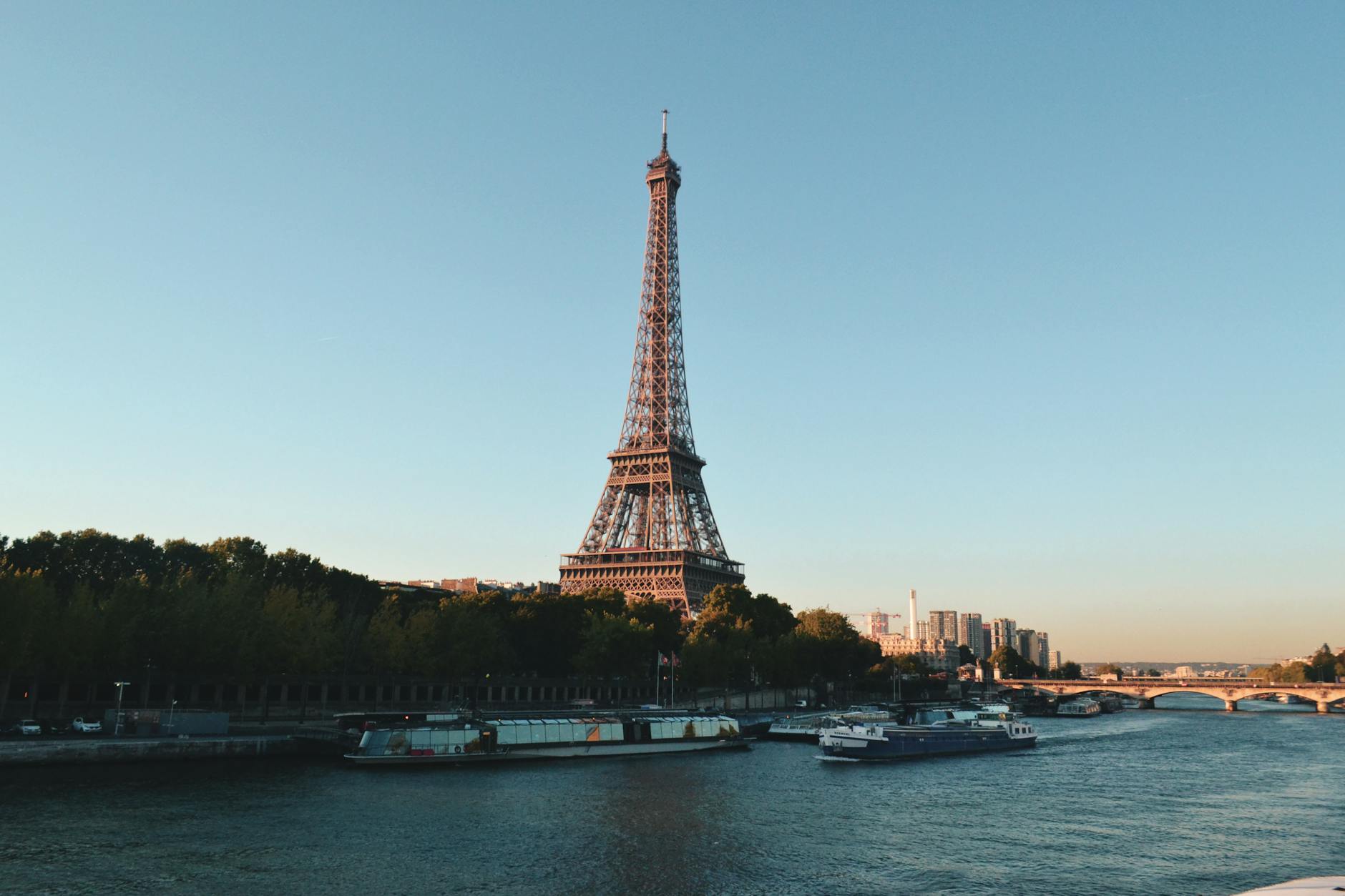
One of the most significant challenges faced by the structure is rust. Given its iron composition, the Eiffel Tower is particularly vulnerable to corrosion, especially in the moist climate of Paris. To combat this, the tower undergoes a comprehensive painting process every seven years. These paint jobs not only protect the iron from rust but also serve to refresh its aesthetic appeal. The paint color has also evolved over the years; initially painted Venetian red, it has transitioned to shades of bronze—known as “Eiffel Tower Brown”—to complement the surrounding architecture and environment.
In addition to protective maintenance, accessibility upgrades have also played a role in the tower’s preservation. This includes the installation of modern elevators, allowing all visitors, regardless of physical ability, to experience the breathtaking views from its observation decks. These enhancements are critical in maintaining the Eiffel Tower’s status as a top tourist destination.
In recent years, attention has shifted toward sustainability as a growing priority. Efforts to reduce the tower’s carbon footprint have led to the implementation of solar panels and energy-efficient lighting systems. These initiatives reflect a commitment to evolving with the times and addressing environmental concerns while preserving the historical aspects of the structure.
Significant renovations have also included advancements in technology and visitor experience enhancements. For example, the installation of interactive exhibits and digital guides enriches the visitor experience, providing insights into the history and engineering of the tower. These modern technology integrations bridge the gap between history and innovation, ensuring that the Eiffel Tower remains relevant and engaging for future generations.
Overall, ongoing renovations and maintenance serve as a testament to France’s commitment to preserving this national treasure. Every initiative reflects a microcosm of the balance between historical integrity and contemporary demands. By addressing physical deterioration and enhancing visitor experiences, the Eiffel Tower continues to stand tall as a symbol of resilience and innovation.
Interesting Facts
The Eiffel Tower is not only an architectural marvel but also a repository of fascinating trivia that astounds visitors and residents alike. The following facts highlight the unique features and historical milestones of this iconic structure.
- Height Adjustments: The Eiffel Tower’s height is not fixed; it can grow or shrink by up to six inches depending on temperature. During warmer months, the metal expands, creating a taller silhouette. This phenomenon is a direct result of the thermal expansion properties of iron.
- Two-time World Record Holder: Upon its completion, the Eiffel Tower was the tallest man-made structure in the world, holding this title until the Chrysler Building was erected in 1930. It regained its status as the tallest building after the addition of the antenna in 1957, making it a two-time world record holder.
- Colorful History: The Eiffel Tower has been painted different colors throughout its life. Besides the initial Venetian red, it has sported shades like yellow-ochre and chestnut brown before settling on the current bronze palette.
- Inspiration for Other Structures: The design of the Eiffel Tower has inspired a myriad of other structures around the world. Notable replicas and variations can be found in Las Vegas, Tokyo, and Shenzhen, showcasing its global influence in architecture.
- Visitors from Around the Globe: Each year, over 7 million people visit the Eiffel Tower, making it one of the most visited paid monuments in the world. Its international draw speaks to the universal appeal of its beauty and historical significance.
These facts merely scratch the surface of what makes the Eiffel Tower so captivating. Each piece of trivia tells a story of innovation, history, and culture, reaffirming why the Eiffel Tower continues to enchant people from all walks of life.
Conclusion
The Eiffel Tower is much more than a towering metal structure; it is an emblem of human ingenuity and artistic expression. Its rich history, breathtaking design, cultural significance, and ongoing maintenance efforts contribute to its status as one of the most recognized landmarks in the world. Busy tourists, artists seeking inspiration, and couples celebrating love all gather beneath its iconic silhouette, connecting in a shared admiration of its charm.
As we reflect on the legacy of the Eiffel Tower, it becomes evident that it represents not just the city of Paris but a broader message of hope, innovation, and resilience. As it continues to evolve and adapt to modern needs while preserving its historical integrity, the Eiffel Tower will undoubtedly remain a cherished symbol for generations to come. The stories, memories, and experiences that it has fostered will linger long after its construction, deepening its significance in the hearts of people worldwide.
Sources
- “The Eiffel Tower: A Cultural History” by David E. Schneider
- “Eiffel: The Genius Who Reinvented Architecture” by David I. McCullough
- “A Comprehensive Guide to The History of The Eiffel Tower” by Architectural Digest
- “Eiffel Tower: The 125th Anniversary” from the official Eiffel Tower website
- Documentaries on the construction and design of the Eiffel Tower from BBC and History Channel








[…] “Eiffel Star,” the brainchild of PSG’s brand director Fabien Allègre, isn’t entirely new. It […]
[…] allowing visitors to appreciate the grand urban landscape and its historical landmarks, including the Eiffel Tower and the […]
[…] innovative engineering, including the use of a revolutionary iron framework by Gustave Eiffel, the statue was constructed in France and then disassembled for transport to the United States. The […]